



Search News
Industry Portal
Popular Tags
Vacuum Deep Cryogenic Insulation: Key Failure Risks and How to Prevent Them
Author
Time
Click Count
Vacuum Deep Cryogenic Insulation: Key Failure Risks and How to Prevent Them
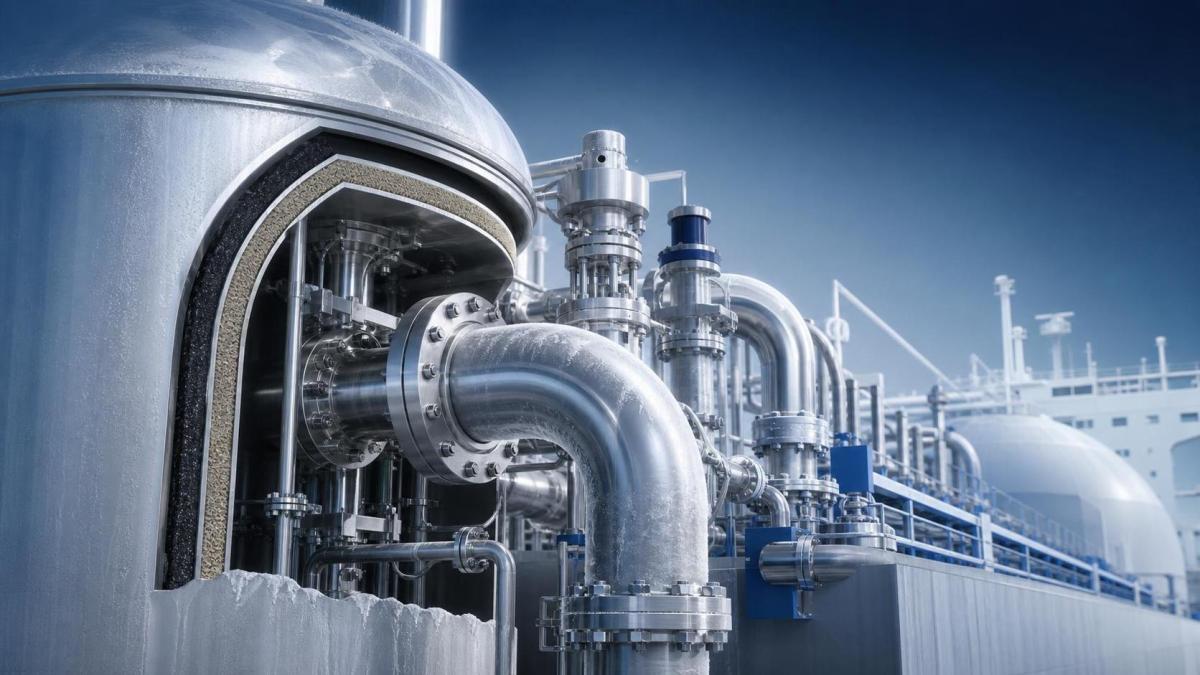
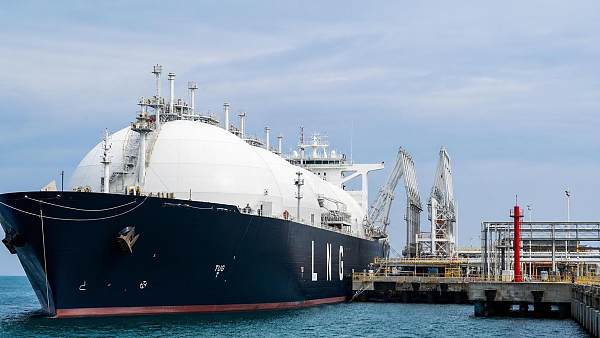
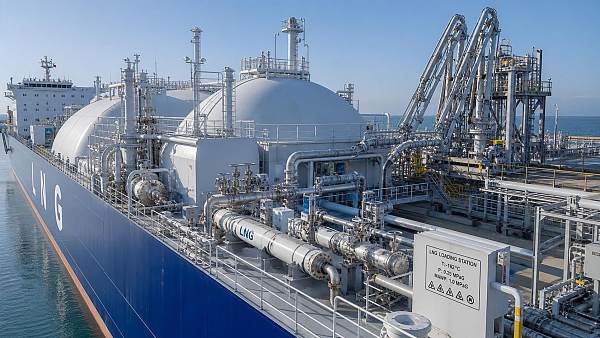
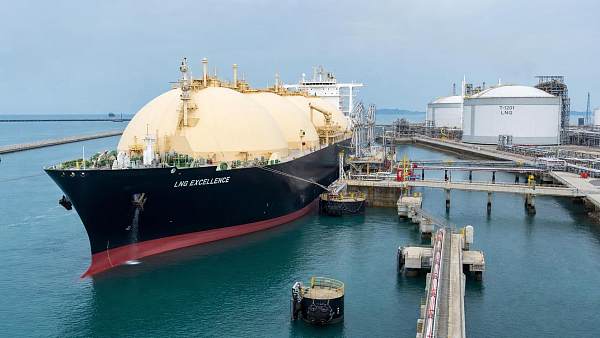
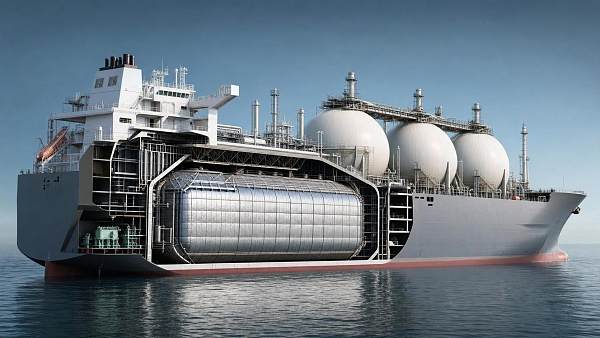
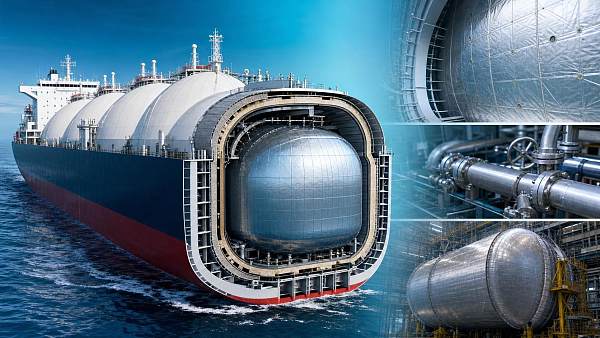
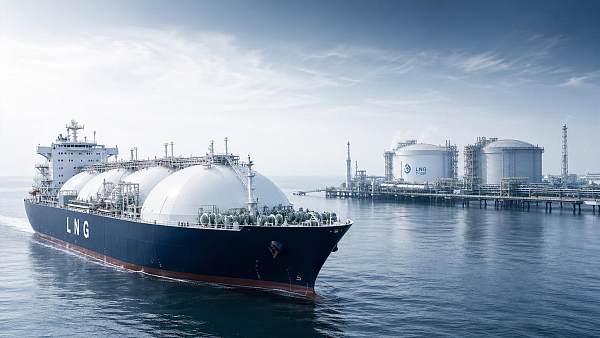
For LNG carriers and other low-temperature assets, vacuum deep cryogenic insulation sits at the center of thermal protection, cargo stability, and operational safety.
When it performs well, heat ingress stays controlled, boil-off gas remains predictable, and structural loads stay within design intent.
When it fails, the effects spread quickly across containment integrity, energy balance, inspection workload, and compliance risk.
That is why vacuum deep cryogenic insulation should never be treated as a passive material issue alone.
It is a system problem involving vacuum stability, barrier tightness, material durability, instrumentation accuracy, and maintenance discipline.
In practice, most losses do not begin with dramatic damage.
They start with small leaks, unnoticed moisture, weak joints, sensor drift, or handling decisions made under schedule pressure.
The good news is that many vacuum deep cryogenic insulation failures can be detected early and prevented with structured controls.
Why vacuum deep cryogenic insulation fails in real operations
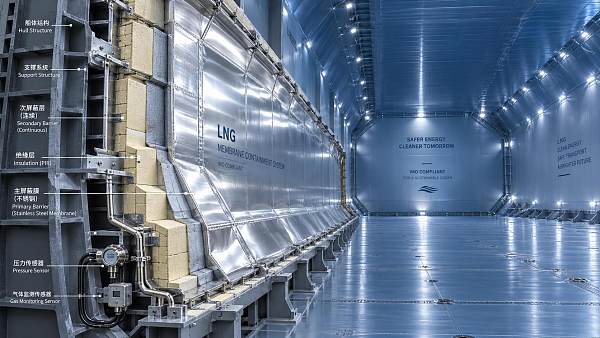
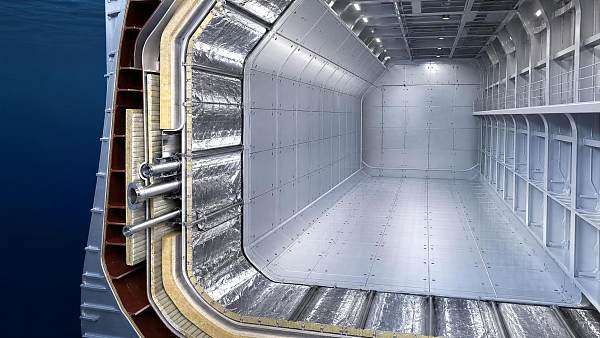
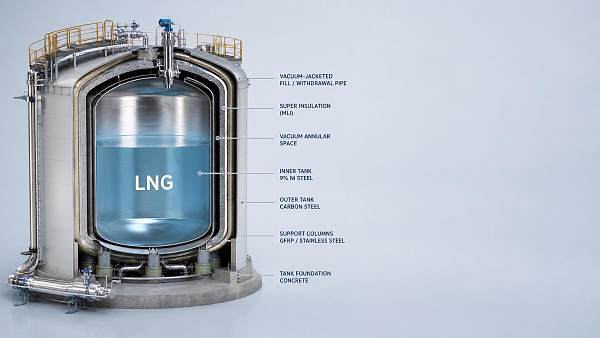
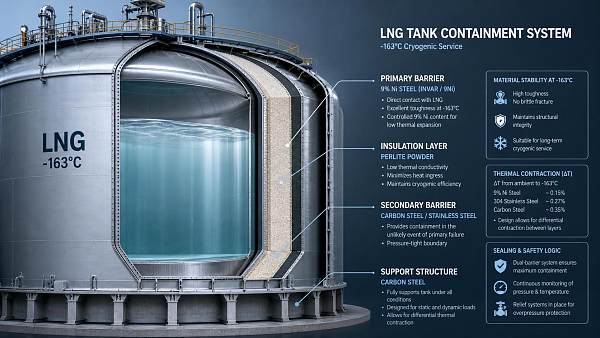
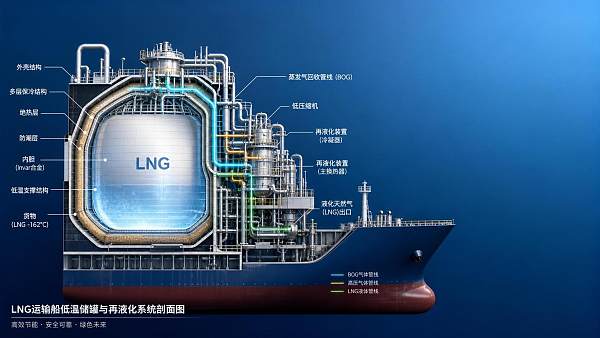
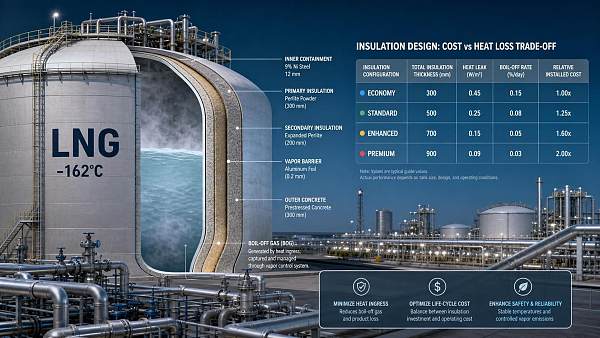
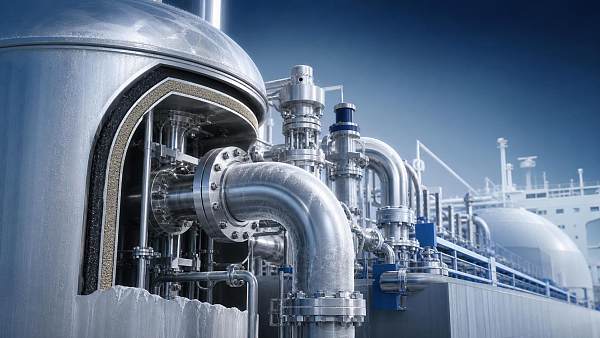
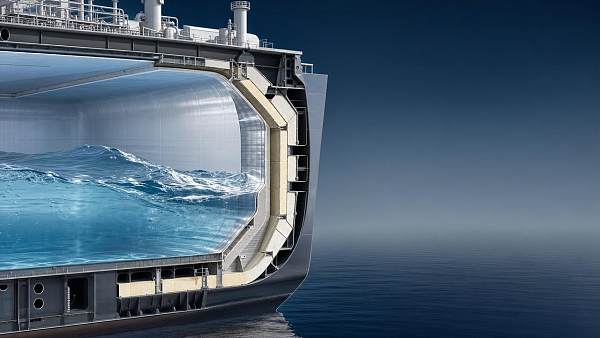
Vacuum deep cryogenic insulation works by reducing gas conduction, limiting radiation transfer, and keeping thermal bridges under control.
This design looks simple on paper, but field conditions are rarely steady.
Pressure cycling, vibration, sloshing, welding repairs, and repeated cooldown events all place stress on the insulation system.
More importantly, failure usually comes from interacting causes rather than a single defect.
A tiny vacuum loss can increase thermal ingress.
That extra heat can create local contraction mismatch, which then worsens seal performance and raises the leak rate further.
This is why risk review should focus on chain reactions, not isolated symptoms.
1. Vacuum loss and hidden leakage paths
The most direct threat to vacuum deep cryogenic insulation is loss of vacuum quality.
Even a slow leak can sharply reduce insulation efficiency over time.
Common leakage paths include flange interfaces, valve stems, instrumentation penetrations, weld defects, and aging seal materials.
In marine service, vibration and salt-laden environments can accelerate this process.
A frequent mistake is relying only on periodic pressure readings.
By the time pressure drift becomes obvious, thermal performance may already be outside target range.
2. Moisture ingress and ice formation
Moisture is another quiet but destructive driver.
If water vapor enters the insulation space, it can condense and freeze at cryogenic boundaries.
That leads to local thermal bridges, higher heat leak, and possible material cracking during thermal cycling.
Moisture contamination also makes fault diagnosis harder because symptoms can appear intermittent.
3. Compression damage and insulation settling
Vacuum deep cryogenic insulation depends on stable internal geometry.
If insulation layers compress, settle, or shift, the designed thermal resistance changes.
This can happen after improper transport, over-tightened supports, rough maintenance access, or long service exposure.
In high-vibration applications, localized compaction may appear well before end-of-life estimates.
4. Material aging under thermal cycling
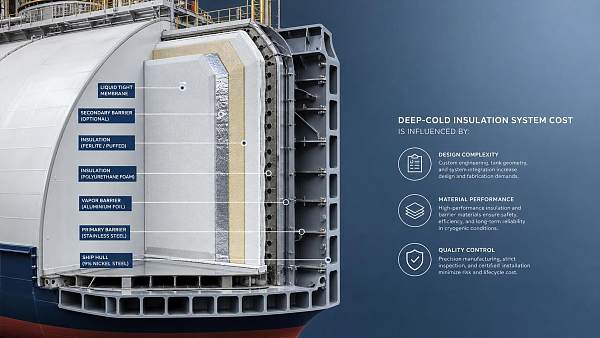
Repeated cooldown and warm-up cycles gradually age seals, spacers, adhesives, and reflective barriers.
Some materials harden, some shrink, and others lose resilience.
Once that happens, vacuum deep cryogenic insulation may still look intact while performance declines underneath.
This is especially important for LNG carriers facing variable loading profiles and long operating campaigns.
Early warning signs that should never be ignored
From a quality and safety perspective, early signals matter more than post-failure analysis.
The challenge is that vacuum deep cryogenic insulation problems often appear first as indirect changes.
- Unexpected boil-off gas increase during otherwise stable operating conditions.
- Local cold spots, frosting, or temperature asymmetry on external surfaces.
- Longer cooldown time or higher energy demand during startup.
- Recurring vacuum pump intervention beyond historical baseline.
- Small pressure trend deviations after maintenance or voyage vibration events.
- Sensor values that remain within limits but drift away from peer locations.
None of these signs proves insulation failure alone.
Together, they often point to weakening vacuum deep cryogenic insulation performance.
A useful rule is simple: if the thermal story no longer matches the operating story, investigate immediately.
Practical prevention measures that work
Prevention begins long before an alarm appears.
The most effective controls combine design validation, installation discipline, condition monitoring, and response thresholds.
Tighten leak prevention at every penetration point
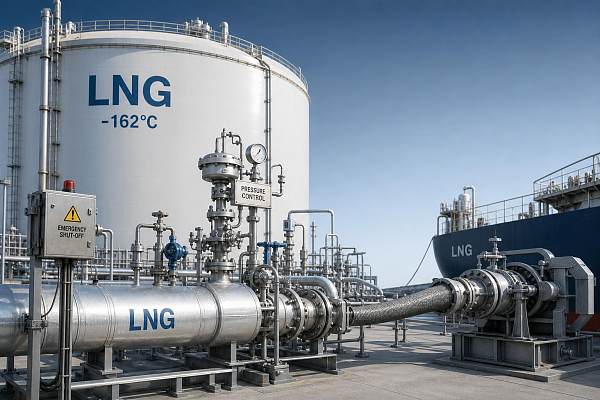
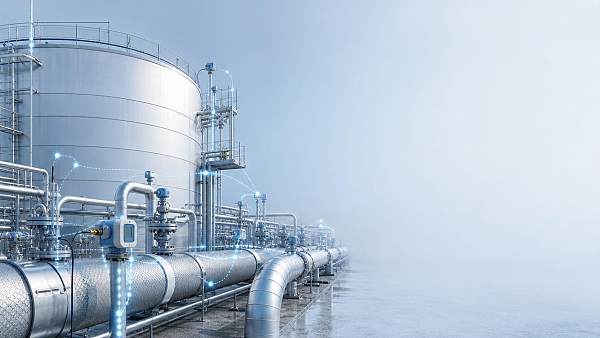
Every penetration is a potential weak point in vacuum deep cryogenic insulation.
Use documented torque control, qualified welding procedures, and leak testing that matches service severity.
After repairs, compare post-work leak trends with pre-work baselines, not only pass or fail criteria.
Control moisture exposure during installation and maintenance
Moisture control needs procedural discipline.
Keep exposed insulation windows as short as possible.
Use dry gas purging where required, protect open interfaces, and confirm dryness before final closure.
In humid ports or rainy conditions, this step becomes even more critical.
Protect insulation geometry from handling damage
Many teams inspect for tears and surface damage but miss compression risk.
Set handling limits, support limits, and access restrictions for areas containing vacuum deep cryogenic insulation.
Any unexpected load event should trigger inspection, even if no visible damage appears.
Use trend-based monitoring, not snapshot checks
A single acceptable reading can hide a worsening condition.
Track vacuum level, boil-off rate, cooldown energy, external temperature mapping, and maintenance events together.
That combined view gives a far better picture of vacuum deep cryogenic insulation health.
A simple inspection framework for risk control
To make prevention practical, it helps to use a repeatable inspection framework.
This kind of structure helps teams move from reactive troubleshooting to predictable risk control.
It also creates clearer evidence for audits, incident review, and vendor discussions.
What stronger prevention looks like in day-to-day management
The strongest programs treat vacuum deep cryogenic insulation as a managed safety barrier, not a background component.
That means setting trigger levels for investigation, standardizing inspection evidence, and linking thermal anomalies to maintenance decisions.
It also means reviewing small deviations seriously, especially after shipyard work, route changes, or unusual operating stress.
For organizations managing LNG carriers, this approach supports lower losses, steadier compliance, and fewer surprise interventions.
From a broader GTOT perspective, the same logic applies across extreme transport systems.
Critical infrastructure stays reliable when hidden failure mechanisms are tracked before they grow into visible incidents.
In the end, vacuum deep cryogenic insulation performs best when leak prevention, moisture control, condition trending, and disciplined repair practice work together.
That is the practical path to protecting thermal performance, operational continuity, and safety margins where cryogenic risk leaves very little room for error.
Recommended News
 Sep 28, 2026When is nickel steel containment needed for cryogenic storage?Nickel steel containment is essential when cryogenic tanks face brittle-fracture risk. Discover how temperature, loads, and tank design guide the right choice.
 Sep 11, 2026How membrane containment systems demonstrate compliance with IMO standardsMembrane containment systems IMO standards: discover how LNG carriers prove compliance through verified barriers, testing, monitoring, and traceable records.
 Sep 10, 2026How membrane and Moss containment systems differ for LNG carriersLNG cargo containment for carriers: compare membrane and Moss systems for capacity, BOG, safety, sloshing, lifecycle cost, and operational flexibility.
 Sep 03, 2026What drives membrane containment systems cost in LNG projects?Membrane containment systems cost depends on tank design, materials, labor, QA, and boil-off performance. Discover how to control LNG project risk and lifecycle costs.
 Aug 11, 2026How Vacuum Insulated Cryogenic Engineering Reduces Boil-Off and Heat LeakVacuum insulated cryogenic engineering cuts boil-off and heat leak by optimizing vacuum spaces, MLI, supports, and penetrations—discover what really improves LNG thermal performance.
 Aug 09, 2026What Determines Safe Cryogenic Containment Design in LNG Storage?Cryogenic containment design in LNG storage depends on materials, thermal stress, leak control, and BOG management. Discover what truly defines safe, code-compliant performance.
 Jul 29, 2026How to Evaluate a Cryogenic Tank Handling System for LNG Transfer SafetyCryogenic tank handling system evaluation for LNG transfer safety: learn how to assess pressure control, insulation, ESD response, and operational reliability before choosing a safer system.
 Jul 24, 2026Deep-Cryogenic Insulation Systems Cost: What Drives Total Project Spend?Deep-cryogenic insulation systems cost depends on design, materials, installation, QA, and boil-off performance. Learn what drives total project spend and compare bids with confidence.
 Jul 21, 2026LNG Carriers Class Approval: Key Rules and Compliance RisksLNG carriers class approval explained: key rules, major compliance risks, and practical steps to prevent delays, protect vessel readiness, and improve charter confidence.
 Jul 15, 2026Low Boil Off Insulation System Performance: What Reduces LNG Losses MostLow boil off insulation system performance explained: discover what cuts LNG losses most through smarter containment, installation quality, and BOG management.
 Jul 13, 2026Deep Cryogenic Insulation for LNG Tanks: Cost vs Heat LossDeep cryogenic insulation for LNG tanks impacts more than upfront cost. Learn how lower heat loss cuts BOG, improves efficiency, and strengthens lifecycle value.
 Jul 13, 2026Low Loss Cryogenic Handling: Key Factors for Safer TransferLow loss cryogenic handling starts with thermal control, pressure balance, and clean transfer. Learn the key factors that reduce boil-off, protect product integrity, and improve safer LNG and industrial operations.
 Jul 12, 2026LNG Vessel Fuel Storage: Main Safety Risks and FixesLNG vessel fuel storage safety starts with early risk detection. Learn the main hazards, warning signs, and practical fixes to reduce leaks, pressure instability, and onboard failures.
 Jul 09, 2026Membrane Cargo Tank vs Moss Type: Which Fits Modern LNG FleetsMembrane cargo tank vs Moss type: compare LNG fleet capacity, boil-off strategy, maintenance, and asset value to choose the best-fit design for modern shipping returns.
 Jul 08, 2026Membrane Containment Systems: Key Failure Risks in LNG Tank DesignMembrane containment systems are central to LNG tank safety. Explore key failure risks, from insulation degradation to sloshing and secondary barrier issues, and learn what to check early.
 Jul 06, 2026How to Compare a Cryogenic Shipping Systems Manufacturer for Long-Haul LNG ProjectsCryogenic shipping systems manufacturer selection can make or break long-haul LNG projects. Compare boil-off control, compliance, engineering support, and lifecycle value.
 Jul 02, 2026Cryogenic Shipping Safety: Common Failure Risks and FixesCryogenic shipping safety starts with finding hidden failure risks early. Learn the main causes, practical fixes, and audit gaps that help protect LNG cargo, cut incidents, and improve control.
 Jul 02, 2026LNG Carriers Dimensions Explained for Terminal PlanningLNG carriers dimensions explained for smarter terminal planning. Learn how vessel size affects berth design, draft limits, mooring, and future fleet compatibility.
 Jun 30, 2026LNG Carrier Containment Technology Explained: Membrane vs Moss SystemsLNG carrier containment technology explained clearly: compare membrane vs Moss systems, key trade-offs, cargo efficiency, sloshing risk, and what drives smarter LNG vessel decisions.
 Jun 30, 2026Vacuum Deep Cryogenic Insulation: Key Failure Risks and How to Prevent ThemVacuum deep cryogenic insulation failure can raise boil-off, safety, and compliance risks. Learn key warning signs, root causes, and practical prevention steps to protect LNG operations.
 Jun 28, 2026Deep-Cryogenic Insulation Cost: What Drives Budget Changes in LNG ProjectsDeep-cryogenic insulation cost in LNG projects depends on materials, containment design, labor, compliance, and shipyard execution. Learn what drives budget changes and how to control risk.
 Jun 25, 2026Cryogenic Shipping Solutions: Key Risks, Costs, and Containment ChoicesCryogenic shipping solutions: compare key risks, lifecycle costs, and membrane vs. Moss containment to avoid hidden losses and choose safer, more efficient LNG transport.
 Jun 15, 2026Cryogenic Engineering Basics: Key Design Factors for Containment SafetyCryogenic engineering basics explained: discover the key design factors behind safer LNG and low-temperature containment, from materials and thermal stress to boil-off control and monitoring.
 Jun 11, 2026Membrane Containment Systems: Key Failure Risks and Design ChecksMembrane containment systems demand rigorous design checks. Explore key failure risks, from sloshing stress to insulation aging, and learn how to improve LNG vessel safety and compliance.