



Search News
Industry Portal
Popular Tags
Cryogenic Shipping Challenges That Impact Cargo Integrity
Author
Time
Click Count
In cryogenic shipping, even minor deviations in temperature control, insulation performance, or handling procedures can compromise cargo integrity and raise serious safety risks. For quality control and safety managers, understanding these hidden vulnerabilities is essential to preventing loss, maintaining compliance, and ensuring reliable delivery across complex global transport chains.
Why does cryogenic shipping fail even when equipment looks compliant?
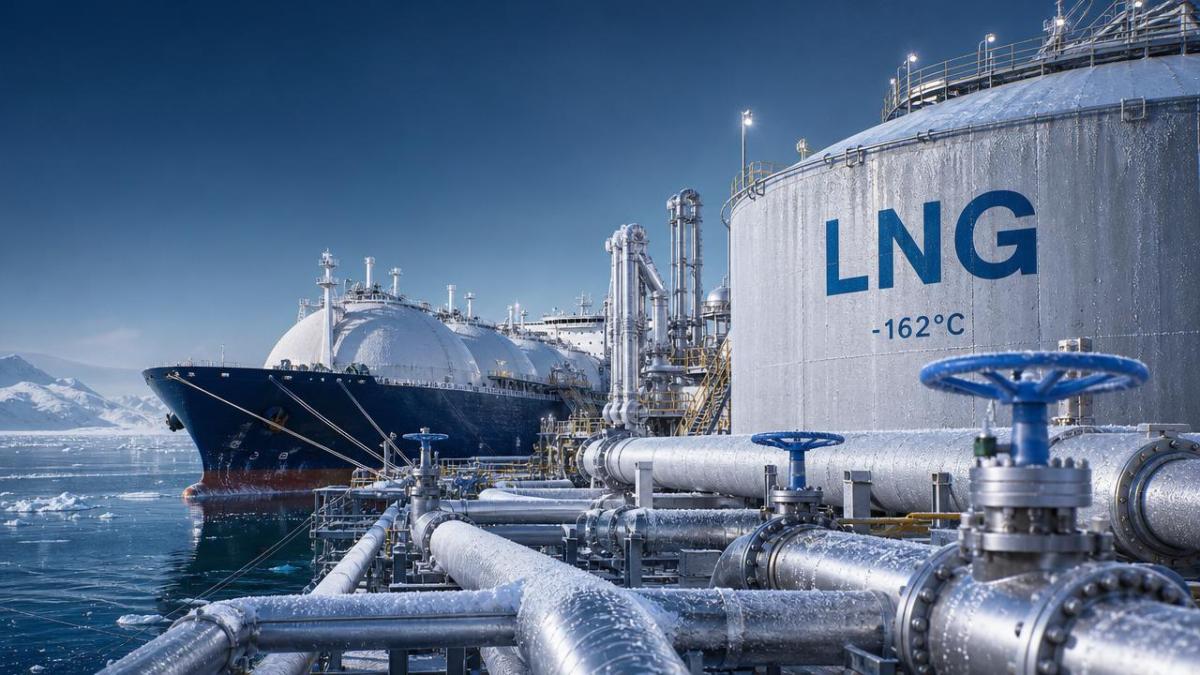
Cryogenic shipping is not simply cold transport. It is a tightly controlled operational system where cargo temperature, containment integrity, boil-off management, route conditions, loading discipline, and emergency response must work together. A vessel, tank, or transfer line may appear technically compliant on paper, yet cargo integrity can still degrade if the system is not managed as a live risk environment.
For quality control and safety managers, the real challenge is that failures often begin as small deviations. A minor increase in heat ingress, a delayed valve response, incomplete pre-cooling, or poor documentation handoff between terminals can trigger larger problems later in the voyage. In cryogenic shipping, the cost of late detection is high because product loss, material embrittlement, pressure instability, and safety exposure can escalate quickly.
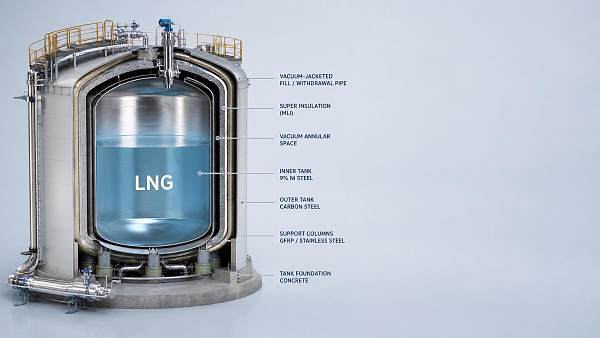
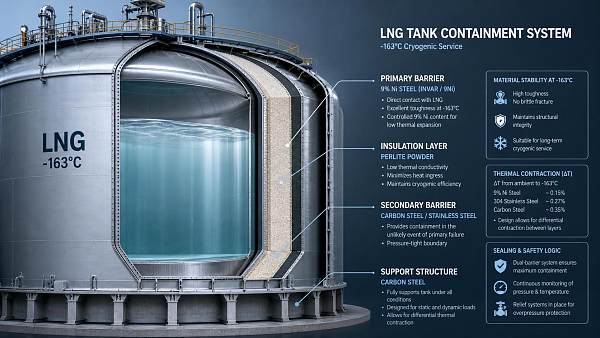
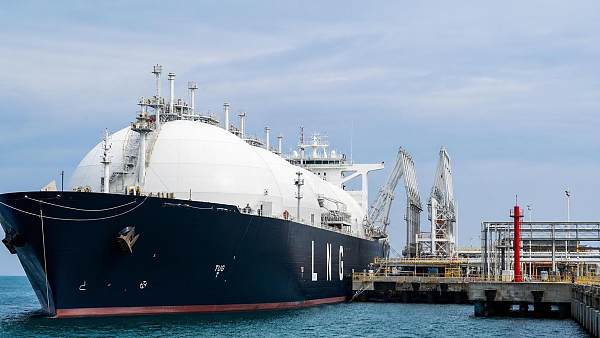
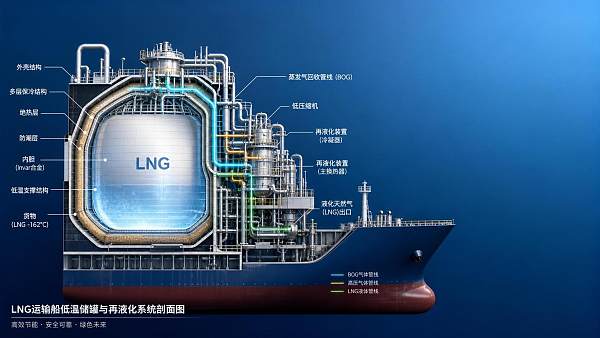
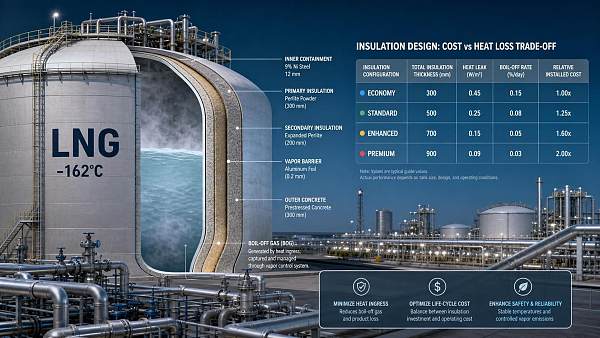
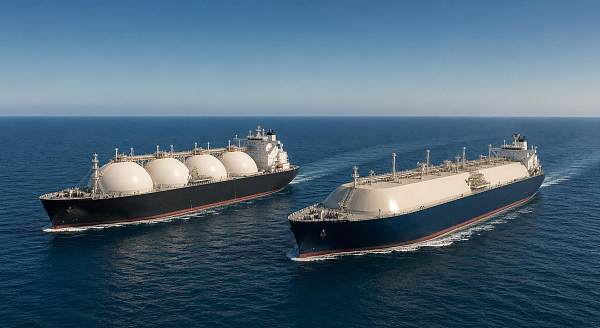
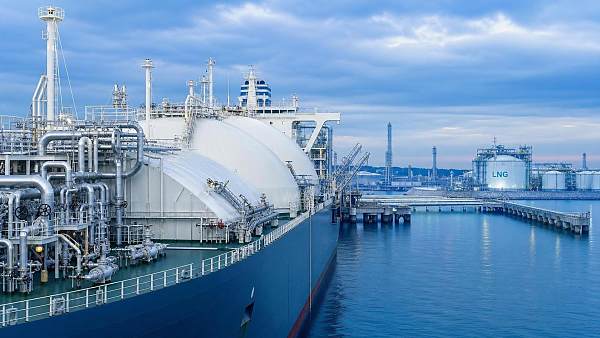
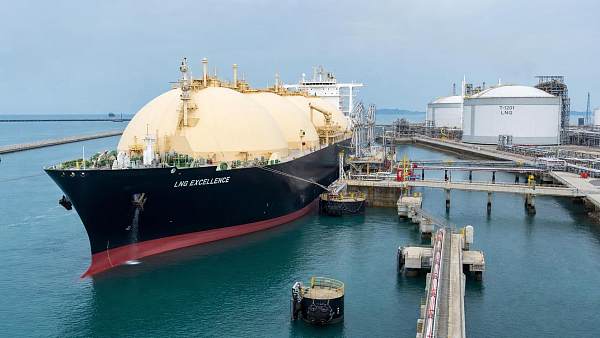
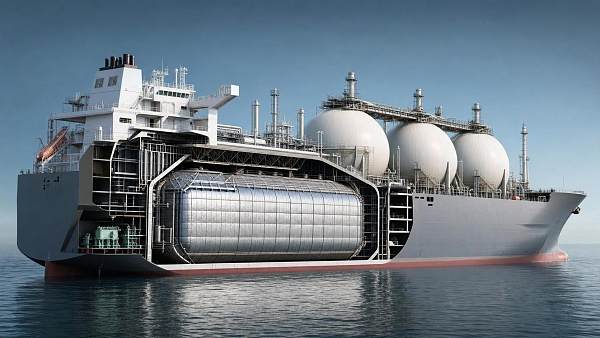
This is especially relevant in LNG carrier operations and other deep-cold maritime logistics where temperatures can approach minus 163 degrees Celsius. GTOT tracks these risk points from both engineering and operational angles, connecting insulation behavior, containment stress, route intelligence, and supply chain execution. That cross-domain view matters because cargo integrity is rarely lost by one isolated factor.
- Design compliance does not remove voyage risk if actual sea state, terminal practices, and crew routines differ from assumed operating conditions.
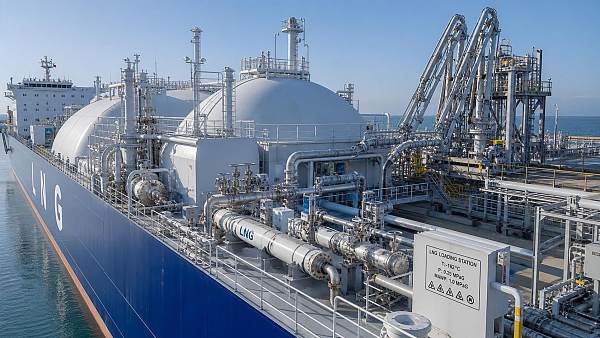
- Quality failures often originate at interfaces, such as ship-to-shore transfer, custody documentation, sensor calibration, and maintenance gaps.
- Safety managers must evaluate not only hardware condition but also procedural discipline, alarm logic, and escalation readiness.
The main cryogenic shipping challenges that impact cargo integrity
When teams investigate cargo deviations, they often focus first on visible equipment faults. In practice, cryogenic shipping challenges are broader. They include thermal performance, structural reliability, operational consistency, regulatory control, and data quality. The table below highlights the failure pathways most relevant to cargo integrity and safety oversight.
The key takeaway is that cryogenic shipping failures are often cumulative. A ship can tolerate one limited deviation, but multiple small weaknesses may combine into an integrity event. That is why effective oversight requires linked monitoring across insulation, containment, transfer operations, and instrumentation.
Where quality teams should look first
The first review point should be trend data rather than isolated snapshots. A single acceptable tank pressure reading does not prove stability. What matters is whether pressure, boil-off gas handling, cargo temperature distribution, and tank level behavior stay within expected ranges over time and under changing voyage conditions.
- Check whether temperature deviations correlate with route weather, transfer windows, or maintenance events.
- Verify that alarm thresholds reflect operational risk, not only minimum regulatory settings.
- Review near-miss reports for recurring low-level procedural deviations that may not have caused immediate loss.
Which voyage scenarios create the highest cargo integrity risk?
Not every movement in cryogenic shipping carries the same risk profile. Quality and safety managers should segment operations by scenario. A short, predictable route with experienced terminal crews presents a different control challenge than a long-haul LNG voyage involving weather variability, bunkering coordination, and congested receiving windows.
High-risk scenarios
- First loading after maintenance, when equipment may be technically restored but not yet operationally proven under live cryogenic conditions.
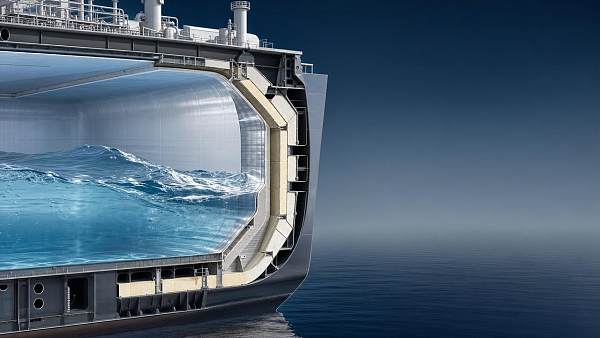
- Partial loads or changing fill levels, which can alter sloshing behavior and influence containment stress.
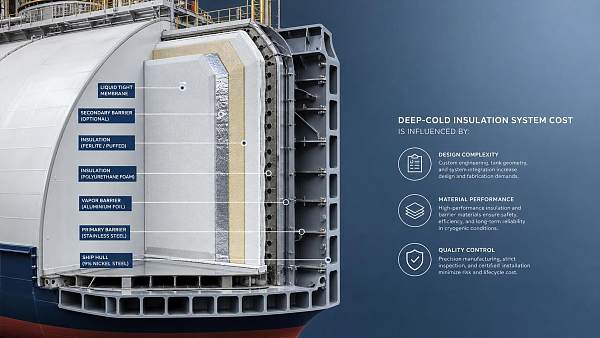
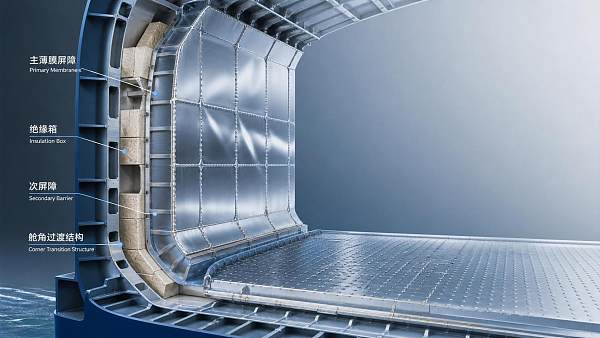
- Long transits through rough sea zones, where repeated motion loads increase membrane and insulation stress exposure.
- Port delays and anchorage waiting, which may extend holding time and pressure management demands beyond initial voyage assumptions.
GTOT’s intelligence approach is useful here because cryogenic shipping should not be judged in isolation from the wider transport chain. Schedule pressure, berth availability, shipbuilding cycles, digital monitoring maturity, and operator capability all affect risk. The same cargo system can perform differently depending on commercial timing and operational context.
How to evaluate equipment and operating readiness before procurement or deployment
Many procurement mistakes happen because buyers focus on headline specifications instead of integrity control. For cryogenic shipping, quality and safety managers should participate early in selection. Their role is not only to review compliance documents but to test whether the design and operating philosophy match the expected trade pattern, terminal interface, and response capability.
The following table can support pre-procurement and pre-deployment evaluation for cryogenic cargo systems, especially in LNG carrier and marine transport environments.
This type of structured review improves purchasing decisions because it moves the conversation from equipment cost alone to integrity protection across the cargo lifecycle. For quality teams, that is the difference between owning a specification and controlling an outcome.
A practical pre-approval checklist
- Confirm the expected cargo temperature range, pressure regime, voyage duration, and transfer frequency.
- Review whether insulation performance assumptions remain valid under aging, vibration, and marine exposure.
- Ask for maintenance logic, alarm cause mapping, and recommended intervention thresholds.
- Check compatibility between vessel systems, terminal procedures, and digital reporting expectations.
What standards and compliance points should safety managers watch?
Compliance in cryogenic shipping is more than a certificate file. Safety managers should treat standards as the baseline, then assess whether site practice, maintenance evidence, and operating records support that baseline. Depending on cargo type and vessel application, relevant frameworks may include IMO requirements, the IGC Code for gas carriers, classification society rules, ISM safety management controls, and terminal-specific operating procedures.
A common weakness is document compliance without operational alignment. For example, a vessel may have approved procedures, but crew training records, simulation frequency, or transfer rehearsal quality may not match the complexity of the route. GTOT’s value in this area lies in connecting formal technical standards with real operating conditions across maritime and intercontinental logistics systems.
- Check whether calibration, inspection, and repair intervals are documented and closed out on time.
- Verify that emergency shutdown logic, gas detection, and venting procedures are tested under realistic scenarios.
- Review change management records when cargo profile, route, or terminal partner changes.
Common misconceptions in cryogenic shipping quality control
Some cargo losses are not caused by lack of effort but by wrong assumptions. These misconceptions can weaken both inspection routines and investment decisions.
Misconception 1: If temperature is within range, cargo integrity is safe
Temperature is only one indicator. Pressure behavior, boil-off management, insulation condition, and transfer history can reveal emerging issues before a visible temperature drift appears.
Misconception 2: Regulatory compliance guarantees low operational risk
Compliance confirms minimum acceptability, not optimized resilience. In cryogenic shipping, real-world stress from weather, scheduling pressure, and repeated thermal cycling may exceed what routine documentation alone can capture.
Misconception 3: Cargo incidents are mainly caused by major equipment failure
Many incidents start with small human or process errors: poor handover notes, incorrect valve sequencing, incomplete cool-down, or delayed response to weak alarms. Strong systems are built to detect and absorb these minor errors before they become cargo losses.
FAQ: what do quality control and safety managers ask most?
How often should cryogenic shipping systems be reviewed for integrity risk?
A fixed interval alone is not enough. Reviews should be triggered by maintenance events, route changes, unusual pressure trends, alarm recurrence, loading pattern changes, and any terminal interface incident. A periodic review plan is useful, but event-based reassessment is critical.
What is the most overlooked factor during cryogenic shipping procurement?
Lifecycle maintainability is frequently underestimated. Buyers may compare initial performance figures yet overlook spare parts access, calibration burden, repair method, and operational diagnostics. These factors strongly influence long-term cargo integrity.
Are digital monitoring tools enough to prevent cargo loss?
No. Digital tools improve visibility, but they do not replace sound operating procedures, skilled crews, and effective escalation rules. Good systems combine sensor data, human judgment, and defined intervention thresholds.
When should a company seek outside technical intelligence support?
External support is valuable when entering new cryogenic shipping routes, evaluating unfamiliar containment technologies, preparing for tender requirements, comparing vessel solutions, or investigating recurring low-level deviations that internal teams cannot clearly map to root cause.
Why choose GTOT for cryogenic shipping decision support?
GTOT supports quality and safety managers who need more than fragmented market updates. Our strength is the ability to connect deep-cryogenic vessel intelligence with broader land-sea logistics realities. That means looking at LNG carrier containment stress, insulation performance, route conditions, digital monitoring maturity, and supply chain timing as one decision environment rather than separate topics.
If you are assessing cryogenic shipping risk, preparing a tender response, comparing containment approaches, or tightening operational control, you can consult GTOT on practical questions such as:
- Parameter confirmation for cargo temperature, pressure behavior, insulation assumptions, and monitoring requirements.
- Solution selection support for vessel systems, transfer interface fit, and integrity-focused procurement criteria.
- Delivery and implementation questions, including support expectations, inspection planning, and maintenance readiness.
- Certification and compliance review, especially where technical documentation must align with maritime safety and tender requirements.
- Commercial and technical discussion for customized intelligence support, route-specific risk review, and quotation communication.
For organizations responsible for cargo integrity, cryogenic shipping should never be treated as a routine cold-chain extension. It is a precision risk-management discipline. GTOT helps you evaluate that discipline with sharper technical context, clearer procurement judgment, and more reliable operational insight.
Recommended News
 Sep 28, 2026When is nickel steel containment needed for cryogenic storage?Nickel steel containment is essential when cryogenic tanks face brittle-fracture risk. Discover how temperature, loads, and tank design guide the right choice.
 Sep 11, 2026How membrane containment systems demonstrate compliance with IMO standardsMembrane containment systems IMO standards: discover how LNG carriers prove compliance through verified barriers, testing, monitoring, and traceable records.
 Sep 10, 2026How membrane and Moss containment systems differ for LNG carriersLNG cargo containment for carriers: compare membrane and Moss systems for capacity, BOG, safety, sloshing, lifecycle cost, and operational flexibility.
 Sep 03, 2026What drives membrane containment systems cost in LNG projects?Membrane containment systems cost depends on tank design, materials, labor, QA, and boil-off performance. Discover how to control LNG project risk and lifecycle costs.
 Aug 11, 2026How Vacuum Insulated Cryogenic Engineering Reduces Boil-Off and Heat LeakVacuum insulated cryogenic engineering cuts boil-off and heat leak by optimizing vacuum spaces, MLI, supports, and penetrations—discover what really improves LNG thermal performance.
 Aug 09, 2026What Determines Safe Cryogenic Containment Design in LNG Storage?Cryogenic containment design in LNG storage depends on materials, thermal stress, leak control, and BOG management. Discover what truly defines safe, code-compliant performance.
 Jul 29, 2026How to Evaluate a Cryogenic Tank Handling System for LNG Transfer SafetyCryogenic tank handling system evaluation for LNG transfer safety: learn how to assess pressure control, insulation, ESD response, and operational reliability before choosing a safer system.
 Jul 24, 2026Deep-Cryogenic Insulation Systems Cost: What Drives Total Project Spend?Deep-cryogenic insulation systems cost depends on design, materials, installation, QA, and boil-off performance. Learn what drives total project spend and compare bids with confidence.
 Jul 21, 2026LNG Carriers Class Approval: Key Rules and Compliance RisksLNG carriers class approval explained: key rules, major compliance risks, and practical steps to prevent delays, protect vessel readiness, and improve charter confidence.
 Jul 15, 2026Low Boil Off Insulation System Performance: What Reduces LNG Losses MostLow boil off insulation system performance explained: discover what cuts LNG losses most through smarter containment, installation quality, and BOG management.
 Jul 13, 2026Deep Cryogenic Insulation for LNG Tanks: Cost vs Heat LossDeep cryogenic insulation for LNG tanks impacts more than upfront cost. Learn how lower heat loss cuts BOG, improves efficiency, and strengthens lifecycle value.
 Jul 13, 2026Low Loss Cryogenic Handling: Key Factors for Safer TransferLow loss cryogenic handling starts with thermal control, pressure balance, and clean transfer. Learn the key factors that reduce boil-off, protect product integrity, and improve safer LNG and industrial operations.
 Jul 12, 2026LNG Vessel Fuel Storage: Main Safety Risks and FixesLNG vessel fuel storage safety starts with early risk detection. Learn the main hazards, warning signs, and practical fixes to reduce leaks, pressure instability, and onboard failures.
 Jul 09, 2026Membrane Cargo Tank vs Moss Type: Which Fits Modern LNG FleetsMembrane cargo tank vs Moss type: compare LNG fleet capacity, boil-off strategy, maintenance, and asset value to choose the best-fit design for modern shipping returns.
 Jul 08, 2026Membrane Containment Systems: Key Failure Risks in LNG Tank DesignMembrane containment systems are central to LNG tank safety. Explore key failure risks, from insulation degradation to sloshing and secondary barrier issues, and learn what to check early.
 Jul 06, 2026How to Compare a Cryogenic Shipping Systems Manufacturer for Long-Haul LNG ProjectsCryogenic shipping systems manufacturer selection can make or break long-haul LNG projects. Compare boil-off control, compliance, engineering support, and lifecycle value.
 Jul 02, 2026Cryogenic Shipping Safety: Common Failure Risks and FixesCryogenic shipping safety starts with finding hidden failure risks early. Learn the main causes, practical fixes, and audit gaps that help protect LNG cargo, cut incidents, and improve control.
 Jul 02, 2026LNG Carriers Dimensions Explained for Terminal PlanningLNG carriers dimensions explained for smarter terminal planning. Learn how vessel size affects berth design, draft limits, mooring, and future fleet compatibility.
 Jun 30, 2026LNG Carrier Containment Technology Explained: Membrane vs Moss SystemsLNG carrier containment technology explained clearly: compare membrane vs Moss systems, key trade-offs, cargo efficiency, sloshing risk, and what drives smarter LNG vessel decisions.
 Jun 30, 2026Vacuum Deep Cryogenic Insulation: Key Failure Risks and How to Prevent ThemVacuum deep cryogenic insulation failure can raise boil-off, safety, and compliance risks. Learn key warning signs, root causes, and practical prevention steps to protect LNG operations.
 Jun 28, 2026Deep-Cryogenic Insulation Cost: What Drives Budget Changes in LNG ProjectsDeep-cryogenic insulation cost in LNG projects depends on materials, containment design, labor, compliance, and shipyard execution. Learn what drives budget changes and how to control risk.
 Jun 25, 2026Cryogenic Shipping Solutions: Key Risks, Costs, and Containment ChoicesCryogenic shipping solutions: compare key risks, lifecycle costs, and membrane vs. Moss containment to avoid hidden losses and choose safer, more efficient LNG transport.
 Jun 15, 2026Cryogenic Engineering Basics: Key Design Factors for Containment SafetyCryogenic engineering basics explained: discover the key design factors behind safer LNG and low-temperature containment, from materials and thermal stress to boil-off control and monitoring.
 Jun 11, 2026Membrane Containment Systems: Key Failure Risks and Design ChecksMembrane containment systems demand rigorous design checks. Explore key failure risks, from sloshing stress to insulation aging, and learn how to improve LNG vessel safety and compliance.