



Search News
Industry Portal
Popular Tags
Cryogenic Shipping Solutions: Key Risks, Costs, and Containment Choices
Author
Time
Click Count
Cryogenic shipping solutions: what should be understood before comparing quotes?
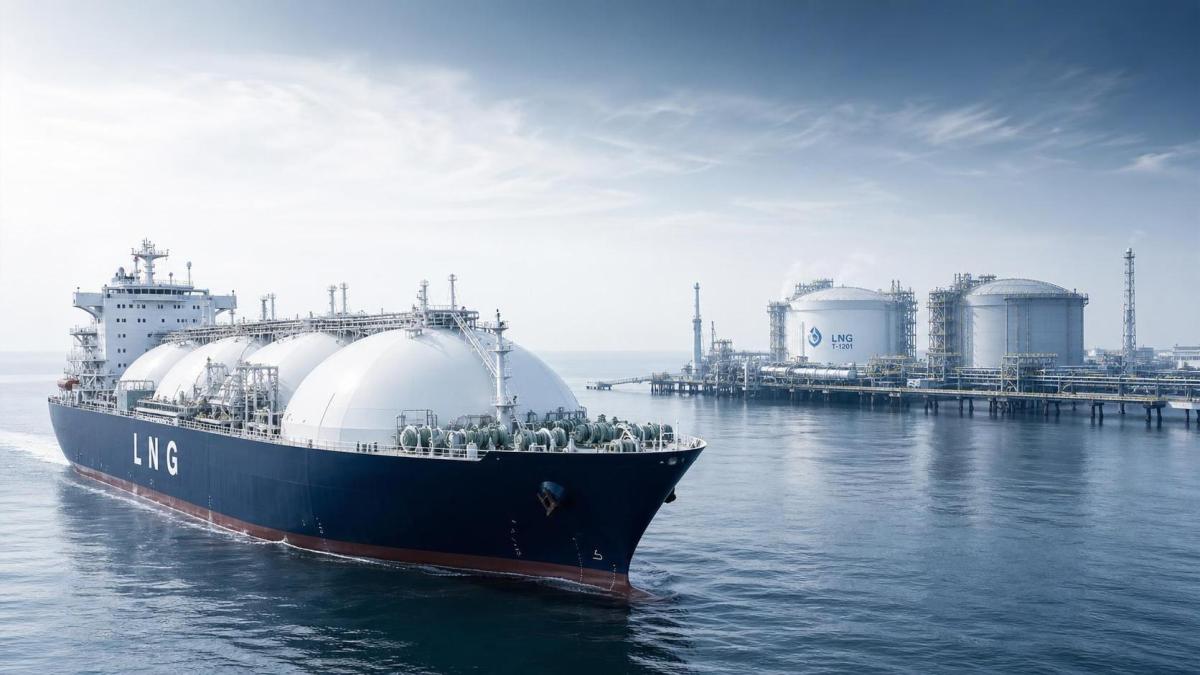
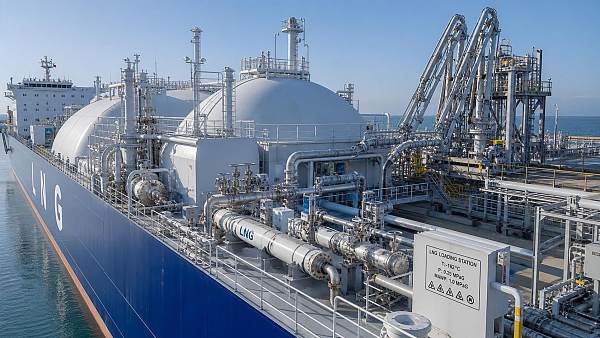
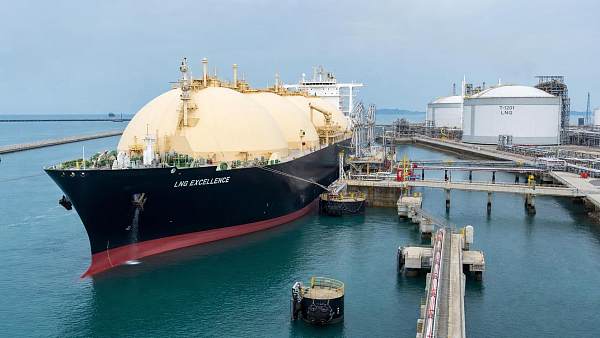
Cryogenic shipping solutions are rarely a simple freight decision. They combine vessel design, containment behavior, safety margins, fuel strategy, and cargo preservation.
That is why price alone tells very little. A lower day rate can hide higher boil-off losses, stricter maintenance exposure, or weaker flexibility across routes.
In practical terms, the real question is not only how to move cryogenic cargo. It is how to protect cargo value through the full operating cycle.
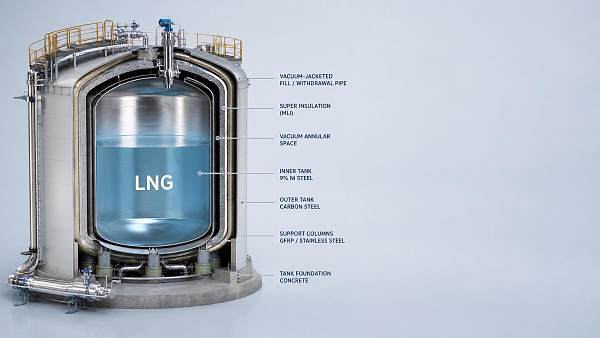
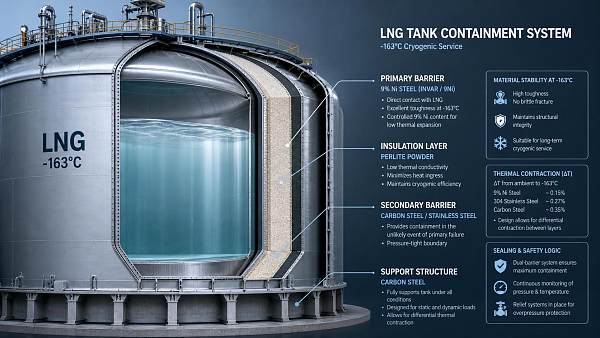
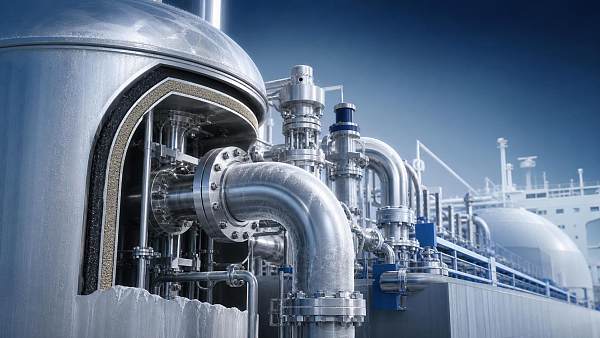
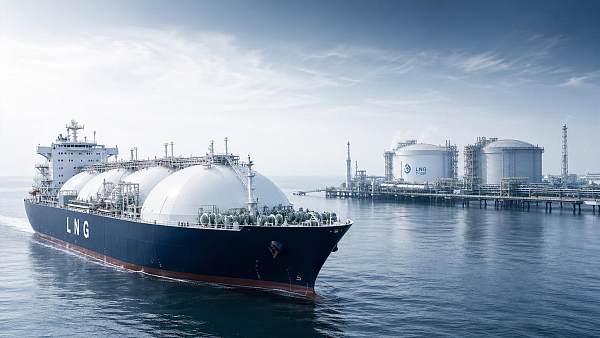
For LNG and similar low-temperature cargoes, containment performance, insulation stability, and port interface reliability all influence total ownership cost.
This is also where industry intelligence matters. GTOT follows the wider transport chain, from rail control precision to smart container shipping and LNG carrier engineering.
That cross-sector view is useful because cryogenic shipping solutions do not operate in isolation. They sit inside a broader network of energy security, shipbuilding cycles, and supply chain efficiency.
When comparing options, most buyers want answers to a few practical questions. Which risks matter most, where does lifecycle cost really come from, and how should containment types be judged?
Which risks usually matter more than the headline freight cost?
The biggest mistake is treating cryogenic shipping solutions like conventional marine capacity. The cargo itself changes the risk profile from day one.
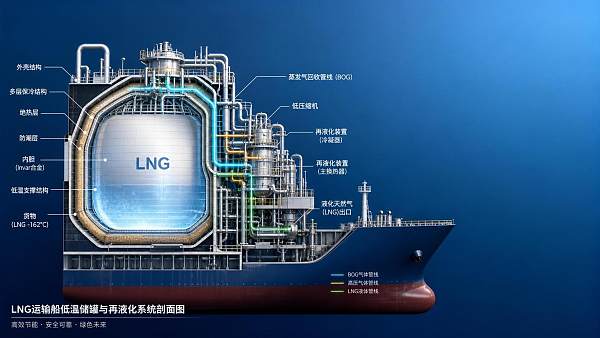
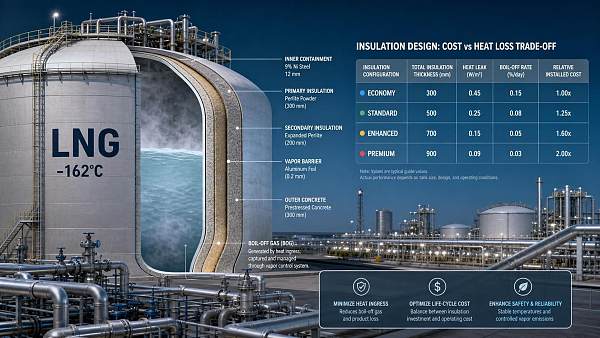
Boil-off gas is often the first concern. If insulation performance or voyage planning is weak, the cargo can lose economic value before discharge.
Cargo integrity is the second issue. Temperature excursions, pressure imbalance, and tank stress can create claims, delays, or operating restrictions.
A third risk is compliance drift. Rules from classification societies, flag states, terminals, and charter contracts must align with the actual containment system.
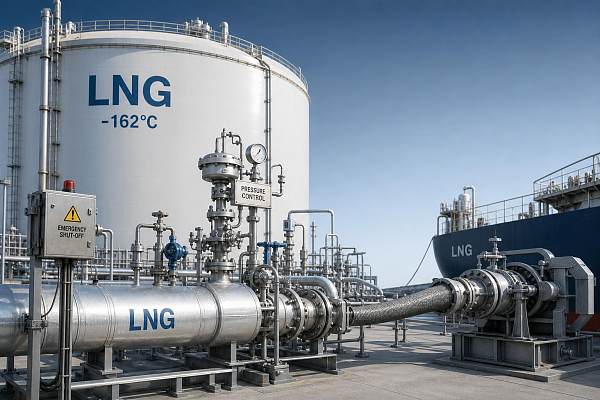
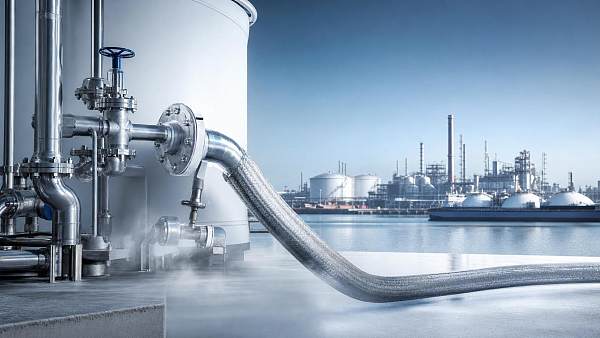
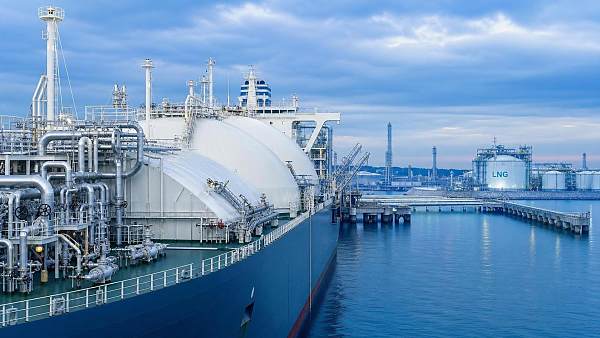
There is also interface risk. A vessel may look technically strong, yet underperform if loading arms, terminal windows, or onboard handling systems are poorly matched.
More experienced evaluations usually look beyond the ship itself and ask how the full route behaves under disruption.
- Can the containment system tolerate waiting time at congested ports?
- How much cargo value is exposed during long ballast or weather deviation?
- Does the propulsion arrangement use boil-off effectively or create added fuel inefficiency?
- Are spare parts, repair yards, and specialist crews available in the intended trade lane?
In other words, the most useful cryogenic shipping solutions are not those with the lowest visible rate. They are the ones with the most controllable downside.
Where do lifecycle costs actually come from in cryogenic shipping solutions?
Lifecycle cost usually spreads across more categories than expected. Capital expenditure matters, but operating variables often decide whether a project remains competitive.
Fuel consumption is one major factor. For LNG carriers, propulsion efficiency and boil-off utilization can significantly alter the economics of a long-haul route.
Maintenance is another cost center. Membrane systems, insulation panels, valves, reliquefaction units, and monitoring systems all carry different service burdens.
Downtime can be even more expensive than repair itself. A technically advanced ship is not automatically the most economical if maintenance windows are hard to secure.
It helps to compare cost using a structured screen rather than isolated quotations.
This broader view is increasingly important as shipowners and cargo programs face decarbonization pressure. GTOT’s coverage of smart vessels and LNG carrier engineering reflects that shift clearly.
Membrane or Moss: which containment choice fits the route better?
This is one of the most searched questions around cryogenic shipping solutions, and for good reason. Containment type shapes both technical risk and commercial flexibility.
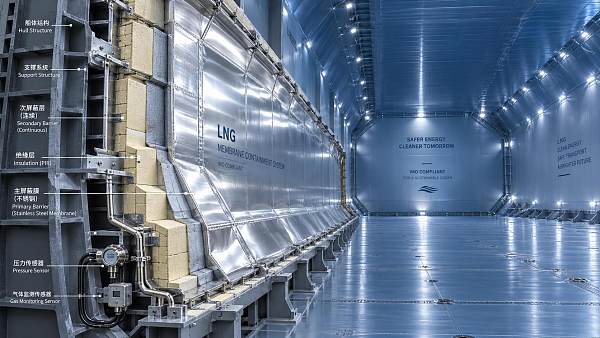
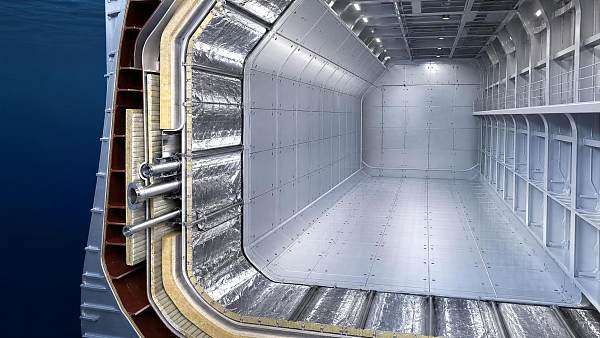
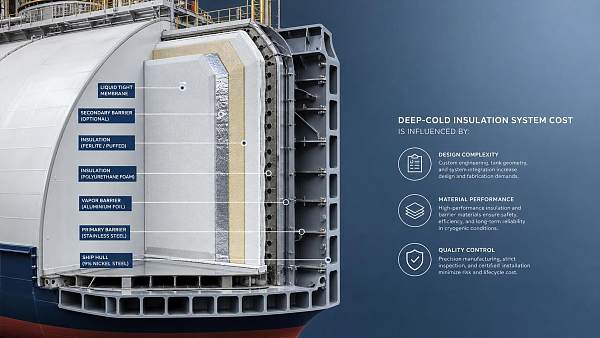
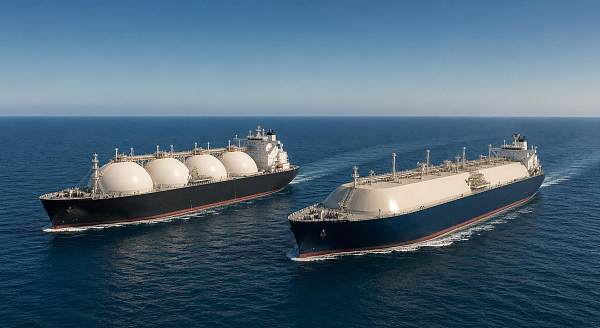
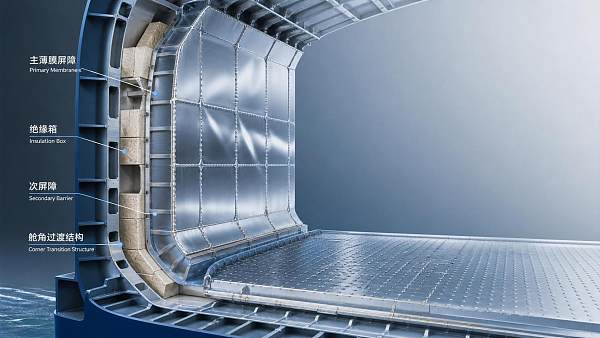
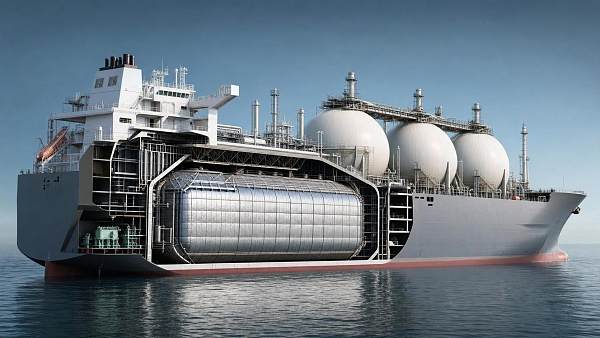
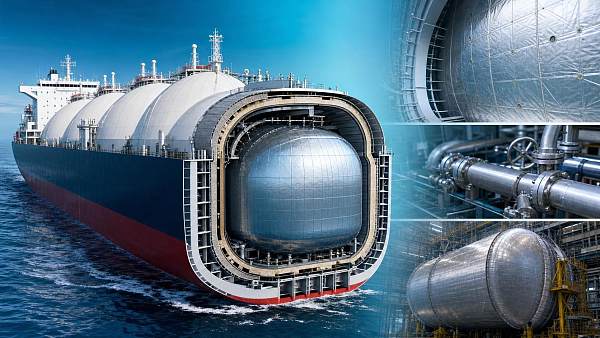
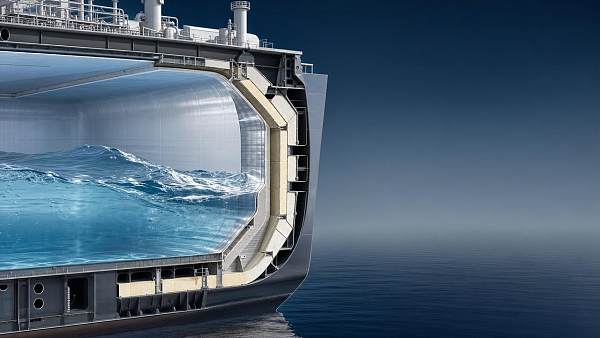
Membrane systems are often selected for volume efficiency. They maximize cargo space within the hull and are widely used on modern LNG carriers.
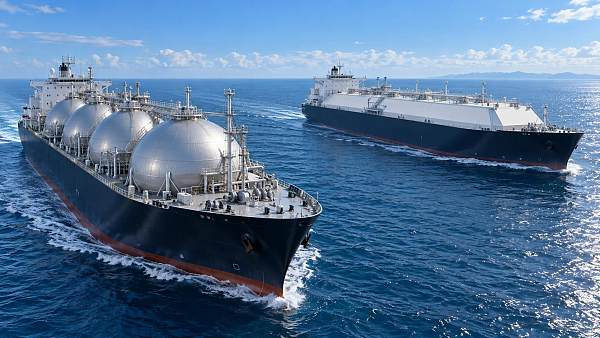
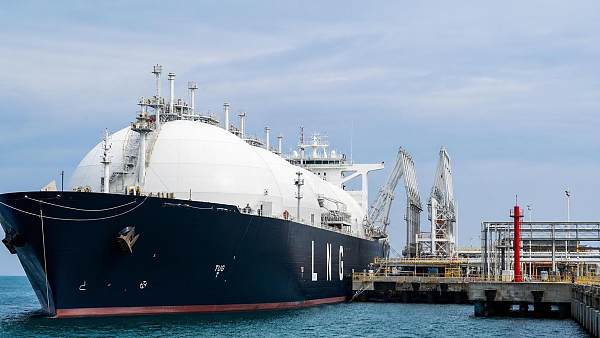
Moss systems, with their spherical tanks, are known for structural robustness and easier visual inspection. They can be attractive where durability and proven behavior matter most.
Still, there is no universal winner. The better choice depends on route profile, maintenance philosophy, financing expectations, and terminal requirements.
- Membrane designs often suit high-capacity trades that prioritize cargo volume and fleet standardization.
- Moss designs may suit operators valuing operational familiarity and resilience in demanding service patterns.
- Membrane systems require close attention to insulation integrity, sloshing limits, and repair planning.
- Moss systems may sacrifice some volumetric efficiency, but inspection logic can be simpler.
A useful decision rule is to compare containment not only by shipyard specification, but by how it performs under your likely delay, loading, and weather conditions.
That is especially relevant when dealing with long transoceanic schedules. Deep-sea routes reward consistency more than brochure-level performance.
How should a buyer compare vessel, system, and partner options without missing hidden gaps?
A practical comparison usually starts with three layers: technical fitness, commercial durability, and execution support.
Technical fitness means the cryogenic shipping solutions can safely handle the target cargo, voyage pattern, and terminal conditions without relying on optimistic assumptions.
Commercial durability asks a different question. Will the option remain competitive if fuel spreads change, inspections tighten, or charter terms become more restrictive?
Execution support is often underestimated. Specialist crews, documentation quality, digital monitoring, and after-service responsiveness are not secondary details.
In cross-border energy logistics, weak execution support often creates more losses than a modest design compromise.
A short comparison checklist keeps discussions grounded.
- Verify actual boil-off assumptions against route length and waiting time.
- Review class history, incident data, and comparable fleet performance.
- Check whether planned maintenance can be completed within intended trading regions.
- Confirm compatibility with future emissions and fuel-transition requirements.
- Request stress, insulation, and cargo-handling performance evidence, not just summary claims.
GTOT’s intelligence model is relevant here because it links ship technology with wider logistics realities. A vessel decision is stronger when it is read alongside port trends, fleet renewal, and cargo corridor shifts.
What mistakes tend to increase cost after the contract is signed?
One common error is overvaluing nominal capacity and undervaluing controllability. Extra cargo space means little if boil-off, sloshing limits, or terminal mismatch reduce usable performance.
Another mistake is assuming compliance is static. Environmental rules, digital reporting demands, and terminal safety protocols can shift faster than financing plans.
Some teams also separate vessel choice from route economics. In reality, cryogenic shipping solutions should be modeled against actual port rotation, weather exposure, and cargo timing discipline.
There is also a softer risk: fragmented information. If commercial, engineering, and operations teams evaluate options through different assumptions, hidden cost leaks appear later.
The better approach is to document a single decision framework before final selection.
What is the smartest next step when narrowing cryogenic shipping solutions?
Start by defining the route reality, not the preferred technology. Cargo type, turnaround time, terminal constraints, and delay tolerance should shape the shortlist.
Then build a comparison sheet around five items: containment behavior, boil-off control, propulsion integration, maintenance access, and compliance resilience.
If two options look similar on price, focus on downside exposure. Small differences in insulation stability or service support can become large cost gaps over time.
It also helps to review broader market intelligence. Shipbuilding cycles, smart vessel adoption, and LNG transport demand can influence timing and negotiation leverage.
That wider context is where GTOT adds value as an intelligence source. Its land-sea perspective supports more connected judgments across technology, logistics, and asset life.
The strongest cryogenic shipping solutions are usually the ones that stay efficient under pressure, not only the ones that look efficient on paper.
Before final commitment, compare assumptions, test route scenarios, and confirm where risk transfers actually sit. That step often protects more value than chasing the lowest initial number.
Recommended News
 Sep 28, 2026When is nickel steel containment needed for cryogenic storage?Nickel steel containment is essential when cryogenic tanks face brittle-fracture risk. Discover how temperature, loads, and tank design guide the right choice.
 Sep 11, 2026How membrane containment systems demonstrate compliance with IMO standardsMembrane containment systems IMO standards: discover how LNG carriers prove compliance through verified barriers, testing, monitoring, and traceable records.
 Sep 10, 2026How membrane and Moss containment systems differ for LNG carriersLNG cargo containment for carriers: compare membrane and Moss systems for capacity, BOG, safety, sloshing, lifecycle cost, and operational flexibility.
 Sep 03, 2026What drives membrane containment systems cost in LNG projects?Membrane containment systems cost depends on tank design, materials, labor, QA, and boil-off performance. Discover how to control LNG project risk and lifecycle costs.
 Aug 11, 2026How Vacuum Insulated Cryogenic Engineering Reduces Boil-Off and Heat LeakVacuum insulated cryogenic engineering cuts boil-off and heat leak by optimizing vacuum spaces, MLI, supports, and penetrations—discover what really improves LNG thermal performance.
 Aug 09, 2026What Determines Safe Cryogenic Containment Design in LNG Storage?Cryogenic containment design in LNG storage depends on materials, thermal stress, leak control, and BOG management. Discover what truly defines safe, code-compliant performance.
 Jul 29, 2026How to Evaluate a Cryogenic Tank Handling System for LNG Transfer SafetyCryogenic tank handling system evaluation for LNG transfer safety: learn how to assess pressure control, insulation, ESD response, and operational reliability before choosing a safer system.
 Jul 24, 2026Deep-Cryogenic Insulation Systems Cost: What Drives Total Project Spend?Deep-cryogenic insulation systems cost depends on design, materials, installation, QA, and boil-off performance. Learn what drives total project spend and compare bids with confidence.
 Jul 21, 2026LNG Carriers Class Approval: Key Rules and Compliance RisksLNG carriers class approval explained: key rules, major compliance risks, and practical steps to prevent delays, protect vessel readiness, and improve charter confidence.
 Jul 15, 2026Low Boil Off Insulation System Performance: What Reduces LNG Losses MostLow boil off insulation system performance explained: discover what cuts LNG losses most through smarter containment, installation quality, and BOG management.
 Jul 13, 2026Deep Cryogenic Insulation for LNG Tanks: Cost vs Heat LossDeep cryogenic insulation for LNG tanks impacts more than upfront cost. Learn how lower heat loss cuts BOG, improves efficiency, and strengthens lifecycle value.
 Jul 13, 2026Low Loss Cryogenic Handling: Key Factors for Safer TransferLow loss cryogenic handling starts with thermal control, pressure balance, and clean transfer. Learn the key factors that reduce boil-off, protect product integrity, and improve safer LNG and industrial operations.
 Jul 12, 2026LNG Vessel Fuel Storage: Main Safety Risks and FixesLNG vessel fuel storage safety starts with early risk detection. Learn the main hazards, warning signs, and practical fixes to reduce leaks, pressure instability, and onboard failures.
 Jul 09, 2026Membrane Cargo Tank vs Moss Type: Which Fits Modern LNG FleetsMembrane cargo tank vs Moss type: compare LNG fleet capacity, boil-off strategy, maintenance, and asset value to choose the best-fit design for modern shipping returns.
 Jul 08, 2026Membrane Containment Systems: Key Failure Risks in LNG Tank DesignMembrane containment systems are central to LNG tank safety. Explore key failure risks, from insulation degradation to sloshing and secondary barrier issues, and learn what to check early.
 Jul 06, 2026How to Compare a Cryogenic Shipping Systems Manufacturer for Long-Haul LNG ProjectsCryogenic shipping systems manufacturer selection can make or break long-haul LNG projects. Compare boil-off control, compliance, engineering support, and lifecycle value.
 Jul 02, 2026Cryogenic Shipping Safety: Common Failure Risks and FixesCryogenic shipping safety starts with finding hidden failure risks early. Learn the main causes, practical fixes, and audit gaps that help protect LNG cargo, cut incidents, and improve control.
 Jul 02, 2026LNG Carriers Dimensions Explained for Terminal PlanningLNG carriers dimensions explained for smarter terminal planning. Learn how vessel size affects berth design, draft limits, mooring, and future fleet compatibility.
 Jun 30, 2026LNG Carrier Containment Technology Explained: Membrane vs Moss SystemsLNG carrier containment technology explained clearly: compare membrane vs Moss systems, key trade-offs, cargo efficiency, sloshing risk, and what drives smarter LNG vessel decisions.
 Jun 30, 2026Vacuum Deep Cryogenic Insulation: Key Failure Risks and How to Prevent ThemVacuum deep cryogenic insulation failure can raise boil-off, safety, and compliance risks. Learn key warning signs, root causes, and practical prevention steps to protect LNG operations.
 Jun 28, 2026Deep-Cryogenic Insulation Cost: What Drives Budget Changes in LNG ProjectsDeep-cryogenic insulation cost in LNG projects depends on materials, containment design, labor, compliance, and shipyard execution. Learn what drives budget changes and how to control risk.
 Jun 25, 2026Cryogenic Shipping Solutions: Key Risks, Costs, and Containment ChoicesCryogenic shipping solutions: compare key risks, lifecycle costs, and membrane vs. Moss containment to avoid hidden losses and choose safer, more efficient LNG transport.
 Jun 15, 2026Cryogenic Engineering Basics: Key Design Factors for Containment SafetyCryogenic engineering basics explained: discover the key design factors behind safer LNG and low-temperature containment, from materials and thermal stress to boil-off control and monitoring.
 Jun 11, 2026Membrane Containment Systems: Key Failure Risks and Design ChecksMembrane containment systems demand rigorous design checks. Explore key failure risks, from sloshing stress to insulation aging, and learn how to improve LNG vessel safety and compliance.