



Search News
Industry Portal
Popular Tags
LNG Carriers Dimensions Explained for Terminal Planning
Author
Time
Click Count
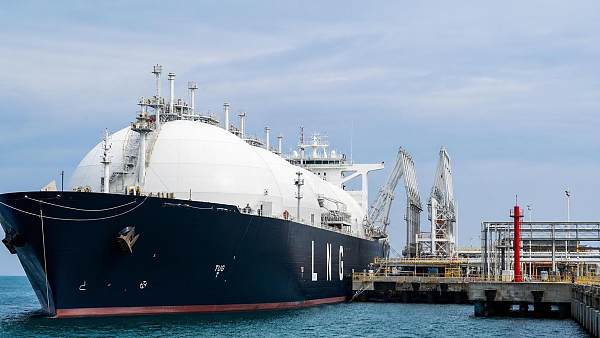
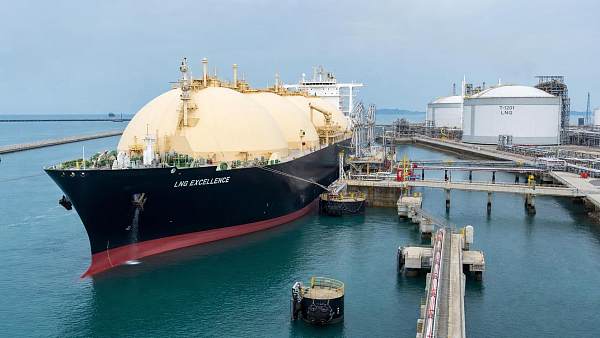
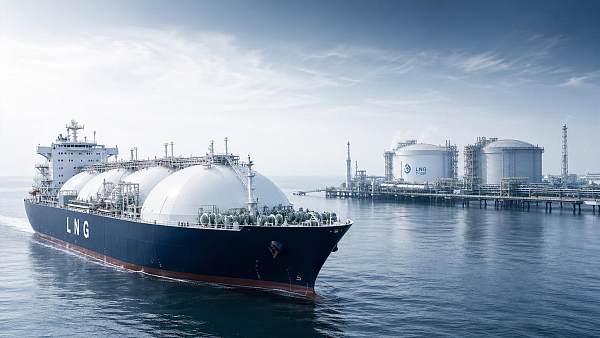
Terminal planning for LNG trade starts with a simple question that is rarely simple in practice: which ships must the facility receive safely and efficiently? LNG carriers dimensions shape that answer at every stage, from berth geometry and turning space to manifold alignment, under-keel clearance, and emergency separation. In a market where vessel classes are evolving alongside energy security priorities, dimensional accuracy is not just a design detail. It is a long-horizon infrastructure decision.
Why dimensions matter beyond the shipyard
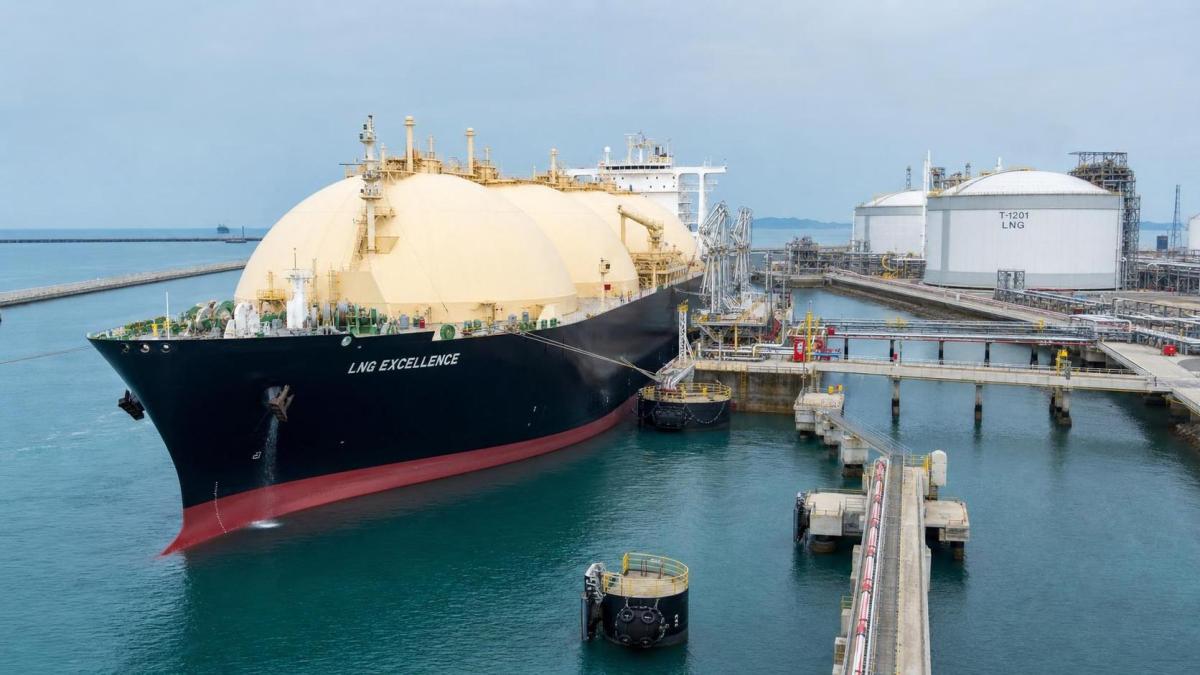
LNG carriers are often described by cargo capacity, but terminal compatibility depends on a broader dimensional profile.
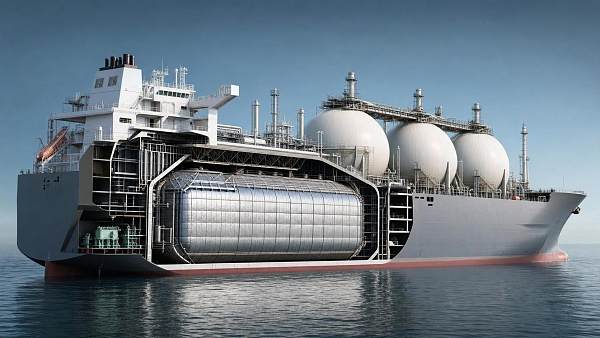
Length overall, beam, design draft, air draft, manifold height, and mooring arrangement all affect whether a vessel can approach, berth, load, and depart without operational compromise.
That is why LNG carriers dimensions sit at the intersection of marine engineering, safety management, and commercial planning.
A berth that accepts today’s fleet but excludes newer vessels can become a constraint long before the asset reaches the end of its financial life.
This issue matters even more in a cross-sector transport environment.
Platforms such as GTOT track how technical parameters influence large infrastructure decisions across rail systems, smart vessels, and LNG shipping.
The common theme is clear: compatibility rules asset value.
The core dimensions terminal teams actually use
When planners review LNG carriers dimensions, they are not collecting numbers for reference only.
They are testing the fit between ship and terminal under normal, peak, and restricted operating conditions.
Primary dimensional checks
Simple averages are not enough.
A terminal may technically fit a vessel by length, yet fail on manifold reach or mooring geometry.
That is where many late-stage redesigns begin.
How vessel classes change the planning baseline
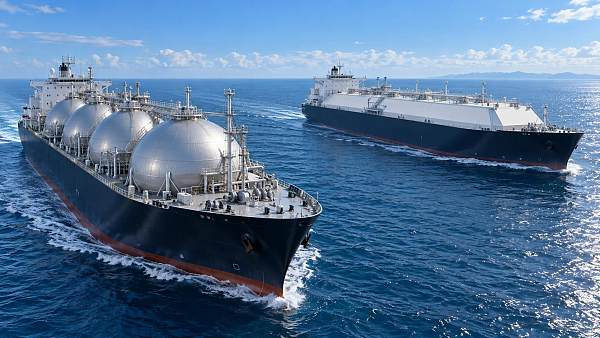
LNG carriers dimensions vary widely across conventional, Q-Flex, and Q-Max segments, as well as newer dual-fuel and optimized hull designs.
Even among vessels with similar cargo capacity, dimensional differences can alter berthing assumptions.
A practical review usually separates three planning cases.
- Current trading fleet: ships expected at commissioning.
- Near-future fleet: likely arrivals within five to ten years.
- Boundary fleet: larger or deeper ships that test strategic flexibility.
This approach reduces the risk of designing only for a narrow vessel window.
It also aligns with how GTOT examines transport infrastructure: by linking equipment parameters to long-term network resilience, not just initial deployment.
Typical planning tension
Overdesign raises capital cost.
Underdesign creates future access limits, tidal dependence, and operational bottlenecks.
The right answer usually comes from scenario-based dimensional screening rather than a single reference vessel.
Where dimensional mismatches create real project risk
In business terms, dimensional errors are expensive because they appear late and affect multiple disciplines at once.
Marine works, topside layout, navigation studies, and operating procedures can all be touched by one incorrect assumption about LNG carriers dimensions.
Common trouble spots
- Berth face too short for safe mooring line lead.
- Turning basin sized for calm-weather simulations only.
- Draft margin based on annual average tide, not restricted windows.
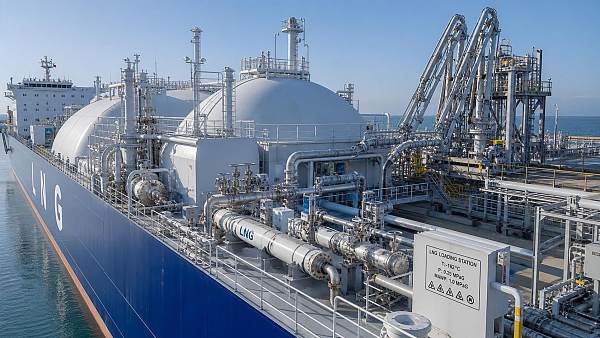
- Loading arm envelope incompatible with manifold range at extreme conditions.
- Fender reaction unsuitable for larger displacement vessels.
- Air draft conflict near bridges or terminal structures.
These issues rarely stay technical.
They affect throughput forecasts, chartering flexibility, insurance assumptions, and contract confidence.
That is one reason dimensional intelligence has strategic value.
Terminal planning decisions influenced by LNG carriers dimensions
The most useful way to read LNG carriers dimensions is to connect each parameter to a design decision.
That creates a practical checklist for feasibility, FEED, and later optimization.
Decision mapping
This mapping helps teams move from raw ship data to investable design choices.
A wider industry context
LNG shipping is no longer an isolated marine topic.
It sits inside a broader transport system shaped by decarbonization, digital scheduling, and corridor reliability.
That perspective explains why an intelligence platform like GTOT places LNG carriers alongside signalling systems, traction equipment, braking technologies, and smart container shipping.
Different assets, same discipline: understand the operating envelope before committing capital.
For LNG terminals, dimensional planning now connects with route optimization, turnaround expectations, emissions performance, and asset interoperability across the supply chain.
So the discussion around LNG carriers dimensions has become broader than naval architecture.
It now informs commercial optionality.
What a sound review process looks like
A reliable dimensional review is structured, but it should not become bureaucratic.
The objective is to identify design-critical limits early enough to preserve options.
- Define the reference fleet using actual trade expectations, not generic market averages.
- Collect verified vessel data, including manifold elevations and mooring details.
- Test LNG carriers dimensions against tides, weather limits, and channel constraints.
- Review berth and loading systems together, not as separate packages.
- Keep a future-flexibility case in the model for fleet evolution.
- Document the assumptions clearly for operators, lenders, and EPC interfaces.
The strongest projects usually treat dimensions as a live decision framework, not a static appendix.
A practical next step
When reviewing a new LNG terminal, expansion, or retrofit, start by building a dimensional matrix for the vessel classes most likely to call at the site.
Then connect that matrix to berth length, draft envelope, loading arm reach, mooring geometry, and navigation limits.
That exercise quickly reveals whether the main challenge is civil depth, marine access, cargo interface, or future scalability.
For teams following GTOT’s broader view of land-sea infrastructure, that is the useful lens: treat LNG carriers dimensions as operational intelligence that protects both technical fit and long-term asset relevance.
Once those dimensional assumptions are explicit, the next decisions become sharper, faster, and easier to defend.
Recommended News
 Sep 28, 2026When is nickel steel containment needed for cryogenic storage?Nickel steel containment is essential when cryogenic tanks face brittle-fracture risk. Discover how temperature, loads, and tank design guide the right choice.
 Sep 11, 2026How membrane containment systems demonstrate compliance with IMO standardsMembrane containment systems IMO standards: discover how LNG carriers prove compliance through verified barriers, testing, monitoring, and traceable records.
 Sep 10, 2026How membrane and Moss containment systems differ for LNG carriersLNG cargo containment for carriers: compare membrane and Moss systems for capacity, BOG, safety, sloshing, lifecycle cost, and operational flexibility.
 Sep 03, 2026What drives membrane containment systems cost in LNG projects?Membrane containment systems cost depends on tank design, materials, labor, QA, and boil-off performance. Discover how to control LNG project risk and lifecycle costs.
 Aug 11, 2026How Vacuum Insulated Cryogenic Engineering Reduces Boil-Off and Heat LeakVacuum insulated cryogenic engineering cuts boil-off and heat leak by optimizing vacuum spaces, MLI, supports, and penetrations—discover what really improves LNG thermal performance.
 Aug 09, 2026What Determines Safe Cryogenic Containment Design in LNG Storage?Cryogenic containment design in LNG storage depends on materials, thermal stress, leak control, and BOG management. Discover what truly defines safe, code-compliant performance.
 Jul 29, 2026How to Evaluate a Cryogenic Tank Handling System for LNG Transfer SafetyCryogenic tank handling system evaluation for LNG transfer safety: learn how to assess pressure control, insulation, ESD response, and operational reliability before choosing a safer system.
 Jul 24, 2026Deep-Cryogenic Insulation Systems Cost: What Drives Total Project Spend?Deep-cryogenic insulation systems cost depends on design, materials, installation, QA, and boil-off performance. Learn what drives total project spend and compare bids with confidence.
 Jul 21, 2026LNG Carriers Class Approval: Key Rules and Compliance RisksLNG carriers class approval explained: key rules, major compliance risks, and practical steps to prevent delays, protect vessel readiness, and improve charter confidence.
 Jul 15, 2026Low Boil Off Insulation System Performance: What Reduces LNG Losses MostLow boil off insulation system performance explained: discover what cuts LNG losses most through smarter containment, installation quality, and BOG management.
 Jul 13, 2026Deep Cryogenic Insulation for LNG Tanks: Cost vs Heat LossDeep cryogenic insulation for LNG tanks impacts more than upfront cost. Learn how lower heat loss cuts BOG, improves efficiency, and strengthens lifecycle value.
 Jul 13, 2026Low Loss Cryogenic Handling: Key Factors for Safer TransferLow loss cryogenic handling starts with thermal control, pressure balance, and clean transfer. Learn the key factors that reduce boil-off, protect product integrity, and improve safer LNG and industrial operations.
 Jul 12, 2026LNG Vessel Fuel Storage: Main Safety Risks and FixesLNG vessel fuel storage safety starts with early risk detection. Learn the main hazards, warning signs, and practical fixes to reduce leaks, pressure instability, and onboard failures.
 Jul 09, 2026Membrane Cargo Tank vs Moss Type: Which Fits Modern LNG FleetsMembrane cargo tank vs Moss type: compare LNG fleet capacity, boil-off strategy, maintenance, and asset value to choose the best-fit design for modern shipping returns.
 Jul 08, 2026Membrane Containment Systems: Key Failure Risks in LNG Tank DesignMembrane containment systems are central to LNG tank safety. Explore key failure risks, from insulation degradation to sloshing and secondary barrier issues, and learn what to check early.
 Jul 06, 2026How to Compare a Cryogenic Shipping Systems Manufacturer for Long-Haul LNG ProjectsCryogenic shipping systems manufacturer selection can make or break long-haul LNG projects. Compare boil-off control, compliance, engineering support, and lifecycle value.
 Jul 02, 2026Cryogenic Shipping Safety: Common Failure Risks and FixesCryogenic shipping safety starts with finding hidden failure risks early. Learn the main causes, practical fixes, and audit gaps that help protect LNG cargo, cut incidents, and improve control.
 Jul 02, 2026LNG Carriers Dimensions Explained for Terminal PlanningLNG carriers dimensions explained for smarter terminal planning. Learn how vessel size affects berth design, draft limits, mooring, and future fleet compatibility.
 Jun 30, 2026LNG Carrier Containment Technology Explained: Membrane vs Moss SystemsLNG carrier containment technology explained clearly: compare membrane vs Moss systems, key trade-offs, cargo efficiency, sloshing risk, and what drives smarter LNG vessel decisions.
 Jun 30, 2026Vacuum Deep Cryogenic Insulation: Key Failure Risks and How to Prevent ThemVacuum deep cryogenic insulation failure can raise boil-off, safety, and compliance risks. Learn key warning signs, root causes, and practical prevention steps to protect LNG operations.
 Jun 28, 2026Deep-Cryogenic Insulation Cost: What Drives Budget Changes in LNG ProjectsDeep-cryogenic insulation cost in LNG projects depends on materials, containment design, labor, compliance, and shipyard execution. Learn what drives budget changes and how to control risk.
 Jun 25, 2026Cryogenic Shipping Solutions: Key Risks, Costs, and Containment ChoicesCryogenic shipping solutions: compare key risks, lifecycle costs, and membrane vs. Moss containment to avoid hidden losses and choose safer, more efficient LNG transport.
 Jun 15, 2026Cryogenic Engineering Basics: Key Design Factors for Containment SafetyCryogenic engineering basics explained: discover the key design factors behind safer LNG and low-temperature containment, from materials and thermal stress to boil-off control and monitoring.
 Jun 11, 2026Membrane Containment Systems: Key Failure Risks and Design ChecksMembrane containment systems demand rigorous design checks. Explore key failure risks, from sloshing stress to insulation aging, and learn how to improve LNG vessel safety and compliance.