



Search News
Industry Portal
Popular Tags
LNG Vessel Fuel Storage: Main Safety Risks and Fixes
Author
Time
Click Count
Why does LNG vessel fuel storage deserve closer attention than many teams expect?
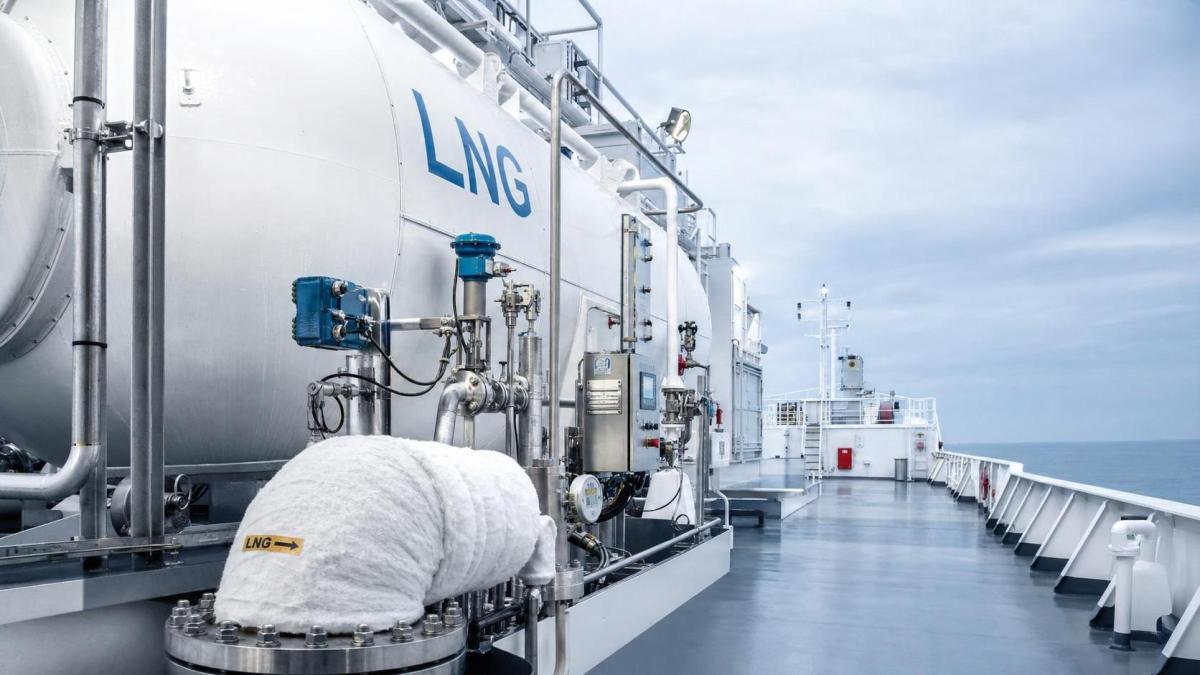
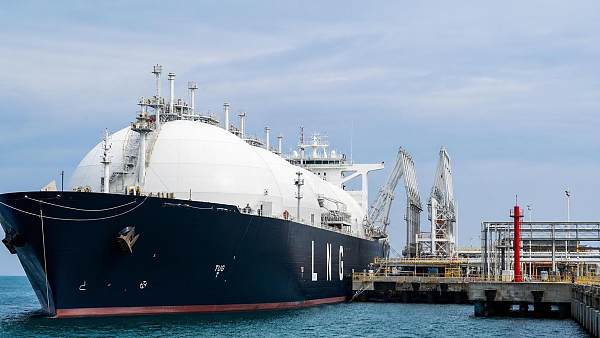
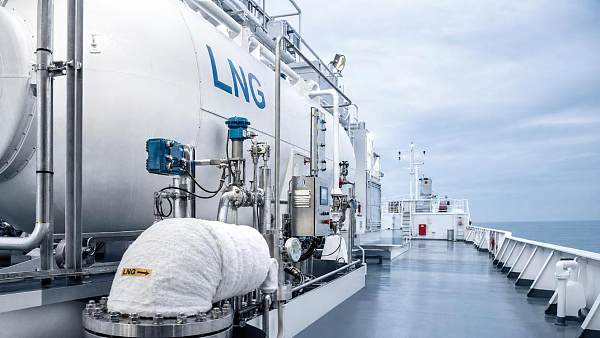
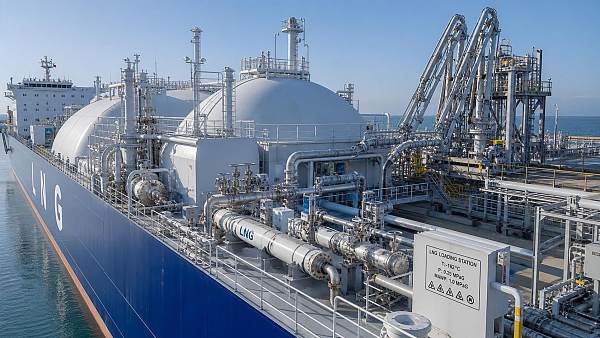
LNG vessel fuel storage looks stable when systems run quietly, yet its risk profile is never passive.
Fuel sits at cryogenic temperature, interfaces with pressure control, and depends on disciplined handling.
That combination means a small defect can move quickly from maintenance issue to safety event.
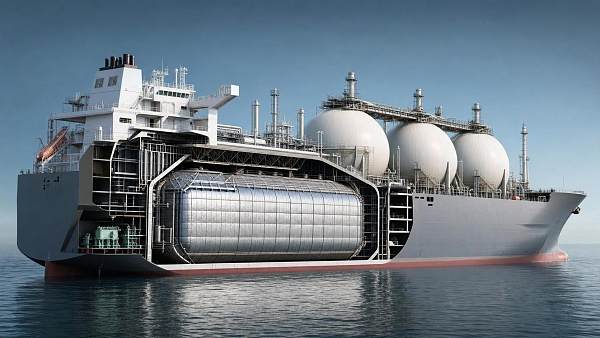
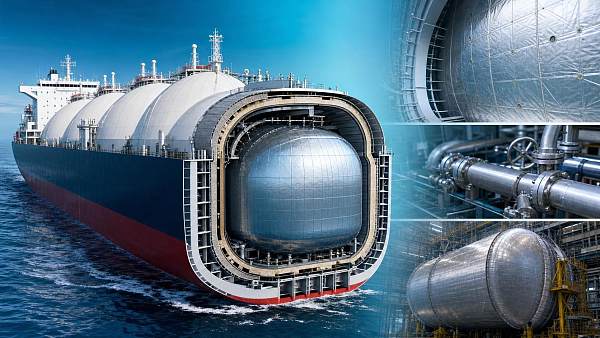
In practical terms, LNG vessel fuel storage is not only about holding fuel.
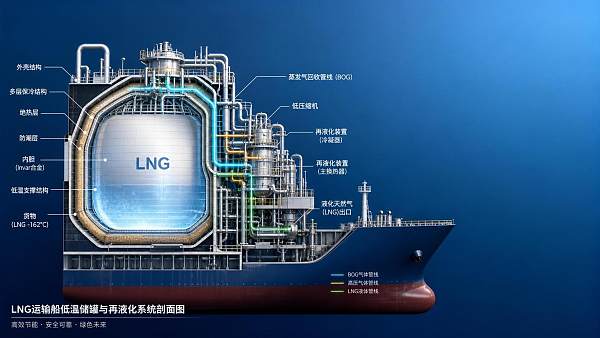
It is also about controlling heat ingress, vapor formation, gas detection, structural stress, and response readiness.
This matters even more on modern ships that aim for lower emissions and tighter operational efficiency.
GTOT often frames this as part of a wider transport reliability question.
Whether on rail or at sea, high-performance equipment fails less from one big mistake than from ignored detail.
For LNG carriers and dual-fuel vessels, that detail starts with fuel storage condition and control logic.
A useful way to view LNG vessel fuel storage is through four connected checkpoints.
- Can the tank and insulation keep thermal performance within design limits?
- Can boil-off gas be managed without unstable pressure swings?
- Can leaks be detected early enough to prevent escalation?
- Can the crew and systems respond correctly under upset conditions?
Most serious findings in LNG vessel fuel storage trace back to one of those checkpoints.
Which safety risks appear most often in LNG vessel fuel storage?
The most common answer is not one single hazard, but a chain of linked weaknesses.
Thermal, mechanical, and operational faults often show up together.
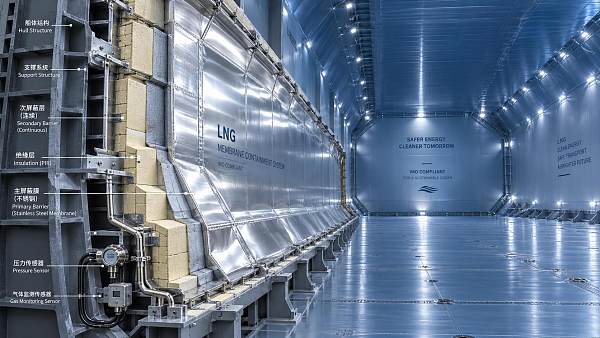
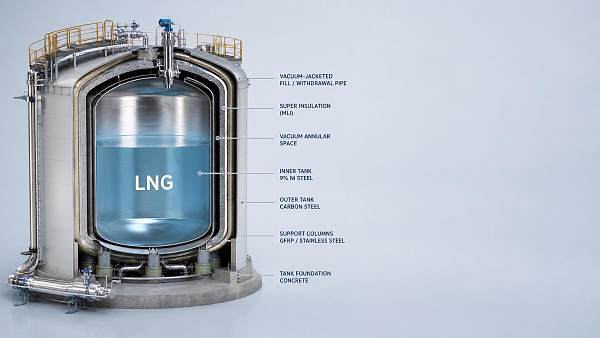
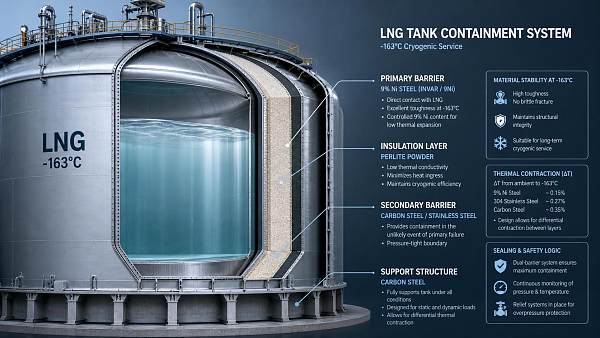
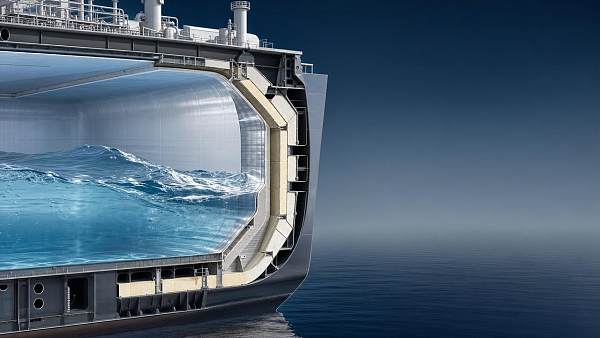
Tank integrity and insulation drift
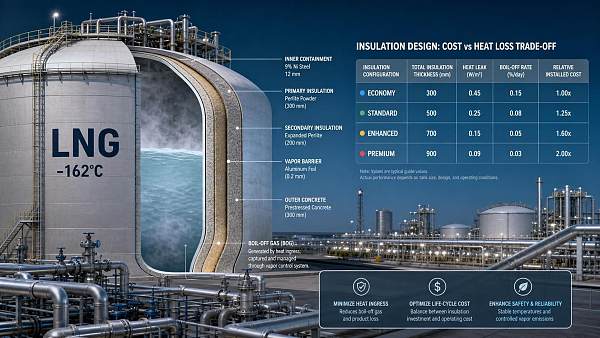
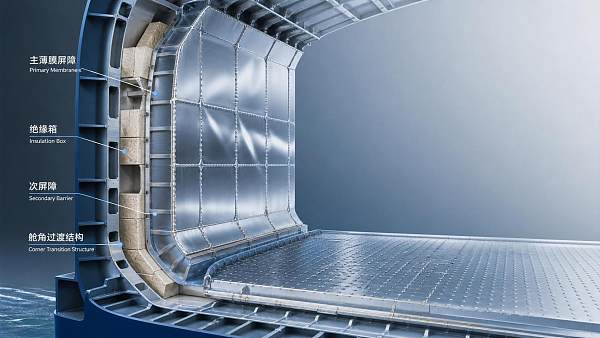
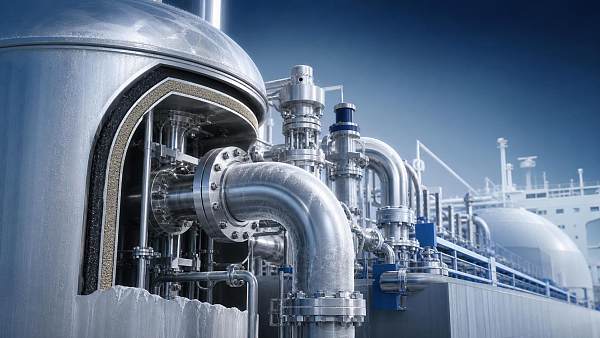
When insulation degrades, heat ingress rises and tank pressure becomes harder to control.
The early signs are usually subtle.
You may see unusual boil-off rates, recurring pressure corrections, or frost patterns around suspect areas.
Boil-off gas instability
Boil-off gas is expected, but unmanaged boil-off gas creates pressure fluctuation and fuel supply inconsistency.
That can affect engine reliability, vent system loading, and emergency margin.
Leakage at valves, seals, and connections
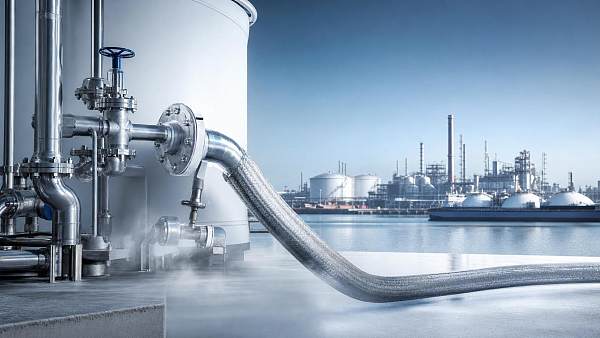
In LNG vessel fuel storage, leaks often begin at interfaces rather than in the tank body.
Cryogenic cycling can harden seals, shift tolerances, and expose installation defects.
Instrument error and false confidence
Level, pressure, and temperature data drive key safety decisions.
If sensors drift or alarms are poorly set, teams can act late while the display still looks acceptable.
Poor emergency isolation performance
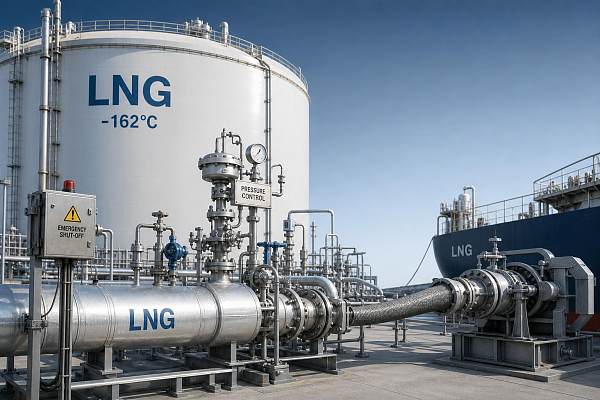
An emergency shutdown sequence is only useful if valves close, gas is isolated, and response time stays predictable.
Delayed actuation is a recurring weakness during inspection drills.
How can you tell whether the problem is routine variation or a real warning sign?
This is where many LNG vessel fuel storage programs either become proactive or remain reactive.
A single abnormal reading does not always indicate imminent danger.
What matters is the pattern, the trend, and the operational context.
A practical judging method is to compare observed behavior against the vessel’s own stable baseline.
The point is not to chase every fluctuation.
The point is to detect drift before LNG vessel fuel storage crosses a control threshold.
In actual fleet practice, trend review beats isolated inspection notes almost every time.
What fixes work best when LNG vessel fuel storage starts showing weakness?
The most effective fixes are usually targeted, not broad.
Teams lose time when they treat every symptom as a full-system failure.
For insulation and thermal issues
Start with thermal mapping, voyage condition review, and recent repair history.
If localized degradation is confirmed, repair scope should match the damaged zone.
Over-repair can introduce fresh installation defects.
For leak prevention
Focus on flange management, gasket compatibility, torque discipline, and cold-cycle inspection.
A leak-free LNG vessel fuel storage system depends heavily on connection quality.
For instrument reliability
Use dual verification where risk justifies it.
That can include cross-checking transmitters, manual validation, and alarm rationalization.
Many incidents begin with one trusted signal that was already wrong.
For emergency readiness
Do not limit drills to procedural recall.
Test actual valve closure times, detector response, communication flow, and restart boundaries.
This is where theory often separates from usable readiness.
GTOT’s broader transport perspective is useful here.
In rail signaling, braking, and smart shipping alike, the strongest fix is verified control performance, not procedural confidence.
Where do inspection plans usually fall short?
Inspection plans often look complete on paper but miss interaction risk.
LNG vessel fuel storage should be inspected as a working system, not only as separate components.
A tank can pass dimensional checks while the gas handling logic around it is already weak.
Several blind spots show up repeatedly.
- Inspections focus on static condition but ignore transient operations like bunkering, cooldown, and restart.
- Maintenance records list replaced parts but not the failure pattern behind them.
- Gas detection is tested, yet detector placement is not revalidated after layout changes.
- Emergency shutdown tests are completed, but actuation speed is not trended over time.
- Crew observations are logged informally and never tied back to design assumptions.
A stronger plan combines routine checks with condition-based review.
That means inspection intervals stay important, but data trend and event history guide where to look harder.
What should be prioritized when building a stronger LNG vessel fuel storage program?
If resources are limited, priority should go to the points where detection time is short and consequence is high.
That usually leads to a focused improvement list.
This is also where digitalization adds value when used carefully.
GTOT’s intelligence approach across land and sea systems points to the same conclusion.
Good data is useful only when it improves judgment, timing, and verification discipline.
For LNG vessel fuel storage, that means fewer assumptions and tighter evidence.
What is the practical next step if you want fewer surprises onboard?
A stronger LNG vessel fuel storage strategy starts with a structured review, not a major rebuild.
Begin by mapping your last twelve months of alarms, pressure events, leak repairs, and emergency tests.
Then compare those records against design expectations and normal voyage patterns.
The useful question is simple.
Where does LNG vessel fuel storage rely too heavily on operator correction instead of stable system behavior?
That answer usually reveals the real priority list.
In many cases, the best gains come from better trend review, tighter leak control, and more realistic shutdown validation.
When that review is supported by technical intelligence on cryogenic containment, vessel systems, and transport safety logic, decisions become sharper.
That is the broader value GTOT brings to the discussion.
Not more noise, but clearer links between equipment behavior, operational risk, and long-term asset performance.
For LNG vessel fuel storage, that clarity is often the difference between routine control and avoidable escalation.
Recommended News
 Sep 28, 2026When is nickel steel containment needed for cryogenic storage?Nickel steel containment is essential when cryogenic tanks face brittle-fracture risk. Discover how temperature, loads, and tank design guide the right choice.
 Sep 11, 2026How membrane containment systems demonstrate compliance with IMO standardsMembrane containment systems IMO standards: discover how LNG carriers prove compliance through verified barriers, testing, monitoring, and traceable records.
 Sep 10, 2026How membrane and Moss containment systems differ for LNG carriersLNG cargo containment for carriers: compare membrane and Moss systems for capacity, BOG, safety, sloshing, lifecycle cost, and operational flexibility.
 Sep 03, 2026What drives membrane containment systems cost in LNG projects?Membrane containment systems cost depends on tank design, materials, labor, QA, and boil-off performance. Discover how to control LNG project risk and lifecycle costs.
 Aug 11, 2026How Vacuum Insulated Cryogenic Engineering Reduces Boil-Off and Heat LeakVacuum insulated cryogenic engineering cuts boil-off and heat leak by optimizing vacuum spaces, MLI, supports, and penetrations—discover what really improves LNG thermal performance.
 Aug 09, 2026What Determines Safe Cryogenic Containment Design in LNG Storage?Cryogenic containment design in LNG storage depends on materials, thermal stress, leak control, and BOG management. Discover what truly defines safe, code-compliant performance.
 Jul 29, 2026How to Evaluate a Cryogenic Tank Handling System for LNG Transfer SafetyCryogenic tank handling system evaluation for LNG transfer safety: learn how to assess pressure control, insulation, ESD response, and operational reliability before choosing a safer system.
 Jul 24, 2026Deep-Cryogenic Insulation Systems Cost: What Drives Total Project Spend?Deep-cryogenic insulation systems cost depends on design, materials, installation, QA, and boil-off performance. Learn what drives total project spend and compare bids with confidence.
 Jul 21, 2026LNG Carriers Class Approval: Key Rules and Compliance RisksLNG carriers class approval explained: key rules, major compliance risks, and practical steps to prevent delays, protect vessel readiness, and improve charter confidence.
 Jul 15, 2026Low Boil Off Insulation System Performance: What Reduces LNG Losses MostLow boil off insulation system performance explained: discover what cuts LNG losses most through smarter containment, installation quality, and BOG management.
 Jul 13, 2026Deep Cryogenic Insulation for LNG Tanks: Cost vs Heat LossDeep cryogenic insulation for LNG tanks impacts more than upfront cost. Learn how lower heat loss cuts BOG, improves efficiency, and strengthens lifecycle value.
 Jul 13, 2026Low Loss Cryogenic Handling: Key Factors for Safer TransferLow loss cryogenic handling starts with thermal control, pressure balance, and clean transfer. Learn the key factors that reduce boil-off, protect product integrity, and improve safer LNG and industrial operations.
 Jul 12, 2026LNG Vessel Fuel Storage: Main Safety Risks and FixesLNG vessel fuel storage safety starts with early risk detection. Learn the main hazards, warning signs, and practical fixes to reduce leaks, pressure instability, and onboard failures.
 Jul 09, 2026Membrane Cargo Tank vs Moss Type: Which Fits Modern LNG FleetsMembrane cargo tank vs Moss type: compare LNG fleet capacity, boil-off strategy, maintenance, and asset value to choose the best-fit design for modern shipping returns.
 Jul 08, 2026Membrane Containment Systems: Key Failure Risks in LNG Tank DesignMembrane containment systems are central to LNG tank safety. Explore key failure risks, from insulation degradation to sloshing and secondary barrier issues, and learn what to check early.
 Jul 06, 2026How to Compare a Cryogenic Shipping Systems Manufacturer for Long-Haul LNG ProjectsCryogenic shipping systems manufacturer selection can make or break long-haul LNG projects. Compare boil-off control, compliance, engineering support, and lifecycle value.
 Jul 02, 2026Cryogenic Shipping Safety: Common Failure Risks and FixesCryogenic shipping safety starts with finding hidden failure risks early. Learn the main causes, practical fixes, and audit gaps that help protect LNG cargo, cut incidents, and improve control.
 Jul 02, 2026LNG Carriers Dimensions Explained for Terminal PlanningLNG carriers dimensions explained for smarter terminal planning. Learn how vessel size affects berth design, draft limits, mooring, and future fleet compatibility.
 Jun 30, 2026LNG Carrier Containment Technology Explained: Membrane vs Moss SystemsLNG carrier containment technology explained clearly: compare membrane vs Moss systems, key trade-offs, cargo efficiency, sloshing risk, and what drives smarter LNG vessel decisions.
 Jun 30, 2026Vacuum Deep Cryogenic Insulation: Key Failure Risks and How to Prevent ThemVacuum deep cryogenic insulation failure can raise boil-off, safety, and compliance risks. Learn key warning signs, root causes, and practical prevention steps to protect LNG operations.
 Jun 28, 2026Deep-Cryogenic Insulation Cost: What Drives Budget Changes in LNG ProjectsDeep-cryogenic insulation cost in LNG projects depends on materials, containment design, labor, compliance, and shipyard execution. Learn what drives budget changes and how to control risk.
 Jun 25, 2026Cryogenic Shipping Solutions: Key Risks, Costs, and Containment ChoicesCryogenic shipping solutions: compare key risks, lifecycle costs, and membrane vs. Moss containment to avoid hidden losses and choose safer, more efficient LNG transport.
 Jun 15, 2026Cryogenic Engineering Basics: Key Design Factors for Containment SafetyCryogenic engineering basics explained: discover the key design factors behind safer LNG and low-temperature containment, from materials and thermal stress to boil-off control and monitoring.
 Jun 11, 2026Membrane Containment Systems: Key Failure Risks and Design ChecksMembrane containment systems demand rigorous design checks. Explore key failure risks, from sloshing stress to insulation aging, and learn how to improve LNG vessel safety and compliance.