



Search News
Industry Portal
Popular Tags
Deep-Cryogenic Insulation Systems Cost: What Drives Total Project Spend?
Author
Time
Click Count
Deep-Cryogenic Insulation Systems Cost: What Drives Total Project Spend?
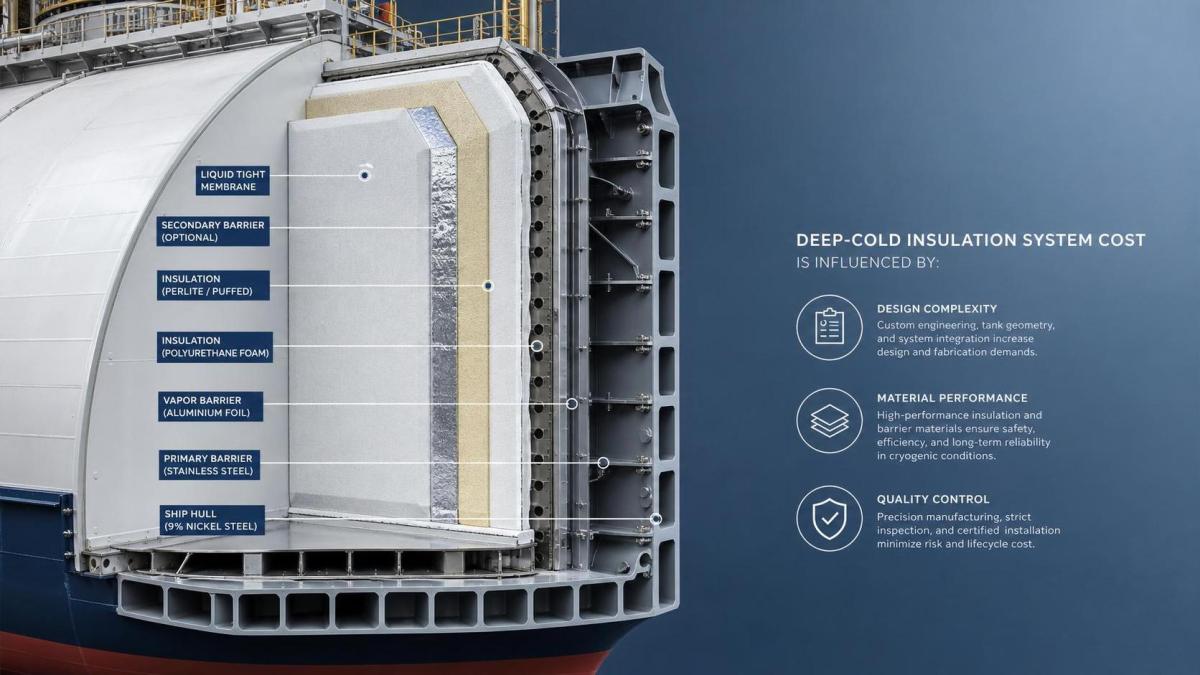
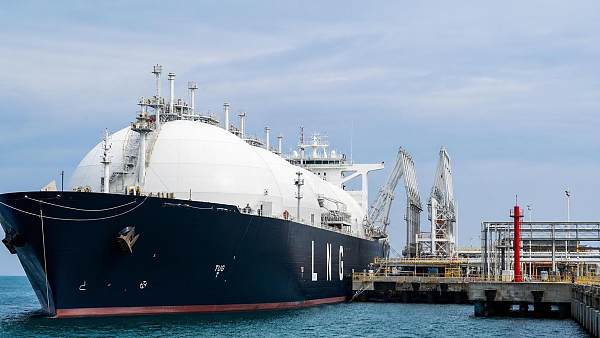
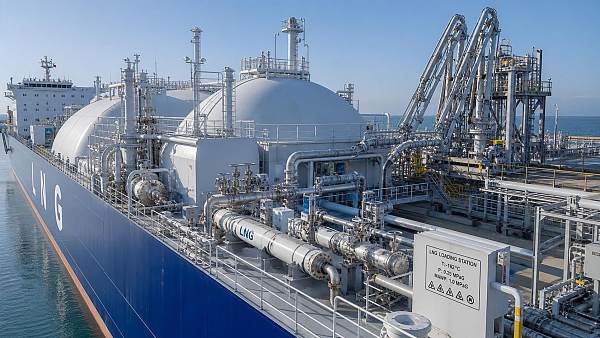
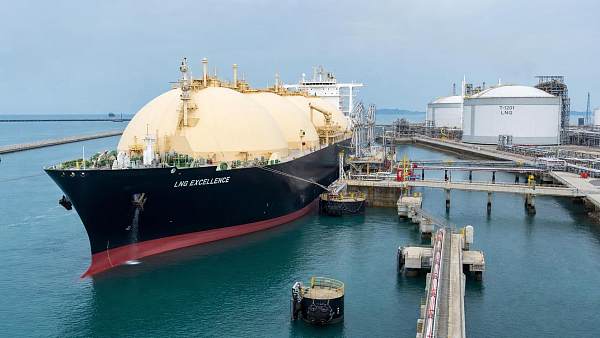
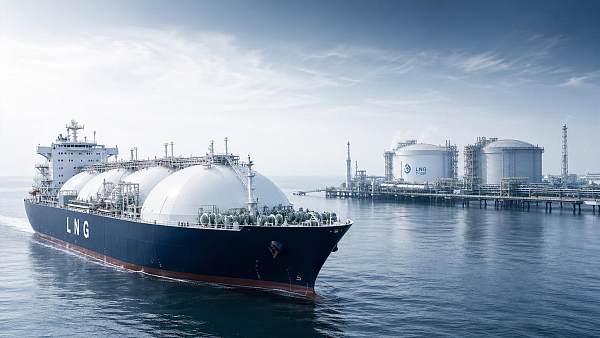
For LNG carriers and similar low-temperature assets, deep-cryogenic insulation systems cost rarely stays within a single purchasing line.
Initial pricing matters, but total project spend is shaped by engineering detail, production quality, installation risk, and long-term thermal performance.
That is why two bids with similar insulation thickness can produce very different lifecycle economics.
In practical buying decisions, the better question is not only what the system costs today.
The real question is what drives total project spend across design, installation, compliance, operation, and maintenance.
A clear view of deep-cryogenic insulation systems cost helps compare offers fairly, avoid hidden risk, and support stronger supplier negotiations.
Why Deep-Cryogenic Insulation Systems Cost Varies So Much
The widest cost gaps usually come from system architecture rather than raw material pricing alone.
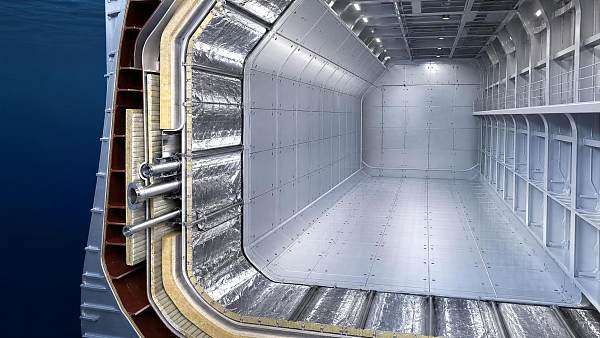
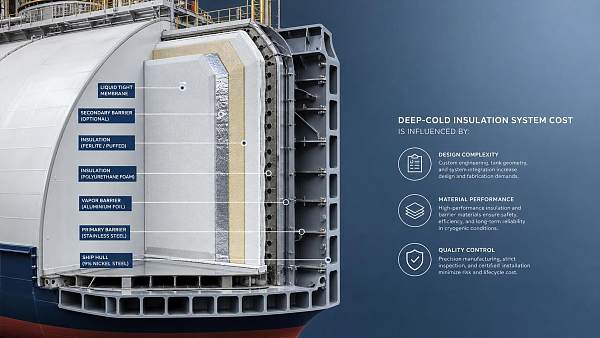
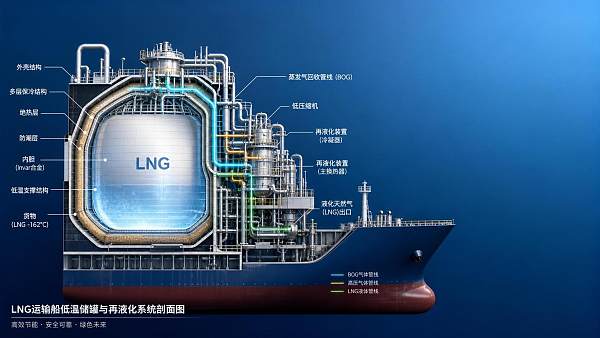
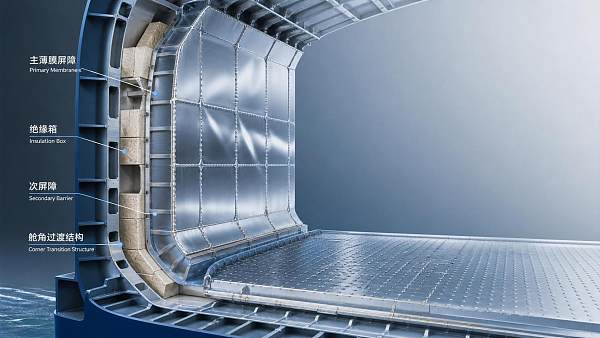
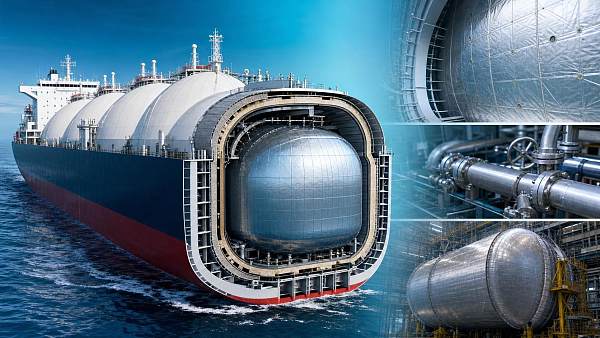
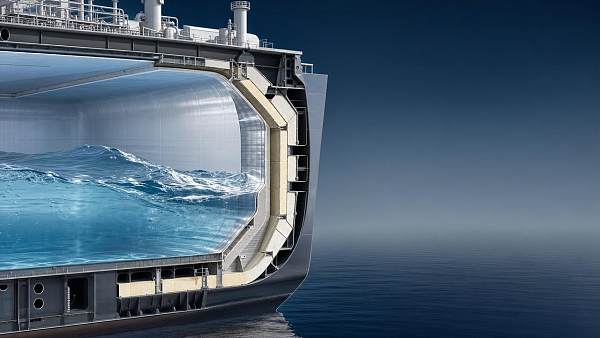
Containment type, insulation media, panel geometry, vapor barriers, support structures, and edge sealing all influence final spend.
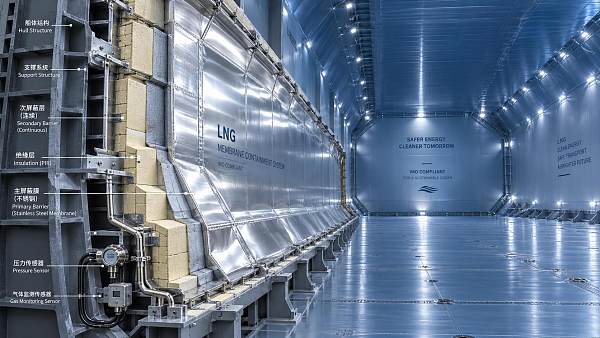
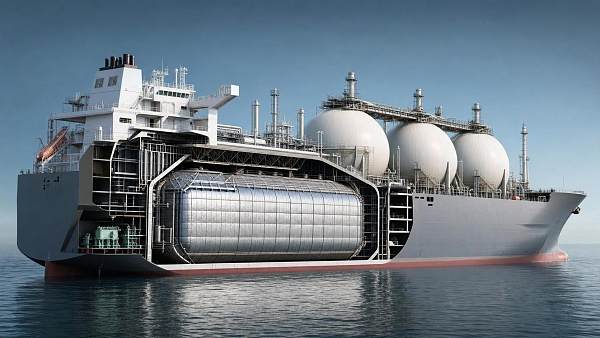
On LNG carriers, membrane containment systems often demand tighter tolerances and more specialized installation processes.
That raises labor intensity, inspection frequency, and schedule sensitivity, even before sea trials begin.
A lower unit quote can therefore mask higher rework exposure or weaker boil-off control.
From a sourcing perspective, deep-cryogenic insulation systems cost should be treated as a system cost, not a component quote.
Core Cost Drivers in the Budget
1. Containment Design and Technical Complexity
System complexity is usually the first major cost driver.
Flat surfaces are simpler to insulate than curved or segmented areas with penetrations, supports, and access points.
Every interruption in the thermal envelope adds design time and installation difficulty.
This also affects testing, documentation, and repair planning.
2. Material Selection and Thermal Performance
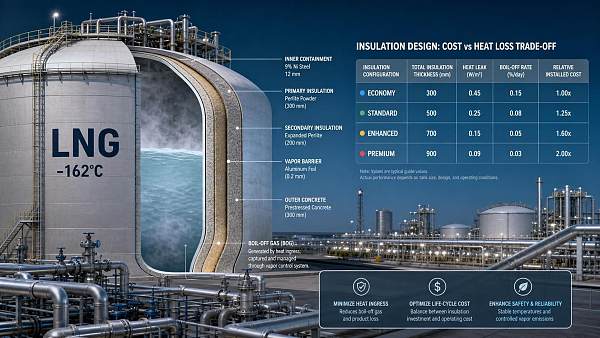
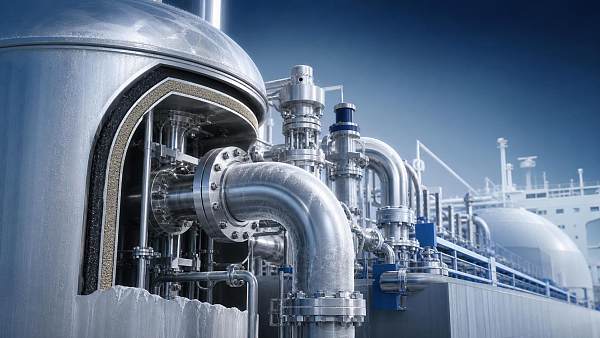
Perlite, polyurethane foam, reinforced panels, secondary barriers, and specialized adhesives are priced very differently.
The cheapest material is rarely the lowest total-cost option.
If thermal conductivity drifts, boil-off rates rise and fuel economics worsen.
That means deep-cryogenic insulation systems cost must be linked to measurable thermal retention over time.
3. Installation Environment and Yard Capability
Installation conditions can shift project cost faster than many buying teams expect.
Humidity control, temperature stability, worker certification, and sequencing with other trades all matter.
If the yard lacks proven cryogenic workflows, rework becomes more likely.
That adds labor, delays commissioning, and inflates deep-cryogenic insulation systems cost beyond the original bid.
4. Quality Assurance and Certification
Inspection is not overhead. It is a cost-control mechanism.
Class society rules, owner specifications, test protocols, and traceability requirements all affect the final budget.
When documentation is weak, approval cycles slow down and project risk rises.
In this area, low administrative maturity often leads to high practical cost.
The Hidden Cost Behind Boil-Off and Energy Loss
One of the most overlooked parts of deep-cryogenic insulation systems cost is energy performance after delivery.
A system that underperforms thermally may still pass initial inspection.
Yet over time, higher boil-off can reduce cargo efficiency, complicate fuel planning, and weaken voyage economics.
This is especially important for LNG carriers operating under tight charter performance expectations.
Small thermal losses can become meaningful financial losses across a vessel’s service life.
That is why cost evaluation should include expected boil-off impact, not only installation price.
Comparing Bids Without Missing Hidden Charges
When offers arrive, price sheets often look cleaner than the real execution picture.
A proper comparison should break deep-cryogenic insulation systems cost into direct and indirect categories.
- Engineering design, modeling, and approval support
- Insulation materials, membranes, barriers, and sealing items
- Installation labor, supervision, and specialist attendance
- Testing, quality records, and class documentation
- Repair allowance, contingency, and schedule recovery exposure
- Operational penalties linked to boil-off or thermal degradation
This structure makes low bids easier to challenge when exclusions are buried in assumptions.
It also supports more disciplined negotiation with technically credible questions.
A Practical Cost Review Table
Supplier Capability Often Decides the Real Cost
Deep-cryogenic insulation systems cost is heavily influenced by supplier execution quality.
A supplier with proven LNG references, stable process control, and strong field support may quote higher.
However, that premium can be cheaper than missed milestones or insulation defects discovered after handover.
Recent market behavior shows a clearer preference for suppliers that combine materials, engineering, and documentation capability.
This matters even more when yards face tight delivery windows or constrained skilled labor.
In other words, supplier maturity is part of the cost model, not a separate issue.
Questions That Improve Procurement Decisions
Before final award, several questions can expose risk early and sharpen cost visibility.
- What thermal performance is guaranteed over time, not only at commissioning?
- Which exclusions could later appear as change orders or owner-supplied items?
- How much cryogenic installation work is subcontracted, and to whom?
- What is the documented repair strategy for damaged insulation zones?
- How are QA records, traceability files, and class submissions managed?
- What field support is available during installation and sea trial stages?
These questions help move the discussion from price comparison to total cost control.
How to Build a Stronger Total Cost Position
A solid sourcing approach usually combines technical review, commercial structure, and lifecycle thinking.
- Normalize all bids to the same technical basis and performance assumptions
- Request separate pricing for materials, labor, QA, and support services
- Model expected boil-off implications under realistic operating conditions
- Check supplier reference projects with similar containment complexity
- Reserve contingency for rework, schedule pressure, and repair access
- Tie part of commercial evaluation to documentation quality and service response
This makes deep-cryogenic insulation systems cost more transparent and more manageable from contract award through operation.
Final Takeaway
Deep-cryogenic insulation systems cost is driven by far more than insulation material pricing.
Containment design, thermal performance, installation conditions, QA discipline, and supplier capability all shape total project spend.
The most effective decisions come from treating cost as a technical-commercial package across the full asset lifecycle.
When evaluation is structured this way, it becomes easier to protect budget, reduce hidden exposure, and select offers that hold up in service.
Recommended News
 Sep 28, 2026When is nickel steel containment needed for cryogenic storage?Nickel steel containment is essential when cryogenic tanks face brittle-fracture risk. Discover how temperature, loads, and tank design guide the right choice.
 Sep 11, 2026How membrane containment systems demonstrate compliance with IMO standardsMembrane containment systems IMO standards: discover how LNG carriers prove compliance through verified barriers, testing, monitoring, and traceable records.
 Sep 10, 2026How membrane and Moss containment systems differ for LNG carriersLNG cargo containment for carriers: compare membrane and Moss systems for capacity, BOG, safety, sloshing, lifecycle cost, and operational flexibility.
 Sep 03, 2026What drives membrane containment systems cost in LNG projects?Membrane containment systems cost depends on tank design, materials, labor, QA, and boil-off performance. Discover how to control LNG project risk and lifecycle costs.
 Aug 11, 2026How Vacuum Insulated Cryogenic Engineering Reduces Boil-Off and Heat LeakVacuum insulated cryogenic engineering cuts boil-off and heat leak by optimizing vacuum spaces, MLI, supports, and penetrations—discover what really improves LNG thermal performance.
 Aug 09, 2026What Determines Safe Cryogenic Containment Design in LNG Storage?Cryogenic containment design in LNG storage depends on materials, thermal stress, leak control, and BOG management. Discover what truly defines safe, code-compliant performance.
 Jul 29, 2026How to Evaluate a Cryogenic Tank Handling System for LNG Transfer SafetyCryogenic tank handling system evaluation for LNG transfer safety: learn how to assess pressure control, insulation, ESD response, and operational reliability before choosing a safer system.
 Jul 24, 2026Deep-Cryogenic Insulation Systems Cost: What Drives Total Project Spend?Deep-cryogenic insulation systems cost depends on design, materials, installation, QA, and boil-off performance. Learn what drives total project spend and compare bids with confidence.
 Jul 21, 2026LNG Carriers Class Approval: Key Rules and Compliance RisksLNG carriers class approval explained: key rules, major compliance risks, and practical steps to prevent delays, protect vessel readiness, and improve charter confidence.
 Jul 15, 2026Low Boil Off Insulation System Performance: What Reduces LNG Losses MostLow boil off insulation system performance explained: discover what cuts LNG losses most through smarter containment, installation quality, and BOG management.
 Jul 13, 2026Deep Cryogenic Insulation for LNG Tanks: Cost vs Heat LossDeep cryogenic insulation for LNG tanks impacts more than upfront cost. Learn how lower heat loss cuts BOG, improves efficiency, and strengthens lifecycle value.
 Jul 13, 2026Low Loss Cryogenic Handling: Key Factors for Safer TransferLow loss cryogenic handling starts with thermal control, pressure balance, and clean transfer. Learn the key factors that reduce boil-off, protect product integrity, and improve safer LNG and industrial operations.
 Jul 12, 2026LNG Vessel Fuel Storage: Main Safety Risks and FixesLNG vessel fuel storage safety starts with early risk detection. Learn the main hazards, warning signs, and practical fixes to reduce leaks, pressure instability, and onboard failures.
 Jul 09, 2026Membrane Cargo Tank vs Moss Type: Which Fits Modern LNG FleetsMembrane cargo tank vs Moss type: compare LNG fleet capacity, boil-off strategy, maintenance, and asset value to choose the best-fit design for modern shipping returns.
 Jul 08, 2026Membrane Containment Systems: Key Failure Risks in LNG Tank DesignMembrane containment systems are central to LNG tank safety. Explore key failure risks, from insulation degradation to sloshing and secondary barrier issues, and learn what to check early.
 Jul 06, 2026How to Compare a Cryogenic Shipping Systems Manufacturer for Long-Haul LNG ProjectsCryogenic shipping systems manufacturer selection can make or break long-haul LNG projects. Compare boil-off control, compliance, engineering support, and lifecycle value.
 Jul 02, 2026Cryogenic Shipping Safety: Common Failure Risks and FixesCryogenic shipping safety starts with finding hidden failure risks early. Learn the main causes, practical fixes, and audit gaps that help protect LNG cargo, cut incidents, and improve control.
 Jul 02, 2026LNG Carriers Dimensions Explained for Terminal PlanningLNG carriers dimensions explained for smarter terminal planning. Learn how vessel size affects berth design, draft limits, mooring, and future fleet compatibility.
 Jun 30, 2026LNG Carrier Containment Technology Explained: Membrane vs Moss SystemsLNG carrier containment technology explained clearly: compare membrane vs Moss systems, key trade-offs, cargo efficiency, sloshing risk, and what drives smarter LNG vessel decisions.
 Jun 30, 2026Vacuum Deep Cryogenic Insulation: Key Failure Risks and How to Prevent ThemVacuum deep cryogenic insulation failure can raise boil-off, safety, and compliance risks. Learn key warning signs, root causes, and practical prevention steps to protect LNG operations.
 Jun 28, 2026Deep-Cryogenic Insulation Cost: What Drives Budget Changes in LNG ProjectsDeep-cryogenic insulation cost in LNG projects depends on materials, containment design, labor, compliance, and shipyard execution. Learn what drives budget changes and how to control risk.
 Jun 25, 2026Cryogenic Shipping Solutions: Key Risks, Costs, and Containment ChoicesCryogenic shipping solutions: compare key risks, lifecycle costs, and membrane vs. Moss containment to avoid hidden losses and choose safer, more efficient LNG transport.
 Jun 15, 2026Cryogenic Engineering Basics: Key Design Factors for Containment SafetyCryogenic engineering basics explained: discover the key design factors behind safer LNG and low-temperature containment, from materials and thermal stress to boil-off control and monitoring.
 Jun 11, 2026Membrane Containment Systems: Key Failure Risks and Design ChecksMembrane containment systems demand rigorous design checks. Explore key failure risks, from sloshing stress to insulation aging, and learn how to improve LNG vessel safety and compliance.