Search News
Industry Portal
Popular Tags
How to choose a containment system for cryogenic shipping in Europe
Author
Time
Click Count
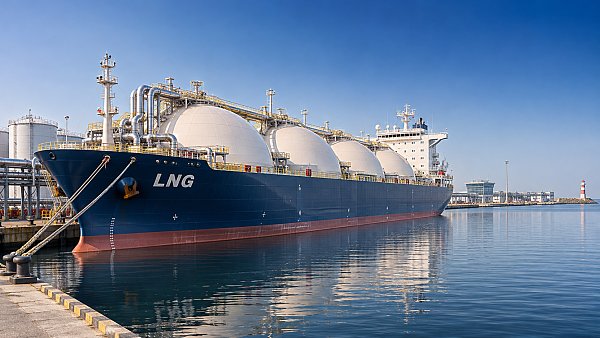
Choosing a containment system for cryogenic shipping in Europe requires more than comparing insulation performance. Technical evaluators must assess cargo temperature, boil-off rates, structural loads, vessel design, applicable regulations, and lifecycle costs together. For LNG carriers and other cryogenic vessels, the choice between membrane and independent tank systems can affect cargo capacity, operational flexibility, and maintenance requirements. The decision starts with the intended cargo and operating profile, not with a preferred tank technology.
Define the cargo and operating envelope first
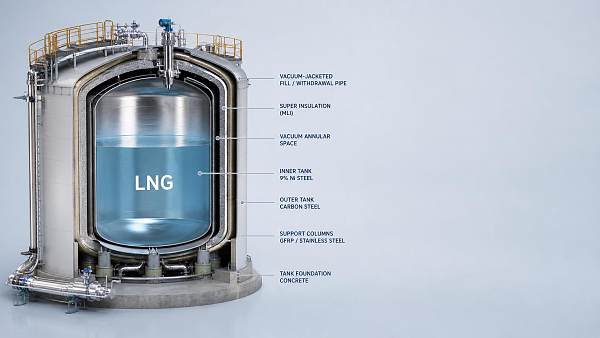
LNG is commonly carried at approximately minus 163°C near atmospheric pressure, but temperature alone does not define the design. Cargo composition affects density, vapour generation and thermal behaviour. The allowable pressure range, loading temperature, expected voyage duration and discharge requirements all influence the containment system and its supporting equipment.
Other liquefied gases need separate assessment. A system suitable for LNG should not automatically be treated as suitable for liquid hydrogen, ethylene or another cargo. Minimum design temperature, material toughness, permeability, pressure control and cargo compatibility must be checked against the proposed service and applicable requirements.
The operating envelope should also describe what happens between normal loading and discharge. Will the vessel sail partly loaded? Could it wait at anchorage with limited options for managing vapour? Must it discharge at several terminals during one voyage? These questions can eliminate an otherwise attractive design before detailed commercial comparison begins.
Membrane or independent tanks: compare the whole ship
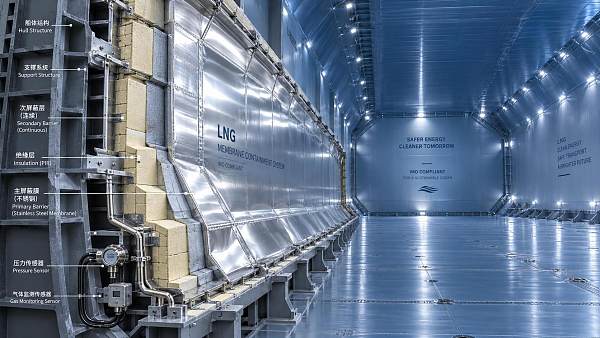
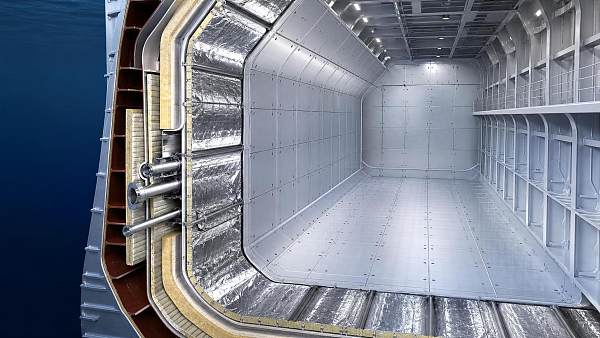
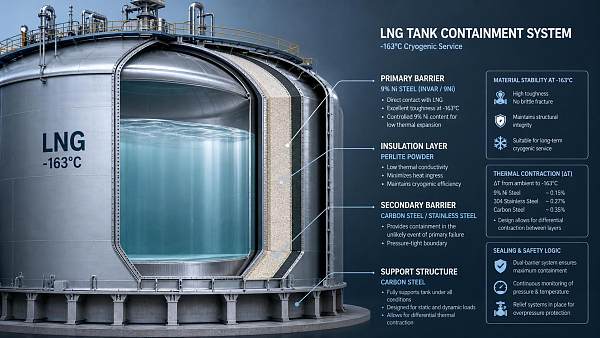
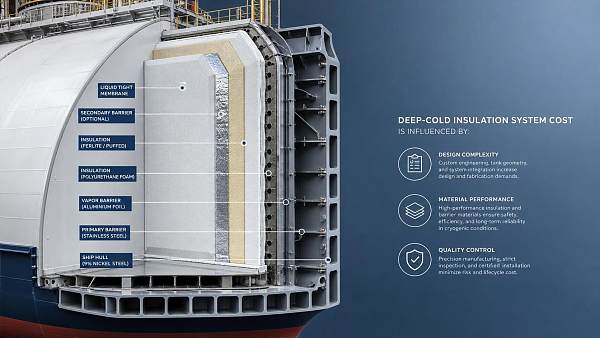
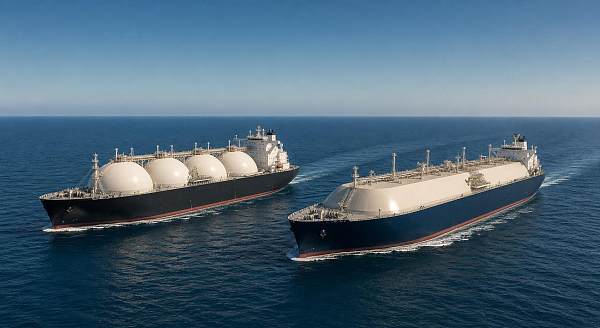
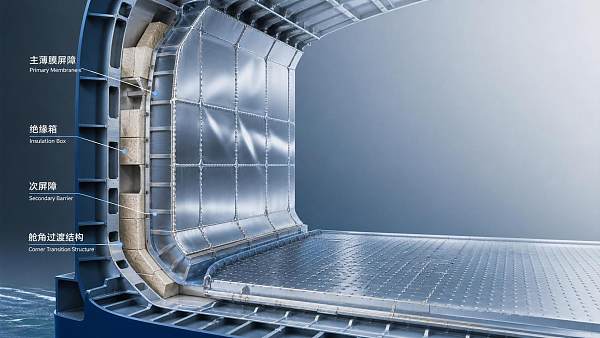
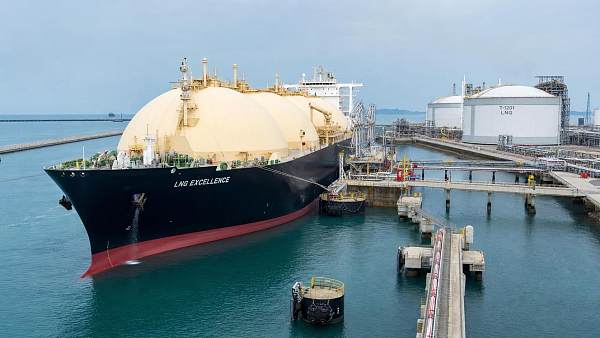
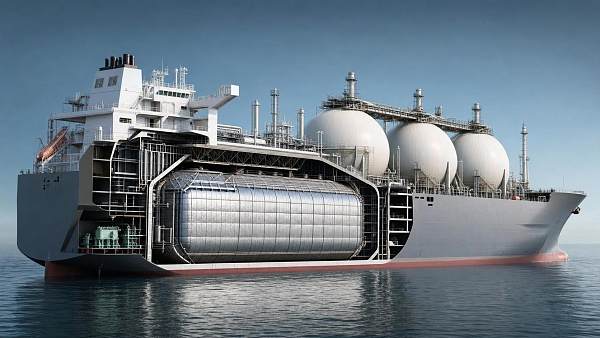
Membrane systems use a thin primary barrier supported through insulation by the ship’s hull structure. They can make efficient use of the hull’s available volume, which is why they are prominent in large LNG carriers. Their performance, however, depends on the combined behaviour of the barrier, insulation and supporting hull. Sloshing loads, installation quality and inspection arrangements deserve as much attention as the headline cargo capacity.
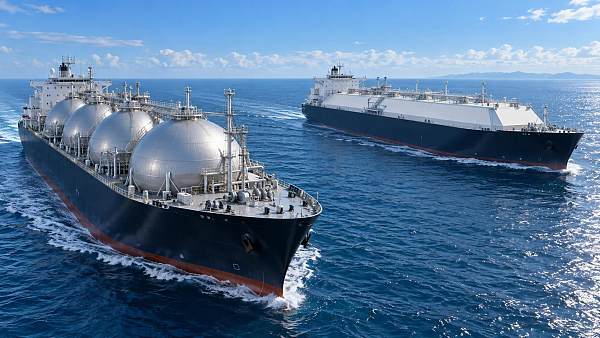
Independent tanks are structurally self-supporting rather than relying on the hull in the same way. Their design categories include Type A, Type B and Type C, each with different structural and safety requirements under the applicable rules. A Type C pressure vessel may offer useful flexibility for managing cargo pressure, but its shape and pressure design can affect weight and the volume available for cargo. Not every independent tank has the same pressure capability, and it is misleading to compare all independent designs as one option.
For an LNG carrier committed to regular full-load voyages between compatible terminals, a membrane arrangement may justify close examination where cargo volume drives the economics. For a vessel with frequent partial loads, variable schedules or a need for greater pressure tolerance, an independent tank design may deserve stronger consideration. Neither conclusion is automatic: the decisive details are the approved operating limits and the complete vessel arrangement.
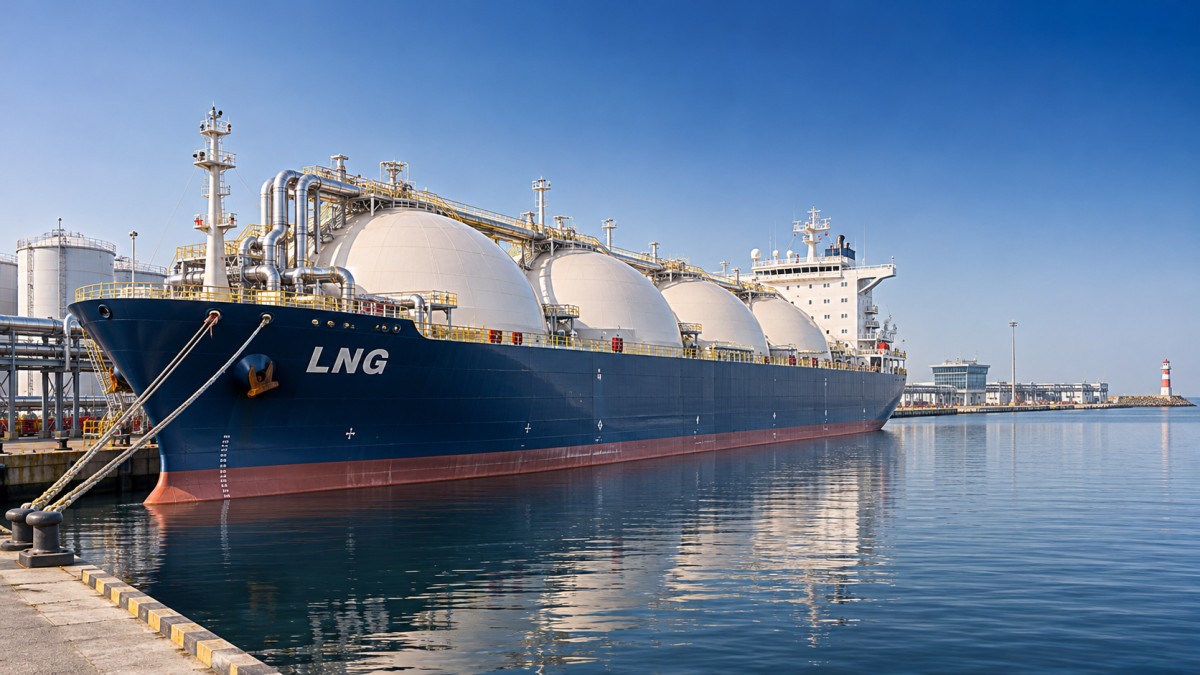
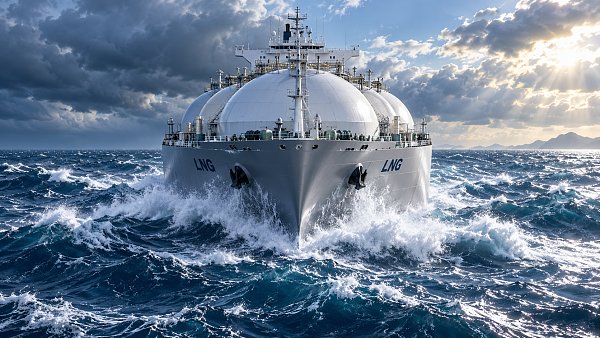
Ask each designer to identify permitted filling ranges and the conditions attached to them. Sloshing is not a concern that can be resolved by labelling one system “membrane” and another “independent.” Tank geometry, liquid level, sea state, voyage profile and the design assessment all matter. A restriction that looks manageable on paper may become costly if the commercial schedule routinely requires intermediate fill levels.
Treat boil-off as an operating system, not a single figure
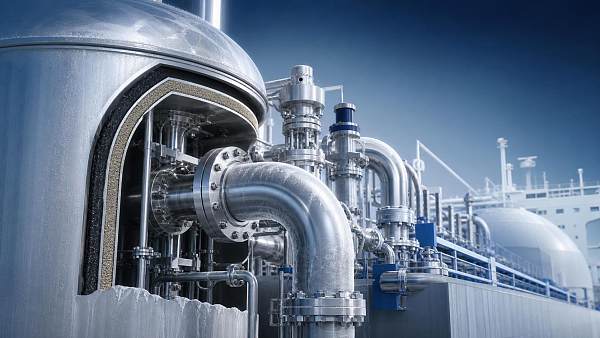
Heat entering a cryogenic tank generates vapour. The quoted boil-off rate is useful only when its assumptions are visible: cargo composition, fill level, ambient conditions, insulation condition and calculation method can all affect the result. Request a consistent basis from competing suppliers, including whether figures represent design calculations, guarantees or measured performance.
Then trace where the gas goes. Depending on the vessel, vapour may be used as fuel, reliquefied, managed through other approved equipment or retained temporarily as pressure rises within the tank’s permitted limits. Check capacity during loaded and ballast passages, manoeuvring, port stays and equipment outages. A vessel with low propulsion demand at berth can face a different gas balance from one at sea.
Pressure tolerance is not a substitute for a gas-management plan. Evaluators should examine the time available before operational intervention is required, the redundancy of compressors and reliquefaction equipment, and the consequences of a failure during a delayed discharge. Venting and other disposal arrangements must be assessed against applicable safety and environmental requirements rather than assumed to be routine solutions.
Check European trading constraints early
Cryogenic shipping in Europe involves international vessel rules alongside the requirements of the flag state, classification society, port authorities and individual terminals. For ships carrying liquefied gases in bulk, the IMO International Code for the Construction and Equipment of Ships Carrying Liquefied Gases in Bulk, commonly known as the IGC Code, is a central reference. The applicable edition, amendments and how they apply must be confirmed for the ship and project; alternative fuels and unusual cargoes may introduce additional considerations.
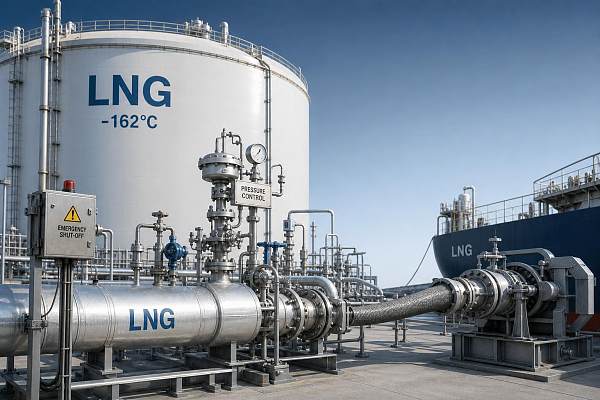
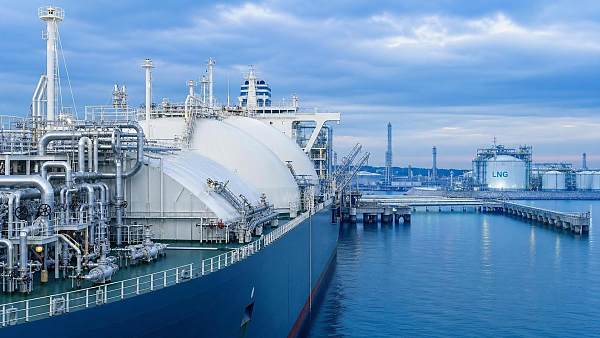
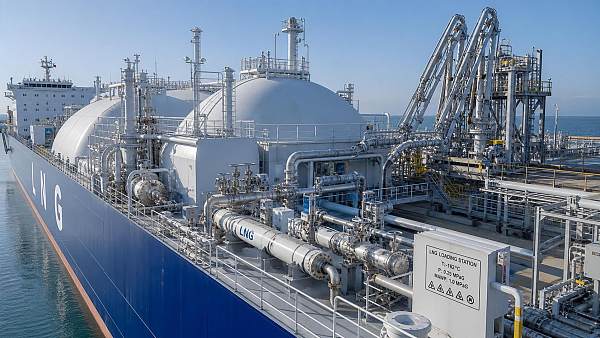
Do not wait for final tank selection to check terminal compatibility. A technically compliant ship can still encounter a commercial barrier if its manifold arrangement, operating pressure, loading rates, emergency shutdown interface or vapour-return provisions do not match a planned berth. Ship-to-shore compatibility assessments should include the full range of expected terminals, not only the initial loading port.
Routes also affect the design basis. Exposed North Atlantic passages, sheltered short-sea services and time spent waiting for a berth can produce different structural and thermal demands. Where cold-weather or ice operations are anticipated, confirm the vessel’s intended class and the consequences for equipment and operations. A European destination alone does not establish an ice-class requirement.
Look beyond insulation at inspection and repair
Containment failures are difficult to assess in isolation from access. Request drawings showing spaces around the tanks, inspection locations, leak-detection arrangements and the interfaces between containment and hull. For membrane designs, review how the primary and secondary barriers are monitored and how suspected damage would be located and repaired. For independent tanks, examine support structures, accessible welds, insulation coverage and inspection provisions for the particular design.
Repairability is also a schedule issue. Ask which work can be undertaken during routine dry docking, which procedures require specialist personnel, and whether repair materials and technical support will be available over the vessel’s expected life. The answer may depend on the selected system, shipyard agreements and the location of the vessel when a problem occurs.
Construction quality deserves the same scrutiny. Review the proposed shipyard’s experience with the specific containment technology, the division of responsibility between yard and system provider, and the plan for installation checks, testing and documentation. A design approval does not remove the need to verify how the system will be built and accepted.
Compare lifecycle costs on a common basis
A containment quotation is only one part of the investment. Compare competing designs at the vessel level, using the same cargo, route, service life and financial assumptions. Cargo volume, steel weight, insulation, gas handling, propulsion integration and yard labour can shift costs between packages. A lower tank price may be offset by lost cargo capacity or additional equipment elsewhere.
Operating costs should include fuel and electricity for gas management, expected cargo losses where applicable, maintenance, inspections and off-hire allowances. Test sensitivities rather than relying on one forecast: consider longer port stays, lower propulsion demand, changes in energy prices and periods when the vessel trades below its intended utilisation. These scenarios reveal which design remains workable when the schedule changes.
Environmental performance should be assessed in the same integrated way. A lower calculated boil-off rate does not by itself establish lower overall emissions. The outcome depends on how vapour is managed, the energy used by onboard equipment, fuel consumption and the relevant emissions-accounting rules for the voyage. Compare like-for-like operating scenarios and document the assumptions.
What to request before making a shortlist
A useful technical submission should make limitations visible, not just present nominal capacity. Request the following from each design team:
- The cargo specification, minimum design temperature, design pressure and approved operating limits used in the proposal.
- Filling-level restrictions and the assumptions behind sloshing and structural-load assessments.
- Guaranteed or calculated boil-off figures, with the test or calculation basis and conditions clearly identified.
- A gas-balance assessment for sea passage, manoeuvring, port stay and credible equipment-outage scenarios.
- Inspection, leak-detection and repair arrangements, including specialist support and documentation needs.
- Preliminary flag, class and terminal compatibility reviews, with unresolved approvals identified.
- A vessel-level cost breakdown that separates containment, associated equipment and assumptions about cargo capacity.
The most useful comparison is often a gap list rather than a ranking. If one bidder has assessed partial loading and another has not, the submissions are not yet equivalent. The same applies when one boil-off figure assumes different ambient conditions or when terminal interfaces remain undefined.
GTOT’s maritime intelligence perspective connects containment stress, vessel operation and supply-chain requirements, making those interfaces a practical starting point for further evaluation. Before committing to a design, align the cargo owner, ship designer, yard, classification society and intended terminals around one operating envelope. The preferred system should then be the one whose limits, support arrangements and economics remain acceptable across that envelope—not merely the one with the most appealing headline specification.
Recommended News
 Nov 03, 2026How to choose a containment system for cryogenic shipping in EuropeCryogenic shipping Europe: compare membrane and independent tanks, boil-off management, regulations and lifecycle costs to choose the right containment system.
 Nov 02, 2026How insulated piping reduces heat gain in cryogenic shippingExplore cryogenic shipping solutions piping and discover how insulation, thermal bridge control and installation quality reduce heat gain in LNG transfer lines.
 Oct 16, 2026Is Membrane Containment Suitable for LNG Vessels in Rough Seas?Is membrane containment suitable for LNG vessels operating in rough seas? Explore sloshing risks, operating limits, and proven safety controls for confident LNG voyage planning.
 Oct 13, 2026How Should You Compare Cryogenic Engineering Test Data from Suppliers?How do I compare cryogenic engineering test data from suppliers? Discover a practical guide to evaluating LNG thermal performance, traceability, standards, and risk.
 Sep 28, 2026When is nickel steel containment needed for cryogenic storage?Nickel steel containment is essential when cryogenic tanks face brittle-fracture risk. Discover how temperature, loads, and tank design guide the right choice.
 Sep 11, 2026How membrane containment systems demonstrate compliance with IMO standardsMembrane containment systems IMO standards: discover how LNG carriers prove compliance through verified barriers, testing, monitoring, and traceable records.
 Sep 10, 2026How membrane and Moss containment systems differ for LNG carriersLNG cargo containment for carriers: compare membrane and Moss systems for capacity, BOG, safety, sloshing, lifecycle cost, and operational flexibility.
 Sep 03, 2026What drives membrane containment systems cost in LNG projects?Membrane containment systems cost depends on tank design, materials, labor, QA, and boil-off performance. Discover how to control LNG project risk and lifecycle costs.
 Aug 11, 2026How Vacuum Insulated Cryogenic Engineering Reduces Boil-Off and Heat LeakVacuum insulated cryogenic engineering cuts boil-off and heat leak by optimizing vacuum spaces, MLI, supports, and penetrations—discover what really improves LNG thermal performance.
 Aug 09, 2026What Determines Safe Cryogenic Containment Design in LNG Storage?Cryogenic containment design in LNG storage depends on materials, thermal stress, leak control, and BOG management. Discover what truly defines safe, code-compliant performance.
 Jul 29, 2026How to Evaluate a Cryogenic Tank Handling System for LNG Transfer SafetyCryogenic tank handling system evaluation for LNG transfer safety: learn how to assess pressure control, insulation, ESD response, and operational reliability before choosing a safer system.
 Jul 24, 2026Deep-Cryogenic Insulation Systems Cost: What Drives Total Project Spend?Deep-cryogenic insulation systems cost depends on design, materials, installation, QA, and boil-off performance. Learn what drives total project spend and compare bids with confidence.
 Jul 21, 2026LNG Carriers Class Approval: Key Rules and Compliance RisksLNG carriers class approval explained: key rules, major compliance risks, and practical steps to prevent delays, protect vessel readiness, and improve charter confidence.
 Jul 15, 2026Low Boil Off Insulation System Performance: What Reduces LNG Losses MostLow boil off insulation system performance explained: discover what cuts LNG losses most through smarter containment, installation quality, and BOG management.
 Jul 13, 2026Deep Cryogenic Insulation for LNG Tanks: Cost vs Heat LossDeep cryogenic insulation for LNG tanks impacts more than upfront cost. Learn how lower heat loss cuts BOG, improves efficiency, and strengthens lifecycle value.
 Jul 13, 2026Low Loss Cryogenic Handling: Key Factors for Safer TransferLow loss cryogenic handling starts with thermal control, pressure balance, and clean transfer. Learn the key factors that reduce boil-off, protect product integrity, and improve safer LNG and industrial operations.
 Jul 12, 2026LNG Vessel Fuel Storage: Main Safety Risks and FixesLNG vessel fuel storage safety starts with early risk detection. Learn the main hazards, warning signs, and practical fixes to reduce leaks, pressure instability, and onboard failures.
 Jul 09, 2026Membrane Cargo Tank vs Moss Type: Which Fits Modern LNG FleetsMembrane cargo tank vs Moss type: compare LNG fleet capacity, boil-off strategy, maintenance, and asset value to choose the best-fit design for modern shipping returns.
 Jul 08, 2026Membrane Containment Systems: Key Failure Risks in LNG Tank DesignMembrane containment systems are central to LNG tank safety. Explore key failure risks, from insulation degradation to sloshing and secondary barrier issues, and learn what to check early.
 Jul 06, 2026How to Compare a Cryogenic Shipping Systems Manufacturer for Long-Haul LNG ProjectsCryogenic shipping systems manufacturer selection can make or break long-haul LNG projects. Compare boil-off control, compliance, engineering support, and lifecycle value.
 Jul 02, 2026Cryogenic Shipping Safety: Common Failure Risks and FixesCryogenic shipping safety starts with finding hidden failure risks early. Learn the main causes, practical fixes, and audit gaps that help protect LNG cargo, cut incidents, and improve control.
 Jul 02, 2026LNG Carriers Dimensions Explained for Terminal PlanningLNG carriers dimensions explained for smarter terminal planning. Learn how vessel size affects berth design, draft limits, mooring, and future fleet compatibility.
 Jun 30, 2026LNG Carrier Containment Technology Explained: Membrane vs Moss SystemsLNG carrier containment technology explained clearly: compare membrane vs Moss systems, key trade-offs, cargo efficiency, sloshing risk, and what drives smarter LNG vessel decisions.
 Jun 30, 2026Vacuum Deep Cryogenic Insulation: Key Failure Risks and How to Prevent ThemVacuum deep cryogenic insulation failure can raise boil-off, safety, and compliance risks. Learn key warning signs, root causes, and practical prevention steps to protect LNG operations.