



Search News
Industry Portal
Popular Tags
Low Boil Off Insulation System Performance: What Reduces LNG Losses Most
Author
Time
Click Count
Low Boil Off Insulation System Performance: What Reduces LNG Losses Most
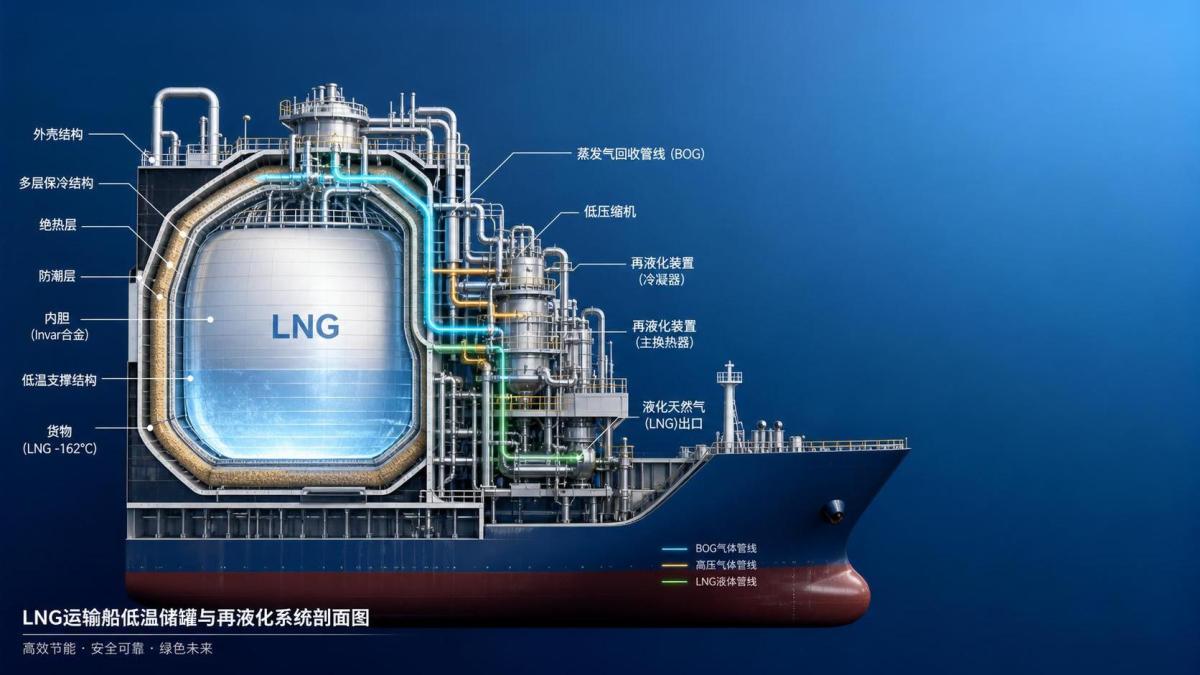
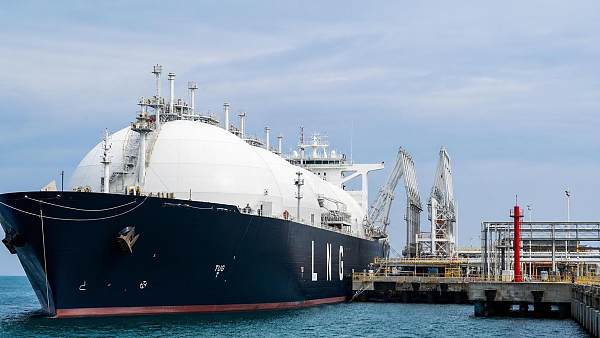
For LNG carriers, boil off is unavoidable. The real question is how much can be limited by a low boil off insulation system under real trading conditions.
That matters because every extra fraction of vapor changes cargo value, fuel planning, emissions, and charter economics.
A strong low boil off insulation system does not depend on one miracle material alone. It comes from containment design, insulation quality, vapor handling, and disciplined operation working together.
For technical comparison, this is the first point to keep clear. The biggest reductions in LNG losses usually come from system integration, not isolated component claims.
Why LNG Losses Happen in the First Place
LNG is carried near minus 163 degrees Celsius. Even with advanced containment, some heat always enters the cargo tank.
That heat converts part of the liquid into vapor. This vapor is called boil off gas, or BOG.
If the low boil off insulation system performs well, the daily boil off rate stays lower and more stable.
If performance drifts, losses rise through cargo evaporation, pressure management penalties, and inefficient fuel use.
This is why technical evaluations should focus on verified boil off behavior over time, not only brochure values from ideal conditions.
The Factors That Reduce LNG Losses Most
When comparing a low boil off insulation system, some factors carry far more weight than others.
In practice, the strongest loss reduction usually comes from five areas.
1. Containment System Design
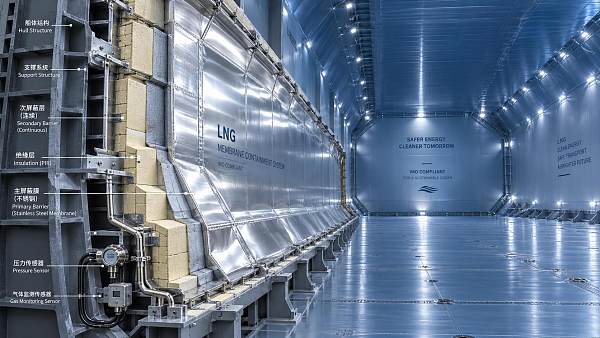
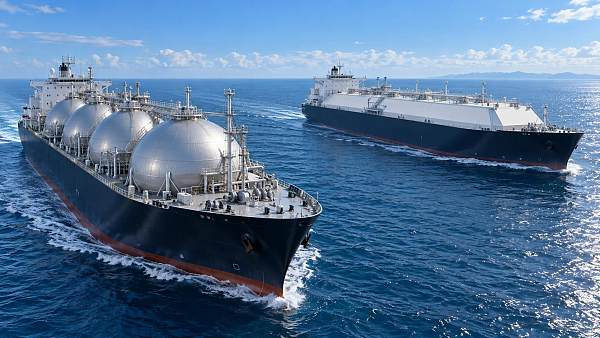
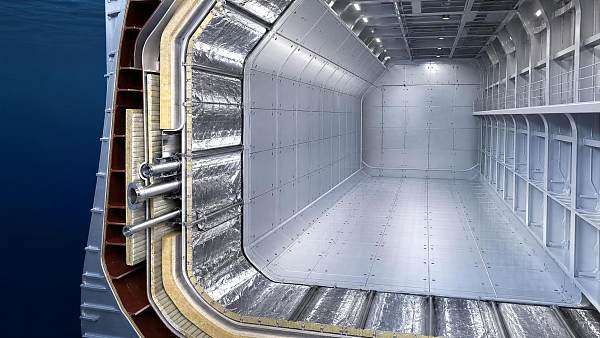
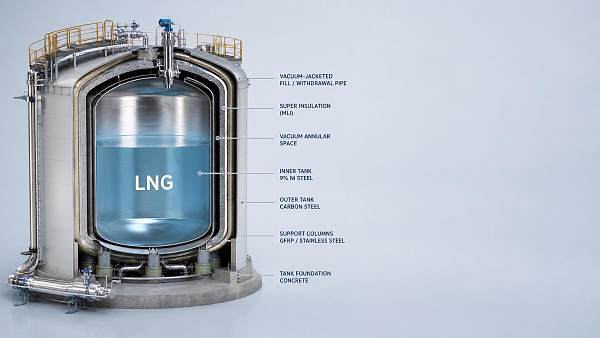
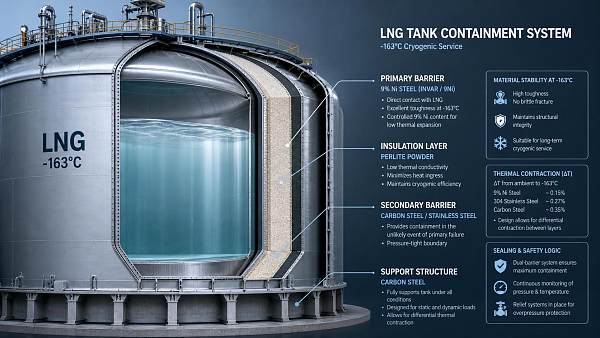
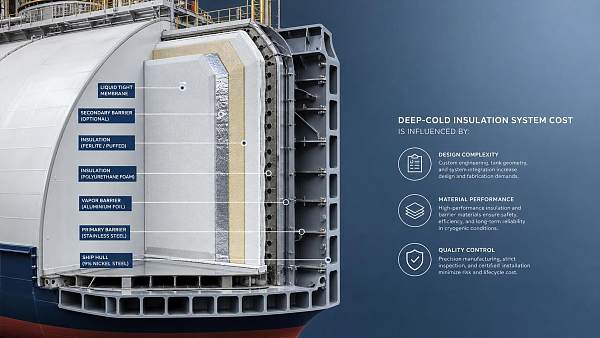
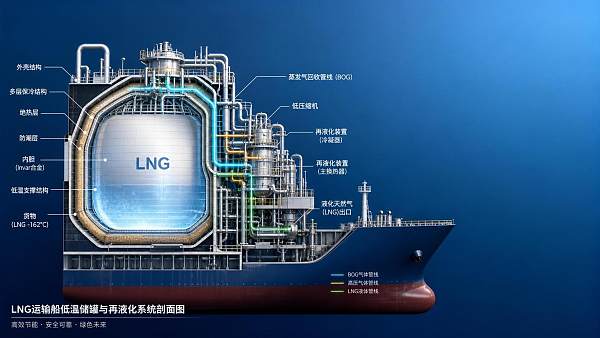
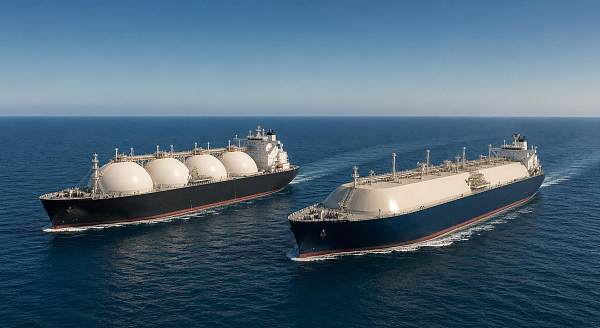
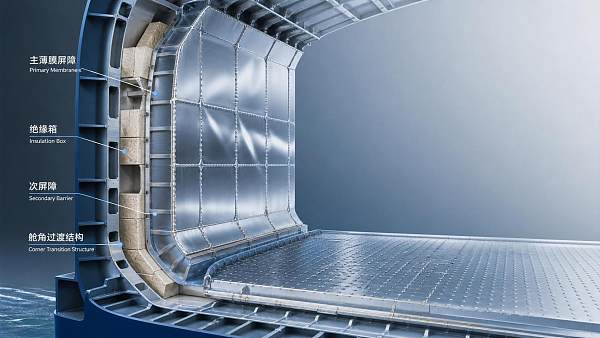
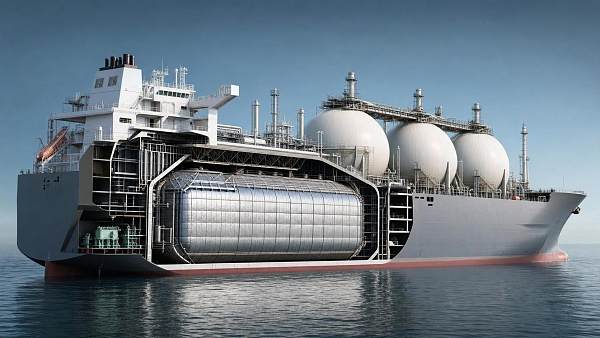
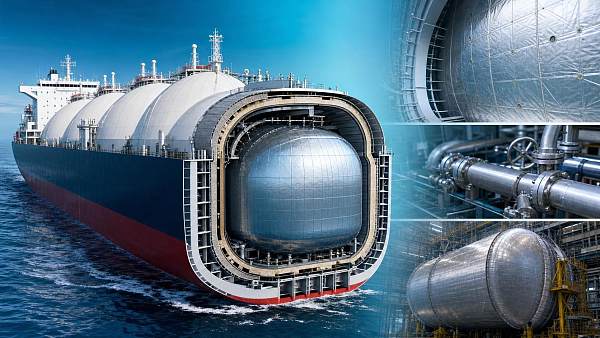
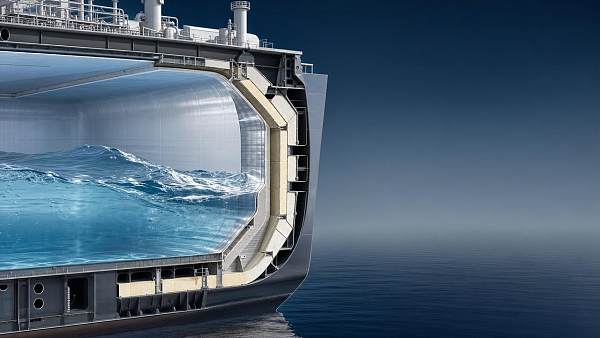
Membrane tanks and Moss tanks manage thermal loads differently. Geometry, support structure, and interface details affect heat ingress directly.
A better low boil off insulation system often starts with fewer thermal bridges and tighter control of structural cold spots.
2. Insulation Material Performance
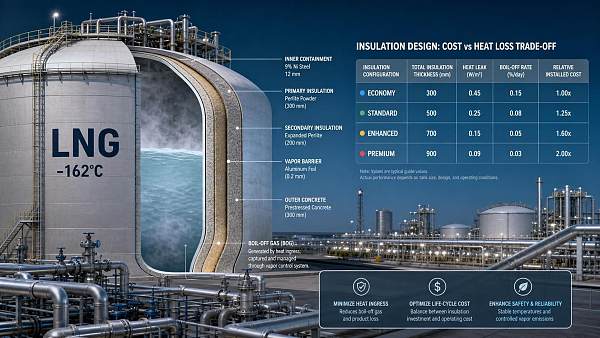
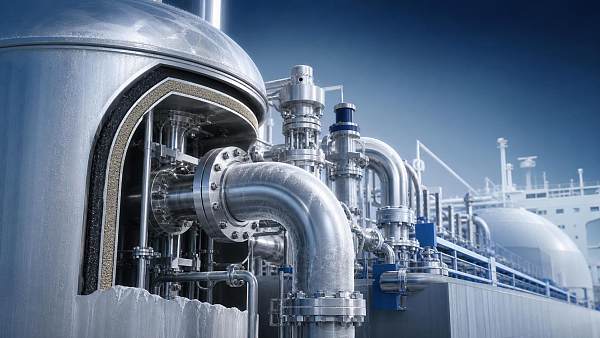
Thermal conductivity matters, but it is not the only metric. Compression resistance, moisture behavior, aging stability, and crack resistance matter just as much.
An insulation material may test well in a lab but lose value if ship motion, cyclic loading, or long service exposure degrades it early.
3. Workmanship and Installation Quality
This point is often underestimated. Voids, poor bonding, misalignment, and weak sealing can cancel the benefit of a premium low boil off insulation system.
On LNG carriers, small defects can create persistent thermal leakage paths that are difficult to correct after delivery.
4. Vapor Handling and Reliquefaction Strategy
Even the best low boil off insulation system cannot remove all vapor generation. The next step is how the ship manages that vapor.
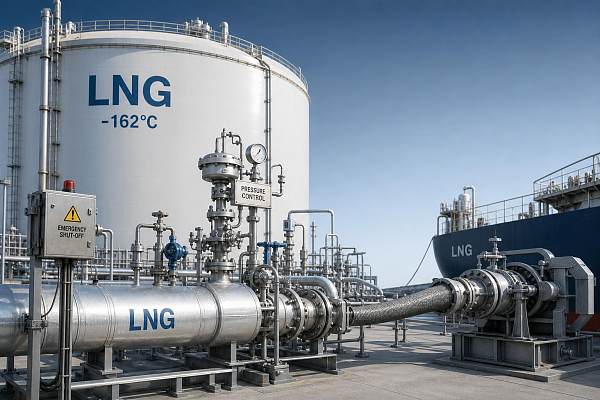
Dual fuel engines, gas combustion units, compressors, and reliquefaction equipment all affect net cargo retention.
A low boil off insulation system delivers maximum value when paired with an efficient BOG handling architecture.
5. Voyage Profile and Operating Discipline
Route length, ambient temperature, loading ratio, heel management, weather, and tank pressure strategy all influence measured losses.
This means low boil off insulation system performance should always be read against the operating envelope, not as an isolated number.
What Usually Matters Most in Real Evaluation
From recent fleet trends, three factors usually drive the largest difference between promised and actual LNG loss reduction.
- The quality of insulation installation across corners, joints, penetrations, and support interfaces.
- The consistency of the containment system under thermal cycling, sloshing, and hull deformation.
- The integration of the low boil off insulation system with BOG compression, engine demand, and reliquefaction logic.
Material selection is still important, but material alone rarely explains the full performance gap.
A technically balanced review should therefore rank installed system behavior above theoretical insulation conductivity.
How to Compare Low Boil Off Insulation System Performance
A useful comparison framework needs more than one headline boil off rate.
In actual business reviews, these checkpoints reveal more than marketing language.
If one supplier only offers a nominal value without operating context, confidence should drop.
A credible low boil off insulation system package should show test basis, assumptions, and expected variation ranges.
Key Standards and Technical Signals to Check
For a technical and standards-driven review, look at compliance and evidence together.
- IGC Code alignment for gas carrier safety and containment expectations.
- Classification society approvals for tank design, materials, and insulation details.
- Builder or technology licensor data on boil off guarantees and deviation bands.
- Sea trial and early service feedback under different loading and weather conditions.
- Maintenance records linked to insulation defects, pressure excursions, or abnormal BOG trends.
More revealing signals often come from trend consistency than from one standout figure.
If the low boil off insulation system shows stable performance across seasons and routes, that is usually a stronger indicator of real quality.
Common Evaluation Mistakes
Several mistakes appear again and again during LNG carrier technical screening.
- Treating insulation material type as a full proxy for low boil off insulation system performance.
- Ignoring installation quality control and yard execution capability.
- Comparing boil off numbers without matching voyage assumptions.
- Looking at cargo loss without checking fuel strategy and reliquefaction interaction.
- Overlooking long-term degradation, repair burden, and inspection access.
These errors make a low boil off insulation system appear stronger on paper than it will be in service.
A Practical Decision Framework
For a more dependable decision, use a simple sequence.
- Confirm the containment architecture and reference boil off guarantee.
- Review insulation material data together with aging, cycling, and mechanical stress evidence.
- Audit construction quality controls for joints, panels, supports, and penetrations.
- Model BOG handling across expected route, climate, and engine operating patterns.
- Test lifecycle economics, including repair downtime and retained cargo value.
This approach keeps the low boil off insulation system connected to operational reality and commercial value.
That is especially important for high-spec LNG carriers operating under tight efficiency and emissions targets.
Conclusion
So, what reduces LNG losses most?
Usually, the biggest gains come from a low boil off insulation system that combines sound containment design, durable insulation, precise installation, and efficient vapor management.
The clearest signal is not the lowest advertised number. It is stable, verifiable performance across real voyages and over the full service life.
When evaluation stays focused on installed system behavior, standards evidence, and lifecycle economics, comparing low boil off insulation system performance becomes far more reliable.
Recommended News
 Sep 28, 2026When is nickel steel containment needed for cryogenic storage?Nickel steel containment is essential when cryogenic tanks face brittle-fracture risk. Discover how temperature, loads, and tank design guide the right choice.
 Sep 11, 2026How membrane containment systems demonstrate compliance with IMO standardsMembrane containment systems IMO standards: discover how LNG carriers prove compliance through verified barriers, testing, monitoring, and traceable records.
 Sep 10, 2026How membrane and Moss containment systems differ for LNG carriersLNG cargo containment for carriers: compare membrane and Moss systems for capacity, BOG, safety, sloshing, lifecycle cost, and operational flexibility.
 Sep 03, 2026What drives membrane containment systems cost in LNG projects?Membrane containment systems cost depends on tank design, materials, labor, QA, and boil-off performance. Discover how to control LNG project risk and lifecycle costs.
 Aug 11, 2026How Vacuum Insulated Cryogenic Engineering Reduces Boil-Off and Heat LeakVacuum insulated cryogenic engineering cuts boil-off and heat leak by optimizing vacuum spaces, MLI, supports, and penetrations—discover what really improves LNG thermal performance.
 Aug 09, 2026What Determines Safe Cryogenic Containment Design in LNG Storage?Cryogenic containment design in LNG storage depends on materials, thermal stress, leak control, and BOG management. Discover what truly defines safe, code-compliant performance.
 Jul 29, 2026How to Evaluate a Cryogenic Tank Handling System for LNG Transfer SafetyCryogenic tank handling system evaluation for LNG transfer safety: learn how to assess pressure control, insulation, ESD response, and operational reliability before choosing a safer system.
 Jul 24, 2026Deep-Cryogenic Insulation Systems Cost: What Drives Total Project Spend?Deep-cryogenic insulation systems cost depends on design, materials, installation, QA, and boil-off performance. Learn what drives total project spend and compare bids with confidence.
 Jul 21, 2026LNG Carriers Class Approval: Key Rules and Compliance RisksLNG carriers class approval explained: key rules, major compliance risks, and practical steps to prevent delays, protect vessel readiness, and improve charter confidence.
 Jul 15, 2026Low Boil Off Insulation System Performance: What Reduces LNG Losses MostLow boil off insulation system performance explained: discover what cuts LNG losses most through smarter containment, installation quality, and BOG management.
 Jul 13, 2026Deep Cryogenic Insulation for LNG Tanks: Cost vs Heat LossDeep cryogenic insulation for LNG tanks impacts more than upfront cost. Learn how lower heat loss cuts BOG, improves efficiency, and strengthens lifecycle value.
 Jul 13, 2026Low Loss Cryogenic Handling: Key Factors for Safer TransferLow loss cryogenic handling starts with thermal control, pressure balance, and clean transfer. Learn the key factors that reduce boil-off, protect product integrity, and improve safer LNG and industrial operations.
 Jul 12, 2026LNG Vessel Fuel Storage: Main Safety Risks and FixesLNG vessel fuel storage safety starts with early risk detection. Learn the main hazards, warning signs, and practical fixes to reduce leaks, pressure instability, and onboard failures.
 Jul 09, 2026Membrane Cargo Tank vs Moss Type: Which Fits Modern LNG FleetsMembrane cargo tank vs Moss type: compare LNG fleet capacity, boil-off strategy, maintenance, and asset value to choose the best-fit design for modern shipping returns.
 Jul 08, 2026Membrane Containment Systems: Key Failure Risks in LNG Tank DesignMembrane containment systems are central to LNG tank safety. Explore key failure risks, from insulation degradation to sloshing and secondary barrier issues, and learn what to check early.
 Jul 06, 2026How to Compare a Cryogenic Shipping Systems Manufacturer for Long-Haul LNG ProjectsCryogenic shipping systems manufacturer selection can make or break long-haul LNG projects. Compare boil-off control, compliance, engineering support, and lifecycle value.
 Jul 02, 2026Cryogenic Shipping Safety: Common Failure Risks and FixesCryogenic shipping safety starts with finding hidden failure risks early. Learn the main causes, practical fixes, and audit gaps that help protect LNG cargo, cut incidents, and improve control.
 Jul 02, 2026LNG Carriers Dimensions Explained for Terminal PlanningLNG carriers dimensions explained for smarter terminal planning. Learn how vessel size affects berth design, draft limits, mooring, and future fleet compatibility.
 Jun 30, 2026LNG Carrier Containment Technology Explained: Membrane vs Moss SystemsLNG carrier containment technology explained clearly: compare membrane vs Moss systems, key trade-offs, cargo efficiency, sloshing risk, and what drives smarter LNG vessel decisions.
 Jun 30, 2026Vacuum Deep Cryogenic Insulation: Key Failure Risks and How to Prevent ThemVacuum deep cryogenic insulation failure can raise boil-off, safety, and compliance risks. Learn key warning signs, root causes, and practical prevention steps to protect LNG operations.
 Jun 28, 2026Deep-Cryogenic Insulation Cost: What Drives Budget Changes in LNG ProjectsDeep-cryogenic insulation cost in LNG projects depends on materials, containment design, labor, compliance, and shipyard execution. Learn what drives budget changes and how to control risk.
 Jun 25, 2026Cryogenic Shipping Solutions: Key Risks, Costs, and Containment ChoicesCryogenic shipping solutions: compare key risks, lifecycle costs, and membrane vs. Moss containment to avoid hidden losses and choose safer, more efficient LNG transport.
 Jun 15, 2026Cryogenic Engineering Basics: Key Design Factors for Containment SafetyCryogenic engineering basics explained: discover the key design factors behind safer LNG and low-temperature containment, from materials and thermal stress to boil-off control and monitoring.
 Jun 11, 2026Membrane Containment Systems: Key Failure Risks and Design ChecksMembrane containment systems demand rigorous design checks. Explore key failure risks, from sloshing stress to insulation aging, and learn how to improve LNG vessel safety and compliance.