



Search News
Industry Portal
Popular Tags
What drives membrane containment systems cost in LNG projects?
Author
Time
Click Count
Membrane containment systems cost is rarely determined by the membrane itself. The largest budget swings usually come from the interaction between tank design, licensed technology, shipyard capability, cryogenic materials, quality-control requirements, and the commercial consequences of boil-off gas performance. A lower initial quotation can become the more expensive choice when it introduces schedule exposure, rework risk, higher fuel consumption, or difficult maintenance during the vessel’s operating life.
For an LNG project, the practical question is not simply “What does the containment system cost?” It is “What is included, what could change, and what cost sits outside the quoted package?” Procurement teams need to compare complete delivery scope, not just the price of insulation panels, membranes, or tank work.
Start with the containment concept, not the headline price
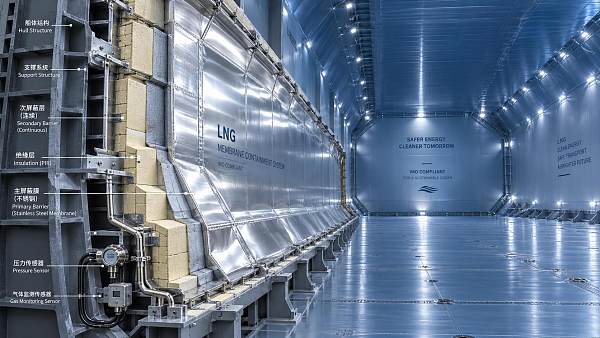
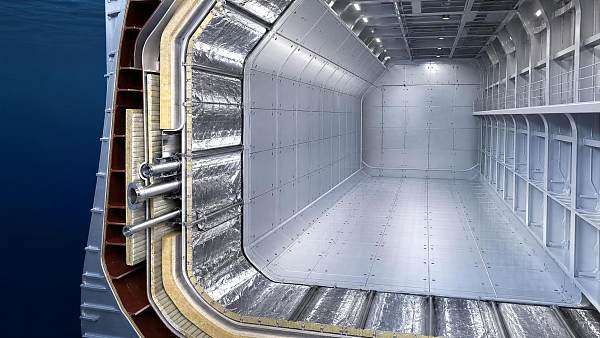
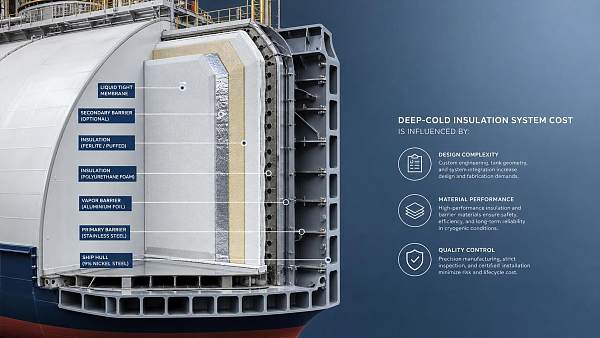
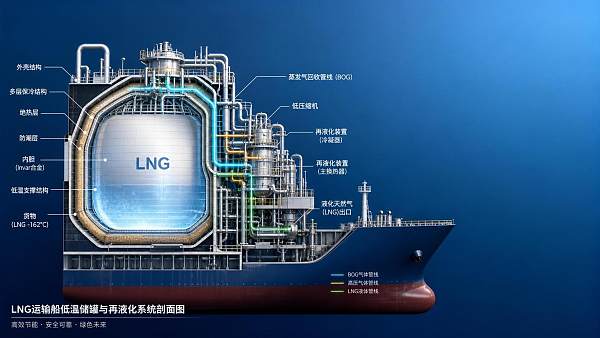
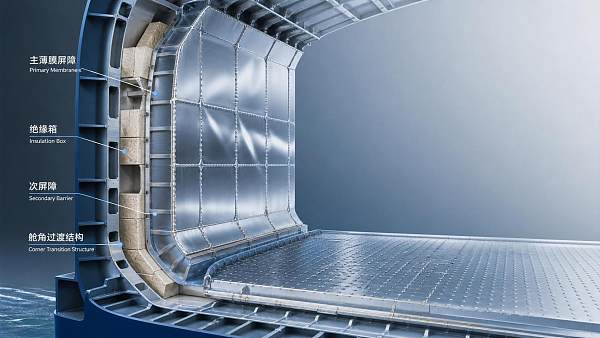
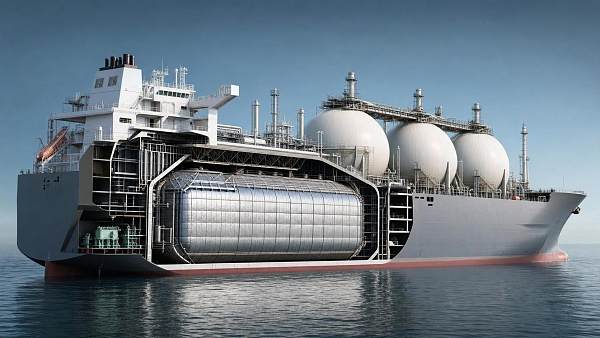
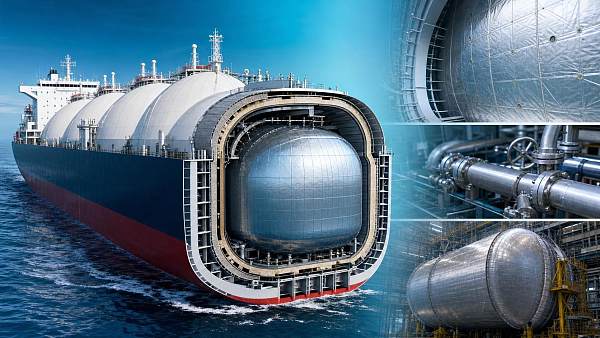
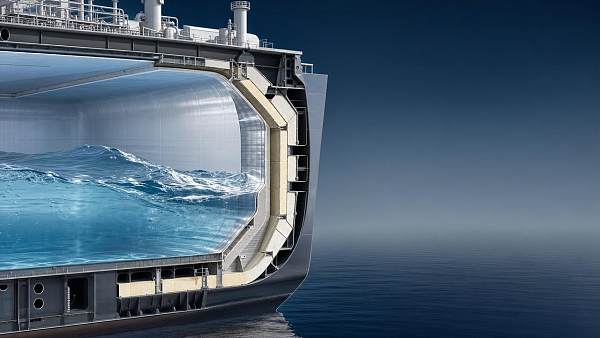
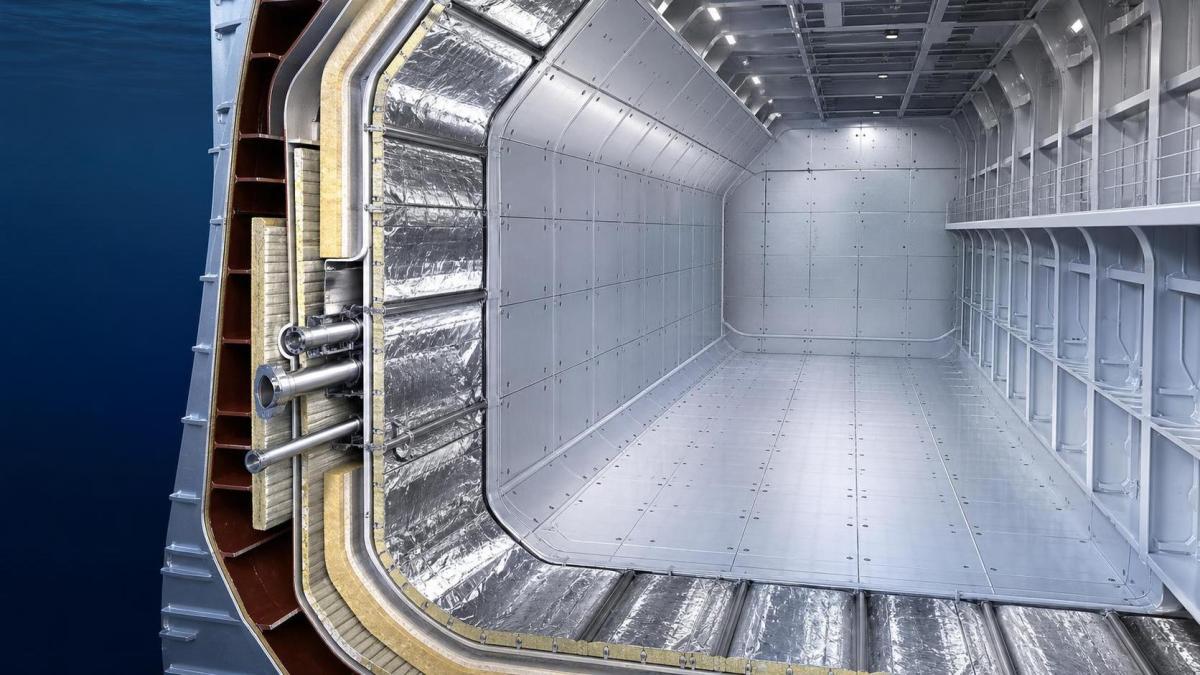
A membrane LNG tank uses a thin primary barrier supported by insulation and the vessel’s hull structure, rather than relying on a self-supporting independent tank. This approach can make efficient use of hull volume, but it also places high demands on design coordination and construction precision. The membrane system is part of an integrated arrangement that includes the primary and secondary barriers, insulation spaces, bonding and fastening details, corner arrangements, piping penetrations, monitoring provisions, and testing procedures.
That integration explains why two apparently similar offers can differ substantially. One proposal may cover only licensed containment materials and technical documentation. Another may include engineering support, specialist supervision, pre-fabrication equipment, training, inspection procedures, and a defined response process for non-conformities. Comparing those offers as if they were equivalent creates an artificial saving.
Before requesting final commercial pricing, freeze the assumptions that affect the system scope:
- Tank volume, geometry, number of tanks, and hull integration constraints.
- Selected membrane technology and approved construction methods.
- Target cargo profile, operating routes, loading cycles, and expected vessel utilization.
- Required boil-off gas performance and the machinery arrangement that will use or manage it.
- Shipyard responsibilities versus technology provider, specialist subcontractor, and owner-supplied scope.
- Inspection, testing, documentation, and acceptance criteria.
Without these boundaries, suppliers may price different risk positions rather than different physical systems.
The main cost drivers behind a membrane containment system
Tank geometry and structural complexity
Large, regular tank surfaces are generally easier to plan and construct than spaces with difficult corners, narrow transitions, unusual deck interfaces, or a high number of penetrations. The membrane must accommodate thermal contraction at cryogenic temperature while maintaining barrier integrity. Details around pump towers, domes, piping connections, stairways, and structural discontinuities require careful design and skilled installation.
Complex geometry does not merely add material. It increases engineering hours, manufacturing tolerances, installation time, inspection points, and the likelihood that local work must be adjusted during construction. A vessel concept that looks attractive at the general-arrangement stage may create a costly containment package if tank geometry has not been evaluated early with the relevant specialist parties.
Licensed technology and engineering support
Membrane systems are typically associated with proprietary designs, defined materials, and controlled construction practices. Licensing cost should therefore be viewed as more than an intellectual-property charge. It can include design review, approved drawing requirements, technical interfaces, production procedures, training, and specialist support at critical build stages.
The mistake is to treat this item as pure overhead and attempt to minimize it in isolation. Reduced engineering support can be reasonable when a shipyard has current, proven capability with the selected system and the design remains close to established practice. It becomes riskier when the yard is new to the technology, the vessel has a novel arrangement, or the delivery schedule leaves little room to absorb learning-curve delays.
A better comparison asks what support is present at each decision gate: detailed design approval, mock-up review, commencement of tank work, first-of-class installation, testing, and delivery documentation. It should also identify who has authority to accept a deviation and who carries the resulting cost.
Cryogenic materials and supply-chain control
Membrane containment packages use specialized barrier, insulation, bonding, protective, and sealing materials. The material cost is sensitive not only to quantity but also to procurement timing, approved-source requirements, handling conditions, packaging, and transport to the shipyard. Some components have limited substitution flexibility because the system relies on validated combinations of materials and procedures.
Projects often underestimate the commercial effect of late specification changes. A change in insulation arrangement, tank dimensions, penetration layout, or delivery sequence can disrupt material planning and create urgent procurement, storage, or handling costs. In a tightly scheduled newbuild, material availability is also linked directly to labor productivity: an incomplete kit can stop a specialist team even when most of the work area is ready.
Procurement documents should distinguish between fixed material quantities, allowances for design development, scrap assumptions, spare material, and contingency stock. These items should not be buried in a single lump-sum line. Visibility makes it easier to assess whether a lower price reflects genuine efficiency or simply excludes the materials most likely to be needed later.
Specialist labor and shipyard learning curve
Containment-system installation is labor-intensive and quality-sensitive. Skilled labor is needed for surface preparation, insulation installation, membrane work, welding or joining operations where applicable, inspections, and repairs. Productivity depends on workforce familiarity, work-area access, sequencing with hull construction, environmental controls, and the availability of supervisors qualified for the selected system.
Labor cost is not limited to hourly rates. It includes training, mock-ups, certification of personnel where required by the work process, shift planning, specialist travel, accommodation, and the time needed to correct defects. The first vessels built by a yard under a particular membrane technology can carry more schedule and execution uncertainty than subsequent vessels. That does not automatically make a less experienced yard unsuitable, but the project should price the ramp-up explicitly instead of assuming mature productivity from day one.
Ask bidders for a labor plan that separates standard installation work from specialist tasks, rework allowance, and supervision. A credible plan links staffing levels to tank work fronts and the overall vessel build schedule. A single total labor number provides too little information for meaningful cost control.
Quality assurance is a cost driver because failure is expensive
The containment system operates at very low temperatures and is central to cargo integrity. Quality assurance therefore has a direct commercial effect. Inspection of materials, workmanship, interfaces, testing records, and final documentation consumes time and specialist resources, but cutting it can transfer cost into commissioning delays, repair campaigns, disputes, or operational restrictions.
The most useful procurement approach is to define quality scope in operational terms. Specify the inspection hold points, responsible parties, required records, repair process, acceptance authority, and access to the completed work. Make clear whether costs for routine retesting are included and how repeated testing caused by a defect will be handled.
A low-priced offer that assumes minimal supervision may be workable only where the owner’s team, class-related inspection process, and yard quality organization already provide sufficient control. Where those capabilities are fragmented, additional independent oversight may increase the initial budget but reduce the chance of costly ambiguity later.
Boil-off gas performance changes the lifecycle calculation
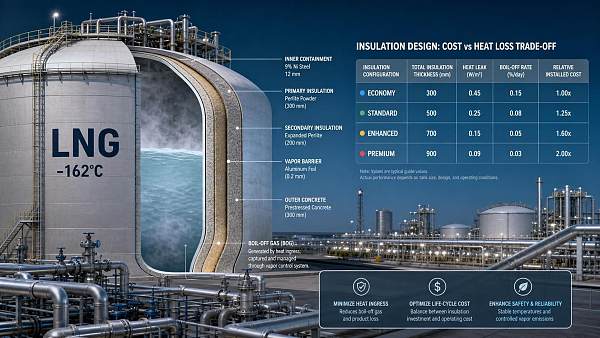
Insulation quality and containment design influence heat ingress, which in turn affects boil-off gas behavior. The value of that performance depends on the vessel’s trading pattern and machinery concept. A system decision that reduces thermal losses can have greater economic importance on long voyages, periods of waiting, or operating profiles where cargo management flexibility is limited. Its value may be different for a vessel with machinery and onboard systems designed to consume, reliquefy, or otherwise manage boil-off gas effectively.
This is why the cheapest installed system is not necessarily the least-cost option over the vessel’s life. However, lifecycle analysis must remain specific to the project. It should not rely on broad claims that one system is always superior. Compare alternatives using the anticipated voyage pattern, port turnaround, cargo retention expectations, fuel strategy, maintenance philosophy, and charter obligations.
For procurement purposes, require a clear statement of the performance assumptions used in the offer. Then ensure the naval architecture, cargo-handling, and propulsion teams use compatible assumptions. Misalignment between these workstreams can leave the project with a technically compliant tank system but an operating model that does not capture its expected value.
Schedule risk can outweigh a modest equipment saving
Membrane containment work sits on the critical path of an LNG carrier build. It depends on tank readiness, structural completion, material availability, specialist access, and coordinated testing. Delays in preceding hull work can compress the containment installation window. When that happens, the apparent solution is often to add labor, extend shifts, or resequence work, each of which can reduce productivity and increase quality risk.
A realistic cost comparison should therefore include schedule resilience. Review whether the bidder has allowed for pre-fabrication, mock-up completion, material staging, substitute work fronts, and timely technical response. The objective is not to buy the largest contingency. It is to identify the assumptions that make the quoted schedule achievable and assign responsibility when they are not met.
Change control is equally important. Late changes to cargo equipment, structural details, or piping routes can have disproportionate effects once containment installation begins. Establish a formal interface register before detailed engineering proceeds. Any proposed change should be assessed for material impact, labor impact, inspection impact, schedule impact, and effect on the technology provider’s approval process.
How to evaluate bids without hiding risk inside a lump sum
Use a normalized bid sheet. Each bidder should respond against the same tank arrangement, technical specification, delivery dates, quality plan, and division of responsibilities. This does not eliminate differences, but it makes them visible. Where a supplier has included an allowance rather than a fixed obligation, record the assumption and the trigger for adjustment.
The following questions are more useful than asking for a broad discount:
- Which design inputs must be frozen before material release, and what happens if they change?
- Which activities require technology-provider attendance or approval?
- What training, mock-up, and specialist-supervision scope is included?
- Which test failures, repairs, and retests are included in the price?
- How are material shortages, damaged materials, and excess consumption treated?
- What assumptions have been made about tank readiness and shipyard access?
- What documentation is delivered for commissioning, handover, and future maintenance?
These questions convert a vague cost comparison into a risk-based procurement decision. They also reduce the likelihood that scope gaps emerge only after construction has started, when commercial leverage is weaker and schedule pressure is higher.
Where cost reduction is reasonable, and where it is not
There are legitimate ways to reduce the total installed cost. Reusing a proven vessel platform, simplifying tank interfaces where operationally feasible, locking key design decisions early, consolidating approved material procurement, and selecting a shipyard with current experience can improve cost predictability. Early coordination between hull, cargo, machinery, and containment teams often prevents expensive late modifications.
Cost reduction becomes dangerous when it removes necessary engineering support, relies on unproven labor assumptions, substitutes materials outside the validated system, or treats testing as optional overhead. These actions may lower the purchase order value while increasing exposure to delays and corrective work. For containment systems, the procurement target should be a controlled installed cost with defined performance and responsibility, not the lowest isolated component price.
A practical next step before committing
Build a containment cost breakdown that follows the project lifecycle: concept engineering, license and detailed design, material procurement, installation labor, supervision, testing, repairs, commissioning support, spares, and operating implications. Assign each line to an accountable party and mark the assumptions that could change it.
GTOT’s coverage of LNG carrier containment stress analysis and shipbuilding-cycle intelligence can support this type of review by connecting technical choices with delivery and commercial conditions. The useful outcome is not a generic benchmark. It is a clearer view of where the project is buying proven capability, where it is accepting uncertainty, and where an early design decision can prevent a much larger cost later.
Recommended News
 Sep 28, 2026When is nickel steel containment needed for cryogenic storage?Nickel steel containment is essential when cryogenic tanks face brittle-fracture risk. Discover how temperature, loads, and tank design guide the right choice.
 Sep 11, 2026How membrane containment systems demonstrate compliance with IMO standardsMembrane containment systems IMO standards: discover how LNG carriers prove compliance through verified barriers, testing, monitoring, and traceable records.
 Sep 10, 2026How membrane and Moss containment systems differ for LNG carriersLNG cargo containment for carriers: compare membrane and Moss systems for capacity, BOG, safety, sloshing, lifecycle cost, and operational flexibility.
 Sep 03, 2026What drives membrane containment systems cost in LNG projects?Membrane containment systems cost depends on tank design, materials, labor, QA, and boil-off performance. Discover how to control LNG project risk and lifecycle costs.
 Aug 11, 2026How Vacuum Insulated Cryogenic Engineering Reduces Boil-Off and Heat LeakVacuum insulated cryogenic engineering cuts boil-off and heat leak by optimizing vacuum spaces, MLI, supports, and penetrations—discover what really improves LNG thermal performance.
 Aug 09, 2026What Determines Safe Cryogenic Containment Design in LNG Storage?Cryogenic containment design in LNG storage depends on materials, thermal stress, leak control, and BOG management. Discover what truly defines safe, code-compliant performance.
 Jul 29, 2026How to Evaluate a Cryogenic Tank Handling System for LNG Transfer SafetyCryogenic tank handling system evaluation for LNG transfer safety: learn how to assess pressure control, insulation, ESD response, and operational reliability before choosing a safer system.
 Jul 24, 2026Deep-Cryogenic Insulation Systems Cost: What Drives Total Project Spend?Deep-cryogenic insulation systems cost depends on design, materials, installation, QA, and boil-off performance. Learn what drives total project spend and compare bids with confidence.
 Jul 21, 2026LNG Carriers Class Approval: Key Rules and Compliance RisksLNG carriers class approval explained: key rules, major compliance risks, and practical steps to prevent delays, protect vessel readiness, and improve charter confidence.
 Jul 15, 2026Low Boil Off Insulation System Performance: What Reduces LNG Losses MostLow boil off insulation system performance explained: discover what cuts LNG losses most through smarter containment, installation quality, and BOG management.
 Jul 13, 2026Deep Cryogenic Insulation for LNG Tanks: Cost vs Heat LossDeep cryogenic insulation for LNG tanks impacts more than upfront cost. Learn how lower heat loss cuts BOG, improves efficiency, and strengthens lifecycle value.
 Jul 13, 2026Low Loss Cryogenic Handling: Key Factors for Safer TransferLow loss cryogenic handling starts with thermal control, pressure balance, and clean transfer. Learn the key factors that reduce boil-off, protect product integrity, and improve safer LNG and industrial operations.
 Jul 12, 2026LNG Vessel Fuel Storage: Main Safety Risks and FixesLNG vessel fuel storage safety starts with early risk detection. Learn the main hazards, warning signs, and practical fixes to reduce leaks, pressure instability, and onboard failures.
 Jul 09, 2026Membrane Cargo Tank vs Moss Type: Which Fits Modern LNG FleetsMembrane cargo tank vs Moss type: compare LNG fleet capacity, boil-off strategy, maintenance, and asset value to choose the best-fit design for modern shipping returns.
 Jul 08, 2026Membrane Containment Systems: Key Failure Risks in LNG Tank DesignMembrane containment systems are central to LNG tank safety. Explore key failure risks, from insulation degradation to sloshing and secondary barrier issues, and learn what to check early.
 Jul 06, 2026How to Compare a Cryogenic Shipping Systems Manufacturer for Long-Haul LNG ProjectsCryogenic shipping systems manufacturer selection can make or break long-haul LNG projects. Compare boil-off control, compliance, engineering support, and lifecycle value.
 Jul 02, 2026Cryogenic Shipping Safety: Common Failure Risks and FixesCryogenic shipping safety starts with finding hidden failure risks early. Learn the main causes, practical fixes, and audit gaps that help protect LNG cargo, cut incidents, and improve control.
 Jul 02, 2026LNG Carriers Dimensions Explained for Terminal PlanningLNG carriers dimensions explained for smarter terminal planning. Learn how vessel size affects berth design, draft limits, mooring, and future fleet compatibility.
 Jun 30, 2026LNG Carrier Containment Technology Explained: Membrane vs Moss SystemsLNG carrier containment technology explained clearly: compare membrane vs Moss systems, key trade-offs, cargo efficiency, sloshing risk, and what drives smarter LNG vessel decisions.
 Jun 30, 2026Vacuum Deep Cryogenic Insulation: Key Failure Risks and How to Prevent ThemVacuum deep cryogenic insulation failure can raise boil-off, safety, and compliance risks. Learn key warning signs, root causes, and practical prevention steps to protect LNG operations.
 Jun 28, 2026Deep-Cryogenic Insulation Cost: What Drives Budget Changes in LNG ProjectsDeep-cryogenic insulation cost in LNG projects depends on materials, containment design, labor, compliance, and shipyard execution. Learn what drives budget changes and how to control risk.
 Jun 25, 2026Cryogenic Shipping Solutions: Key Risks, Costs, and Containment ChoicesCryogenic shipping solutions: compare key risks, lifecycle costs, and membrane vs. Moss containment to avoid hidden losses and choose safer, more efficient LNG transport.
 Jun 15, 2026Cryogenic Engineering Basics: Key Design Factors for Containment SafetyCryogenic engineering basics explained: discover the key design factors behind safer LNG and low-temperature containment, from materials and thermal stress to boil-off control and monitoring.
 Jun 11, 2026Membrane Containment Systems: Key Failure Risks and Design ChecksMembrane containment systems demand rigorous design checks. Explore key failure risks, from sloshing stress to insulation aging, and learn how to improve LNG vessel safety and compliance.