



Search News
Industry Portal
Popular Tags
How membrane containment systems demonstrate compliance with IMO standards
Author
Time
Click Count
Compliance is not demonstrated by the presence of a membrane tank alone. It is demonstrated when the complete cargo containment arrangement can be shown to control cryogenic leakage, structural movement, insulation performance, vapour hazards, and emergency consequences throughout the vessel’s operating life. For LNG carriers, this means the membrane, insulation spaces, hull structure, secondary barrier, monitoring arrangement, and operating procedures must work as one verified system.
Membrane containment systems IMO standards are therefore assessed through evidence: approved design documentation, material qualification, controlled fabrication, inspection records, functional tests, and operational arrangements that remain effective after delivery. A tank may appear well built during a visual inspection yet still present an unacceptable risk if its secondary barrier continuity, interbarrier monitoring, weld quality, or cargo-pressure response cannot be demonstrated.
What IMO compliance means for a membrane LNG containment system
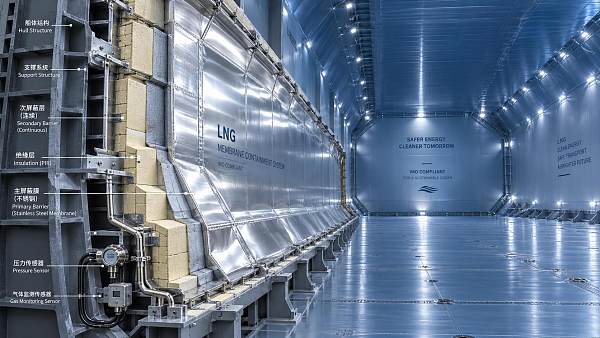
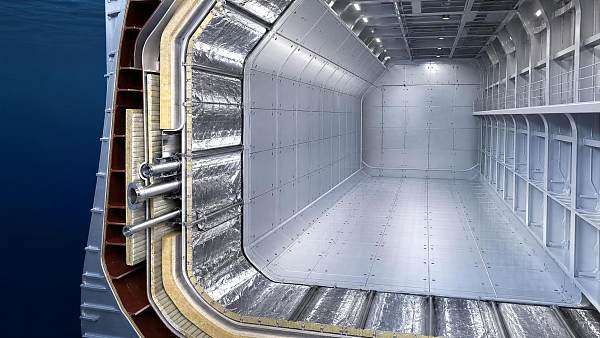
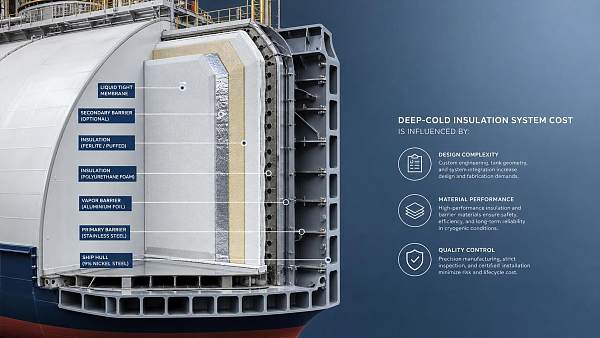
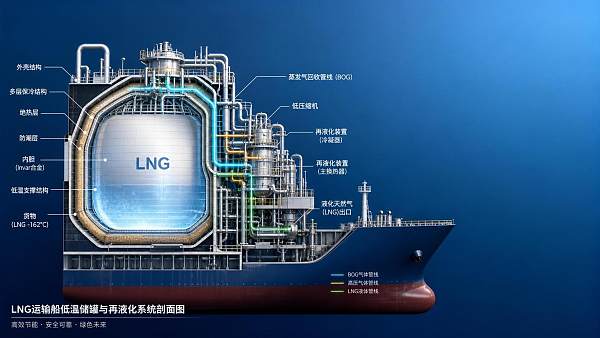
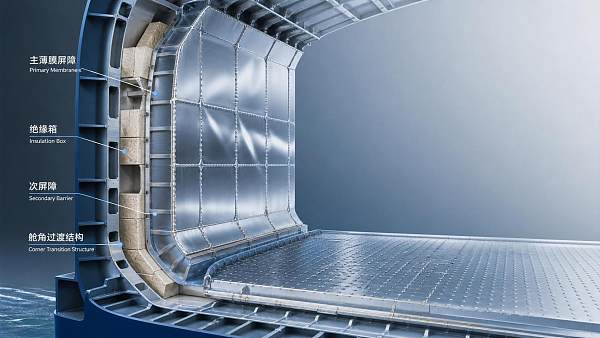
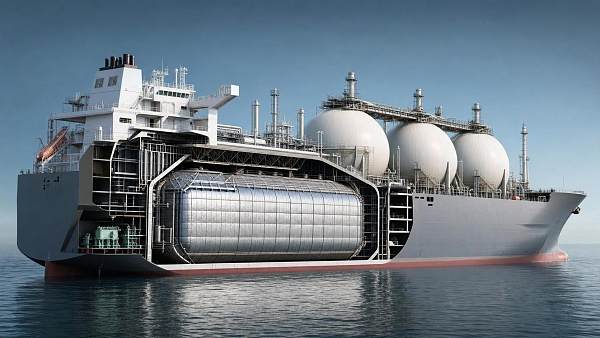
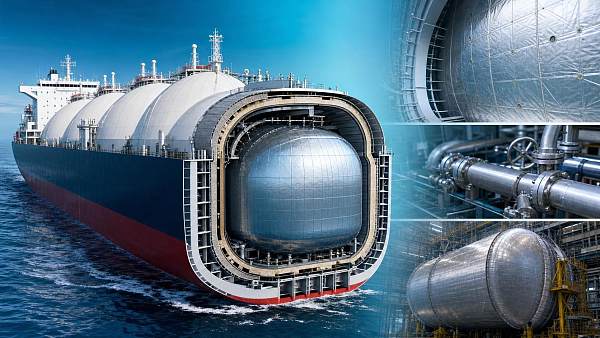
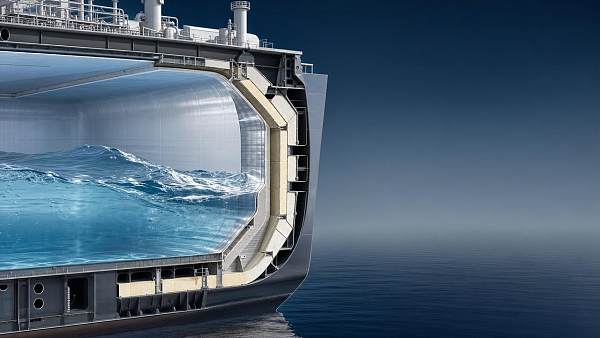
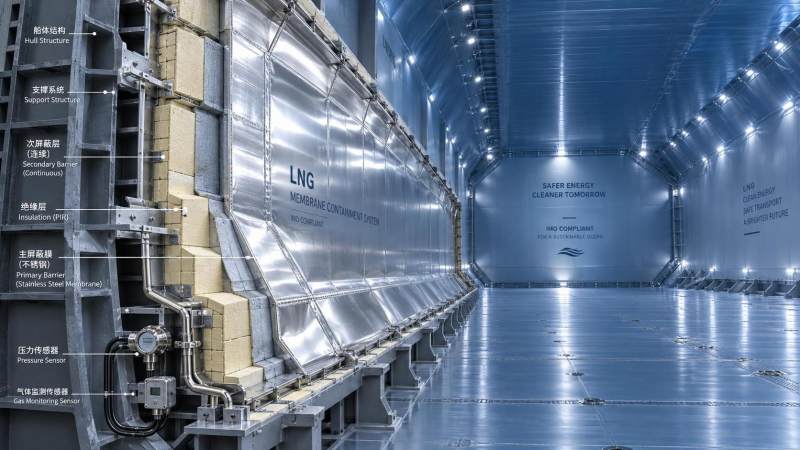
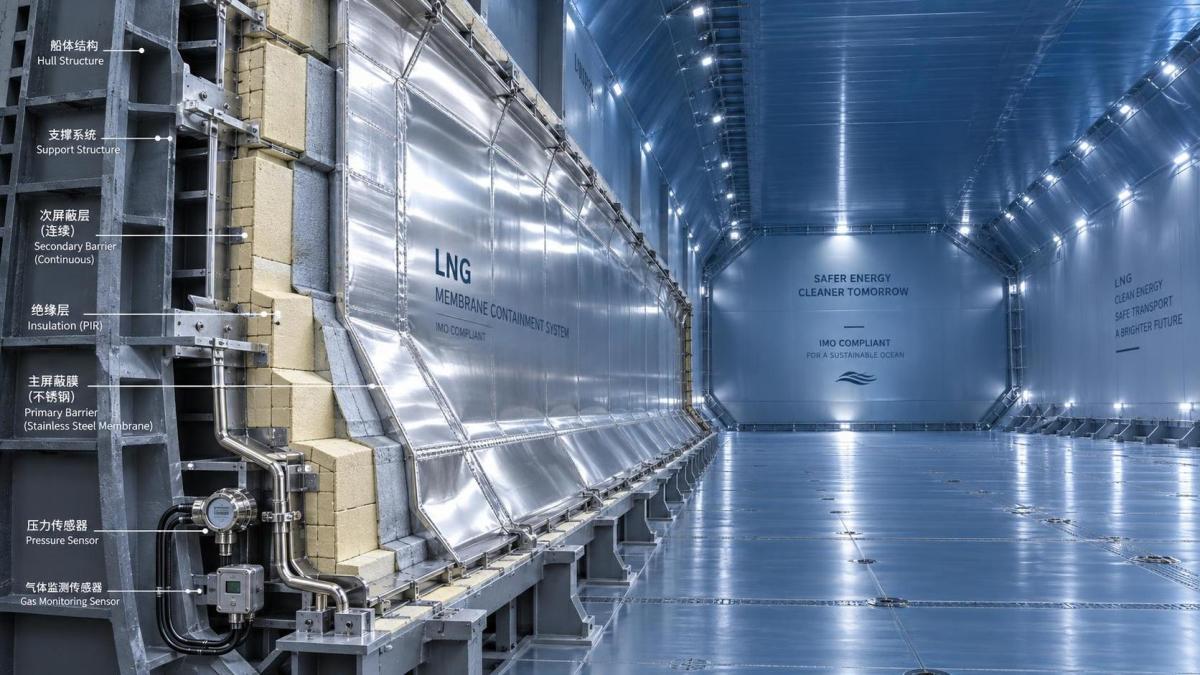
A membrane containment system is an integrated cargo tank concept in which thin metallic primary barriers retain LNG while insulation panels transfer loads to the ship’s inner hull. Unlike an independent tank, the membrane arrangement relies directly on the supporting hull structure and on carefully engineered insulation and barrier layers. The design must therefore account for cargo temperature, thermal contraction, sloshing loads, hull deflection, pressure conditions, and local damage scenarios.
IMO requirements for gas carriers focus on the safety outcome rather than treating the membrane as an isolated product. The containment system must safely carry the intended cargo, limit the consequences of a primary barrier failure, prevent harmful pressure accumulation, and provide practical means to identify abnormal conditions. Compliance also depends on the vessel-level systems around the tank: cargo handling, vapour management, fire protection, gas detection, emergency shutdown functions, and the arrangements protecting personnel and the ship’s structure.
This distinction matters during quality review. A supplier certificate for a membrane material is useful, but it is not evidence that the installed cargo containment system complies. The relevant question is whether the approved system has been constructed, tested, and documented as a complete arrangement.
The compliance chain begins before steel cutting
The strongest compliance evidence is built into the project from the design stage. An approved containment concept normally defines the barrier configuration, insulation layout, allowable structural movement, cargo operating envelope, drainage and protection arrangements, monitoring points, and inspection access. These documents establish what fabrication teams, inspectors, class surveyors, and ship operators are expected to verify later.
Design review should examine the interfaces that are most likely to create hidden defects. A membrane panel may meet its own dimensional requirement but become vulnerable where it joins a corner region, pump tower connection, penetration, cofferdam boundary, or adjacent structural transition. These areas experience combined effects from weld shrinkage, thermal movement, local stress concentration, and access limitations during installation.
It is also important to distinguish approved deviations from informal site adjustments. Changes to insulation geometry, membrane details, adhesive application, structural support, instrumentation routing, or repair methods can affect the validated performance of the system. A deviation that seems minor from a production perspective may change thermal behaviour or secondary barrier continuity. The compliance record should show the technical basis for the change, the approval route, the inspection performed, and the final as-built condition.
Primary and secondary barriers must be verified differently
The primary barrier is the cargo-facing layer intended to retain LNG under normal operating conditions. Its integrity depends on controlled material handling, panel forming, joint preparation, welding or joining quality, and protection from damage during adjacent work. Inspection methods should be selected for the failure modes that matter: incomplete joints, pinholes, mechanical damage, distortion, contamination, or defects introduced during repair.
The secondary barrier serves a different purpose. It is not merely a backup layer that can be checked at the end of construction. It is part of the safety case for a credible loss of primary containment. Its continuity, compatibility with insulation materials, performance at cryogenic temperature, and relationship with the hull structure must be maintained through every installation stage.
A frequent mistake is to give much more attention to the visible primary membrane than to the enclosed secondary barrier. Once insulation boxes and surrounding structure conceal a secondary barrier detail, rework can become intrusive and expensive. Quality planning should therefore place hold points before close-out, with clear acceptance criteria for joints, corners, penetrations, and interfaces between installed sections.
Fabrication control is a safety control, not a paperwork exercise
Membrane cargo tanks involve repeated installation tasks performed across a large surface area. Repetition can create false confidence. A defect pattern can be replicated quickly when tools, environmental conditions, workmanship, or inspection interpretation drift from the approved process. Effective fabrication control uses defined work sequences, qualified personnel, material identification, environmental limits where relevant, and inspection points that catch a defect before the next layer hides it.
Traceability should be usable, not merely extensive. The project team should be able to connect a specific tank zone to its material batch, installation record, inspection result, repair history, and final acceptance status. A large archive of documents is not helpful when records cannot be linked to the physical location of a concern.
Repair management deserves the same discipline as original installation. Repairs are sometimes assumed to be low-risk because they address a known defect. In reality, an unsuitable repair method can introduce a different failure mechanism, especially at thin barrier material, corners, or areas affected by prior thermal or mechanical work. The repair record should identify the defect, cause, approved method, inspection result, and whether similar locations require expanded examination.
Testing must prove the installed system, not just the components
Component tests establish that materials and subassemblies are suitable. System testing establishes that the completed ship arrangement functions as intended. Both are necessary, but they answer different questions.
For containment compliance, testing and inspection should provide confidence in barrier integrity, insulation space condition, cargo tank instrumentation, alarm paths, pressure protection, and emergency functions connected with cargo containment. The exact sequence depends on the approved design and construction stage, but the purpose remains consistent: identify leaks, abnormal pressure paths, faulty sensors, incomplete segregation, or unsafe responses before the vessel enters service.
Functional testing should be reviewed from an operational perspective. An alarm is only useful if the signal reaches the intended location, has a defined set point, is distinguishable from other alerts, and leads to a documented response. Similarly, a gas detection or pressure-monitoring arrangement is not fully demonstrated when its sensor powers up; it must be shown to detect the relevant condition and support timely action.
Cold-service readiness is another area where paperwork can become disconnected from actual risk. Materials, joints, insulation arrangements, and structural interfaces must remain suitable when exposed to LNG service temperatures. The evidence should connect the approved material system and fabrication method to the intended cryogenic duty, rather than relying on generic statements that a product is “low-temperature capable.”
Monitoring turns design compliance into operational compliance
Once an LNG carrier enters service, compliance becomes a continuing condition. The crew and shore organisation need reliable information about tank pressure, temperature trends, interbarrier conditions, cargo handling status, and abnormal gas presence. A containment system can only be managed effectively when its monitoring signals are understood in the context of normal operating behaviour.
Trend review is more valuable than reacting only to alarms. A gradual change in pressure behaviour, recurring temperature deviation, unusual consumption of inerting media, or repeated sensor fault may not prove a barrier failure. It can, however, justify a focused engineering review before the condition develops into a safety event or an off-hire dispute.
Alarm management should avoid two opposite failures. Excessively broad alarm settings can delay recognition of a developing problem; overly sensitive settings can produce nuisance alarms that operators learn to disregard. The appropriate set points and response logic must align with the approved system design, the cargo operating procedure, and the vessel’s actual operating profile.
Records should support a survey, an incident review, and a handover
Documentation is often described as a compliance requirement, but its practical value is broader. During a survey, records show that the vessel was built and maintained to an approved basis. During an incident investigation, they help distinguish between design limitations, fabrication defects, operational error, and monitoring failure. During a vessel handover, they preserve the knowledge needed to operate and maintain a system that cannot be fully inspected by direct access.
A useful containment-system dossier normally brings together approved drawings, design assumptions relevant to operation, material certificates, fabrication and inspection records, non-conformance reports, approved repairs, test results, sensor and alarm documentation, operating limits, and maintenance history. The documents should be controlled by tank and location where possible. A general certificate without spatial traceability is rarely enough to resolve a later concern.
Digital records can improve retrieval and trend analysis, but digitisation alone does not create control. The data structure needs to preserve revision status, approval history, physical location, and the relationship between a defect, its repair, and its acceptance evidence. This is particularly useful for long-life assets where the personnel involved in construction will not be the personnel responsible for later maintenance.
Where compliance reviews commonly fail
- Checking certificates before checking interfaces. Material compliance does not prove that penetrations, corners, transitions, and secondary barrier joints were correctly installed.
- Accepting completed work without a close-out map. Hidden areas need location-based evidence before subsequent layers prevent meaningful inspection.
- Separating containment review from cargo-system review. Pressure control, gas detection, alarms, and emergency actions affect the safety of the containment arrangement in service.
- Using inspection results without assessing defect trends. Repeated minor defects may point to a process issue rather than isolated workmanship errors.
- Treating operations manuals as static documents. Procedures need to match the installed monitoring configuration, approved operating envelope, and vessel-specific emergency arrangements.
A practical review sequence before approval or handover
Start with the approved containment design and identify the performance assumptions that must be preserved: cargo condition, structural support, barrier continuity, insulation arrangement, and monitoring logic. Then compare the as-built records with that basis, paying particular attention to deviations and repairs. After that, review whether inspection and functional testing cover the interfaces between containment, cargo handling, and safety systems. The final step is to verify that operating procedures and maintenance records make the installed system manageable in service.
This sequence prevents a common compliance gap: accepting each discipline separately while missing the point where one discipline’s change affects another. A structural tolerance issue can influence insulation support; insulation work can obscure a secondary barrier defect; a sensor installation can be complete but fail to provide a meaningful operational warning.
Technical intelligence platforms such as GTOT are most useful here when they help project and vessel teams connect containment stress analysis, cryogenic-system design choices, and operating evidence rather than viewing LNG cargo tanks as isolated hardware. The decision should remain evidence-led: the system demonstrates compliance when its approved design intent can be traced through construction, testing, documentation, and daily operation.
Recommended News
 Sep 28, 2026When is nickel steel containment needed for cryogenic storage?Nickel steel containment is essential when cryogenic tanks face brittle-fracture risk. Discover how temperature, loads, and tank design guide the right choice.
 Sep 11, 2026How membrane containment systems demonstrate compliance with IMO standardsMembrane containment systems IMO standards: discover how LNG carriers prove compliance through verified barriers, testing, monitoring, and traceable records.
 Sep 10, 2026How membrane and Moss containment systems differ for LNG carriersLNG cargo containment for carriers: compare membrane and Moss systems for capacity, BOG, safety, sloshing, lifecycle cost, and operational flexibility.
 Sep 03, 2026What drives membrane containment systems cost in LNG projects?Membrane containment systems cost depends on tank design, materials, labor, QA, and boil-off performance. Discover how to control LNG project risk and lifecycle costs.
 Aug 11, 2026How Vacuum Insulated Cryogenic Engineering Reduces Boil-Off and Heat LeakVacuum insulated cryogenic engineering cuts boil-off and heat leak by optimizing vacuum spaces, MLI, supports, and penetrations—discover what really improves LNG thermal performance.
 Aug 09, 2026What Determines Safe Cryogenic Containment Design in LNG Storage?Cryogenic containment design in LNG storage depends on materials, thermal stress, leak control, and BOG management. Discover what truly defines safe, code-compliant performance.
 Jul 29, 2026How to Evaluate a Cryogenic Tank Handling System for LNG Transfer SafetyCryogenic tank handling system evaluation for LNG transfer safety: learn how to assess pressure control, insulation, ESD response, and operational reliability before choosing a safer system.
 Jul 24, 2026Deep-Cryogenic Insulation Systems Cost: What Drives Total Project Spend?Deep-cryogenic insulation systems cost depends on design, materials, installation, QA, and boil-off performance. Learn what drives total project spend and compare bids with confidence.
 Jul 21, 2026LNG Carriers Class Approval: Key Rules and Compliance RisksLNG carriers class approval explained: key rules, major compliance risks, and practical steps to prevent delays, protect vessel readiness, and improve charter confidence.
 Jul 15, 2026Low Boil Off Insulation System Performance: What Reduces LNG Losses MostLow boil off insulation system performance explained: discover what cuts LNG losses most through smarter containment, installation quality, and BOG management.
 Jul 13, 2026Deep Cryogenic Insulation for LNG Tanks: Cost vs Heat LossDeep cryogenic insulation for LNG tanks impacts more than upfront cost. Learn how lower heat loss cuts BOG, improves efficiency, and strengthens lifecycle value.
 Jul 13, 2026Low Loss Cryogenic Handling: Key Factors for Safer TransferLow loss cryogenic handling starts with thermal control, pressure balance, and clean transfer. Learn the key factors that reduce boil-off, protect product integrity, and improve safer LNG and industrial operations.
 Jul 12, 2026LNG Vessel Fuel Storage: Main Safety Risks and FixesLNG vessel fuel storage safety starts with early risk detection. Learn the main hazards, warning signs, and practical fixes to reduce leaks, pressure instability, and onboard failures.
 Jul 09, 2026Membrane Cargo Tank vs Moss Type: Which Fits Modern LNG FleetsMembrane cargo tank vs Moss type: compare LNG fleet capacity, boil-off strategy, maintenance, and asset value to choose the best-fit design for modern shipping returns.
 Jul 08, 2026Membrane Containment Systems: Key Failure Risks in LNG Tank DesignMembrane containment systems are central to LNG tank safety. Explore key failure risks, from insulation degradation to sloshing and secondary barrier issues, and learn what to check early.
 Jul 06, 2026How to Compare a Cryogenic Shipping Systems Manufacturer for Long-Haul LNG ProjectsCryogenic shipping systems manufacturer selection can make or break long-haul LNG projects. Compare boil-off control, compliance, engineering support, and lifecycle value.
 Jul 02, 2026Cryogenic Shipping Safety: Common Failure Risks and FixesCryogenic shipping safety starts with finding hidden failure risks early. Learn the main causes, practical fixes, and audit gaps that help protect LNG cargo, cut incidents, and improve control.
 Jul 02, 2026LNG Carriers Dimensions Explained for Terminal PlanningLNG carriers dimensions explained for smarter terminal planning. Learn how vessel size affects berth design, draft limits, mooring, and future fleet compatibility.
 Jun 30, 2026LNG Carrier Containment Technology Explained: Membrane vs Moss SystemsLNG carrier containment technology explained clearly: compare membrane vs Moss systems, key trade-offs, cargo efficiency, sloshing risk, and what drives smarter LNG vessel decisions.
 Jun 30, 2026Vacuum Deep Cryogenic Insulation: Key Failure Risks and How to Prevent ThemVacuum deep cryogenic insulation failure can raise boil-off, safety, and compliance risks. Learn key warning signs, root causes, and practical prevention steps to protect LNG operations.
 Jun 28, 2026Deep-Cryogenic Insulation Cost: What Drives Budget Changes in LNG ProjectsDeep-cryogenic insulation cost in LNG projects depends on materials, containment design, labor, compliance, and shipyard execution. Learn what drives budget changes and how to control risk.
 Jun 25, 2026Cryogenic Shipping Solutions: Key Risks, Costs, and Containment ChoicesCryogenic shipping solutions: compare key risks, lifecycle costs, and membrane vs. Moss containment to avoid hidden losses and choose safer, more efficient LNG transport.
 Jun 15, 2026Cryogenic Engineering Basics: Key Design Factors for Containment SafetyCryogenic engineering basics explained: discover the key design factors behind safer LNG and low-temperature containment, from materials and thermal stress to boil-off control and monitoring.
 Jun 11, 2026Membrane Containment Systems: Key Failure Risks and Design ChecksMembrane containment systems demand rigorous design checks. Explore key failure risks, from sloshing stress to insulation aging, and learn how to improve LNG vessel safety and compliance.