



Search News
Industry Portal
Popular Tags
LNG Carriers Class Approval: Key Rules and Compliance Risks
Author
Time
Click Count
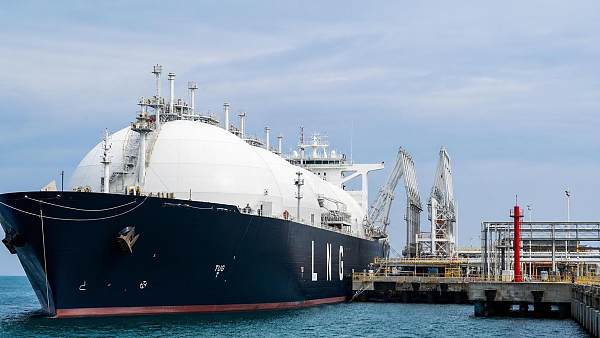
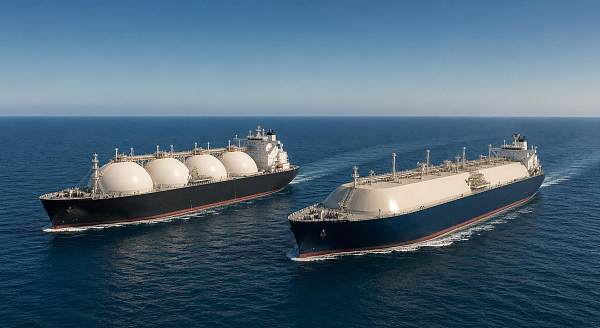
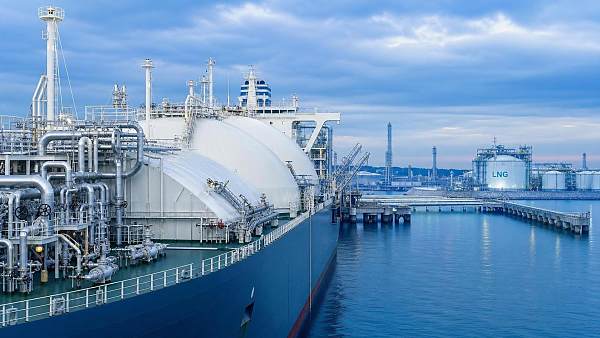
LNG carriers class approval has become a sharper operational issue, not just a design milestone. It sits at the intersection of cryogenic safety, vessel reliability, cargo containment integrity, and commercial schedule control.
For operators across global transport chains, approval decisions now affect asset readiness, insurance confidence, charter acceptance, and long-term maintenance exposure. A missed requirement can move quickly from paperwork to off-hire risk.
That matters in the wider GTOT context as well. LNG carriers are part of the same high-dependability infrastructure logic that governs railway signalling, traction power, braking control, and smart shipping systems.
In each case, technical performance only has value when it is verified, documented, and sustained under strict operating conditions. LNG carrier certification makes that principle highly visible.
What class approval really covers
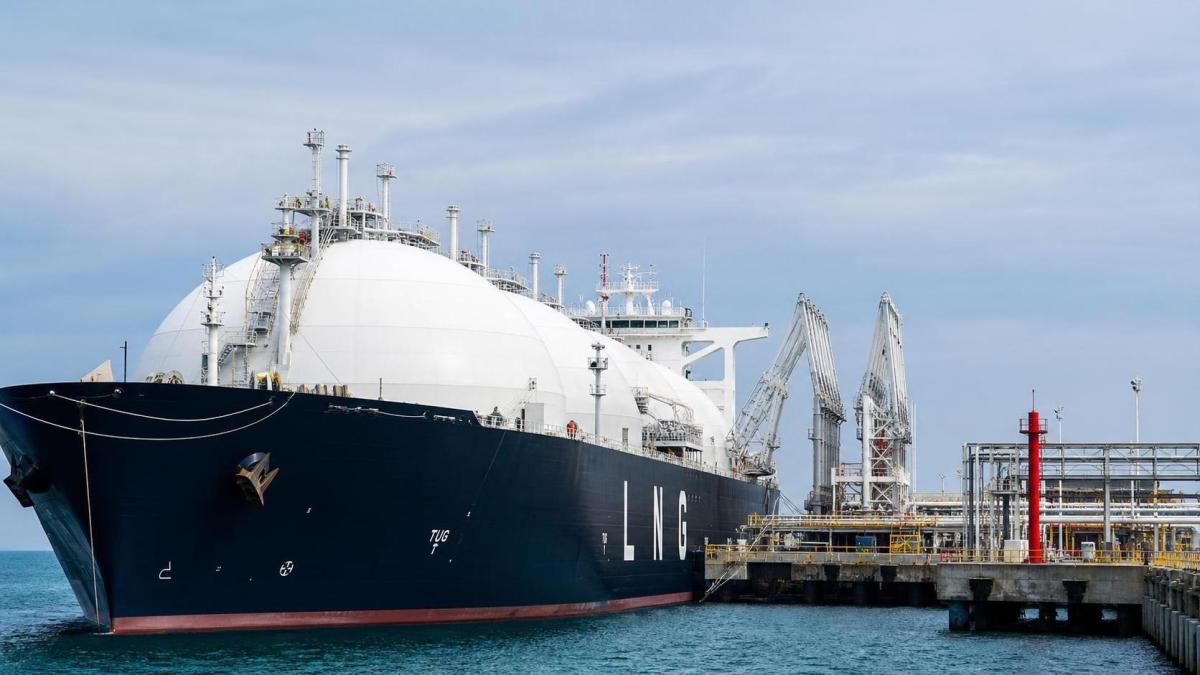
The approval path usually starts long before sea trials. It covers plan review, material traceability, shop inspections, onboard installation checks, test witnessing, and final verification against class and statutory rules.
In simple terms, LNG carriers class approval confirms that the vessel can safely transport liquefied natural gas at around minus 163 degrees Celsius without compromising structural safety, cargo integrity, propulsion resilience, or emergency response capability.
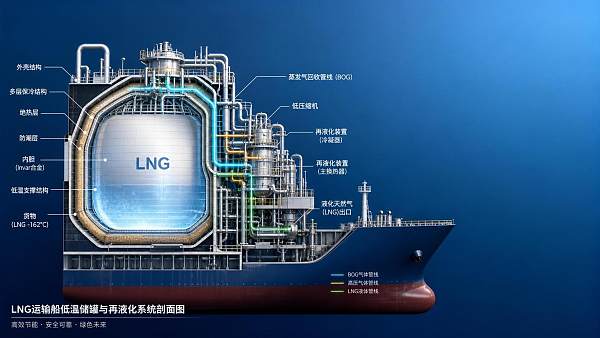
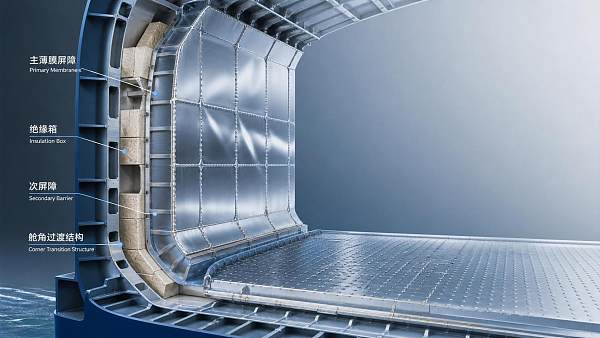
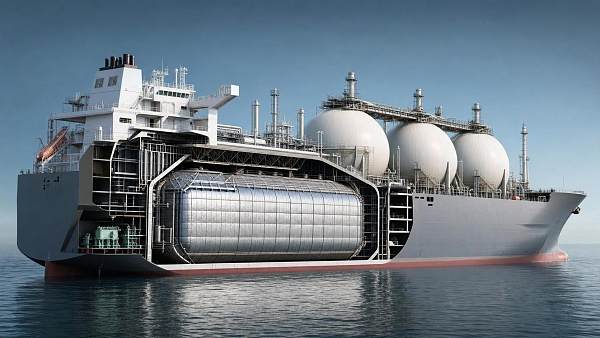
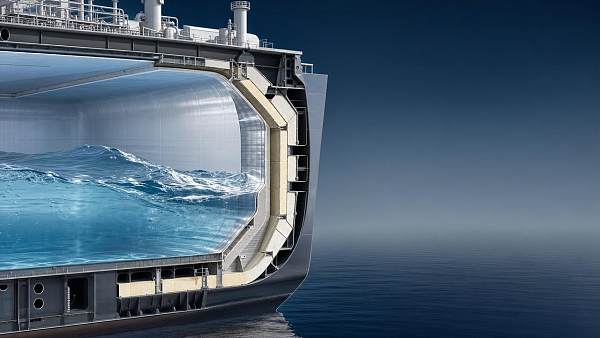
The focus is not limited to the cargo tank. Class societies review containment systems, insulation performance, boil-off gas handling, gas fuel supply arrangements, fire protection, hazardous area compliance, and control system reliability.
This is why the process often feels broader than expected. Approval is not a single certificate event. It is a chain of technical evidence that must remain consistent from design package to operating condition.
Why scrutiny is rising now
Several market forces are tightening attention around LNG carriers class approval. Newbuilding volumes remain high, retrofit activity is increasing, and dual-fuel systems are becoming more integrated with digital monitoring platforms.
At the same time, charterers are less tolerant of technical uncertainty. Delays tied to gas trials, containment anomalies, or incomplete documentation now carry larger commercial consequences than they did a few years ago.
Regulatory alignment also matters. Class review is shaped by the IGC Code, SOLAS, MARPOL, flag requirements, and society-specific rules. Even when the baseline looks familiar, interpretation details can change project outcomes.
From an intelligence perspective, this mirrors what GTOT tracks across land and sea systems: performance claims are no longer enough. Decision quality depends on traceable technical proof, lifecycle risk visibility, and disciplined compliance management.
The rule areas that deserve the closest attention
Not every review topic creates equal risk. In practice, a small number of rule areas drive most approval friction and most post-delivery concerns.
Containment and insulation systems
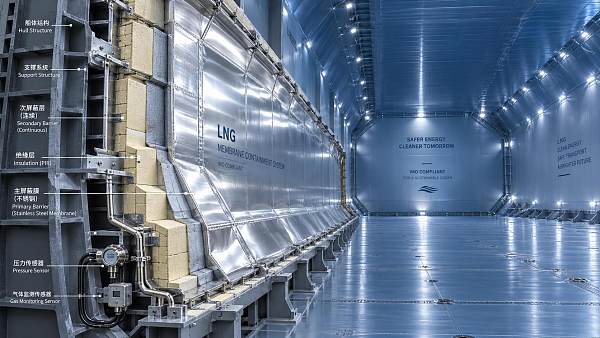
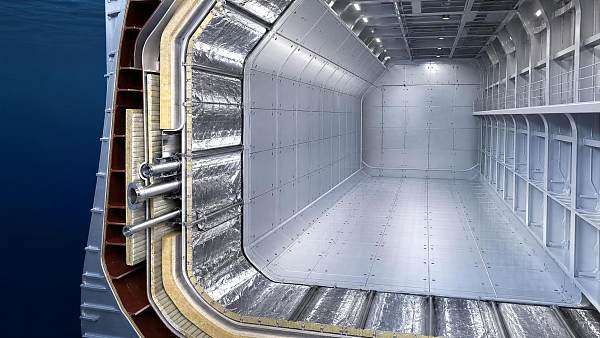
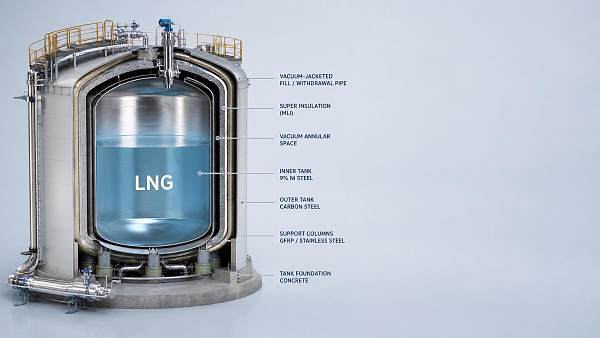
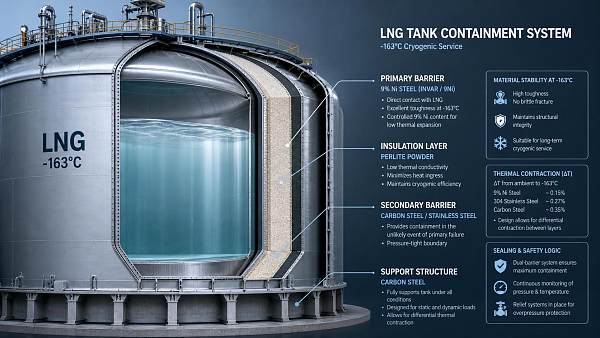
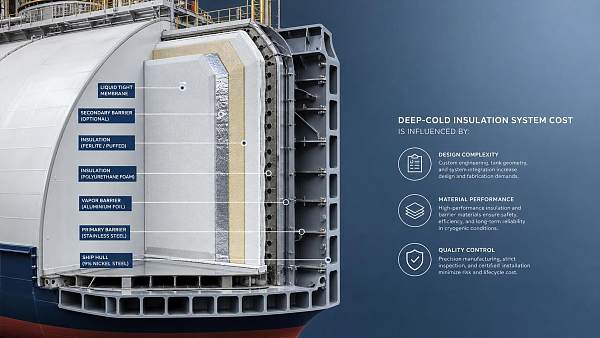
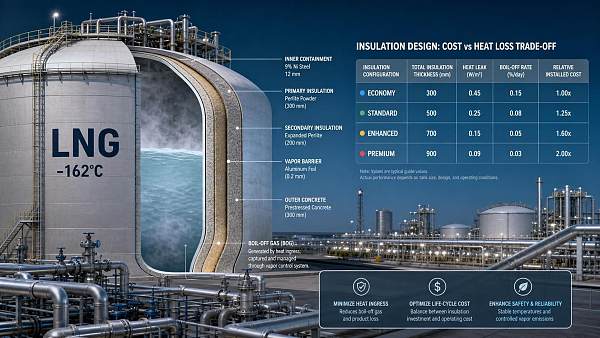
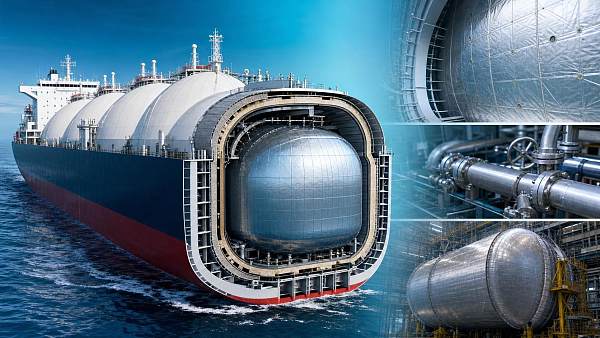
Membrane and Moss-type systems bring different approval pathways, but both require rigorous attention to thermal stress, material compatibility, secondary barrier integrity, and construction tolerances.
Inspection findings often begin with seemingly minor deviations. Bonding quality, panel alignment, insulation moisture exposure, and repair records can all become class issues when evidence is incomplete.
Cargo handling and boil-off management
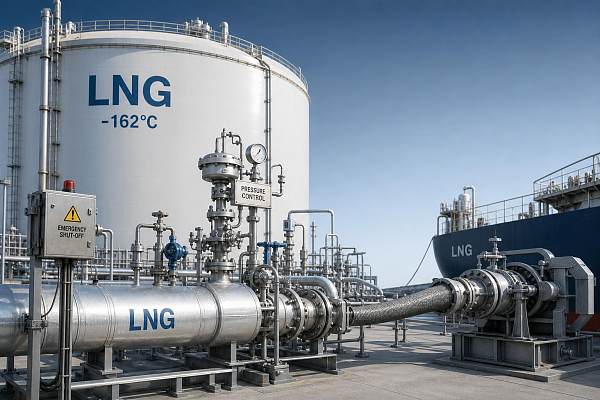
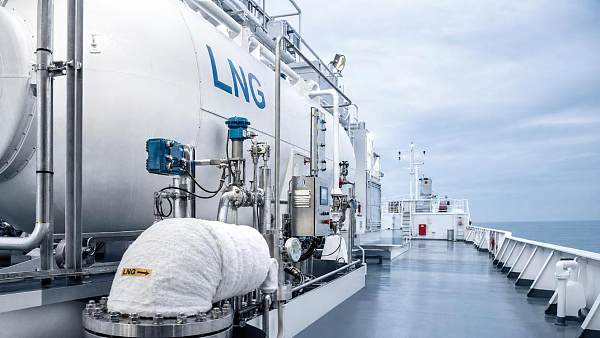
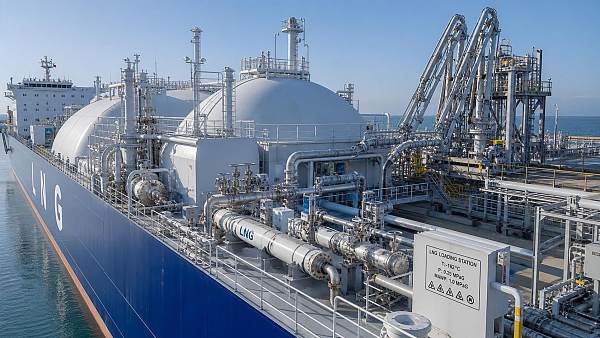
Approval teams look closely at pressure control logic, reliquefaction performance, compressor arrangements, venting provisions, and emergency shutdown interfaces. These systems affect both cargo economics and safety margins.
The risk is not only equipment failure. Misaligned control narratives between P&IDs, cause-and-effect charts, and software logic often trigger rework late in the project.
Gas fuel and machinery arrangements
Dual-fuel propulsion has made LNG carriers class approval more system-dependent. Fuel gas supply, valve train segregation, ventilation, leakage detection, and shutdown philosophy must be coherent across machinery and automation packages.
A technically sound component can still fail approval if its integration assumptions are weak. Interfaces matter as much as hardware rating.
Automation, alarms, and functional safety
Modern LNG vessels depend on layered controls. Class reviewers increasingly test whether alarm priorities, fail-safe states, sensor redundancy, and shutdown sequences reflect real operational hazards.
This is one area where cross-sector lessons are useful. The same discipline seen in rail signalling and braking logic applies here: every critical function needs clear intent, verified response, and protected fallback behavior.
Common compliance risks behind costly delays
Most approval problems do not start with dramatic failures. They begin with fragmented control of design changes, test evidence, supplier submissions, or installation deviations.
LNG carriers class approval is especially vulnerable to these issues because the vessel combines cryogenic containment, hazardous gas handling, and automation-heavy operations. Small control gaps can escalate quickly.
What good approval preparation looks like
Strong preparation is less about producing more paperwork and more about building a clean evidence trail. That trail should connect design intent, manufacturing records, inspection results, and onboard functionality.
In actual projects, the most effective teams usually work through a few disciplines early:
- Lock the document master before inspection milestones and control every vendor revision.
- Map hold points to rule clauses, not only to internal construction stages.
- Check cryogenic material certificates against installation locations, not only purchase orders.
- Review cause-and-effect logic with class expectations before integrated system tests.
- Close non-conformities with root-cause evidence rather than temporary workarounds.
These steps sound basic, but they are often where LNG carriers class approval either stays controlled or begins to drift.
How to judge approval readiness in daily operations
Readiness is easier to assess when it is treated as a live operational condition, not a final audit event. The question is whether the vessel can prove compliance at any critical checkpoint.
A practical review should cover three layers.
Technical layer
Are the approved design assumptions still true after construction changes, software updates, vendor substitutions, and repair activity?
Evidence layer
Can every critical system show traceable inspection records, calibration status, test acceptance data, and deviation closure documents without gaps?
Operational layer
Do the crew procedures, alarm responses, and emergency actions match the approved system philosophy under real operating conditions?
When these three layers align, LNG carriers class approval becomes more predictable. When they drift apart, surprises usually surface during testing, survey attendance, or early service operation.
A useful next step for risk control
The most productive next move is to build a rule-linked approval matrix for the vessel or fleet in view. That matrix should connect equipment, documents, inspection points, open deviations, and responsible parties.
For organizations following GTOT’s land-sea intelligence model, this approach creates a common discipline across transport technologies: critical systems earn trust through verified control, not assumed performance.
LNG carriers class approval will continue to shape project schedules, operational safety, and asset value. A structured review of containment, automation, fuel gas systems, and evidence quality is usually the clearest place to begin.
Recommended News
 Sep 28, 2026When is nickel steel containment needed for cryogenic storage?Nickel steel containment is essential when cryogenic tanks face brittle-fracture risk. Discover how temperature, loads, and tank design guide the right choice.
 Sep 11, 2026How membrane containment systems demonstrate compliance with IMO standardsMembrane containment systems IMO standards: discover how LNG carriers prove compliance through verified barriers, testing, monitoring, and traceable records.
 Sep 10, 2026How membrane and Moss containment systems differ for LNG carriersLNG cargo containment for carriers: compare membrane and Moss systems for capacity, BOG, safety, sloshing, lifecycle cost, and operational flexibility.
 Sep 03, 2026What drives membrane containment systems cost in LNG projects?Membrane containment systems cost depends on tank design, materials, labor, QA, and boil-off performance. Discover how to control LNG project risk and lifecycle costs.
 Aug 11, 2026How Vacuum Insulated Cryogenic Engineering Reduces Boil-Off and Heat LeakVacuum insulated cryogenic engineering cuts boil-off and heat leak by optimizing vacuum spaces, MLI, supports, and penetrations—discover what really improves LNG thermal performance.
 Aug 09, 2026What Determines Safe Cryogenic Containment Design in LNG Storage?Cryogenic containment design in LNG storage depends on materials, thermal stress, leak control, and BOG management. Discover what truly defines safe, code-compliant performance.
 Jul 29, 2026How to Evaluate a Cryogenic Tank Handling System for LNG Transfer SafetyCryogenic tank handling system evaluation for LNG transfer safety: learn how to assess pressure control, insulation, ESD response, and operational reliability before choosing a safer system.
 Jul 24, 2026Deep-Cryogenic Insulation Systems Cost: What Drives Total Project Spend?Deep-cryogenic insulation systems cost depends on design, materials, installation, QA, and boil-off performance. Learn what drives total project spend and compare bids with confidence.
 Jul 21, 2026LNG Carriers Class Approval: Key Rules and Compliance RisksLNG carriers class approval explained: key rules, major compliance risks, and practical steps to prevent delays, protect vessel readiness, and improve charter confidence.
 Jul 15, 2026Low Boil Off Insulation System Performance: What Reduces LNG Losses MostLow boil off insulation system performance explained: discover what cuts LNG losses most through smarter containment, installation quality, and BOG management.
 Jul 13, 2026Deep Cryogenic Insulation for LNG Tanks: Cost vs Heat LossDeep cryogenic insulation for LNG tanks impacts more than upfront cost. Learn how lower heat loss cuts BOG, improves efficiency, and strengthens lifecycle value.
 Jul 13, 2026Low Loss Cryogenic Handling: Key Factors for Safer TransferLow loss cryogenic handling starts with thermal control, pressure balance, and clean transfer. Learn the key factors that reduce boil-off, protect product integrity, and improve safer LNG and industrial operations.
 Jul 12, 2026LNG Vessel Fuel Storage: Main Safety Risks and FixesLNG vessel fuel storage safety starts with early risk detection. Learn the main hazards, warning signs, and practical fixes to reduce leaks, pressure instability, and onboard failures.
 Jul 09, 2026Membrane Cargo Tank vs Moss Type: Which Fits Modern LNG FleetsMembrane cargo tank vs Moss type: compare LNG fleet capacity, boil-off strategy, maintenance, and asset value to choose the best-fit design for modern shipping returns.
 Jul 08, 2026Membrane Containment Systems: Key Failure Risks in LNG Tank DesignMembrane containment systems are central to LNG tank safety. Explore key failure risks, from insulation degradation to sloshing and secondary barrier issues, and learn what to check early.
 Jul 06, 2026How to Compare a Cryogenic Shipping Systems Manufacturer for Long-Haul LNG ProjectsCryogenic shipping systems manufacturer selection can make or break long-haul LNG projects. Compare boil-off control, compliance, engineering support, and lifecycle value.
 Jul 02, 2026Cryogenic Shipping Safety: Common Failure Risks and FixesCryogenic shipping safety starts with finding hidden failure risks early. Learn the main causes, practical fixes, and audit gaps that help protect LNG cargo, cut incidents, and improve control.
 Jul 02, 2026LNG Carriers Dimensions Explained for Terminal PlanningLNG carriers dimensions explained for smarter terminal planning. Learn how vessel size affects berth design, draft limits, mooring, and future fleet compatibility.
 Jun 30, 2026LNG Carrier Containment Technology Explained: Membrane vs Moss SystemsLNG carrier containment technology explained clearly: compare membrane vs Moss systems, key trade-offs, cargo efficiency, sloshing risk, and what drives smarter LNG vessel decisions.
 Jun 30, 2026Vacuum Deep Cryogenic Insulation: Key Failure Risks and How to Prevent ThemVacuum deep cryogenic insulation failure can raise boil-off, safety, and compliance risks. Learn key warning signs, root causes, and practical prevention steps to protect LNG operations.
 Jun 28, 2026Deep-Cryogenic Insulation Cost: What Drives Budget Changes in LNG ProjectsDeep-cryogenic insulation cost in LNG projects depends on materials, containment design, labor, compliance, and shipyard execution. Learn what drives budget changes and how to control risk.
 Jun 25, 2026Cryogenic Shipping Solutions: Key Risks, Costs, and Containment ChoicesCryogenic shipping solutions: compare key risks, lifecycle costs, and membrane vs. Moss containment to avoid hidden losses and choose safer, more efficient LNG transport.
 Jun 15, 2026Cryogenic Engineering Basics: Key Design Factors for Containment SafetyCryogenic engineering basics explained: discover the key design factors behind safer LNG and low-temperature containment, from materials and thermal stress to boil-off control and monitoring.
 Jun 11, 2026Membrane Containment Systems: Key Failure Risks and Design ChecksMembrane containment systems demand rigorous design checks. Explore key failure risks, from sloshing stress to insulation aging, and learn how to improve LNG vessel safety and compliance.