



Search News
Industry Portal
Popular Tags
Transportation Infrastructure Gaps That Delay Port-City Freight Flow
Author
Time
Click Count
Transportation infrastructure gaps start showing up long before cargo reaches the berth
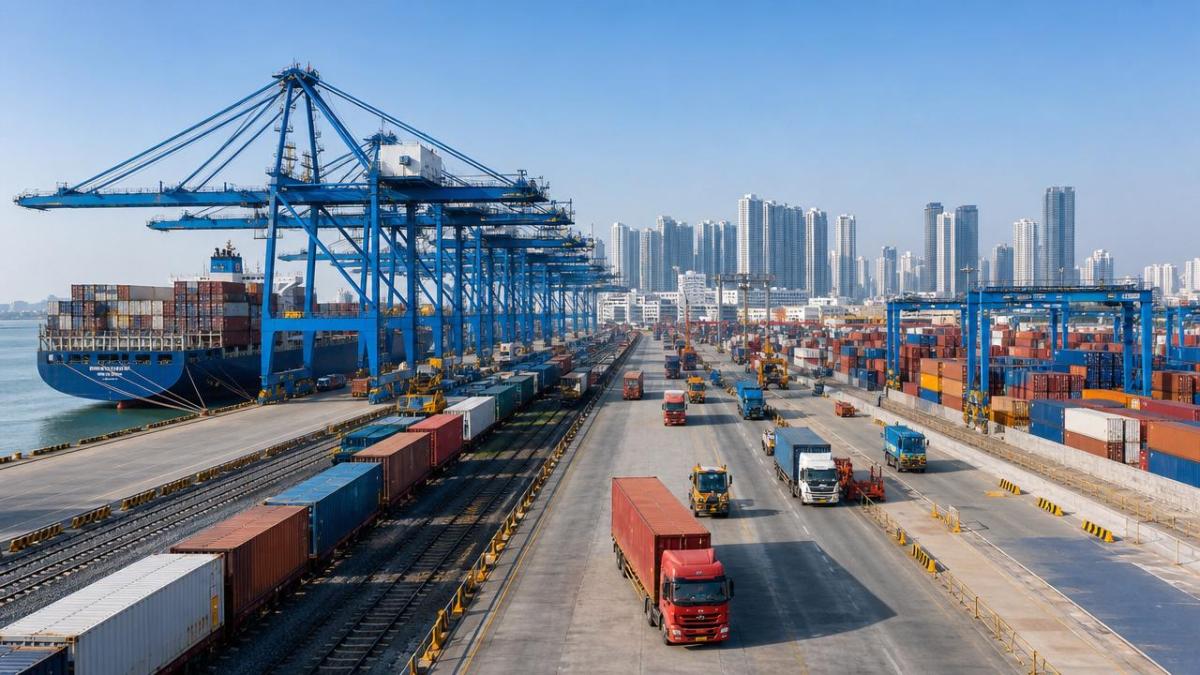
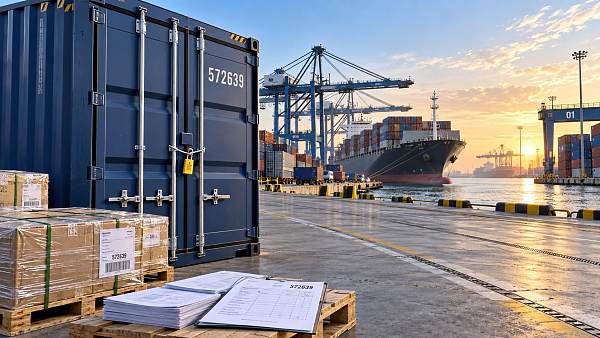
Transportation infrastructure rarely fails at one single point. Delays usually build across rail entry, yard handling, berth transfer, and inland dispatch.
That is why port-city freight flow often looks acceptable on paper but performs poorly during real peaks, weather shifts, or vessel schedule changes.
In practice, the most costly transportation infrastructure gaps are not always the largest physical shortages. They are the weak links between systems.
A port may expand quay capacity, yet cargo still waits because rail signaling cannot support denser train movements or truck gates remain poorly synchronized.
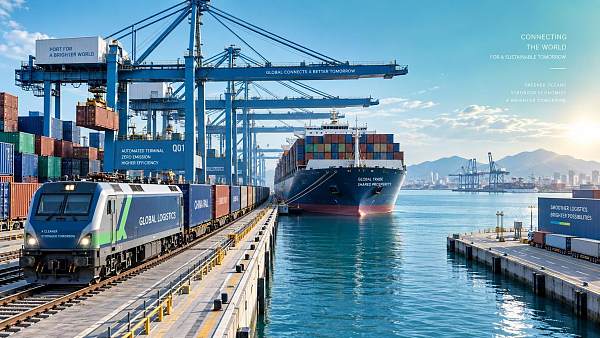
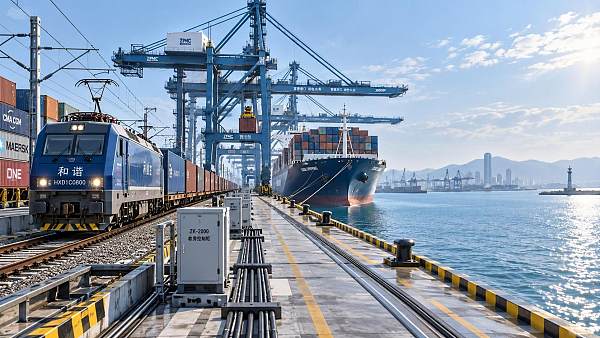
This matters even more in land-sea corridors tracked by GTOT, where railway control components, traction systems, and smart vessel operations increasingly shape freight speed.
The real issue is not only throughput. It is whether transportation infrastructure can absorb volatility without turning every schedule adjustment into congestion.
Why the same transportation infrastructure gap creates different problems in different corridors
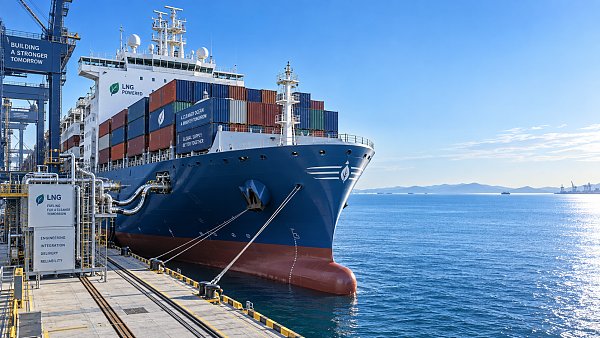
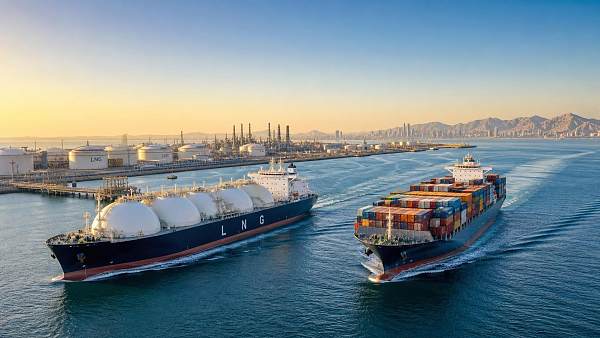
Not every port-city route behaves the same way. A container gateway, an LNG export hub, and a mixed industrial port carry very different timing pressures.
Container flows depend on quick handoffs. LNG movements demand stricter safety windows. Heavy rail-linked bulk operations need stable sequencing more than short dwell time.
That is why transportation infrastructure planning cannot rely on generic expansion logic. The first question is always where delay starts and where it compounds.
More often, the answer sits between disciplines. Rail access may be available, but interlocking capacity, braking margins, or timetable resilience may still limit use.
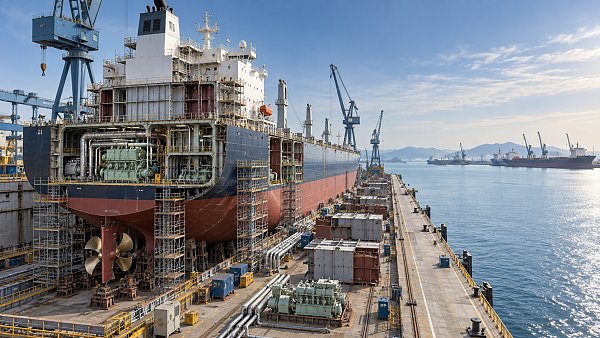
At the maritime side, smart container ships can optimize routes, yet berth-side congestion still rises if yard equipment and city exits cannot match arrival intensity.
A useful judgment method is to separate structural shortage from control shortage. One needs construction. The other may need better operating logic first.
When rail access looks sufficient but freight still slows down
This is one of the most common cases. A corridor appears connected, yet port-city freight flow remains unstable during peak windows.
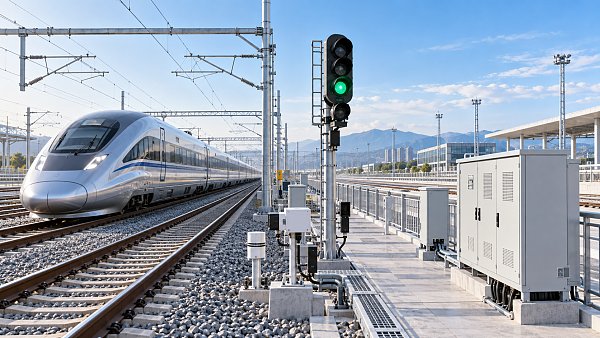
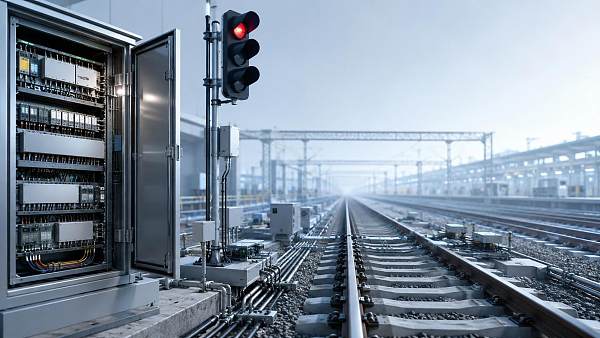
The hidden constraint is often rail control quality rather than track length alone. Outdated signaling reduces safe headway and limits recovery after disruptions.
In denser freight regions, SIL4-oriented signaling architecture becomes more than a safety topic. It directly affects slot reliability and terminal handover predictability.
Another issue is traction continuity. If power collection becomes unstable on high-speed or mixed-use approaches, timetable buffers expand and freight windows shrink.
This is where GTOT’s focus on pantographs, braking systems, and railway signal control becomes relevant to wider transportation infrastructure decisions, not just component selection.
The better approach is to test how many additional trains the corridor can actually absorb after a late vessel arrival, not only under ideal schedules.
What usually deserves closer checking
- Headway limits created by legacy interlocking and signaling logic
- Mixed passenger and freight conflicts near urban port approaches
- Brake performance margins on heavy trains during short-notice rescheduling
- Power collection stability under wind, vibration, and dense traffic conditions
Berth expansion does not solve weak port-city transportation infrastructure by itself
Another frequent misread appears after marine-side investment. New berths, deeper channels, and larger cranes improve vessel handling but fail to reduce inland delay.
The reason is simple. Port-city freight flow depends on synchronized release, not isolated capacity. Cargo cleared faster at berth can overwhelm yards and city exits.
This problem grows with smart container ships. AI route optimization makes arrival patterns more efficient at sea, but also sharper and less forgiving ashore.
In practical terms, transportation infrastructure must be evaluated as a timed chain. Gate systems, inland depots, rail departure slots, and urban road buffers all matter.
If one node still works with static planning while the vessel side uses dynamic planning, the network experiences repeated burst congestion.
The better investment sequence may be digital coordination first, followed by targeted civil upgrades where data proves recurring release conflicts.
Different freight environments do not ask the same thing from transportation infrastructure
A simple comparison helps clarify why one solution rarely fits every corridor. The gap may look similar, but operating priorities are not.
The table shows why transportation infrastructure decisions should follow operating logic, not headline capacity numbers alone.
Where inland links quietly decide port-city freight performance
Many delays blamed on ports actually begin beyond the port perimeter. Weak inland links turn local handling issues into corridor-wide inefficiency.
This is especially visible around cities with fragmented truck access, limited dry port integration, or rail branches designed for older cargo patterns.
Transportation infrastructure in these cases is not missing everywhere. It is misaligned with current cargo geography and scheduling behavior.
A corridor serving larger smart vessels may suddenly need more reliable inland staging, because cargo arrives in denser waves than before.
A similar shift affects rail-linked terminals when industrial output changes. Legacy routes may exist, yet axle load tolerance, dispatch windows, or depot interfaces no longer fit.
The practical response is to map where dwell time converts into network delay. That often reveals inland choke points previously treated as secondary.
Common misjudgments that keep transportation infrastructure projects underperforming
A recurring mistake is to focus on visible assets only. New roads and extra tracks attract attention, while control logic and compatibility receive less scrutiny.
Another misjudgment is treating similar ports as identical. Two terminals may share vessel size, yet their rail mix, urban access, and safety constraints differ sharply.
There is also a tendency to compare procurement cost without comparing operating recovery. Cheaper transportation infrastructure can become more expensive during repeated disruption cycles.
In GTOT-observed rail and maritime systems, the more reliable indicator is how quickly the corridor returns to stable flow after disturbance.
- Do not assess berth, rail, and inland road upgrades as separate projects only
- Do not assume capacity gain if signaling and dispatch rules remain unchanged
- Do not ignore maintenance access, replacement cycles, and standards compatibility
- Do not model normal demand only; test disruption and rebound conditions too
A more workable path is scenario-based adaptation, not blanket expansion
A stronger method starts with a few real operating scenarios. Late vessel arrival, rail outage, weather delay, or urban gate congestion all expose different weaknesses.
From there, transportation infrastructure can be prioritized by impact on flow recovery, not by asset scale alone.
In many corridors, the first gains come from integrated scheduling, signaling upgrades, and interface redesign between terminal systems and inland dispatch.
Physical expansion still matters, but it works best after planners confirm which node truly governs delay propagation.
That is also where cross-domain intelligence becomes useful. Rail control data, traction performance, vessel timing, and inland movement patterns should be read together.
The next practical step is to define corridor-specific conditions, compare likely bottlenecks, and rank transportation infrastructure actions by resilience, compatibility, and lifecycle burden.
When those judgments are made early, port-city freight flow improves in a way that is measurable, durable, and far less vulnerable to the next disruption.
Recommended News
 Sep 29, 2026What drives traction systems price differences between rail projects?Traction systems price differences explained: compare duty cycles, voltage compatibility, integration, localization, and lifecycle costs for smarter rail procurement.
 Sep 26, 2026What to assess before selecting an electric traction system manufacturerChoose an electric traction system manufacturer with confidence. Explore key criteria for performance, reliability, safety, integration, energy efficiency, and lifecycle support.
 Sep 25, 2026When do full digitalization systems justify the investment?Full digitalization systems: discover when rail and maritime operators can turn connected data into safer operations, higher availability, and measurable ROI.
 Sep 23, 2026What drives automatic train control systems cost on rail projects?Automatic train control systems cost depends on integration, migration, safety testing, communications, and lifecycle support. Explore the key budget drivers for rail projects.
 Sep 21, 2026How to assess an ocean going vessel builder’s delivery riskAssess an ocean going vessel builder’s delivery risk with proven checks for schedules, capacity, design maturity, critical equipment, quality, and project controls.
 Sep 20, 2026What drives rail safety technology costs over a project lifecycle?Rail safety technology cost goes beyond equipment—explore lifecycle drivers from integration and safety assurance to cybersecurity, commissioning, and obsolescence.
 Sep 16, 2026What to verify before choosing an advanced ocean-going vessels supplierAdvanced ocean-going vessels supplier checklist: verify design authority, build quality, digital systems, delivery reliability, and lifecycle support before you buy.
 Sep 15, 2026What rail safety technology best reduces level-crossing risks in Southeast Asia?Rail safety technology Southeast Asia: discover how fail-safe signalling, barriers, obstacle detection and remote monitoring reduce level-crossing risks.
 Sep 14, 2026How exporters can reduce customs delays in global trade logisticsGlobal trade logistics for exporters: reduce customs delays with accurate data, clearance-ready documents, early filing, and proactive exception management.
 Sep 13, 2026When do global transportation network systems reduce delivery delays?Global transportation network systems reduce delivery delays by improving rail-port-vessel coordination, real-time visibility, and proactive decisions across complex land-sea supply chains.
 Sep 09, 2026When should you choose a rail and maritime manufacturer with dual-sector capability?Rail and maritime manufacturer guide: learn when dual-sector capability reduces integration risk, improves lifecycle support, and strengthens rail-to-port operations.
 Sep 08, 2026What to verify before selecting a railway signalling equipment supplierRailway signalling equipment supplier checklist: verify safety evidence, integration, cybersecurity, delivery capability, and lifecycle support before award.
 Sep 07, 2026How to size a traction power transformer for railway load demandTraction power transformer sizing guide: model railway load demand, peak duty, voltage regulation, harmonics, and contingency capacity for reliable service.
 Sep 07, 2026How do customization options for industrial connectors affect lead times?Customization options for industrial connectors can impact lead times, cost, and compliance. Learn how to specify smarter for rail and marine projects.
 Sep 05, 2026What information should an industrial sourcing guide include?Industrial sourcing information procurement guide: evaluate suppliers, compliance, lifecycle costs, interfaces, and lead times for smarter rail and maritime purchasing decisions.
 Sep 01, 2026How to find reliable maritime tender information before biddingMaritime tender information: learn how to verify sources, define bid-ready scopes, check qualifications, and reduce risk before submitting competitive marine bids.
 Aug 30, 2026How to select railway automation equipment for depots with phased upgradesRailway automation equipment for depots: learn how to plan phased upgrades that improve safety, throughput, integration, and lifecycle control.
 Aug 27, 2026How industrial sourcing intelligence pricing data supports budget approvalIndustrial sourcing intelligence pricing data helps teams benchmark scope, assess supplier risk, and build defensible budget approvals for complex rail and maritime assets.
 Aug 26, 2026When does a marine fuel efficiency solution make financial sense in the Middle East?Marine fuel efficiency solution Middle East: learn when retrofit savings, compliance value, and vessel data align to deliver credible ROI and smarter shipping investment decisions.
 Aug 24, 2026When does maritime automation for tankers deliver a real payback?Maritime automation for tankers delivers real payback when it cuts fuel use, reduces cargo risk, and improves uptime. See how owners can time investment for stronger ROI.
 Aug 23, 2026When do maritime logistics systems in the Middle East justify the costMaritime logistics systems Middle East: discover when rising delays, manual coordination, and poor visibility make system investment the smarter move for regional operators.
 Aug 22, 2026What drives vessel navigation system price for commercial fleetsVessel navigation system price depends on integration, compliance, automation, and support—not just hardware. Learn what drives fleet costs and compare quotes with confidence.
 Aug 21, 2026How to assess shipbuilding maritime tenders before biddingShipbuilding maritime tenders require more than price checks. Learn how to assess technical scope, compliance, supply chain, and commercial risk before bidding with confidence.
 Aug 20, 2026When does working with an ocean-going vessels distributor reduce supply risk?Ocean-going vessels distributor: learn when this partner cuts supply risk through stronger compliance, faster response, and better sourcing resilience in complex maritime procurement.