



Search News
Industry Portal
Popular Tags
Rail and Maritime Platform: Key Factors for System Selection
Author
Time
Click Count
Rail and Maritime Platform: Key Factors for System Selection
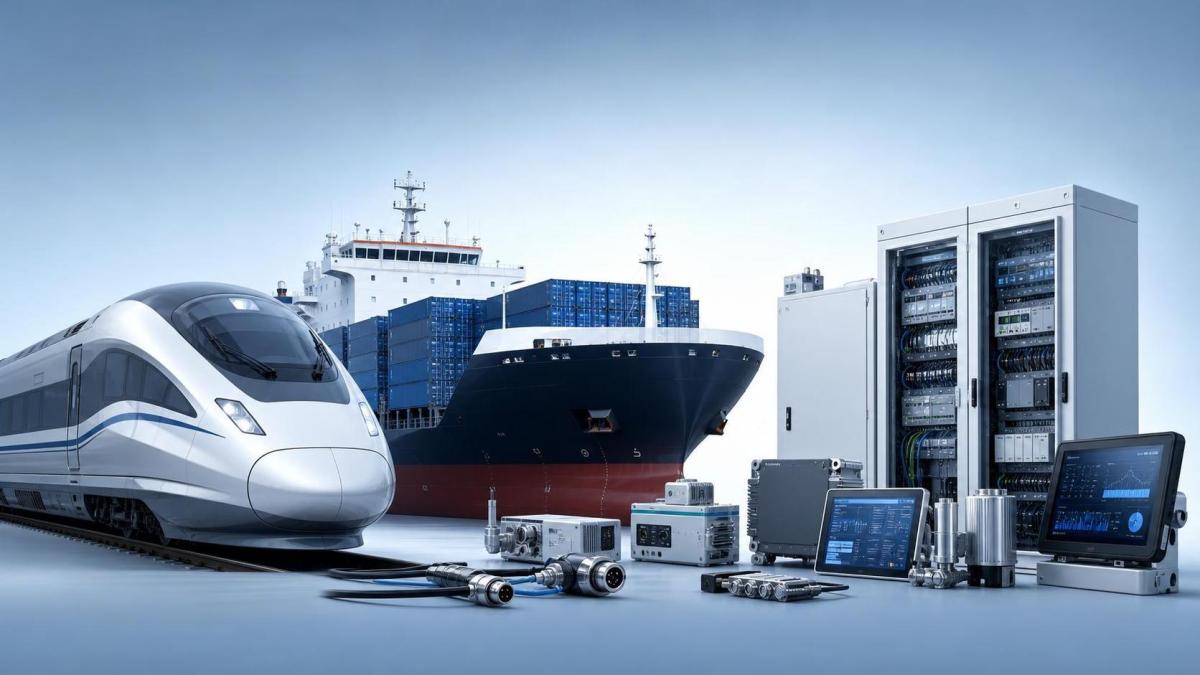
Selecting the right rail and maritime platform is a strategic decision for technical evaluators balancing safety, interoperability, lifecycle cost, and digital readiness.
In complex rail and ocean operations, the ideal system must support high-reliability control, scalable integration, and data-driven performance across demanding environments.
This article explores the key factors that help engineering and procurement teams compare platforms with greater precision and long-term confidence.
A modern rail and maritime platform is no longer just a monitoring tool.
It has become a control layer, data hub, compliance backbone, and investment decision point.
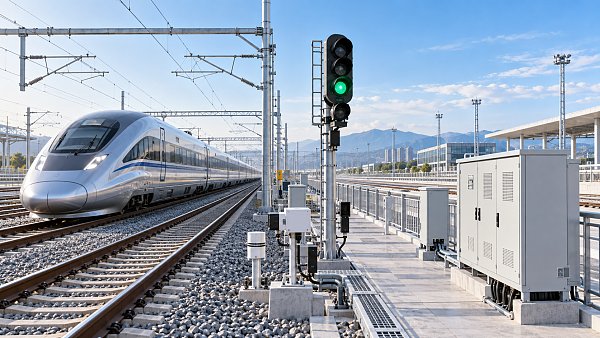
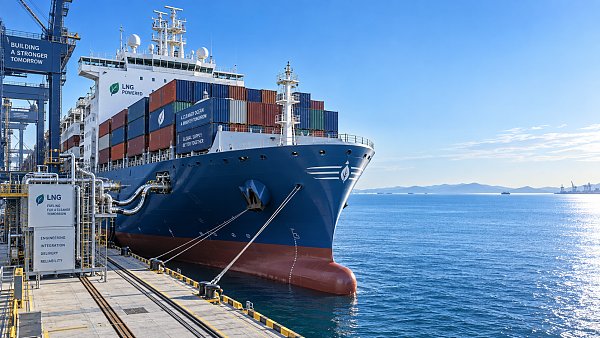
That shift matters because rail signaling, braking, pantograph systems, smart vessels, and LNG carriers now operate in tighter digital ecosystems.
In practical terms, system selection affects safety margins, integration timelines, spare strategy, crew workload, and future upgrade paths.
A weak platform may look acceptable during pilot testing.
However, problems usually appear later, during scaling, certification, cybersecurity audits, or cross-vendor integration.
Start with Operational Fit, Not Feature Count
The first question is simple: what exact mission must the rail and maritime platform support?
A system for metro signaling supervision differs sharply from one managing LNG carrier condition intelligence or smart container ship route optimization.
From recent market changes, the stronger signal is convergence.
Buyers increasingly want one rail and maritime platform to connect equipment health, dispatch visibility, maintenance planning, and compliance reporting.
Still, convergence should not override operational fit.
A broad platform with shallow domain logic creates hidden cost.
In rail applications, that often means poor handling of SIL requirements, latency thresholds, or interlocking data structures.
In maritime use, the same weakness shows up in voyage analytics, weather routing, containment monitoring, or fleet-side integration.
When comparing options, define the operational boundary first:
- Control-critical, advisory, or enterprise decision support
- Single asset, fleet-level, corridor-level, or multi-network use
- Real-time, near-real-time, or batch reporting requirements
- Onboard, wayside, cloud, or hybrid deployment constraints
This step keeps the rail and maritime platform selection grounded in engineering reality.
Safety, Reliability, and Compliance Must Be Verified Early
Safety claims should never be accepted at presentation level.
For any rail and maritime platform, documented evidence matters more than polished dashboards.
Rail programs may require alignment with SIL4 environments, EN standards, fail-safe logic, and traceable event recording.
Maritime programs often focus on class approvals, redundancy design, cybersecurity guidance, alarm management, and operational resilience at sea.
This also means verifying uptime assumptions.
A rail and maritime platform should provide failure mode documentation, recovery procedures, and proven availability under real load.
Ask for evidence in conditions close to yours.
That includes vibration, salt exposure, network loss, thermal extremes, and mixed-vendor interfaces.
A practical review checklist usually includes:
- Safety case structure and hazard traceability
- Redundancy architecture and failover timing
- Alarm priority logic and operator response support
- Certification scope and exclusions
- Incident logging depth and forensic replay capability
If the vendor cannot show this clearly, the selection risk is already high.
Interoperability Often Decides Long-Term Value
In many projects, interoperability creates more value than any single feature.
A rail and maritime platform must connect with existing control systems, asset registries, maintenance software, ERP tools, and data historians.
This is especially important for operators with mixed fleets and long asset life cycles.
The problem is not whether integration is possible.
The real question is how expensive, fragile, and vendor-dependent that integration becomes over time.
Look closely at data models, API maturity, protocol support, and version control discipline.
For rail, integration may involve signaling subsystems, traction diagnostics, braking analytics, and condition monitoring feeds.
For maritime operations, it may span vessel automation, voyage systems, cargo monitoring, energy management, and shore control platforms.
A strong rail and maritime platform usually offers:
- Open and documented interfaces
- Stable data naming and metadata rules
- Clear ownership of integration responsibility
- Backward compatibility planning
- Test environments for interface validation
Without these, integration turns into a permanent project instead of an operating capability.
Digital Readiness Should Be Judged by Use Cases
Many suppliers position digitalization as a standard benefit.
That is too vague for real rail and maritime platform selection.
Digital readiness should be tied to measurable use cases.
For example, can the platform improve predictive maintenance for pantographs or brake components?
Can it optimize voyage planning for smart container ships under fuel, weather, and schedule constraints?
Can it support LNG carrier containment monitoring with usable engineering alerts rather than raw data overload?
More importantly, can the outputs be trusted by operations teams?
This is where many platforms fall short.
They collect data well but do not turn it into decision-ready insight.
A capable rail and maritime platform should demonstrate:
This approach keeps the conversation focused on operational outcomes rather than software vocabulary.
Lifecycle Cost Is More Than Purchase Price
A low entry price can hide a high lifetime burden.
That is a common mistake in rail and maritime platform decisions.
Beyond licensing, assess implementation effort, interface engineering, cybersecurity hardening, validation, training, and future migration cost.
Also consider the cost of operational friction.
If users must work around the platform, productivity loss becomes part of total ownership cost.
In actual projects, three cost drivers deserve extra attention:
- Custom integration that breaks after upgrades
- Vendor lock-in around data access and support tools
- Unexpected recertification or compliance update effort
A better selection model compares five-year and ten-year scenarios.
This is particularly important in sectors where rolling stock, vessels, and control assets stay in service for decades.
Vendor Depth and Domain Knowledge Matter
The quality of the supplier often determines the quality of the rail and maritime platform over time.
Domain depth matters because rail and marine environments have very different failure patterns, compliance paths, and operating rhythms.
A vendor should understand not only software delivery, but also traction systems, signaling logic, cryogenic cargo constraints, and fleet operations reality.
This is where specialist intelligence providers add value.
GTOT, for example, frames platform decisions through the interaction of railway control, braking performance, pantograph reliability, smart vessel systems, and LNG engineering demands.
That broader view helps buyers spot gaps earlier.
During evaluation, ask vendors for reference cases that match your asset profile, safety obligations, and deployment complexity.
A rail and maritime platform should come with a supplier that can support change control, audits, incident analysis, and future expansion.
A Practical Selection Framework
To make the process more disciplined, use a weighted selection framework.
Keep the model simple enough to defend in procurement review.
A useful rail and maritime platform scorecard usually covers:
- Operational fit against defined use cases
- Safety, reliability, and certification evidence
- Interoperability and data architecture quality
- Cybersecurity maturity and patch governance
- Lifecycle cost across deployment and support
- Vendor capability, roadmap, and support performance
After scoring, run scenario testing.
Challenge each rail and maritime platform with events such as communication loss, asset expansion, standards updates, and multi-site rollout.
That is often where the best option becomes clear.
The strongest decision is rarely the one with the longest feature sheet.
It is the rail and maritime platform that performs reliably, integrates cleanly, and stays useful as infrastructure and fleet strategy evolve.
For teams comparing options today, the next step is clear.
Define your operating scenarios, test vendor evidence, and judge each platform by long-term engineering value.
That is the most reliable way to select a rail and maritime platform with confidence.
Recommended News
 Sep 29, 2026What drives traction systems price differences between rail projects?Traction systems price differences explained: compare duty cycles, voltage compatibility, integration, localization, and lifecycle costs for smarter rail procurement.
 Sep 26, 2026What to assess before selecting an electric traction system manufacturerChoose an electric traction system manufacturer with confidence. Explore key criteria for performance, reliability, safety, integration, energy efficiency, and lifecycle support.
 Sep 25, 2026When do full digitalization systems justify the investment?Full digitalization systems: discover when rail and maritime operators can turn connected data into safer operations, higher availability, and measurable ROI.
 Sep 23, 2026What drives automatic train control systems cost on rail projects?Automatic train control systems cost depends on integration, migration, safety testing, communications, and lifecycle support. Explore the key budget drivers for rail projects.
 Sep 21, 2026How to assess an ocean going vessel builder’s delivery riskAssess an ocean going vessel builder’s delivery risk with proven checks for schedules, capacity, design maturity, critical equipment, quality, and project controls.
 Sep 20, 2026What drives rail safety technology costs over a project lifecycle?Rail safety technology cost goes beyond equipment—explore lifecycle drivers from integration and safety assurance to cybersecurity, commissioning, and obsolescence.
 Sep 16, 2026What to verify before choosing an advanced ocean-going vessels supplierAdvanced ocean-going vessels supplier checklist: verify design authority, build quality, digital systems, delivery reliability, and lifecycle support before you buy.
 Sep 15, 2026What rail safety technology best reduces level-crossing risks in Southeast Asia?Rail safety technology Southeast Asia: discover how fail-safe signalling, barriers, obstacle detection and remote monitoring reduce level-crossing risks.
 Sep 14, 2026How exporters can reduce customs delays in global trade logisticsGlobal trade logistics for exporters: reduce customs delays with accurate data, clearance-ready documents, early filing, and proactive exception management.
 Sep 13, 2026When do global transportation network systems reduce delivery delays?Global transportation network systems reduce delivery delays by improving rail-port-vessel coordination, real-time visibility, and proactive decisions across complex land-sea supply chains.
 Sep 09, 2026When should you choose a rail and maritime manufacturer with dual-sector capability?Rail and maritime manufacturer guide: learn when dual-sector capability reduces integration risk, improves lifecycle support, and strengthens rail-to-port operations.
 Sep 08, 2026What to verify before selecting a railway signalling equipment supplierRailway signalling equipment supplier checklist: verify safety evidence, integration, cybersecurity, delivery capability, and lifecycle support before award.
 Sep 07, 2026How to size a traction power transformer for railway load demandTraction power transformer sizing guide: model railway load demand, peak duty, voltage regulation, harmonics, and contingency capacity for reliable service.
 Sep 07, 2026How do customization options for industrial connectors affect lead times?Customization options for industrial connectors can impact lead times, cost, and compliance. Learn how to specify smarter for rail and marine projects.
 Sep 05, 2026What information should an industrial sourcing guide include?Industrial sourcing information procurement guide: evaluate suppliers, compliance, lifecycle costs, interfaces, and lead times for smarter rail and maritime purchasing decisions.
 Sep 01, 2026How to find reliable maritime tender information before biddingMaritime tender information: learn how to verify sources, define bid-ready scopes, check qualifications, and reduce risk before submitting competitive marine bids.
 Aug 30, 2026How to select railway automation equipment for depots with phased upgradesRailway automation equipment for depots: learn how to plan phased upgrades that improve safety, throughput, integration, and lifecycle control.
 Aug 27, 2026How industrial sourcing intelligence pricing data supports budget approvalIndustrial sourcing intelligence pricing data helps teams benchmark scope, assess supplier risk, and build defensible budget approvals for complex rail and maritime assets.
 Aug 26, 2026When does a marine fuel efficiency solution make financial sense in the Middle East?Marine fuel efficiency solution Middle East: learn when retrofit savings, compliance value, and vessel data align to deliver credible ROI and smarter shipping investment decisions.
 Aug 24, 2026When does maritime automation for tankers deliver a real payback?Maritime automation for tankers delivers real payback when it cuts fuel use, reduces cargo risk, and improves uptime. See how owners can time investment for stronger ROI.
 Aug 23, 2026When do maritime logistics systems in the Middle East justify the costMaritime logistics systems Middle East: discover when rising delays, manual coordination, and poor visibility make system investment the smarter move for regional operators.
 Aug 22, 2026What drives vessel navigation system price for commercial fleetsVessel navigation system price depends on integration, compliance, automation, and support—not just hardware. Learn what drives fleet costs and compare quotes with confidence.
 Aug 21, 2026How to assess shipbuilding maritime tenders before biddingShipbuilding maritime tenders require more than price checks. Learn how to assess technical scope, compliance, supply chain, and commercial risk before bidding with confidence.
 Aug 20, 2026When does working with an ocean-going vessels distributor reduce supply risk?Ocean-going vessels distributor: learn when this partner cuts supply risk through stronger compliance, faster response, and better sourcing resilience in complex maritime procurement.