Search News
Industry Portal
Popular Tags
How much does it cost to buy an ocean-going vessel?

Author
Time
Click Count
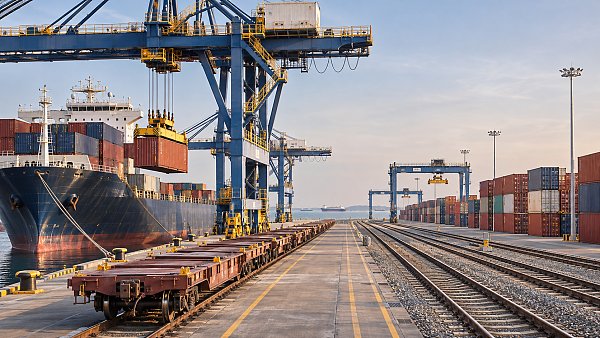
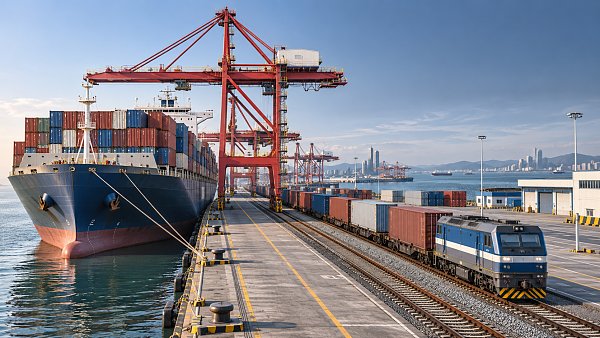
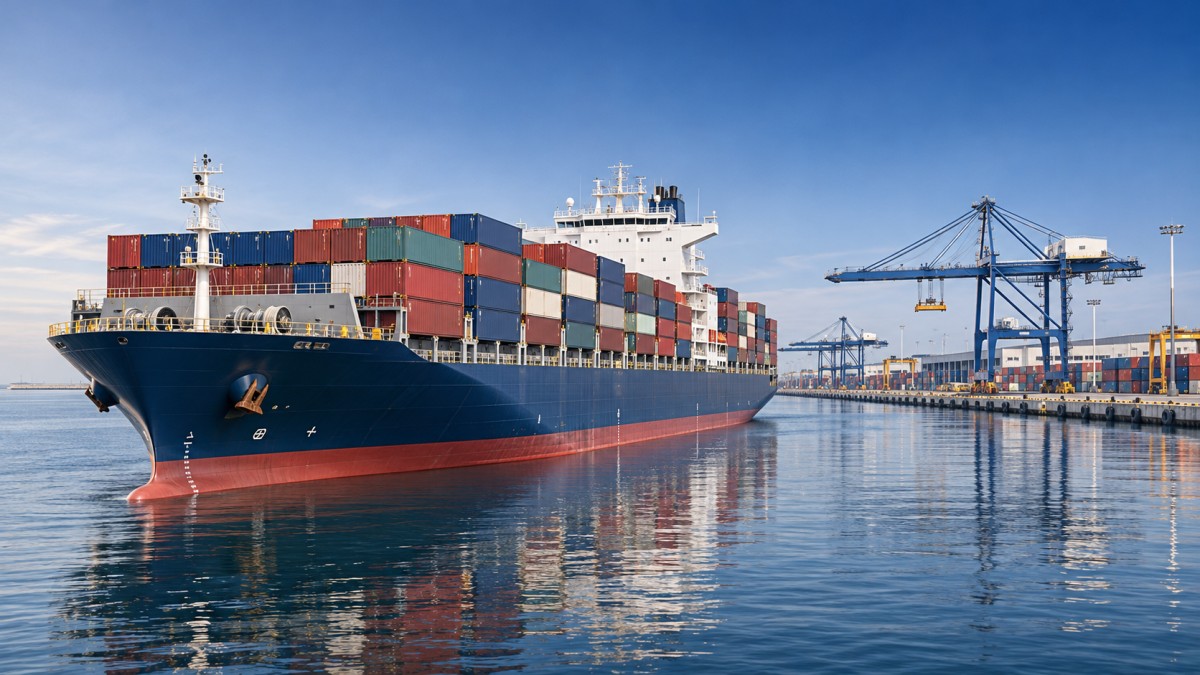
An ocean going vessel cost can range from a few million dollars for an older secondhand ship to hundreds of millions for a new, highly specialized vessel. For procurement teams, the purchase price is only the starting point: vessel type, capacity, age, fuel technology, financing, and regulatory compliance all affect the total investment. The useful question is not simply what a ship costs, but what it will cost to put into service and keep earning throughout the intended ownership period.
What should you expect to pay for an ocean-going vessel?
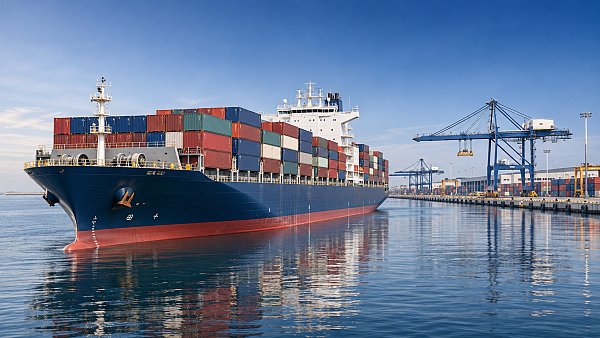
A small, older general cargo ship may be available for a few million US dollars, although condition and survey status can change the economics quickly. A modern bulk carrier or container ship can cost tens of millions, while a large new container ship or a new LNG carrier can reach hundreds of millions. These are broad orientation ranges, not quotations: ship prices move with freight markets, yard capacity, steel prices, interest rates, and the availability of comparable vessels.
Capacity also needs context. A container ship is commonly described by its capacity in twenty-foot equivalent units, or TEU; a bulk carrier is often compared by deadweight tonnage, which covers the weight it can carry, including cargo, fuel, and supplies. An LNG carrier is typically assessed by cargo tank volume. Comparing prices without normalizing for ship type and capacity can be misleading.
For a working estimate, request recent comparable sale information from a shipbroker and current indications from shipyards. Ask what each price includes, when it was quoted, and whether it reflects an actual transaction, an asking price, or a yard indication. A headline figure without those distinctions is a weak basis for a budget.
Why two similar ships can have very different prices
Age matters, but it is not a reliable substitute for condition. Two vessels built in the same year may have very different maintenance histories, trading patterns, and repair liabilities. One may have completed a major survey and dry-docking recently; the other may be approaching both. The cheaper ship can become the more expensive acquisition before it carries its first cargo.
Specifications matter just as much. Ice-class capability, cargo-handling gear, fuel type, engine configuration, ballast water treatment equipment, and emissions-control systems all affect value. A vessel designed for a restricted draft or a particular terminal may command a premium from the buyer that needs those features, but offer little benefit to one trading elsewhere.
Delivery timing has a price too. A secondhand ship may be available relatively quickly, subject to inspection, documentation, and completion. A newbuilding requires a yard slot and construction period. If a cargo contract starts before a new ship can be delivered, the cost of chartering temporary capacity belongs in the comparison.
For LNG carriers, containment technology, propulsion, and cargo-handling arrangements require particular scrutiny. LNG is transported at approximately minus 163 degrees Celsius at atmospheric pressure; the associated insulation, cargo systems, and operating requirements make a simple comparison with an ordinary cargo ship inappropriate. The right vessel also has to be acceptable to the intended terminals, charterers, insurers, and lenders.
Newbuilding or secondhand: compare the full path to service
A newbuilding offers more control over design, equipment, and fuel choices. That control comes with specification work, staged payments, construction supervision, and exposure to changes between contract signing and delivery. A nominal contract price should be reviewed alongside owner-supplied equipment, supervision costs, financing during construction, spare parts, training, and any items excluded from the yard’s offer.
A secondhand purchase can shorten the route to operation, but it transfers the ship’s history to the buyer. Inspect the vessel and its records before treating an attractive price as a saving. Particular attention should go to hull condition, machinery performance, outstanding class recommendations, previous damage, maintenance records, and the timing of the next special survey and dry-docking.
Consider a buyer comparing an older container ship with a newer one for a fixed service. If the older ship needs immediate steelwork, equipment upgrades, and time off hire, its lower price may not compensate for lost earning days. Conversely, paying for a newer ship’s additional capacity makes little sense if terminal restrictions or cargo demand prevent that capacity from being used. The decision turns on the service, not just the vessel.
Costs that sit outside the purchase price
Build the acquisition budget in layers. Some expenses occur once; others recur every year or every voyage. Keeping them separate makes it easier to see where an apparently affordable vessel creates a cash-flow problem.
- Transaction and delivery: inspections, legal work, registration, flag documentation, delivery crew, bunkers, and positioning the ship to its first loading port.
- Immediate technical work: repairs, deferred maintenance, dry-docking, required modifications, initial spares, and work requested by class, insurers, or charterers.
- Operating expenditure: crew, provisions, routine maintenance, technical management, insurance, stores, and recurring certification or survey costs.
- Voyage expenditure: fuel, port charges, canal dues, agency fees, and cargo-related costs, depending on the commercial contract.
- Capital and financing: equity, interest, fees, repayment schedule, and any lender-required reserves or insurance conditions.
- Exit exposure: expected resale value, remaining useful life, and the possibility that changing buyer preferences make the ship harder to sell.
Avoid counting the same item twice. Whether fuel, port costs, or insurance sits with the owner or another party depends on the charter arrangement and contract wording. A bareboat charter, time charter, and voyage charter allocate responsibilities differently; the financial model should follow the proposed agreement rather than a generic cost template.
Keep a separate allowance for downtime
A repair invoice is only part of the cost of a defect. Yard waiting time, positioning, missed cargo commitments, and off-hire days can be more consequential. Estimate these separately and test a delayed return to service, particularly if the acquisition depends on a tight delivery window. Do not assume that a ship can trade continuously between planned surveys.
Fuel technology and compliance: pay for what the route can use
Fuel choice is a long-term commercial decision, not simply an equipment selection. A dual-fuel ship may offer flexibility, but its economics depend on fuel availability, delivered prices, operating profile, capital cost, and the systems installed. Check bunkering options at ports the ship is actually expected to call, not merely the fuel’s availability in a wider region.
Regulatory exposure also varies by ship, flag, route, and trading area. International Maritime Organization requirements, including energy-efficiency measures such as EEXI and CII, may be relevant to a particular vessel; regional requirements can add further obligations. Confirm applicability, implementation dates, and the ship’s documentation with qualified advisers, the flag administration, and the classification society. Do not rely on a seller’s broad assurance that a vessel is “future-proof.”
For container ships marketed as smart vessels, ask for a practical demonstration of the data. Can the operator retrieve fuel and machinery information without relying on a proprietary subscription? Who owns the data, what connectivity is required, and what happens if a sensor fails? Route-optimization software may support better decisions, but its value depends on reliable inputs, crew adoption, commercial constraints, and integration with shore systems.
GTOT’s coverage of smart container ships and LNG carrier technology provides useful context for these discussions: technical capability only becomes a procurement benefit when it matches the vessel’s operating profile and can be supported over its life.
How to compare offers without losing the commercial picture
Start with a common trading scenario: route, cargo, annual operating days, expected speed, port limitations, and ownership period. Then model each candidate against the same assumptions. Include purchase and delivery costs, forecast operating and voyage costs, financing, scheduled yard periods, and an assumed resale value. Discount future cash flows consistently if comparing investments over multiple years.
Run sensitivities rather than relying on one forecast. Fuel price, utilization, freight earnings, interest rate, repair cost, and resale value are useful variables to test. A vessel that looks best only when every assumption is favorable deserves a closer look. Equally, a higher-priced vessel may be justified if it reduces a constraint that genuinely limits the planned service.
The contract deserves the same attention as the model. Establish what is included in the sale, the inspection and acceptance process, deposit and payment conditions, delivery location, treatment of defects, documentation, and circumstances in which either party can withdraw. Engage maritime legal and technical advisers before committing funds; standard sale forms still need to be reviewed and negotiated for the transaction.
Before seeking final approval, reconcile three numbers: the price agreed with the seller or yard, the cash needed to bring the ship into service, and the projected cost of owning and operating it. If the budget only covers the first, the purchase is not yet fully priced.
Recommended News
 Nov 23, 2026Can an AI route optimization platform handle cross-border truck restrictions in Europe?AI route optimization platform Europe: Discover how to assess cross-border truck restrictions, validate compliant routes, and avoid costly routing errors.
 Nov 21, 2026How to assess carrier integration in an intermodal transportation platformEvaluate an intermodal transportation platform with a practical guide to carrier coverage, event accuracy, integration failures, security and acceptance testing.
 Nov 20, 2026How to identify which railway safety standards apply to a projectRailway safety standards guide: Learn how to identify applicable requirements, map interfaces and build a defensible compliance baseline for your project.
 Nov 19, 2026How to evaluate motion control application references for a new projectEvaluate engineering application references for motion control with confidence. Compare load cycles, safety, integration, and evidence to reduce project risk.
 Nov 18, 2026When does electric marine propulsion make sense for ferries?Electric marine propulsion technology can transform ferry operations. Explore when battery-electric or hybrid systems make sense for your routes, charging access, and costs.
 Nov 17, 2026How much does it cost to buy an ocean-going vessel?Ocean going vessel cost ranges from a few million to hundreds of millions of dollars. Explore purchase prices, hidden costs, and key factors before you buy.
 Nov 16, 2026How to verify solution provider references before signing a contractVerify solution provider references before signing. Learn what to ask, which evidence to check, and how to turn findings into stronger contract terms.
 Nov 14, 2026How does automatic train control affect metro train headways?Discover how automatic train control for metro systems can reduce headways, improve service consistency and support capacity planning without compromising safety.
 Nov 13, 2026How to assess the financial return on rail infrastructure investmentAssess rail infrastructure investment with confidence. Explore lifecycle costs, NPV, IRR and risk scenarios to make better-informed funding decisions.
 Nov 12, 2026How to assess an ocean vessel technology provider's integration capabilitiesAssess an ocean vessel technology provider with a practical guide to interfaces, cybersecurity, failure testing, and lifecycle support. Make a confident choice.
 Nov 10, 2026When is external supplier evaluation support worth the cost?Discover when supplier evaluation support is worth the cost, how to estimate its return, and where independent expertise can reduce sourcing risks.
 Nov 09, 2026How can evaluation support help component suppliers prepare for audits?Supplier evaluation support for component suppliers helps uncover audit gaps, strengthen traceability, and build a clear, risk-based preparation plan.
 Nov 07, 2026How smart intermodal transportation reduces transfer delaysDiscover how smart intermodal transportation reduces transfer delays through real-time coordination, cargo-ready forecasts, and faster decisions.
 Nov 06, 2026How to evaluate AI route optimization suppliers in North AmericaAI route optimization supplier North America: discover how to compare providers, validate savings, assess security and choose a solution that fits your operations.
 Nov 04, 2026Can LTE-M track rail assets in areas with limited coverage?LTE-M rail transit for asset tracking can bridge coverage gaps with offline data storage. Discover its limits and how to assess your routes.
 Nov 01, 2026When is rail freight cheaper than maritime shipping?Compare rail and maritime cost to discover when rail freight can save money on inland routes, inventory and delays. Learn how to assess the full door-to-door cost.
 Oct 31, 2026How an AI route optimization dashboard handles traffic delaysDiscover how an AI route optimization dashboard responds to traffic delays, compares feasible routes, updates ETAs, and helps operators make informed decisions.
 Oct 29, 2026How to assess an automatic train control manufacturer for retrofitsAssess an automatic train control manufacturer for your retrofit. Learn how to verify compatibility, safety assurance, migration plans, and long-term support before choosing a supplier.
 Oct 28, 2026Does technical selection support in Southeast Asia cover local codes?Explore technical selection support Southeast Asia projects need to address local codes, assess compliance evidence, and map approval pathways. Learn what to ask before procurement.
 Oct 26, 2026How a product information platform keeps product data consistentDiscover how a product information platform keeps data consistent with clear ownership, validation, and approved updates. Learn what to check before choosing a solution.
 Oct 23, 2026When is renting heavy mining equipment cheaper than buying?Renting heavy industry equipment for mining? Discover when it costs less than buying, compare hidden fees and break-even points, and make a smarter fleet investment.
 Oct 21, 2026Can absolute safety monitoring eliminate all operational risk?Can absolute safety monitoring eliminate all risk? Discover its limits, hidden failure points, and practical safeguards to strengthen protection and make smarter safety decisions.
 Oct 19, 2026How to vet a European railway safety technology supplier’s track recordSeeking a railway safety technology supplier Europe can trust? Learn how to verify project references, safety credentials, and lifecycle support to build a defensible shortlist.
 Oct 15, 2026How to size train traction systems for frequent-stop rail serviceSize train traction systems for frequent-stop rail service with practical guidance on power, adhesion, thermal loads, and braking. Learn how to meet timetables without costly oversizing.