Search News
Industry Portal
Popular Tags
How to verify solution provider references before signing a contract

Author
Time
Click Count
A provider’s proposal can show what it intends to deliver; its references help establish what it has delivered under real operating conditions. Before signing, procurement teams should speak directly with customers whose projects resemble their own, check the supplier’s actual role, and compare what those customers say with the evidence available. A positive reference is useful, but its value depends on how closely the project, contract scope, and operating environment match the purchase being considered.
For railway control equipment or maritime technology, the distinction can be consequential. A supplier may have contributed a component to a successful project without having been responsible for system integration, safety approval, or long-term support. Reference checks should establish those boundaries before the customer’s experience is used to justify a contract award.
Start with references that can answer your decision
Ask the provider for several customer references covering work similar to the proposed purchase. Request enough information to assess each project before arranging a call: the customer organization, location, delivery period, supplied scope, project status, and a contact who can discuss the work. Explain which aspects of your requirement matter most so the supplier can identify relevant contacts.
Similarity should be judged by the risks in your contract, not simply by the customer’s name or the size of the project. A signaling supplier’s reference may be relevant because it involved an upgrade on an operating railway, interfaces with existing equipment, and a constrained commissioning window. A vessel technology reference may be relevant because the equipment had to integrate with shipboard systems and receive support across multiple ports.
Consider these factors when choosing whom to contact:
- Scope and responsibility: Did the provider design, manufacture, integrate, commission, or maintain the solution? Which responsibilities sat with other contractors?
- Technical and operating conditions: Were the interfaces, performance requirements, operating environment, and availability expectations comparable?
- Project stage: Has the solution entered service, and has the customer had enough operating experience to discuss reliability and support?
- Commercial arrangement: Was the provider contracted directly by the asset owner, or through an EPC contractor, shipyard, distributor, or systems integrator?
- Delivery and support geography: Were installation, spare parts, technical assistance, and field service provided in locations relevant to your operation?
A recently completed installation can help assess delivery and commissioning, while a longer-running installation can provide more useful information about maintenance and recurring faults. Neither answers every question. Where possible, include both perspectives and record the limits of each.
Also check whether the reference reflects the solution and team being offered now. A provider may cite a project completed by a predecessor company, another business unit, or a subcontractor. That experience may still be relevant, but ask who performed the work and whether the proposed delivery organization retains the necessary capability.

Verify the project before relying on the endorsement
Start with material the customer or project owner has made public, such as a project announcement, operator report, or shipyard release. These sources may establish that a project exists and identify some participants. They rarely prove that a particular supplier delivered the full scope described in a proposal, or that the equipment met its contractual performance requirements.
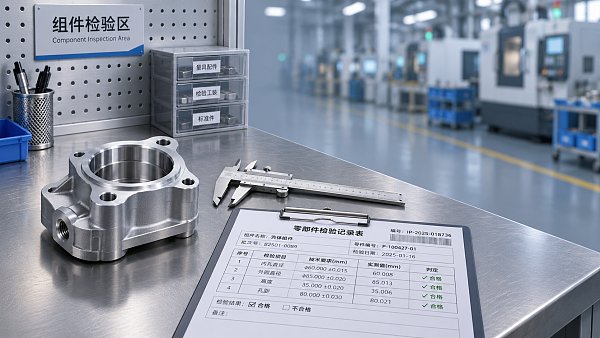
Then ask the provider for evidence proportionate to the purchase and the confidentiality restrictions involved. Depending on the project, that could include a redacted acceptance record, a completion certificate identifying the supplied scope, a service agreement, or documentation showing the relevant equipment and its operational status. Check dates, entity names, project descriptions, and responsibilities against the reference contact’s account.
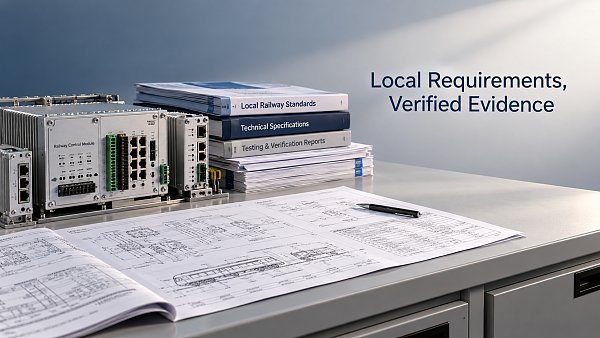
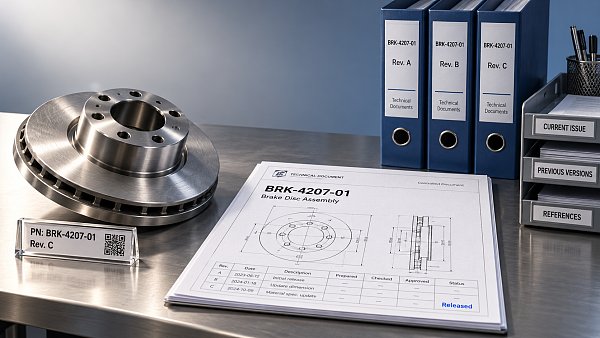
For safety-related or regulated equipment, separate project experience from evidence of compliance. A customer’s satisfaction with an interlocking system, braking component, or maritime subsystem does not by itself establish that the proposed configuration meets your requirements. Ask for the applicable approvals, assessments, test records, or certificates identified in your procurement specifications, and check their scope, validity, and relationship to the exact product and configuration offered.
Where a supplier cannot share a document, ask whether a redacted version, a customer-authorized confirmation, or a discussion with an appropriate technical representative is possible. Confidentiality is a legitimate constraint; it does not eliminate the need for enough evidence to support a purchasing decision. If the gap remains, record what could not be established and decide whether another form of assurance is available before award.
Speak to the customer without the supplier leading the conversation
Arrange the call with the reference contact’s consent and, where practical, without the supplier present. Confirm the contact’s role and involvement first: a procurement manager may be able to explain commercial performance, while an engineering or operations representative may be better placed to discuss commissioning, faults, and maintenance. One person may not have visibility across the whole contract.
Send a short description of your intended scope in advance, without disclosing sensitive procurement information. Then ask for examples and timelines rather than an overall rating. Useful questions include:
- What did the provider actually supply, and which interfaces or work packages were handled by others?
- Which requirements were hardest to meet, and how were disagreements about scope or acceptance resolved?
- Were delivery and commissioning completed against the agreed baseline? If the schedule changed, what caused the change and how was it managed?
- What problems arose during testing or early operation, and how quickly did the provider investigate and close them?
- Did the delivered documentation, training, spare parts, and support match the contract and the operator’s needs?
- How were changes priced and approved? Were there costs or dependencies the customer had not anticipated?
- If you were buying a similar solution again, which contract terms or technical requirements would you change?
Follow up on vague answers. If a contact says support was “good,” ask what happened when an issue was escalated, who had authority to act, and whether the agreed response and resolution expectations were met. If a project was delayed, distinguish a supplier-controlled delivery failure from a delay caused by site access, another contractor, or changes requested by the customer.
A constructive reference need not describe a flawless project. Complex installations can encounter interface problems and changes in scope. The more useful evidence is whether responsibilities were clear, issues were documented, corrective actions were effective, and the customer could obtain decisions when needed.
Probe the parts of the lifecycle your contract covers
For a railway component, ask whether the reference covers only factory delivery or also installation, integration, testing, and service on the network. A pantograph reference, for example, is more informative when the operating conditions and vehicle interfaces resemble your application. For a braking system, establish whether the contact can discuss the supplied component alone or the performance of the integrated system.
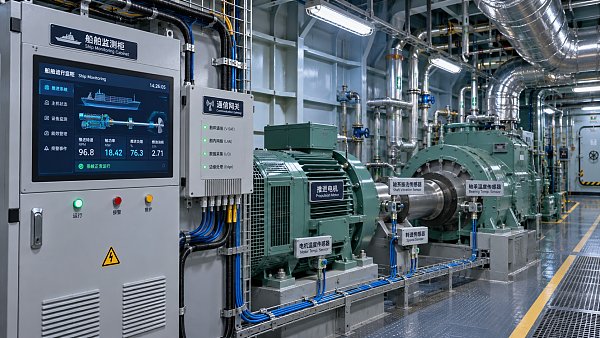
For maritime equipment, establish whether the reference relates to a vessel in service, a shipyard installation, or a design-stage order. Ask how the provider coordinated with the yard, vessel operator, and other equipment suppliers, and what support was available after handover. For an LNG carrier project, a reference for one subsystem should not be treated as evidence of responsibility for the vessel’s entire containment or propulsion arrangement.
These distinctions also apply to subcontractors. If a specialist will perform commissioning or provide field service, ask who has used that specialist and how the prime contractor managed its performance. A strong reference for the prime supplier’s hardware may leave a significant gap if the proposed contract depends on a different service organization.
Turn reference findings into contract decisions
Document each check in a form the evaluation team can compare: the reference project, contact’s role, scope and operating conditions, evidence reviewed, positive findings, concerns, and any material differences from the proposed purchase. Separate facts supported by documents or direct discussion from claims that remain uncorroborated.
Look for patterns, but do not count references as interchangeable votes. Two enthusiastic contacts from projects with limited integration demands may tell you less about a complex retrofit than one detailed account from a comparable operating site. Equally, a single negative account deserves context: ask what happened, whether the issue was within the provider’s control, and what evidence supports the explanation.
Pay particular attention when the provider changes its description of its role, offers only contacts who cannot discuss delivery, or resists reasonable attempts to verify project scope. A reference that is limited by confidentiality is different from an account that conflicts with available records. Give the provider an opportunity to explain discrepancies and supply relevant evidence, then assess any remaining uncertainty against the consequences of failure.
The findings should affect the contract where appropriate. If references reveal slow issue escalation, define response obligations, escalation contacts, and reporting requirements. If integration responsibilities were unclear, specify interface ownership and acceptance responsibilities. If customers struggled to obtain documentation or spares, make their delivery and availability explicit in the agreement. Technical, legal, and operational teams should review these provisions together with procurement.
Where a material claim cannot be supported before signature, decide whether the purchase can proceed with a specific contractual obligation, an independently verified milestone, or another suitable safeguard. If the missing evidence concerns a requirement that must be established before award, resolve it before committing. The purpose of the reference check is to leave the buyer with a clear view of what has been demonstrated, what remains uncertain, and who will carry each responsibility after the contract is signed.
Recommended News
 Nov 23, 2026Can an AI route optimization platform handle cross-border truck restrictions in Europe?AI route optimization platform Europe: Discover how to assess cross-border truck restrictions, validate compliant routes, and avoid costly routing errors.
 Nov 21, 2026How to assess carrier integration in an intermodal transportation platformEvaluate an intermodal transportation platform with a practical guide to carrier coverage, event accuracy, integration failures, security and acceptance testing.
 Nov 20, 2026How to identify which railway safety standards apply to a projectRailway safety standards guide: Learn how to identify applicable requirements, map interfaces and build a defensible compliance baseline for your project.
 Nov 19, 2026How to evaluate motion control application references for a new projectEvaluate engineering application references for motion control with confidence. Compare load cycles, safety, integration, and evidence to reduce project risk.
 Nov 18, 2026When does electric marine propulsion make sense for ferries?Electric marine propulsion technology can transform ferry operations. Explore when battery-electric or hybrid systems make sense for your routes, charging access, and costs.
 Nov 17, 2026How much does it cost to buy an ocean-going vessel?Ocean going vessel cost ranges from a few million to hundreds of millions of dollars. Explore purchase prices, hidden costs, and key factors before you buy.
 Nov 16, 2026How to verify solution provider references before signing a contractVerify solution provider references before signing. Learn what to ask, which evidence to check, and how to turn findings into stronger contract terms.
 Nov 14, 2026How does automatic train control affect metro train headways?Discover how automatic train control for metro systems can reduce headways, improve service consistency and support capacity planning without compromising safety.
 Nov 13, 2026How to assess the financial return on rail infrastructure investmentAssess rail infrastructure investment with confidence. Explore lifecycle costs, NPV, IRR and risk scenarios to make better-informed funding decisions.
 Nov 12, 2026How to assess an ocean vessel technology provider's integration capabilitiesAssess an ocean vessel technology provider with a practical guide to interfaces, cybersecurity, failure testing, and lifecycle support. Make a confident choice.
 Nov 10, 2026When is external supplier evaluation support worth the cost?Discover when supplier evaluation support is worth the cost, how to estimate its return, and where independent expertise can reduce sourcing risks.
 Nov 09, 2026How can evaluation support help component suppliers prepare for audits?Supplier evaluation support for component suppliers helps uncover audit gaps, strengthen traceability, and build a clear, risk-based preparation plan.
 Nov 07, 2026How smart intermodal transportation reduces transfer delaysDiscover how smart intermodal transportation reduces transfer delays through real-time coordination, cargo-ready forecasts, and faster decisions.
 Nov 06, 2026How to evaluate AI route optimization suppliers in North AmericaAI route optimization supplier North America: discover how to compare providers, validate savings, assess security and choose a solution that fits your operations.
 Nov 04, 2026Can LTE-M track rail assets in areas with limited coverage?LTE-M rail transit for asset tracking can bridge coverage gaps with offline data storage. Discover its limits and how to assess your routes.
 Nov 01, 2026When is rail freight cheaper than maritime shipping?Compare rail and maritime cost to discover when rail freight can save money on inland routes, inventory and delays. Learn how to assess the full door-to-door cost.
 Oct 31, 2026How an AI route optimization dashboard handles traffic delaysDiscover how an AI route optimization dashboard responds to traffic delays, compares feasible routes, updates ETAs, and helps operators make informed decisions.
 Oct 29, 2026How to assess an automatic train control manufacturer for retrofitsAssess an automatic train control manufacturer for your retrofit. Learn how to verify compatibility, safety assurance, migration plans, and long-term support before choosing a supplier.
 Oct 28, 2026Does technical selection support in Southeast Asia cover local codes?Explore technical selection support Southeast Asia projects need to address local codes, assess compliance evidence, and map approval pathways. Learn what to ask before procurement.
 Oct 26, 2026How a product information platform keeps product data consistentDiscover how a product information platform keeps data consistent with clear ownership, validation, and approved updates. Learn what to check before choosing a solution.
 Oct 23, 2026When is renting heavy mining equipment cheaper than buying?Renting heavy industry equipment for mining? Discover when it costs less than buying, compare hidden fees and break-even points, and make a smarter fleet investment.
 Oct 21, 2026Can absolute safety monitoring eliminate all operational risk?Can absolute safety monitoring eliminate all risk? Discover its limits, hidden failure points, and practical safeguards to strengthen protection and make smarter safety decisions.
 Oct 19, 2026How to vet a European railway safety technology supplier’s track recordSeeking a railway safety technology supplier Europe can trust? Learn how to verify project references, safety credentials, and lifecycle support to build a defensible shortlist.
 Oct 15, 2026How to size train traction systems for frequent-stop rail serviceSize train traction systems for frequent-stop rail service with practical guidance on power, adhesion, thermal loads, and braking. Learn how to meet timetables without costly oversizing.