Search News
Industry Portal
Popular Tags
When is external supplier evaluation support worth the cost?

Author
Time
Click Count
When supplier failure can delay a rail project or compromise a vessel’s performance, the lowest evaluation cost may not deliver the best value.
External supplier evaluation support is worth considering when procurement teams face unfamiliar technologies, stringent safety requirements, limited in-house expertise, or high-stakes sourcing decisions.
For railway and maritime buyers, independent technical insight can help identify capability gaps, validate supplier claims, and reduce costly surprises before contracts are signed.
This guide explains when outside support can justify its cost, how to estimate potential returns, and what procurement teams should expect from an engagement.
When does external supplier evaluation support pay for itself?

External support is most likely to be worthwhile when an expert can change a consequential sourcing decision, uncover a material gap, or prevent avoidable rework.
The strongest case combines significant exposure with uncertainty: the contract matters, supplier evidence is difficult to interpret, and internal teams lack time or specialized knowledge.
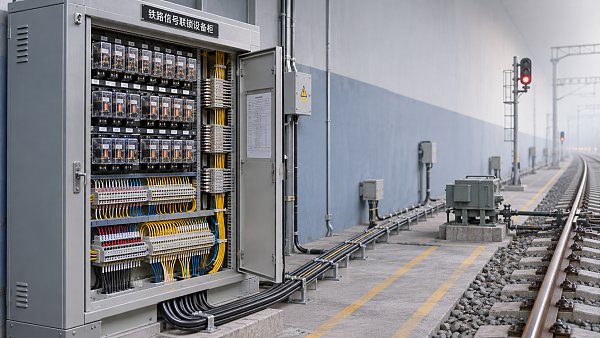
For example, a buyer evaluating a new signaling supplier may need to verify safety evidence, engineering capability, and integration responsibilities across several organizations and jurisdictions.
In that situation, an independent specialist can focus the review on the claims that influence qualification, delivery, and acceptance, giving procurement a defensible basis for negotiation.
Outside support is less compelling for routine, low-value purchases from proven suppliers when existing controls provide sufficient assurance and switching consequences are manageable.
The decision therefore depends less on contract value alone than on the potential consequences of failure, the uncertainty surrounding the supplier, and the buyer’s ability to investigate.
Which sourcing situations justify an independent review?
Procurement teams should consider external supplier evaluation support when one or more of the following conditions materially increase the cost of choosing the wrong supplier.
Safety or operational performance is difficult to verify
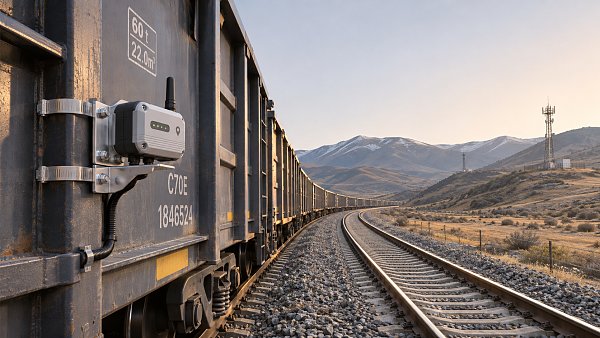
Railway signaling, braking systems, pantographs, and critical vessel equipment involve technical interfaces and operating conditions that a standard commercial questionnaire may not adequately test.
A specialist can examine whether test evidence, operating assumptions, configuration controls, and proposed maintenance arrangements support the performance claims relevant to the specific procurement.
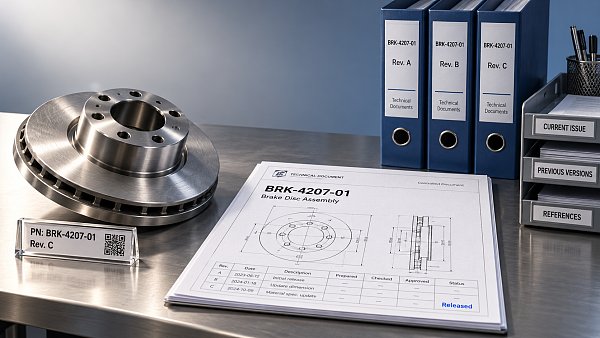
For a braking system, the review might explore how thermal performance is demonstrated under the duty cycle, environmental conditions, and vehicle configuration specified by the buyer.
For a pantograph, it could examine evidence for current collection performance, structural integrity, and maintenance requirements at the intended operating speeds and infrastructure conditions.
The supplier or technology is unfamiliar
A new market entrant may offer competitive pricing or innovation, but procurement needs evidence that its production capability and technical support can meet project requirements.
External reviewers can assess engineering resources, manufacturing controls, subcontractor dependencies, and previous deployments, while distinguishing transferable experience from projects with materially different operating conditions.
This is especially useful when a supplier’s presentation relies on broad company credentials rather than evidence for the specific product, configuration, or facility under consideration.
A disruption would have consequences beyond the purchase price
The cost of a delayed control component may include commissioning disruption, extended site staffing, rescheduling, contractual exposure, and lost operating revenue across a wider project.
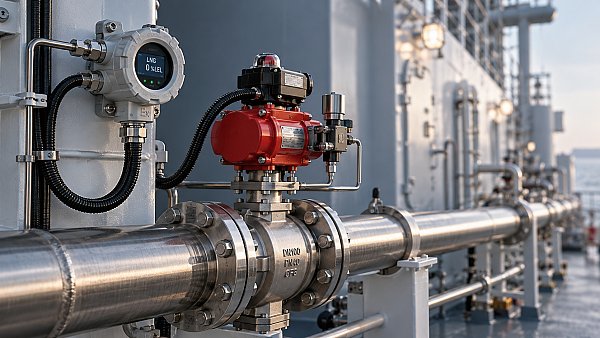
For an LNG carrier, weak supplier controls on a critical component could trigger rework, testing delays, or difficulties obtaining required approvals within the shipbuilding schedule.
These consequences do not mean every supplier needs a comprehensive audit. They mean procurement should identify which failure paths warrant additional scrutiny before award.
Internal expertise or capacity is stretched
Even an experienced team may lack current knowledge of a specialized technology, a supplier’s manufacturing process, or the regulatory expectations in a new operating market.
Outside support can also provide temporary capacity when multiple bids arrive together and internal engineers cannot review every technical claim within the tender timetable.
Use specialists to address defined gaps, while keeping the procurement team responsible for commercial judgment, supplier communications, and the final sourcing decision.
How can procurement estimate the return on evaluation costs?
Start with the decisions the review could change. Estimate the cost of plausible outcomes without the review, then assess how much the review could reduce exposure.
A practical calculation compares the total engagement cost with the expected reduction in loss, plus any credible commercial or operational benefits the review may enable.
Expected loss is the estimated probability of an adverse event multiplied by its financial impact. Use ranges where evidence is limited, and document the assumptions.
Suppose a project estimates a 20% chance of a supplier-related disruption costing $500,000. Its modeled expected loss is $100,000 before additional evaluation.
If a focused review costing $25,000 reduces that probability to 12%, the modeled expected loss falls to $60,000, producing an estimated $40,000 reduction in exposure.
On those assumptions, the expected net benefit is $15,000 after the review fee. This is an illustrative estimate, not a guaranteed saving or predicted outcome.
Test the result with less optimistic assumptions. If the review reduces the probability only to 17%, the estimated exposure reduction is $15,000 and does not cover its fee.
Include travel, internal staff time, supplier coordination, and follow-up work in the total cost. Avoid counting the same benefit as both avoided delay and avoided disruption.
Some benefits are harder to price, including stronger tender documentation, clearer acceptance criteria, and earlier identification of design interfaces. Record these separately from financial estimates.
For safety-critical procurement, a favorable financial calculation does not replace required assurance, certification, or compliance activities. The evaluation budget must also reflect those obligations.
What should an external evaluation actually cover?
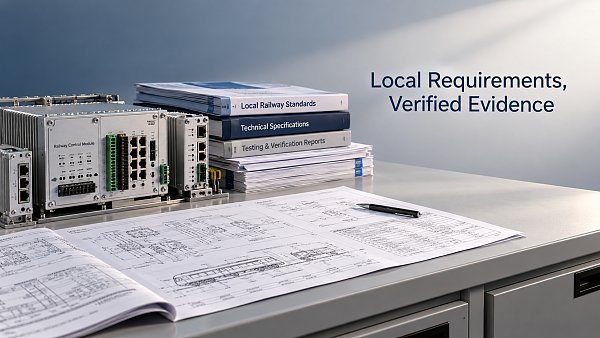
The most useful scope follows the risks and decisions in the tender. Ask reviewers to identify evidence, assess its relevance, and explain unresolved gaps.
Technical capability and product evidence
Review product specifications, design maturity, test results, and operating references against the buyer’s actual requirements, including intended environments, interfaces, service life, and maintenance conditions.
Ask whether reported results apply to the offered configuration. A successful test on a related product does not automatically demonstrate performance for a modified design.
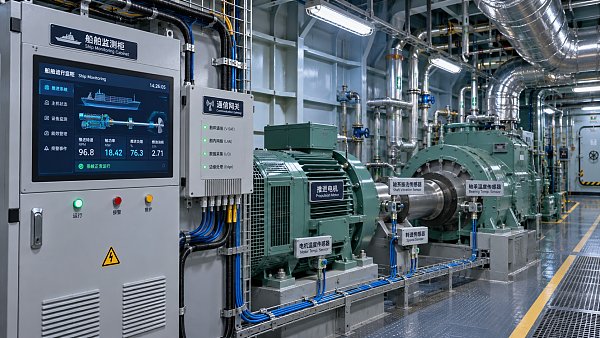
For smart vessel equipment, assess integration with onboard systems, data interfaces, cybersecurity responsibilities, and the practical arrangements for software updates and support over time.
Quality, production, and supply continuity
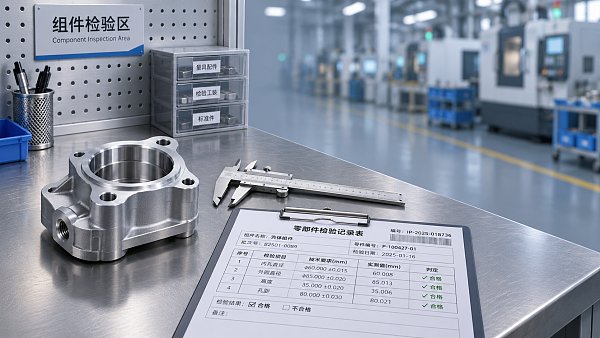
Review manufacturing capacity, quality controls, traceability, inspection records, and processes for managing changes or nonconforming material at the relevant production site.
Examine dependencies on critical subcontractors and long-lead items. Where disruption matters, ask for realistic recovery arrangements and evidence that alternative sources meet applicable requirements.
A site visit may be justified when production capability is central to the award, but its scope should target specific questions rather than a generic facility tour.
Safety, approvals, and contractual interfaces
Identify the standards, approvals, and customer requirements applicable to the product and project. Requirements vary by jurisdiction, operator, vessel class, and contractual scope.
For railway signaling, a claim relating to SIL4 should be supported by relevant safety evidence and assessed in the context of the defined system and application.
For marine equipment, clarify which class society, flag administration, or other approvals apply, who obtains them, and when the evidence must be available.
Map responsibilities between the supplier, integrator, operator, shipyard, and buyer. Ambiguous interfaces can remain hidden even when each party presents credible individual qualifications.
An external review can highlight gaps, but it does not automatically constitute certification, class approval, or independent safety assessment under a project’s formal assurance arrangements.
How should buyers choose an evaluation provider?
Look for demonstrated experience with the equipment, procurement stage, and operating context. General audit experience alone may not address complex technical or integration questions.
Ask who will perform the work, what comparable projects they have handled, and whether they can explain the limits of their expertise before accepting the assignment.
Check independence and conflicts of interest, including financial ties to suppliers, subcontractors, or certification bodies. Require disclosure and agree how any conflict will be managed.
Request a sample deliverable with confidential details removed. A useful report should connect each finding to evidence, project impact, and a practical next action.
Agree on access to documents, sites, and key personnel before finalizing the fee. Restricted access can materially limit what the reviewer is able to conclude.
Define how sensitive supplier information will be protected, who may receive the report, and whether the buyer can use findings in negotiations or tender records.
Compare proposals by scope, expertise, assumptions, and deliverables rather than price alone. A low fee can become expensive if essential follow-up sits outside the engagement.
How can procurement keep the scope and budget under control?
Begin with a short risk-screening exercise covering all shortlisted suppliers, then commission deeper work only where uncertainty or potential consequences justify additional effort.
Specify the decision date and work backward. An assessment delivered after contract award may still help manage risk, but it cannot inform the original selection.
Use clear questions, such as whether production capacity supports the delivery schedule or whether proposed test evidence covers the required operating conditions and configuration.
Set a fixed scope for document review and defined interviews, with separate approval for site visits, specialist testing, additional suppliers, or work outside the agreed brief.
Ask for an early gap report so the team can request missing evidence while suppliers still have time to respond and procurement options remain open.
Include a closing discussion with procurement and engineering. The purpose is to translate findings into qualification decisions, contract conditions, verification activities, or contingency plans.
What should happen after the report arrives?
Assign an owner and deadline to each material finding. Separate issues that block award from those that can be controlled through contractual commitments or later verification.
For example, missing test evidence might require satisfactory results before award, while a documentation gap could be addressed through a measurable delivery milestone.
Where a risk remains acceptable, record the rationale, assumptions, and decision authority. Where it does not, seek corrective action or consider another qualified supplier.
Track agreed actions after contract signature, including evidence submission, production inspections, acceptance tests, and escalation triggers. A report creates value only when its findings influence action.
After delivery or commissioning, compare actual outcomes with the assessment. This helps refine future scopes, supplier risk ratings, and assumptions used in return calculations.
When should procurement rely on internal checks instead?
Internal evaluation is often sufficient for established suppliers, standard products, and low-impact purchases when recent performance data and competent technical resources are already available.
A narrow internal review may also be appropriate when the decision cannot realistically change, although buyers should still address any mandatory assurance or contractual requirements.
Consider a limited external consultation if one technical question remains unresolved. A targeted review of test evidence or capacity assumptions may be more proportionate than an audit.
Make the decision before uncertainty becomes expensive
External supplier evaluation support earns its place when it addresses a specific knowledge gap and can influence a sourcing, contracting, or risk-control decision.
For rail and maritime procurement, prioritize suppliers whose failure could affect safety, integration, delivery, or operating performance, then match the review depth to that exposure.
Use a transparent business case, qualified independent reviewers, and actionable follow-up. Together, these give procurement a clearer basis for deciding when the additional cost is justified.
Recommended News
 Nov 23, 2026Can an AI route optimization platform handle cross-border truck restrictions in Europe?AI route optimization platform Europe: Discover how to assess cross-border truck restrictions, validate compliant routes, and avoid costly routing errors.
 Nov 21, 2026How to assess carrier integration in an intermodal transportation platformEvaluate an intermodal transportation platform with a practical guide to carrier coverage, event accuracy, integration failures, security and acceptance testing.
 Nov 20, 2026How to identify which railway safety standards apply to a projectRailway safety standards guide: Learn how to identify applicable requirements, map interfaces and build a defensible compliance baseline for your project.
 Nov 19, 2026How to evaluate motion control application references for a new projectEvaluate engineering application references for motion control with confidence. Compare load cycles, safety, integration, and evidence to reduce project risk.
 Nov 18, 2026When does electric marine propulsion make sense for ferries?Electric marine propulsion technology can transform ferry operations. Explore when battery-electric or hybrid systems make sense for your routes, charging access, and costs.
 Nov 17, 2026How much does it cost to buy an ocean-going vessel?Ocean going vessel cost ranges from a few million to hundreds of millions of dollars. Explore purchase prices, hidden costs, and key factors before you buy.
 Nov 16, 2026How to verify solution provider references before signing a contractVerify solution provider references before signing. Learn what to ask, which evidence to check, and how to turn findings into stronger contract terms.
 Nov 14, 2026How does automatic train control affect metro train headways?Discover how automatic train control for metro systems can reduce headways, improve service consistency and support capacity planning without compromising safety.
 Nov 13, 2026How to assess the financial return on rail infrastructure investmentAssess rail infrastructure investment with confidence. Explore lifecycle costs, NPV, IRR and risk scenarios to make better-informed funding decisions.
 Nov 12, 2026How to assess an ocean vessel technology provider's integration capabilitiesAssess an ocean vessel technology provider with a practical guide to interfaces, cybersecurity, failure testing, and lifecycle support. Make a confident choice.
 Nov 10, 2026When is external supplier evaluation support worth the cost?Discover when supplier evaluation support is worth the cost, how to estimate its return, and where independent expertise can reduce sourcing risks.
 Nov 09, 2026How can evaluation support help component suppliers prepare for audits?Supplier evaluation support for component suppliers helps uncover audit gaps, strengthen traceability, and build a clear, risk-based preparation plan.
 Nov 07, 2026How smart intermodal transportation reduces transfer delaysDiscover how smart intermodal transportation reduces transfer delays through real-time coordination, cargo-ready forecasts, and faster decisions.
 Nov 06, 2026How to evaluate AI route optimization suppliers in North AmericaAI route optimization supplier North America: discover how to compare providers, validate savings, assess security and choose a solution that fits your operations.
 Nov 04, 2026Can LTE-M track rail assets in areas with limited coverage?LTE-M rail transit for asset tracking can bridge coverage gaps with offline data storage. Discover its limits and how to assess your routes.
 Nov 01, 2026When is rail freight cheaper than maritime shipping?Compare rail and maritime cost to discover when rail freight can save money on inland routes, inventory and delays. Learn how to assess the full door-to-door cost.
 Oct 31, 2026How an AI route optimization dashboard handles traffic delaysDiscover how an AI route optimization dashboard responds to traffic delays, compares feasible routes, updates ETAs, and helps operators make informed decisions.
 Oct 29, 2026How to assess an automatic train control manufacturer for retrofitsAssess an automatic train control manufacturer for your retrofit. Learn how to verify compatibility, safety assurance, migration plans, and long-term support before choosing a supplier.
 Oct 28, 2026Does technical selection support in Southeast Asia cover local codes?Explore technical selection support Southeast Asia projects need to address local codes, assess compliance evidence, and map approval pathways. Learn what to ask before procurement.
 Oct 26, 2026How a product information platform keeps product data consistentDiscover how a product information platform keeps data consistent with clear ownership, validation, and approved updates. Learn what to check before choosing a solution.
 Oct 23, 2026When is renting heavy mining equipment cheaper than buying?Renting heavy industry equipment for mining? Discover when it costs less than buying, compare hidden fees and break-even points, and make a smarter fleet investment.
 Oct 21, 2026Can absolute safety monitoring eliminate all operational risk?Can absolute safety monitoring eliminate all risk? Discover its limits, hidden failure points, and practical safeguards to strengthen protection and make smarter safety decisions.
 Oct 19, 2026How to vet a European railway safety technology supplier’s track recordSeeking a railway safety technology supplier Europe can trust? Learn how to verify project references, safety credentials, and lifecycle support to build a defensible shortlist.
 Oct 15, 2026How to size train traction systems for frequent-stop rail serviceSize train traction systems for frequent-stop rail service with practical guidance on power, adhesion, thermal loads, and braking. Learn how to meet timetables without costly oversizing.