



Search News
Industry Portal
Popular Tags
Real Time Route Optimization AI: When It Reduces Cost and When It Adds Complexity
Author
Time
Click Count
Real time route optimization AI is moving from pilot language into board-level transport strategy. In rail and maritime networks, it promises lower fuel burn, tighter schedules, and better asset utilization. That promise matters because margins are pressured by energy volatility, port congestion, safety obligations, and decarbonization targets. Still, the technology does not create savings by default. When operating rules are rigid, data feeds are fragmented, or dispatch teams cannot trust the model, real time route optimization AI can add cost, rework, and decision friction instead of reducing them.
Why the topic now matters across land and sea
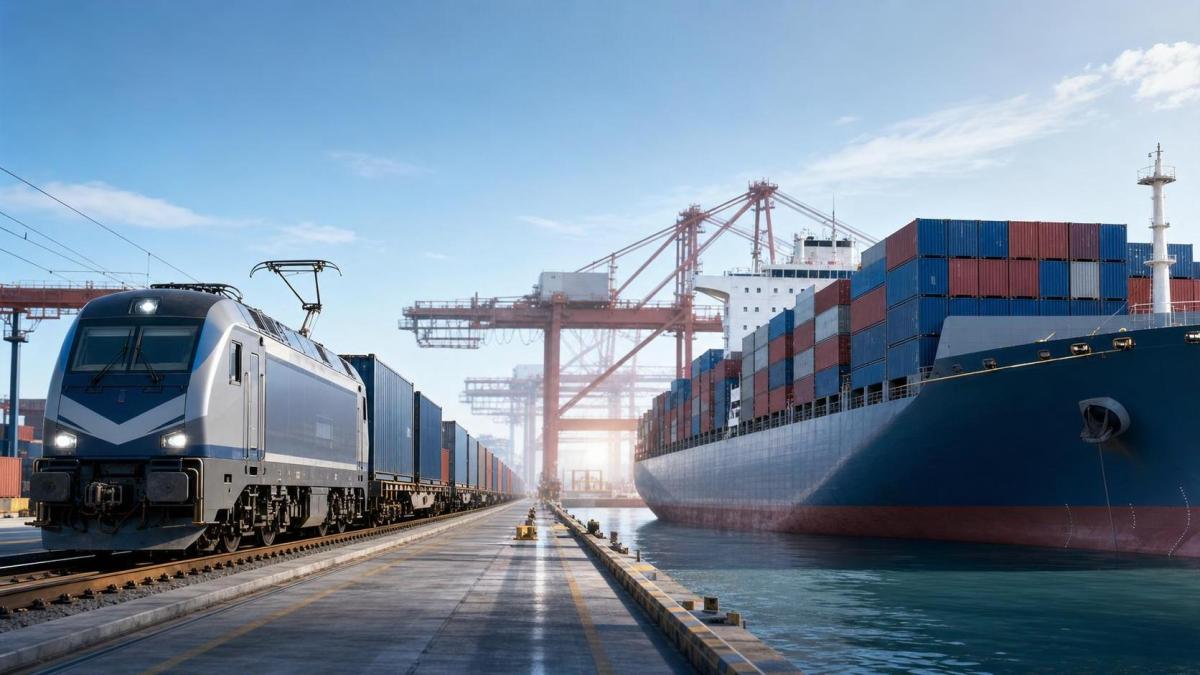
Transport systems are becoming more connected, but also more constrained.
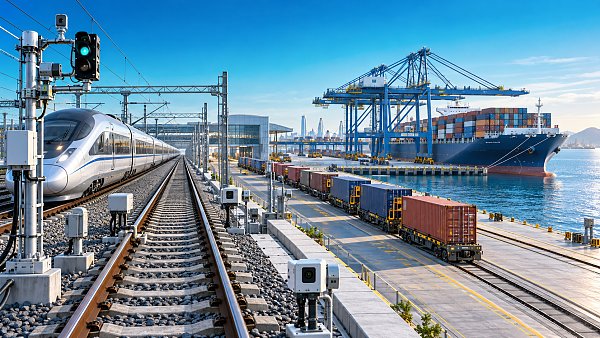
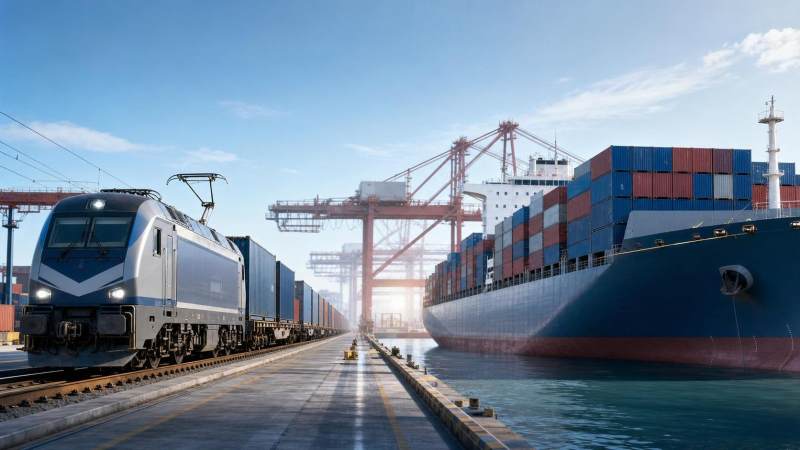
A high-speed corridor, a freight rail line, a smart container ship, and an LNG carrier all face the same pressure: move more with fewer disruptions.
That is why real time route optimization AI has become a serious investment discussion rather than a narrow software feature.
For a platform such as GTOT, the relevance is even sharper. Route decisions are not isolated from equipment intelligence.
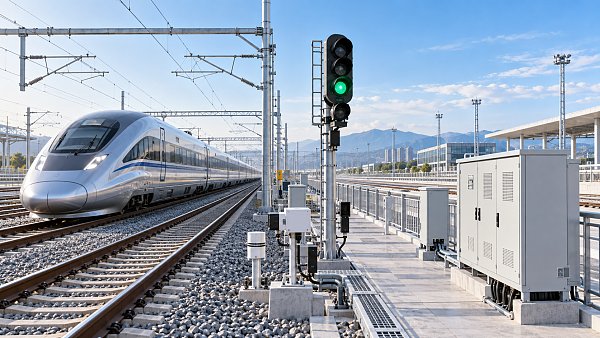
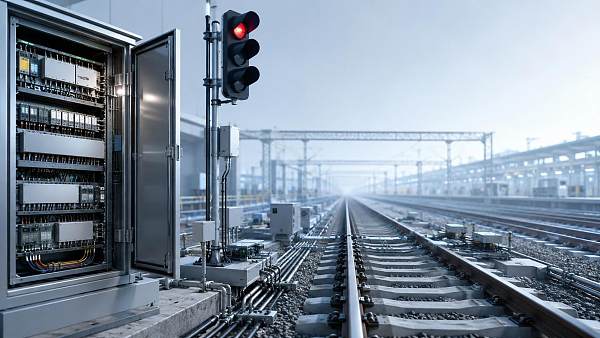
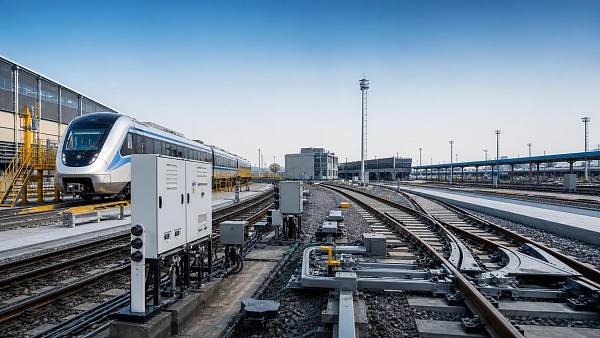
Railway signal control systems shape headways and safe train spacing. Pantographs and braking systems affect speed envelopes, power stability, and stopping precision.
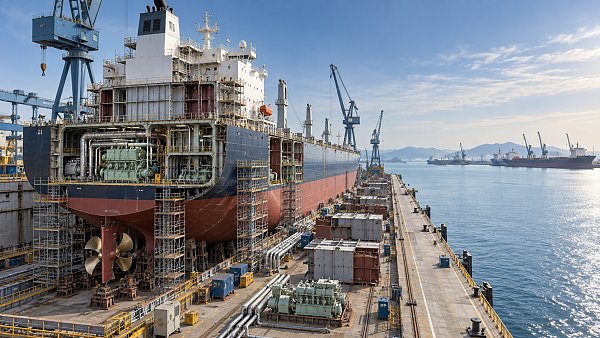
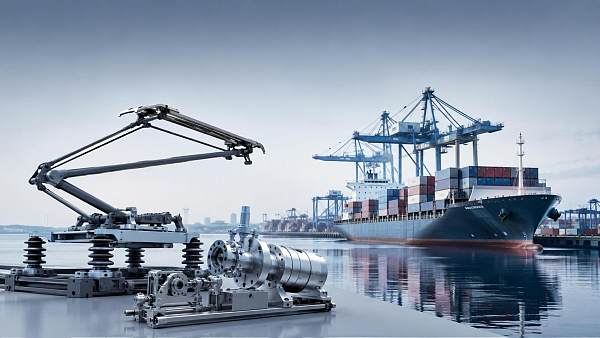
At sea, smart vessels rely on route logic that must align with weather, berth windows, fuel strategy, and cargo sensitivity.
In other words, optimization works only when operational intelligence, equipment performance, and commercial timing are connected.
What real time route optimization AI actually does
The term is often used too broadly.
At its core, real time route optimization AI analyzes live conditions and continuously recommends the best feasible path, sequence, or speed profile.
The system does not simply find the shortest route.
It balances multiple variables at once, including fuel consumption, traffic density, weather, port queues, track availability, maintenance windows, safety rules, and service commitments.
In rail operations, that may mean adjusting train sequencing to reduce dwell time and energy spikes.
In maritime operations, it may mean changing speed and path to avoid storms, missed berths, or unnecessary bunker use.
The real business value comes from dynamic trade-offs, not from static routing maps.
Where cost reduction is usually real
The strongest results appear in environments with measurable variability and enough operational freedom to respond.
That sounds simple, but it is the dividing line between value creation and expensive disappointment.
High variability, strong data, clear control
Real time route optimization AI tends to reduce cost when disruptions are frequent and current operating methods are manual or slow.
- Rail networks with fluctuating traffic density, mixed passenger and freight priorities, or recurring maintenance constraints.
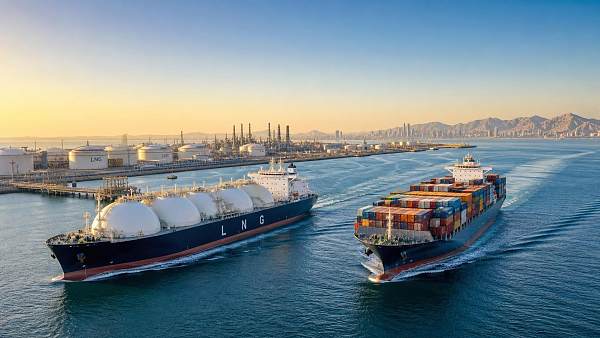
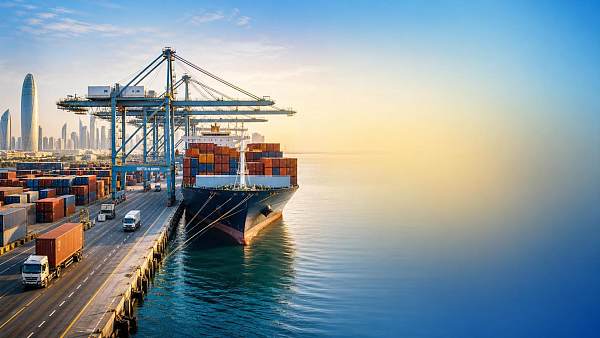
- Container shipping lanes where weather, port congestion, and berth timing strongly influence voyage economics.
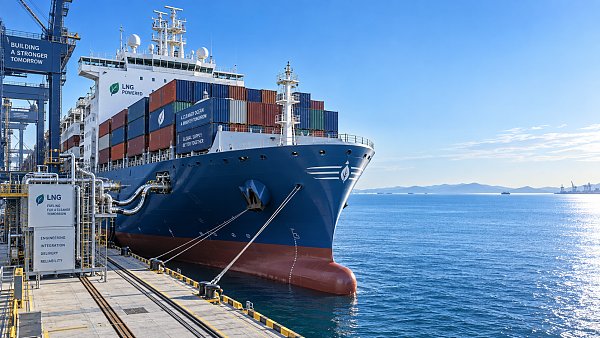
- LNG shipping routes where timing, fuel mode, boil-off management, and cargo integrity interact closely.
In these settings, even small speed or sequencing changes can produce visible savings across fuel, crew planning, asset turns, and delay penalties.
A compact view of likely outcomes
The key point is that optimization must influence execution, not just reporting.
Where complexity starts to outweigh savings
Not every transport operation is ready for continuous optimization.
Sometimes the hidden cost is not the software license. It is the mismatch between algorithmic ambition and operational reality.
Weak inputs create confident but poor outputs
If location feeds lag, weather data is coarse, maintenance records are incomplete, or signaling constraints are missing, the model may optimize the wrong problem.
That can lead to unnecessary route changes, unstable schedules, and loss of operator confidence.
Too many systems, not enough orchestration
A rail or maritime operator may already run planning tools, dispatch systems, maintenance platforms, fuel monitoring, and commercial scheduling tools.
If real time route optimization AI sits above them without reliable integration, every recommendation becomes a manual negotiation.
At that point, complexity grows faster than efficiency.
Operational constraints may leave little room to optimize
Some corridors and voyages are so tightly constrained that only narrow adjustments are possible.
Where signaling rules, berth slots, safety margins, braking limits, and power availability dominate, AI may provide insight without producing large savings.
That is still useful, but the investment case should be framed differently.
Why equipment intelligence changes the decision
This is where transport strategy becomes more interesting than generic AI discussion.
A route recommendation is only as strong as the physical system expected to execute it.
For rail, route optimization depends on the behavior of the signaling architecture, traction power conditions, pantograph stability, and braking response under load.
For ocean-going fleets, it depends on vessel class, propulsion mode, hull performance, cargo constraints, and ship-to-shore coordination.
That is why GTOT’s land-sea intelligence perspective matters. The better the understanding of equipment limits and performance variability, the more realistic the AI optimization layer becomes.
A model that ignores physical constraints may look advanced in a dashboard while failing in live operations.
A practical framework for evaluating deployment
Before expanding real time route optimization AI, it helps to evaluate five conditions in sequence.
- Define the primary objective clearly: fuel reduction, schedule reliability, berth accuracy, network throughput, or emissions control.
- Check data maturity: latency, accuracy, ownership, and whether critical constraints are machine-readable.
- Map execution authority: who can approve or automate route changes, and under what rules.
- Test edge cases: severe weather, signaling disruption, emergency braking windows, and cargo-sensitive voyages.
- Measure value against operational effort, not only against model accuracy.
This sequence keeps the discussion grounded in business impact.
What to watch next
The next phase of real time route optimization AI will likely be less about isolated routing engines and more about integrated decision systems.
In rail, that means tighter links between routing logic, signaling, power systems, and predictive maintenance.
In shipping, it means deeper coordination across voyage planning, smart vessel telemetry, port windows, and emissions reporting.
The strongest operators will treat route optimization as part of a larger control architecture, not as a standalone AI purchase.
A sensible next step is to compare one high-variability corridor or voyage class against one tightly constrained operation. That contrast usually reveals where real time route optimization AI will generate measurable savings, and where simpler planning discipline may create more value first.
Recommended News
 Sep 29, 2026What drives traction systems price differences between rail projects?Traction systems price differences explained: compare duty cycles, voltage compatibility, integration, localization, and lifecycle costs for smarter rail procurement.
 Sep 26, 2026What to assess before selecting an electric traction system manufacturerChoose an electric traction system manufacturer with confidence. Explore key criteria for performance, reliability, safety, integration, energy efficiency, and lifecycle support.
 Sep 25, 2026When do full digitalization systems justify the investment?Full digitalization systems: discover when rail and maritime operators can turn connected data into safer operations, higher availability, and measurable ROI.
 Sep 23, 2026What drives automatic train control systems cost on rail projects?Automatic train control systems cost depends on integration, migration, safety testing, communications, and lifecycle support. Explore the key budget drivers for rail projects.
 Sep 21, 2026How to assess an ocean going vessel builder’s delivery riskAssess an ocean going vessel builder’s delivery risk with proven checks for schedules, capacity, design maturity, critical equipment, quality, and project controls.
 Sep 20, 2026What drives rail safety technology costs over a project lifecycle?Rail safety technology cost goes beyond equipment—explore lifecycle drivers from integration and safety assurance to cybersecurity, commissioning, and obsolescence.
 Sep 16, 2026What to verify before choosing an advanced ocean-going vessels supplierAdvanced ocean-going vessels supplier checklist: verify design authority, build quality, digital systems, delivery reliability, and lifecycle support before you buy.
 Sep 15, 2026What rail safety technology best reduces level-crossing risks in Southeast Asia?Rail safety technology Southeast Asia: discover how fail-safe signalling, barriers, obstacle detection and remote monitoring reduce level-crossing risks.
 Sep 14, 2026How exporters can reduce customs delays in global trade logisticsGlobal trade logistics for exporters: reduce customs delays with accurate data, clearance-ready documents, early filing, and proactive exception management.
 Sep 13, 2026When do global transportation network systems reduce delivery delays?Global transportation network systems reduce delivery delays by improving rail-port-vessel coordination, real-time visibility, and proactive decisions across complex land-sea supply chains.
 Sep 09, 2026When should you choose a rail and maritime manufacturer with dual-sector capability?Rail and maritime manufacturer guide: learn when dual-sector capability reduces integration risk, improves lifecycle support, and strengthens rail-to-port operations.
 Sep 08, 2026What to verify before selecting a railway signalling equipment supplierRailway signalling equipment supplier checklist: verify safety evidence, integration, cybersecurity, delivery capability, and lifecycle support before award.
 Sep 07, 2026How to size a traction power transformer for railway load demandTraction power transformer sizing guide: model railway load demand, peak duty, voltage regulation, harmonics, and contingency capacity for reliable service.
 Sep 07, 2026How do customization options for industrial connectors affect lead times?Customization options for industrial connectors can impact lead times, cost, and compliance. Learn how to specify smarter for rail and marine projects.
 Sep 05, 2026What information should an industrial sourcing guide include?Industrial sourcing information procurement guide: evaluate suppliers, compliance, lifecycle costs, interfaces, and lead times for smarter rail and maritime purchasing decisions.
 Sep 01, 2026How to find reliable maritime tender information before biddingMaritime tender information: learn how to verify sources, define bid-ready scopes, check qualifications, and reduce risk before submitting competitive marine bids.
 Aug 30, 2026How to select railway automation equipment for depots with phased upgradesRailway automation equipment for depots: learn how to plan phased upgrades that improve safety, throughput, integration, and lifecycle control.
 Aug 27, 2026How industrial sourcing intelligence pricing data supports budget approvalIndustrial sourcing intelligence pricing data helps teams benchmark scope, assess supplier risk, and build defensible budget approvals for complex rail and maritime assets.
 Aug 26, 2026When does a marine fuel efficiency solution make financial sense in the Middle East?Marine fuel efficiency solution Middle East: learn when retrofit savings, compliance value, and vessel data align to deliver credible ROI and smarter shipping investment decisions.
 Aug 24, 2026When does maritime automation for tankers deliver a real payback?Maritime automation for tankers delivers real payback when it cuts fuel use, reduces cargo risk, and improves uptime. See how owners can time investment for stronger ROI.
 Aug 23, 2026When do maritime logistics systems in the Middle East justify the costMaritime logistics systems Middle East: discover when rising delays, manual coordination, and poor visibility make system investment the smarter move for regional operators.
 Aug 22, 2026What drives vessel navigation system price for commercial fleetsVessel navigation system price depends on integration, compliance, automation, and support—not just hardware. Learn what drives fleet costs and compare quotes with confidence.
 Aug 21, 2026How to assess shipbuilding maritime tenders before biddingShipbuilding maritime tenders require more than price checks. Learn how to assess technical scope, compliance, supply chain, and commercial risk before bidding with confidence.
 Aug 20, 2026When does working with an ocean-going vessels distributor reduce supply risk?Ocean-going vessels distributor: learn when this partner cuts supply risk through stronger compliance, faster response, and better sourcing resilience in complex maritime procurement.