



Search News
Industry Portal
Popular Tags
Railway Safety Equipment Price Guide: Cost Drivers and Budget Risks
Author
Time
Click Count
Railway Safety Equipment Price Guide: Cost Drivers and Budget Risks
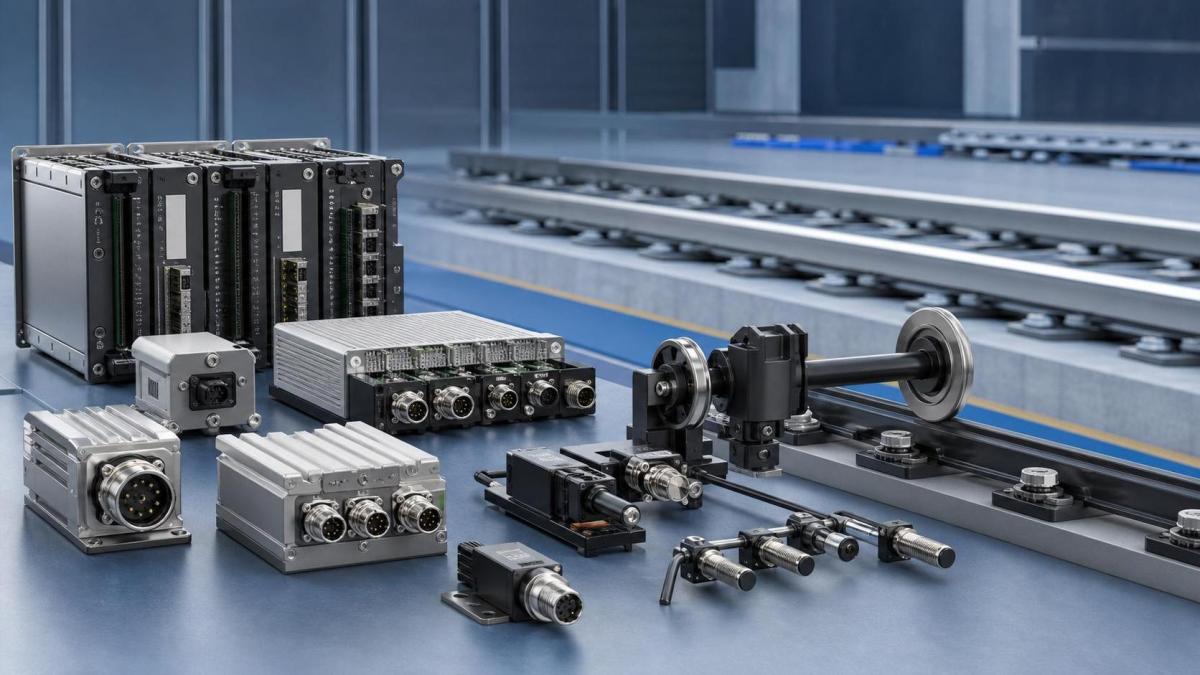
Understanding railway safety equipment price is essential for procurement teams balancing compliance, lifecycle performance, and budget control.
From signal control modules to braking safety components, costs depend on certification, material standards, system fit, and supplier reliability.
In practice, the railway safety equipment price is rarely just a catalog number.
It reflects safety obligations, maintenance exposure, downtime risk, and long approval cycles.
That is why cost-focused buying can become expensive later.
This guide explains what moves pricing, where hidden costs appear, and how to compare offers more accurately.
What Falls Under Railway Safety Equipment Price
The term covers more than visible hardware.
It usually includes core components, embedded software, approvals, documentation, testing support, and after-sales obligations.
For rail projects, common categories include:
- signal control modules and interlocking interfaces
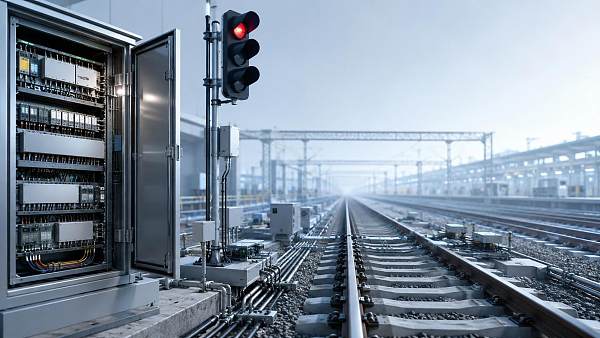
- train detection, axle counters, and relay assemblies
- emergency braking sensors and control units
- trackside warning devices and communication links
- power isolation, monitoring, and fail-safe accessories
When a supplier quotes a low railway safety equipment price, check what is excluded.
Missing factory tests, limited firmware support, or paid integration services can distort the comparison.
The Main Cost Drivers Behind Railway Safety Equipment Price
1. Safety certification level
Certification is one of the biggest price drivers.
Equipment designed for SIL4 applications costs more than lower-risk assemblies.
The premium covers design redundancy, validation, traceability, and audit-ready records.
2. Material and environmental requirements
Outdoor rail systems face vibration, heat, moisture, dust, and electrical interference.
Higher-grade housings, fire-resistant materials, and corrosion protection push railway safety equipment price upward.
This is especially visible in coastal routes, tunnels, and high-speed corridors.
3. Compatibility with existing systems
A cheaper unit can become costly if it does not integrate cleanly.
Legacy signaling, mixed fleets, and regional standards often require custom interfaces or software adaptation.
Those engineering hours are often hidden outside the initial product quote.
4. Production scale and lead time
Small batches typically carry a higher railway safety equipment price.
Urgent delivery also adds cost through expedited sourcing, overtime production, and priority testing slots.
From recent market shifts, long-lead electronic components remain a real budget pressure.
5. Supplier support model
Some suppliers offer a low purchase price but weak technical support.
Others include commissioning guidance, spare strategy, training, and faster failure analysis.
A higher railway safety equipment price may reduce lifecycle disruption.
Where Budget Risks Usually Hide
The obvious quote is only part of the spend.
The bigger risks usually appear during installation, certification, and operation.
- Interface redesign after order placement
- Extra site testing due to incomplete documentation
- Software license renewals not disclosed early
- Obsolete spare parts within a short support window
- Project delays caused by re-approval or failed audits
These issues can change the effective railway safety equipment price far more than a small unit discount.
This also means procurement needs a wider lens than price-per-piece.
How to Compare Supplier Quotes More Realistically
A structured quote comparison helps expose false savings.
Use the same technical baseline for every vendor.
Then review the railway safety equipment price across five cost layers.
This method turns railway safety equipment price into a decision framework, not just a negotiation point.
Practical Questions to Ask Before Buying
Strong sourcing decisions often come from better questions.
Before accepting any railway safety equipment price, ask for clear answers on the following points:
- Which standards and safety levels does the product meet?
- What is included in the quoted scope, exactly?
- How long are critical components supported?
- What interfaces have already been proven in similar projects?
- Are software updates, licenses, and cybersecurity patches chargeable?
- What are the failure response times and spare stock commitments?
These answers often reveal whether a lower railway safety equipment price is actually sustainable.
When a Higher Price Is the Better Commercial Choice
Not every premium is justified, but some are commercially rational.
A higher railway safety equipment price can make sense when failure consequences are severe.
That includes dense passenger routes, automated systems, harsh environments, and networks with limited maintenance windows.
It also matters when supplier credibility affects tender scoring or project financing confidence.
In those cases, reliability and documentation quality protect both operations and budget.
A Smarter Way to Control Railway Safety Equipment Price
The most effective strategy is early cost visibility.
Define compliance requirements, interface conditions, support expectations, and lifecycle assumptions before RFQ release.
Then evaluate railway safety equipment price against operational risk, not in isolation.
For complex rail projects, the best buying outcome usually comes from fewer surprises, not the lowest opening quote.
A disciplined review process helps reduce hidden costs, shorten approval cycles, and improve long-term asset value.
Use that approach to turn railway safety equipment price into a controlled investment decision, backed by evidence and usable commercial logic.
Recommended News
 Sep 29, 2026What drives traction systems price differences between rail projects?Traction systems price differences explained: compare duty cycles, voltage compatibility, integration, localization, and lifecycle costs for smarter rail procurement.
 Sep 26, 2026What to assess before selecting an electric traction system manufacturerChoose an electric traction system manufacturer with confidence. Explore key criteria for performance, reliability, safety, integration, energy efficiency, and lifecycle support.
 Sep 25, 2026When do full digitalization systems justify the investment?Full digitalization systems: discover when rail and maritime operators can turn connected data into safer operations, higher availability, and measurable ROI.
 Sep 23, 2026What drives automatic train control systems cost on rail projects?Automatic train control systems cost depends on integration, migration, safety testing, communications, and lifecycle support. Explore the key budget drivers for rail projects.
 Sep 21, 2026How to assess an ocean going vessel builder’s delivery riskAssess an ocean going vessel builder’s delivery risk with proven checks for schedules, capacity, design maturity, critical equipment, quality, and project controls.
 Sep 20, 2026What drives rail safety technology costs over a project lifecycle?Rail safety technology cost goes beyond equipment—explore lifecycle drivers from integration and safety assurance to cybersecurity, commissioning, and obsolescence.
 Sep 16, 2026What to verify before choosing an advanced ocean-going vessels supplierAdvanced ocean-going vessels supplier checklist: verify design authority, build quality, digital systems, delivery reliability, and lifecycle support before you buy.
 Sep 15, 2026What rail safety technology best reduces level-crossing risks in Southeast Asia?Rail safety technology Southeast Asia: discover how fail-safe signalling, barriers, obstacle detection and remote monitoring reduce level-crossing risks.
 Sep 14, 2026How exporters can reduce customs delays in global trade logisticsGlobal trade logistics for exporters: reduce customs delays with accurate data, clearance-ready documents, early filing, and proactive exception management.
 Sep 13, 2026When do global transportation network systems reduce delivery delays?Global transportation network systems reduce delivery delays by improving rail-port-vessel coordination, real-time visibility, and proactive decisions across complex land-sea supply chains.
 Sep 09, 2026When should you choose a rail and maritime manufacturer with dual-sector capability?Rail and maritime manufacturer guide: learn when dual-sector capability reduces integration risk, improves lifecycle support, and strengthens rail-to-port operations.
 Sep 08, 2026What to verify before selecting a railway signalling equipment supplierRailway signalling equipment supplier checklist: verify safety evidence, integration, cybersecurity, delivery capability, and lifecycle support before award.
 Sep 07, 2026How to size a traction power transformer for railway load demandTraction power transformer sizing guide: model railway load demand, peak duty, voltage regulation, harmonics, and contingency capacity for reliable service.
 Sep 07, 2026How do customization options for industrial connectors affect lead times?Customization options for industrial connectors can impact lead times, cost, and compliance. Learn how to specify smarter for rail and marine projects.
 Sep 05, 2026What information should an industrial sourcing guide include?Industrial sourcing information procurement guide: evaluate suppliers, compliance, lifecycle costs, interfaces, and lead times for smarter rail and maritime purchasing decisions.
 Sep 01, 2026How to find reliable maritime tender information before biddingMaritime tender information: learn how to verify sources, define bid-ready scopes, check qualifications, and reduce risk before submitting competitive marine bids.
 Aug 30, 2026How to select railway automation equipment for depots with phased upgradesRailway automation equipment for depots: learn how to plan phased upgrades that improve safety, throughput, integration, and lifecycle control.
 Aug 27, 2026How industrial sourcing intelligence pricing data supports budget approvalIndustrial sourcing intelligence pricing data helps teams benchmark scope, assess supplier risk, and build defensible budget approvals for complex rail and maritime assets.
 Aug 26, 2026When does a marine fuel efficiency solution make financial sense in the Middle East?Marine fuel efficiency solution Middle East: learn when retrofit savings, compliance value, and vessel data align to deliver credible ROI and smarter shipping investment decisions.
 Aug 24, 2026When does maritime automation for tankers deliver a real payback?Maritime automation for tankers delivers real payback when it cuts fuel use, reduces cargo risk, and improves uptime. See how owners can time investment for stronger ROI.
 Aug 23, 2026When do maritime logistics systems in the Middle East justify the costMaritime logistics systems Middle East: discover when rising delays, manual coordination, and poor visibility make system investment the smarter move for regional operators.
 Aug 22, 2026What drives vessel navigation system price for commercial fleetsVessel navigation system price depends on integration, compliance, automation, and support—not just hardware. Learn what drives fleet costs and compare quotes with confidence.
 Aug 21, 2026How to assess shipbuilding maritime tenders before biddingShipbuilding maritime tenders require more than price checks. Learn how to assess technical scope, compliance, supply chain, and commercial risk before bidding with confidence.
 Aug 20, 2026When does working with an ocean-going vessels distributor reduce supply risk?Ocean-going vessels distributor: learn when this partner cuts supply risk through stronger compliance, faster response, and better sourcing resilience in complex maritime procurement.