



Search News
Industry Portal
Popular Tags
What Intercontinental Operations Mean for Cost Control and Delivery Reliability
Author
Time
Click Count
Why Intercontinental Operations Now Shape Procurement Outcomes
For business evaluators, understanding what intercontinental operations mean for cost control and delivery reliability is no longer optional.
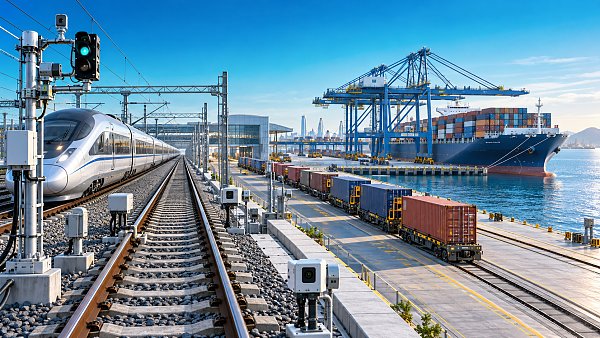
It is the basis for judging whether a supplier can support stable performance across oceans, rail corridors, and cross-border delivery networks.
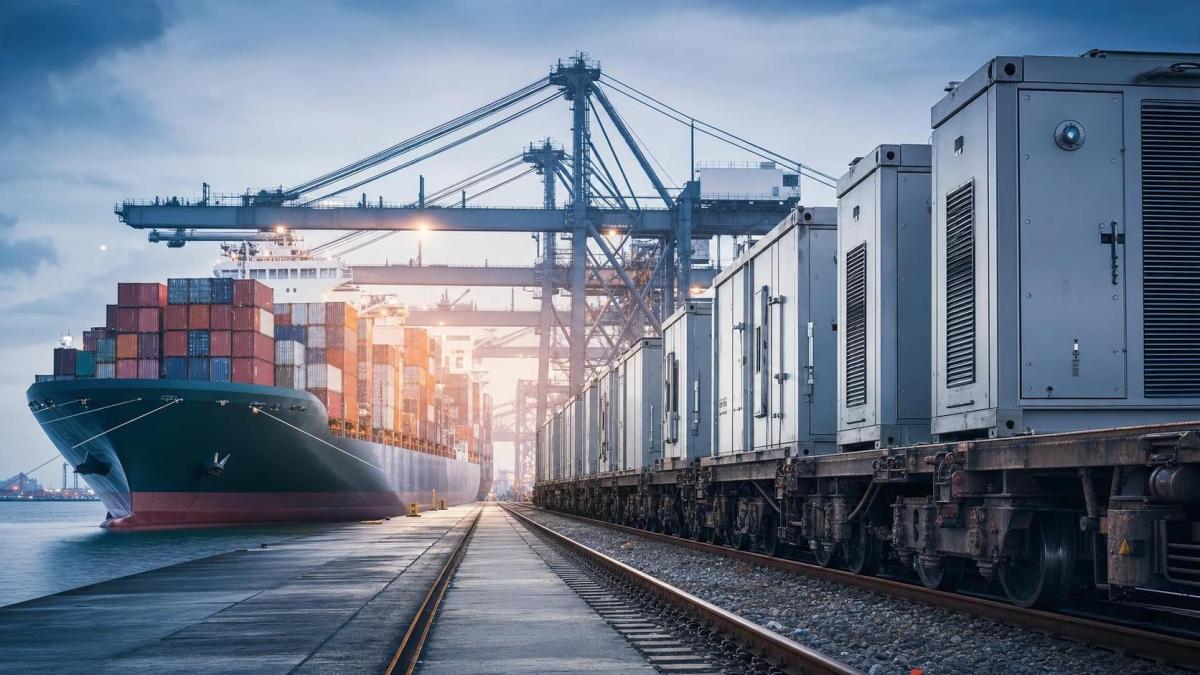
A component may look competitive on unit price, yet fail on transit delays, compliance gaps, or maintenance complexity.
That is where intercontinental operations become a practical decision framework, not a broad logistics phrase.
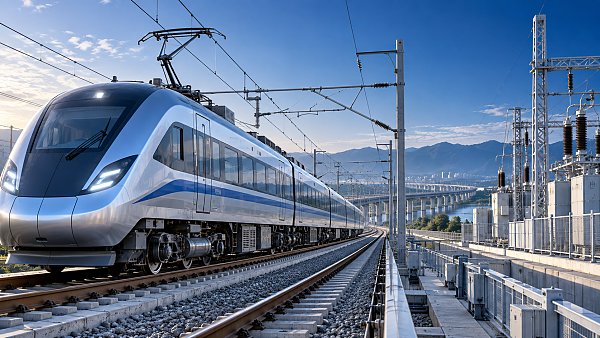
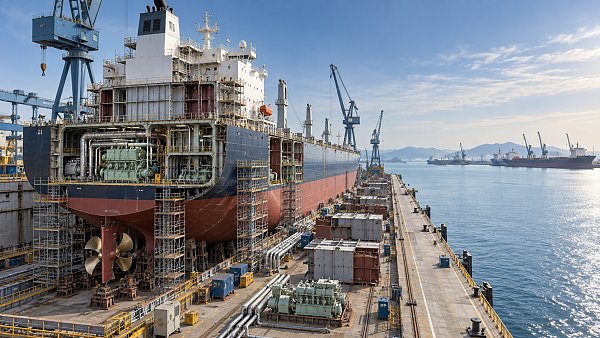
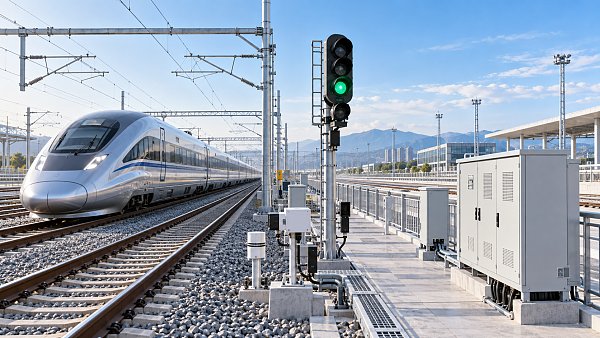
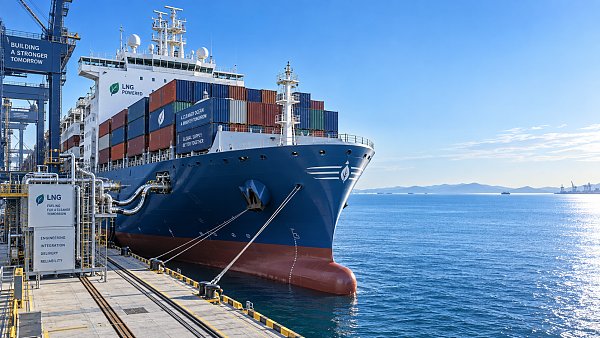
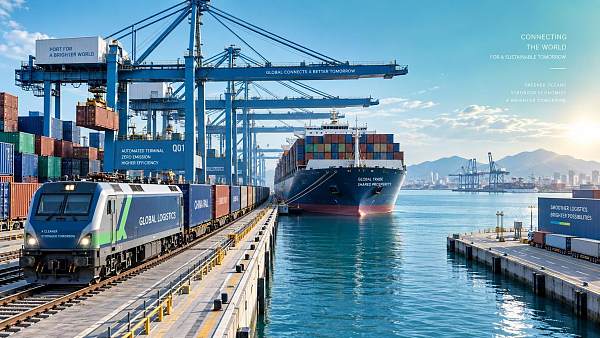
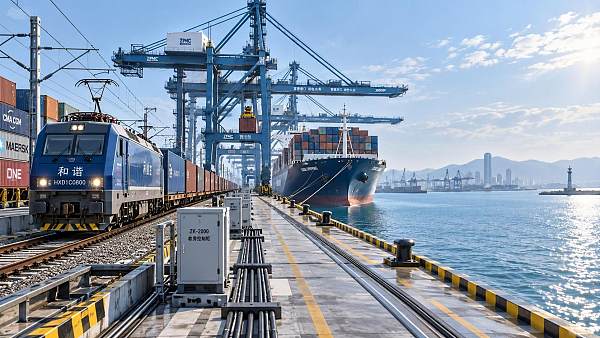
In rail signalling, traction power, braking systems, smart container ships, and LNG carriers, timing and reliability are tightly linked.
A late shipment can delay commissioning.
An underperforming subsystem can increase fuel burn, maintenance cycles, or safety risk.
More importantly, fragmented transport planning usually creates hidden costs that procurement teams only discover after contract award.
From recent market shifts, a clearer signal is emerging.
The winners are not always the lowest bidders.
They are the suppliers that understand intercontinental operations as a system of synchronized engineering, shipping, data, and lifecycle support.
What Intercontinental Operations Mean in Cost Control Terms
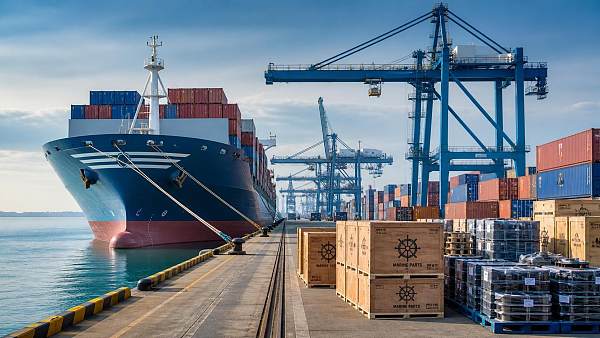
At a procurement level, intercontinental operations mean coordinating equipment flow, technical standards, and service readiness across long distances.
The cost question is not only purchase price.
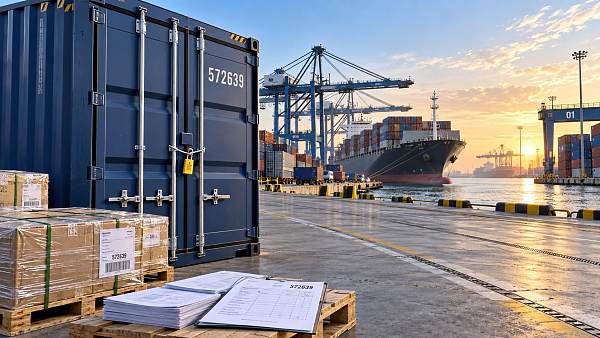
It includes freight volatility, inventory buffering, customs timing, spare parts strategy, and downtime exposure.
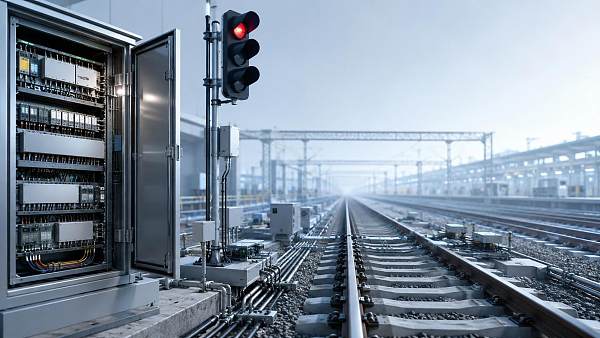
For example, a railway signal control system built to SIL4 expectations requires more than technical certification.
It needs predictable documentation flow, interface compatibility, and reliable delivery of replacement modules.
If any one element slips, project overhead rises quickly.
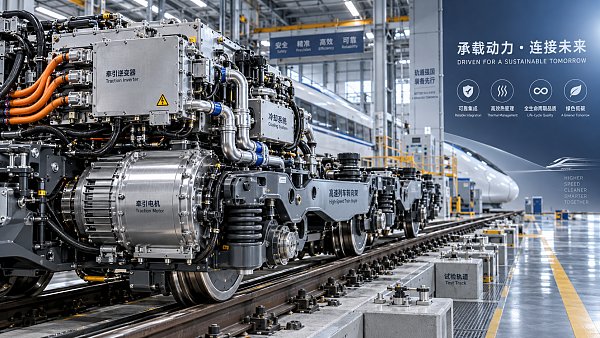
The same applies to pantographs operating above 350 km/h.
Stable power collection depends on material precision, vibration resistance, and maintenance intervals that align with operating realities.
When intercontinental operations are weak, operators often pay in three ways.
- Higher logistics premiums during schedule disruptions.
- More safety stock because lead times are uncertain.
- More field intervention because support teams are not synchronized.
This also means intercontinental operations should be assessed as a total landed cost issue.
A lower-cost supplier with unstable cross-border execution can become the higher-cost option within a single project cycle.
Why Delivery Reliability Depends on Engineering and Logistics Together
Delivery reliability in intercontinental operations is rarely a transport-only problem.
In real projects, failure usually begins earlier, during specification alignment, manufacturing planning, or approval sequencing.
That is why integrated intelligence matters.
GTOT focuses on the technical assets that support land-sea continuity.
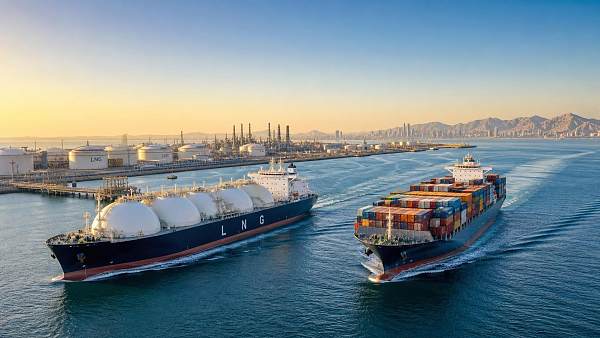
These include signalling systems, braking systems, smart container ships, and LNG carriers with strict operational demands.
Each category shows the same pattern.
Reliable delivery comes from matching technical design with route conditions, spare parts planning, and support response.
Take rail transit braking systems.
Their value is not only in stopping precision.
Their value also lies in predictable wear behavior, thermal fade performance, and field service readiness.
Now consider smart container ships.
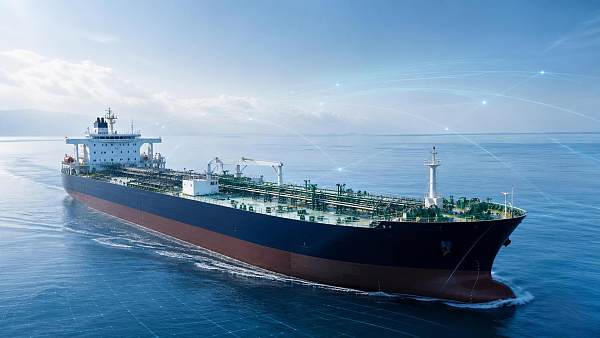
AI route optimization can improve schedule confidence, but only if port coordination, data visibility, and maintenance planning are integrated.
For LNG carriers, membrane containment integrity and dual-fuel propulsion add another layer of complexity.
Here, intercontinental operations directly affect uptime, safety compliance, and voyage economics.
Key Cost Drivers Procurement Teams Should Check First
When evaluating intercontinental operations, it helps to look at the cost stack in a practical order.
This reduces the chance of missing a hidden exposure behind an attractive quote.
- Lead time stability. Ask how often promised dates change after technical review.
- Certification readiness. Confirm whether standards, test files, and export documents are complete.
- Route resilience. Check how shipments are protected against port congestion or geopolitical disruptions.
- Lifecycle service. Review spare parts positioning, remote diagnostics, and response commitments.
- System compatibility. Ensure interfaces match rolling stock, terminal systems, or vessel architecture.
A simple way to compare suppliers is to score these factors against cost impact and schedule impact.
That creates a more realistic view of intercontinental operations performance.
It also makes internal approval easier, because the decision can be linked to measurable business risk.
How GTOT Intelligence Supports Better Intercontinental Operations Decisions
This is where sector intelligence becomes commercially useful.
GTOT tracks the five pillars behind intercontinental operations and connects them to purchasing reality.
Its value is not only in reporting market headlines.
It helps interpret how railway investment cycles, shipbuilding demand, and technical evolution reshape procurement risk.
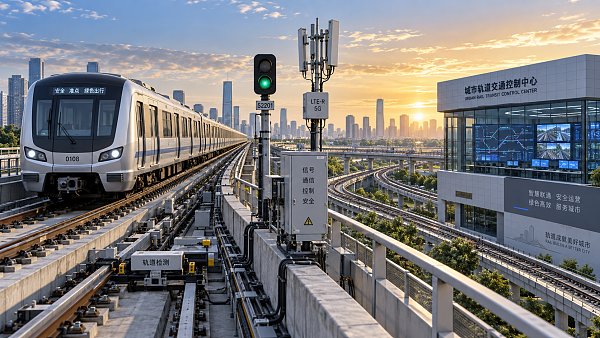
For example, LTE-M adoption in rail transit may influence diagnostics, maintenance timing, and asset visibility.
Composite brake pad thermal fade performance may alter maintenance cost assumptions.
Stress analysis of LNG membrane containment systems may affect vessel durability and long-haul service confidence.
These are not abstract engineering topics.
They directly shape the economics of intercontinental operations.
More importantly, intelligence helps identify where demand is tightening.
When smart vessel capacity becomes constrained, or rail component tenders become more restricted, early visibility improves negotiation timing.
That can protect both price and delivery reliability.
A Practical Evaluation Framework for Supplier Selection
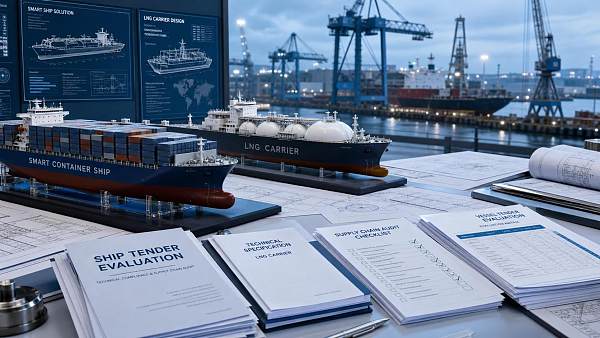
In actual procurement work, the most useful approach is a short decision framework.
It should test whether a supplier can sustain intercontinental operations under pressure, not just in normal conditions.
- Ask for evidence of on-time delivery across multiple regions.
- Check whether engineering, logistics, and service teams share one execution plan.
- Review how the supplier handles specification changes during transit or installation.
- Confirm digital visibility for shipment milestones and asset condition.
- Test response plans for disruption, including spare parts and route substitution.
This framework works especially well for high-value components and transport assets with long operating lives.
It shifts the conversation away from headline price and toward execution certainty.
That shift matters because intercontinental operations are now exposed to more volatility than many procurement models assumed a few years ago.
The more complex the equipment, the more valuable a structured risk screen becomes.
Final Takeaway for Cost and Reliability Planning
What intercontinental operations mean, in simple terms, is this.
They determine whether a procurement decision performs well after the contract is signed.
They affect cost control through logistics stability, technical fit, service readiness, and lifecycle predictability.
They affect delivery reliability by linking engineering discipline with route execution and support capacity.
For rail systems, smart container ships, and LNG carriers, that connection is now central to commercial competitiveness.
The practical next step is clear.
Evaluate intercontinental operations as a full-value capability, not a background logistics function.
When that lens is applied early, purchasing decisions become more resilient, more defensible, and more profitable over time.
Recommended News
 Sep 29, 2026What drives traction systems price differences between rail projects?Traction systems price differences explained: compare duty cycles, voltage compatibility, integration, localization, and lifecycle costs for smarter rail procurement.
 Sep 26, 2026What to assess before selecting an electric traction system manufacturerChoose an electric traction system manufacturer with confidence. Explore key criteria for performance, reliability, safety, integration, energy efficiency, and lifecycle support.
 Sep 25, 2026When do full digitalization systems justify the investment?Full digitalization systems: discover when rail and maritime operators can turn connected data into safer operations, higher availability, and measurable ROI.
 Sep 23, 2026What drives automatic train control systems cost on rail projects?Automatic train control systems cost depends on integration, migration, safety testing, communications, and lifecycle support. Explore the key budget drivers for rail projects.
 Sep 21, 2026How to assess an ocean going vessel builder’s delivery riskAssess an ocean going vessel builder’s delivery risk with proven checks for schedules, capacity, design maturity, critical equipment, quality, and project controls.
 Sep 20, 2026What drives rail safety technology costs over a project lifecycle?Rail safety technology cost goes beyond equipment—explore lifecycle drivers from integration and safety assurance to cybersecurity, commissioning, and obsolescence.
 Sep 16, 2026What to verify before choosing an advanced ocean-going vessels supplierAdvanced ocean-going vessels supplier checklist: verify design authority, build quality, digital systems, delivery reliability, and lifecycle support before you buy.
 Sep 15, 2026What rail safety technology best reduces level-crossing risks in Southeast Asia?Rail safety technology Southeast Asia: discover how fail-safe signalling, barriers, obstacle detection and remote monitoring reduce level-crossing risks.
 Sep 14, 2026How exporters can reduce customs delays in global trade logisticsGlobal trade logistics for exporters: reduce customs delays with accurate data, clearance-ready documents, early filing, and proactive exception management.
 Sep 13, 2026When do global transportation network systems reduce delivery delays?Global transportation network systems reduce delivery delays by improving rail-port-vessel coordination, real-time visibility, and proactive decisions across complex land-sea supply chains.
 Sep 09, 2026When should you choose a rail and maritime manufacturer with dual-sector capability?Rail and maritime manufacturer guide: learn when dual-sector capability reduces integration risk, improves lifecycle support, and strengthens rail-to-port operations.
 Sep 08, 2026What to verify before selecting a railway signalling equipment supplierRailway signalling equipment supplier checklist: verify safety evidence, integration, cybersecurity, delivery capability, and lifecycle support before award.
 Sep 07, 2026How to size a traction power transformer for railway load demandTraction power transformer sizing guide: model railway load demand, peak duty, voltage regulation, harmonics, and contingency capacity for reliable service.
 Sep 07, 2026How do customization options for industrial connectors affect lead times?Customization options for industrial connectors can impact lead times, cost, and compliance. Learn how to specify smarter for rail and marine projects.
 Sep 05, 2026What information should an industrial sourcing guide include?Industrial sourcing information procurement guide: evaluate suppliers, compliance, lifecycle costs, interfaces, and lead times for smarter rail and maritime purchasing decisions.
 Sep 01, 2026How to find reliable maritime tender information before biddingMaritime tender information: learn how to verify sources, define bid-ready scopes, check qualifications, and reduce risk before submitting competitive marine bids.
 Aug 30, 2026How to select railway automation equipment for depots with phased upgradesRailway automation equipment for depots: learn how to plan phased upgrades that improve safety, throughput, integration, and lifecycle control.
 Aug 27, 2026How industrial sourcing intelligence pricing data supports budget approvalIndustrial sourcing intelligence pricing data helps teams benchmark scope, assess supplier risk, and build defensible budget approvals for complex rail and maritime assets.
 Aug 26, 2026When does a marine fuel efficiency solution make financial sense in the Middle East?Marine fuel efficiency solution Middle East: learn when retrofit savings, compliance value, and vessel data align to deliver credible ROI and smarter shipping investment decisions.
 Aug 24, 2026When does maritime automation for tankers deliver a real payback?Maritime automation for tankers delivers real payback when it cuts fuel use, reduces cargo risk, and improves uptime. See how owners can time investment for stronger ROI.
 Aug 23, 2026When do maritime logistics systems in the Middle East justify the costMaritime logistics systems Middle East: discover when rising delays, manual coordination, and poor visibility make system investment the smarter move for regional operators.
 Aug 22, 2026What drives vessel navigation system price for commercial fleetsVessel navigation system price depends on integration, compliance, automation, and support—not just hardware. Learn what drives fleet costs and compare quotes with confidence.
 Aug 21, 2026How to assess shipbuilding maritime tenders before biddingShipbuilding maritime tenders require more than price checks. Learn how to assess technical scope, compliance, supply chain, and commercial risk before bidding with confidence.
 Aug 20, 2026When does working with an ocean-going vessels distributor reduce supply risk?Ocean-going vessels distributor: learn when this partner cuts supply risk through stronger compliance, faster response, and better sourcing resilience in complex maritime procurement.