



Search News
Industry Portal
Popular Tags
What Drives Maritime Logistics Cost in Bulk Shipping Operations?
Author
Time
Click Count
What Drives Maritime Logistics Cost in Bulk Shipping Operations?
When people first look into maritime logistics cost, they often focus on the freight rate and stop there. That is only part of the picture. In bulk shipping, the real cost is shaped by how well a vessel is utilized, how fast cargo moves through port, how much fuel the voyage burns, how route choices affect time at sea, and how many delays or inefficiencies are hidden in daily operations. If you are researching bulk shipping performance, this is the level that actually explains why two seemingly similar voyages can produce very different transport economics.
That matters because bulk shipping is a thin-margin business. A small change in waiting time, fuel consumption, loading speed, or charter terms can move the final cost more than many non-specialists expect. For researchers, buyers, operators, and observers of maritime systems, understanding the drivers behind cost is more useful than memorizing market prices from one moment in time.
Maritime Logistics Cost Starts with the Vessel, Not the Invoice
A good way to think about bulk shipping cost is this: the invoice is the output, but the vessel is the machine producing it. If that machine is underused, delayed, or badly planned, costs rise quickly.
In bulk shipping operations, shipowners and charterers are usually trying to spread fixed and variable costs over as much productive cargo movement as possible. That is why vessel utilization is one of the first things experienced people look at. A ship that spends too much time idle, waiting for berth access, repositioning without cargo, or loading below optimal capacity will carry a higher cost per ton.
This is also where many new researchers make a common mistake. They assume larger ships always reduce unit cost. Sometimes they do, but only when draft limits, berth capacity, cargo parcel size, and port equipment allow that scale to work efficiently. A larger bulk carrier calling at a constrained port can end up losing its expected advantage if it faces slower discharge or partial loading.
In other words, scale helps when the full chain supports it. It does not help much when the bottleneck sits onshore.
The Biggest Cost Drivers Usually Sit in Five Areas
If you need a short answer, here it is: maritime logistics cost in bulk shipping is mainly driven by vessel utilization, fuel expense, port time, cargo handling performance, and route-related risk. Everything else tends to feed into those five areas.
Let’s unpack that in a practical way.
1. Fuel and energy consumption
Bunker cost is one of the most visible cost drivers in ocean transport. Bulk carriers consume large volumes of fuel, and even modest shifts in fuel prices can materially affect voyage economics. But price is only half the story. The vessel’s speed, hull condition, engine efficiency, weather routing, and ballast-versus-laden leg planning all influence actual consumption.
A ship running faster to recover lost time may protect a schedule, but it usually pays for that with higher fuel burn. Likewise, poor hull maintenance or inefficient routing can turn a normal voyage into an expensive one without showing up clearly in a high-level cost summary.
For readers doing market research, this is a useful distinction: rising fuel prices raise costs across the market, but poor fuel discipline raises cost at the operator level. One is external pressure; the other is operational performance.
2. Port congestion and waiting time
Ports are where theoretical shipping plans meet real-world friction. Congestion, berth shortages, weather interruptions, labor constraints, customs procedures, and pilot availability can all add days to a voyage cycle. In bulk shipping, that extra time is expensive because the ship is still incurring daily operating or charter costs while not moving cargo productively.
Demurrage is often the visible symptom. The deeper issue is cycle-time inflation. Once loading or discharge falls behind, the vessel’s entire rotation becomes less efficient. This reduces annual earning potential and lifts effective cost per ton.
Researchers sometimes treat congestion as a temporary market anomaly. In practice, some trade lanes and commodity flows live with recurring congestion risk. That makes port reliability a structural cost factor, not just a short-term disruption.
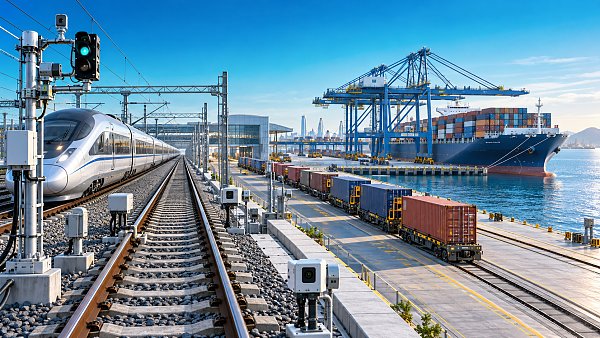
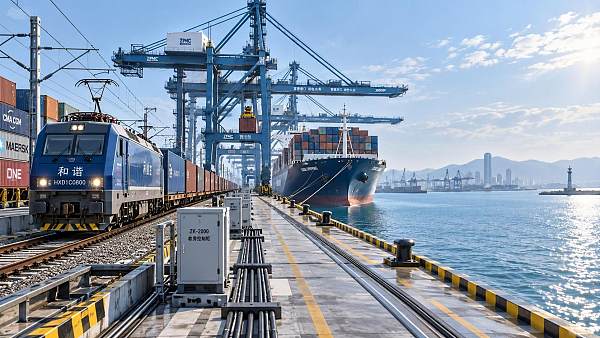
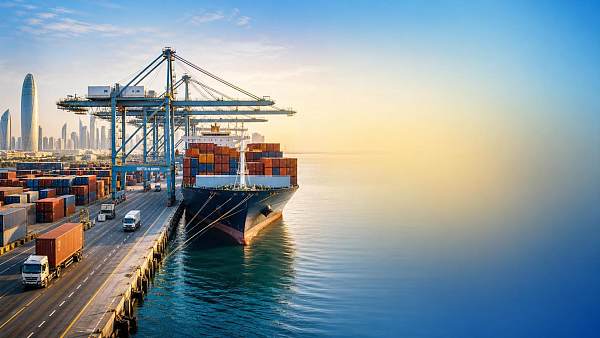
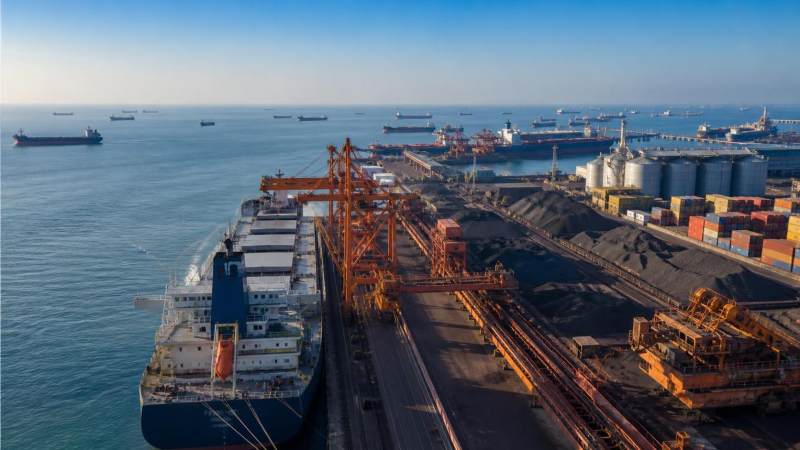
[图片占位符1:繁忙散货港口中散货船等待靠泊、岸桥和装卸设备同时作业的场景,alt="bulk shipping port congestion and maritime logistics cost"]
3. Cargo handling efficiency
Bulk shipping depends heavily on how cargo is loaded, trimmed, stored, sampled, discharged, and documented. Efficient cargo handling reduces turnaround time and lowers the chance of claims, contamination disputes, moisture issues, or cargo imbalance.
This is especially relevant across dry bulk commodities such as iron ore, coal, grain, bauxite, fertilizers, and cementitious materials, where port infrastructure and cargo characteristics vary widely. Some cargoes flow quickly with mature terminal systems. Others are slower, more weather-sensitive, or more documentation-heavy.
People outside the industry often underestimate how much loading and discharge rates matter. A vessel delayed by poor stevedoring or terminal inefficiency may appear to have a freight problem, when in fact it has a handling problem.
4. Voyage routing and network design
Distance still matters, but route economics are more complex than “shorter is cheaper.” Weather exposure, canal fees, piracy-risk routing, traffic density, seasonal draft restrictions, and ballast repositioning all influence the final cost structure.
For example, an operator may choose a route that is slightly longer on paper but more reliable in practice because it reduces waiting risk or avoids high-cost chokepoints. That kind of decision can improve total voyage economics even if the nautical miles increase.
This is one reason smart vessel systems and route optimization tools are getting more attention. Better routing does not remove market volatility, but it can reduce avoidable waste. Platforms that track broader transport intelligence, including vessel technology and port-side efficiency trends, are useful here. GTOT, for example, follows advanced ocean-going vessel development and smart shipping signals in a way that can help researchers connect equipment capability with logistics performance, without turning every discussion into a sales pitch.
5. Charter terms, compliance, and hidden operating friction
Not every cost driver is visible in voyage planning software. Charter party terms, laytime calculation, fuel clauses, insurance requirements, emissions compliance, survey obligations, and local port charges all influence total cost.
Compliance deserves special attention. Environmental and safety requirements can add cost, but ignoring them creates larger risk. The important question is whether the operator has planned for compliance efficiently, not whether compliance exists at all.
Some readers look for a single benchmark number for bulk shipping cost. That is usually the wrong approach. A cost figure without trade lane, cargo type, vessel class, fuel basis, and port assumptions tells you very little.
Why Bulk Shipping Cost Can Swing Even When Freight Markets Look Stable
One of the more confusing things for non-specialists is that maritime logistics cost can rise even when the market headline seems calm. That happens because the freight market is only one layer. The operational layer may still be deteriorating.
Take a simple example. Freight rates might hold steady over a short period, but if bunker prices rise, weather deviations increase, and discharge ports become congested, the all-in transport cost still moves upward. The market price did not tell the full story.
This is why experienced analysts separate market-driven cost from execution-driven cost. Market-driven cost comes from external conditions such as fuel prices, seasonal commodity demand, and vessel supply. Execution-driven cost comes from scheduling, maintenance, cargo handling discipline, terminal coordination, and digital visibility.
That distinction helps when evaluating operators, assets, or logistics strategies. It is also useful when comparing conventional shipping operations with more digitally enabled ones.
Common Misreadings of Maritime Logistics Cost
A few patterns come up again and again in research and procurement discussions.
- Assuming the lowest freight quote means the lowest total cost. It may hide poor schedule reliability, slow port operations, or extra charges.
- Treating port charges as minor. On some routes, delays and local fees can materially change the economics.
- Ignoring ballast legs. Empty repositioning is part of bulk shipping reality and can heavily affect cost allocation.
- Overvaluing vessel size without checking port fit. Bigger is not automatically cheaper if infrastructure limits productivity.
- Looking at one voyage in isolation. Bulk shipping cost often makes more sense at the rotation or fleet level.
These are not technical footnotes. They are often the reason a desk-based estimate looks neat while the actual operation underperforms.
What Information Researchers Should Check First
If your goal is basic understanding rather than day-to-day operations, start with a few grounded questions:
- What commodity is being shipped, and how sensitive is it to weather, handling speed, or contamination risk?
- What vessel class is involved, and does it match the loading and discharge infrastructure?
- Which ports are in the chain, and are they known for congestion or draft constraints?
- How exposed is the voyage to fuel volatility, canal fees, or route disruption?
- Where are delays most likely to occur: at sea, at anchorage, at berth, or in cargo documentation?
That small set of questions usually gives a clearer picture than chasing a generic “average bulk shipping cost” figure.
For readers who track shipping from a wider industrial perspective, it also helps to watch the technology side. Smarter vessels, better terminal integration, and improved route intelligence do not eliminate cost pressure, but they do change who manages it better. That is where specialist intelligence portals can add value. GTOT’s coverage of smart container ships, LNG carriers, and broader transport infrastructure is more relevant here as a research input than as a direct operating solution: it helps connect equipment trends, digitalization, and commercial logic across the land-sea supply chain.
The Direction of Change
Bulk shipping is not becoming simpler. Operators are dealing with tougher efficiency expectations, decarbonization pressure, higher visibility demands from cargo interests, and more scrutiny around asset performance. That means future maritime logistics cost will depend not only on fuel and freight, but also on how intelligently the whole voyage system is managed.
For someone trying to understand the basics, the main takeaway is straightforward: maritime logistics cost in bulk shipping is a systems question. If you only watch freight rates, you will miss the operational drivers that often decide the real result. If you watch vessel use, port time, handling quality, routing discipline, and compliance friction together, the economics start to make sense.
FAQ
Is freight rate the same as maritime logistics cost?
No. Freight rate is one pricing component. Maritime logistics cost also includes fuel exposure, port time, cargo handling efficiency, delays, compliance, and other voyage-related expenses.
What usually has the fastest impact on bulk shipping cost?
Port delays and fuel changes tend to affect cost quickly. A vessel waiting at anchorage or burning more fuel than planned can alter voyage economics in a short time.
Do larger bulk carriers always reduce cost per ton?
No. They help when ports, cargo volumes, and draft conditions support efficient use. If the infrastructure is constrained, the expected savings may disappear.
Why can two similar voyages have different costs?
Because similarity on paper does not mean similarity in execution. Weather, berth availability, loading speed, route choice, and charter terms can all differ.
Is digital optimization enough to lower maritime logistics cost?
It helps, especially in routing, visibility, and planning, but it cannot fully offset poor port infrastructure, weak operational discipline, or unfavorable market conditions.
Image Placeholder List
- Image Placeholder 1: Best placed in the section discussing port congestion and waiting time. Content: a busy bulk terminal with vessels at anchorage or berth, visible loading/discharge equipment, and signs of operational delay. Alt: "bulk shipping port congestion and maritime logistics cost"
Internal Link Anchor Text Suggestions
- Smart vessel route optimization: link to a page about ship digitalization or voyage efficiency
- Bulk carrier operational efficiency: link to a page about vessel performance analysis
- Port congestion and turnaround time: link to a page about port operations or terminal bottlenecks
- LNG carrier technology trends: link to a page about advanced ocean-going vessel systems
- Ocean freight market intelligence: link to a page about shipping market research or sector insights
External Authority Source Suggestions
- International maritime organization and regulatory guidance pages
- Port authority operational reports and berth performance data
- Shipping industry association reports or shipbroker market research publications
Recommended News
 Sep 29, 2026What drives traction systems price differences between rail projects?Traction systems price differences explained: compare duty cycles, voltage compatibility, integration, localization, and lifecycle costs for smarter rail procurement.
 Sep 26, 2026What to assess before selecting an electric traction system manufacturerChoose an electric traction system manufacturer with confidence. Explore key criteria for performance, reliability, safety, integration, energy efficiency, and lifecycle support.
 Sep 25, 2026When do full digitalization systems justify the investment?Full digitalization systems: discover when rail and maritime operators can turn connected data into safer operations, higher availability, and measurable ROI.
 Sep 23, 2026What drives automatic train control systems cost on rail projects?Automatic train control systems cost depends on integration, migration, safety testing, communications, and lifecycle support. Explore the key budget drivers for rail projects.
 Sep 21, 2026How to assess an ocean going vessel builder’s delivery riskAssess an ocean going vessel builder’s delivery risk with proven checks for schedules, capacity, design maturity, critical equipment, quality, and project controls.
 Sep 20, 2026What drives rail safety technology costs over a project lifecycle?Rail safety technology cost goes beyond equipment—explore lifecycle drivers from integration and safety assurance to cybersecurity, commissioning, and obsolescence.
 Sep 16, 2026What to verify before choosing an advanced ocean-going vessels supplierAdvanced ocean-going vessels supplier checklist: verify design authority, build quality, digital systems, delivery reliability, and lifecycle support before you buy.
 Sep 15, 2026What rail safety technology best reduces level-crossing risks in Southeast Asia?Rail safety technology Southeast Asia: discover how fail-safe signalling, barriers, obstacle detection and remote monitoring reduce level-crossing risks.
 Sep 14, 2026How exporters can reduce customs delays in global trade logisticsGlobal trade logistics for exporters: reduce customs delays with accurate data, clearance-ready documents, early filing, and proactive exception management.
 Sep 13, 2026When do global transportation network systems reduce delivery delays?Global transportation network systems reduce delivery delays by improving rail-port-vessel coordination, real-time visibility, and proactive decisions across complex land-sea supply chains.
 Sep 09, 2026When should you choose a rail and maritime manufacturer with dual-sector capability?Rail and maritime manufacturer guide: learn when dual-sector capability reduces integration risk, improves lifecycle support, and strengthens rail-to-port operations.
 Sep 08, 2026What to verify before selecting a railway signalling equipment supplierRailway signalling equipment supplier checklist: verify safety evidence, integration, cybersecurity, delivery capability, and lifecycle support before award.
 Sep 07, 2026How to size a traction power transformer for railway load demandTraction power transformer sizing guide: model railway load demand, peak duty, voltage regulation, harmonics, and contingency capacity for reliable service.
 Sep 07, 2026How do customization options for industrial connectors affect lead times?Customization options for industrial connectors can impact lead times, cost, and compliance. Learn how to specify smarter for rail and marine projects.
 Sep 05, 2026What information should an industrial sourcing guide include?Industrial sourcing information procurement guide: evaluate suppliers, compliance, lifecycle costs, interfaces, and lead times for smarter rail and maritime purchasing decisions.
 Sep 01, 2026How to find reliable maritime tender information before biddingMaritime tender information: learn how to verify sources, define bid-ready scopes, check qualifications, and reduce risk before submitting competitive marine bids.
 Aug 30, 2026How to select railway automation equipment for depots with phased upgradesRailway automation equipment for depots: learn how to plan phased upgrades that improve safety, throughput, integration, and lifecycle control.
 Aug 27, 2026How industrial sourcing intelligence pricing data supports budget approvalIndustrial sourcing intelligence pricing data helps teams benchmark scope, assess supplier risk, and build defensible budget approvals for complex rail and maritime assets.
 Aug 26, 2026When does a marine fuel efficiency solution make financial sense in the Middle East?Marine fuel efficiency solution Middle East: learn when retrofit savings, compliance value, and vessel data align to deliver credible ROI and smarter shipping investment decisions.
 Aug 24, 2026When does maritime automation for tankers deliver a real payback?Maritime automation for tankers delivers real payback when it cuts fuel use, reduces cargo risk, and improves uptime. See how owners can time investment for stronger ROI.
 Aug 23, 2026When do maritime logistics systems in the Middle East justify the costMaritime logistics systems Middle East: discover when rising delays, manual coordination, and poor visibility make system investment the smarter move for regional operators.
 Aug 22, 2026What drives vessel navigation system price for commercial fleetsVessel navigation system price depends on integration, compliance, automation, and support—not just hardware. Learn what drives fleet costs and compare quotes with confidence.
 Aug 21, 2026How to assess shipbuilding maritime tenders before biddingShipbuilding maritime tenders require more than price checks. Learn how to assess technical scope, compliance, supply chain, and commercial risk before bidding with confidence.
 Aug 20, 2026When does working with an ocean-going vessels distributor reduce supply risk?Ocean-going vessels distributor: learn when this partner cuts supply risk through stronger compliance, faster response, and better sourcing resilience in complex maritime procurement.