



Search News
Industry Portal
Popular Tags
What drives vessel navigation system price for commercial fleets
Author
Time
Click Count
If you are comparing quotes for a bridge upgrade or a newbuild package, the first thing to know is simple: vessel navigation system price is rarely just the cost of a radar, ECDIS, or autopilot. In commercial fleets, price is driven by how deeply the system must integrate with the vessel, what level of automation is required, which class and flag rules apply, and how much service support you need after delivery. Buyers who treat it as a hardware-only purchase often end up underbudgeting installation time, interface work, crew familiarization, and lifecycle software costs.
A practical way to think about pricing is this: two ships can ask for “the same navigation system” and still receive very different quotations because their operating profile, bridge architecture, and compliance burden are different. That is where most procurement mistakes start.
What really sits behind vessel navigation system price
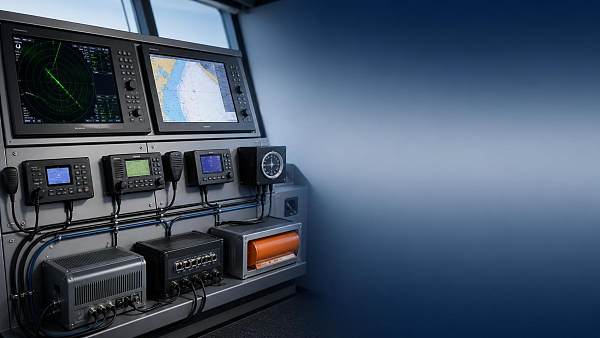
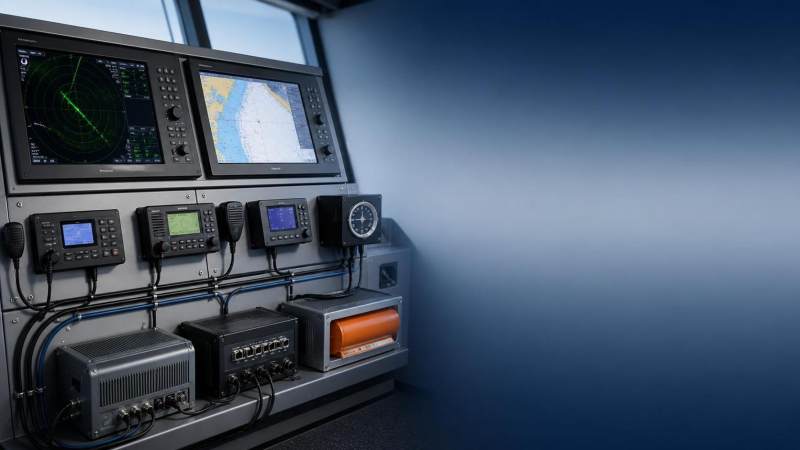
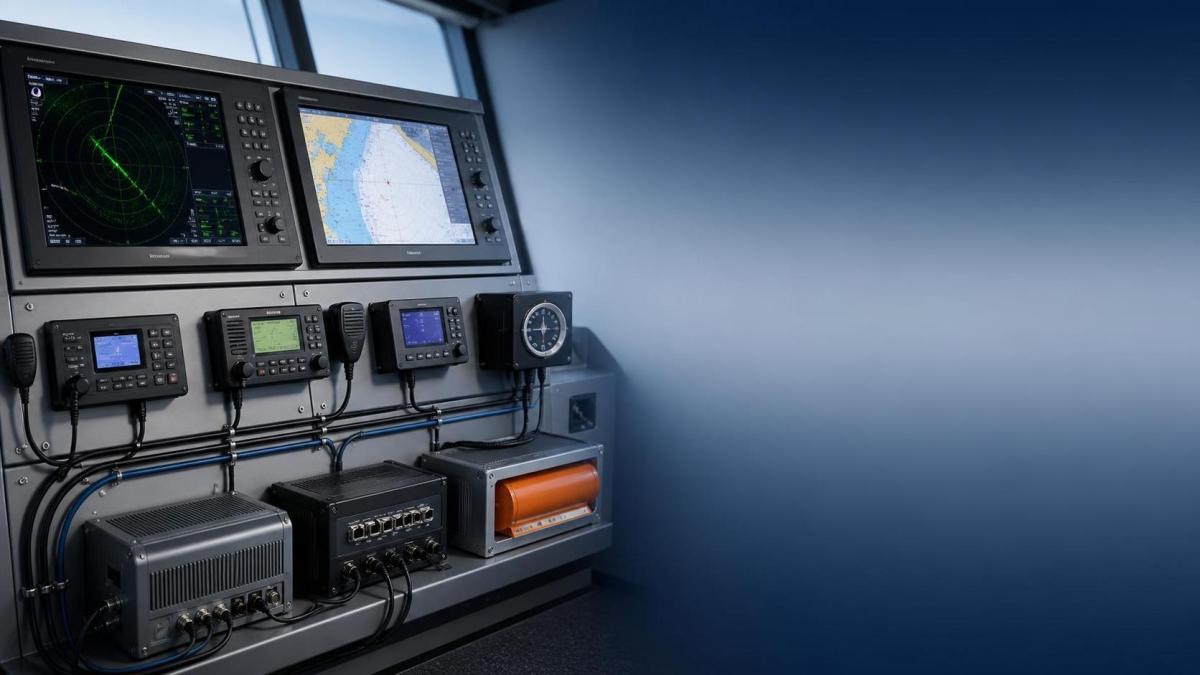
At a basic level, a navigation system package may include radar, ECDIS, GNSS, gyrocompass, speed log, AIS, autopilot, conning display, voyage data interfaces, alert management, and networking hardware. But the quote grows when these pieces stop being standalone equipment and become part of one coordinated bridge environment.
That distinction matters. A coastal workboat replacing one failed unit is a different procurement case from a container vessel standardizing bridge systems across multiple hulls. The first may prioritize fast replacement and class acceptance. The second usually cares more about system commonality, crew familiarity, remote diagnostics, and lower downtime across the fleet.
In short, buyers are not really paying only for boxes. They are paying for usable integration, reliable operation at sea, and fewer expensive surprises after commissioning.
One direct answer, in procurement terms: the biggest drivers of navigation system cost are system scope, integration complexity, compliance requirements, and post-sale support. Hardware matters, but it is often not the largest source of budget variance.
Hardware is visible, but integration is often the bigger cost driver
Many teams naturally focus on line-item equipment prices because those are easy to compare. Radar A costs more than Radar B. ECDIS package X looks cheaper than package Y. The problem is that the lower equipment quote can become the higher project cost once interface engineering begins.
Commercial ships rarely run in a clean, greenfield environment. They carry mixed vintages of sensors, existing bridge layouts, legacy serial protocols, class-approved configurations, and owner preferences built over years. When a supplier has to make new equipment talk reliably to old gyro systems, autopilot loops, VDR inputs, engine data feeds, or shore reporting platforms, engineering hours rise quickly.
That is why retrofit projects often show wider price variation than newbuilds. On paper the equipment list may look similar. In practice, retrofit risk sits in cabling routes, console modifications, power supply changes, protocol converters, FAT/SAT coordination, and the question nobody likes to discover late: what happens if one old subsystem cannot support the required interface standard?
Procurement teams should ask suppliers to separate these layers clearly:
- Core equipment supply
- Network and interface engineering
- Mechanical and bridge console modification
- Installation and commissioning labor
- Class documentation and approval support
- Training, warranty, and software updates
Without that split, quote comparison becomes misleading.
Automation level changes the commercial logic
A basic navigation fit for safe compliance is one thing. A higher-level bridge package designed to reduce workload, improve route optimization, support centralized monitoring, or feed data into fleet performance systems is another.
This is where buyers sometimes mix up “more features” with “better value.” Extra capability only makes commercial sense if the vessel operation can use it. A short-sea operator with stable routes may not get much return from advanced analytics-heavy functions. A large fleet with fuel-efficiency targets, standardized bridge procedures, and shore-side technical oversight often will.
Features that tend to push price upward include integrated bridge system architecture, enhanced decision support, route exchange functions, alert centralization, redundancy design, remote health monitoring, and cybersecurity hardening. None of these are inherently unnecessary. They just need to be matched to the voyage pattern, fleet digitization level, and crewing model.
When buyers skip that internal alignment, they either overbuy sophistication they will not use or underbuy resilience they actually need.
Compliance, class, and flag requirements are not side issues
Another common misunderstanding is to treat compliance as a paperwork layer added after selection. In marine navigation procurement, compliance affects equipment choice from the start.
Type approval status, bridge alert management requirements, redundancy expectations, ECDIS carriage rules, cybersecurity expectations, and class society interpretations can all influence the final package. For LNG carriers, offshore vessels, and high-spec commercial ships, the tolerance for integration shortcuts is especially low. Documentation, testing, approval workflows, and supplier qualification can materially affect both lead time and cost.
This is one reason a quote from a lesser-known vendor may look attractive initially but become difficult later if acceptance, spare support, or service reach is weak in the vessel’s operating regions. Price pressure is real, but so is operational risk.
Where market intelligence helps is not in naming a “cheapest” option. It helps procurement teams see which technical requirements are market standard, which are owner-specific, and which are likely to create hidden cost. That is the kind of decision context buyers often look for from sector intelligence platforms such as GTOT, especially when vessel technology choices need to be understood in the wider pattern of smart shipping investment and operational modernization.
Software, licensing, and support shape the long tail of cost
This part gets underestimated more than it should.
Some suppliers price competitively on hardware and recover margin through software licenses, chart update workflows, service contracts, proprietary diagnostics, or mandatory annual support arrangements. None of that is automatically a bad deal. In many cases, strong support is exactly what a commercial fleet should pay for. The issue is whether the buyer understands the lifetime cost before award.
Ask practical questions:
- Which functions require recurring licenses?
- Are software updates included, limited, or separately billed?
- How are chart services handled across the fleet?
- What is the response time for remote and onboard service?
- Can trained ship staff replace common modules, or is vendor attendance required?
- How long will this product line remain supported?
For fleets operating globally, support footprint matters almost as much as equipment performance. A lower upfront vessel navigation system price can become expensive if a failed component leaves a ship waiting in a port where the supplier has no service capability.
Standardization across the fleet can lower total cost, even if unit price looks higher
Procurement teams are often measured on purchase price, but marine operators live with the system for years. That creates a tension: the cheapest vessel-by-vessel decision may be the most expensive fleet decision.
Standardizing navigation architecture across sister vessels or across a broader fleet can reduce training burden, spare inventory complexity, troubleshooting time, and integration risk for later upgrades. It also makes superintendent oversight easier because alarm behavior, menu logic, and maintenance practice become more predictable.
This does not mean every vessel should have the same package. Vessel type, trade route, and bridge layout still matter. But where operational profiles are similar, standardization usually deserves a financial value in the bid review, not just a technical footnote.
Many experienced buyers therefore compare bids on two levels: acquisition cost per vessel and ownership cost across the fleet lifecycle. That second view often changes the ranking.
Where buyers usually go wrong
The most expensive mistakes are rarely dramatic. They are usually small assumptions left unchecked.
One is assuming that “drop-in replacement” really means no meaningful installation work. Another is approving a technically compliant offer without confirming service coverage in the actual ports the fleet uses. A third is comparing a complete turnkey quote from one supplier against an equipment-only quote from another.
There is also a softer issue: some teams buy heavily on spec-sheet similarity. Two systems may both satisfy baseline carriage requirements, yet differ in usability, alarm logic, interface stability, and future expandability. Bridge officers and technical managers usually feel that difference faster than procurement does. Bringing them into bid review early prevents later friction.
If the purchase is tied to decarbonization, route efficiency, or smart vessel reporting, the navigation package should also be checked against the owner’s wider digital architecture. A navigation system that cannot cleanly share data with performance monitoring or shore systems may limit the value of other investments already planned.
How to evaluate quotes without getting trapped by headline numbers
A useful procurement approach is to ask every bidder to respond to the same commercial and technical template. Not just equipment list and price, but also exclusions, interface responsibility, approval scope, delivery lead time, software terms, commissioning assumptions, and service geography.
Then score offers against the things that actually drive operating value:
- Technical fit for the vessel’s trade and bridge configuration
- Integration risk with existing systems
- Compliance confidence
- Lifecycle support model
- Fleet standardization benefit
- Real total installed cost
This is not about making procurement slow. It is about preventing false savings. In marine electronics, the gap between quoted price and landed operational cost can be wider than buyers expect.
So what should a buyer confirm before asking for final pricing?
Start with five points: vessel type, route profile, current bridge architecture, required class/flag approvals, and owner expectations for data integration. If those are still vague, the supplier can only price with assumptions, and assumptions are where change orders begin.
It also helps to decide internally whether the goal is minimum compliant replacement, operational standardization, smarter voyage support, or a bridge modernization program. Those are different buying cases, and they produce different pricing logic.
When procurement teams understand that, vessel navigation system price becomes easier to judge. The right question is not “Who gave the cheapest quote?” but “Which offer gives the most reliable commercial result for this vessel and this fleet?” That is the question that usually protects budget, uptime, and long-term asset value at the same time.
FAQ
Is there a standard price range for a commercial vessel navigation system?
Not in a reliable way. Price depends heavily on vessel type, package scope, retrofit versus newbuild status, compliance needs, and installation complexity. Any generic number should be treated cautiously and verified against the actual specification.
Why do retrofit quotes vary more than newbuild quotes?
Because retrofit work carries more uncertainty. Existing equipment compatibility, wiring routes, bridge modifications, and downtime planning all affect labor and engineering cost.
Should procurement always choose the supplier with the broadest service network?
Not always, but for globally trading fleets it is a serious advantage. A lower purchase price loses its appeal quickly if service response is weak where your vessels operate.
Does a more integrated bridge always save money over time?
Only when the fleet can use the added functions and maintain them properly. For some operators, extra integration improves efficiency and consistency. For others, it adds cost without enough operational return.
Image Placeholder List
Suggested placement: after the section discussing hardware versus integration cost
Suggested image content: a simplified commercial vessel bridge diagram showing radar, ECDIS, AIS, gyro, autopilot, VDR, and network integration points
Suggested alt text: Commercial vessel navigation system integration points that affect project cost
Internal Link Anchor Text Suggestions
- integrated bridge system procurement guide: guide or advisory page
- smart vessel upgrade cost factors: industry insights page
- marine electronics retrofit planning checklist: practical checklist page
- class approval considerations for ship navigation equipment: compliance topic page
- fleet standardization strategy for bridge systems: operational strategy page
External Authoritative Source Suggestions
- classification society guidance and technical notices
- flag administration or maritime regulator equipment compliance pages
- navigation equipment manufacturer official technical documentation and service manuals
Recommended News
 Sep 29, 2026What drives traction systems price differences between rail projects?Traction systems price differences explained: compare duty cycles, voltage compatibility, integration, localization, and lifecycle costs for smarter rail procurement.
 Sep 26, 2026What to assess before selecting an electric traction system manufacturerChoose an electric traction system manufacturer with confidence. Explore key criteria for performance, reliability, safety, integration, energy efficiency, and lifecycle support.
 Sep 25, 2026When do full digitalization systems justify the investment?Full digitalization systems: discover when rail and maritime operators can turn connected data into safer operations, higher availability, and measurable ROI.
 Sep 23, 2026What drives automatic train control systems cost on rail projects?Automatic train control systems cost depends on integration, migration, safety testing, communications, and lifecycle support. Explore the key budget drivers for rail projects.
 Sep 21, 2026How to assess an ocean going vessel builder’s delivery riskAssess an ocean going vessel builder’s delivery risk with proven checks for schedules, capacity, design maturity, critical equipment, quality, and project controls.
 Sep 20, 2026What drives rail safety technology costs over a project lifecycle?Rail safety technology cost goes beyond equipment—explore lifecycle drivers from integration and safety assurance to cybersecurity, commissioning, and obsolescence.
 Sep 16, 2026What to verify before choosing an advanced ocean-going vessels supplierAdvanced ocean-going vessels supplier checklist: verify design authority, build quality, digital systems, delivery reliability, and lifecycle support before you buy.
 Sep 15, 2026What rail safety technology best reduces level-crossing risks in Southeast Asia?Rail safety technology Southeast Asia: discover how fail-safe signalling, barriers, obstacle detection and remote monitoring reduce level-crossing risks.
 Sep 14, 2026How exporters can reduce customs delays in global trade logisticsGlobal trade logistics for exporters: reduce customs delays with accurate data, clearance-ready documents, early filing, and proactive exception management.
 Sep 13, 2026When do global transportation network systems reduce delivery delays?Global transportation network systems reduce delivery delays by improving rail-port-vessel coordination, real-time visibility, and proactive decisions across complex land-sea supply chains.
 Sep 09, 2026When should you choose a rail and maritime manufacturer with dual-sector capability?Rail and maritime manufacturer guide: learn when dual-sector capability reduces integration risk, improves lifecycle support, and strengthens rail-to-port operations.
 Sep 08, 2026What to verify before selecting a railway signalling equipment supplierRailway signalling equipment supplier checklist: verify safety evidence, integration, cybersecurity, delivery capability, and lifecycle support before award.
 Sep 07, 2026How to size a traction power transformer for railway load demandTraction power transformer sizing guide: model railway load demand, peak duty, voltage regulation, harmonics, and contingency capacity for reliable service.
 Sep 07, 2026How do customization options for industrial connectors affect lead times?Customization options for industrial connectors can impact lead times, cost, and compliance. Learn how to specify smarter for rail and marine projects.
 Sep 05, 2026What information should an industrial sourcing guide include?Industrial sourcing information procurement guide: evaluate suppliers, compliance, lifecycle costs, interfaces, and lead times for smarter rail and maritime purchasing decisions.
 Sep 01, 2026How to find reliable maritime tender information before biddingMaritime tender information: learn how to verify sources, define bid-ready scopes, check qualifications, and reduce risk before submitting competitive marine bids.
 Aug 30, 2026How to select railway automation equipment for depots with phased upgradesRailway automation equipment for depots: learn how to plan phased upgrades that improve safety, throughput, integration, and lifecycle control.
 Aug 27, 2026How industrial sourcing intelligence pricing data supports budget approvalIndustrial sourcing intelligence pricing data helps teams benchmark scope, assess supplier risk, and build defensible budget approvals for complex rail and maritime assets.
 Aug 26, 2026When does a marine fuel efficiency solution make financial sense in the Middle East?Marine fuel efficiency solution Middle East: learn when retrofit savings, compliance value, and vessel data align to deliver credible ROI and smarter shipping investment decisions.
 Aug 24, 2026When does maritime automation for tankers deliver a real payback?Maritime automation for tankers delivers real payback when it cuts fuel use, reduces cargo risk, and improves uptime. See how owners can time investment for stronger ROI.
 Aug 23, 2026When do maritime logistics systems in the Middle East justify the costMaritime logistics systems Middle East: discover when rising delays, manual coordination, and poor visibility make system investment the smarter move for regional operators.
 Aug 22, 2026What drives vessel navigation system price for commercial fleetsVessel navigation system price depends on integration, compliance, automation, and support—not just hardware. Learn what drives fleet costs and compare quotes with confidence.
 Aug 21, 2026How to assess shipbuilding maritime tenders before biddingShipbuilding maritime tenders require more than price checks. Learn how to assess technical scope, compliance, supply chain, and commercial risk before bidding with confidence.
 Aug 20, 2026When does working with an ocean-going vessels distributor reduce supply risk?Ocean-going vessels distributor: learn when this partner cuts supply risk through stronger compliance, faster response, and better sourcing resilience in complex maritime procurement.