



Search News
Industry Portal
Popular Tags
When do global transportation network systems reduce delivery delays?
Author
Time
Click Count
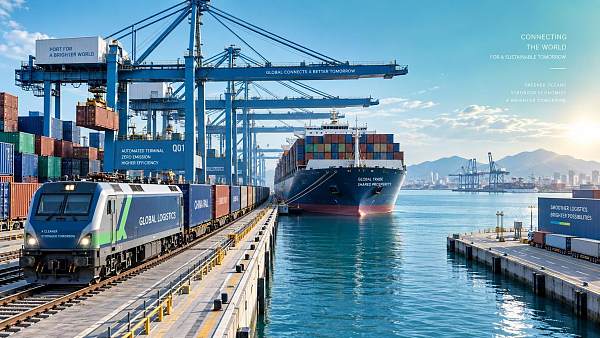
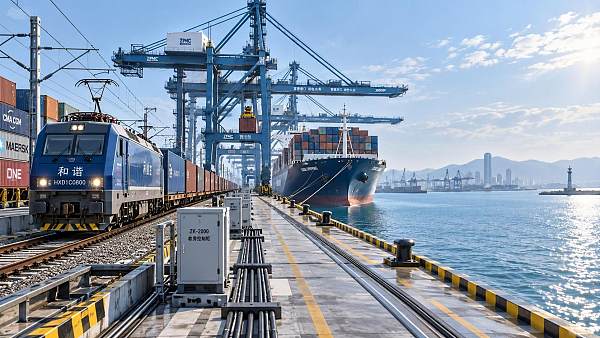
Global transportation network systems reduce delivery delays only when they remove uncertainty at the handoffs between rail, port, vessel, terminal, and inland distribution. Faster trains or larger ships can help, but speed alone rarely fixes the problem. A shipment is delayed more often by a missed connection, an unavailable berth, a traction-power restriction, an unplanned brake inspection, or late visibility of a disruption than by insufficient cruising speed.
For enterprise leaders, the practical question is not “How can we move freight faster?” It is “Where does flow become unreliable, and which operational decisions can be made earlier?” The strongest land-sea networks treat signaling, rolling-stock availability, vessel operations, cargo status, and terminal capacity as connected operating conditions rather than separate technical domains.
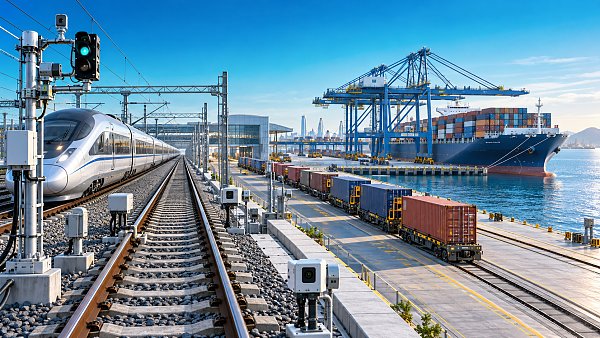
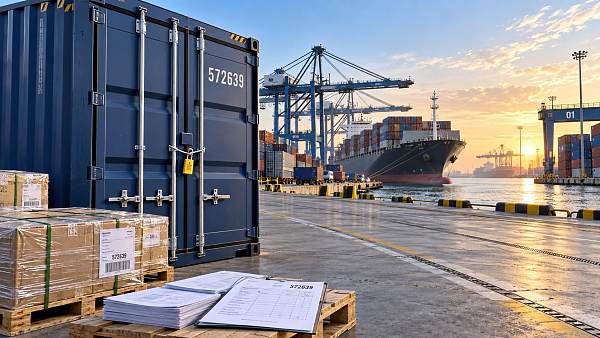
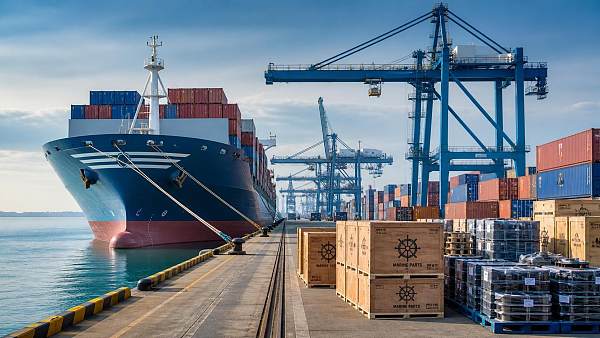
That distinction matters. A rail service can arrive at a port precisely on schedule and still miss its loading window if container release data, yard capacity, customs clearance, or vessel stowage plans are not aligned. Likewise, a smart container ship can optimize its route at sea, but the benefit disappears if the inland rail corridor cannot absorb a sudden surge after discharge. Delay reduction begins when the network is planned around the weakest interface, not the most visible asset.
Delay reduction begins with predictable flow, not maximum speed
A transportation network becomes materially more reliable when its operating teams can predict three things with reasonable confidence: when an asset will be available, what capacity it can safely provide, and how a disruption will affect downstream commitments. This is where global transportation network systems earn their value. They turn fragmented operational signals into decisions that can be acted on before a delay becomes irreversible.
In rail freight and intermodal corridors, the “last safe decision point” is often much earlier than managers expect. Once a train has entered a saturated section, or a loaded container has been allocated to a departure cut-off, options narrow quickly. A network that detects a signaling constraint, locomotive issue, pantograph anomaly, or terminal bottleneck early can re-sequence movements, adjust loading priorities, or notify the receiving port. A network that discovers the same issue after the train is stopped can only manage the consequences.
The same principle applies offshore. Weather, port congestion, bunkering requirements, canal restrictions, and berth changes all influence a vessel’s economically viable arrival profile. Route optimization should not be treated as a standalone navigation feature. It works best when voyage planning is connected to port readiness, feeder schedules, reefer requirements, cargo dwell conditions, and onward rail capacity. Saving time at sea has limited commercial value if it simply creates earlier waiting time outside the port.
Rail reliability is often the first constraint in a land-sea chain
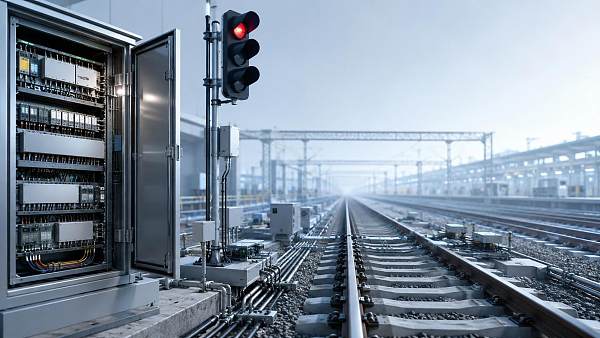
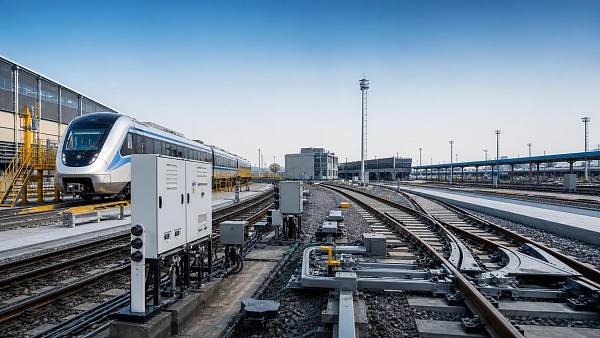
Railway signaling is sometimes discussed as infrastructure in the background, but on a high-density corridor it is the operational nervous system. Interlocking logic, train detection, traffic management, and communications determine how safely and closely trains can run. When these systems are dependable and their status is visible to dispatchers, they support stable headways and more realistic connection planning. When they are degraded, a timetable may remain nominally intact while actual network capacity falls away.
Safety cannot be traded for schedule recovery. Systems designed for high-integrity applications, including SIL4 contexts where applicable, are intended to ensure that failures move operations toward a safe state. The logistics implication is clear: recovery planning must account for safe operating restrictions rather than assuming every disruption can be solved by compressing headways or increasing speed. A credible delay-reduction plan distinguishes between recoverable operating variance and a condition that requires formal technical intervention.
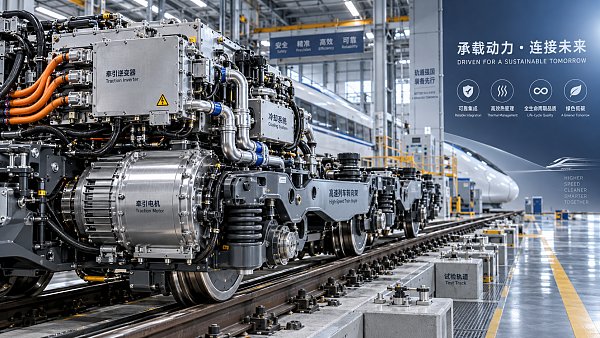
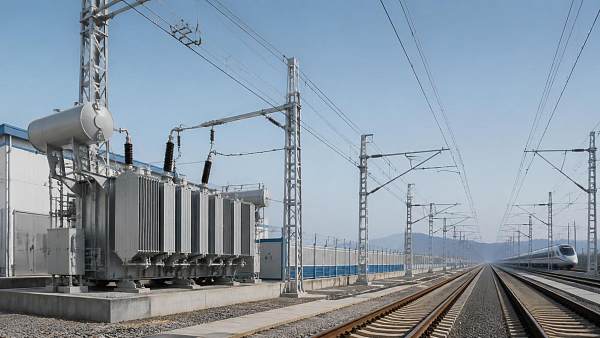
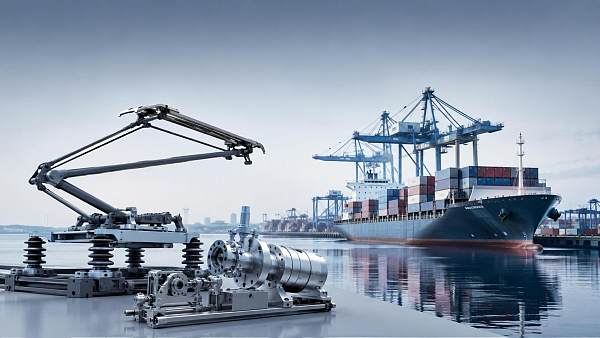
Traction power collection is another operational detail that can create outsized disruption. On high-speed and urban rail equipment, pantographs must maintain stable contact under vibration, aerodynamic forces, and changing catenary conditions. At speeds above 350 km/h, the engineering challenge is especially demanding, but even lower-speed freight and intermodal operations can lose time when power collection is unstable or maintenance decisions are deferred. The useful business metric is not simply component availability; it is the probability that a traction issue will disrupt a planned corridor slot.
Braking systems deserve the same attention. A thousand-ton train cannot be managed as though braking performance were a secondary maintenance variable. Wear condition, thermal behavior, control response, inspection practice, gradients, weather, and loading profile all shape actual stopping performance. Composite brake-pad thermal fade, for example, may be a material-engineering topic, yet it can become a capacity question if operating restrictions are imposed on a busy route. Maintenance teams and network planners need a shared view of such constraints.
Smart vessels reduce delays when port decisions are part of the voyage plan
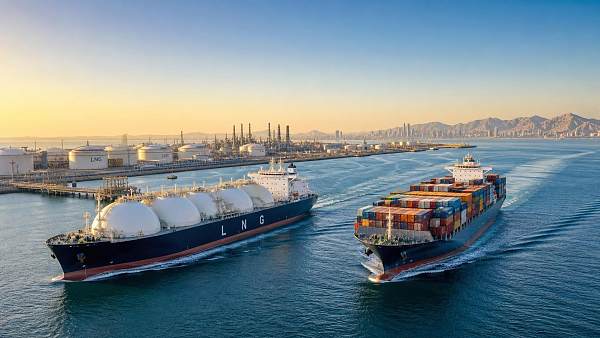
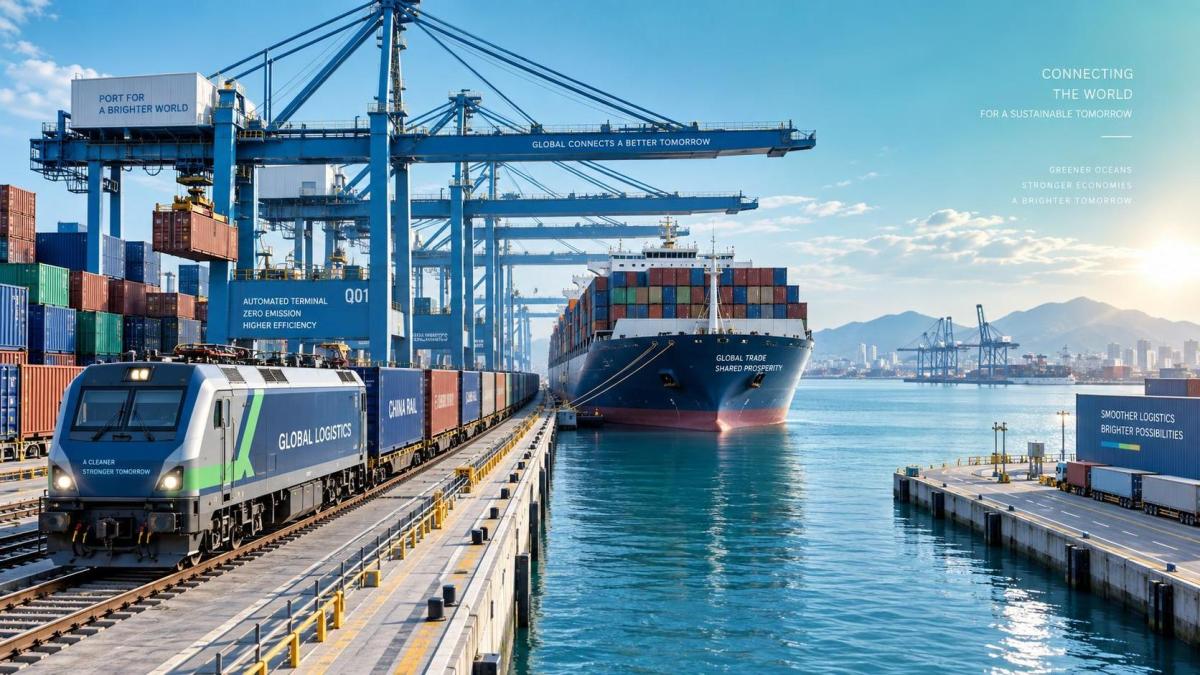
The term “smart ship” is often used too broadly. A vessel does not become operationally smarter merely because it produces more data. It becomes useful to the supply chain when its condition, route, cargo, fuel, and arrival forecasts can influence real choices ashore. For container shipping, that may mean aligning estimated arrival times with crane allocation, yard planning, rail departure windows, or transshipment priorities. For LNG carriers, it may mean integrating voyage conditions with discharge readiness, contractual delivery windows, bunkering strategy, and cargo-system constraints.
LNG transportation illustrates why a network view is necessary. LNG carriers operate with cargo containment systems designed for cryogenic conditions around minus 163 degrees Celsius, alongside complex propulsion, safety, and commercial requirements. A voyage plan cannot be evaluated purely by transit time. Terminal compatibility, boil-off gas management, weather exposure, slot timing, and receiving-facility readiness all matter. A delay-reduction strategy that ignores these dependencies may reduce one operational metric while increasing risk elsewhere.
For container operations, the more common trap is treating visibility as an end in itself. A dashboard showing vessel location, rail position, and inventory status is useful, but only if an accountable team can make a decision from it. If a port call slips by twelve hours, who can revise inland allocation? Can priority containers be redirected? Is there contracted rail capacity on an alternative departure? Can the consignee accept a different delivery sequence? Visibility without pre-agreed authority and workflows tends to produce better explanations after the event, not fewer delays before it.
When integration actually works
A connected network is most effective under specific operating conditions. It is especially valuable when freight moves through congested corridors, crosses multiple transport modes, relies on tightly timed terminal windows, or serves production lines with limited tolerance for inventory variation. It also becomes more important when disruptions are frequent enough that manual coordination has become a daily burden rather than an exception.
The following situations usually justify deeper integration between transport assets and decision systems:
- Rail arrivals are regularly connected to vessel cut-offs or port gate appointments.
- Several operators share a corridor, terminal, or berth and require a common operating picture.
- Asset failures create cascading effects, such as missed interchange windows or stranded equipment.
- Schedules are adjusted frequently because of weather, congestion, maintenance, or border procedures.
- High-value, temperature-sensitive, energy-related, or production-critical cargo requires earlier exception handling.
By contrast, broad technology deployment may not be the first answer where the underlying process is unstable. If terminal gate rules change without notice, master data is inconsistent, maintenance records are incomplete, or no one owns cross-functional recovery decisions, adding a sophisticated platform can simply digitize confusion. The sequence matters: establish operational rules, define trusted data sources, then automate the decisions that are repeated often enough to justify it.
The decision architecture matters as much as the equipment
A practical control model usually combines asset intelligence, network intelligence, and commercial intelligence. Asset intelligence covers the state of signaling equipment, traction systems, brakes, vessel machinery, containment systems, and other critical hardware. Network intelligence shows capacity, traffic, route constraints, berth status, and terminal conditions. Commercial intelligence connects those conditions to contracts, cargo priority, customer commitments, penalties, and alternative transport options.
These layers should not be owned in isolation. Engineering may understand the failure mode of a pantograph or the stress behavior of an LNG membrane containment system; operations may understand the immediate schedule effect; commercial teams may understand which cargo cannot miss a connection. Delays shrink when those views meet early enough to change the plan. GTOT’s focus on railway control components, high-speed traction, advanced vessel operations, and land-sea intelligence reflects this reality: the technical details are not separate from the commercial outcome.
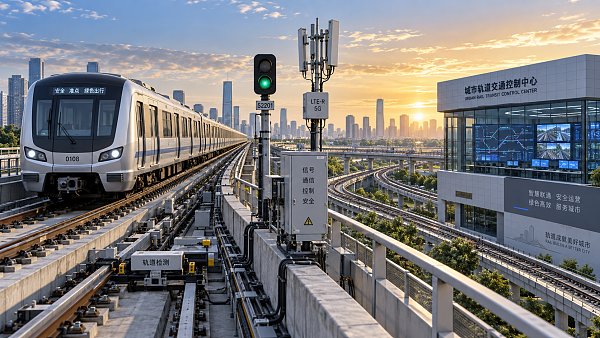
Communications architecture also deserves scrutiny. LTE-M and other connected technologies may support selected rail monitoring or field-device applications, but the right approach depends on coverage, latency requirements, cybersecurity controls, interoperability, and local operating rules. Decision-makers should resist claims that one communication method universally solves network visibility. In critical transport environments, fallback behavior and data integrity are usually more important than an attractive interface.
A sensible implementation path avoids expensive surprises
The most effective starting point is often one recurring delay pattern, not an enterprise-wide transformation program. It could be missed rail-to-port handovers, late detection of traction-related restrictions, unreliable berth arrival estimates, or insufficient coordination between vessel discharge and inland departures. Map the event from the first warning signal to the customer-facing consequence. Then identify which data arrives too late, which decision has no owner, and which constraint cannot be changed at short notice.
Before selecting equipment or software, ask a few uncomfortable questions. Are maintenance statuses sufficiently reliable to influence planning? Does the organization distinguish an estimated arrival from a committed operational window? Can dispatch, terminal, marine, and commercial teams see the same exception? Are recovery options genuinely available, or does the network only document failure after capacity is lost? These questions often reveal more than a long feature comparison.
Global transportation network systems reduce delivery delays when they create earlier, safer, and commercially informed choices across the land-sea chain. They do not eliminate weather, equipment faults, congestion, or border friction. What they can do is prevent manageable disruptions from becoming missed sailings, idle assets, and broken delivery promises. The right investment is therefore the one that improves the next operational decision—not merely the one that generates the most data.
Recommended News
 Sep 29, 2026What drives traction systems price differences between rail projects?Traction systems price differences explained: compare duty cycles, voltage compatibility, integration, localization, and lifecycle costs for smarter rail procurement.
 Sep 26, 2026What to assess before selecting an electric traction system manufacturerChoose an electric traction system manufacturer with confidence. Explore key criteria for performance, reliability, safety, integration, energy efficiency, and lifecycle support.
 Sep 25, 2026When do full digitalization systems justify the investment?Full digitalization systems: discover when rail and maritime operators can turn connected data into safer operations, higher availability, and measurable ROI.
 Sep 23, 2026What drives automatic train control systems cost on rail projects?Automatic train control systems cost depends on integration, migration, safety testing, communications, and lifecycle support. Explore the key budget drivers for rail projects.
 Sep 21, 2026How to assess an ocean going vessel builder’s delivery riskAssess an ocean going vessel builder’s delivery risk with proven checks for schedules, capacity, design maturity, critical equipment, quality, and project controls.
 Sep 20, 2026What drives rail safety technology costs over a project lifecycle?Rail safety technology cost goes beyond equipment—explore lifecycle drivers from integration and safety assurance to cybersecurity, commissioning, and obsolescence.
 Sep 16, 2026What to verify before choosing an advanced ocean-going vessels supplierAdvanced ocean-going vessels supplier checklist: verify design authority, build quality, digital systems, delivery reliability, and lifecycle support before you buy.
 Sep 15, 2026What rail safety technology best reduces level-crossing risks in Southeast Asia?Rail safety technology Southeast Asia: discover how fail-safe signalling, barriers, obstacle detection and remote monitoring reduce level-crossing risks.
 Sep 14, 2026How exporters can reduce customs delays in global trade logisticsGlobal trade logistics for exporters: reduce customs delays with accurate data, clearance-ready documents, early filing, and proactive exception management.
 Sep 13, 2026When do global transportation network systems reduce delivery delays?Global transportation network systems reduce delivery delays by improving rail-port-vessel coordination, real-time visibility, and proactive decisions across complex land-sea supply chains.
 Sep 09, 2026When should you choose a rail and maritime manufacturer with dual-sector capability?Rail and maritime manufacturer guide: learn when dual-sector capability reduces integration risk, improves lifecycle support, and strengthens rail-to-port operations.
 Sep 08, 2026What to verify before selecting a railway signalling equipment supplierRailway signalling equipment supplier checklist: verify safety evidence, integration, cybersecurity, delivery capability, and lifecycle support before award.
 Sep 07, 2026How to size a traction power transformer for railway load demandTraction power transformer sizing guide: model railway load demand, peak duty, voltage regulation, harmonics, and contingency capacity for reliable service.
 Sep 07, 2026How do customization options for industrial connectors affect lead times?Customization options for industrial connectors can impact lead times, cost, and compliance. Learn how to specify smarter for rail and marine projects.
 Sep 05, 2026What information should an industrial sourcing guide include?Industrial sourcing information procurement guide: evaluate suppliers, compliance, lifecycle costs, interfaces, and lead times for smarter rail and maritime purchasing decisions.
 Sep 01, 2026How to find reliable maritime tender information before biddingMaritime tender information: learn how to verify sources, define bid-ready scopes, check qualifications, and reduce risk before submitting competitive marine bids.
 Aug 30, 2026How to select railway automation equipment for depots with phased upgradesRailway automation equipment for depots: learn how to plan phased upgrades that improve safety, throughput, integration, and lifecycle control.
 Aug 27, 2026How industrial sourcing intelligence pricing data supports budget approvalIndustrial sourcing intelligence pricing data helps teams benchmark scope, assess supplier risk, and build defensible budget approvals for complex rail and maritime assets.
 Aug 26, 2026When does a marine fuel efficiency solution make financial sense in the Middle East?Marine fuel efficiency solution Middle East: learn when retrofit savings, compliance value, and vessel data align to deliver credible ROI and smarter shipping investment decisions.
 Aug 24, 2026When does maritime automation for tankers deliver a real payback?Maritime automation for tankers delivers real payback when it cuts fuel use, reduces cargo risk, and improves uptime. See how owners can time investment for stronger ROI.
 Aug 23, 2026When do maritime logistics systems in the Middle East justify the costMaritime logistics systems Middle East: discover when rising delays, manual coordination, and poor visibility make system investment the smarter move for regional operators.
 Aug 22, 2026What drives vessel navigation system price for commercial fleetsVessel navigation system price depends on integration, compliance, automation, and support—not just hardware. Learn what drives fleet costs and compare quotes with confidence.
 Aug 21, 2026How to assess shipbuilding maritime tenders before biddingShipbuilding maritime tenders require more than price checks. Learn how to assess technical scope, compliance, supply chain, and commercial risk before bidding with confidence.
 Aug 20, 2026When does working with an ocean-going vessels distributor reduce supply risk?Ocean-going vessels distributor: learn when this partner cuts supply risk through stronger compliance, faster response, and better sourcing resilience in complex maritime procurement.