



Search News
Industry Portal
Popular Tags
Maritime Logistics Costs in 2026: What Is Changing Across Global Trade Routes
Author
Time
Click Count
Maritime logistics costs are entering a more structural phase
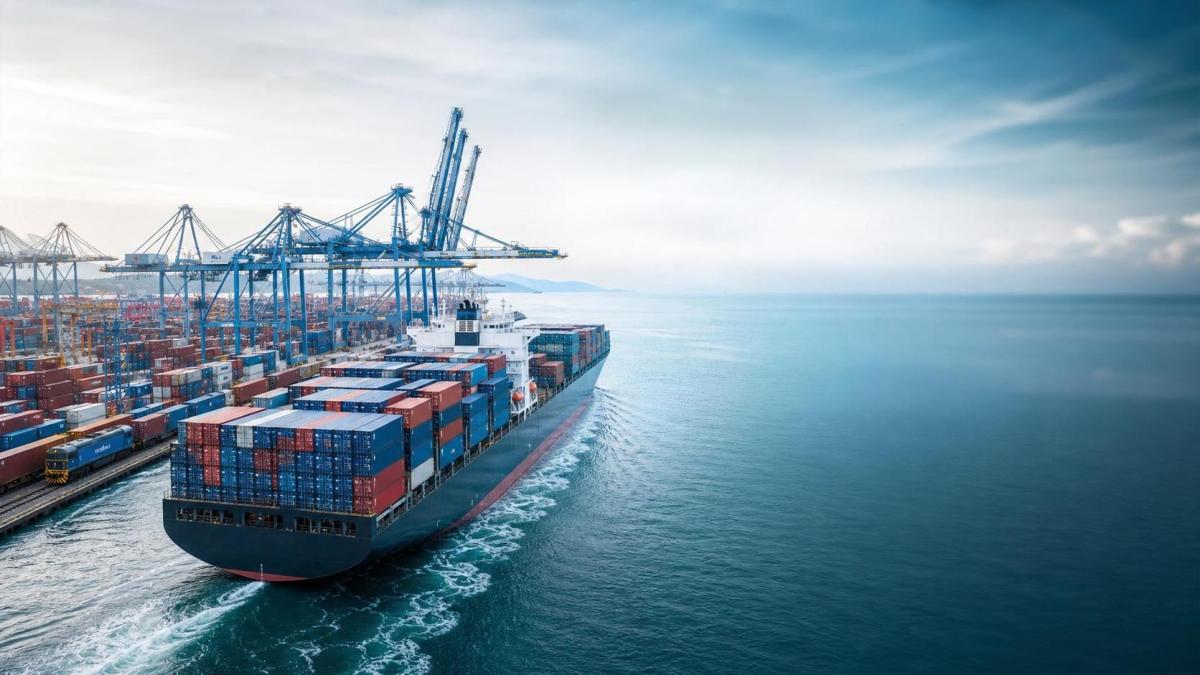
In 2026, maritime logistics is no longer shaped by one-off shocks alone. Costs are being rebuilt by energy rules, route friction, digital port systems, and new security pricing.
That shift matters because maritime logistics now sits closer to board-level planning. Freight budgets, lead times, inventory policy, and asset utilization are moving together.
A clearer signal is that cost volatility is spreading across the full transport chain. Ocean freight, terminal handling, bunker surcharges, insurance, and inland transfer fees increasingly react as one system.
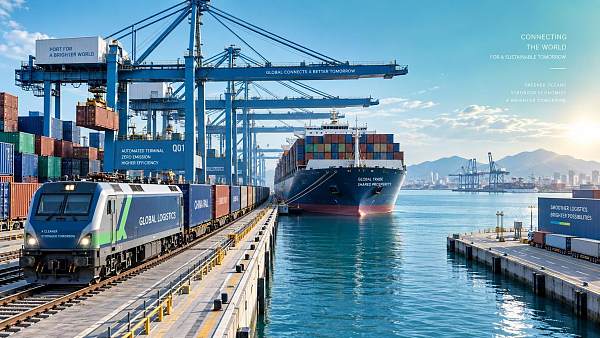
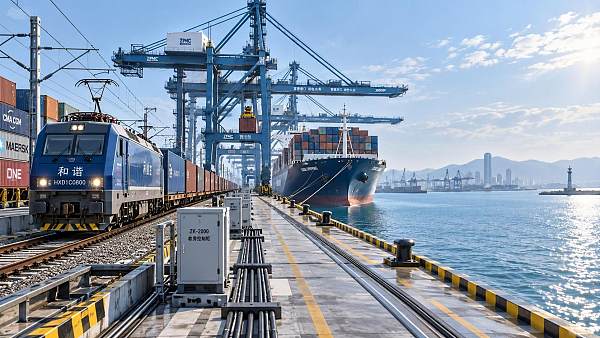
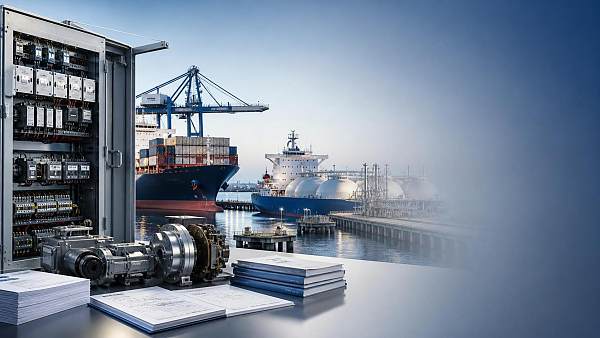
For a platform like GTOT, which reads land-sea transport as one connected operating field, this is not just a shipping story. It is also about rail interfaces, energy corridors, vessel intelligence, and resilient network design.
The practical question is no longer whether maritime logistics costs will rise or fall. The real issue is where cost pressure is relocating, and which trade routes absorb it first.
Why the cost map is changing faster than many forecasts expected
Several forces are overlapping in 2026, and their interaction explains why maritime logistics is behaving differently from previous cycles.
- Fuel transition rules raise compliance costs, especially on long-haul routes where vessel speed, fuel mix, and retrofit choices strongly affect voyage economics.
- Port digitalization improves visibility, yet it also separates efficient hubs from slower terminals, widening cost differences between neighboring gateways.
- Insurance pricing remains unstable as geopolitical risk, cargo security concerns, and weather disruption become more route-specific.
- Canal constraints continue to distort normal routing logic, pushing some carriers toward longer passages with higher fuel burn and fleet repositioning costs.
- Trade alliances are shifting sourcing geography, changing demand density and reducing the predictability of backhaul utilization.
What makes 2026 different is that these pressures do not move in parallel. A route may benefit from lower congestion but still become more expensive because fuel compliance or war-risk cover changes.
That is why many legacy cost models now underperform. They were built for stable lanes, not for corridors where regulation, security, and digital readiness evolve at different speeds.
Route-level differences are becoming more visible
The global picture only makes sense when broken down by route. Maritime logistics costs in 2026 are diverging across major trade lanes rather than moving as a single market.
The Asia-Europe corridor remains the most watched, but not always for the usual reason. In 2026, marginal route decisions can alter total landed cost more than headline spot rates.
On the Transpacific lane, the cost story is increasingly about consistency. Maritime logistics becomes cheaper only when ocean schedules and inland transfer windows align.
Fuel, data, and insurance now influence each other
One of the more important changes is that cost drivers once treated separately now interact directly.
A carrier using cleaner fuel may reduce future compliance exposure, yet the cost impact depends on vessel age, routing, and terminal turnaround speed.
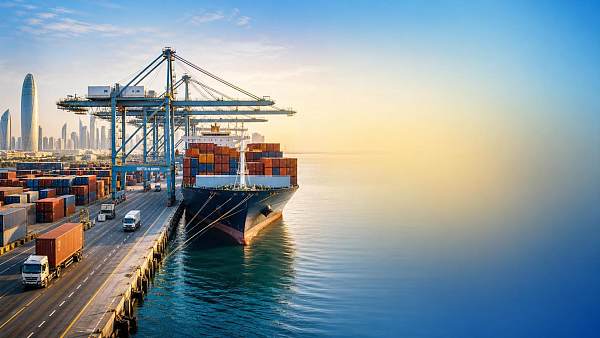
A digitally mature port can lower waiting time and emissions per call. That advantage supports maritime logistics by cutting idle fuel burn and improving berth predictability.
Insurance markets are also reading operational data more closely. Better route transparency and cargo monitoring can soften premiums, while opaque corridors may attract additional risk pricing.
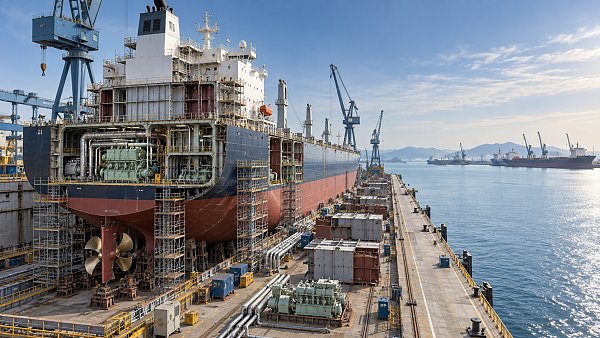
This is where GTOT's cross-domain perspective becomes useful. Smart container ships, advanced navigation logic, and reliable land-side transfer systems increasingly shape the same cost outcome.
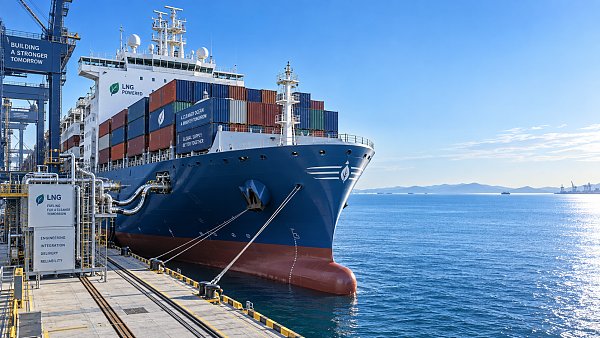
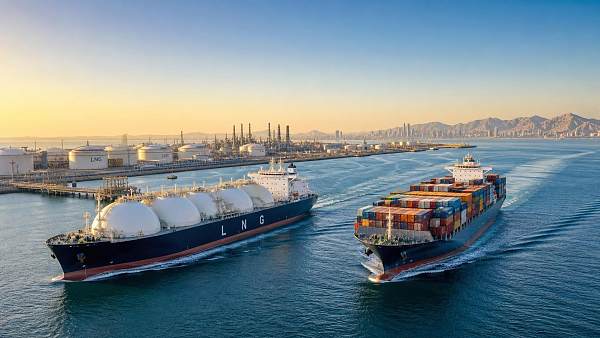
The same logic appears in energy shipping. LNG carriers, with their extreme technical requirements, show how design sophistication and operational discipline can protect margins in volatile maritime logistics environments.
The impact does not stop at the ocean leg
A common mistake is to read maritime logistics as a vessel-only cost issue. In practice, the ocean leg now amplifies decisions across warehousing, rail transfer, and schedule resilience.
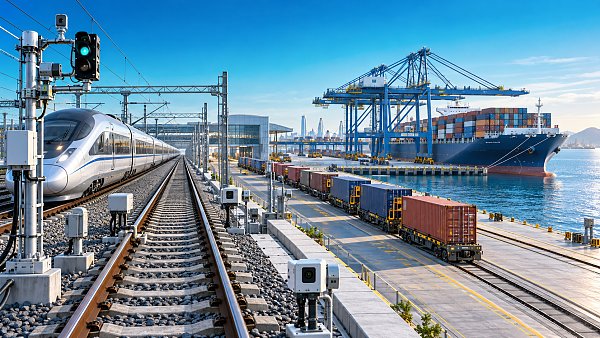
When sailing times become less stable, inland networks feel the shock. Rail slots, terminal gates, and drayage windows all become harder to synchronize.
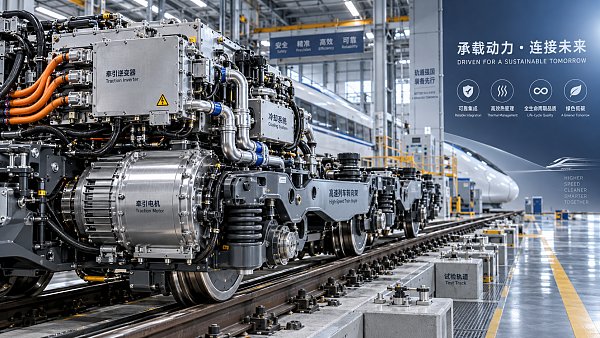
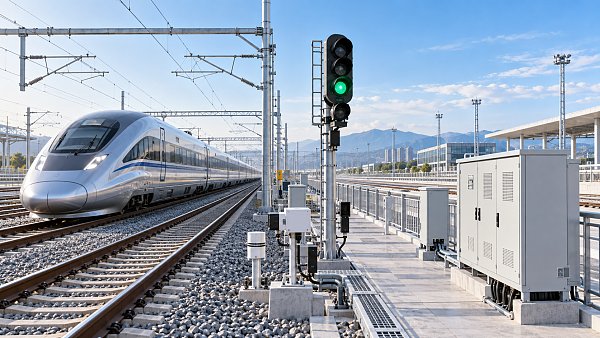
That is especially relevant for intermodal corridors. Railway signal control, braking reliability, and traction system stability may seem distant from maritime logistics, yet they influence how fast delayed cargo returns to schedule.
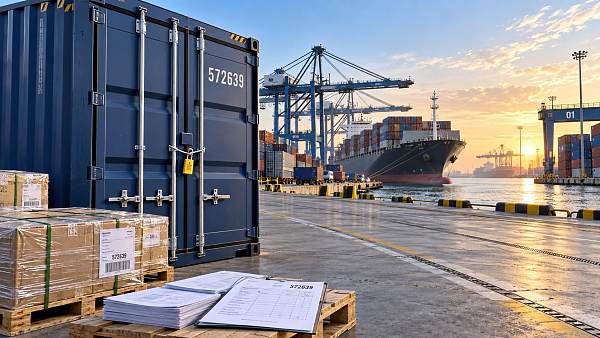
From recent operating patterns, the bigger financial loss often comes from mismatch rather than pure rate inflation. Missed transfer windows, split bookings, and emergency inventory can outweigh nominal freight increases.
This is also why some companies are shifting from cheapest-route logic to corridor-performance logic. They are paying more attention to route reliability, digital visibility, and modal recovery options.
What deserves closer attention in the second half of 2026
Several signals will likely determine whether maritime logistics costs stabilize or remain uneven.
- How quickly alternative fuels move from pilot economics to repeatable route economics.
- Whether major ports convert digital investment into measurable berth, customs, and gate efficiency.
- How insurers reprice risk in corridors affected by conflict, climate exposure, or cargo theft.
- Whether canal transit conditions improve enough to restore old service designs.
- How trade realignment changes vessel deployment between mainline and feeder networks.
More importantly, these signals should not be read in isolation. Maritime logistics costs usually move first in narrow operating details before the broader market narrative catches up.
Examples include changing bunker adjustment formulas, longer transshipment dwell time, or new premium gaps between digitally strong and weak ports.
A more useful response is to redesign decisions, not just budgets
The most effective response to 2026 maritime logistics pressure is not simple cost cutting. It is better decision architecture.
That starts with route-level cost attribution. Ocean rate, fuel surcharge, insurance, port fees, and inland recovery cost should be modeled together.
The next step is to segment corridors by strategic role. Some lanes deserve resilience investment, while others can remain flexible and opportunistic.
It also helps to compare physical assets and digital capability in the same review. Smart vessels, predictive port systems, and dependable rail interfaces increasingly create shared value.
GTOT's broader land-sea lens supports this kind of judgment. Maritime logistics is becoming more technical, more interconnected, and more dependent on equipment intelligence than many commercial models assumed.
In practical terms, the next move is clear: review corridor exposure, test alternative routing assumptions, track compliance-sensitive cost items, and build phased response plans before volatility sets the pace again.
Recommended News
 Sep 29, 2026What drives traction systems price differences between rail projects?Traction systems price differences explained: compare duty cycles, voltage compatibility, integration, localization, and lifecycle costs for smarter rail procurement.
 Sep 26, 2026What to assess before selecting an electric traction system manufacturerChoose an electric traction system manufacturer with confidence. Explore key criteria for performance, reliability, safety, integration, energy efficiency, and lifecycle support.
 Sep 25, 2026When do full digitalization systems justify the investment?Full digitalization systems: discover when rail and maritime operators can turn connected data into safer operations, higher availability, and measurable ROI.
 Sep 23, 2026What drives automatic train control systems cost on rail projects?Automatic train control systems cost depends on integration, migration, safety testing, communications, and lifecycle support. Explore the key budget drivers for rail projects.
 Sep 21, 2026How to assess an ocean going vessel builder’s delivery riskAssess an ocean going vessel builder’s delivery risk with proven checks for schedules, capacity, design maturity, critical equipment, quality, and project controls.
 Sep 20, 2026What drives rail safety technology costs over a project lifecycle?Rail safety technology cost goes beyond equipment—explore lifecycle drivers from integration and safety assurance to cybersecurity, commissioning, and obsolescence.
 Sep 16, 2026What to verify before choosing an advanced ocean-going vessels supplierAdvanced ocean-going vessels supplier checklist: verify design authority, build quality, digital systems, delivery reliability, and lifecycle support before you buy.
 Sep 15, 2026What rail safety technology best reduces level-crossing risks in Southeast Asia?Rail safety technology Southeast Asia: discover how fail-safe signalling, barriers, obstacle detection and remote monitoring reduce level-crossing risks.
 Sep 14, 2026How exporters can reduce customs delays in global trade logisticsGlobal trade logistics for exporters: reduce customs delays with accurate data, clearance-ready documents, early filing, and proactive exception management.
 Sep 13, 2026When do global transportation network systems reduce delivery delays?Global transportation network systems reduce delivery delays by improving rail-port-vessel coordination, real-time visibility, and proactive decisions across complex land-sea supply chains.
 Sep 09, 2026When should you choose a rail and maritime manufacturer with dual-sector capability?Rail and maritime manufacturer guide: learn when dual-sector capability reduces integration risk, improves lifecycle support, and strengthens rail-to-port operations.
 Sep 08, 2026What to verify before selecting a railway signalling equipment supplierRailway signalling equipment supplier checklist: verify safety evidence, integration, cybersecurity, delivery capability, and lifecycle support before award.
 Sep 07, 2026How to size a traction power transformer for railway load demandTraction power transformer sizing guide: model railway load demand, peak duty, voltage regulation, harmonics, and contingency capacity for reliable service.
 Sep 07, 2026How do customization options for industrial connectors affect lead times?Customization options for industrial connectors can impact lead times, cost, and compliance. Learn how to specify smarter for rail and marine projects.
 Sep 05, 2026What information should an industrial sourcing guide include?Industrial sourcing information procurement guide: evaluate suppliers, compliance, lifecycle costs, interfaces, and lead times for smarter rail and maritime purchasing decisions.
 Sep 01, 2026How to find reliable maritime tender information before biddingMaritime tender information: learn how to verify sources, define bid-ready scopes, check qualifications, and reduce risk before submitting competitive marine bids.
 Aug 30, 2026How to select railway automation equipment for depots with phased upgradesRailway automation equipment for depots: learn how to plan phased upgrades that improve safety, throughput, integration, and lifecycle control.
 Aug 27, 2026How industrial sourcing intelligence pricing data supports budget approvalIndustrial sourcing intelligence pricing data helps teams benchmark scope, assess supplier risk, and build defensible budget approvals for complex rail and maritime assets.
 Aug 26, 2026When does a marine fuel efficiency solution make financial sense in the Middle East?Marine fuel efficiency solution Middle East: learn when retrofit savings, compliance value, and vessel data align to deliver credible ROI and smarter shipping investment decisions.
 Aug 24, 2026When does maritime automation for tankers deliver a real payback?Maritime automation for tankers delivers real payback when it cuts fuel use, reduces cargo risk, and improves uptime. See how owners can time investment for stronger ROI.
 Aug 23, 2026When do maritime logistics systems in the Middle East justify the costMaritime logistics systems Middle East: discover when rising delays, manual coordination, and poor visibility make system investment the smarter move for regional operators.
 Aug 22, 2026What drives vessel navigation system price for commercial fleetsVessel navigation system price depends on integration, compliance, automation, and support—not just hardware. Learn what drives fleet costs and compare quotes with confidence.
 Aug 21, 2026How to assess shipbuilding maritime tenders before biddingShipbuilding maritime tenders require more than price checks. Learn how to assess technical scope, compliance, supply chain, and commercial risk before bidding with confidence.
 Aug 20, 2026When does working with an ocean-going vessels distributor reduce supply risk?Ocean-going vessels distributor: learn when this partner cuts supply risk through stronger compliance, faster response, and better sourcing resilience in complex maritime procurement.