



Search News
Industry Portal
Popular Tags
Ocean Freight Digital Solutions Cost: What Drives ROI in 2026?
Author
Time
Click Count
Ocean Freight Digital Solutions Cost: What Drives ROI in 2026?
For finance approvers, ocean freight digital solutions cost now sits far beyond a software budget line. It directly affects vessel efficiency, schedule reliability, compliance exposure, and working capital.
In 2026, the core question is not whether to digitize. The real question is which capabilities deliver measurable returns within a reasonable payback window.
That shift matters because shipping operations are becoming more data-heavy. Fuel volatility, congestion risk, emissions reporting, and asset coordination all raise the value of better decisions.
From a procurement view, ocean freight digital solutions cost should be judged against delay reduction, route optimization, exception management, and stronger planning accuracy.
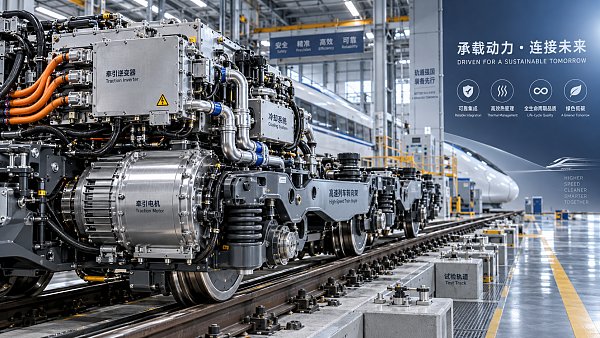
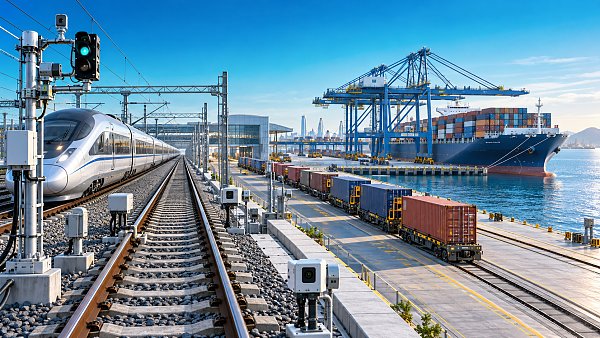
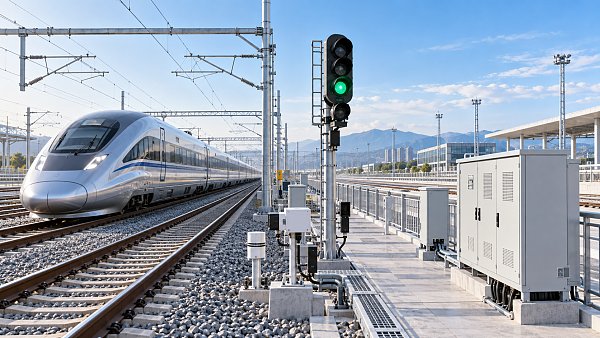
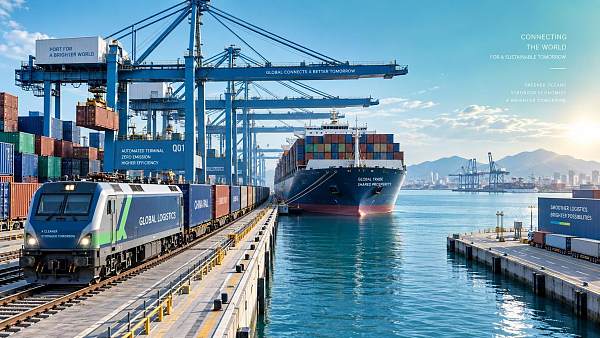
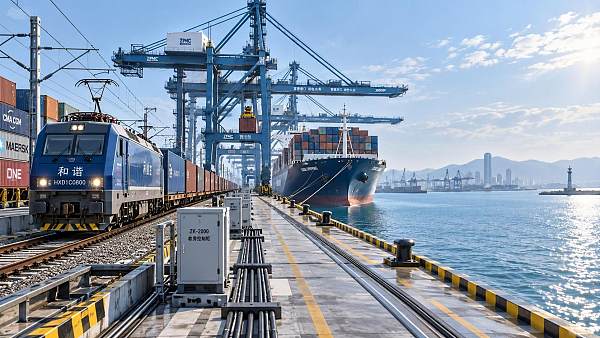
This is also where GTOT’s perspective becomes useful. Across intelligent rail systems and advanced ocean-going vessels, the same rule holds: digital visibility only matters when it improves operational control.
A finance-led evaluation should therefore connect digital spend to hard outcomes. Those outcomes include lower fuel burn, fewer avoidable port delays, tighter inventory timing, and improved asset use.
What Shapes Ocean Freight Digital Solutions Cost in 2026
The biggest mistake in cost evaluation is focusing only on license fees. The full ocean freight digital solutions cost usually includes integration, data quality work, training, support, and process redesign.
Platform scope is the first cost driver. A basic visibility tool costs less than a broader system covering route analytics, berth coordination, emissions reporting, and fleet performance monitoring.
Integration depth is the second driver. Costs rise when a platform must connect with TMS, ERP, port community systems, AIS feeds, customs data, and internal planning tools.
Data standardization is another major factor. If voyage, cargo, and schedule data are inconsistent, implementation becomes slower and more expensive than many budget owners expect.
Cybersecurity and compliance requirements also push costs upward. That is especially true for operators handling sensitive cargo flows, cross-border reporting, or high-value marine assets.
Finally, vendor pricing models matter. Some suppliers charge per vessel, some per user, some per shipment, and others by data volume or module count.
- Core platform subscription
- Integration and API setup
- Historical data migration
- Workflow configuration
- Training and change management
- Ongoing analytics or premium support
When these elements are visible early, procurement decisions become more realistic. More importantly, ROI discussions stop drifting into vague claims about digital transformation.
The ROI Levers That Matter Most
Ocean freight digital solutions cost becomes easier to justify when ROI is broken into clear operating levers. In practice, four levers drive most of the financial upside.
1. Lower Delay Costs
Real-time exception alerts help teams react before delays become cascading failures. Faster response reduces demurrage, detention, missed transshipment risk, and emergency handling charges.
2. Better Fuel and Route Efficiency
AI-assisted voyage planning can improve speed management, weather routing, and port sequencing. Even a small fuel reduction can materially improve payback at fleet scale.
3. Higher Asset Utilization
When vessel schedules and cargo movements are more predictable, operators use ships, containers, and terminal windows more efficiently. That reduces hidden idle time across the network.
4. Stronger Compliance and Reporting
Digital reporting supports emissions tracking, audit readiness, and documentation accuracy. This lowers the risk of penalties, manual rework, and poor decisions caused by incomplete records.
The more obvious signal in 2026 is that ROI no longer depends on one dramatic saving. It usually comes from many smaller gains happening across planning, sailing, port calls, and reporting.
How to Evaluate Total Cost Against Return
A sound buying process compares total cost of ownership with operational return over two to three years. That time frame is long enough to capture adoption effects without hiding weak performance.
Use a simple model first. Estimate baseline costs tied to delays, fuel, manual coordination, compliance work, and underused vessel capacity.
Then compare those costs with the full ocean freight digital solutions cost. Include implementation effort and internal labor, not just supplier invoices.
In actual operations, the best ROI cases are usually specific. For example, a route optimization tool may cut fuel burn, while a visibility platform may reduce premium logistics interventions.
That also means one vendor does not automatically fit every fleet. The right answer depends on whether the business pain sits in routing, port execution, compliance, or network coordination.
Common Budget Risks That Distort the Business Case
Several risks can make ocean freight digital solutions cost look lower on paper than it will be in reality. Most of them appear before the platform even goes live.
The first is underestimating internal workload. Operations, IT, compliance, and finance all need time to define workflows, validate data, and approve changes.
The second is buying too much functionality too early. A broad suite may look strategic, but low adoption often weakens returns during the first year.
Another common problem is unclear KPI ownership. If no one tracks savings after rollout, the platform may be judged by anecdotes instead of evidence.
Vendor dependency is also worth watching. Proprietary data structures and weak API flexibility can increase switching costs later.
- Hidden integration hours
- Low-quality historical data
- Poor user adoption
- Unclear savings measurement
- Contract terms that limit scalability
A stronger procurement process addresses these issues before signature. That keeps ROI grounded in real operating conditions, not vendor-led assumptions.
A Practical Buying Framework for 2026
A practical framework starts with business pain, not product features. This sounds basic, but it prevents teams from paying for digital breadth without operational depth.
- Define the top three cost pressures in ocean operations.
- Map each pressure to a measurable digital use case.
- Request vendor proof using similar vessel or cargo profiles.
- Model total ocean freight digital solutions cost over 24 to 36 months.
- Set KPI ownership before implementation begins.
- Phase rollout around the highest-payback workflows first.
This phased approach is often the better financial route. It reduces execution risk while creating early evidence for later expansion.
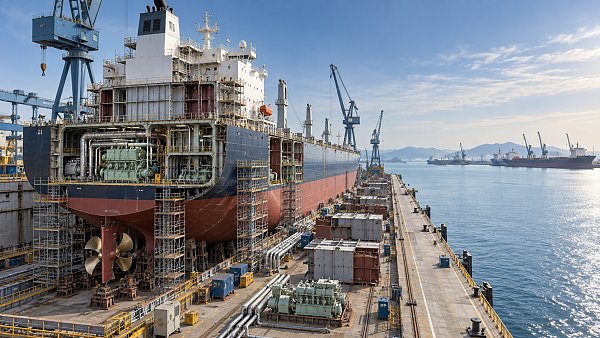
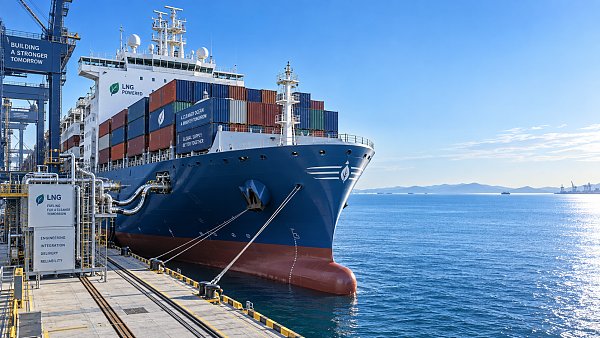
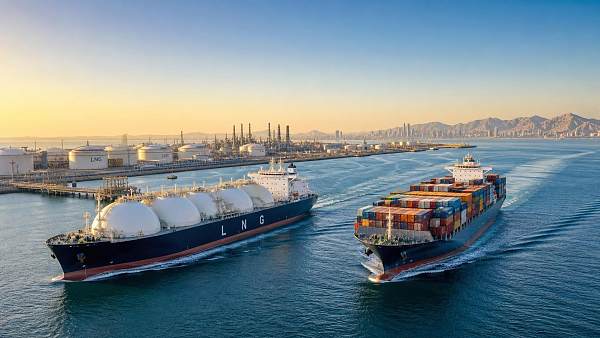
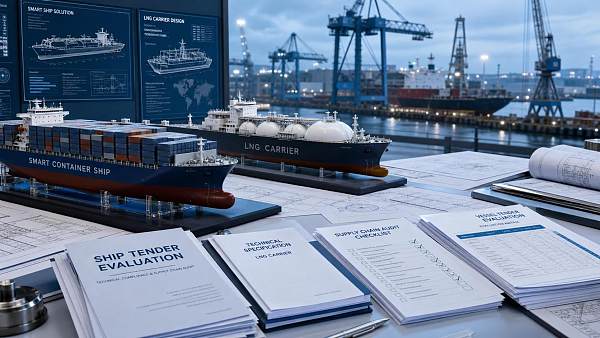
For organizations linked to advanced vessel ecosystems, this is especially relevant. Smart container ships and LNG carriers generate valuable data, but only disciplined platforms convert that data into financial value.
GTOT’s broader land-sea intelligence lens points to the same conclusion. Whether in rail signaling or deep-sea shipping, digital tools earn approval when they improve precision, resilience, and asset productivity.
Final Takeaway on Ocean Freight Digital Solutions Cost
In 2026, ocean freight digital solutions cost should be treated as an investment in operational control. The strongest ROI comes from targeted capabilities tied to specific cost leaks.
The most reliable business cases usually combine modest software spending with disciplined integration, clear KPIs, and phased adoption. That combination turns digital ambition into measurable return.
When reviewing suppliers, keep the discussion anchored to delay costs, fuel savings, compliance exposure, and asset utilization. Those are the numbers that make ocean freight digital solutions cost easier to defend.
A well-structured decision process will not remove every uncertainty. It will, however, make the investment case sharper, faster, and much more credible when capital approval is on the line.
Recommended News
 Sep 29, 2026What drives traction systems price differences between rail projects?Traction systems price differences explained: compare duty cycles, voltage compatibility, integration, localization, and lifecycle costs for smarter rail procurement.
 Sep 26, 2026What to assess before selecting an electric traction system manufacturerChoose an electric traction system manufacturer with confidence. Explore key criteria for performance, reliability, safety, integration, energy efficiency, and lifecycle support.
 Sep 25, 2026When do full digitalization systems justify the investment?Full digitalization systems: discover when rail and maritime operators can turn connected data into safer operations, higher availability, and measurable ROI.
 Sep 23, 2026What drives automatic train control systems cost on rail projects?Automatic train control systems cost depends on integration, migration, safety testing, communications, and lifecycle support. Explore the key budget drivers for rail projects.
 Sep 21, 2026How to assess an ocean going vessel builder’s delivery riskAssess an ocean going vessel builder’s delivery risk with proven checks for schedules, capacity, design maturity, critical equipment, quality, and project controls.
 Sep 20, 2026What drives rail safety technology costs over a project lifecycle?Rail safety technology cost goes beyond equipment—explore lifecycle drivers from integration and safety assurance to cybersecurity, commissioning, and obsolescence.
 Sep 16, 2026What to verify before choosing an advanced ocean-going vessels supplierAdvanced ocean-going vessels supplier checklist: verify design authority, build quality, digital systems, delivery reliability, and lifecycle support before you buy.
 Sep 15, 2026What rail safety technology best reduces level-crossing risks in Southeast Asia?Rail safety technology Southeast Asia: discover how fail-safe signalling, barriers, obstacle detection and remote monitoring reduce level-crossing risks.
 Sep 14, 2026How exporters can reduce customs delays in global trade logisticsGlobal trade logistics for exporters: reduce customs delays with accurate data, clearance-ready documents, early filing, and proactive exception management.
 Sep 13, 2026When do global transportation network systems reduce delivery delays?Global transportation network systems reduce delivery delays by improving rail-port-vessel coordination, real-time visibility, and proactive decisions across complex land-sea supply chains.
 Sep 09, 2026When should you choose a rail and maritime manufacturer with dual-sector capability?Rail and maritime manufacturer guide: learn when dual-sector capability reduces integration risk, improves lifecycle support, and strengthens rail-to-port operations.
 Sep 08, 2026What to verify before selecting a railway signalling equipment supplierRailway signalling equipment supplier checklist: verify safety evidence, integration, cybersecurity, delivery capability, and lifecycle support before award.
 Sep 07, 2026How to size a traction power transformer for railway load demandTraction power transformer sizing guide: model railway load demand, peak duty, voltage regulation, harmonics, and contingency capacity for reliable service.
 Sep 07, 2026How do customization options for industrial connectors affect lead times?Customization options for industrial connectors can impact lead times, cost, and compliance. Learn how to specify smarter for rail and marine projects.
 Sep 05, 2026What information should an industrial sourcing guide include?Industrial sourcing information procurement guide: evaluate suppliers, compliance, lifecycle costs, interfaces, and lead times for smarter rail and maritime purchasing decisions.
 Sep 01, 2026How to find reliable maritime tender information before biddingMaritime tender information: learn how to verify sources, define bid-ready scopes, check qualifications, and reduce risk before submitting competitive marine bids.
 Aug 30, 2026How to select railway automation equipment for depots with phased upgradesRailway automation equipment for depots: learn how to plan phased upgrades that improve safety, throughput, integration, and lifecycle control.
 Aug 27, 2026How industrial sourcing intelligence pricing data supports budget approvalIndustrial sourcing intelligence pricing data helps teams benchmark scope, assess supplier risk, and build defensible budget approvals for complex rail and maritime assets.
 Aug 26, 2026When does a marine fuel efficiency solution make financial sense in the Middle East?Marine fuel efficiency solution Middle East: learn when retrofit savings, compliance value, and vessel data align to deliver credible ROI and smarter shipping investment decisions.
 Aug 24, 2026When does maritime automation for tankers deliver a real payback?Maritime automation for tankers delivers real payback when it cuts fuel use, reduces cargo risk, and improves uptime. See how owners can time investment for stronger ROI.
 Aug 23, 2026When do maritime logistics systems in the Middle East justify the costMaritime logistics systems Middle East: discover when rising delays, manual coordination, and poor visibility make system investment the smarter move for regional operators.
 Aug 22, 2026What drives vessel navigation system price for commercial fleetsVessel navigation system price depends on integration, compliance, automation, and support—not just hardware. Learn what drives fleet costs and compare quotes with confidence.
 Aug 21, 2026How to assess shipbuilding maritime tenders before biddingShipbuilding maritime tenders require more than price checks. Learn how to assess technical scope, compliance, supply chain, and commercial risk before bidding with confidence.
 Aug 20, 2026When does working with an ocean-going vessels distributor reduce supply risk?Ocean-going vessels distributor: learn when this partner cuts supply risk through stronger compliance, faster response, and better sourcing resilience in complex maritime procurement.