



Search News
Industry Portal
Popular Tags
Intermodal Handling Systems for Busy Terminals: Where Bottlenecks Usually Start
Author
Time
Click Count
Why do intermodal handling systems become the first pressure point in busy terminals?
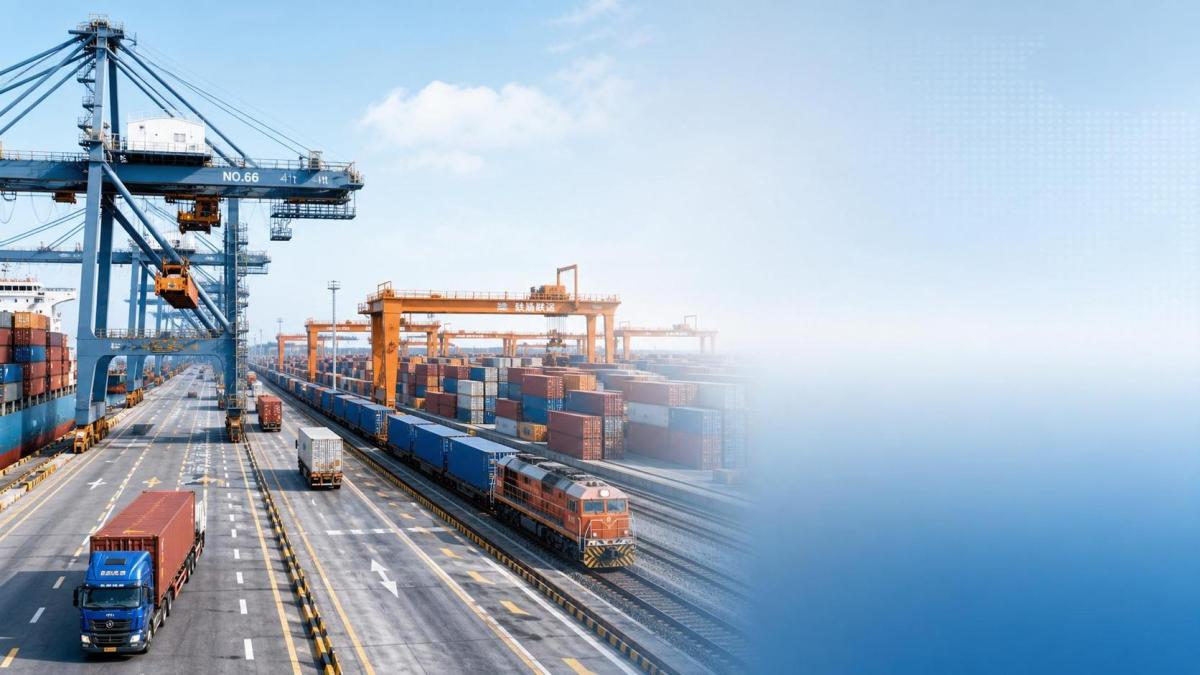
Intermodal handling systems sit where rail moves, yard storage, truck arrivals, and quay schedules collide. That is why small timing errors often expand into visible congestion.
In practical terms, the bottleneck rarely starts with one machine failing. It usually starts when cranes, stackers, gate flows, and dispatch data stop working to the same rhythm.
A terminal may still show acceptable equipment availability. Even so, throughput can fall because handoff windows between modes become too narrow or unpredictable.
This is why intermodal handling systems matter beyond lifting capacity. They shape dwell time, berth productivity, yard density, rail slot reliability, and labor stability at the same time.
Across land-sea logistics, GTOT often frames this challenge as a control issue rather than a pure hardware issue. That view matches what happens in modern terminals.
The same logic seen in railway signal control systems applies here. Safe, high-density movement depends on coordinated decisions, trusted visibility, and timing discipline.
When intermodal handling systems are planned only as equipment packages, early bottlenecks are almost guaranteed. When they are treated as an operating control layer, performance becomes easier to scale.
Where do bottlenecks usually start: on the quay, in the yard, or at the rail interface?
The honest answer is that all three areas can trigger delay, but the yard and rail interface often hide the first warning signs longer.
Quay congestion is visible. Vessel operations show it quickly through crane waiting, poor sequencing, or truck queues. Yard friction is less obvious until stack rehandles start climbing.
Rail interface problems are even more deceptive. A terminal may meet vessel targets while still missing departure windows for inland trains.
That creates a delayed bottleneck. Containers stay longer in the yard, slot plans degrade, and truck turn times begin to drift.
A useful way to judge intermodal handling systems is to ask where work waits for information, not just where work waits for equipment.
- If quay cranes pause for truck assignment, dispatch logic is weak.
- If yard blocks fill unevenly, storage rules are creating hidden rehandle costs.
- If trains arrive on time but depart late, rail staging and loading sequence need review.
- If gate peaks disturb vessel work, mode balancing is not mature enough.
More advanced intermodal handling systems reduce these cross-mode conflicts by keeping equipment moves aligned with real-time demand, not with static plan files.
That is also why smart container ship operations increasingly depend on stronger terminal-side coordination. Ship-to-shore efficiency breaks down when inland release logic remains fragmented.
How can you tell whether the issue is capacity, control logic, or poor data visibility?
This question matters because many terminals buy more assets before proving the real cause of delay. That is an expensive mistake.
If intermodal handling systems suffer from true capacity shortage, queues grow even when plans are clean and moves are sequenced correctly.
If the problem is control logic, assets look busy but not productive. Machines travel more, rehandles rise, and shift performance varies too much.
When data visibility is the weakness, teams keep making reactive decisions. They rely on manual calls, spreadsheet updates, or delayed status messages.
The table below helps separate these conditions before capital is committed.
In other words, better diagnosis comes before bigger investment. Strong intermodal handling systems are measured by flow stability, not by equipment count alone.
GTOT’s broader intelligence model is useful here because terminals now operate like connected transport systems. Rail control discipline, marine scheduling logic, and equipment telemetry increasingly overlap.
What should be confirmed before upgrading intermodal handling systems?
Before any upgrade, it helps to define the exact operating promise. Is the goal faster berth clearance, better rail punctuality, lower rehandle rate, or smoother peak absorption?
Without that definition, new intermodal handling systems often solve one delay while shifting pressure somewhere else.
A disciplined pre-upgrade review usually covers five points.
- Map every handoff between quay, yard, gate, and rail.
- Identify where planning data arrives late or changes too often.
- Measure rehandles, empty travel, queue time, and exception frequency.
- Check whether safety logic limits operational flexibility during peaks.
- Confirm which legacy systems cannot exchange clean event data.
This last point is often underestimated. Intermodal handling systems fail to deliver when terminal operating systems, maintenance records, and field controls remain loosely connected.
A useful lesson comes from rail. SIL4-oriented signal environments succeed because interfaces are defined tightly, states are trusted, and exceptions are controlled carefully.
Terminal projects do not need to copy railway architecture exactly. Still, the discipline of verified states and reliable command timing matters just as much.
Where decarbonization targets are active, the review should also include energy draw, idle patterns, and electric equipment charging windows. Throughput and energy planning now affect each other directly.
Why do some implementations look successful at launch but struggle after six months?
Because launch performance is often tested under controlled conditions. Real congestion returns when vessel bunching, train disruptions, labor variability, and weather all happen together.
Intermodal handling systems that depend on ideal sequencing usually lose value once the terminal moves back into normal volatility.
A second issue is poor exception design. Many systems optimize the routine case well, but they handle late arrivals, damaged units, customs holds, or misdeclared stowage badly.
That is where bottlenecks spread. One exception creates three manual workarounds, then dispatch trust begins to fall.
There is also the maintenance side. Sensors drift, communication delays grow, and operator teams revert to habits that bypass recommended workflows.
More resilient intermodal handling systems are designed with operational drift in mind. They include exception paths, fallback rules, and periodic logic tuning after go-live.
That long-view mindset fits GTOT’s emphasis on asset value across the transport network. A system is not intelligent because it automates. It becomes intelligent when it keeps performing under stress.
So what is the most practical next step if congestion is already showing up?
Start with one operating week of evidence, not with a broad redesign. Pull event timestamps from quay, yard, gate, and rail into one sequence map.
That simple exercise usually reveals whether intermodal handling systems are losing time in dispatch, transfer, storage, or release.
Then rank constraints by operational cost. A missed train cut-off and a long truck turn time do not carry the same network impact.
After that, test changes in a narrow corridor first. For example, improve rail-yard staging rules before replacing multiple equipment classes.
If the root cause points to weak visibility, prioritize event quality, interface timing, and exception alerts. If it points to control logic, revise sequencing rules and block strategy first.
Only when those items are clear should larger capital decisions move forward. Better intermodal handling systems are built around verified flow constraints, not assumptions.
The strongest results usually come from treating terminal flow the way advanced rail and marine operations treat safety-critical movement: every handoff is defined, visible, and measurable.
That approach gives a workable next step: map bottlenecks, compare control gaps against capacity limits, and set upgrade criteria around reliability, not just speed.
When those checks are done carefully, intermodal handling systems stop being a source of recurring congestion and become a more stable engine for terminal growth.
Recommended News
 Sep 29, 2026What drives traction systems price differences between rail projects?Traction systems price differences explained: compare duty cycles, voltage compatibility, integration, localization, and lifecycle costs for smarter rail procurement.
 Sep 26, 2026What to assess before selecting an electric traction system manufacturerChoose an electric traction system manufacturer with confidence. Explore key criteria for performance, reliability, safety, integration, energy efficiency, and lifecycle support.
 Sep 25, 2026When do full digitalization systems justify the investment?Full digitalization systems: discover when rail and maritime operators can turn connected data into safer operations, higher availability, and measurable ROI.
 Sep 23, 2026What drives automatic train control systems cost on rail projects?Automatic train control systems cost depends on integration, migration, safety testing, communications, and lifecycle support. Explore the key budget drivers for rail projects.
 Sep 21, 2026How to assess an ocean going vessel builder’s delivery riskAssess an ocean going vessel builder’s delivery risk with proven checks for schedules, capacity, design maturity, critical equipment, quality, and project controls.
 Sep 20, 2026What drives rail safety technology costs over a project lifecycle?Rail safety technology cost goes beyond equipment—explore lifecycle drivers from integration and safety assurance to cybersecurity, commissioning, and obsolescence.
 Sep 16, 2026What to verify before choosing an advanced ocean-going vessels supplierAdvanced ocean-going vessels supplier checklist: verify design authority, build quality, digital systems, delivery reliability, and lifecycle support before you buy.
 Sep 15, 2026What rail safety technology best reduces level-crossing risks in Southeast Asia?Rail safety technology Southeast Asia: discover how fail-safe signalling, barriers, obstacle detection and remote monitoring reduce level-crossing risks.
 Sep 14, 2026How exporters can reduce customs delays in global trade logisticsGlobal trade logistics for exporters: reduce customs delays with accurate data, clearance-ready documents, early filing, and proactive exception management.
 Sep 13, 2026When do global transportation network systems reduce delivery delays?Global transportation network systems reduce delivery delays by improving rail-port-vessel coordination, real-time visibility, and proactive decisions across complex land-sea supply chains.
 Sep 09, 2026When should you choose a rail and maritime manufacturer with dual-sector capability?Rail and maritime manufacturer guide: learn when dual-sector capability reduces integration risk, improves lifecycle support, and strengthens rail-to-port operations.
 Sep 08, 2026What to verify before selecting a railway signalling equipment supplierRailway signalling equipment supplier checklist: verify safety evidence, integration, cybersecurity, delivery capability, and lifecycle support before award.
 Sep 07, 2026How to size a traction power transformer for railway load demandTraction power transformer sizing guide: model railway load demand, peak duty, voltage regulation, harmonics, and contingency capacity for reliable service.
 Sep 07, 2026How do customization options for industrial connectors affect lead times?Customization options for industrial connectors can impact lead times, cost, and compliance. Learn how to specify smarter for rail and marine projects.
 Sep 05, 2026What information should an industrial sourcing guide include?Industrial sourcing information procurement guide: evaluate suppliers, compliance, lifecycle costs, interfaces, and lead times for smarter rail and maritime purchasing decisions.
 Sep 01, 2026How to find reliable maritime tender information before biddingMaritime tender information: learn how to verify sources, define bid-ready scopes, check qualifications, and reduce risk before submitting competitive marine bids.
 Aug 30, 2026How to select railway automation equipment for depots with phased upgradesRailway automation equipment for depots: learn how to plan phased upgrades that improve safety, throughput, integration, and lifecycle control.
 Aug 27, 2026How industrial sourcing intelligence pricing data supports budget approvalIndustrial sourcing intelligence pricing data helps teams benchmark scope, assess supplier risk, and build defensible budget approvals for complex rail and maritime assets.
 Aug 26, 2026When does a marine fuel efficiency solution make financial sense in the Middle East?Marine fuel efficiency solution Middle East: learn when retrofit savings, compliance value, and vessel data align to deliver credible ROI and smarter shipping investment decisions.
 Aug 24, 2026When does maritime automation for tankers deliver a real payback?Maritime automation for tankers delivers real payback when it cuts fuel use, reduces cargo risk, and improves uptime. See how owners can time investment for stronger ROI.
 Aug 23, 2026When do maritime logistics systems in the Middle East justify the costMaritime logistics systems Middle East: discover when rising delays, manual coordination, and poor visibility make system investment the smarter move for regional operators.
 Aug 22, 2026What drives vessel navigation system price for commercial fleetsVessel navigation system price depends on integration, compliance, automation, and support—not just hardware. Learn what drives fleet costs and compare quotes with confidence.
 Aug 21, 2026How to assess shipbuilding maritime tenders before biddingShipbuilding maritime tenders require more than price checks. Learn how to assess technical scope, compliance, supply chain, and commercial risk before bidding with confidence.
 Aug 20, 2026When does working with an ocean-going vessels distributor reduce supply risk?Ocean-going vessels distributor: learn when this partner cuts supply risk through stronger compliance, faster response, and better sourcing resilience in complex maritime procurement.