



Search News
Industry Portal
Popular Tags
What Makes an Industrial Product Information Portal Useful for Vendor Comparison

Author
Time
Click Count
Vendor comparison in transport and maritime equipment rarely fails because of missing data alone. It usually fails because the data sits in fragments, uses different naming rules, or lacks operational context. A useful industrial product information portal closes that gap by turning specifications, certification records, performance signals, and market intelligence into a comparable decision base.
That matters even more in sectors where technical mistakes can affect network safety, vessel efficiency, energy handling, and long asset life cycles. When comparing railway signal control systems, pantographs, braking systems, smart container ships, or LNG carriers, the question is not simply which vendor looks stronger. The real question is whether the portal helps distinguish marketing language from decision-grade evidence.
Why comparison quality matters more in complex equipment markets

In industrial procurement and technical research, products are rarely interchangeable. Similar catalog descriptions can hide major differences in safety architecture, compatibility, maintenance burden, and lifecycle economics.
An industrial product information portal becomes useful when it reflects those differences in a structured way. It should not act like a brochure library. It should work like a comparison environment.
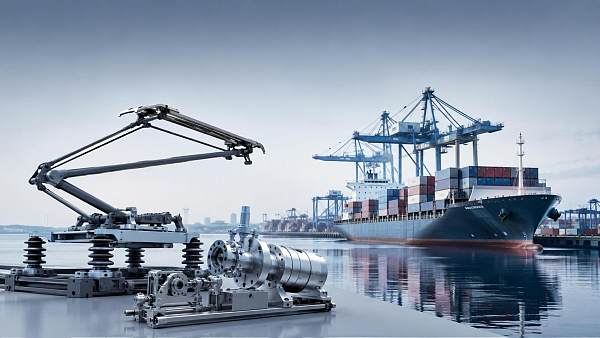
This is especially visible across land-sea transportation systems. Railway signaling depends on SIL4-level safety logic, braking performance, interface reliability, and network density. Maritime assets face another layer of complexity, including route optimization, cryogenic containment, fuel systems, and international compliance.
A portal such as GTOT is relevant because it follows these systems where engineering, regulation, and supply chain strategy overlap. That creates a stronger basis for vendor comparison than simple product listings can provide.
What a useful industrial product information portal actually contains
The term sounds broad, but usefulness depends on a few practical traits. The first is structured data. The second is comparability. The third is context.
Structured data means technical parameters are normalized. A braking system should not be described with one vendor using stopping distance and another emphasizing only control logic. A portal should make the core comparison fields visible and consistent.
Comparability means similar equipment is grouped by function, duty range, standards, and operating environment. That helps separate urban rail pantographs from high-speed models, or conventional vessels from smart container ships with AI-enabled route management.
Context means the data is linked to real use conditions. A headline specification has limited value unless the portal explains where it matters, where it does not, and what tradeoffs it introduces.
Core information layers that improve vendor comparison
- Technical parameters with common definitions and units.
- Certification, standards, and safety benchmark visibility.
- Application scenarios by speed class, route type, cargo type, or operating temperature.
- Lifecycle factors such as maintenance intervals, retrofit fit, and energy efficiency.
- Commercial and sector intelligence that explains demand cycles and tender direction.
When these layers are missing, an industrial product information portal may still look rich, but it does little to support serious comparison.
Where GTOT fits into the comparison process
GTOT is positioned around equipment categories where technical nuance drives commercial outcomes. Its value is not only that it covers rail and maritime sectors together. More importantly, it treats both as connected infrastructure systems.
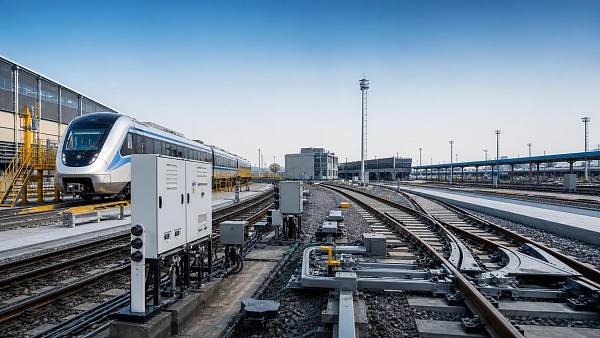
In railway signal control systems, comparison often depends on fail-safe design logic, automation readiness, interface compatibility, and high-density operation support. In pantographs, stability under wind, vibration, and sustained high speed matters more than surface-level product claims.
Rail transit braking systems require another lens. Thermal behavior, microelectronic control response, stopping precision, and service reliability can change the practical ranking between vendors.
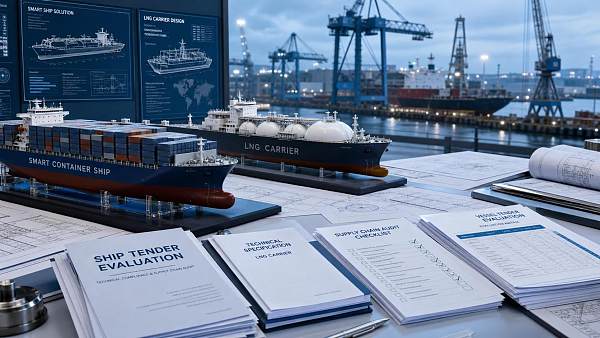
The same pattern appears at sea. Smart container ships are not judged only by vessel size. Decision quality depends on route optimization systems, ship-to-shore integration, sensor networks, and digital operating efficiency.
LNG carriers demand even tighter comparison logic. Membrane containment design, cryogenic insulation stability, dual-fuel propulsion, and minus 163 degrees operating resilience create a technical threshold that generic portals rarely explain well.
GTOT’s Strategic Intelligence Center adds another layer. Trend analysis on LTE-M in rail transit, brake material thermal fade, and LNG containment stress gives the industrial product information portal stronger analytical depth. That helps comparisons move beyond current catalogs and toward future suitability.
How useful portals separate signal from sales language
One reason vendor comparison becomes difficult is that industrial marketing often describes outcomes without exposing conditions. “High efficiency,” “advanced safety,” and “intelligent control” sound attractive, but they do not support evaluation on their own.
A strong industrial product information portal should translate those broad claims into verifiable dimensions. It should show what safety level is certified, what control architecture is used, what environment the product is designed for, and what benchmarks support the claim.
This difference looks simple on paper, but in practice it changes decisions. Better structure reduces false equivalence between vendors that appear similar at first glance.
The business value goes beyond product lookup
A useful industrial product information portal supports several layers of work at once. It helps with technical pre-screening, but it also helps frame timing, risk, and strategic relevance.
For example, global trade pattern changes can raise interest in smart vessels and efficient rail components at the same time. A portal that combines equipment data with commercial insight can show whether a vendor is aligned with likely project demand, not just current availability.
That is where GTOT’s land-sea perspective is useful. Intercontinental logistics is increasingly judged as one connected system. Rail corridor efficiency, port intelligence, vessel performance, and energy transport capability now influence each other more directly.
In that setting, vendor comparison becomes a question of system fit. The industrial product information portal that supports this view has more long-term value than one limited to isolated product snapshots.
What to examine before trusting a portal for vendor evaluation
Not every portal that looks comprehensive is reliable enough for comparison work. A few checks can quickly reveal whether the platform is genuinely useful.
Questions worth asking
- Are specification fields standardized across vendors and categories?
- Does the portal explain standards such as SIL4 or cryogenic containment requirements in context?
- Can product performance be read against route conditions, speed range, cargo type, or vessel architecture?
- Is market intelligence current enough to reflect investment cycles and tender pressure?
- Does the platform include expert interpretation, or only republished supplier material?
Usually, the most useful industrial product information portal is the one that makes tradeoffs visible. Strong decision support does not hide complexity. It organizes it.
Turning information into a stronger next step
An industrial product information portal becomes genuinely valuable when it helps build a repeatable comparison method. That may start with a short list of technical thresholds, then expand into certification checks, lifecycle factors, integration fit, and market timing.
For transport and maritime equipment, that method should stay close to operating reality. Compare by mission profile, not by headline language. Review standards and application conditions together. Use trend analysis to understand whether the strongest option today will remain suitable across the next investment cycle.
That is the practical test of usefulness. A portal like GTOT earns attention when it helps turn scattered industry intelligence into a clear comparison framework for rail and ocean technologies. The sensible next move is to define the evaluation criteria first, then use the portal to test vendors against the conditions that actually matter.
Recommended News
 Sep 29, 2026What drives traction systems price differences between rail projects?Traction systems price differences explained: compare duty cycles, voltage compatibility, integration, localization, and lifecycle costs for smarter rail procurement.
 Sep 26, 2026What to assess before selecting an electric traction system manufacturerChoose an electric traction system manufacturer with confidence. Explore key criteria for performance, reliability, safety, integration, energy efficiency, and lifecycle support.
 Sep 25, 2026When do full digitalization systems justify the investment?Full digitalization systems: discover when rail and maritime operators can turn connected data into safer operations, higher availability, and measurable ROI.
 Sep 23, 2026What drives automatic train control systems cost on rail projects?Automatic train control systems cost depends on integration, migration, safety testing, communications, and lifecycle support. Explore the key budget drivers for rail projects.
 Sep 21, 2026How to assess an ocean going vessel builder’s delivery riskAssess an ocean going vessel builder’s delivery risk with proven checks for schedules, capacity, design maturity, critical equipment, quality, and project controls.
 Sep 20, 2026What drives rail safety technology costs over a project lifecycle?Rail safety technology cost goes beyond equipment—explore lifecycle drivers from integration and safety assurance to cybersecurity, commissioning, and obsolescence.
 Sep 16, 2026What to verify before choosing an advanced ocean-going vessels supplierAdvanced ocean-going vessels supplier checklist: verify design authority, build quality, digital systems, delivery reliability, and lifecycle support before you buy.
 Sep 15, 2026What rail safety technology best reduces level-crossing risks in Southeast Asia?Rail safety technology Southeast Asia: discover how fail-safe signalling, barriers, obstacle detection and remote monitoring reduce level-crossing risks.
 Sep 14, 2026How exporters can reduce customs delays in global trade logisticsGlobal trade logistics for exporters: reduce customs delays with accurate data, clearance-ready documents, early filing, and proactive exception management.
 Sep 13, 2026When do global transportation network systems reduce delivery delays?Global transportation network systems reduce delivery delays by improving rail-port-vessel coordination, real-time visibility, and proactive decisions across complex land-sea supply chains.
 Sep 09, 2026When should you choose a rail and maritime manufacturer with dual-sector capability?Rail and maritime manufacturer guide: learn when dual-sector capability reduces integration risk, improves lifecycle support, and strengthens rail-to-port operations.
 Sep 08, 2026What to verify before selecting a railway signalling equipment supplierRailway signalling equipment supplier checklist: verify safety evidence, integration, cybersecurity, delivery capability, and lifecycle support before award.
 Sep 07, 2026How to size a traction power transformer for railway load demandTraction power transformer sizing guide: model railway load demand, peak duty, voltage regulation, harmonics, and contingency capacity for reliable service.
 Sep 07, 2026How do customization options for industrial connectors affect lead times?Customization options for industrial connectors can impact lead times, cost, and compliance. Learn how to specify smarter for rail and marine projects.
 Sep 05, 2026What information should an industrial sourcing guide include?Industrial sourcing information procurement guide: evaluate suppliers, compliance, lifecycle costs, interfaces, and lead times for smarter rail and maritime purchasing decisions.
 Sep 01, 2026How to find reliable maritime tender information before biddingMaritime tender information: learn how to verify sources, define bid-ready scopes, check qualifications, and reduce risk before submitting competitive marine bids.
 Aug 30, 2026How to select railway automation equipment for depots with phased upgradesRailway automation equipment for depots: learn how to plan phased upgrades that improve safety, throughput, integration, and lifecycle control.
 Aug 27, 2026How industrial sourcing intelligence pricing data supports budget approvalIndustrial sourcing intelligence pricing data helps teams benchmark scope, assess supplier risk, and build defensible budget approvals for complex rail and maritime assets.
 Aug 26, 2026When does a marine fuel efficiency solution make financial sense in the Middle East?Marine fuel efficiency solution Middle East: learn when retrofit savings, compliance value, and vessel data align to deliver credible ROI and smarter shipping investment decisions.
 Aug 24, 2026When does maritime automation for tankers deliver a real payback?Maritime automation for tankers delivers real payback when it cuts fuel use, reduces cargo risk, and improves uptime. See how owners can time investment for stronger ROI.
 Aug 23, 2026When do maritime logistics systems in the Middle East justify the costMaritime logistics systems Middle East: discover when rising delays, manual coordination, and poor visibility make system investment the smarter move for regional operators.
 Aug 22, 2026What drives vessel navigation system price for commercial fleetsVessel navigation system price depends on integration, compliance, automation, and support—not just hardware. Learn what drives fleet costs and compare quotes with confidence.
 Aug 21, 2026How to assess shipbuilding maritime tenders before biddingShipbuilding maritime tenders require more than price checks. Learn how to assess technical scope, compliance, supply chain, and commercial risk before bidding with confidence.
 Aug 20, 2026When does working with an ocean-going vessels distributor reduce supply risk?Ocean-going vessels distributor: learn when this partner cuts supply risk through stronger compliance, faster response, and better sourcing resilience in complex maritime procurement.