



Search News
Industry Portal
Popular Tags
Global Supply Chain for Rail Components: Key Cost and Risk Factors
Author
Time
Click Count
Global Supply Chain for Rail Components: Key Cost and Risk Factors
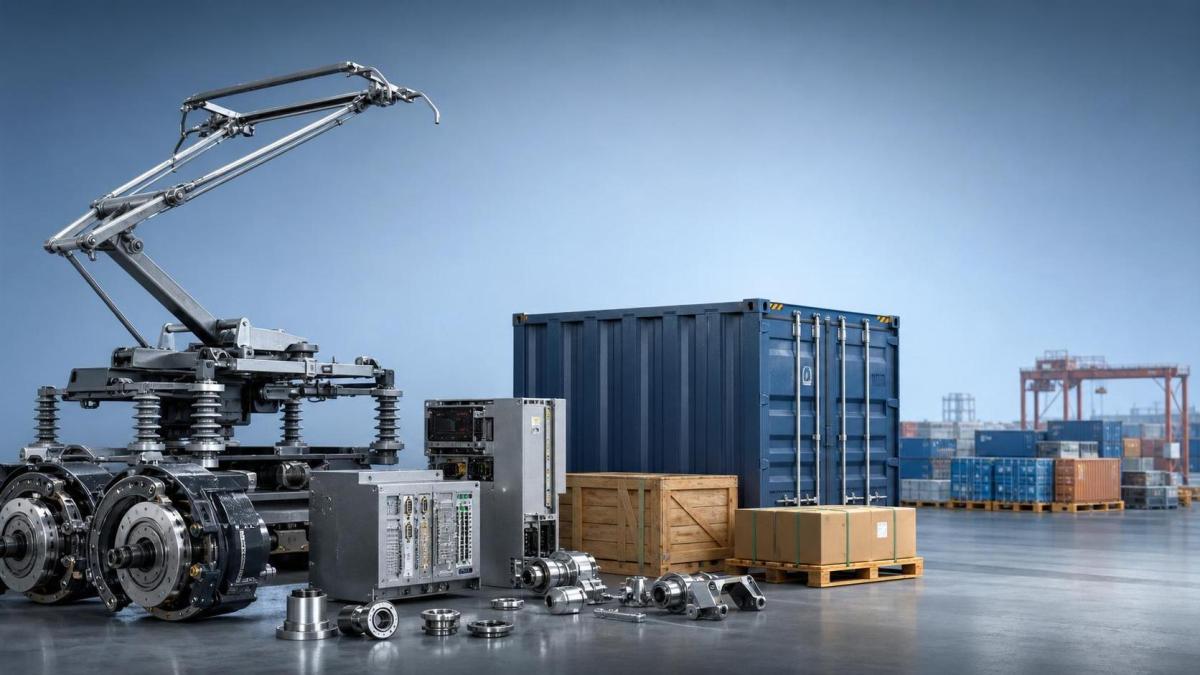
For enterprise decision-makers, the global supply chain for rail components is no longer just a sourcing issue. It now shapes cost control, delivery resilience, and operational safety.
That shift is especially visible in signaling systems, pantographs, braking systems, and other high-value rail assets. These parts sit at the center of uptime, certification, and project profitability.
In the global supply chain for rail components, a low quoted price rarely tells the full story. Total landed cost and hidden risk often decide whether procurement supports growth or creates exposure.
From recent market changes, the clearer signal is this: procurement teams need deeper visibility into technical, geographic, and compliance variables before placing strategic orders.
This is where platforms such as GTOT add value. By connecting intelligence across rail control, traction, braking, and broader transport systems, sourcing decisions become more grounded and more defendable.
Why the Global Supply Chain for Rail Components Has Become More Complex
A decade ago, many buyers could rely on stable supplier networks and predictable lead times. Today, the global supply chain for rail components is exposed to far more moving parts.
First, product complexity has increased. Modern rail systems depend on software, sensors, electronics, advanced materials, and strict interoperability standards.
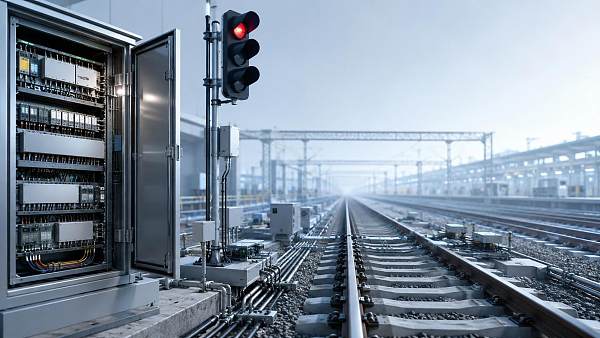
Second, safety thresholds remain extremely high. Components linked to SIL4 environments, train braking, and power collection cannot be sourced like ordinary industrial parts.
Third, geopolitical shifts, freight volatility, and export controls keep changing supplier risk profiles. A vendor that looked stable last year may now carry pricing or delivery uncertainty.
In practical terms, this means procurement must evaluate not only price, but also traceability, certification readiness, engineering support, and long-term service capacity.
The Main Cost Drivers Behind Rail Component Sourcing
The global supply chain for rail components is heavily influenced by several cost layers. Some are visible in supplier quotes. Others appear later during execution.
1. Raw Materials and Specialized Inputs
Copper, aluminum, engineered composites, semiconductors, and specialty steels can sharply affect unit pricing. This is especially true for pantographs, control modules, and braking assemblies.
When commodity markets tighten, component costs rise quickly. Suppliers may also add premiums for low-volume, customized, or safety-critical production runs.
2. Certification and Compliance Costs
Compliance is a major cost factor in the global supply chain for rail components. Testing, documentation, audits, and regional approvals all require time and budget.
If a supplier lacks proven certification pathways, the buyer may absorb additional engineering review, validation delays, or retesting expenses after delivery.
3. Logistics and Inventory Buffering
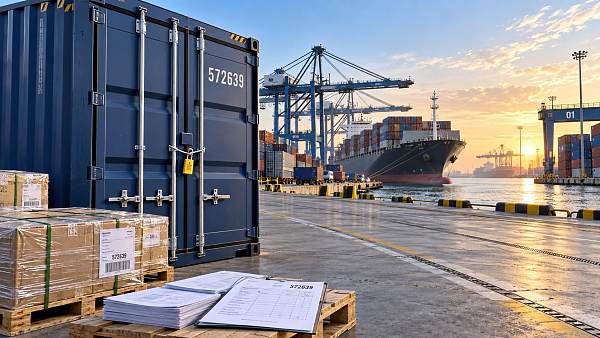
Ocean freight, air freight, inland transport, customs handling, and warehousing can materially change total cost. Heavy or sensitive components often require special packaging and routing.
More importantly, long lead times force buyers to hold more safety stock. That ties up working capital and increases the real cost of the sourcing model.
4. Engineering Change and Lifecycle Support
A cheaper component can become expensive if it triggers redesign, integration issues, or maintenance complications. Lifecycle cost matters more than initial purchase price.
This is common in signaling interfaces, electronic control units, and brake systems, where even a small specification gap can affect system-level performance.
Key Risk Factors That Disrupt Supply Decisions
Cost is only half the picture. In the global supply chain for rail components, unmanaged risk can erase procurement savings very quickly.
Supplier Concentration Risk
Many critical rail parts come from a narrow supplier base. If one qualified source faces capacity pressure, labor issues, or regulatory restrictions, projects can slip fast.
Quality Drift Across Batches
Even approved suppliers can experience process variation. For braking materials, control electronics, or collector head assemblies, small quality shifts can create large operational consequences.
Regulatory and Trade Exposure
Tariff changes, sanctions, localization rules, and technical standards can alter sourcing viability overnight. That is a growing pressure point in cross-border rail procurement.
After-Sales Support Gaps
A part is not truly qualified if field support is weak. Delayed troubleshooting, spare parts shortages, and unclear warranty terms all increase operational risk.
Cyber and Data Vulnerability
As digital rail systems expand, more components involve firmware, diagnostics, and network interfaces. Supply risk now includes software integrity and data security concerns.
How to Evaluate Suppliers More Accurately
A stronger sourcing approach starts with better supplier evaluation. In the global supply chain for rail components, qualification should go beyond a price comparison sheet.
- Check certification history for similar rail applications, not just generic industrial projects.
- Review production redundancy, sub-tier sourcing, and capacity visibility.
- Assess engineering responsiveness during design clarification and change requests.
- Verify spare parts policy, repair turnaround, and field service coverage.
- Examine digital security practices for software-enabled components.
In real procurement work, this kind of screening often reveals that the lowest bidder is not the lowest-risk option. That insight protects both schedule and asset performance.
A Practical Cost and Risk Review Framework
To make better decisions in the global supply chain for rail components, procurement teams need a simple but disciplined review model.
This framework works well for signaling equipment, pantographs, braking systems, and other specialized assemblies. It helps teams compare suppliers on business impact, not just quote value.
What Smart Buyers Are Doing Differently
The strongest performers in the global supply chain for rail components are changing how they buy. They are not waiting for disruption before acting.
- They segment components by criticality, not only by spend.
- They build approved alternatives before shortages begin.
- They use market intelligence to time sourcing decisions.
- They align procurement, engineering, and operations earlier.
- They treat supplier transparency as a strategic requirement.
That approach is increasingly important as rail technology becomes more connected and more specialized. Better intelligence now creates measurable purchasing advantage later.
Final Takeaway for Procurement Strategy
The global supply chain for rail components rewards disciplined buyers. It also punishes shallow cost analysis and reactive supplier management.
A smart procurement strategy looks at total cost, technical fit, compliance readiness, and long-term support in one view. That is how resilient supply decisions are built.
For organizations sourcing critical rail systems, stronger intelligence is now part of the buying process itself. The better the visibility, the better the negotiating position and the lower the operational surprise.
The next practical step is clear: map your highest-risk components, review supplier depth, and recalculate total landed cost before the next major procurement cycle begins.
Recommended News
 Sep 29, 2026What drives traction systems price differences between rail projects?Traction systems price differences explained: compare duty cycles, voltage compatibility, integration, localization, and lifecycle costs for smarter rail procurement.
 Sep 26, 2026What to assess before selecting an electric traction system manufacturerChoose an electric traction system manufacturer with confidence. Explore key criteria for performance, reliability, safety, integration, energy efficiency, and lifecycle support.
 Sep 25, 2026When do full digitalization systems justify the investment?Full digitalization systems: discover when rail and maritime operators can turn connected data into safer operations, higher availability, and measurable ROI.
 Sep 23, 2026What drives automatic train control systems cost on rail projects?Automatic train control systems cost depends on integration, migration, safety testing, communications, and lifecycle support. Explore the key budget drivers for rail projects.
 Sep 21, 2026How to assess an ocean going vessel builder’s delivery riskAssess an ocean going vessel builder’s delivery risk with proven checks for schedules, capacity, design maturity, critical equipment, quality, and project controls.
 Sep 20, 2026What drives rail safety technology costs over a project lifecycle?Rail safety technology cost goes beyond equipment—explore lifecycle drivers from integration and safety assurance to cybersecurity, commissioning, and obsolescence.
 Sep 16, 2026What to verify before choosing an advanced ocean-going vessels supplierAdvanced ocean-going vessels supplier checklist: verify design authority, build quality, digital systems, delivery reliability, and lifecycle support before you buy.
 Sep 15, 2026What rail safety technology best reduces level-crossing risks in Southeast Asia?Rail safety technology Southeast Asia: discover how fail-safe signalling, barriers, obstacle detection and remote monitoring reduce level-crossing risks.
 Sep 14, 2026How exporters can reduce customs delays in global trade logisticsGlobal trade logistics for exporters: reduce customs delays with accurate data, clearance-ready documents, early filing, and proactive exception management.
 Sep 13, 2026When do global transportation network systems reduce delivery delays?Global transportation network systems reduce delivery delays by improving rail-port-vessel coordination, real-time visibility, and proactive decisions across complex land-sea supply chains.
 Sep 09, 2026When should you choose a rail and maritime manufacturer with dual-sector capability?Rail and maritime manufacturer guide: learn when dual-sector capability reduces integration risk, improves lifecycle support, and strengthens rail-to-port operations.
 Sep 08, 2026What to verify before selecting a railway signalling equipment supplierRailway signalling equipment supplier checklist: verify safety evidence, integration, cybersecurity, delivery capability, and lifecycle support before award.
 Sep 07, 2026How to size a traction power transformer for railway load demandTraction power transformer sizing guide: model railway load demand, peak duty, voltage regulation, harmonics, and contingency capacity for reliable service.
 Sep 07, 2026How do customization options for industrial connectors affect lead times?Customization options for industrial connectors can impact lead times, cost, and compliance. Learn how to specify smarter for rail and marine projects.
 Sep 05, 2026What information should an industrial sourcing guide include?Industrial sourcing information procurement guide: evaluate suppliers, compliance, lifecycle costs, interfaces, and lead times for smarter rail and maritime purchasing decisions.
 Sep 01, 2026How to find reliable maritime tender information before biddingMaritime tender information: learn how to verify sources, define bid-ready scopes, check qualifications, and reduce risk before submitting competitive marine bids.
 Aug 30, 2026How to select railway automation equipment for depots with phased upgradesRailway automation equipment for depots: learn how to plan phased upgrades that improve safety, throughput, integration, and lifecycle control.
 Aug 27, 2026How industrial sourcing intelligence pricing data supports budget approvalIndustrial sourcing intelligence pricing data helps teams benchmark scope, assess supplier risk, and build defensible budget approvals for complex rail and maritime assets.
 Aug 26, 2026When does a marine fuel efficiency solution make financial sense in the Middle East?Marine fuel efficiency solution Middle East: learn when retrofit savings, compliance value, and vessel data align to deliver credible ROI and smarter shipping investment decisions.
 Aug 24, 2026When does maritime automation for tankers deliver a real payback?Maritime automation for tankers delivers real payback when it cuts fuel use, reduces cargo risk, and improves uptime. See how owners can time investment for stronger ROI.
 Aug 23, 2026When do maritime logistics systems in the Middle East justify the costMaritime logistics systems Middle East: discover when rising delays, manual coordination, and poor visibility make system investment the smarter move for regional operators.
 Aug 22, 2026What drives vessel navigation system price for commercial fleetsVessel navigation system price depends on integration, compliance, automation, and support—not just hardware. Learn what drives fleet costs and compare quotes with confidence.
 Aug 21, 2026How to assess shipbuilding maritime tenders before biddingShipbuilding maritime tenders require more than price checks. Learn how to assess technical scope, compliance, supply chain, and commercial risk before bidding with confidence.
 Aug 20, 2026When does working with an ocean-going vessels distributor reduce supply risk?Ocean-going vessels distributor: learn when this partner cuts supply risk through stronger compliance, faster response, and better sourcing resilience in complex maritime procurement.