



Search News
Industry Portal
Popular Tags
LNG Carriers for Energy Security: Capacity, Routes, and Supply Risk
Author
Time
Click Count
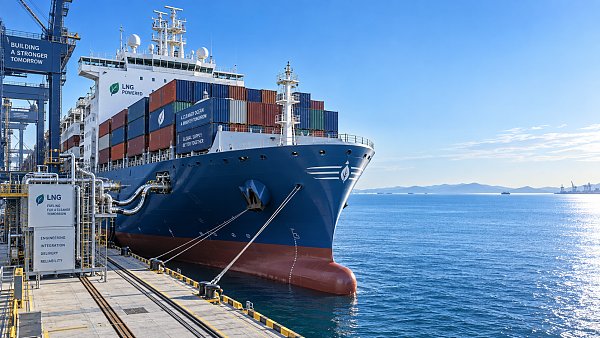
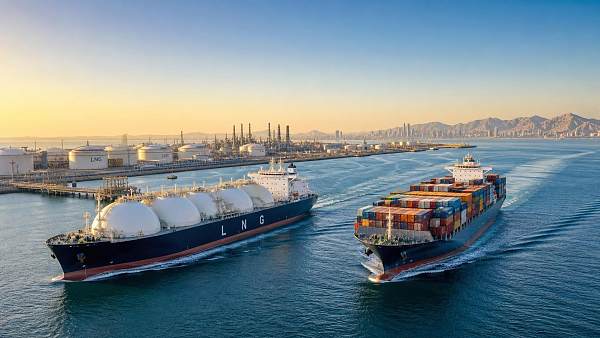
LNG carriers for energy security now sit at the center of industrial planning, not just maritime strategy. They connect gas supply with power generation, heavy industry, winter demand security, and national resilience when pipeline flows, regional politics, or weather patterns shift unexpectedly.
That is why capacity, route flexibility, and supply risk deserve close attention. An LNG vessel is more than a transport asset. It is a moving part of a wider land-sea system, where terminal access, fleet technology, insurance exposure, and port congestion all influence energy continuity.
Why LNG carriers matter beyond shipping
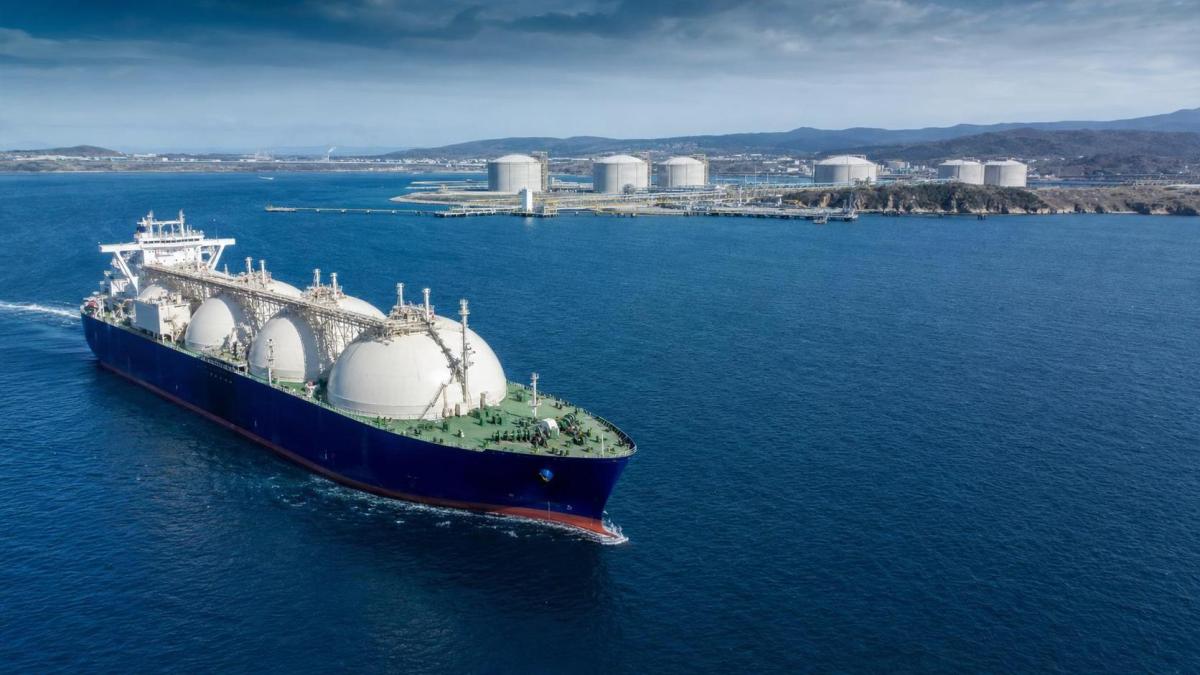
LNG carriers for energy security are often described as mobile pipelines. The phrase is useful because it captures their strategic role. Unlike fixed pipelines, they can redirect cargoes between regions when demand spikes or supply is disrupted.
This flexibility has become more valuable as gas trade grows less predictable. Seasonal swings remain important, but short-term dislocations now move markets faster. A vessel scheduled for one basin may be rerouted if price spreads widen or import urgency rises.
From GTOT’s cross-sector perspective, LNG shipping also mirrors broader transport intelligence trends. Rail signalling, traction systems, smart container shipping, and cryogenic vessel operations all depend on precision, safety margins, and asset visibility across interconnected networks.
Capacity is not just a fleet count
When executives review LNG carriers for energy security, the first question is often how many ships are available. In practice, useful capacity is more complex. Nameplate fleet size does not equal deployable transport capacity.
Several factors narrow real availability. Some vessels are tied to long-term charters. Others face dry-docking schedules, boil-off management limits, canal restrictions, ice-class requirements, or terminal compatibility issues.
Containment technology also matters. Membrane systems and Moss-type vessels bring different operational profiles. Efficiency, cargo retention, and maintenance planning can influence voyage economics, especially on long-haul routes linking the Atlantic and Pacific basins.
Dual-fuel propulsion has become another practical capacity issue. More efficient ships can reduce fuel consumption and emissions while preserving commercial flexibility. In tight markets, that affects both delivered cost and the ability to keep schedules under changing route conditions.
Key capacity variables to watch
- Fleet age profile and retrofit feasibility for emissions compliance.
- Share of vessels locked into long-term contracts.
- Terminal berth compatibility, draft limits, and unloading rates.
- Canal transit access, waiting time, and diversion risk.
- Boil-off gas performance on long and delayed voyages.
Routes define both opportunity and exposure
Global LNG trade has never depended on one route alone. Cargoes move from the US Gulf, Qatar, Australia, West Africa, and other suppliers into Europe, Northeast Asia, South Asia, and emerging import markets.
Yet route choice is not purely geographic. It is commercial, technical, and geopolitical at the same time. The shortest sailing path may not be the lowest-risk option if a chokepoint becomes unstable or insurance costs rise sharply.
The Panama Canal, Suez Canal, Strait of Hormuz, and Bab el-Mandeb remain especially relevant. Delays or security concerns at any of these points can reshape voyage time, freight rates, and downstream inventory planning within days.
For LNG carriers for energy security, route resilience increasingly means having alternatives. Longer diversions can still support supply continuity if receiving terminals, storage systems, and procurement contracts are designed with timing flexibility in mind.
Illustrative route-risk matrix
Supply risk is now multi-layered
Supply risk in LNG carriers for energy security is no longer only about whether gas exists in the market. The deeper question is whether cargoes can move, arrive on time, discharge efficiently, and remain affordable under stress.
Geopolitics is one layer. Sanctions, conflict, export policy changes, and maritime security incidents can alter trade flows quickly. Even rumors can move charter rates before a physical shortage appears.
Infrastructure is another layer. Import terminals, floating storage and regasification units, pipeline links, and inland distribution systems must work together. A vessel arriving on time still fails to secure supply if shore-side capacity is constrained.
Technology and compliance add a quieter but important risk category. Maintenance quality, containment integrity, crew capability, methane emissions rules, and fuel switching performance all influence operational reliability over the asset lifecycle.
Where business value actually appears
For many organizations, LNG carriers for energy security are not owned directly. Even so, vessel intelligence affects procurement terms, energy cost stability, and resilience planning across power, industrial feedstock, logistics, and infrastructure investments.
The most immediate value comes from better timing decisions. Knowing how vessel availability, route delays, and terminal queues interact helps improve contract design, inventory buffers, and hedging logic.
A second value area is capital planning. Terminal developers, utilities, and transport-linked infrastructure operators need a realistic view of ship compatibility, cargo turnover, and future fleet standards before expanding berths or regasification capacity.
There is also reputational value. In regulated and tender-driven environments, credible technical understanding matters. GTOT’s intelligence approach is relevant here because it links marine engineering detail with wider supply chain and transport system decision-making.
Signals worth monitoring regularly
- Newbuild orders versus expected liquefaction growth.
- Charter rate spikes during weather-driven demand events.
- FSRU deployment trends in emerging import regions.
- Regulatory pressure on methane slip and ship efficiency.
- Stress at strategic chokepoints and alternative routing costs.
How to assess LNG carriers for energy security in practice
A useful assessment starts with system thinking. Instead of evaluating vessels in isolation, map the full chain from liquefaction source to receiving terminal, onward transport, storage cover, and end-use demand sensitivity.
Then compare physical flexibility with contractual flexibility. A diversified supplier base helps, but only if vessel access, slot availability, and destination clauses support redirection when conditions change.
It also helps to separate short-term and structural risk. A temporary freight spike requires different action than a long-term mismatch between terminal design and the future LNG carrier fleet.
In many cases, the best next step is not a major investment. It is a clearer risk dashboard that tracks route dependencies, berth constraints, ship technology exposure, and alternative sourcing timelines in one decision framework.
A practical review checklist
- Test how many supply scenarios rely on one critical maritime corridor.
- Confirm whether terminals can receive different vessel classes without delay.
- Review charter exposure against peak seasonal demand windows.
- Track technical performance indicators for dual-fuel and containment systems.
- Align shipping assumptions with storage, power, and inland delivery realities.
What deserves attention next
The next phase for LNG carriers for energy security will likely be shaped by three forces at once: tighter emissions expectations, more contested sea lanes, and a wider spread of import infrastructure across new markets.
That combination rewards organizations that can read marine technology and macro-transport signals together. A vessel schedule, a canal backlog, and a terminal bottleneck may look separate. Operationally, they are part of the same energy continuity equation.
A disciplined review of fleet access, route optionality, and supply risk assumptions is a sensible place to start. From there, deeper comparison of terminal readiness, charter strategy, and technical vessel standards will produce stronger long-range decisions.
Recommended News
 Sep 29, 2026What drives traction systems price differences between rail projects?Traction systems price differences explained: compare duty cycles, voltage compatibility, integration, localization, and lifecycle costs for smarter rail procurement.
 Sep 26, 2026What to assess before selecting an electric traction system manufacturerChoose an electric traction system manufacturer with confidence. Explore key criteria for performance, reliability, safety, integration, energy efficiency, and lifecycle support.
 Sep 25, 2026When do full digitalization systems justify the investment?Full digitalization systems: discover when rail and maritime operators can turn connected data into safer operations, higher availability, and measurable ROI.
 Sep 23, 2026What drives automatic train control systems cost on rail projects?Automatic train control systems cost depends on integration, migration, safety testing, communications, and lifecycle support. Explore the key budget drivers for rail projects.
 Sep 21, 2026How to assess an ocean going vessel builder’s delivery riskAssess an ocean going vessel builder’s delivery risk with proven checks for schedules, capacity, design maturity, critical equipment, quality, and project controls.
 Sep 20, 2026What drives rail safety technology costs over a project lifecycle?Rail safety technology cost goes beyond equipment—explore lifecycle drivers from integration and safety assurance to cybersecurity, commissioning, and obsolescence.
 Sep 16, 2026What to verify before choosing an advanced ocean-going vessels supplierAdvanced ocean-going vessels supplier checklist: verify design authority, build quality, digital systems, delivery reliability, and lifecycle support before you buy.
 Sep 15, 2026What rail safety technology best reduces level-crossing risks in Southeast Asia?Rail safety technology Southeast Asia: discover how fail-safe signalling, barriers, obstacle detection and remote monitoring reduce level-crossing risks.
 Sep 14, 2026How exporters can reduce customs delays in global trade logisticsGlobal trade logistics for exporters: reduce customs delays with accurate data, clearance-ready documents, early filing, and proactive exception management.
 Sep 13, 2026When do global transportation network systems reduce delivery delays?Global transportation network systems reduce delivery delays by improving rail-port-vessel coordination, real-time visibility, and proactive decisions across complex land-sea supply chains.
 Sep 09, 2026When should you choose a rail and maritime manufacturer with dual-sector capability?Rail and maritime manufacturer guide: learn when dual-sector capability reduces integration risk, improves lifecycle support, and strengthens rail-to-port operations.
 Sep 08, 2026What to verify before selecting a railway signalling equipment supplierRailway signalling equipment supplier checklist: verify safety evidence, integration, cybersecurity, delivery capability, and lifecycle support before award.
 Sep 07, 2026How to size a traction power transformer for railway load demandTraction power transformer sizing guide: model railway load demand, peak duty, voltage regulation, harmonics, and contingency capacity for reliable service.
 Sep 07, 2026How do customization options for industrial connectors affect lead times?Customization options for industrial connectors can impact lead times, cost, and compliance. Learn how to specify smarter for rail and marine projects.
 Sep 05, 2026What information should an industrial sourcing guide include?Industrial sourcing information procurement guide: evaluate suppliers, compliance, lifecycle costs, interfaces, and lead times for smarter rail and maritime purchasing decisions.
 Sep 01, 2026How to find reliable maritime tender information before biddingMaritime tender information: learn how to verify sources, define bid-ready scopes, check qualifications, and reduce risk before submitting competitive marine bids.
 Aug 30, 2026How to select railway automation equipment for depots with phased upgradesRailway automation equipment for depots: learn how to plan phased upgrades that improve safety, throughput, integration, and lifecycle control.
 Aug 27, 2026How industrial sourcing intelligence pricing data supports budget approvalIndustrial sourcing intelligence pricing data helps teams benchmark scope, assess supplier risk, and build defensible budget approvals for complex rail and maritime assets.
 Aug 26, 2026When does a marine fuel efficiency solution make financial sense in the Middle East?Marine fuel efficiency solution Middle East: learn when retrofit savings, compliance value, and vessel data align to deliver credible ROI and smarter shipping investment decisions.
 Aug 24, 2026When does maritime automation for tankers deliver a real payback?Maritime automation for tankers delivers real payback when it cuts fuel use, reduces cargo risk, and improves uptime. See how owners can time investment for stronger ROI.
 Aug 23, 2026When do maritime logistics systems in the Middle East justify the costMaritime logistics systems Middle East: discover when rising delays, manual coordination, and poor visibility make system investment the smarter move for regional operators.
 Aug 22, 2026What drives vessel navigation system price for commercial fleetsVessel navigation system price depends on integration, compliance, automation, and support—not just hardware. Learn what drives fleet costs and compare quotes with confidence.
 Aug 21, 2026How to assess shipbuilding maritime tenders before biddingShipbuilding maritime tenders require more than price checks. Learn how to assess technical scope, compliance, supply chain, and commercial risk before bidding with confidence.
 Aug 20, 2026When does working with an ocean-going vessels distributor reduce supply risk?Ocean-going vessels distributor: learn when this partner cuts supply risk through stronger compliance, faster response, and better sourcing resilience in complex maritime procurement.