



Search News
Industry Portal
Popular Tags
Steel Ocean Going Vessels: Key Build Standards and Tradeoffs
Author
Time
Click Count
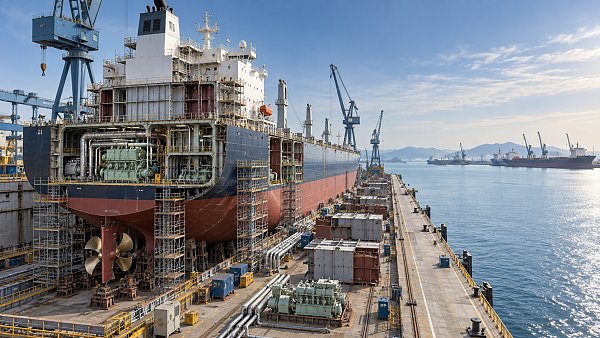
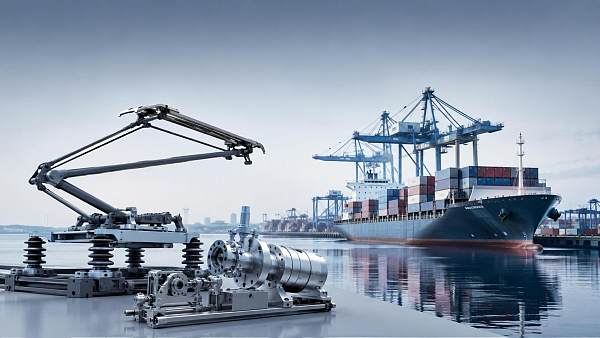
Steel ocean going vessels remain the physical backbone of global trade, energy movement, and industrial supply continuity. For any organization assessing newbuild or fleet renewal options, build standards are not a technical side issue. They shape compliance exposure, structural life, fuel efficiency, uptime, insurance conditions, and resale value across the vessel’s operating horizon.
That is why the discussion around steel ocean going vessels has become broader than hull strength alone. It now includes digital readiness, emissions strategy, cargo specialization, maintenance philosophy, and the ability to perform under tighter regulatory and commercial constraints.
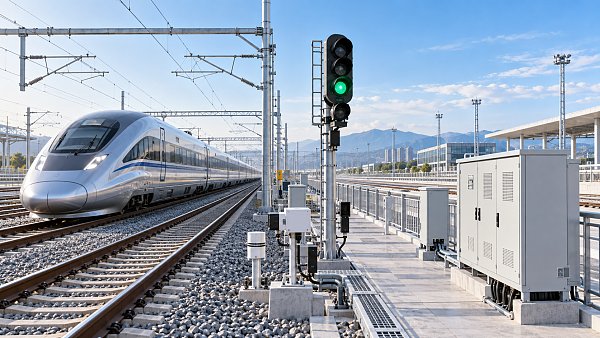
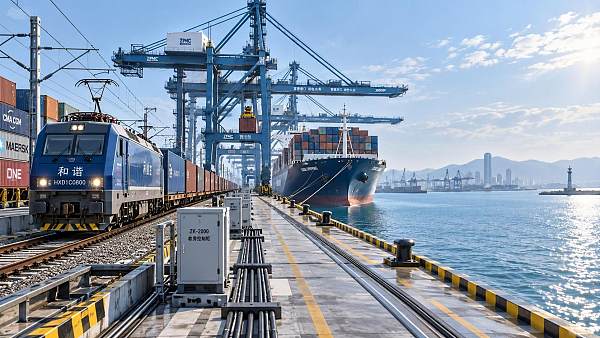
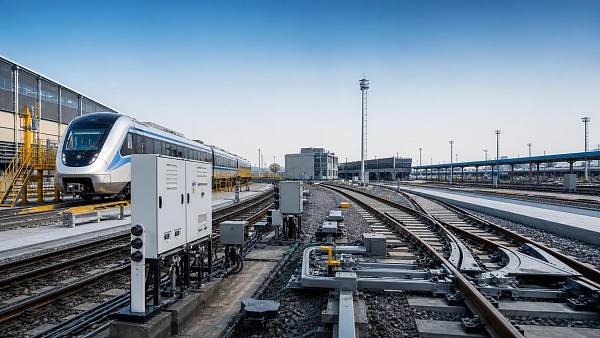
From GTOT’s cross-sector perspective, the same principle seen in railway control and traction systems applies at sea: core equipment standards determine whether speed, safety, and asset efficiency can coexist. In shipping, that logic starts with how the vessel is built.
What Build Standards Really Mean for Steel Ocean Going Vessels
A modern steel ocean going vessel is not defined by steel grade alone. It is defined by a layered framework of class rules, flag requirements, IMO regulations, yard capability, and the technical specification agreed before steel cutting begins.
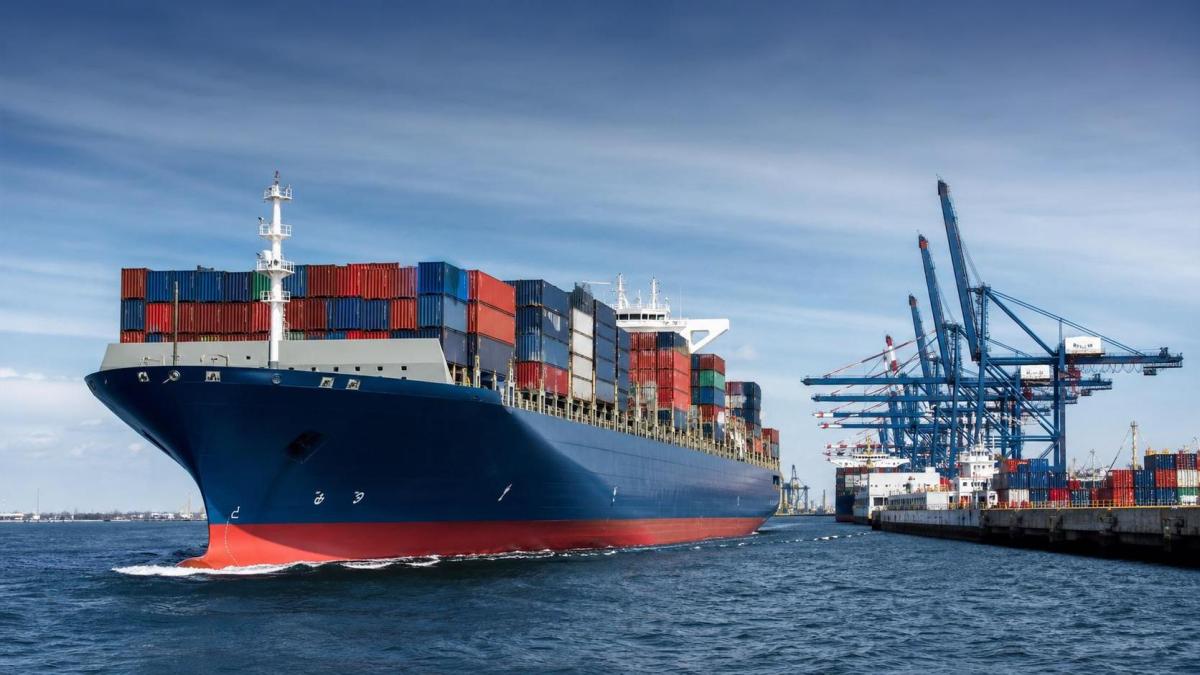
These standards cover structural design, welding quality, corrosion protection, compartment integrity, propulsion systems, electrical architecture, fire safety, cargo handling, and navigation support. In practice, they determine whether the ship can trade smoothly across routes, ports, and inspection regimes.
For steel ocean going vessels, compliance is also a business filter. A vessel that meets baseline rules may still be commercially weak if it lacks efficiency features, digital interfaces, or a future emissions pathway.
The standards stack
Most projects are shaped by several overlapping layers:
- Classification society rules for hull, machinery, and safety systems.
- IMO conventions covering pollution, stability, fire protection, and crew safety.
- Flag state obligations and port state enforcement realities.
- Charterer and cargo-specific technical requirements.
- Owner standards for maintenance access, monitoring, and lifecycle control.
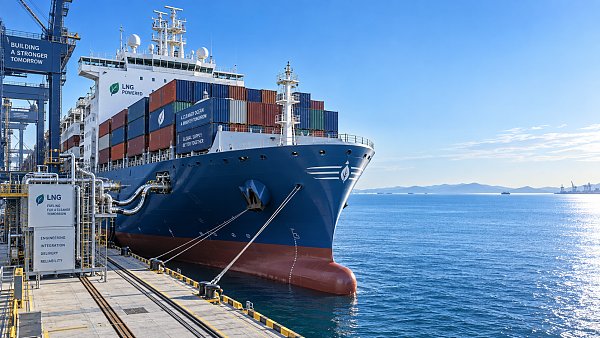
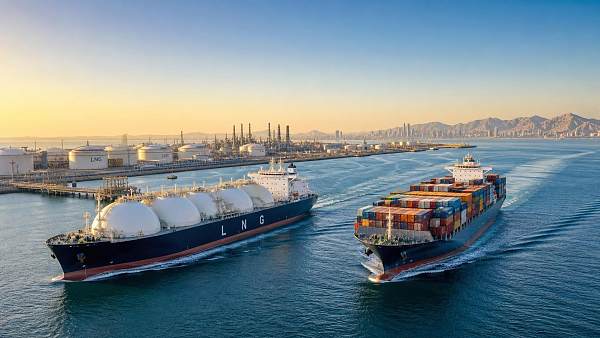
The strongest vessel specifications usually treat these layers as connected. That is especially important for smart container ships, LNG carriers, and other steel ocean going vessels operating in high-value or tightly audited trades.
Why the Market Is Paying Closer Attention
The pressure on vessel design has changed. Freight volatility, decarbonization rules, route disruption, cargo concentration, and financing scrutiny have raised the cost of poor specification decisions.
A decade ago, many buyers focused heavily on delivery price and deadweight. That remains relevant, but the market now rewards steel ocean going vessels that can protect earnings under variable fuel prices, carbon intensity limits, and stricter maintenance expectations.
This is where GTOT’s broader transport intelligence lens matters. Across rail and maritime systems, operators increasingly value resilient platforms over single-point performance. The vessel must not only move cargo. It must remain certifiable, maintainable, and adaptable across market cycles.
Current pressure points
Core Technical Areas That Deserve Closer Review
Not every specification item carries equal commercial weight. Several areas usually have the strongest long-term effect on steel ocean going vessels.
Hull structure and steel selection
Steel grade, plate thickness strategy, fatigue design, and reinforcement details influence crack resistance, cargo stress tolerance, and service life. Route profile matters here. Ocean exposure, temperature range, and loading pattern change the right answer.
A heavier structure may improve durability, but it can reduce cargo capacity and fuel efficiency. A lighter design may support economics, yet it demands tighter quality control and more disciplined inspection planning.
Corrosion protection and coatings
Corrosion is still one of the most underestimated cost drivers in steel ocean going vessels. Coating systems, ballast tank treatment, cathodic protection, and drainage details often decide whether maintenance remains manageable after the first years of service.
Lower upfront coating cost can create repeated drydocking expense later. In sectors with aggressive cargo residues or harsh marine exposure, that tradeoff becomes expensive very quickly.
Propulsion and machinery integration
Main engine selection, shaft arrangement, auxiliary systems, and fuel flexibility now sit at the center of investment discussions. Dual-fuel capability, waste heat recovery, and power management can improve future readiness, but they also raise complexity.
For LNG-related trades, the integration challenge is even sharper. Cryogenic containment, boil-off handling, and propulsion coordination must work as one system, not as separate packages.
Automation and data architecture
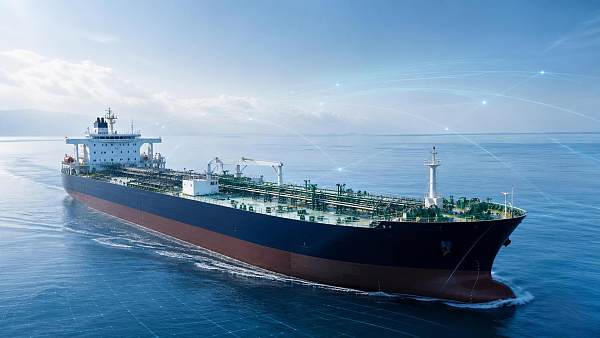
Smart vessel capability is becoming part of baseline quality. Steel ocean going vessels increasingly need sensor coverage, condition monitoring, route optimization support, and shore connectivity that can feed maintenance and performance decisions.
This does not mean every ship should become a technology showcase. It means digital systems should be robust, interoperable, and serviceable. Poorly integrated automation can create operational friction instead of insight.
The Tradeoffs Behind Every Specification
No vessel design optimizes every variable at once. The real task is deciding which tradeoffs fit the intended service model.
Capital cost versus lifecycle cost
Lower contract price can look attractive during ordering cycles, especially when yard slots are competitive. Yet steel ocean going vessels with weaker coating schemes, limited monitoring, or narrow retrofit options often become more expensive over fifteen or twenty years.
Efficiency versus redundancy
Highly optimized systems can reduce fuel burn and improve payload economics. At the same time, extra redundancy in pumps, power supply, fire protection, or control logic may improve dispatch reliability. The balance depends on route criticality and downtime tolerance.
Specialization versus flexibility
A vessel designed tightly around one cargo stream may outperform rivals in that niche. It may also face lower redeployment value if markets change. This is a common issue in advanced steel ocean going vessels built for specialized energy or container workflows.
How to Read Vessel Suitability in Real Business Contexts
The same standard can have different value depending on trade pattern, cargo sensitivity, and port infrastructure. A practical review usually starts with operating context, then works backward into specification priorities.
- For long-haul liner trades, fuel efficiency, digital monitoring, and turnaround reliability usually dominate.
- For LNG and energy shipping, containment integrity, propulsion coordination, and safety systems move to the top.
- For mixed or uncertain markets, retrofit flexibility and resale resilience deserve stronger weighting.
- For harsh environments, structural fatigue margins and corrosion control become more valuable than theoretical efficiency gains.
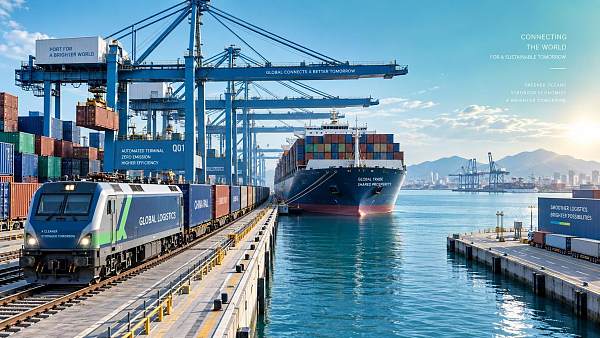
This is also why benchmark intelligence matters. GTOT’s focus on smart ships, LNG carriers, and intercontinental transport systems reflects a useful reality: vessel decisions should be read against broader logistics, regulation, and infrastructure trends, not in isolation.
A Practical Review Framework Before Committing
When comparing steel ocean going vessels, a concise review framework helps separate marketing language from durable value.
- Test whether the specification matches the intended route, cargo, and maintenance model.
- Check which standards are mandatory, which are optional, and which create future commercial advantage.
- Review yard quality history, welding control, coating execution, and delivery consistency.
- Assess retrofit pathways for fuel transition, automation upgrades, and emissions compliance.
- Model total ownership cost, including drydocking, spare parts, fuel profile, and off-hire risk.
A useful next step is to build an internal comparison matrix around these factors, then test each option against likely regulatory and market scenarios. That approach gives steel ocean going vessels a clearer business context, and it leads to decisions that remain credible long after delivery.
Recommended News
 Sep 29, 2026What drives traction systems price differences between rail projects?Traction systems price differences explained: compare duty cycles, voltage compatibility, integration, localization, and lifecycle costs for smarter rail procurement.
 Sep 26, 2026What to assess before selecting an electric traction system manufacturerChoose an electric traction system manufacturer with confidence. Explore key criteria for performance, reliability, safety, integration, energy efficiency, and lifecycle support.
 Sep 25, 2026When do full digitalization systems justify the investment?Full digitalization systems: discover when rail and maritime operators can turn connected data into safer operations, higher availability, and measurable ROI.
 Sep 23, 2026What drives automatic train control systems cost on rail projects?Automatic train control systems cost depends on integration, migration, safety testing, communications, and lifecycle support. Explore the key budget drivers for rail projects.
 Sep 21, 2026How to assess an ocean going vessel builder’s delivery riskAssess an ocean going vessel builder’s delivery risk with proven checks for schedules, capacity, design maturity, critical equipment, quality, and project controls.
 Sep 20, 2026What drives rail safety technology costs over a project lifecycle?Rail safety technology cost goes beyond equipment—explore lifecycle drivers from integration and safety assurance to cybersecurity, commissioning, and obsolescence.
 Sep 16, 2026What to verify before choosing an advanced ocean-going vessels supplierAdvanced ocean-going vessels supplier checklist: verify design authority, build quality, digital systems, delivery reliability, and lifecycle support before you buy.
 Sep 15, 2026What rail safety technology best reduces level-crossing risks in Southeast Asia?Rail safety technology Southeast Asia: discover how fail-safe signalling, barriers, obstacle detection and remote monitoring reduce level-crossing risks.
 Sep 14, 2026How exporters can reduce customs delays in global trade logisticsGlobal trade logistics for exporters: reduce customs delays with accurate data, clearance-ready documents, early filing, and proactive exception management.
 Sep 13, 2026When do global transportation network systems reduce delivery delays?Global transportation network systems reduce delivery delays by improving rail-port-vessel coordination, real-time visibility, and proactive decisions across complex land-sea supply chains.
 Sep 09, 2026When should you choose a rail and maritime manufacturer with dual-sector capability?Rail and maritime manufacturer guide: learn when dual-sector capability reduces integration risk, improves lifecycle support, and strengthens rail-to-port operations.
 Sep 08, 2026What to verify before selecting a railway signalling equipment supplierRailway signalling equipment supplier checklist: verify safety evidence, integration, cybersecurity, delivery capability, and lifecycle support before award.
 Sep 07, 2026How to size a traction power transformer for railway load demandTraction power transformer sizing guide: model railway load demand, peak duty, voltage regulation, harmonics, and contingency capacity for reliable service.
 Sep 07, 2026How do customization options for industrial connectors affect lead times?Customization options for industrial connectors can impact lead times, cost, and compliance. Learn how to specify smarter for rail and marine projects.
 Sep 05, 2026What information should an industrial sourcing guide include?Industrial sourcing information procurement guide: evaluate suppliers, compliance, lifecycle costs, interfaces, and lead times for smarter rail and maritime purchasing decisions.
 Sep 01, 2026How to find reliable maritime tender information before biddingMaritime tender information: learn how to verify sources, define bid-ready scopes, check qualifications, and reduce risk before submitting competitive marine bids.
 Aug 30, 2026How to select railway automation equipment for depots with phased upgradesRailway automation equipment for depots: learn how to plan phased upgrades that improve safety, throughput, integration, and lifecycle control.
 Aug 27, 2026How industrial sourcing intelligence pricing data supports budget approvalIndustrial sourcing intelligence pricing data helps teams benchmark scope, assess supplier risk, and build defensible budget approvals for complex rail and maritime assets.
 Aug 26, 2026When does a marine fuel efficiency solution make financial sense in the Middle East?Marine fuel efficiency solution Middle East: learn when retrofit savings, compliance value, and vessel data align to deliver credible ROI and smarter shipping investment decisions.
 Aug 24, 2026When does maritime automation for tankers deliver a real payback?Maritime automation for tankers delivers real payback when it cuts fuel use, reduces cargo risk, and improves uptime. See how owners can time investment for stronger ROI.
 Aug 23, 2026When do maritime logistics systems in the Middle East justify the costMaritime logistics systems Middle East: discover when rising delays, manual coordination, and poor visibility make system investment the smarter move for regional operators.
 Aug 22, 2026What drives vessel navigation system price for commercial fleetsVessel navigation system price depends on integration, compliance, automation, and support—not just hardware. Learn what drives fleet costs and compare quotes with confidence.
 Aug 21, 2026How to assess shipbuilding maritime tenders before biddingShipbuilding maritime tenders require more than price checks. Learn how to assess technical scope, compliance, supply chain, and commercial risk before bidding with confidence.
 Aug 20, 2026When does working with an ocean-going vessels distributor reduce supply risk?Ocean-going vessels distributor: learn when this partner cuts supply risk through stronger compliance, faster response, and better sourcing resilience in complex maritime procurement.