



Search News
Industry Portal
Popular Tags
Transportation Equipment Intelligence: What to Evaluate Before Adoption

Author
Time
Click Count
Transportation Equipment Intelligence: What to Evaluate Before Adoption
Before investing in new systems, technical teams need more than vendor promises. They need transportation equipment intelligence grounded in evidence, field performance, and operational fit.
That is especially true in rail and maritime sectors. Safety margins are narrow, compliance pressure is rising, and integration mistakes can stay expensive for years.
Good transportation equipment intelligence turns selection into a disciplined process. It helps compare technical capability, lifecycle cost, digital readiness, and supply chain resilience.
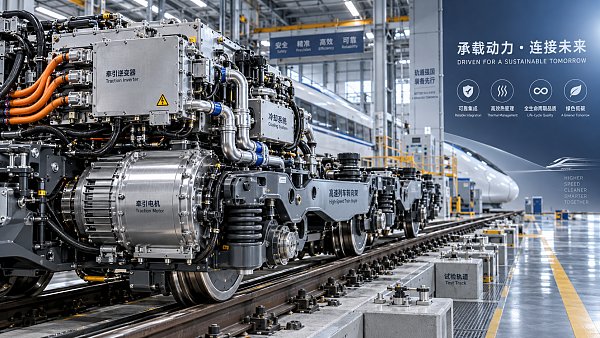
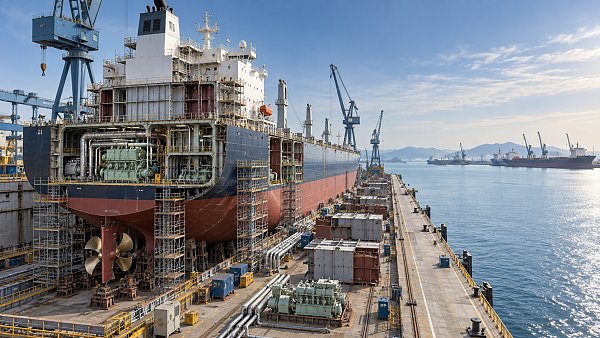
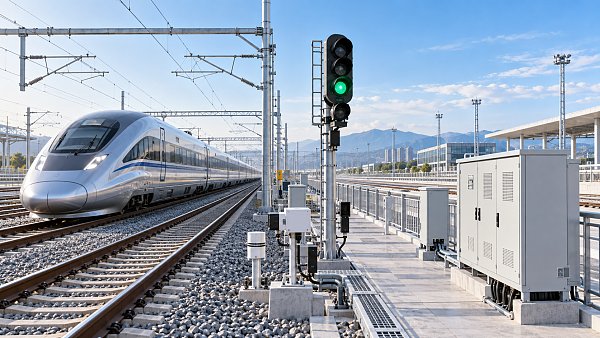
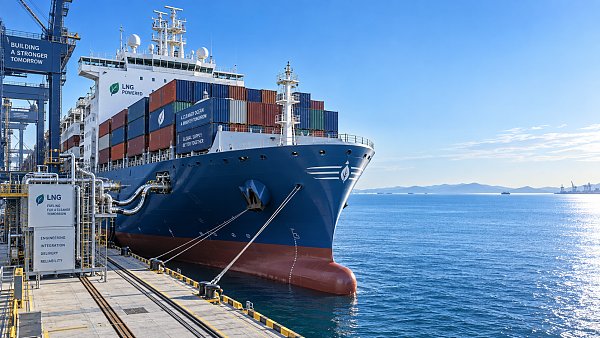
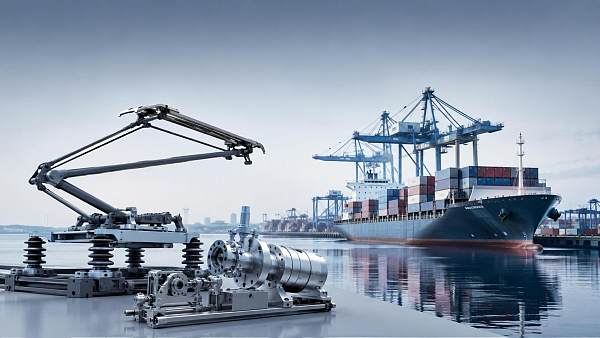
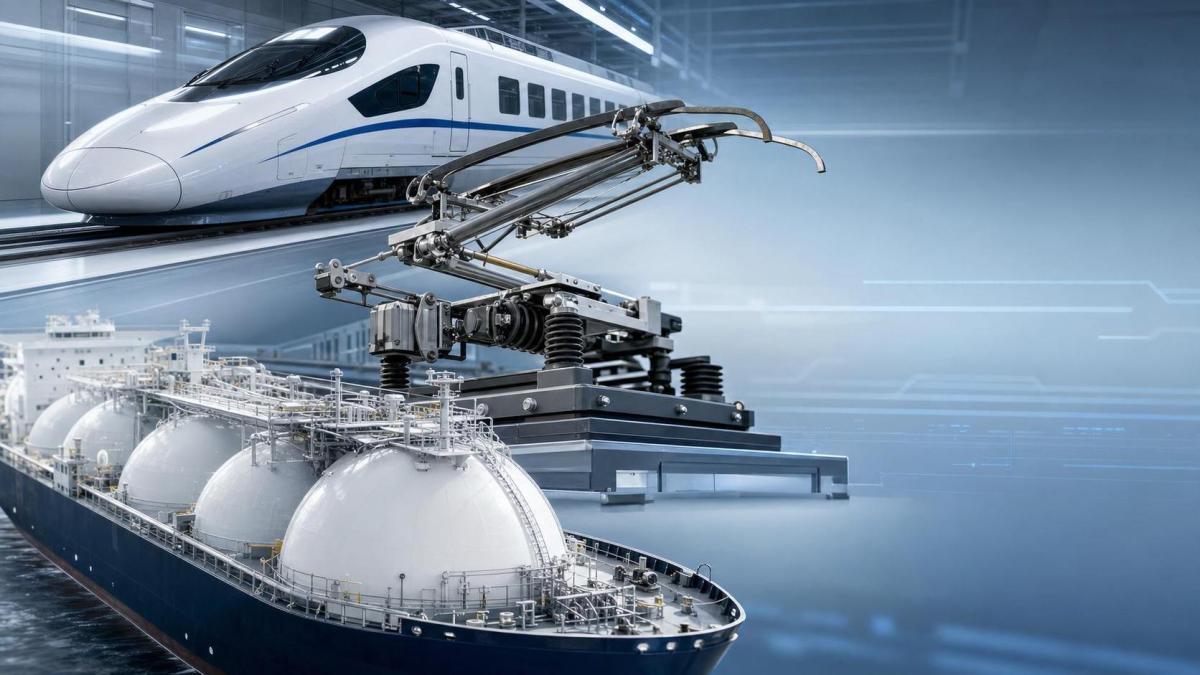
For organizations evaluating signalling, pantographs, braking systems, smart container ships, or LNG carriers, the decision is rarely about one specification alone.
The stronger question is broader. Will the equipment perform reliably inside your real operating environment, regulatory context, and maintenance model?
Start with the operating mission
Every sound evaluation starts with the mission profile. Transportation equipment intelligence is only useful when it reflects the duty cycle, route conditions, and traffic intensity.
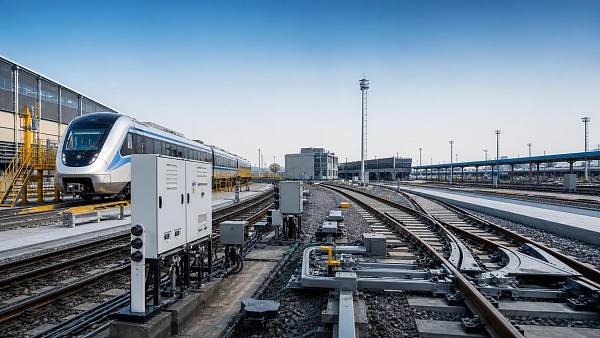
In rail, that means train density, speed range, braking distance, tunnel exposure, and power quality. In maritime, it means cargo type, voyage length, climate, and port interface.
A signalling system proven on a moderate suburban line may not suit a fully automated high-density corridor. A vessel platform built for one trade lane may underperform on another.
This is where transportation equipment intelligence becomes practical. It filters attractive features through real constraints instead of abstract benchmark claims.
- Define normal, peak, and failure operating scenarios.
- List environmental stresses, including wind, salt, vibration, and temperature swings.
- Map the equipment to actual dispatch, maintenance, and turnaround conditions.
When this step is skipped, selection often drifts toward price or reputation. That usually leads to hidden adaptation cost later.
Verify safety and compliance depth
Safety claims should never be accepted at headline level. Strong transportation equipment intelligence tests how standards are applied, validated, and maintained through the asset lifecycle.
For railway control systems, SIL ratings matter, but architecture matters too. Look at redundancy logic, fault isolation, cybersecurity hardening, and software change control.
For braking systems, focus on stopping consistency under heat, load variation, and repeated cycles. Laboratory performance alone is not enough.
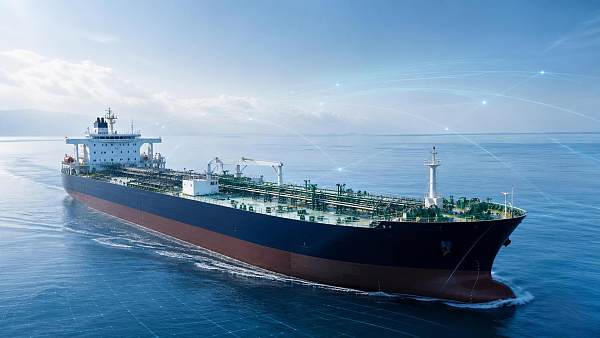
For LNG carriers and smart vessels, compliance spans classification rules, containment integrity, propulsion systems, emissions performance, and navigation support functions.
Useful transportation equipment intelligence asks for evidence such as test reports, incident history, certification updates, and nonconformance handling records.
- Request the latest certification basis, not only the initial approval.
- Check how the supplier manages modifications after deployment.
- Review failure modes that appear during edge-case operations.
From recent market changes, regulators are also paying more attention to digital assurance. That includes software traceability, remote access control, and operational data integrity.
Measure performance stability, not peak numbers
Many adoption decisions fail because teams compare peak metrics instead of stable output. Transportation equipment intelligence should emphasize repeatability under stress.
For pantographs, stable current collection under crosswind, vibration, and wear is more meaningful than a single favorable test condition.
For braking systems, the real question is predictable deceleration after repeated service cycles, contamination exposure, and temperature rise.
For smart ships, route optimization value depends on sensor quality, onboard decision logic, and actual fuel savings across mixed voyage conditions.
In practical evaluation work, ask for time-series data, not just summary charts. Transportation equipment intelligence is stronger when variability is visible.
Check interoperability and digital maturity
A technically strong asset can still fail commercially when integration is weak. Transportation equipment intelligence must examine how the new system connects with existing platforms.
This matters more now because rail and maritime operators are both moving toward connected monitoring, predictive maintenance, and data-assisted control.
For rail, review interface compatibility with control centers, onboard systems, telecom layers, and maintenance software. For ships, assess bridge systems, cargo interfaces, and shore connectivity.
More importantly, check whether data models are open enough for future expansion. Closed ecosystems often increase dependence and delay upgrades.
Transportation equipment intelligence should also rate cybersecurity posture. A connected brake controller or vessel optimization platform increases exposure if governance is weak.
- Ask which protocols, APIs, and diagnostic formats are supported.
- Confirm who owns operational data and update rights.
- Review patching procedures, access control, and recovery plans.
A clearer signal in recent projects is that digital maturity now affects tender competitiveness. Buyers want equipment that fits long-term automation and decarbonization plans.
Look beyond capex to lifecycle value
Purchase price is visible. Lifecycle drag is not. That is why transportation equipment intelligence should include maintenance burden, spares risk, downtime cost, and upgrade economics.
A lower-cost pantograph with faster wear may become the expensive option. A sophisticated vessel control stack with weak support may reduce availability during peak demand periods.
For LNG carriers, energy efficiency and containment reliability influence lifetime value more than initial procurement variance. The same principle applies to signalling and braking assets.
In actual business operations, the best transportation equipment intelligence links engineering output to financial consequence. That makes the recommendation easier to defend internally.
- Estimate mean time between failures using comparable operating conditions.
- Quantify planned and unplanned maintenance labor.
- Model spare parts lead time and obsolescence exposure.
- Compare upgrade paths over five to ten years.
This also helps separate scalable solutions from products that only look competitive during procurement.
Assess supplier depth and intelligence credibility
The supplier is part of the system. Transportation equipment intelligence should test whether the provider can support commissioning, troubleshooting, updates, and compliance through the asset life.
That means looking at engineering bench strength, field service footprint, documentation quality, and responsiveness during past disruptions.
For global rail and ocean projects, supply chain resilience is now a core decision factor. Lead times, export restrictions, and single-source dependencies can derail deployment plans.
This is where intelligence platforms such as GTOT add value. They connect technical evolution, market demand shifts, and supplier positioning across land and sea applications.
High-quality transportation equipment intelligence also compares commercial credibility. Can the vendor support restricted tenders, technical clarifications, and long-cycle project governance?
- Review reference projects with similar complexity and duty profile.
- Check service localization and escalation channels.
- Verify component sourcing depth for critical assemblies.
Build a decision framework before final approval
The final decision should not depend on a single meeting or a polished presentation. Transportation equipment intelligence works best when converted into a weighted selection framework.
Keep the structure simple enough to use, but detailed enough to expose risk. Include safety, performance stability, interoperability, lifecycle value, supplier capability, and strategic fit.
Then pressure-test the result. Ask what changes if traffic grows faster, emissions rules tighten, or spare parts become constrained.
That step often reveals whether your transportation equipment intelligence is robust or too dependent on current assumptions.
Before adoption, gather field evidence, compare lifecycle scenarios, and challenge integration assumptions. Decisions made this way are more likely to deliver reliability, compliance, and durable asset value.
In a market shaped by automation, decarbonization, and tighter global competition, transportation equipment intelligence is not a supporting document. It is the basis for better decisions.
Recommended News
 Sep 29, 2026What drives traction systems price differences between rail projects?Traction systems price differences explained: compare duty cycles, voltage compatibility, integration, localization, and lifecycle costs for smarter rail procurement.
 Sep 26, 2026What to assess before selecting an electric traction system manufacturerChoose an electric traction system manufacturer with confidence. Explore key criteria for performance, reliability, safety, integration, energy efficiency, and lifecycle support.
 Sep 25, 2026When do full digitalization systems justify the investment?Full digitalization systems: discover when rail and maritime operators can turn connected data into safer operations, higher availability, and measurable ROI.
 Sep 23, 2026What drives automatic train control systems cost on rail projects?Automatic train control systems cost depends on integration, migration, safety testing, communications, and lifecycle support. Explore the key budget drivers for rail projects.
 Sep 21, 2026How to assess an ocean going vessel builder’s delivery riskAssess an ocean going vessel builder’s delivery risk with proven checks for schedules, capacity, design maturity, critical equipment, quality, and project controls.
 Sep 20, 2026What drives rail safety technology costs over a project lifecycle?Rail safety technology cost goes beyond equipment—explore lifecycle drivers from integration and safety assurance to cybersecurity, commissioning, and obsolescence.
 Sep 16, 2026What to verify before choosing an advanced ocean-going vessels supplierAdvanced ocean-going vessels supplier checklist: verify design authority, build quality, digital systems, delivery reliability, and lifecycle support before you buy.
 Sep 15, 2026What rail safety technology best reduces level-crossing risks in Southeast Asia?Rail safety technology Southeast Asia: discover how fail-safe signalling, barriers, obstacle detection and remote monitoring reduce level-crossing risks.
 Sep 14, 2026How exporters can reduce customs delays in global trade logisticsGlobal trade logistics for exporters: reduce customs delays with accurate data, clearance-ready documents, early filing, and proactive exception management.
 Sep 13, 2026When do global transportation network systems reduce delivery delays?Global transportation network systems reduce delivery delays by improving rail-port-vessel coordination, real-time visibility, and proactive decisions across complex land-sea supply chains.
 Sep 09, 2026When should you choose a rail and maritime manufacturer with dual-sector capability?Rail and maritime manufacturer guide: learn when dual-sector capability reduces integration risk, improves lifecycle support, and strengthens rail-to-port operations.
 Sep 08, 2026What to verify before selecting a railway signalling equipment supplierRailway signalling equipment supplier checklist: verify safety evidence, integration, cybersecurity, delivery capability, and lifecycle support before award.
 Sep 07, 2026How to size a traction power transformer for railway load demandTraction power transformer sizing guide: model railway load demand, peak duty, voltage regulation, harmonics, and contingency capacity for reliable service.
 Sep 07, 2026How do customization options for industrial connectors affect lead times?Customization options for industrial connectors can impact lead times, cost, and compliance. Learn how to specify smarter for rail and marine projects.
 Sep 05, 2026What information should an industrial sourcing guide include?Industrial sourcing information procurement guide: evaluate suppliers, compliance, lifecycle costs, interfaces, and lead times for smarter rail and maritime purchasing decisions.
 Sep 01, 2026How to find reliable maritime tender information before biddingMaritime tender information: learn how to verify sources, define bid-ready scopes, check qualifications, and reduce risk before submitting competitive marine bids.
 Aug 30, 2026How to select railway automation equipment for depots with phased upgradesRailway automation equipment for depots: learn how to plan phased upgrades that improve safety, throughput, integration, and lifecycle control.
 Aug 27, 2026How industrial sourcing intelligence pricing data supports budget approvalIndustrial sourcing intelligence pricing data helps teams benchmark scope, assess supplier risk, and build defensible budget approvals for complex rail and maritime assets.
 Aug 26, 2026When does a marine fuel efficiency solution make financial sense in the Middle East?Marine fuel efficiency solution Middle East: learn when retrofit savings, compliance value, and vessel data align to deliver credible ROI and smarter shipping investment decisions.
 Aug 24, 2026When does maritime automation for tankers deliver a real payback?Maritime automation for tankers delivers real payback when it cuts fuel use, reduces cargo risk, and improves uptime. See how owners can time investment for stronger ROI.
 Aug 23, 2026When do maritime logistics systems in the Middle East justify the costMaritime logistics systems Middle East: discover when rising delays, manual coordination, and poor visibility make system investment the smarter move for regional operators.
 Aug 22, 2026What drives vessel navigation system price for commercial fleetsVessel navigation system price depends on integration, compliance, automation, and support—not just hardware. Learn what drives fleet costs and compare quotes with confidence.
 Aug 21, 2026How to assess shipbuilding maritime tenders before biddingShipbuilding maritime tenders require more than price checks. Learn how to assess technical scope, compliance, supply chain, and commercial risk before bidding with confidence.
 Aug 20, 2026When does working with an ocean-going vessels distributor reduce supply risk?Ocean-going vessels distributor: learn when this partner cuts supply risk through stronger compliance, faster response, and better sourcing resilience in complex maritime procurement.