



Search News
Industry Portal
Popular Tags
Choosing a Digital Marine Fuel Efficiency Solution for Daily Operations

Author
Time
Click Count
Choosing a Digital Marine Fuel Efficiency Solution for Daily Operations

For operators managing fuel use, route pressure, and daily vessel performance, choosing the right digital marine fuel efficiency solution is no longer optional.
The right platform turns onboard data into usable decisions.
It improves consumption control, voyage efficiency, and compliance without adding friction to routine work.
That matters even more for fleets operating under tighter margins, stricter reporting, and rising bunker price volatility.
In practical terms, a digital marine fuel efficiency solution should help crews and shore teams act faster, not just see more screens.
This is where many buying decisions go wrong.
A platform may look advanced in demos, yet fail during daily operations.
The better approach is to evaluate the solution against real onboard workflows, reporting demands, and maintenance realities.
From a broader transport intelligence perspective, this also fits the direction seen across rail and marine systems.
GTOT tracks the same pattern repeatedly: digital tools only create value when they translate complex equipment data into repeatable operational gains.
Why Daily Operations Need More Than Fuel Reports
Fuel reporting alone is too slow for modern vessel management.
By the time a report reaches shore, the operating condition may already be different.
A strong digital marine fuel efficiency solution supports daily choices such as trim adjustments, speed changes, auxiliary engine scheduling, and route response.
It should also connect fuel behavior with weather, load condition, draft, engine mode, and port waiting time.
That combination is what turns raw measurements into operating intelligence.
More importantly, crews need guidance they can trust during a busy watch.
If the system only presents charts without action cues, adoption will drop quickly.
The best digital marine fuel efficiency solution makes one thing clear: what changed, why it changed, and what to do next.
Start with the Real Operating Problem
Before comparing vendors, define the problem you are trying to solve.
This sounds basic, but it shapes every later decision.
Some fleets need tighter noon report accuracy.
Others need better route optimization or automated CII and emissions tracking.
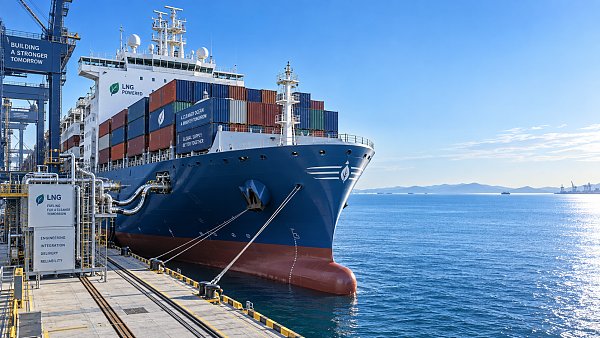
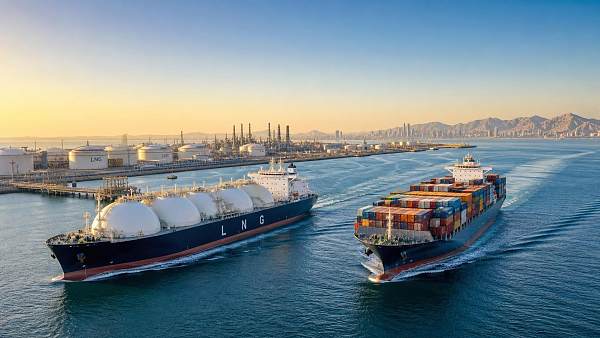
For smart container ships and LNG carriers, the priority may be deeper integration with propulsion, cargo, and voyage systems.
A useful shortlist usually begins with questions like these:
- Is the main goal lower daily consumption or better voyage planning?
- Do you need live onboard support, shore visibility, or both?
- Which vessels create the biggest fuel variance today?
- How much manual data entry is still happening?
- Which compliance reports consume the most time?
When these points are clear, the digital marine fuel efficiency solution becomes easier to assess against actual business value.
Core Features That Matter in Selection
Not every feature deserves equal weight.
A digital marine fuel efficiency solution should first prove it can support stable, routine decision-making.
Focus on these evaluation areas.
Data capture and sensor compatibility
The platform should work with existing flow meters, shaft power meters, GPS, AIS, engine data, and weather feeds.
If integration is weak, confidence in the output will stay low.
Actionable analytics
Look for recommendations tied to speed, trim, engine loading, and route conditions.
A useful digital marine fuel efficiency solution explains performance deviations in plain operating terms.
Onboard usability
Crews do not need a complex analytics lab at sea.
They need fast dashboards, clear alerts, and low training overhead.
Shore-side visibility
Fleet managers should be able to compare vessels, detect outliers, and review trends without rebuilding data manually.
Compliance support
The solution should help with CII, EU ETS, FuelEU Maritime, and internal reporting workflows.
Compliance features are no longer optional add-ons.
How to Compare Vendors Without Getting Distracted
Vendor presentations often focus on interface design and headline savings.
Those points matter, but they are not enough for selection.
A more reliable comparison uses a weighted scorecard.
Ask vendors to show the digital marine fuel efficiency solution using your own vessel scenarios.
That quickly exposes whether the platform works in daily operations or only in ideal examples.
Common Risks During Implementation
Selection is only half the job.
A digital marine fuel efficiency solution can underperform if rollout discipline is weak.
Several risks show up repeatedly across fleets.
- Poor sensor calibration creates mistrust from the first week.
- Unclear ownership between ship and shore teams delays action.
- Too many dashboards hide the most important signals.
- Savings targets are set before baseline quality is verified.
- Training focuses on features, not operating decisions.
The fix is straightforward.
Start with a clear baseline, a pilot vessel group, and a short list of decision metrics.
In most cases, the best digital marine fuel efficiency solution proves value through consistency, not dramatic short-term claims.
What a Strong Operational Fit Looks Like
A strong fit becomes visible in everyday use.
The bridge team sees clear consumption trends during the voyage.
The engine team understands how machinery settings affect bunker use.
Shore staff can compare vessel performance without waiting for manual consolidation.
Management receives evidence that links fuel use, schedule pressure, and emissions exposure.
At that point, the digital marine fuel efficiency solution stops being just a monitoring layer.
It becomes part of the operating routine.
This is also where higher-end intelligence portals such as GTOT become relevant.
Across maritime and rail sectors, the same lesson applies: data systems create durable value when they strengthen operational discipline at the point of action.
A Practical Selection Path
To choose the right digital marine fuel efficiency solution, keep the process simple and evidence-based.
- Define the main fuel, routing, or compliance pain point.
- Map existing data sources and onboard systems.
- Set evaluation criteria around actionability, usability, and integration.
- Run a pilot with representative vessels and voyage profiles.
- Measure adoption, decision quality, and verified savings.
- Expand only after baseline trust and workflow fit are proven.
That path reduces buying noise and keeps attention on operational outcomes.
In a market full of digital claims, the right digital marine fuel efficiency solution is the one crews use, managers trust, and fleets can scale without extra friction.
Choose for daily decisions first.
The long-term fuel, emissions, and performance gains usually follow from there.
Recommended News
 Sep 29, 2026What drives traction systems price differences between rail projects?Traction systems price differences explained: compare duty cycles, voltage compatibility, integration, localization, and lifecycle costs for smarter rail procurement.
 Sep 26, 2026What to assess before selecting an electric traction system manufacturerChoose an electric traction system manufacturer with confidence. Explore key criteria for performance, reliability, safety, integration, energy efficiency, and lifecycle support.
 Sep 25, 2026When do full digitalization systems justify the investment?Full digitalization systems: discover when rail and maritime operators can turn connected data into safer operations, higher availability, and measurable ROI.
 Sep 23, 2026What drives automatic train control systems cost on rail projects?Automatic train control systems cost depends on integration, migration, safety testing, communications, and lifecycle support. Explore the key budget drivers for rail projects.
 Sep 21, 2026How to assess an ocean going vessel builder’s delivery riskAssess an ocean going vessel builder’s delivery risk with proven checks for schedules, capacity, design maturity, critical equipment, quality, and project controls.
 Sep 20, 2026What drives rail safety technology costs over a project lifecycle?Rail safety technology cost goes beyond equipment—explore lifecycle drivers from integration and safety assurance to cybersecurity, commissioning, and obsolescence.
 Sep 16, 2026What to verify before choosing an advanced ocean-going vessels supplierAdvanced ocean-going vessels supplier checklist: verify design authority, build quality, digital systems, delivery reliability, and lifecycle support before you buy.
 Sep 15, 2026What rail safety technology best reduces level-crossing risks in Southeast Asia?Rail safety technology Southeast Asia: discover how fail-safe signalling, barriers, obstacle detection and remote monitoring reduce level-crossing risks.
 Sep 14, 2026How exporters can reduce customs delays in global trade logisticsGlobal trade logistics for exporters: reduce customs delays with accurate data, clearance-ready documents, early filing, and proactive exception management.
 Sep 13, 2026When do global transportation network systems reduce delivery delays?Global transportation network systems reduce delivery delays by improving rail-port-vessel coordination, real-time visibility, and proactive decisions across complex land-sea supply chains.
 Sep 09, 2026When should you choose a rail and maritime manufacturer with dual-sector capability?Rail and maritime manufacturer guide: learn when dual-sector capability reduces integration risk, improves lifecycle support, and strengthens rail-to-port operations.
 Sep 08, 2026What to verify before selecting a railway signalling equipment supplierRailway signalling equipment supplier checklist: verify safety evidence, integration, cybersecurity, delivery capability, and lifecycle support before award.
 Sep 07, 2026How to size a traction power transformer for railway load demandTraction power transformer sizing guide: model railway load demand, peak duty, voltage regulation, harmonics, and contingency capacity for reliable service.
 Sep 07, 2026How do customization options for industrial connectors affect lead times?Customization options for industrial connectors can impact lead times, cost, and compliance. Learn how to specify smarter for rail and marine projects.
 Sep 05, 2026What information should an industrial sourcing guide include?Industrial sourcing information procurement guide: evaluate suppliers, compliance, lifecycle costs, interfaces, and lead times for smarter rail and maritime purchasing decisions.
 Sep 01, 2026How to find reliable maritime tender information before biddingMaritime tender information: learn how to verify sources, define bid-ready scopes, check qualifications, and reduce risk before submitting competitive marine bids.
 Aug 30, 2026How to select railway automation equipment for depots with phased upgradesRailway automation equipment for depots: learn how to plan phased upgrades that improve safety, throughput, integration, and lifecycle control.
 Aug 27, 2026How industrial sourcing intelligence pricing data supports budget approvalIndustrial sourcing intelligence pricing data helps teams benchmark scope, assess supplier risk, and build defensible budget approvals for complex rail and maritime assets.
 Aug 26, 2026When does a marine fuel efficiency solution make financial sense in the Middle East?Marine fuel efficiency solution Middle East: learn when retrofit savings, compliance value, and vessel data align to deliver credible ROI and smarter shipping investment decisions.
 Aug 24, 2026When does maritime automation for tankers deliver a real payback?Maritime automation for tankers delivers real payback when it cuts fuel use, reduces cargo risk, and improves uptime. See how owners can time investment for stronger ROI.
 Aug 23, 2026When do maritime logistics systems in the Middle East justify the costMaritime logistics systems Middle East: discover when rising delays, manual coordination, and poor visibility make system investment the smarter move for regional operators.
 Aug 22, 2026What drives vessel navigation system price for commercial fleetsVessel navigation system price depends on integration, compliance, automation, and support—not just hardware. Learn what drives fleet costs and compare quotes with confidence.
 Aug 21, 2026How to assess shipbuilding maritime tenders before biddingShipbuilding maritime tenders require more than price checks. Learn how to assess technical scope, compliance, supply chain, and commercial risk before bidding with confidence.
 Aug 20, 2026When does working with an ocean-going vessels distributor reduce supply risk?Ocean-going vessels distributor: learn when this partner cuts supply risk through stronger compliance, faster response, and better sourcing resilience in complex maritime procurement.