



Search News
Industry Portal
Popular Tags
Smart Factory Application Guidance for Industrial Products
Author
Time
Click Count
Smart Factory Application Guidance for Industrial Products
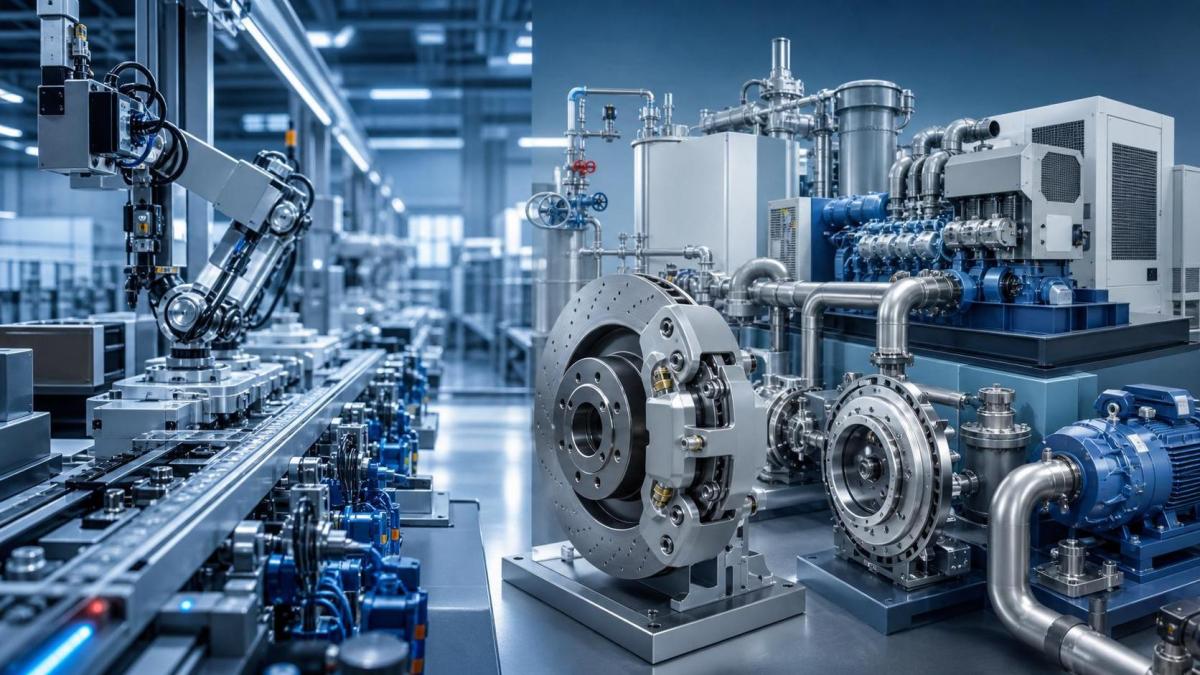
For modern industrial teams, application guidance for industrial products in smart factories is no longer optional. It directly affects uptime, safety, traceability, and output quality.
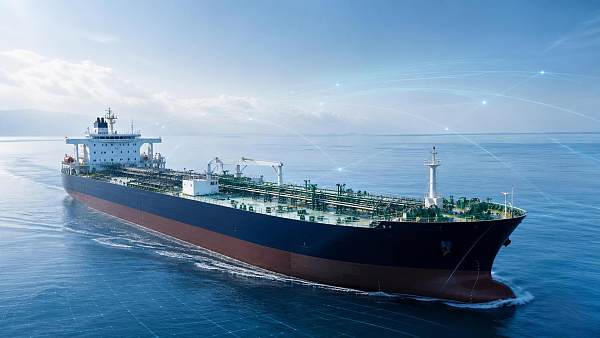
That matters even more in sectors linked to rail control, traction power, braking systems, smart vessels, and LNG shipping. These assets operate under tight tolerances and high operational risk.
In practical terms, good application guidance for industrial products in smart factories helps operators make better daily decisions. It reduces guesswork and keeps processes stable during change.
GTOT sits close to this shift. Its focus on land-and-sea equipment intelligence makes the topic especially relevant for facilities handling complex, safety-critical industrial products.
From recent changes, one signal is clear. Smart factories are moving beyond isolated automation and toward connected execution, condition awareness, and faster response to abnormal events.
This also means industrial product application can no longer stop at installation manuals. It must cover data flow, operator actions, alarm logic, maintenance timing, and system-level coordination.
Why application guidance matters in smart factories
A smart factory only performs well when machines, software, and people act on the same logic. Without that, digital tools create noise instead of control.
Application guidance for industrial products in smart factories gives operations a usable framework. It defines how products should run, when to intervene, and which signals matter most.
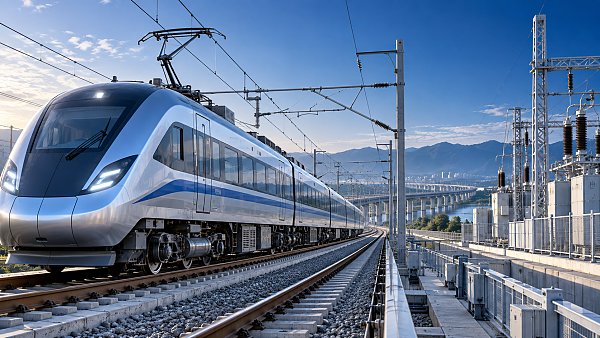
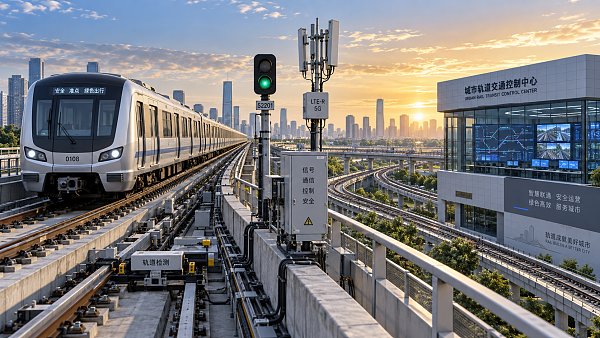
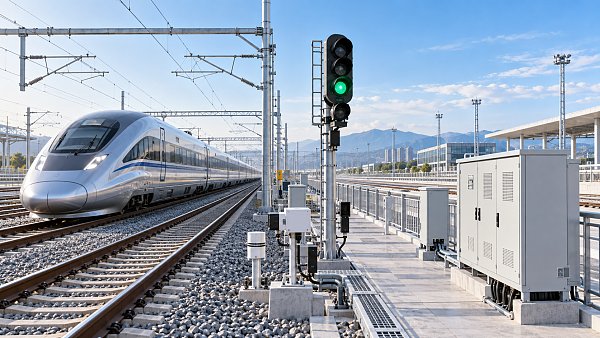
In railway signal control systems, the cost of ambiguity is high. Configuration errors, timing mismatch, or poor diagnostics can affect safe operations and compliance performance.
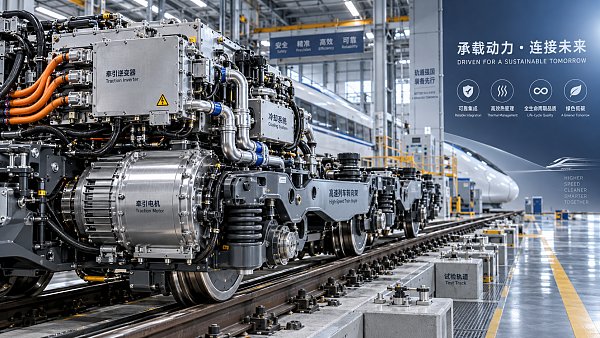
For pantographs and braking systems, wear patterns can change quickly under high speed, vibration, and thermal loads. Application guidance helps teams react before performance drops.
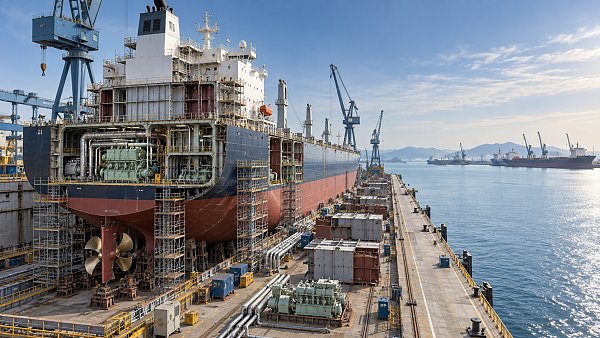
In smart container ships and LNG carriers, the same principle applies. Sensors, automation, and propulsion data only create value when linked to practical operating guidance.
- Improves process consistency across shifts
- Cuts avoidable downtime and false alarms
- Supports safer responses to equipment deviations
- Makes digital monitoring easier to trust
- Strengthens traceability for audits and tenders
Core elements of effective application guidance for industrial products in smart factories
Not every guidance document is useful. The strong ones connect engineering limits with daily factory execution and real operator decisions.
1. Operating context first
Start with the real environment. That includes load range, cycle frequency, vibration, humidity, temperature, shock, and power quality.
A braking component used in high-frequency testing needs different application guidance than one used in low-volume assembly verification. Context changes risk.
2. Clear parameter boundaries
Operators need visible limits, not hidden assumptions. Safe ranges, warning bands, and shutdown conditions should be simple and exact.
This is especially important for traction systems, cryogenic equipment, and signal control devices. Small drift can become a serious operational issue.
3. Actionable alarm response logic
Good application guidance for industrial products in smart factories links every critical alarm to a specific action path. Teams should know what to check first.
That response path should separate process issues, sensor issues, communication issues, and mechanical issues. Faster diagnosis means shorter interruption time.
4. Maintenance timing based on condition
Static maintenance schedules are losing ground. Smart factories work better when inspection timing follows condition data, failure patterns, and actual duty cycles.
This approach fits wear-sensitive industrial products such as brake pads, pantograph contact strips, seals, valves, and insulation systems.
How to apply guidance across rail and marine industrial products
The best application guidance for industrial products in smart factories is not generic. It reflects the physics, safety profile, and data maturity of each asset type.
Railway signal control systems
Focus on configuration discipline, redundancy status, response timing, and diagnostic logs. Guidance should support SIL4-oriented control practices and change approval steps.
Pantographs
Track contact quality, vibration signatures, wear depth, and current collection stability. Guidance should define inspection triggers under speed, wind, and route variation.
Rail transit braking systems
Watch thermal fade, actuator response, pad condition, and control feedback. Practical guidance should include stopping consistency checks after high-load operating cycles.
Smart container ships
Integrate route optimization data, fuel efficiency trends, and equipment health signals. Guidance works best when shipboard systems and shore teams use the same priorities.
LNG carriers
Monitor insulation behavior, boil-off gas patterns, valve integrity, and dual-fuel transitions. Guidance must align closely with cryogenic risk control and operating discipline.
A practical deployment model for smart factory teams
To make application guidance work, teams need a simple rollout structure. Overbuilt systems usually fail at the shop-floor level.
- Map each industrial product to its operating purpose and failure impact.
- Define critical parameters, visible limits, and response ownership.
- Connect PLC, MES, SCADA, and sensor data to those decisions.
- Build short action instructions for normal, warning, and critical states.
- Review alarm history and maintenance records every month.
This model keeps application guidance for industrial products in smart factories grounded in operations. It also makes training easier and less abstract.
Common gaps that reduce smart factory performance
In many facilities, the problem is not missing technology. The problem is weak translation from technical capability into usable operating guidance.
These gaps show why application guidance for industrial products in smart factories should be treated as an operating system, not a document archive.
What stronger guidance looks like in day-to-day operations
When guidance is mature, small decisions become faster. Teams know what signal matters, what risk is rising, and which action prevents escalation.
In rail production, that may mean spotting contact instability before a pantograph failure. In marine systems, it may mean identifying insulation stress before cargo risk grows.
This is where GTOT’s intelligence perspective becomes useful. Deep sector insight helps factories convert technical complexity into practical action and stronger asset value.
The broader direction is also clear. Digitalization, decarbonization, and absolute safety now shape how industrial products are selected, configured, and supported in smart factories.
Application guidance for industrial products in smart factories should therefore be reviewed as business conditions change. Trade cycles, throughput pressure, and compliance demands all shift operating priorities.
The most effective next step is simple. Review one critical product line, tighten parameter logic, refine alarm actions, and build guidance around real operating behavior.
That approach keeps smart factory improvement practical. It also creates the reliability, speed, and decision confidence that advanced industrial systems now demand.
- railway signal control systems
- pantographs
- LNG carriers
- traction power
- smart vessels
- decarbonization
- absolute safety
- rail transit braking
- smart container ships
- rail transit braking systems
- application guidance for industrial products
- traction systems
- application guidance for industrial products in smart factories
Recommended News
 Sep 29, 2026What drives traction systems price differences between rail projects?Traction systems price differences explained: compare duty cycles, voltage compatibility, integration, localization, and lifecycle costs for smarter rail procurement.
 Sep 26, 2026What to assess before selecting an electric traction system manufacturerChoose an electric traction system manufacturer with confidence. Explore key criteria for performance, reliability, safety, integration, energy efficiency, and lifecycle support.
 Sep 25, 2026When do full digitalization systems justify the investment?Full digitalization systems: discover when rail and maritime operators can turn connected data into safer operations, higher availability, and measurable ROI.
 Sep 23, 2026What drives automatic train control systems cost on rail projects?Automatic train control systems cost depends on integration, migration, safety testing, communications, and lifecycle support. Explore the key budget drivers for rail projects.
 Sep 21, 2026How to assess an ocean going vessel builder’s delivery riskAssess an ocean going vessel builder’s delivery risk with proven checks for schedules, capacity, design maturity, critical equipment, quality, and project controls.
 Sep 20, 2026What drives rail safety technology costs over a project lifecycle?Rail safety technology cost goes beyond equipment—explore lifecycle drivers from integration and safety assurance to cybersecurity, commissioning, and obsolescence.
 Sep 16, 2026What to verify before choosing an advanced ocean-going vessels supplierAdvanced ocean-going vessels supplier checklist: verify design authority, build quality, digital systems, delivery reliability, and lifecycle support before you buy.
 Sep 15, 2026What rail safety technology best reduces level-crossing risks in Southeast Asia?Rail safety technology Southeast Asia: discover how fail-safe signalling, barriers, obstacle detection and remote monitoring reduce level-crossing risks.
 Sep 14, 2026How exporters can reduce customs delays in global trade logisticsGlobal trade logistics for exporters: reduce customs delays with accurate data, clearance-ready documents, early filing, and proactive exception management.
 Sep 13, 2026When do global transportation network systems reduce delivery delays?Global transportation network systems reduce delivery delays by improving rail-port-vessel coordination, real-time visibility, and proactive decisions across complex land-sea supply chains.
 Sep 09, 2026When should you choose a rail and maritime manufacturer with dual-sector capability?Rail and maritime manufacturer guide: learn when dual-sector capability reduces integration risk, improves lifecycle support, and strengthens rail-to-port operations.
 Sep 08, 2026What to verify before selecting a railway signalling equipment supplierRailway signalling equipment supplier checklist: verify safety evidence, integration, cybersecurity, delivery capability, and lifecycle support before award.
 Sep 07, 2026How to size a traction power transformer for railway load demandTraction power transformer sizing guide: model railway load demand, peak duty, voltage regulation, harmonics, and contingency capacity for reliable service.
 Sep 07, 2026How do customization options for industrial connectors affect lead times?Customization options for industrial connectors can impact lead times, cost, and compliance. Learn how to specify smarter for rail and marine projects.
 Sep 05, 2026What information should an industrial sourcing guide include?Industrial sourcing information procurement guide: evaluate suppliers, compliance, lifecycle costs, interfaces, and lead times for smarter rail and maritime purchasing decisions.
 Sep 01, 2026How to find reliable maritime tender information before biddingMaritime tender information: learn how to verify sources, define bid-ready scopes, check qualifications, and reduce risk before submitting competitive marine bids.
 Aug 30, 2026How to select railway automation equipment for depots with phased upgradesRailway automation equipment for depots: learn how to plan phased upgrades that improve safety, throughput, integration, and lifecycle control.
 Aug 27, 2026How industrial sourcing intelligence pricing data supports budget approvalIndustrial sourcing intelligence pricing data helps teams benchmark scope, assess supplier risk, and build defensible budget approvals for complex rail and maritime assets.
 Aug 26, 2026When does a marine fuel efficiency solution make financial sense in the Middle East?Marine fuel efficiency solution Middle East: learn when retrofit savings, compliance value, and vessel data align to deliver credible ROI and smarter shipping investment decisions.
 Aug 24, 2026When does maritime automation for tankers deliver a real payback?Maritime automation for tankers delivers real payback when it cuts fuel use, reduces cargo risk, and improves uptime. See how owners can time investment for stronger ROI.
 Aug 23, 2026When do maritime logistics systems in the Middle East justify the costMaritime logistics systems Middle East: discover when rising delays, manual coordination, and poor visibility make system investment the smarter move for regional operators.
 Aug 22, 2026What drives vessel navigation system price for commercial fleetsVessel navigation system price depends on integration, compliance, automation, and support—not just hardware. Learn what drives fleet costs and compare quotes with confidence.
 Aug 21, 2026How to assess shipbuilding maritime tenders before biddingShipbuilding maritime tenders require more than price checks. Learn how to assess technical scope, compliance, supply chain, and commercial risk before bidding with confidence.
 Aug 20, 2026When does working with an ocean-going vessels distributor reduce supply risk?Ocean-going vessels distributor: learn when this partner cuts supply risk through stronger compliance, faster response, and better sourcing resilience in complex maritime procurement.