



Search News
Industry Portal
Popular Tags
EPC Contractors for Transportation Infrastructure: Bid Risks and Delivery Gaps
Author
Time
Click Count
Why are EPC contractors for transportation infrastructure under more pressure today?
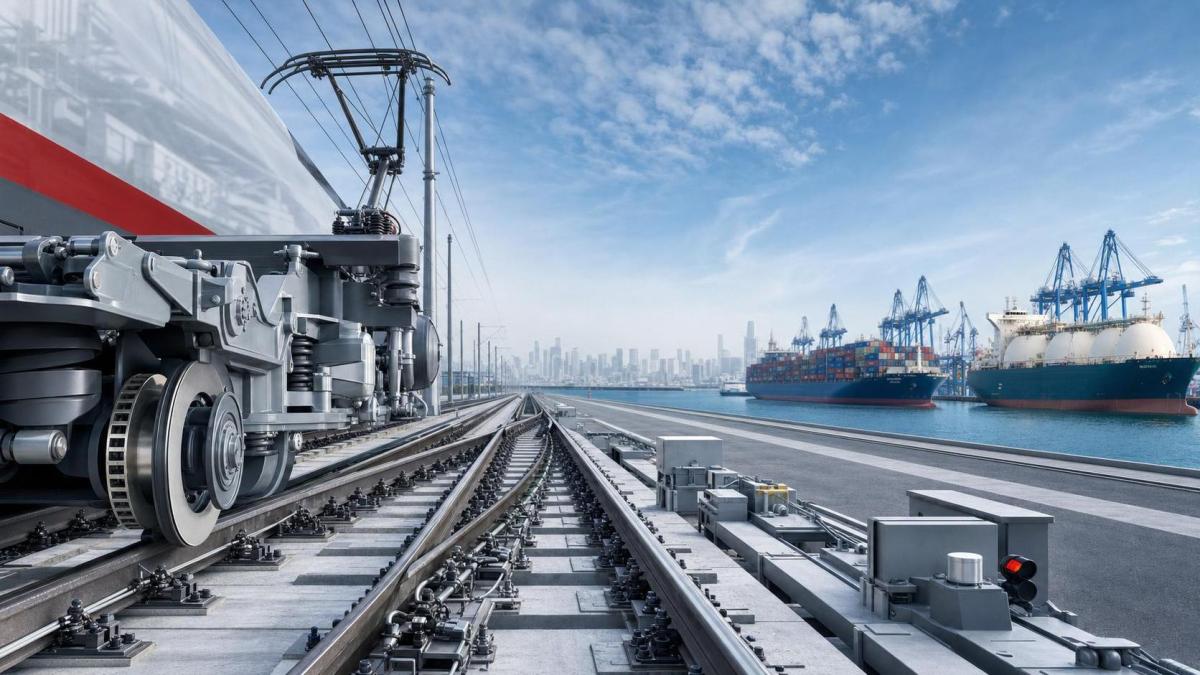
EPC contractors for transportation infrastructure now work inside a tighter window for price, delivery, and proof.
That pressure is strongest in rail control, traction power, braking systems, smart vessels, and LNG shipping assets.
A tender may look complete on paper, yet critical engineering assumptions often remain soft.
In practice, the gap appears when interface details, certification routes, or operating conditions were simplified too early.
This is why EPC contractors for transportation infrastructure are asking a more useful question.
Not only who can supply, but who can still deliver under technical scrutiny and schedule compression.
The issue is especially visible across intercontinental transport programs.
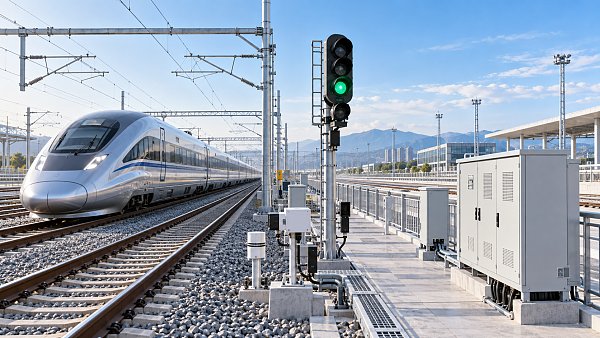
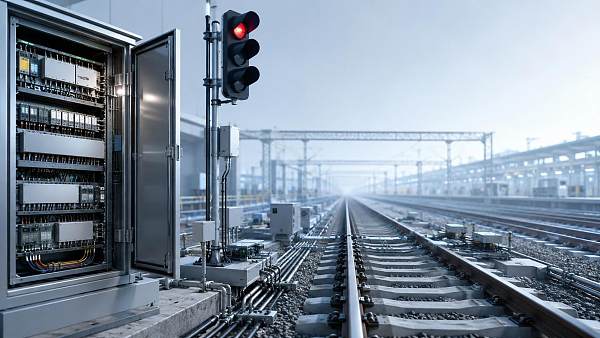
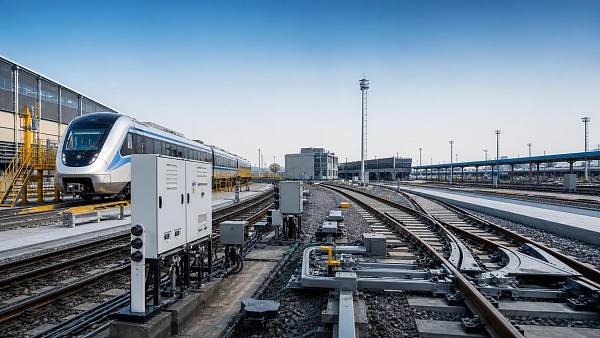
Railway signalling must satisfy SIL4 safety logic.
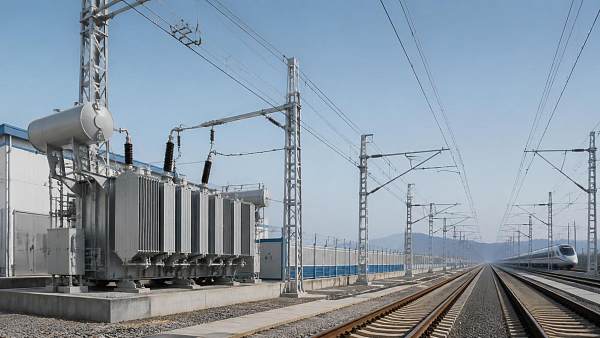
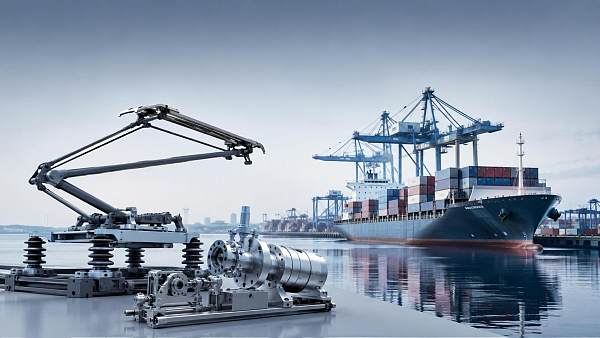
Pantographs must remain stable beyond 350 km/h.
Braking systems must combine aerodynamics and microelectronic control without tolerance drift.
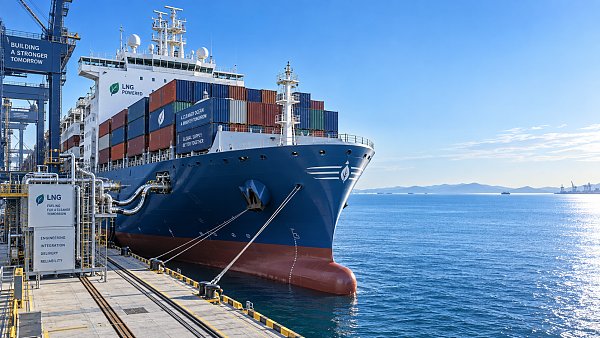
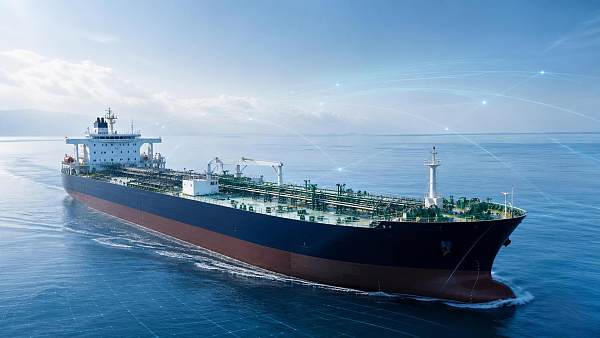
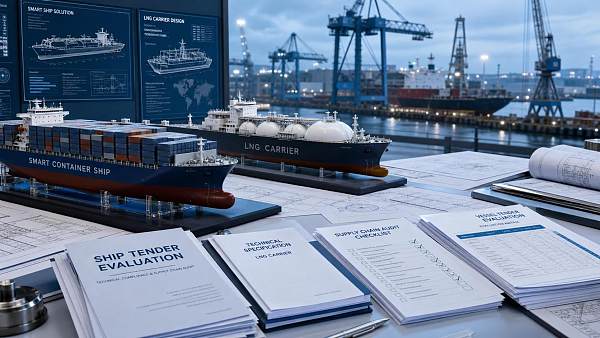
Smart container ships and LNG carriers bring another layer of route intelligence, cryogenic containment, and fuel transition complexity.
Seen from that wider land-sea perspective, bid risk is no longer a commercial issue alone.
It is an intelligence issue, because incomplete technical visibility becomes delivery risk later.
That is also where GTOT is relevant.
Its focus on signalling, traction, braking, smart ships, and LNG carriers reflects the exact systems where tender confidence is often tested.
What usually goes wrong between the bid stage and actual delivery?
Most delivery gaps do not start on site.
They start when a bid accepts uncertain boundaries as fixed facts.
For EPC contractors for transportation infrastructure, several patterns show up again and again.
- Interface ownership is unclear between civil works, control systems, rolling stock, and port or marine equipment.
- Performance promises rely on laboratory data that does not reflect local climate, vibration, or grid quality.
- Compliance assumptions ignore re-testing, witness testing, or country-specific approval paths.
- Lead times are based on standard production, while the project needs custom engineering or restricted components.
- Digital integration looks simple in procurement documents but expands during software, telecom, and cybersecurity reviews.
A rail example makes this clearer.
A signalling package may be priced against headline functionality, yet fail to include deeper interlocking logic migration, LTE-M readiness, or testing windows.
A marine example follows the same pattern.
A smart vessel proposal may assume route optimization and ship-to-shore integration are software add-ons, when they actually drive equipment compatibility and operating economics.
More often, the visible gap is schedule slippage.
The hidden gap is technical credibility erosion during clarification rounds.
Once credibility weakens, contingency costs rise fast.
How can you tell whether an EPC contractor is truly prepared for complex transport systems?
A strong shortlist should be built around evidence, not broad capability claims.
The better question is whether the contractor can connect equipment intelligence with execution discipline.
For EPC contractors for transportation infrastructure, readiness usually becomes visible in five areas.
This kind of review helps separate polished bid language from delivery-grade preparation.
It also explains why sector intelligence is valuable.
GTOT tracks not only market movement, but the engineering trends behind it.
That includes LTE-M in rail transit, composite brake pad thermal fade, and LNG membrane stress behavior.
Those are not abstract topics.
They directly influence whether a proposal is robust enough for restricted tenders and demanding execution environments.
Is the lowest bid ever safe in transportation infrastructure EPC?
Sometimes it is competitive for valid reasons.
More often, the lowest bid is safe only when the risk transfer is openly understood.
For EPC contractors for transportation infrastructure, price should be read together with assumption quality.
A low number can hide deferred engineering, narrow exclusions, optimistic commissioning windows, or unrealistic freight routes.
That does not mean higher price always means lower risk.
It means the comparison method needs to be sharper.
A useful approach is to compare bids against three layers.
- Base compliance: Does the bid meet the tender exactly as written?
- Operational resilience: Will the system hold performance under real railway or marine operating stress?
- Execution certainty: Can the contractor prove manufacturability, testing access, and handover logic?
If a bid is cheap but weak in layer two or three, total project cost rarely stays low.
This matters even more in cross-border programs.
Customs delays, sanctions exposure, local content shifts, and marine logistics can neutralize apparent savings quickly.
Where should EPC contractors for transportation infrastructure focus first to reduce risk?
The first priority is not broader paperwork.
It is earlier clarity around the assumptions that usually fail under pressure.
In actual projects, the most effective risk reduction steps are usually these.
- Map all system interfaces before final commercial alignment, including telecom, control, energy, and onboard integration points.
- Stress-test supplier claims using operating conditions, not brochure conditions.
- Separate standard equipment from engineered-to-order packages in the schedule model.
- Review compliance routes with the same detail as cost lines.
- Build a live risk register for delivery gaps, not only contractual risks.
This is where intelligence platforms can help without becoming sales noise.
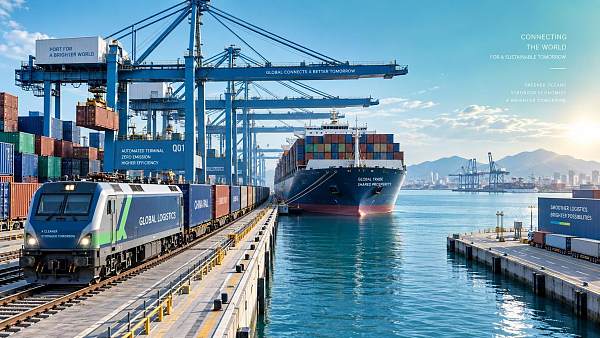
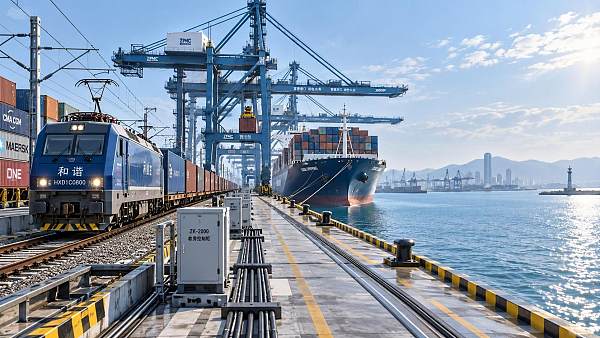
GTOT’s land-and-sea view is useful because transport procurement is no longer siloed.
Rail programs increasingly depend on digital communication, safety validation, and high-speed component reliability.
Marine programs increasingly depend on decarbonization logic, route efficiency, and containment integrity.
When those signals are read early, EPC contractors for transportation infrastructure can shape better bid positions and cleaner delivery plans.
What is the smartest next step before committing to a contractor?
A final decision should come after one disciplined check.
Ask whether the contractor’s proposal still works when the project is viewed as a system, not a package list.
That means looking at signalling logic, power collection stability, braking performance, vessel intelligence, cryogenic integrity, and handover data together.
If one area is vague, the delivery gap usually surfaces elsewhere.
The strongest EPC contractors for transportation infrastructure do not just answer clarifications.
They reduce the number of unknowns before award.
That is the practical standard worth using.
Before moving forward, review the assumption list, compare execution evidence, and confirm where technical credibility is truly demonstrated.
In a market shaped by tighter safety, digitalization, and decarbonization demands, better decisions come from better stitched intelligence.
That is how bid risk becomes manageable, and how delivery confidence becomes real.
Recommended News
 Sep 29, 2026What drives traction systems price differences between rail projects?Traction systems price differences explained: compare duty cycles, voltage compatibility, integration, localization, and lifecycle costs for smarter rail procurement.
 Sep 26, 2026What to assess before selecting an electric traction system manufacturerChoose an electric traction system manufacturer with confidence. Explore key criteria for performance, reliability, safety, integration, energy efficiency, and lifecycle support.
 Sep 25, 2026When do full digitalization systems justify the investment?Full digitalization systems: discover when rail and maritime operators can turn connected data into safer operations, higher availability, and measurable ROI.
 Sep 23, 2026What drives automatic train control systems cost on rail projects?Automatic train control systems cost depends on integration, migration, safety testing, communications, and lifecycle support. Explore the key budget drivers for rail projects.
 Sep 21, 2026How to assess an ocean going vessel builder’s delivery riskAssess an ocean going vessel builder’s delivery risk with proven checks for schedules, capacity, design maturity, critical equipment, quality, and project controls.
 Sep 20, 2026What drives rail safety technology costs over a project lifecycle?Rail safety technology cost goes beyond equipment—explore lifecycle drivers from integration and safety assurance to cybersecurity, commissioning, and obsolescence.
 Sep 16, 2026What to verify before choosing an advanced ocean-going vessels supplierAdvanced ocean-going vessels supplier checklist: verify design authority, build quality, digital systems, delivery reliability, and lifecycle support before you buy.
 Sep 15, 2026What rail safety technology best reduces level-crossing risks in Southeast Asia?Rail safety technology Southeast Asia: discover how fail-safe signalling, barriers, obstacle detection and remote monitoring reduce level-crossing risks.
 Sep 14, 2026How exporters can reduce customs delays in global trade logisticsGlobal trade logistics for exporters: reduce customs delays with accurate data, clearance-ready documents, early filing, and proactive exception management.
 Sep 13, 2026When do global transportation network systems reduce delivery delays?Global transportation network systems reduce delivery delays by improving rail-port-vessel coordination, real-time visibility, and proactive decisions across complex land-sea supply chains.
 Sep 09, 2026When should you choose a rail and maritime manufacturer with dual-sector capability?Rail and maritime manufacturer guide: learn when dual-sector capability reduces integration risk, improves lifecycle support, and strengthens rail-to-port operations.
 Sep 08, 2026What to verify before selecting a railway signalling equipment supplierRailway signalling equipment supplier checklist: verify safety evidence, integration, cybersecurity, delivery capability, and lifecycle support before award.
 Sep 07, 2026How to size a traction power transformer for railway load demandTraction power transformer sizing guide: model railway load demand, peak duty, voltage regulation, harmonics, and contingency capacity for reliable service.
 Sep 07, 2026How do customization options for industrial connectors affect lead times?Customization options for industrial connectors can impact lead times, cost, and compliance. Learn how to specify smarter for rail and marine projects.
 Sep 05, 2026What information should an industrial sourcing guide include?Industrial sourcing information procurement guide: evaluate suppliers, compliance, lifecycle costs, interfaces, and lead times for smarter rail and maritime purchasing decisions.
 Sep 01, 2026How to find reliable maritime tender information before biddingMaritime tender information: learn how to verify sources, define bid-ready scopes, check qualifications, and reduce risk before submitting competitive marine bids.
 Aug 30, 2026How to select railway automation equipment for depots with phased upgradesRailway automation equipment for depots: learn how to plan phased upgrades that improve safety, throughput, integration, and lifecycle control.
 Aug 27, 2026How industrial sourcing intelligence pricing data supports budget approvalIndustrial sourcing intelligence pricing data helps teams benchmark scope, assess supplier risk, and build defensible budget approvals for complex rail and maritime assets.
 Aug 26, 2026When does a marine fuel efficiency solution make financial sense in the Middle East?Marine fuel efficiency solution Middle East: learn when retrofit savings, compliance value, and vessel data align to deliver credible ROI and smarter shipping investment decisions.
 Aug 24, 2026When does maritime automation for tankers deliver a real payback?Maritime automation for tankers delivers real payback when it cuts fuel use, reduces cargo risk, and improves uptime. See how owners can time investment for stronger ROI.
 Aug 23, 2026When do maritime logistics systems in the Middle East justify the costMaritime logistics systems Middle East: discover when rising delays, manual coordination, and poor visibility make system investment the smarter move for regional operators.
 Aug 22, 2026What drives vessel navigation system price for commercial fleetsVessel navigation system price depends on integration, compliance, automation, and support—not just hardware. Learn what drives fleet costs and compare quotes with confidence.
 Aug 21, 2026How to assess shipbuilding maritime tenders before biddingShipbuilding maritime tenders require more than price checks. Learn how to assess technical scope, compliance, supply chain, and commercial risk before bidding with confidence.
 Aug 20, 2026When does working with an ocean-going vessels distributor reduce supply risk?Ocean-going vessels distributor: learn when this partner cuts supply risk through stronger compliance, faster response, and better sourcing resilience in complex maritime procurement.