



Search News
Industry Portal
Popular Tags
Intermodal Transportation: Where Delays Start and How to Reduce Them
Author
Time
Click Count
Intermodal Transportation: Where Delays Start and How to Reduce Them
In intermodal transportation, delays rarely begin at the final handoff.
They usually start much earlier, inside planning gaps, weak data links, and mismatched operating rhythms.
That is why intermodal transportation often feels unpredictable, even when each single mode looks efficient on paper.
For operations leaders, the real challenge is not one bad transfer.
It is the chain reaction that follows when rail timing, port windows, customs clearance, and cargo visibility stop moving together.
This article breaks down where intermodal transportation delays begin and how to reduce them with better systems and decisions.
Where Intermodal Transportation Delays Usually Begin
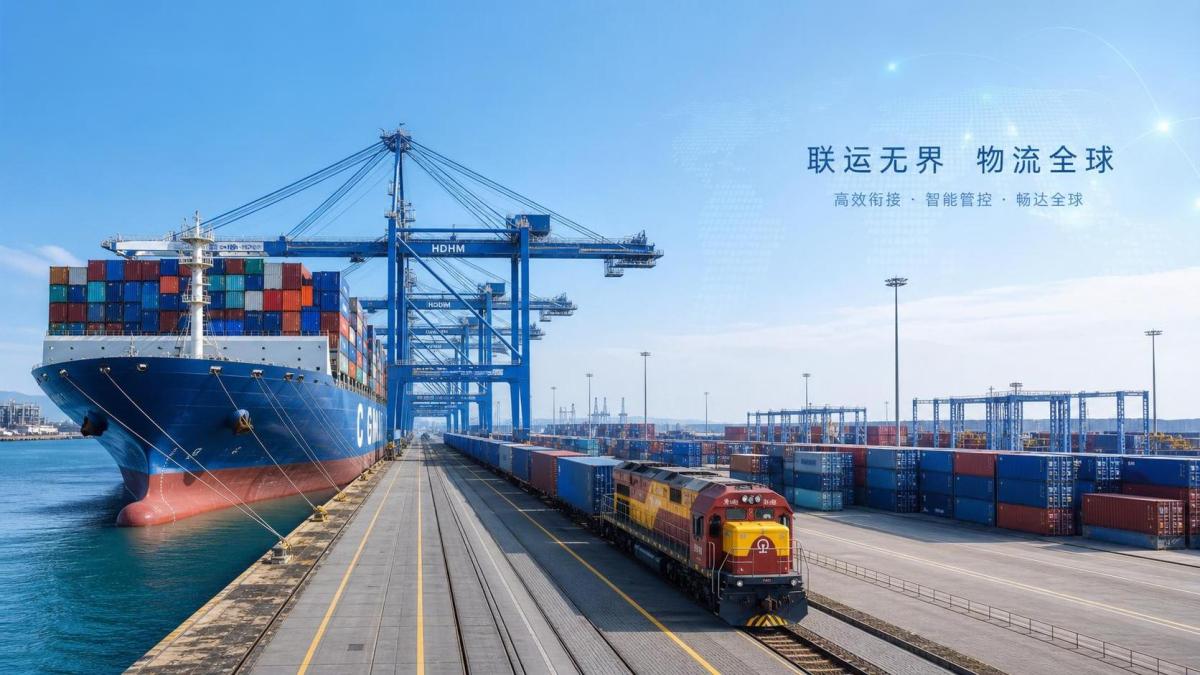
Most intermodal transportation delays are created before cargo reaches the last transfer point.
The first weak point is schedule design.
Rail services run on fixed paths, while vessel schedules shift with weather, berth congestion, and route adjustments.
When those rhythms are not aligned, dwell time grows fast.
The second issue is fragmented visibility.
A container may be visible in one terminal system but invisible to the next operator in the chain.
That creates blind spots around arrival readiness, loading sequence, and exception handling.
A third source is equipment mismatch.
If yard cranes, rail wagons, chassis, or gate capacity are planned separately, intermodal transportation loses flow efficiency.
More clearly, the delay starts when the system assumes smooth transfer without validating transfer readiness.
Rail, Port, and Vessel Interfaces Create the Biggest Risk
In real operations, interfaces create more delay than line-haul speed.
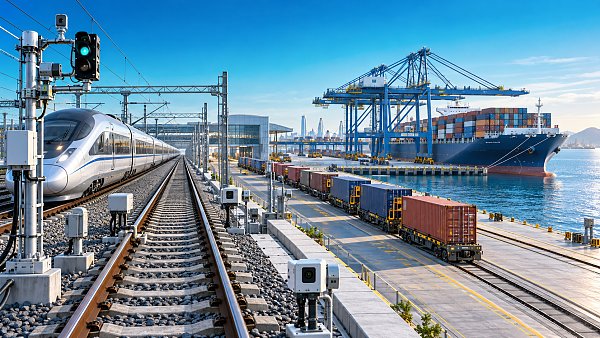
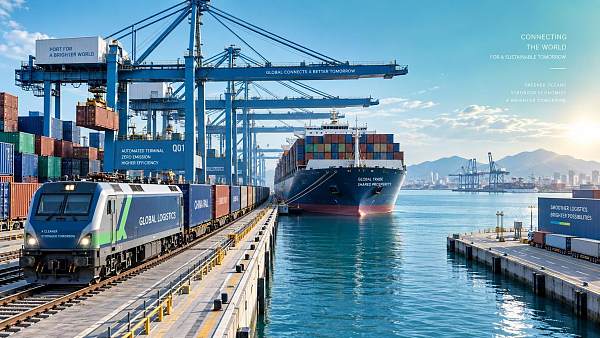
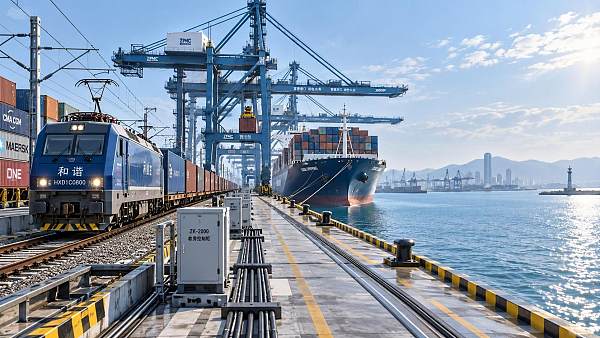
This is especially true in intermodal transportation tied to large rail corridors and busy seaports.
Rail precision matters because one late departure can miss a fixed port receiving window.
Port precision matters because berth changes can disrupt inland sequencing.
Vessel precision matters because rollovers affect multiple downstream transfers, not just one shipment.
From a systems view, this is where GTOT’s perspective becomes useful.
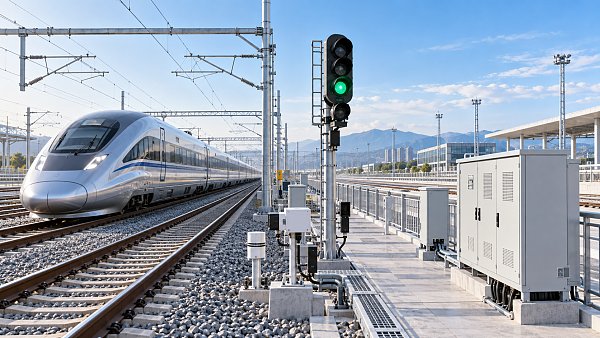
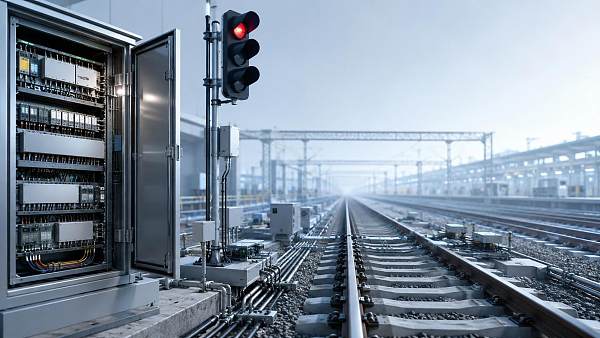
Railway signal control systems support dense, safe movement under strict timing logic.
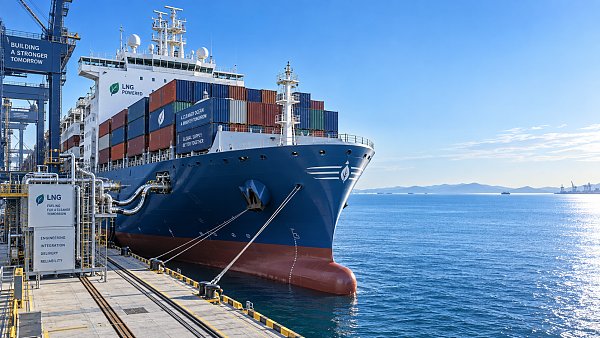
Smart container ships improve route decisions, ship-to-shore coordination, and cargo status awareness.
When land and sea systems share reliable operational intelligence, intermodal transportation becomes easier to stabilize.
Without that link, every node works harder but the network still arrives late.
Common interface failures
- Inbound rail ETA changes are not shared with terminal planners soon enough.
- Port yard stacking does not match outbound vessel loading priorities.
- Customs or inspection holds are flagged too late for re-planning.
- Equipment maintenance events reduce capacity without network-wide notice.
- Weather updates trigger route shifts, but inland transport plans stay unchanged.
The Hidden Cost of Poor Visibility in Intermodal Transportation
Poor visibility is not just a reporting issue.
It changes how teams make decisions under pressure.
When status data is late, people protect themselves with buffers.
Those buffers look safe, but they often slow intermodal transportation even more.
A delayed train may sit longer than necessary.
A vessel slot may be released too early.
A truck appointment may be missed because the cargo was ready but unconfirmed.
In other words, missing information creates avoidable waiting.
Recent market changes make this more serious.
Larger vessels, tighter rail capacity, and shifting trade lanes leave less room for guesswork.
That also means visibility must move beyond location tracking.
Useful intermodal transportation visibility includes readiness status, operating constraints, and likely delay impact.
What teams should see in real time
- Actual ETA versus planned ETA for every mode.
- Transfer readiness by container, train block, and vessel bay plan.
- Terminal congestion indicators and berth schedule changes.
- Equipment availability, maintenance status, and backup capacity.
- Cross-border clearance milestones and exception alerts.
How to Reduce Delays with Better Planning and Control
Reducing delay in intermodal transportation starts with one mindset change.
Do not optimize each leg alone.
Optimize the transfer logic between legs.
That sounds simple, but it changes daily execution.
First, build schedules around realistic connection windows, not ideal ones.
Second, define trigger points for re-planning before a disruption becomes a miss.
Third, connect control systems so rail, port, and vessel teams act on one operational picture.
This is where disciplined intelligence stitching creates value.
GTOT focuses on this exact land-sea connection challenge.
Its coverage of rail control, traction performance, smart ships, and strategic transport intelligence reflects how complex networks really work.
For intermodal transportation, better control comes from combining engineering discipline with commercial timing awareness.
Practical actions that reduce delay risk
- Set shared milestone definitions across rail, port, and ocean partners.
- Use dynamic ETA updates instead of static daily reporting.
- Create exception rules for weather, congestion, and equipment failure.
- Reserve contingency capacity at the highest-risk transfer nodes.
- Review missed connections weekly and trace the first upstream signal.
A Simple Framework for Stronger Intermodal Transportation Decisions
A useful way to manage intermodal transportation is to focus on four control questions.
This framework works because it keeps attention on action, not just reporting.
In practice, strong intermodal transportation performance depends on faster decisions at earlier points.
Final Takeaway: Fix the First Break, Not the Last Delay
The biggest lesson in intermodal transportation is straightforward.
The visible delay is rarely the original failure.
More often, the first break happens upstream, inside timing, control, or communication.
That is why better intermodal transportation results come from earlier detection and stronger coordination.
Rail precision, smart vessel logic, reliable transfer data, and cross-border readiness must work as one system.
For teams managing complex land-sea networks, the next step is practical.
Map the first three points where your intermodal transportation flow loses certainty.
Then improve the data link, decision rule, and backup plan at each one.
That is usually where delay reduction starts becoming measurable.
Recommended News
 Sep 29, 2026What drives traction systems price differences between rail projects?Traction systems price differences explained: compare duty cycles, voltage compatibility, integration, localization, and lifecycle costs for smarter rail procurement.
 Sep 26, 2026What to assess before selecting an electric traction system manufacturerChoose an electric traction system manufacturer with confidence. Explore key criteria for performance, reliability, safety, integration, energy efficiency, and lifecycle support.
 Sep 25, 2026When do full digitalization systems justify the investment?Full digitalization systems: discover when rail and maritime operators can turn connected data into safer operations, higher availability, and measurable ROI.
 Sep 23, 2026What drives automatic train control systems cost on rail projects?Automatic train control systems cost depends on integration, migration, safety testing, communications, and lifecycle support. Explore the key budget drivers for rail projects.
 Sep 21, 2026How to assess an ocean going vessel builder’s delivery riskAssess an ocean going vessel builder’s delivery risk with proven checks for schedules, capacity, design maturity, critical equipment, quality, and project controls.
 Sep 20, 2026What drives rail safety technology costs over a project lifecycle?Rail safety technology cost goes beyond equipment—explore lifecycle drivers from integration and safety assurance to cybersecurity, commissioning, and obsolescence.
 Sep 16, 2026What to verify before choosing an advanced ocean-going vessels supplierAdvanced ocean-going vessels supplier checklist: verify design authority, build quality, digital systems, delivery reliability, and lifecycle support before you buy.
 Sep 15, 2026What rail safety technology best reduces level-crossing risks in Southeast Asia?Rail safety technology Southeast Asia: discover how fail-safe signalling, barriers, obstacle detection and remote monitoring reduce level-crossing risks.
 Sep 14, 2026How exporters can reduce customs delays in global trade logisticsGlobal trade logistics for exporters: reduce customs delays with accurate data, clearance-ready documents, early filing, and proactive exception management.
 Sep 13, 2026When do global transportation network systems reduce delivery delays?Global transportation network systems reduce delivery delays by improving rail-port-vessel coordination, real-time visibility, and proactive decisions across complex land-sea supply chains.
 Sep 09, 2026When should you choose a rail and maritime manufacturer with dual-sector capability?Rail and maritime manufacturer guide: learn when dual-sector capability reduces integration risk, improves lifecycle support, and strengthens rail-to-port operations.
 Sep 08, 2026What to verify before selecting a railway signalling equipment supplierRailway signalling equipment supplier checklist: verify safety evidence, integration, cybersecurity, delivery capability, and lifecycle support before award.
 Sep 07, 2026How to size a traction power transformer for railway load demandTraction power transformer sizing guide: model railway load demand, peak duty, voltage regulation, harmonics, and contingency capacity for reliable service.
 Sep 07, 2026How do customization options for industrial connectors affect lead times?Customization options for industrial connectors can impact lead times, cost, and compliance. Learn how to specify smarter for rail and marine projects.
 Sep 05, 2026What information should an industrial sourcing guide include?Industrial sourcing information procurement guide: evaluate suppliers, compliance, lifecycle costs, interfaces, and lead times for smarter rail and maritime purchasing decisions.
 Sep 01, 2026How to find reliable maritime tender information before biddingMaritime tender information: learn how to verify sources, define bid-ready scopes, check qualifications, and reduce risk before submitting competitive marine bids.
 Aug 30, 2026How to select railway automation equipment for depots with phased upgradesRailway automation equipment for depots: learn how to plan phased upgrades that improve safety, throughput, integration, and lifecycle control.
 Aug 27, 2026How industrial sourcing intelligence pricing data supports budget approvalIndustrial sourcing intelligence pricing data helps teams benchmark scope, assess supplier risk, and build defensible budget approvals for complex rail and maritime assets.
 Aug 26, 2026When does a marine fuel efficiency solution make financial sense in the Middle East?Marine fuel efficiency solution Middle East: learn when retrofit savings, compliance value, and vessel data align to deliver credible ROI and smarter shipping investment decisions.
 Aug 24, 2026When does maritime automation for tankers deliver a real payback?Maritime automation for tankers delivers real payback when it cuts fuel use, reduces cargo risk, and improves uptime. See how owners can time investment for stronger ROI.
 Aug 23, 2026When do maritime logistics systems in the Middle East justify the costMaritime logistics systems Middle East: discover when rising delays, manual coordination, and poor visibility make system investment the smarter move for regional operators.
 Aug 22, 2026What drives vessel navigation system price for commercial fleetsVessel navigation system price depends on integration, compliance, automation, and support—not just hardware. Learn what drives fleet costs and compare quotes with confidence.
 Aug 21, 2026How to assess shipbuilding maritime tenders before biddingShipbuilding maritime tenders require more than price checks. Learn how to assess technical scope, compliance, supply chain, and commercial risk before bidding with confidence.
 Aug 20, 2026When does working with an ocean-going vessels distributor reduce supply risk?Ocean-going vessels distributor: learn when this partner cuts supply risk through stronger compliance, faster response, and better sourcing resilience in complex maritime procurement.