



Search News
Industry Portal
Popular Tags
Smart Maritime Logistics: 5 Cost Drivers to Benchmark in 2026
Author
Time
Click Count
Why is smart maritime logistics becoming a 2026 benchmarking priority?
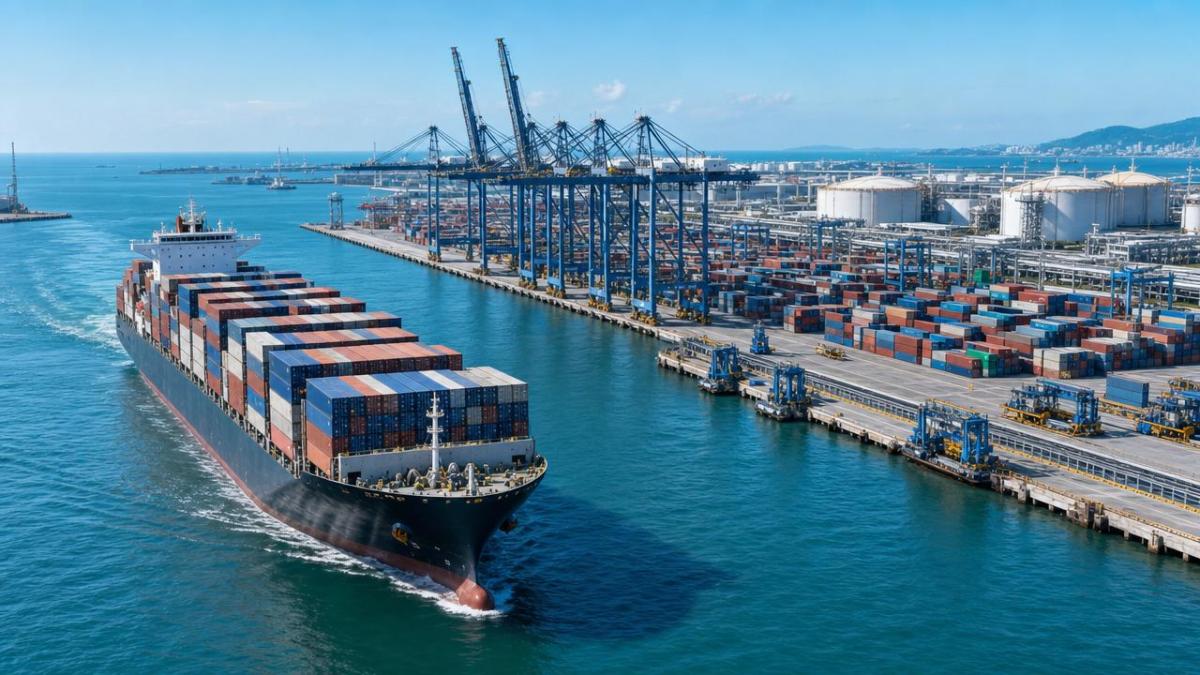
Smart maritime logistics has moved beyond a shipping efficiency topic. It now sits closer to capital planning, risk control, and network resilience.
That shift is easy to understand. Fuel remains volatile, port congestion still appears in waves, and cargo schedules are tighter across global trade lanes.
In practice, the biggest question is no longer whether to digitize. It is which cost drivers deserve immediate benchmarking before budgets are locked for 2026.
For operators following smart maritime logistics trends, five drivers usually shape the full picture: fuel and propulsion efficiency, route performance, port turnaround, cargo handling precision, and digital coordination.
These drivers do not act alone. A routing decision changes fuel burn. A delayed berth window disrupts cargo handling. Weak data integration multiplies avoidable costs.
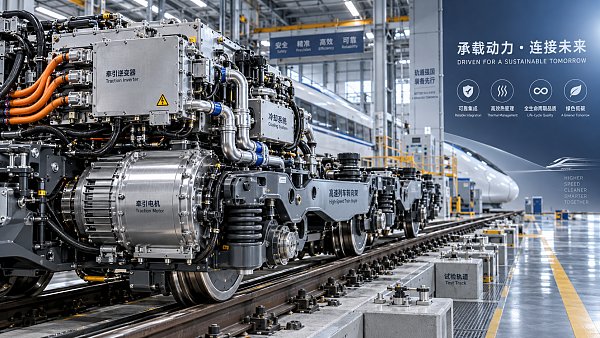
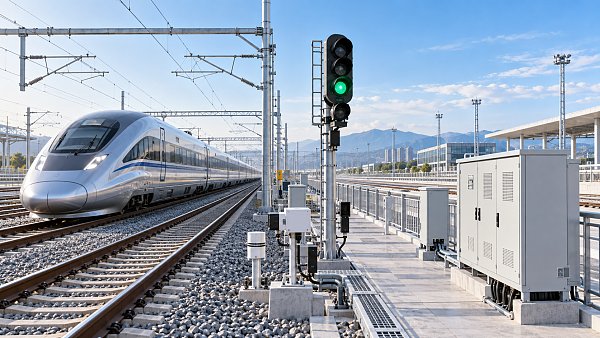
This is where GTOT’s broader land-sea perspective becomes useful. Its intelligence model links vessel operations with wider transport logic, much like rail signaling aligns speed, safety, and timing.
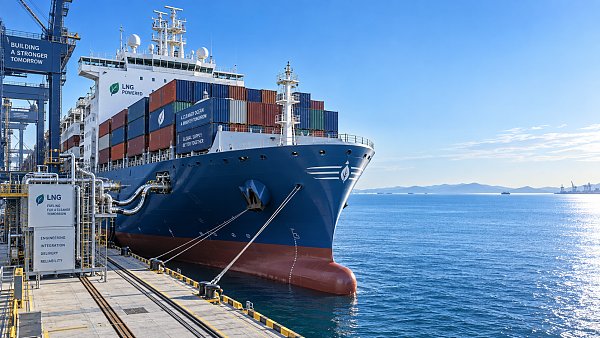
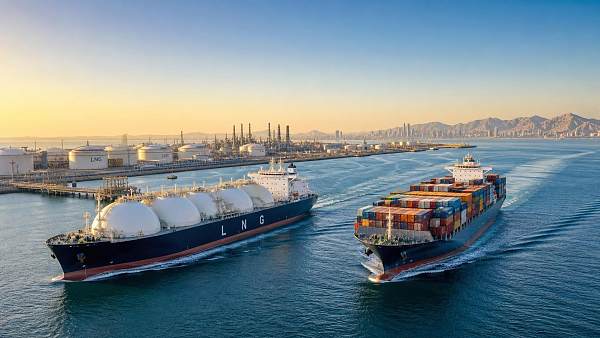
For smart container ships and LNG-linked trade flows, that cross-system view matters. Cost benchmarking works better when ship performance is read alongside infrastructure, energy, and corridor reliability.
Which five cost drivers matter most in smart maritime logistics?
People often ask for one number to track. More common, though, is a layered benchmark that shows where money leaks across the voyage cycle.
The five most practical drivers are listed below. They are measurable, comparable, and closely tied to operational decisions.
A useful benchmark never stops at averages. It compares vessel class, route type, cargo profile, and port conditions before drawing conclusions.
That is especially important in smart maritime logistics, where a modern vessel may still perform poorly if shore systems and planning tools remain fragmented.
How should fuel, routing, and vessel intelligence be judged together?
This is where many benchmark exercises become too narrow. Fuel is often reviewed separately, even though routing logic shapes most of the outcome.
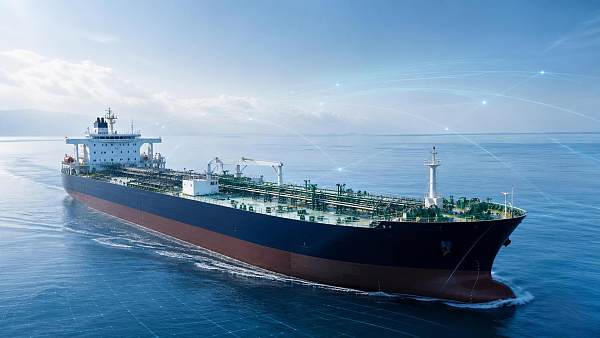
A vessel with advanced onboard analytics may still waste cost if weather routing is static, speed policies are inconsistent, or arrival windows are poorly synchronized.
In smart maritime logistics, the better question is this: does the ship burn less fuel because it is efficient, or because the voyage was planned intelligently?
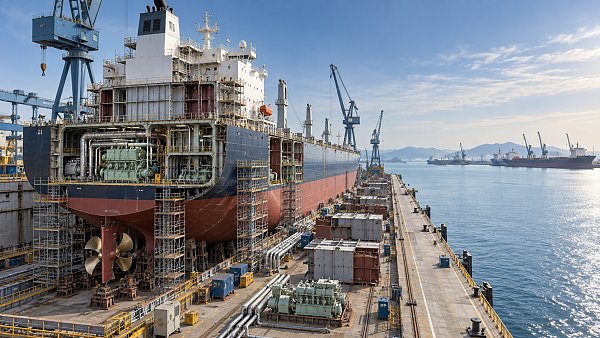
GTOT’s coverage of smart container ships and LNG carriers reflects this systems thinking. Propulsion choices, route modeling, and energy management all affect long-term asset value.
- Track fuel use against sea state and cargo load, not only distance.
- Review ETA reliability beside bunker consumption.
- Separate avoidable idle time from required operational standby.
- Check whether AI routing recommendations were actually executed.
In real operations, the strongest savings usually come from coordination. A slightly slower, better-timed voyage can outperform a faster run followed by port congestion.
Why do port turnaround and cargo handling still distort total cost?
Because vessel performance is only one side of the ledger. Port-side inefficiency often erases gains achieved at sea.
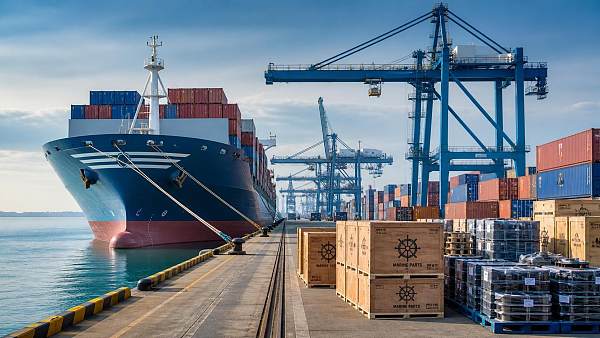
A smart maritime logistics strategy should therefore treat berth allocation, crane sequencing, yard visibility, and container handoff accuracy as cost drivers, not support details.
The hidden problem is variability. One delayed customs release or one yard mismatch can trigger overtime, rehandling, feeder misses, and customer penalties.
This is why benchmark reviews should include terminal data, not just ship logs. Better still, compare the same vessel across different ports to reveal where inefficiency really sits.
The logic resembles high-density rail control. In both sectors, throughput depends on precise timing, safe sequencing, and reliable communication across many moving assets.
When that connection is weak, even advanced ships behave like underused assets. When it is strong, turnaround becomes more predictable and capital productivity improves.
What mistakes appear when companies benchmark smart maritime logistics costs?
The most common mistake is using a single KPI to represent overall performance. Cost per voyage looks neat, but it hides operational causes.
Another mistake is ignoring data quality. If timestamps differ between ship systems, terminal systems, and planning tools, the benchmark becomes misleading.
A third issue is copying peer benchmarks without context. A route with stable weather, modern berths, and digitized customs cannot be compared casually with a constrained corridor.
- Do not mix laden and ballast performance without adjustment.
- Do not treat every port call as operationally equivalent.
- Do not assume software adoption equals digital coordination maturity.
- Do not separate cost review from safety and decarbonization targets.
That last point matters more in 2026. Smart maritime logistics is increasingly judged against emissions compliance, energy strategy, and asset reliability, not cost alone.
GTOT’s intelligence approach is relevant here because heavy transport systems rarely improve through isolated metrics. Better outcomes usually come from stitched operational visibility.
How can a 2026 benchmark framework be built without overcomplicating it?
Start with a small but disciplined framework. Five cost drivers are enough if the data is trusted and reviewed consistently.
A practical approach is to define one primary metric and two supporting metrics for each driver. That avoids dashboard overload while preserving diagnostic value.
From there, review monthly patterns rather than isolated incidents. It is also worth tagging external causes, so planning errors are not confused with weather disruption.
If the goal is stronger smart maritime logistics performance in 2026, the next step is straightforward. Map the five drivers, set comparable definitions, and test them across actual voyage scenarios.
Then compare vessel intelligence, port execution, and data coordination as one operating system. That is usually where the clearest savings and resilience gains begin to appear.
Recommended News
 Sep 29, 2026What drives traction systems price differences between rail projects?Traction systems price differences explained: compare duty cycles, voltage compatibility, integration, localization, and lifecycle costs for smarter rail procurement.
 Sep 26, 2026What to assess before selecting an electric traction system manufacturerChoose an electric traction system manufacturer with confidence. Explore key criteria for performance, reliability, safety, integration, energy efficiency, and lifecycle support.
 Sep 25, 2026When do full digitalization systems justify the investment?Full digitalization systems: discover when rail and maritime operators can turn connected data into safer operations, higher availability, and measurable ROI.
 Sep 23, 2026What drives automatic train control systems cost on rail projects?Automatic train control systems cost depends on integration, migration, safety testing, communications, and lifecycle support. Explore the key budget drivers for rail projects.
 Sep 21, 2026How to assess an ocean going vessel builder’s delivery riskAssess an ocean going vessel builder’s delivery risk with proven checks for schedules, capacity, design maturity, critical equipment, quality, and project controls.
 Sep 20, 2026What drives rail safety technology costs over a project lifecycle?Rail safety technology cost goes beyond equipment—explore lifecycle drivers from integration and safety assurance to cybersecurity, commissioning, and obsolescence.
 Sep 16, 2026What to verify before choosing an advanced ocean-going vessels supplierAdvanced ocean-going vessels supplier checklist: verify design authority, build quality, digital systems, delivery reliability, and lifecycle support before you buy.
 Sep 15, 2026What rail safety technology best reduces level-crossing risks in Southeast Asia?Rail safety technology Southeast Asia: discover how fail-safe signalling, barriers, obstacle detection and remote monitoring reduce level-crossing risks.
 Sep 14, 2026How exporters can reduce customs delays in global trade logisticsGlobal trade logistics for exporters: reduce customs delays with accurate data, clearance-ready documents, early filing, and proactive exception management.
 Sep 13, 2026When do global transportation network systems reduce delivery delays?Global transportation network systems reduce delivery delays by improving rail-port-vessel coordination, real-time visibility, and proactive decisions across complex land-sea supply chains.
 Sep 09, 2026When should you choose a rail and maritime manufacturer with dual-sector capability?Rail and maritime manufacturer guide: learn when dual-sector capability reduces integration risk, improves lifecycle support, and strengthens rail-to-port operations.
 Sep 08, 2026What to verify before selecting a railway signalling equipment supplierRailway signalling equipment supplier checklist: verify safety evidence, integration, cybersecurity, delivery capability, and lifecycle support before award.
 Sep 07, 2026How to size a traction power transformer for railway load demandTraction power transformer sizing guide: model railway load demand, peak duty, voltage regulation, harmonics, and contingency capacity for reliable service.
 Sep 07, 2026How do customization options for industrial connectors affect lead times?Customization options for industrial connectors can impact lead times, cost, and compliance. Learn how to specify smarter for rail and marine projects.
 Sep 05, 2026What information should an industrial sourcing guide include?Industrial sourcing information procurement guide: evaluate suppliers, compliance, lifecycle costs, interfaces, and lead times for smarter rail and maritime purchasing decisions.
 Sep 01, 2026How to find reliable maritime tender information before biddingMaritime tender information: learn how to verify sources, define bid-ready scopes, check qualifications, and reduce risk before submitting competitive marine bids.
 Aug 30, 2026How to select railway automation equipment for depots with phased upgradesRailway automation equipment for depots: learn how to plan phased upgrades that improve safety, throughput, integration, and lifecycle control.
 Aug 27, 2026How industrial sourcing intelligence pricing data supports budget approvalIndustrial sourcing intelligence pricing data helps teams benchmark scope, assess supplier risk, and build defensible budget approvals for complex rail and maritime assets.
 Aug 26, 2026When does a marine fuel efficiency solution make financial sense in the Middle East?Marine fuel efficiency solution Middle East: learn when retrofit savings, compliance value, and vessel data align to deliver credible ROI and smarter shipping investment decisions.
 Aug 24, 2026When does maritime automation for tankers deliver a real payback?Maritime automation for tankers delivers real payback when it cuts fuel use, reduces cargo risk, and improves uptime. See how owners can time investment for stronger ROI.
 Aug 23, 2026When do maritime logistics systems in the Middle East justify the costMaritime logistics systems Middle East: discover when rising delays, manual coordination, and poor visibility make system investment the smarter move for regional operators.
 Aug 22, 2026What drives vessel navigation system price for commercial fleetsVessel navigation system price depends on integration, compliance, automation, and support—not just hardware. Learn what drives fleet costs and compare quotes with confidence.
 Aug 21, 2026How to assess shipbuilding maritime tenders before biddingShipbuilding maritime tenders require more than price checks. Learn how to assess technical scope, compliance, supply chain, and commercial risk before bidding with confidence.
 Aug 20, 2026When does working with an ocean-going vessels distributor reduce supply risk?Ocean-going vessels distributor: learn when this partner cuts supply risk through stronger compliance, faster response, and better sourcing resilience in complex maritime procurement.