



Search News
Industry Portal
Popular Tags
Global Supply Chain Optimization for Intermodal Transportation: Cost and Delay Trade-Offs
Author
Time
Click Count
Why cost and delay trade-offs change across land-sea networks
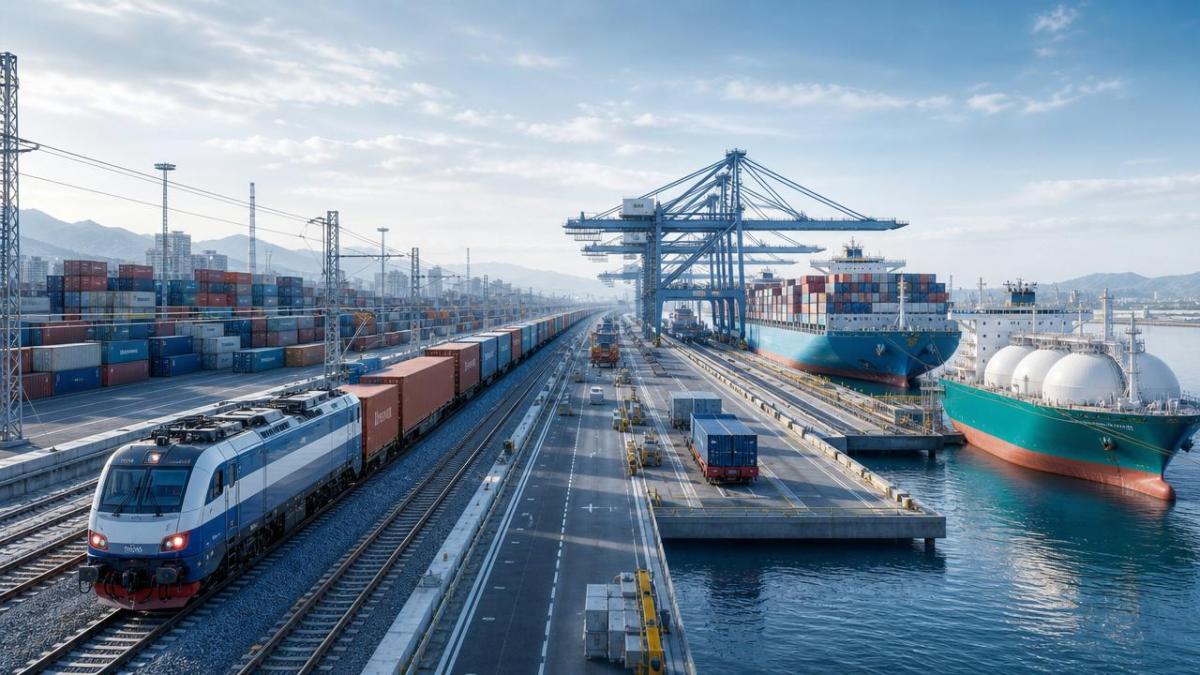
Global supply chain optimization for intermodal transportation is no longer a simple rate comparison exercise.
A corridor that looks cheaper on paper can become more expensive after one missed rail window, one congested berth, or one customs handoff.
That is why cost and delay must be judged together, not in separate reports.
In practice, the pressure points differ by cargo rhythm, infrastructure maturity, and equipment dependency.
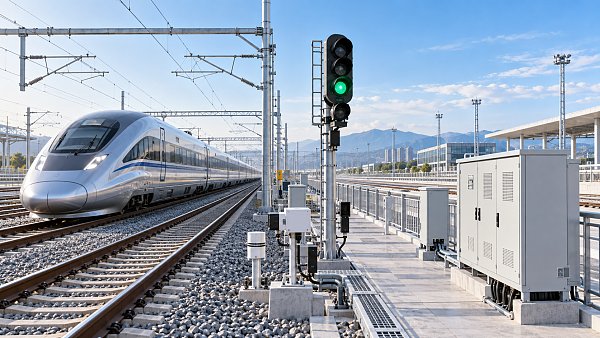
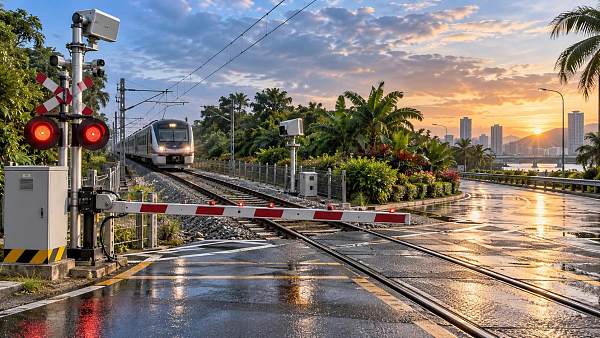
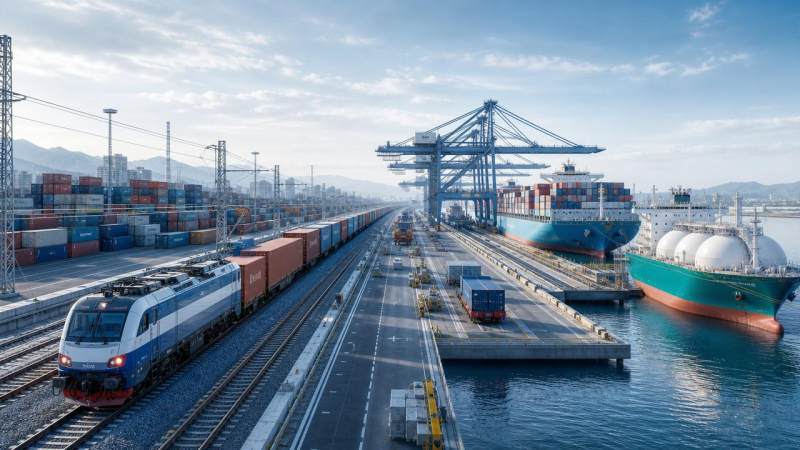
Railway signal control systems, pantographs, braking systems, smart container ships, and LNG carriers all influence timing tolerance in different ways.
GTOT’s land-sea perspective is useful here because intermodal performance is often decided by technical constraints hidden behind logistics metrics.
A delay on a port dashboard may actually begin with rail headway limits, traction instability, vessel sequencing, or cryogenic handling restrictions.
So the real task in global supply chain optimization for intermodal transportation is matching route design to operational reality.
When rail-linked corridors favor schedule discipline over the lowest freight rate
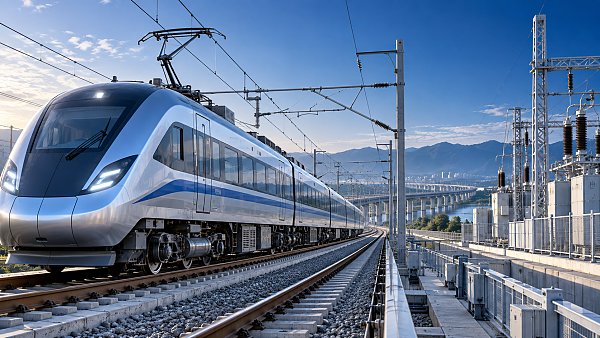
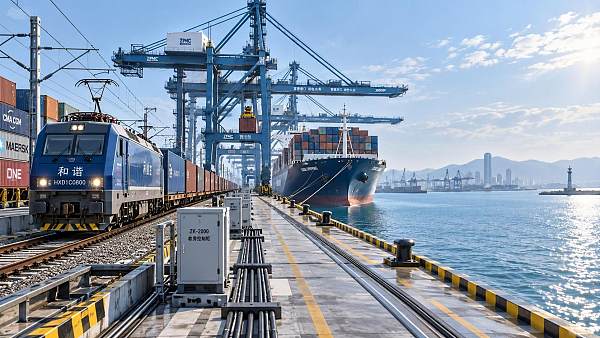
Some intercontinental flows depend on rail as the stabilizing spine of the network.
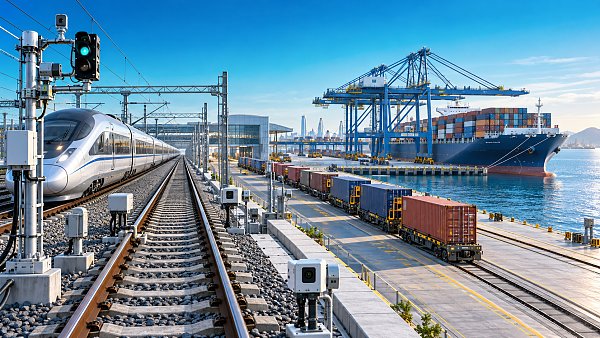
This is common where inland production, dry ports, and export terminals must work in narrow transfer windows.
In these settings, global supply chain optimization for intermodal transportation usually starts with timetable integrity.
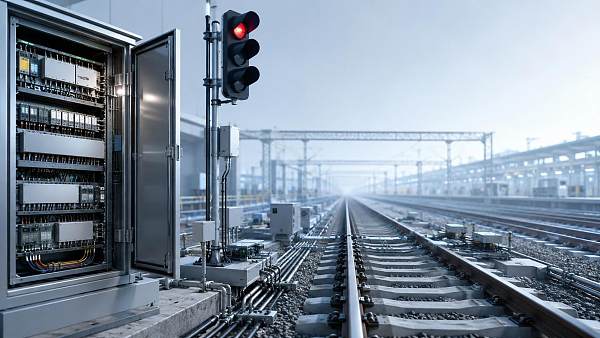
If signal control performance is weak, dwell time becomes unpredictable even before cargo reaches the seaport.
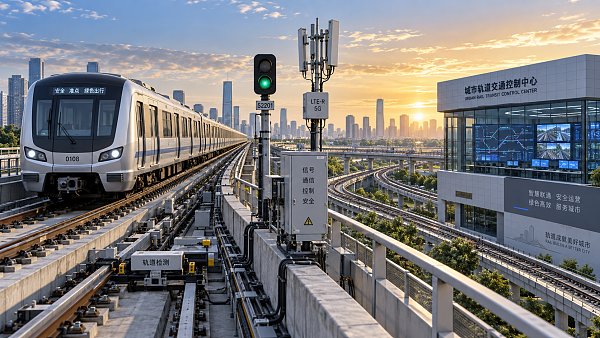
High-density corridors using advanced interlocking and SIL4-oriented safety logic often deliver value beyond safety alone.
They reduce variance in train sequencing, which protects downstream vessel cut-off times.
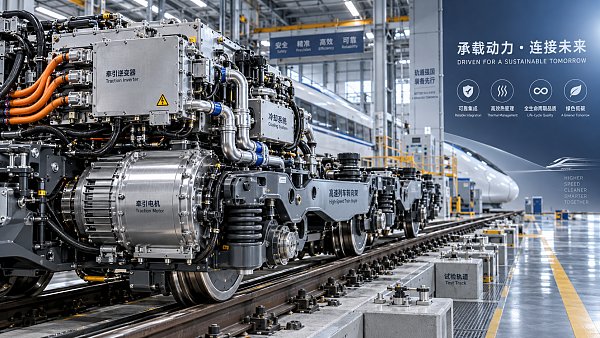
Pantograph reliability and braking consistency matter for the same reason.
Where speeds are high and weather exposure is severe, small traction interruptions can cascade into terminal misses.
A cheaper corridor loses its advantage quickly if every disruption triggers rebooking, demurrage, and idle inventory.
In this scenario, the better judgment is often to pay more for a corridor with stronger control architecture and tighter transfer predictability.
What to check before choosing the rail-heavy option
- Actual headway stability, not only advertised capacity.
- Recovery speed after traction or braking incidents.
- Compatibility between inland terminal cut-off times and port gate operations.
- Seasonal wind, vibration, and power fluctuation effects on current collection.
Where smart shipping corridors justify waiting for a better sea leg
Not every delay is harmful.
In some global lanes, short buffering inland creates better total performance than rushing cargo onto the first available vessel.
This usually happens where smart container ships operate with stronger AI routing, berth coordination, and ship-to-shore synchronization.
If the next sailing offers more stable port rotation and fewer transshipment risks, a planned delay can lower total landed cost.
That point is often missed in global supply chain optimization for intermodal transportation.
Many teams still compare sea rates without modeling the risk of missed connections across the entire land-sea chain.
GTOT’s focus on smart maritime systems highlights a useful distinction.
A vessel with strong digital visibility is not only faster.
It is easier to integrate with rail arrival patterns, terminal crane planning, and inland dispatch commitments.
So the decision is less about choosing sea versus rail and more about synchronizing both legs around the most reliable handoff.
LNG and sensitive energy cargo need a different optimization logic
Global supply chain optimization for intermodal transportation becomes more complex when the cargo itself restricts flexibility.
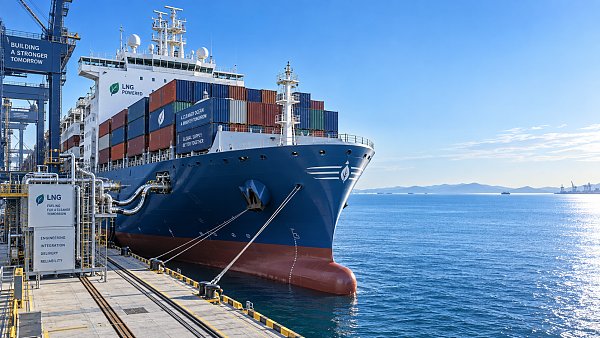
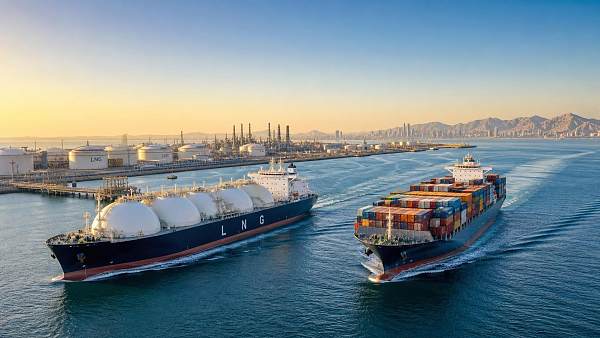
LNG-linked logistics are the clearest example.
Deep-cryogenic handling, dual-fuel vessel scheduling, and safety compliance narrow the room for improvisation.
A route that seems efficient for standard containers may be unsuitable for energy cargo with strict transfer discipline.
Here, delay is not only a commercial issue.
It can affect boil-off management, terminal slot utilization, and contract exposure.
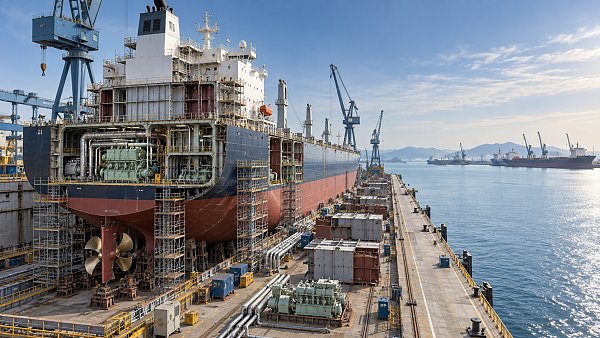
This is where GTOT’s intelligence on membrane containment stress, shipbuilding cycles, and cryogenic shipping strategy becomes relevant.
Optimization decisions should reflect engineering limits, not only transport pricing.
In practical terms, resilient routing may mean accepting higher fixed cost in exchange for lower disruption probability.
That is a very different trade-off from retail cargo or standard manufactured freight.
The common mistake in specialized cargo planning
A frequent misjudgment is treating all intermodal delay as recoverable with expediting.
For LNG-related chains, the network may not offer that recovery path at all.
Once vessel sequence, safety checks, and terminal windows move out of alignment, the added cost can exceed the original freight savings.
Different operating contexts require different decision thresholds
The strongest intermodal strategies use different thresholds for different operating contexts.
A mature corridor with digital visibility can tolerate leaner buffers.
An emerging corridor with fragmented control systems usually cannot.
This is why global supply chain optimization for intermodal transportation should be built around scenario rules rather than universal targets.
- For high-frequency rail-port corridors, monitor variance at every transfer node.
- For ocean-dominant routes, compare service reliability by rotation stability, not only transit days.
- For specialized energy flows, map technical constraints before comparing carrier offers.
- For mixed equipment networks, test compatibility between digital systems and physical assets.
More mature operators increasingly use strategic intelligence centers for this type of layered evaluation.
That approach fits GTOT’s model of linking rail signalling insight, traction science, and ocean-going vessel intelligence into one operating picture.
What gets overlooked before implementation
The biggest planning errors usually happen before a route is launched.
Teams often compare line-haul rates while ignoring maintenance cycles, terminal behavior, and standards compatibility.
In global supply chain optimization for intermodal transportation, those hidden conditions often determine real cost.
A rail corridor with advanced braking systems may support tighter scheduling, but only if inspection routines are realistic.
A smart vessel may promise route optimization, but only if port data exchange is timely and usable.
Even well-designed digitalization programs fail when physical infrastructure cannot support the planned rhythm.
Another frequent oversight is assuming similar corridors behave the same way under disruption.
One inland-port pair may recover quickly after a control issue.
Another may lose an entire vessel connection because backup paths are weak.
Useful adaptation checks
- Validate whether asset performance data matches actual operating weather and load conditions.
- Estimate delay cost by node, not only by full route average.
- Separate fixed engineering constraints from negotiable service terms.
- Review spare capacity for recovery during control, power, or berth disruptions.
A practical way to move from analysis to action
The most effective next step is to build a scenario-based decision sheet for each active corridor.
List the actual transfer nodes, timing dependencies, technical constraints, and recovery options.
Then compare total cost under normal operation and under one realistic disruption event.
That exercise makes global supply chain optimization for intermodal transportation far more grounded.
It also helps reveal where intelligence from rail control, traction systems, smart ships, and LNG logistics should shape route design.
In many cases, the best answer is not the fastest route or the cheapest route.
It is the route whose cost, delay exposure, safety margin, and asset behavior remain balanced under real operating pressure.
That is the more durable logic behind global supply chain optimization for intermodal transportation across land and sea.
Recommended News
 Sep 29, 2026What drives traction systems price differences between rail projects?Traction systems price differences explained: compare duty cycles, voltage compatibility, integration, localization, and lifecycle costs for smarter rail procurement.
 Sep 26, 2026What to assess before selecting an electric traction system manufacturerChoose an electric traction system manufacturer with confidence. Explore key criteria for performance, reliability, safety, integration, energy efficiency, and lifecycle support.
 Sep 25, 2026When do full digitalization systems justify the investment?Full digitalization systems: discover when rail and maritime operators can turn connected data into safer operations, higher availability, and measurable ROI.
 Sep 23, 2026What drives automatic train control systems cost on rail projects?Automatic train control systems cost depends on integration, migration, safety testing, communications, and lifecycle support. Explore the key budget drivers for rail projects.
 Sep 21, 2026How to assess an ocean going vessel builder’s delivery riskAssess an ocean going vessel builder’s delivery risk with proven checks for schedules, capacity, design maturity, critical equipment, quality, and project controls.
 Sep 20, 2026What drives rail safety technology costs over a project lifecycle?Rail safety technology cost goes beyond equipment—explore lifecycle drivers from integration and safety assurance to cybersecurity, commissioning, and obsolescence.
 Sep 16, 2026What to verify before choosing an advanced ocean-going vessels supplierAdvanced ocean-going vessels supplier checklist: verify design authority, build quality, digital systems, delivery reliability, and lifecycle support before you buy.
 Sep 15, 2026What rail safety technology best reduces level-crossing risks in Southeast Asia?Rail safety technology Southeast Asia: discover how fail-safe signalling, barriers, obstacle detection and remote monitoring reduce level-crossing risks.
 Sep 14, 2026How exporters can reduce customs delays in global trade logisticsGlobal trade logistics for exporters: reduce customs delays with accurate data, clearance-ready documents, early filing, and proactive exception management.
 Sep 13, 2026When do global transportation network systems reduce delivery delays?Global transportation network systems reduce delivery delays by improving rail-port-vessel coordination, real-time visibility, and proactive decisions across complex land-sea supply chains.
 Sep 09, 2026When should you choose a rail and maritime manufacturer with dual-sector capability?Rail and maritime manufacturer guide: learn when dual-sector capability reduces integration risk, improves lifecycle support, and strengthens rail-to-port operations.
 Sep 08, 2026What to verify before selecting a railway signalling equipment supplierRailway signalling equipment supplier checklist: verify safety evidence, integration, cybersecurity, delivery capability, and lifecycle support before award.
 Sep 07, 2026How to size a traction power transformer for railway load demandTraction power transformer sizing guide: model railway load demand, peak duty, voltage regulation, harmonics, and contingency capacity for reliable service.
 Sep 07, 2026How do customization options for industrial connectors affect lead times?Customization options for industrial connectors can impact lead times, cost, and compliance. Learn how to specify smarter for rail and marine projects.
 Sep 05, 2026What information should an industrial sourcing guide include?Industrial sourcing information procurement guide: evaluate suppliers, compliance, lifecycle costs, interfaces, and lead times for smarter rail and maritime purchasing decisions.
 Sep 01, 2026How to find reliable maritime tender information before biddingMaritime tender information: learn how to verify sources, define bid-ready scopes, check qualifications, and reduce risk before submitting competitive marine bids.
 Aug 30, 2026How to select railway automation equipment for depots with phased upgradesRailway automation equipment for depots: learn how to plan phased upgrades that improve safety, throughput, integration, and lifecycle control.
 Aug 27, 2026How industrial sourcing intelligence pricing data supports budget approvalIndustrial sourcing intelligence pricing data helps teams benchmark scope, assess supplier risk, and build defensible budget approvals for complex rail and maritime assets.
 Aug 26, 2026When does a marine fuel efficiency solution make financial sense in the Middle East?Marine fuel efficiency solution Middle East: learn when retrofit savings, compliance value, and vessel data align to deliver credible ROI and smarter shipping investment decisions.
 Aug 24, 2026When does maritime automation for tankers deliver a real payback?Maritime automation for tankers delivers real payback when it cuts fuel use, reduces cargo risk, and improves uptime. See how owners can time investment for stronger ROI.
 Aug 23, 2026When do maritime logistics systems in the Middle East justify the costMaritime logistics systems Middle East: discover when rising delays, manual coordination, and poor visibility make system investment the smarter move for regional operators.
 Aug 22, 2026What drives vessel navigation system price for commercial fleetsVessel navigation system price depends on integration, compliance, automation, and support—not just hardware. Learn what drives fleet costs and compare quotes with confidence.
 Aug 21, 2026How to assess shipbuilding maritime tenders before biddingShipbuilding maritime tenders require more than price checks. Learn how to assess technical scope, compliance, supply chain, and commercial risk before bidding with confidence.
 Aug 20, 2026When does working with an ocean-going vessels distributor reduce supply risk?Ocean-going vessels distributor: learn when this partner cuts supply risk through stronger compliance, faster response, and better sourcing resilience in complex maritime procurement.