



Search News
Industry Portal
Popular Tags
Global Supply Chain Challenges in Rail Infrastructure: Key Risks and Practical Responses
Author
Time
Click Count
Why global supply chain challenges in rail infrastructure now shape project outcomes
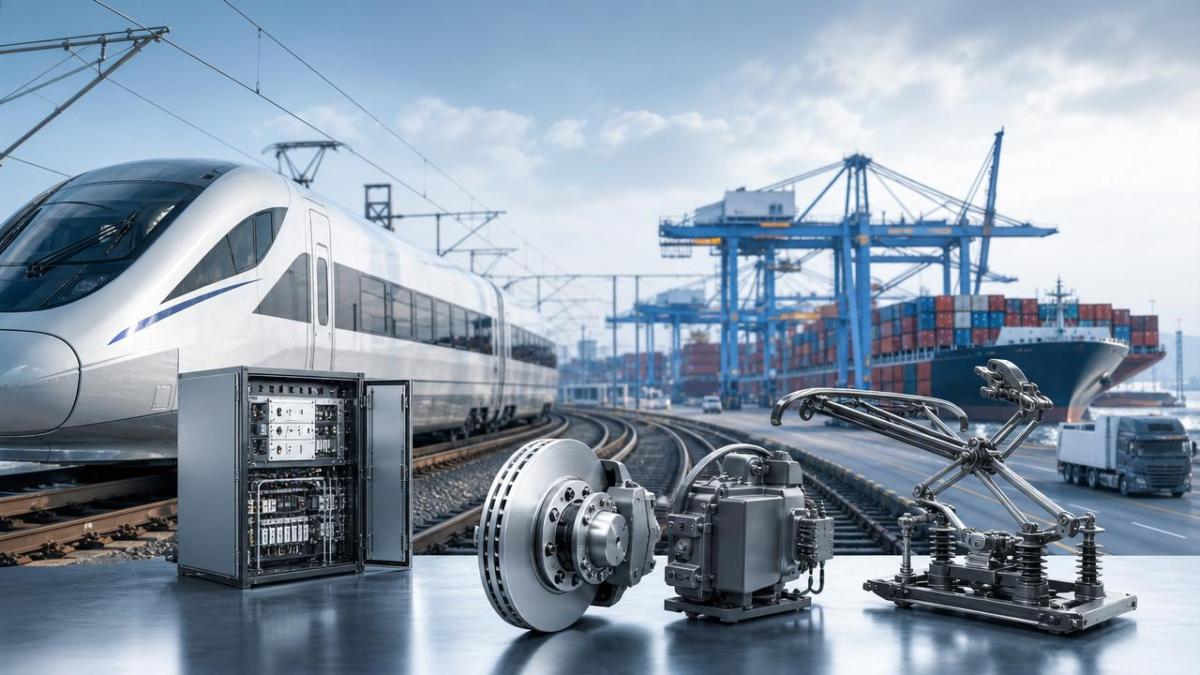
Global supply chain challenges in rail infrastructure now influence far more than late deliveries.
They affect commissioning windows, interface testing, financing assumptions, and the usable life of critical assets.
That pressure is strongest where rail systems depend on tightly specified components.
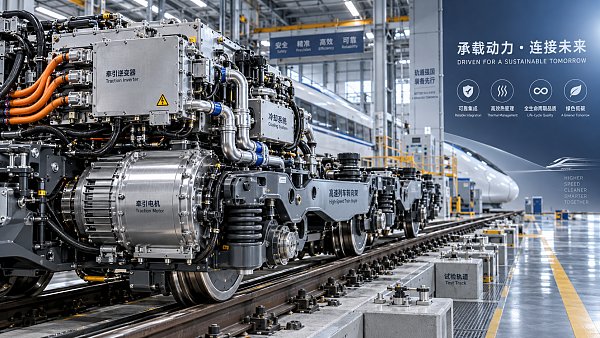
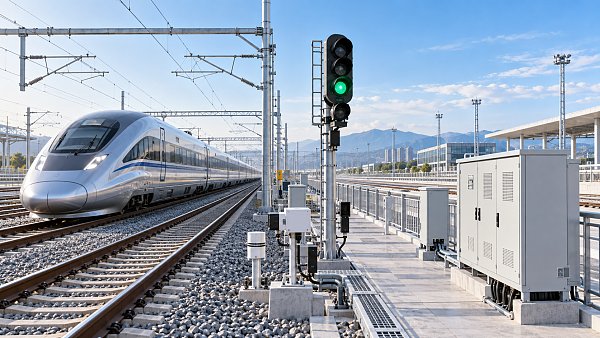
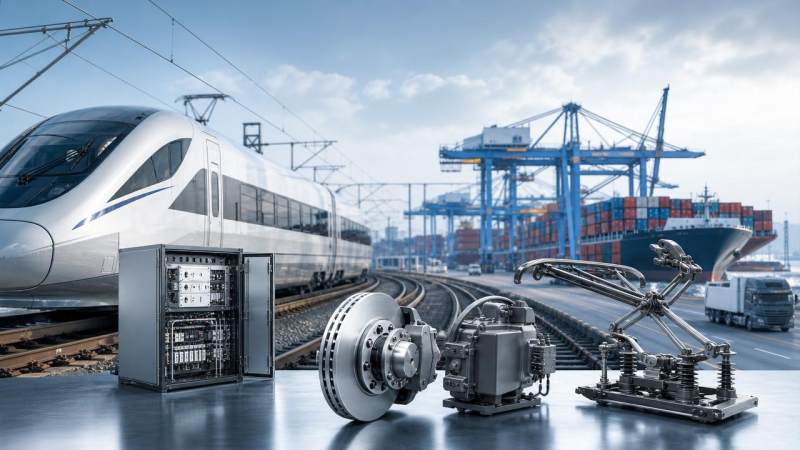
Signal control modules, pantographs, braking electronics, and safety-certified assemblies cannot be replaced like generic industrial parts.
In practice, different rail programs feel these risks differently.
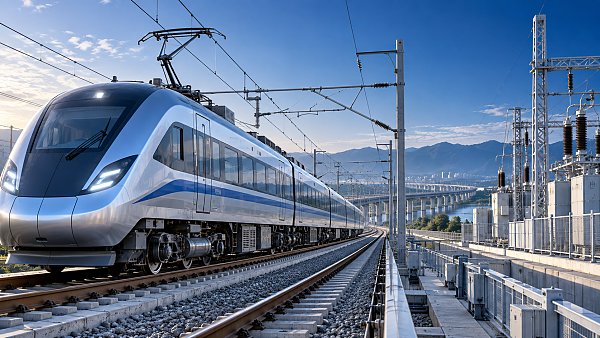
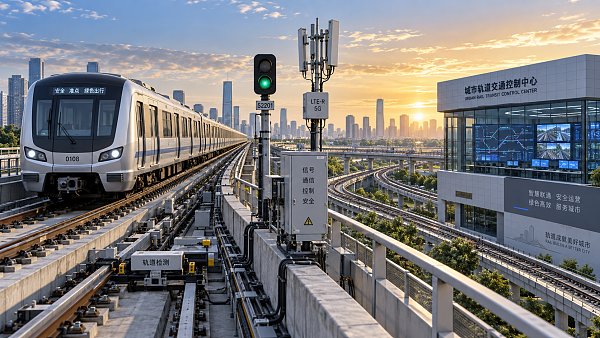
A metro extension may struggle with integration sequencing, while a high-speed corridor may face qualification risk from one delayed traction interface.
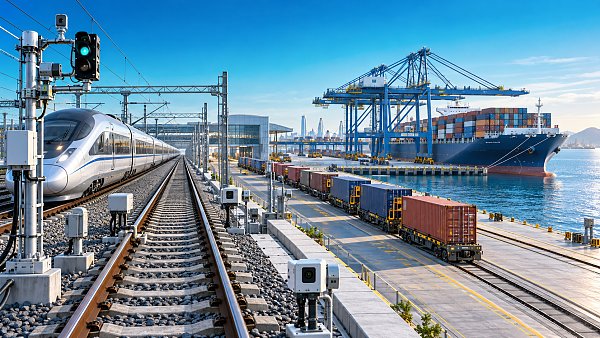
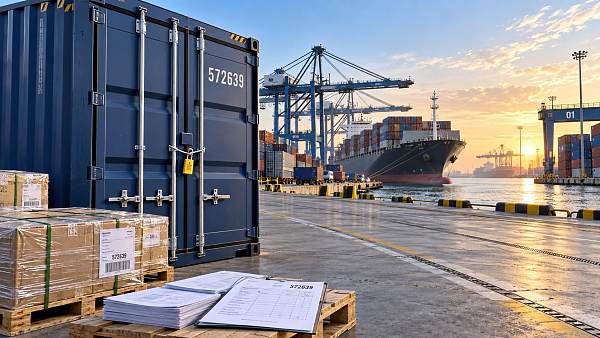
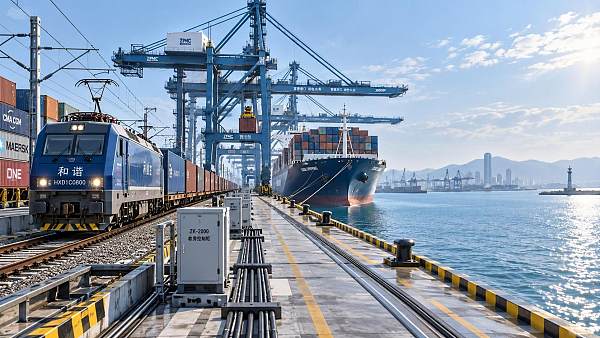
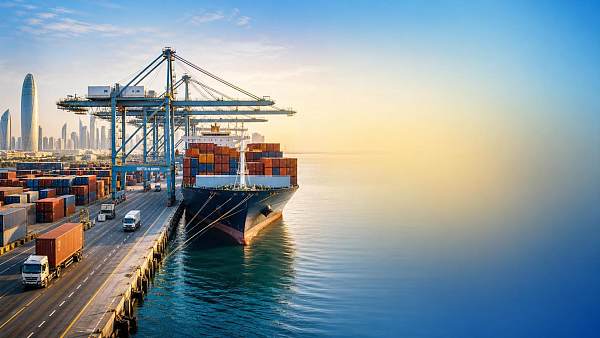
Cross-border freight projects add another layer, because maritime bottlenecks can delay inland infrastructure decisions.
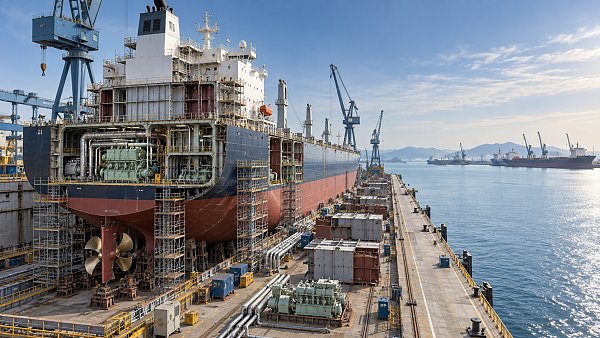
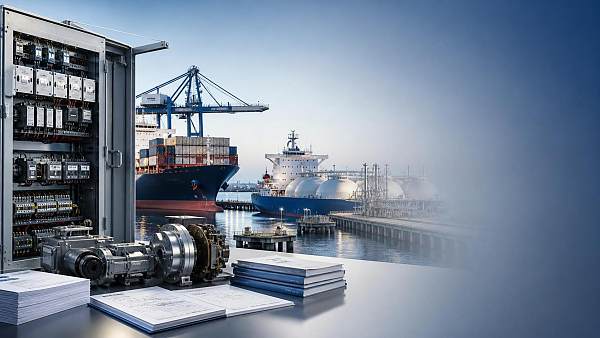
This is why GTOT tracks rail systems and ocean logistics together.
The same macro disruptions that reshape shipbuilding cycles often alter lead times for railway control components and transport planning.
The real task is not simply reacting faster.
It is learning which supply risks matter most in each operating scenario, then matching technical and commercial responses before disruption becomes structural.
Different rail scenarios create different supply chain priorities
Global supply chain challenges in rail infrastructure look similar on paper, but site conditions quickly separate priorities.
The more safety-critical the subsystem, the less room there is for sourcing flexibility.
The more international the delivery route, the more logistics timing affects engineering choices.
When safety certification dominates the schedule
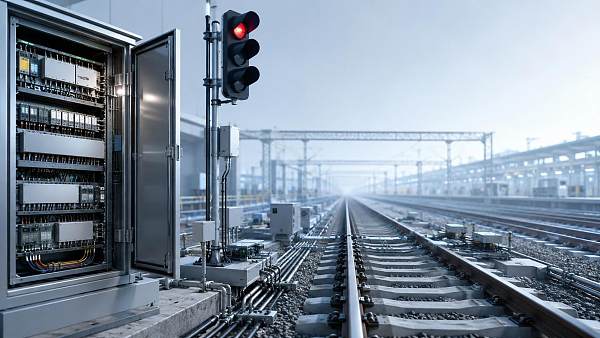
Railway signal control systems operate under strict SIL4 expectations and interface discipline.
A delayed processor board or communication unit is not just a procurement issue.
It can push software validation, interlocking tests, and network acceptance into a new budget period.
In this scenario, the best response is early mapping of approved alternatives, firmware dependencies, and recertification thresholds.
When mechanical reliability matters more than part count
Pantographs and braking systems create a different judgment path.
Availability matters, but performance under vibration, wind, wear, and thermal stress matters more.
A substitute that appears equivalent may still change maintenance intervals or reduce service stability at high speed.
Here, global supply chain challenges in rail infrastructure are best assessed through lifecycle impact, not only delivery dates.
When maritime volatility becomes a rail risk
More common now is the land-sea overlap.
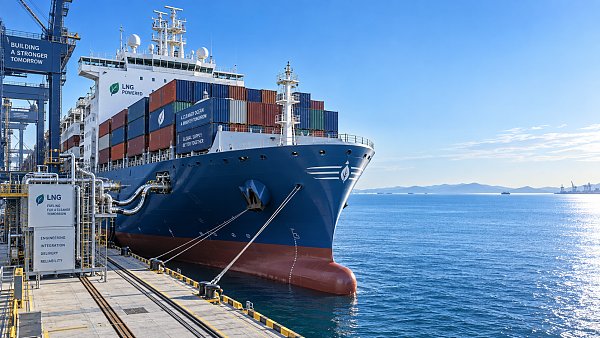
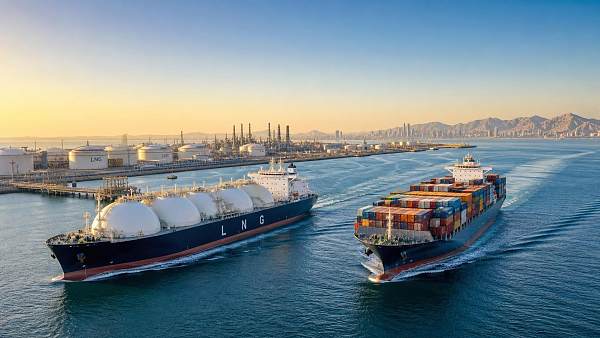
Smart container shipping schedules, port congestion, and LNG-related energy costs can influence freight rates and equipment routing.
For imported rail assemblies, that means the supply chain risk starts long before materials reach the depot or assembly site.
This is where integrated intelligence becomes valuable, because rail decisions increasingly depend on upstream ocean signals.
What changes between urban transit, high-speed rail, and freight corridors
A useful way to judge global supply chain challenges in rail infrastructure is to compare operational environments before defining mitigation.
This comparison matters because similar shortages create different consequences.
In metro systems, short possession windows can make a two-week delay more disruptive than a month of higher freight cost.
In high-speed projects, the opposite may be true.
A part arriving on time still fails the program if it triggers new validation work.
The risks most often underestimated before procurement closes
One common mistake is treating global supply chain challenges in rail infrastructure as a purchasing problem only.
That view misses the deeper cost of redesign, retesting, and operational compromise.
- Equivalent specifications may still hide incompatible connectors, software baselines, or maintenance tools.
- Long-lead items may be visible, while second-tier electronic materials remain unmonitored until assembly stops.
- Transport insurance and customs timing often change the real delivery window more than factory output does.
- Energy price swings can alter fabrication cost for metals, composites, and cryogenic-linked logistics.
Another misread is assuming all resilience comes from adding more suppliers.
For core rail infrastructure, that can increase risk if each source requires separate verification or creates uneven field performance.
The stronger approach is selective redundancy.
That means protecting bottleneck items, qualifying alternates where standards allow, and avoiding fragmentation in safety-critical subsystems.
How practical responses differ once the project moves from planning to delivery
At concept stage, the main question is exposure.
During execution, the question becomes control.
That shift is important when responding to global supply chain challenges in rail infrastructure.
Early-stage actions that preserve flexibility
- Rank components by certification burden, replacement difficulty, and route dependence.
- Separate parts that are commercially scarce from parts that are technically irreplaceable.
- Review ocean freight pathways for imported assemblies before finalizing delivery commitments.
- Align contract milestones with realistic test, shipping, and customs sequences.
Execution-stage actions that reduce disruption
- Use rolling lead-time reviews instead of static procurement dashboards.
- Trigger engineering review when substitute parts change validation scope.
- Protect commissioning windows by prioritizing interface-complete kits, not isolated part arrivals.
- Link inland logistics planning with port congestion and vessel schedule data.
GTOT’s land-sea perspective is useful here.
Rail infrastructure rarely fails because one headline risk was ignored.
More often, small delays in shipping, certification, and integration accumulate across disconnected teams.
A workable way to strengthen resilience without overcorrecting
The most effective response to global supply chain challenges in rail infrastructure is not maximum inventory or permanent redesign.
It is disciplined adaptation based on actual operating conditions.
In practical terms, that means defining which assets carry safety, schedule, and interoperability risk at the same time.
Those assets deserve deeper market intelligence, tighter approval control, and earlier logistics planning.
It also means looking beyond factory output.
For many projects, resilience depends on how railway control components, braking systems, and pantograph assemblies move through global shipping networks before installation begins.
A useful next step is to map the current program by scenario.
Identify where certification limits substitution, where maritime routing drives uncertainty, and where maintenance consequences outweigh purchase price.
Then compare those conditions against lead times, interface constraints, and implementation difficulty.
That process creates a more realistic response plan and protects long-term asset value, not just the next shipment.
Recommended News
 Sep 29, 2026What drives traction systems price differences between rail projects?Traction systems price differences explained: compare duty cycles, voltage compatibility, integration, localization, and lifecycle costs for smarter rail procurement.
 Sep 26, 2026What to assess before selecting an electric traction system manufacturerChoose an electric traction system manufacturer with confidence. Explore key criteria for performance, reliability, safety, integration, energy efficiency, and lifecycle support.
 Sep 25, 2026When do full digitalization systems justify the investment?Full digitalization systems: discover when rail and maritime operators can turn connected data into safer operations, higher availability, and measurable ROI.
 Sep 23, 2026What drives automatic train control systems cost on rail projects?Automatic train control systems cost depends on integration, migration, safety testing, communications, and lifecycle support. Explore the key budget drivers for rail projects.
 Sep 21, 2026How to assess an ocean going vessel builder’s delivery riskAssess an ocean going vessel builder’s delivery risk with proven checks for schedules, capacity, design maturity, critical equipment, quality, and project controls.
 Sep 20, 2026What drives rail safety technology costs over a project lifecycle?Rail safety technology cost goes beyond equipment—explore lifecycle drivers from integration and safety assurance to cybersecurity, commissioning, and obsolescence.
 Sep 16, 2026What to verify before choosing an advanced ocean-going vessels supplierAdvanced ocean-going vessels supplier checklist: verify design authority, build quality, digital systems, delivery reliability, and lifecycle support before you buy.
 Sep 15, 2026What rail safety technology best reduces level-crossing risks in Southeast Asia?Rail safety technology Southeast Asia: discover how fail-safe signalling, barriers, obstacle detection and remote monitoring reduce level-crossing risks.
 Sep 14, 2026How exporters can reduce customs delays in global trade logisticsGlobal trade logistics for exporters: reduce customs delays with accurate data, clearance-ready documents, early filing, and proactive exception management.
 Sep 13, 2026When do global transportation network systems reduce delivery delays?Global transportation network systems reduce delivery delays by improving rail-port-vessel coordination, real-time visibility, and proactive decisions across complex land-sea supply chains.
 Sep 09, 2026When should you choose a rail and maritime manufacturer with dual-sector capability?Rail and maritime manufacturer guide: learn when dual-sector capability reduces integration risk, improves lifecycle support, and strengthens rail-to-port operations.
 Sep 08, 2026What to verify before selecting a railway signalling equipment supplierRailway signalling equipment supplier checklist: verify safety evidence, integration, cybersecurity, delivery capability, and lifecycle support before award.
 Sep 07, 2026How to size a traction power transformer for railway load demandTraction power transformer sizing guide: model railway load demand, peak duty, voltage regulation, harmonics, and contingency capacity for reliable service.
 Sep 07, 2026How do customization options for industrial connectors affect lead times?Customization options for industrial connectors can impact lead times, cost, and compliance. Learn how to specify smarter for rail and marine projects.
 Sep 05, 2026What information should an industrial sourcing guide include?Industrial sourcing information procurement guide: evaluate suppliers, compliance, lifecycle costs, interfaces, and lead times for smarter rail and maritime purchasing decisions.
 Sep 01, 2026How to find reliable maritime tender information before biddingMaritime tender information: learn how to verify sources, define bid-ready scopes, check qualifications, and reduce risk before submitting competitive marine bids.
 Aug 30, 2026How to select railway automation equipment for depots with phased upgradesRailway automation equipment for depots: learn how to plan phased upgrades that improve safety, throughput, integration, and lifecycle control.
 Aug 27, 2026How industrial sourcing intelligence pricing data supports budget approvalIndustrial sourcing intelligence pricing data helps teams benchmark scope, assess supplier risk, and build defensible budget approvals for complex rail and maritime assets.
 Aug 26, 2026When does a marine fuel efficiency solution make financial sense in the Middle East?Marine fuel efficiency solution Middle East: learn when retrofit savings, compliance value, and vessel data align to deliver credible ROI and smarter shipping investment decisions.
 Aug 24, 2026When does maritime automation for tankers deliver a real payback?Maritime automation for tankers delivers real payback when it cuts fuel use, reduces cargo risk, and improves uptime. See how owners can time investment for stronger ROI.
 Aug 23, 2026When do maritime logistics systems in the Middle East justify the costMaritime logistics systems Middle East: discover when rising delays, manual coordination, and poor visibility make system investment the smarter move for regional operators.
 Aug 22, 2026What drives vessel navigation system price for commercial fleetsVessel navigation system price depends on integration, compliance, automation, and support—not just hardware. Learn what drives fleet costs and compare quotes with confidence.
 Aug 21, 2026How to assess shipbuilding maritime tenders before biddingShipbuilding maritime tenders require more than price checks. Learn how to assess technical scope, compliance, supply chain, and commercial risk before bidding with confidence.
 Aug 20, 2026When does working with an ocean-going vessels distributor reduce supply risk?Ocean-going vessels distributor: learn when this partner cuts supply risk through stronger compliance, faster response, and better sourcing resilience in complex maritime procurement.