



Search News
Industry Portal
Popular Tags
Transportation Infrastructure Development Trends in 2026: What Will Shape Project Pipelines?
Author
Time
Click Count
As governments, logistics operators, and capital markets reset priorities, transportation infrastructure development trends in 2026 will increasingly shape how project pipelines are funded, sequenced, and delivered.
For business decision-makers, understanding the interplay of rail automation, resilient supply chains, smart port connectivity, and low-carbon marine investment is essential to identifying where the next wave of viable opportunities will emerge.
What Decision-Makers Should Understand First About 2026 Project Pipelines
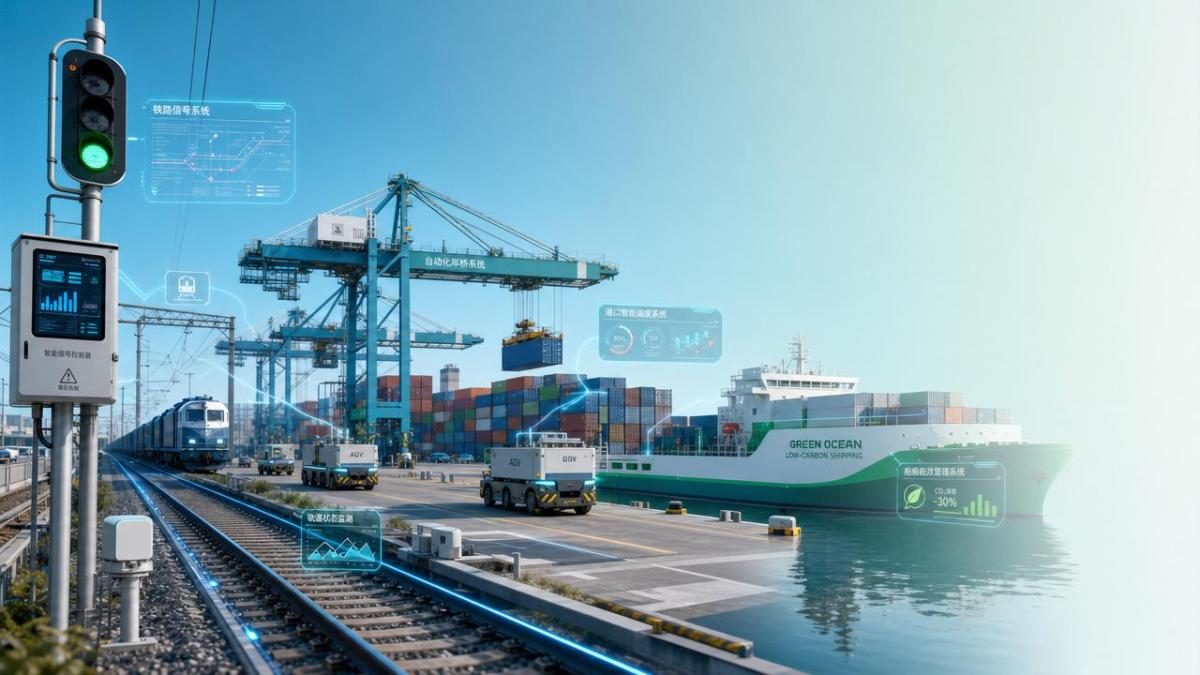
The core search intent behind transportation infrastructure development trends is practical, not academic. Executives want to know which projects will move, which will stall, and where credible demand will concentrate.
In 2026, the strongest pipelines are unlikely to be shaped by headline spending promises alone. They will be shaped by bankability, resilience requirements, digital performance standards, and decarbonization pressure.
That matters because many transport programs now face tougher scrutiny from lenders, regulators, insurers, and public stakeholders. Projects must prove operational value, not just strategic symbolism.
For enterprise leaders, the key question is no longer whether transport infrastructure will remain a priority. The real question is which asset classes will attract sustained capital and procurement momentum.
The best-positioned opportunities will usually sit at the intersection of safety, automation, energy efficiency, and supply chain continuity. This is where specifications are becoming stricter and replacement cycles more urgent.
For suppliers, EPC firms, component manufacturers, and investors, 2026 will reward those who read project pipelines through technical and commercial filters at the same time.
Why Transportation Infrastructure Development Trends Are Becoming More Selective
One of the biggest shifts in transportation infrastructure development trends is selectivity. Governments are still spending, but they are prioritizing assets that deliver measurable system-level outcomes.
That includes reduced congestion, improved freight reliability, lower lifecycle emissions, stronger safety performance, and better integration across land-sea logistics corridors.
As a result, broad infrastructure narratives are becoming less useful than project-specific investment logic. Decision-makers need to assess whether a pipeline is politically announced, commercially prepared, or procurement ready.
In many markets, financing conditions remain tighter than during earlier stimulus cycles. Cost inflation, interest rate pressure, and fiscal discipline are forcing sponsors to phase projects more carefully.
This creates a more uneven market, but not necessarily a weaker one. It favors projects with clear return logic, modular deployment pathways, and credible operational resilience benefits.
Executives should therefore avoid reading 2026 through a single lens such as total infrastructure budgets. The better approach is to track where risk-adjusted execution confidence is actually rising.
Rail Automation and Safety Systems Will Capture a Larger Share of Viable Spending
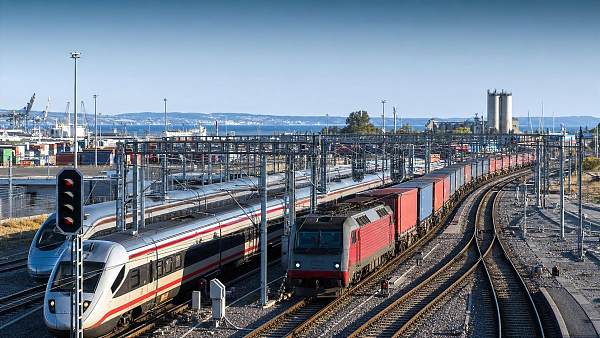
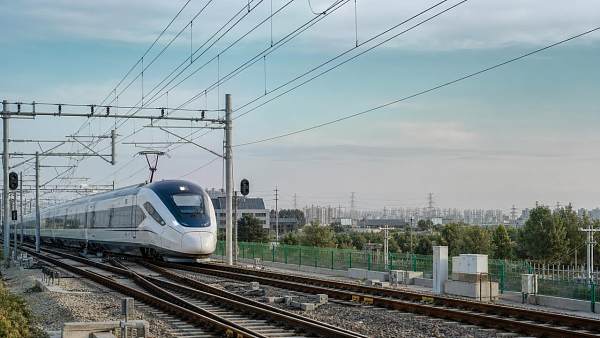
Rail is likely to remain one of the most durable areas in 2026 transport development, but the most attractive opportunities will be concentrated in performance-critical subsystems rather than generic expansion alone.
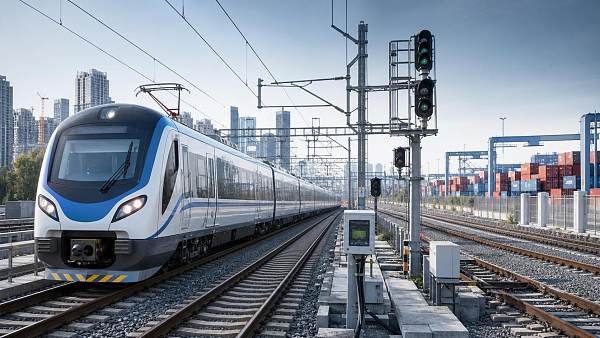
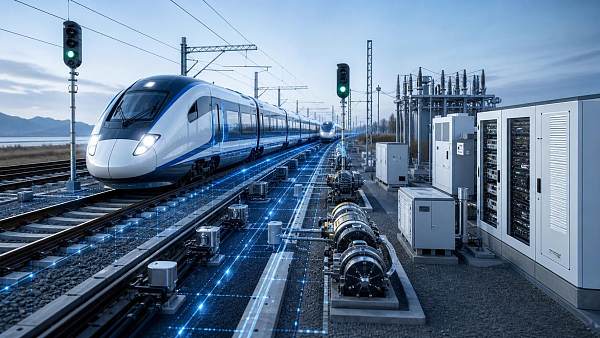
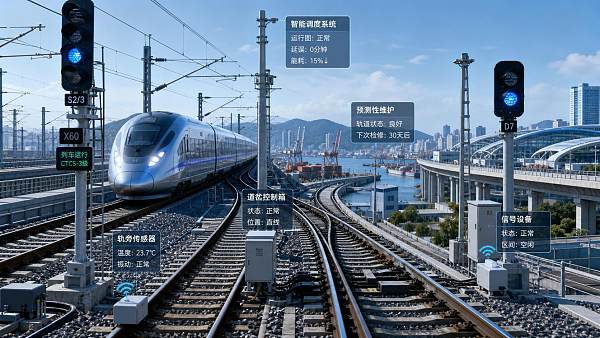
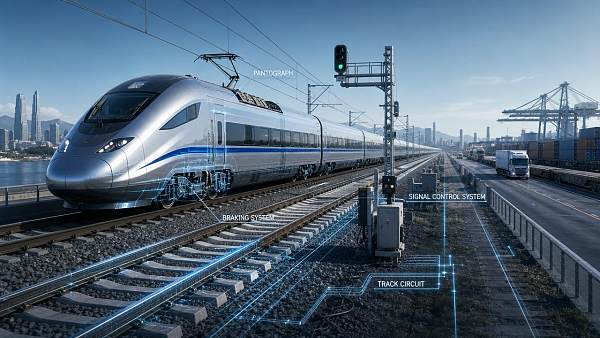
Railway signal control systems, automatic train operation, traffic management platforms, and SIL4-grade safety architecture are moving closer to the center of procurement decision-making.
The reason is simple. Dense corridors, labor constraints, urbanization, and capacity bottlenecks are forcing operators to extract more throughput and safety from existing networks.
That makes signaling modernization more defensible than some large greenfield builds. It can improve headways, support automation, reduce incident risk, and extend network productivity without the same land acquisition burden.
For companies serving rail markets, this means project pipelines may increasingly favor upgrade programs, interoperability packages, and digital control layers over purely civil-heavy expansions.
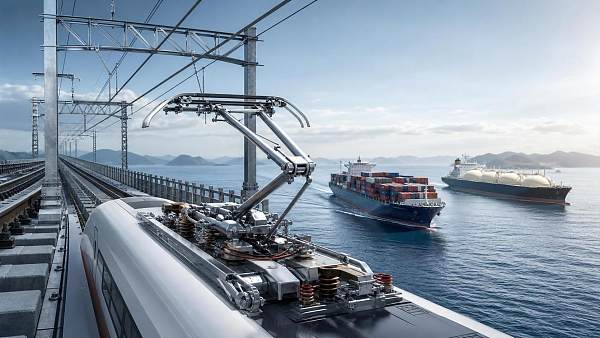
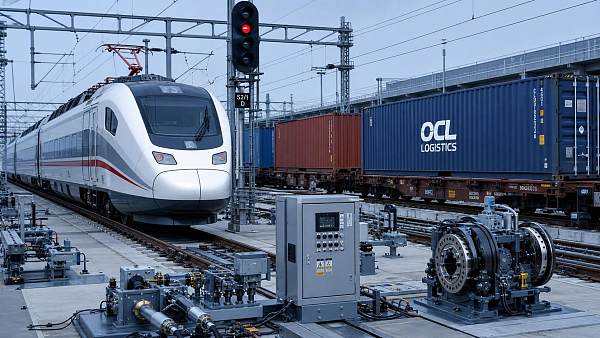
Pantographs and braking systems also stand to benefit where high-speed and urban rail operators prioritize reliability, energy transfer stability, and precision stopping under higher service intensity.
These are not marginal technical details. They directly affect uptime, operating efficiency, safety assurance, and tender competitiveness in increasingly demanding procurement environments.
Ports, Smart Shipping, and Maritime Connectivity Will Matter More Than Standalone Marine Capacity
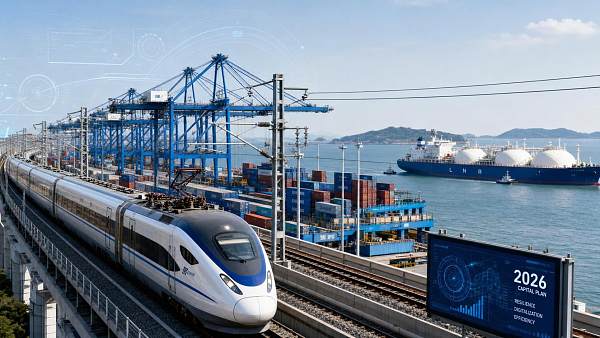
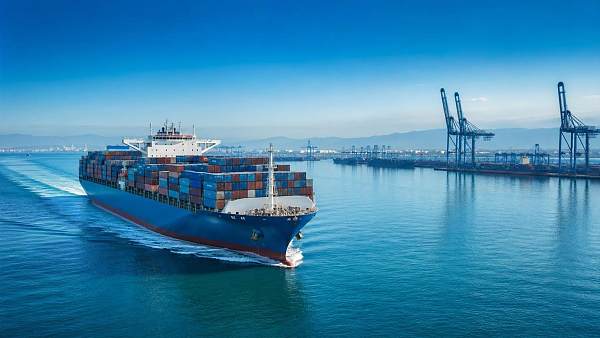
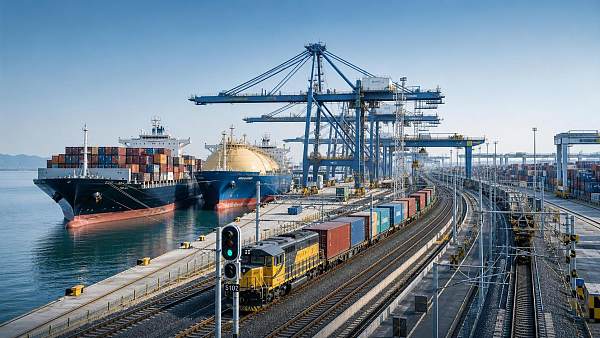
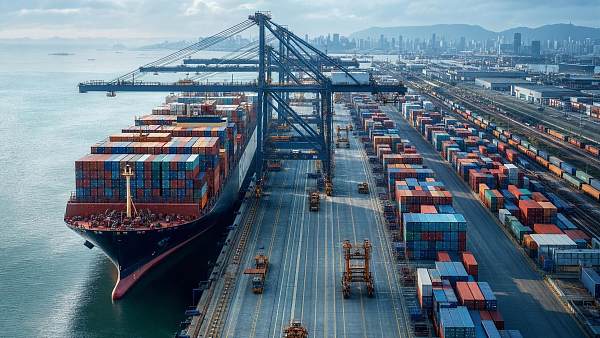
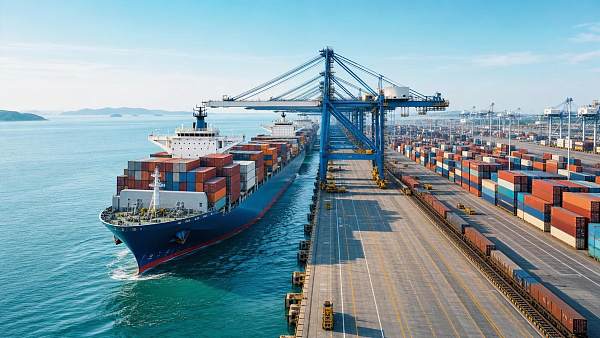
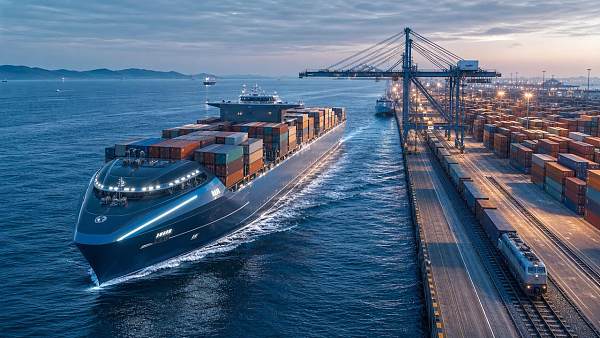
Another major force shaping 2026 pipelines is the shift from isolated marine asset investment toward integrated maritime logistics ecosystems. Ports, vessels, inland links, and digital visibility systems are becoming interdependent.
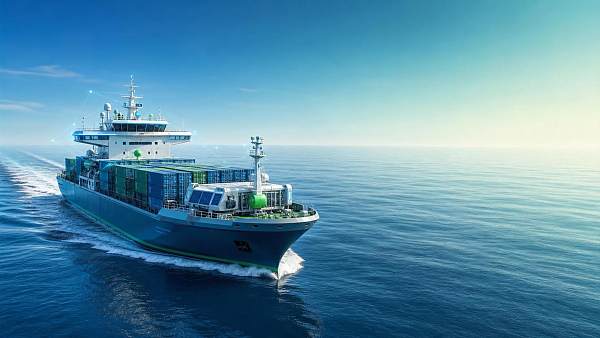
That means smart container ships alone are not the full story. The stronger opportunity often lies in ship-to-shore coordination, berth optimization, route intelligence, and data-linked cargo flows.
Shipping markets remain cyclical, but infrastructure decisions are increasingly influenced by supply chain resilience. Operators want fewer blind spots, faster turnaround, and better responses to disruption.
As a result, port connectivity projects with digital orchestration value may prove more attractive than capacity additions that do not solve operational friction.
For businesses evaluating maritime exposure, the question should be whether an investment improves network intelligence and corridor efficiency, not just tonnage handling capability.
This is especially relevant for suppliers connected to sensors, automation, vessel systems, predictive maintenance, and platform integration across terminals and fleets.
In practical terms, 2026 may favor maritime projects that reduce waiting time, increase planning certainty, and strengthen cross-border logistics continuity under volatile trade conditions.
Low-Carbon Compliance Will Continue to Reshape Marine and Land Transport Investment
Decarbonization is no longer a secondary narrative added to transport strategy decks. It is becoming a procurement filter that influences technology choices, financing terms, and long-term asset viability.
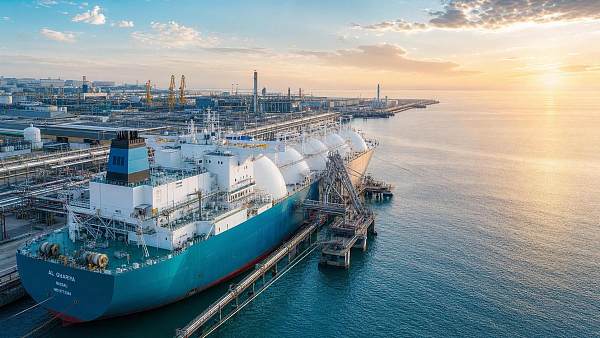
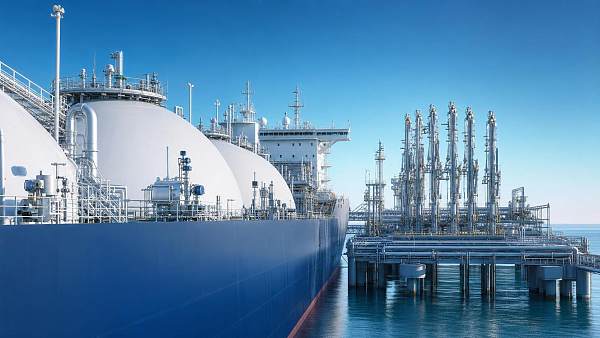
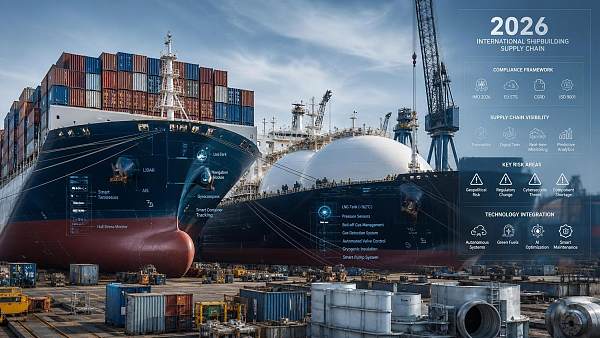
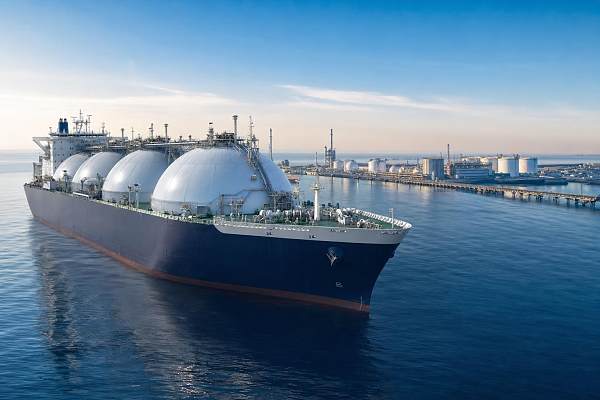
In marine transport, this is highly visible in LNG carriers, dual-fuel propulsion systems, cryogenic containment technologies, and broader transitional fuel infrastructure.
While future fuel pathways remain contested, investment decisions in 2026 will still favor assets that improve emissions performance without sacrificing operational reliability or route flexibility.
For many stakeholders, LNG-linked shipping technology remains commercially relevant because it connects near-term compliance needs with proven deep-sea operating logic.
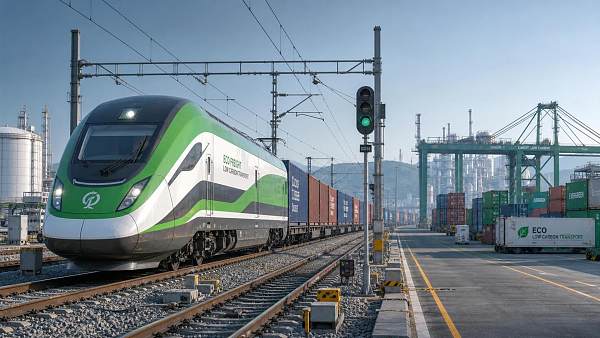
On land, electrified rail, traction efficiency, braking optimization, and digitally controlled traffic systems all support lower emissions through better energy use and higher network performance.
Business leaders should view low-carbon transport investment less as a branding issue and more as a financing, tendering, and market access issue.
Projects that cannot show a credible decarbonization trajectory may struggle to secure approvals, insurance comfort, institutional capital, or priority treatment in public procurement frameworks.
Resilience Will Be Funded Where It Can Be Quantified
Supply chain resilience remains one of the most powerful drivers behind transportation infrastructure development trends, but resilience language alone will not unlock spending.
What will matter in 2026 is whether resilience can be translated into measurable operating outcomes such as redundancy, recovery time, asset visibility, or reduced failure exposure.
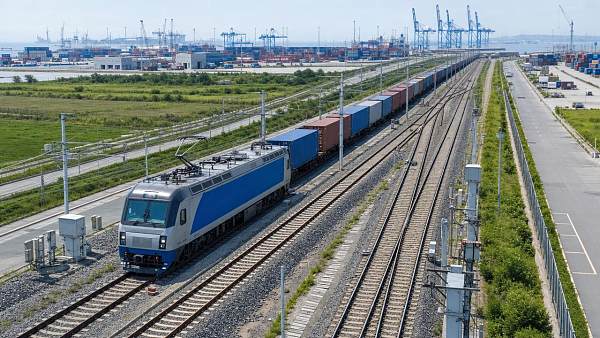
That favors investments in network control, predictive monitoring, critical component reliability, and corridor-level coordination between rail, port, and marine systems.
In other words, resilience is moving from a narrative to an engineering and commercial requirement. Decision-makers should expect buyers to ask for evidence, not just positioning statements.
For example, rail control upgrades that reduce disruption impact may be easier to justify than broad modernization claims with no quantified uptime benefit.
The same applies in shipping and ports, where digital route optimization or connected terminal intelligence can support resilience only if they materially improve schedule reliability and response capability.
This trend benefits companies that can connect technical performance to board-level outcomes such as continuity, cost stability, customer confidence, and contractual service strength.
How Capital Allocation Will Separate Real Pipelines From Announced Pipelines
One of the most important judgment skills for executives in 2026 will be distinguishing between announced infrastructure ambitions and executable project pipelines.
Many projects will remain politically visible but commercially delayed. Others may move faster because they have clearer procurement models, stronger public-private structures, or modular implementation plans.
That is why leaders should examine not only market size but also project readiness indicators. These include regulatory clarity, technical standard maturity, land and permitting status, and funding alignment.
For component and systems suppliers, another useful signal is whether specifications are becoming more defined. Vague demand often reflects early-stage intent, while detailed technical criteria usually indicate procurement momentum.
In rail and marine sectors alike, projects with strong lifecycle economics are likely to outperform those justified mainly by prestige or broad strategic messaging.
Capital will flow more confidently where owners can defend total value over time, including maintenance efficiency, safety reduction, digital interoperability, and compliance durability.
This creates an advantage for companies that support business cases with data, case evidence, and clear deployment pathways rather than relying only on product claims.
What Enterprise Leaders Should Prioritize When Evaluating 2026 Opportunities
For enterprise decision-makers, the most useful response to changing transportation infrastructure development trends is disciplined prioritization rather than broad market chasing.
First, identify which transport segments align with your strongest technical credibility. In 2026, buyers will favor suppliers that solve mission-critical problems, not those offering generic market coverage.
Second, evaluate where your solution sits in the value chain. Technologies tied to safety, control, uptime, energy performance, or corridor visibility usually hold stronger procurement relevance.
Third, assess whether your offer supports both compliance and productivity. This dual value proposition is increasingly important when customers face capital pressure but still need modernization.
Fourth, map opportunity timing carefully. Some sectors may have strong long-term potential but weak near-term conversion. Others may show narrower markets but faster procurement velocity.
Finally, strengthen commercial narratives with technical proof. In restricted tenders, especially across rail and maritime markets, trust is built through performance evidence and systems understanding.
This is where strategic intelligence becomes a competitive asset. Companies that track standards, replacement cycles, operator pain points, and capital constraints can qualify opportunities earlier and bid more credibly.
The Strategic Outlook: Where the Most Defensible Growth Will Likely Emerge
Looking ahead, the most defensible growth in 2026 transport infrastructure will likely come from assets that make existing networks safer, smarter, cleaner, and more connected.
That points to signaling systems, traction-related reliability components, advanced braking, smart vessel technologies, LNG-linked shipping systems, and digital port-rail interfaces.
These areas fit the current market logic because they improve asset utilization while also supporting resilience and decarbonization priorities.
They are also easier to defend in front of procurement committees and capital providers because their value can often be linked to operational outcomes, not just strategic aspiration.
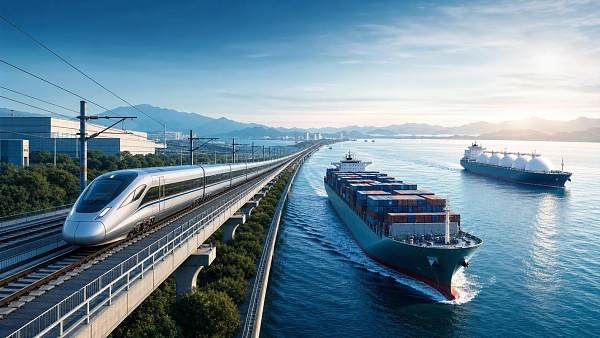
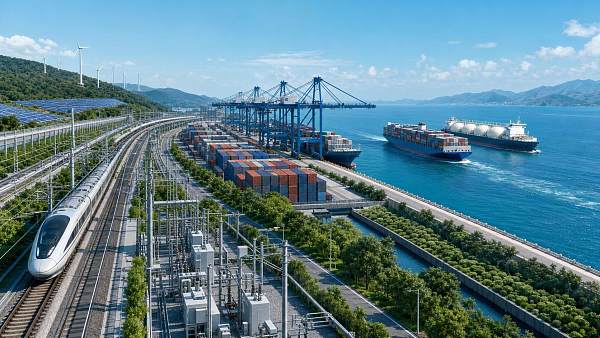
For GTOT-aligned sectors, this creates a particularly relevant outlook. The convergence of railway control intelligence, high-speed power stability, maritime digitalization, and cryogenic transport engineering is not theoretical.
It reflects how real project pipelines are evolving across global land-sea transportation systems. Buyers increasingly need integrated performance, not isolated equipment categories.
That means the winners in 2026 will not simply be those present in transport markets. They will be those capable of translating technical depth into investment relevance and procurement confidence.
Conclusion
Transportation infrastructure development trends in 2026 will be shaped less by broad expansion narratives and more by investable performance logic.
For decision-makers, the critical takeaway is clear: focus on projects and technologies that strengthen safety, automation, resilience, digital coordination, and decarbonization at the same time.
Rail control systems, high-performance traction and braking, smart maritime platforms, and LNG-related vessel technologies are especially well positioned where buyers seek measurable operational gains.
The practical opportunity is not to follow every infrastructure announcement. It is to identify where procurement readiness, technical necessity, and commercial justification are converging.
Businesses that make this distinction early will be better equipped to allocate resources, shape partnerships, and build durable credibility in the 2026 project pipeline landscape.
Recommended News
 Jul 19, 2026Transportation Infrastructure Trends Shaping Capital Planning in 2026Transportation infrastructure trends in 2026 are reshaping capital planning across rail, ports, and shipping. Discover how resilience, automation, and digital control are driving smarter investment decisions.
 Jul 12, 2026Gas Carrier Technology in the Middle East: 2026 OutlookGas carrier technology Middle East trends for 2026: explore LNG vessel innovation, propulsion, containment, and regional yard upgrades shaping smarter energy trade decisions.
 Jul 10, 2026Commercial Shipbuilding Technology Trends Shaping Newbuild Projects in 2026Commercial shipbuilding technology is reshaping 2026 newbuild projects with smarter vessels, fuel flexibility, digital twins, and earlier compliance planning. Explore the trends driving stronger ROI.
 Jul 08, 2026Rail Transit Systems Upgrade Trends Shaping 2026 Investment PlansRail transit systems in 2026 are shifting from expansion to smarter upgrades. Explore safety, automation, energy, and digital trends shaping resilient, high-value investment plans.
 Jul 06, 2026Cryogenic Shipping Systems Manufacturer Trends Shaping 2026 Fleet UpgradesCryogenic shipping systems manufacturer trends are reshaping 2026 fleet upgrades. Explore how digital monitoring, emissions control, and safer containment can improve vessel performance.
 Jul 05, 2026Smart Shipping Solutions for Fleet Management: 2026 Trends Shaping Vessel OperationsSmart shipping solutions for fleet management are redefining vessel operations in 2026. Explore trends in integration, compliance, fuel efficiency, and resilient fleet performance.
 Jul 04, 2026Digital Marine Decarbonization Technology: What Delivers Measurable GainsDigital marine decarbonization technology helps fleets cut fuel use, improve compliance, and boost vessel efficiency with measurable, data-driven gains. Learn what truly delivers value.
 Jul 03, 2026Global Rail Infrastructure Standards: 2026 Changes to WatchGlobal rail infrastructure standards are reshaping 2026 rail projects. Discover the key compliance, interoperability, cyber, and low-carbon changes that will impact bids and investment.
 Jul 02, 2026Global Trade Logistics North America Trends to Watch in 2026Global trade logistics North America in 2026 will be shaped by rail-ocean integration, smart routing, LNG demand, and measurable resilience. Discover the trends redefining reliability and trade advantage.
 Jun 30, 2026International Shipbuilding Suppliers: 2026 Sourcing Trends and Supply Chain RisksInternational shipbuilding suppliers face new 2026 sourcing risks, from compliance and digital integration to sub-tier bottlenecks. Explore key trends shaping cost, delivery, and resilience.
 Jun 27, 2026Heavy Industry Tech Trends Reshaping Equipment Investment in 2026Heavy industry tech is reshaping 2026 equipment investment across rail and maritime systems. Explore the five trends driving safer, smarter, higher-value capital decisions.
 Jun 25, 2026Decarbonization Trends Reshaping Rail and Marine Investment in 2026Decarbonization is reshaping rail and marine investment in 2026. Discover where capital is moving, which assets gain value, and how smarter transport upgrades improve resilience.
 Jun 23, 2026Global Rail Infrastructure Trends Shaping Capacity, Funding, and Delivery TimelinesGlobal rail infrastructure trends are redefining capacity, funding, and delivery timelines. Explore how data-driven planning and system readiness shape resilient, investable rail projects.
 Jun 22, 2026Maritime Logistics Trends in 2026: Capacity Shifts, Delays, and Margin PressureMaritime logistics in 2026 faces shifting capacity, persistent delays, and rising margin pressure. Explore key risks, lane-level signals, and smarter planning strategies.
 Jun 21, 2026LNG Carriers Technology Advancements: 5 Upgrades Reshaping Fleet PerformanceLNG carriers technology advancements are reshaping fleet performance through smarter containment, dual-fuel propulsion, digital monitoring, boil-off control, and automation—see the 5 upgrades driving safer, cleaner, more profitable LNG shipping.
 Jun 20, 2026Global Supply Chain Challenges in Rail Infrastructure in 2026Global supply chain challenges in rail infrastructure are redefining 2026 project risk. Discover where delays, compliance, and sourcing pressure hit hardest—and how smarter evaluation protects cost, delivery, and performance.
 Jun 20, 2026Full Digitalization in Rail: 7 Risks to Address Before ScalingFull digitalization in rail can boost safety, maintenance, and control—but only if key risks are managed. Explore 7 critical challenges to address before scaling network-wide.
 Jun 18, 2026Maritime Logistics Trends in 2026: Where Shipping Efficiency Is MovingMaritime logistics in 2026 is driven by AI routing, port connectivity, decarbonization, and asset visibility. Discover the trends redefining shipping efficiency and resilience.
 Jun 17, 2026Transportation Infrastructure Development Trends That Matter for Long-Term PlanningTransportation infrastructure development trends are reshaping rail, ports, shipping, and LNG networks. Explore the key signals for smarter long-term planning, resilience, and investment value.
 Jun 17, 2026Railway Automation Trends Shaping Safer, Smarter Networks in 2026Railway automation in 2026 is driving safer, smarter rail networks with predictive maintenance, integrated signaling, and higher capacity. Explore the trends shaping resilient transport.
 Jun 15, 2026Decarbonization in Rail Transportation: What Cuts Emissions First?Decarbonization in rail transportation starts with the fastest wins: traction optimization, regenerative braking, smarter signalling, and retrofit upgrades that cut emissions, costs, and risk.
 Jun 14, 2026Rail Infrastructure Investment: Cost vs Long-Term ReturnRail infrastructure investment is more than upfront cost. Discover how lifecycle planning, smarter systems, and reliable rail design can deliver stronger long-term returns.
 Jun 13, 2026Advanced Ocean-Going Vessels: Key Design Shifts in 2026Advanced ocean-going vessels in 2026 are redefining shipping with AI routing, fuel-flexible propulsion, and smarter port integration. See which design shifts drive resilience, efficiency, and long-term fleet value.
 Jun 12, 2026High-Speed Rail Technology Trends Shaping 2026 ProjectsHigh-speed rail technology is reshaping 2026 projects through smarter signaling, resilient traction, precision braking, and digital monitoring. Explore the trends driving safer, scalable, bankable rail delivery.