



Search News
Industry Portal
Popular Tags
Maritime Logistics Trends in 2026: Capacity Shifts, Delays, and Margin Pressure
Author
Time
Click Count
Maritime logistics in 2026 is no longer moving on old assumptions
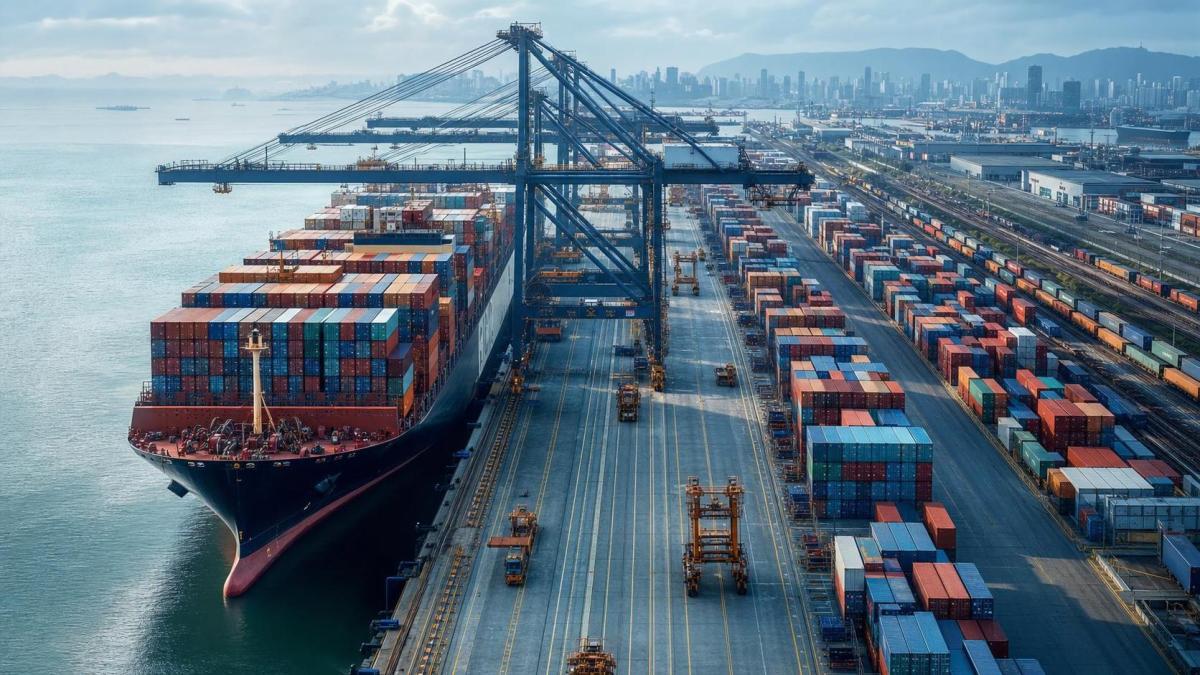
Maritime logistics enters 2026 with a sharper split between available capacity and usable capacity.
On paper, more vessels are in service.
In practice, port congestion, route redesign, and schedule unreliability still absorb that extra space.
That difference matters across global supply chains.
It changes project timing, inventory buffers, handover sequencing, and the economics of every imported subsystem.
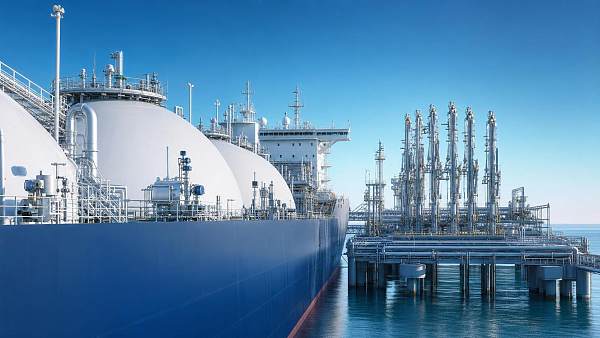
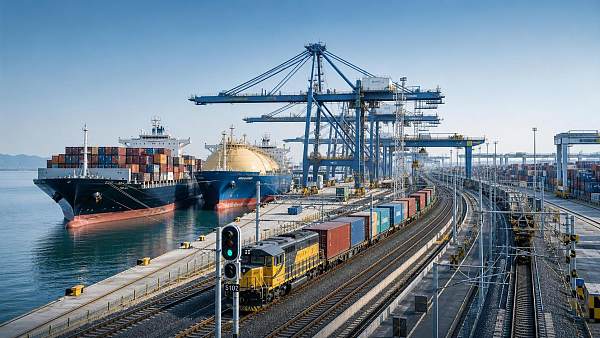
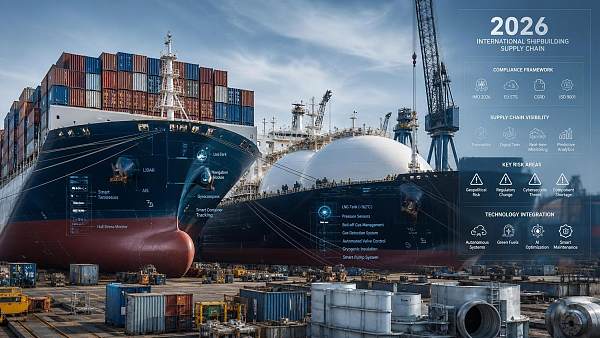
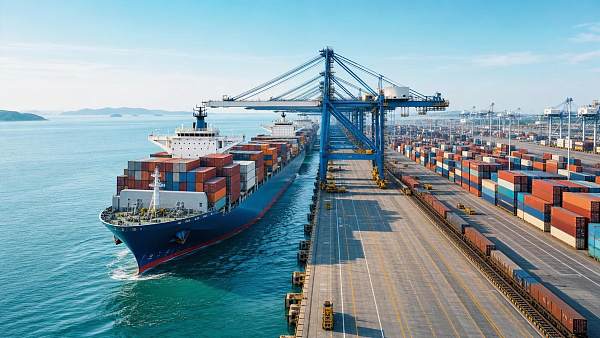
For sectors tied to rail systems, smart container ships, LNG carriers, and heavy transport equipment, maritime logistics now acts like a live engineering constraint.
This is where GTOT’s land-sea perspective becomes useful.
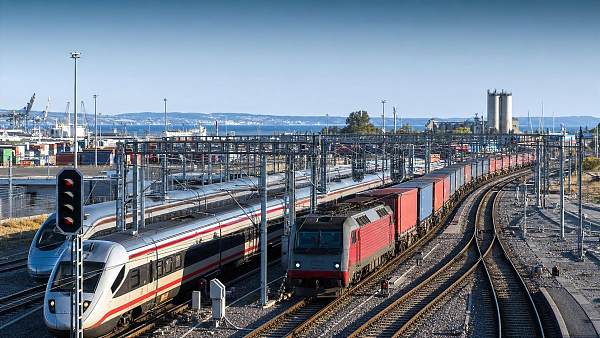
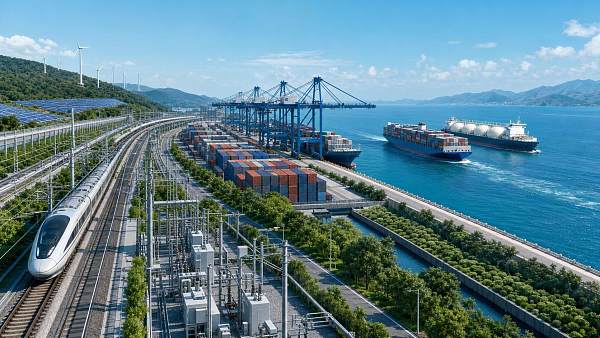
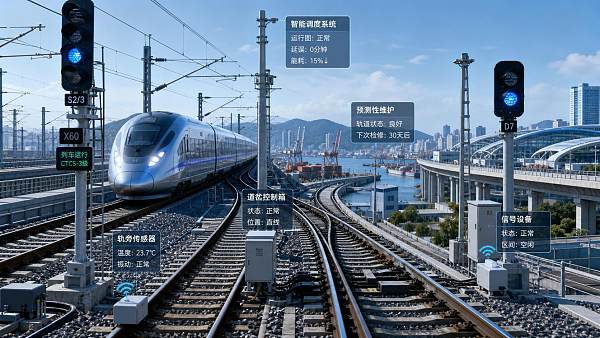
The same network thinking used in railway signal control and traction reliability now applies to maritime logistics resilience.
The central question is no longer whether goods can move.
It is whether they can move predictably enough to protect delivery performance and margin.
The market signal is clearer now: capacity is shifting, but delays are not fading
Recent maritime logistics data points show an uncomfortable pattern.
Fleet additions continue, yet transit reliability remains exposed to bottlenecks beyond vessel count.
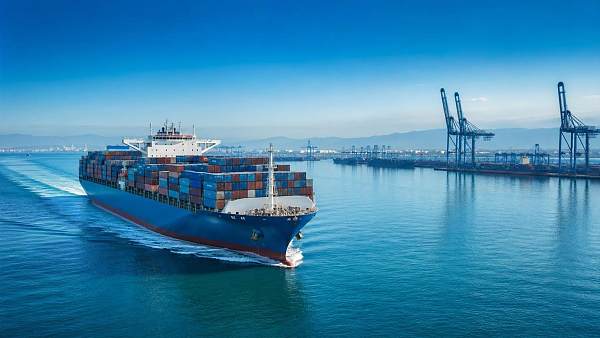
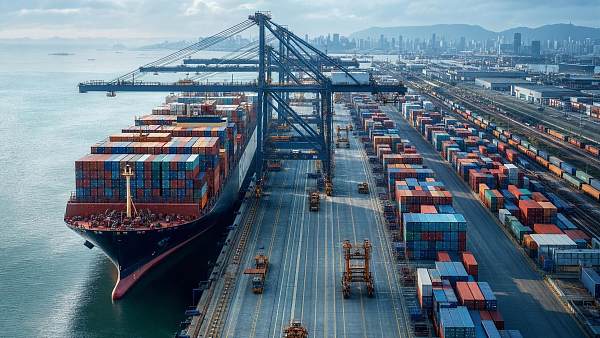
More visible congestion appears at major gateways, feeder links, customs interfaces, and inland transfers.
This is why some lanes feel oversupplied while shipments still arrive late.
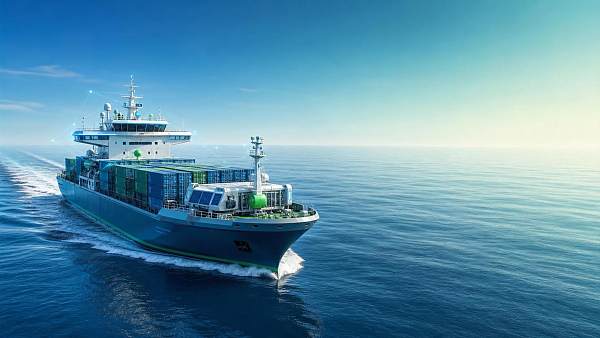
A smart container ship with advanced route optimization can reduce fuel waste and improve planning.
It cannot fully offset terminal crowding or fragile hinterland connections.
More worth noticing is the unevenness between trade lanes.
Asia-Europe, transpacific, energy shipping, and specialized heavy cargo routes are not absorbing risk at the same speed.
That unevenness complicates capital equipment planning.
A delayed membrane system module or braking component can slow an entire installation sequence.
Where the pressure is building
- New vessel deliveries increase nominal capacity, but not all ports can handle larger calls efficiently.
- Diversions and security-related routing changes extend voyage time and disrupt weekly rotations.
- Weather volatility affects berthing windows, crane productivity, and schedule recovery.
- Inland chokepoints shift maritime logistics delays from sea passage to final delivery execution.
Why this trend is becoming more structural than cyclical
Some disruption in maritime logistics has always been temporary.
The 2026 pattern feels different because several forces are reinforcing each other.
First, global trade routing is being redesigned around resilience rather than pure shortest-distance logic.
That creates longer lead times and more transshipment complexity.
Second, decarbonization is changing vessel operations, port investments, and fuel strategy.
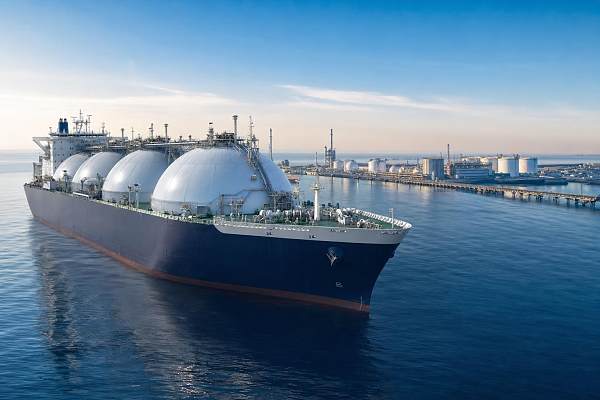
LNG carriers, dual-fuel fleets, and efficiency-focused retrofits are reshaping deployment priorities.
Third, digitalization improves visibility, but transparency can also expose hidden volatility faster.
Once delays become measurable at each node, tolerance for schedule drift declines.
GTOT tracks this from both maritime and rail perspectives.
A signaling system is valuable because it controls flow under density.
Maritime logistics now needs a similar discipline across vessel calls, yard moves, and inland release timing.
Margin pressure is spreading beyond freight rates
The most underestimated maritime logistics risk in 2026 is margin erosion through secondary costs.
Freight is only one line item.
Delays trigger standby labor, resequencing, missed commissioning windows, and contract friction.
For heavy equipment and engineered systems, the cost of timing failure can exceed the transport invoice itself.
A late pantograph assembly, signaling cabinet, or cryogenic component affects more than warehouse timing.
It can interrupt testing logic, field access scheduling, and multi-contractor coordination.
This is why maritime logistics has become a margin discipline, not only a transport function.
More carriers are also defending profitability through surcharge mechanisms and stricter allocation behavior.
That means lower room for reactive booking strategies.
The market still rewards flexibility, but it increasingly prices uncertainty.
What this changes in execution
- Lead time assumptions need corridor-specific ranges, not one global average.
- Critical-path cargo needs transport logic linked to installation sequence.
- Margin reviews should include delay absorption cost, not only ocean rate movement.
- Supplier coordination needs earlier milestone locking for export readiness.
The impact is no longer limited to ports or carriers
The broader consequence of maritime logistics instability is cross-system ripple.
It touches design approvals, construction phasing, spare parts coverage, and energy infrastructure timing.
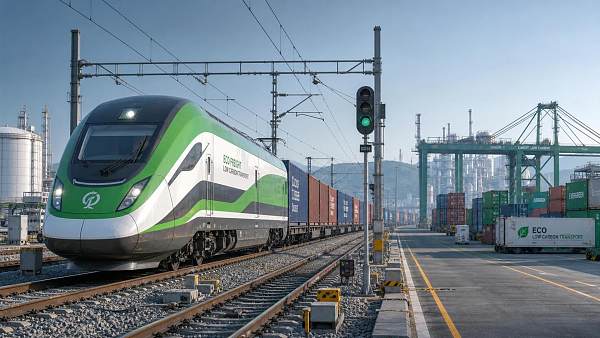
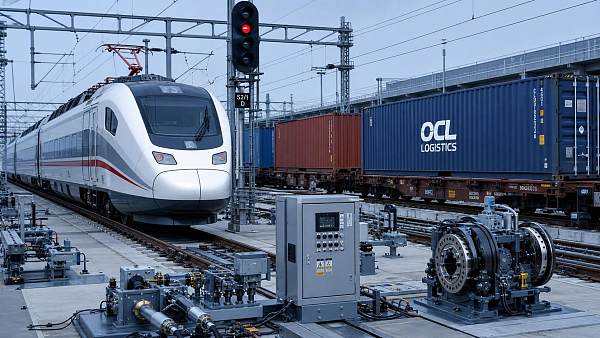
In rail-linked projects, imported control hardware arriving out of sequence can slow commissioning readiness.
In marine energy programs, LNG carrier availability and cryogenic equipment delivery affect storage and offtake planning.
In smart vessel construction, software integration may be ready while physical modules are still waiting at transfer nodes.
That disconnect is becoming more common.
From GTOT’s viewpoint, the stronger signal is convergence.
Land transport intelligence, vessel intelligence, and equipment intelligence can no longer sit in separate planning files.
Maritime logistics decisions now shape technical readiness just as much as engineering design does.
What deserves closer attention through the rest of 2026
The next phase will likely be defined less by headline disruption and more by persistent unevenness.
That makes signal reading more important than broad market averages.
A useful approach is to watch a compact set of indicators that link maritime logistics to operational outcomes.
- Schedule reliability by lane, not just nominal transit time.
- Port stay duration for gateways handling project or high-value equipment.
- Blank sailing patterns and service reshuffling on strategic corridors.
- Inland handoff performance after discharge, especially rail-linked evacuation capacity.
- Carrier surcharge behavior as an early sign of tightening margin pressure.
These indicators are more actionable than broad freight sentiment alone.
They help separate temporary noise from structural maritime logistics risk.
A steadier response starts with planning logic, not reaction speed
The strongest response to 2026 maritime logistics pressure is disciplined scenario planning.
Not every shipment needs the same buffer.
Not every lane deserves the same confidence level.
And not every delay should be treated as a transport issue only.
A practical response begins by mapping cargo to project criticality, installation dependency, and substitution difficulty.
Then align shipment release, route choice, and contingency stock with that map.
This is also where cross-modal insight matters.
A business that understands both signaling precision on land and navigation logic at sea can make better timing decisions.
GTOT’s wider lens reflects that reality.
In 2026, maritime logistics is not just about moving cargo across water.
It is about protecting the continuity of interconnected systems.
The next sensible step is to review lane-level exposure, compare delay-sensitive cargo groups, and set phased response rules before disruption chooses the timeline for you.
Recommended News
 Jul 19, 2026Transportation Infrastructure Trends Shaping Capital Planning in 2026Transportation infrastructure trends in 2026 are reshaping capital planning across rail, ports, and shipping. Discover how resilience, automation, and digital control are driving smarter investment decisions.
 Jul 12, 2026Gas Carrier Technology in the Middle East: 2026 OutlookGas carrier technology Middle East trends for 2026: explore LNG vessel innovation, propulsion, containment, and regional yard upgrades shaping smarter energy trade decisions.
 Jul 10, 2026Commercial Shipbuilding Technology Trends Shaping Newbuild Projects in 2026Commercial shipbuilding technology is reshaping 2026 newbuild projects with smarter vessels, fuel flexibility, digital twins, and earlier compliance planning. Explore the trends driving stronger ROI.
 Jul 08, 2026Rail Transit Systems Upgrade Trends Shaping 2026 Investment PlansRail transit systems in 2026 are shifting from expansion to smarter upgrades. Explore safety, automation, energy, and digital trends shaping resilient, high-value investment plans.
 Jul 06, 2026Cryogenic Shipping Systems Manufacturer Trends Shaping 2026 Fleet UpgradesCryogenic shipping systems manufacturer trends are reshaping 2026 fleet upgrades. Explore how digital monitoring, emissions control, and safer containment can improve vessel performance.
 Jul 05, 2026Smart Shipping Solutions for Fleet Management: 2026 Trends Shaping Vessel OperationsSmart shipping solutions for fleet management are redefining vessel operations in 2026. Explore trends in integration, compliance, fuel efficiency, and resilient fleet performance.
 Jul 04, 2026Digital Marine Decarbonization Technology: What Delivers Measurable GainsDigital marine decarbonization technology helps fleets cut fuel use, improve compliance, and boost vessel efficiency with measurable, data-driven gains. Learn what truly delivers value.
 Jul 03, 2026Global Rail Infrastructure Standards: 2026 Changes to WatchGlobal rail infrastructure standards are reshaping 2026 rail projects. Discover the key compliance, interoperability, cyber, and low-carbon changes that will impact bids and investment.
 Jul 02, 2026Global Trade Logistics North America Trends to Watch in 2026Global trade logistics North America in 2026 will be shaped by rail-ocean integration, smart routing, LNG demand, and measurable resilience. Discover the trends redefining reliability and trade advantage.
 Jun 30, 2026International Shipbuilding Suppliers: 2026 Sourcing Trends and Supply Chain RisksInternational shipbuilding suppliers face new 2026 sourcing risks, from compliance and digital integration to sub-tier bottlenecks. Explore key trends shaping cost, delivery, and resilience.
 Jun 27, 2026Heavy Industry Tech Trends Reshaping Equipment Investment in 2026Heavy industry tech is reshaping 2026 equipment investment across rail and maritime systems. Explore the five trends driving safer, smarter, higher-value capital decisions.
 Jun 25, 2026Decarbonization Trends Reshaping Rail and Marine Investment in 2026Decarbonization is reshaping rail and marine investment in 2026. Discover where capital is moving, which assets gain value, and how smarter transport upgrades improve resilience.
 Jun 23, 2026Global Rail Infrastructure Trends Shaping Capacity, Funding, and Delivery TimelinesGlobal rail infrastructure trends are redefining capacity, funding, and delivery timelines. Explore how data-driven planning and system readiness shape resilient, investable rail projects.
 Jun 22, 2026Maritime Logistics Trends in 2026: Capacity Shifts, Delays, and Margin PressureMaritime logistics in 2026 faces shifting capacity, persistent delays, and rising margin pressure. Explore key risks, lane-level signals, and smarter planning strategies.
 Jun 21, 2026LNG Carriers Technology Advancements: 5 Upgrades Reshaping Fleet PerformanceLNG carriers technology advancements are reshaping fleet performance through smarter containment, dual-fuel propulsion, digital monitoring, boil-off control, and automation—see the 5 upgrades driving safer, cleaner, more profitable LNG shipping.
 Jun 20, 2026Global Supply Chain Challenges in Rail Infrastructure in 2026Global supply chain challenges in rail infrastructure are redefining 2026 project risk. Discover where delays, compliance, and sourcing pressure hit hardest—and how smarter evaluation protects cost, delivery, and performance.
 Jun 20, 2026Full Digitalization in Rail: 7 Risks to Address Before ScalingFull digitalization in rail can boost safety, maintenance, and control—but only if key risks are managed. Explore 7 critical challenges to address before scaling network-wide.
 Jun 18, 2026Maritime Logistics Trends in 2026: Where Shipping Efficiency Is MovingMaritime logistics in 2026 is driven by AI routing, port connectivity, decarbonization, and asset visibility. Discover the trends redefining shipping efficiency and resilience.
 Jun 17, 2026Transportation Infrastructure Development Trends That Matter for Long-Term PlanningTransportation infrastructure development trends are reshaping rail, ports, shipping, and LNG networks. Explore the key signals for smarter long-term planning, resilience, and investment value.
 Jun 17, 2026Railway Automation Trends Shaping Safer, Smarter Networks in 2026Railway automation in 2026 is driving safer, smarter rail networks with predictive maintenance, integrated signaling, and higher capacity. Explore the trends shaping resilient transport.
 Jun 15, 2026Decarbonization in Rail Transportation: What Cuts Emissions First?Decarbonization in rail transportation starts with the fastest wins: traction optimization, regenerative braking, smarter signalling, and retrofit upgrades that cut emissions, costs, and risk.
 Jun 14, 2026Rail Infrastructure Investment: Cost vs Long-Term ReturnRail infrastructure investment is more than upfront cost. Discover how lifecycle planning, smarter systems, and reliable rail design can deliver stronger long-term returns.
 Jun 13, 2026Advanced Ocean-Going Vessels: Key Design Shifts in 2026Advanced ocean-going vessels in 2026 are redefining shipping with AI routing, fuel-flexible propulsion, and smarter port integration. See which design shifts drive resilience, efficiency, and long-term fleet value.
 Jun 12, 2026High-Speed Rail Technology Trends Shaping 2026 ProjectsHigh-speed rail technology is reshaping 2026 projects through smarter signaling, resilient traction, precision braking, and digital monitoring. Explore the trends driving safer, scalable, bankable rail delivery.