



Search News
Industry Portal
Popular Tags
Heavy Industry Tech Trends Reshaping Equipment Investment in 2026
Author
Time
Click Count
In 2026, equipment investment is no longer driven by capacity alone. Heavy industry tech now shapes how organizations judge operational risk, lifecycle value, and digital readiness across rail and maritime systems.
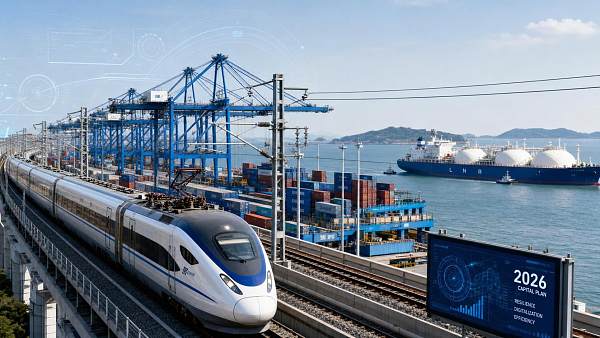
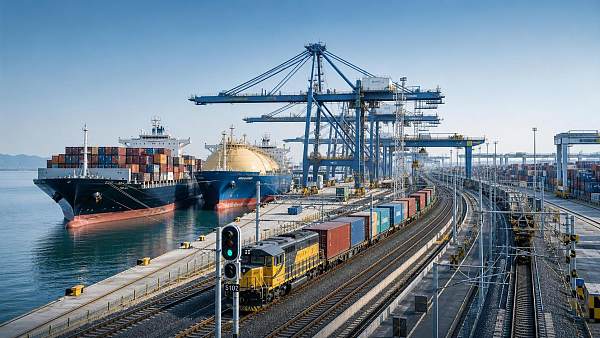
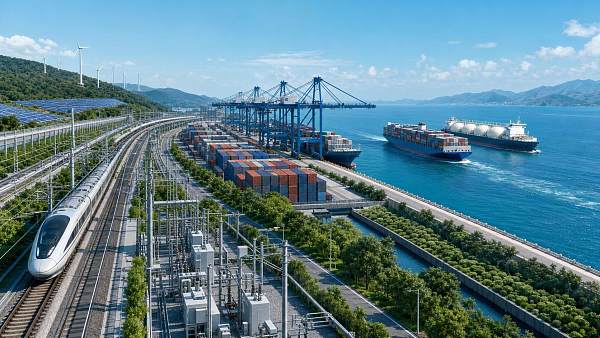
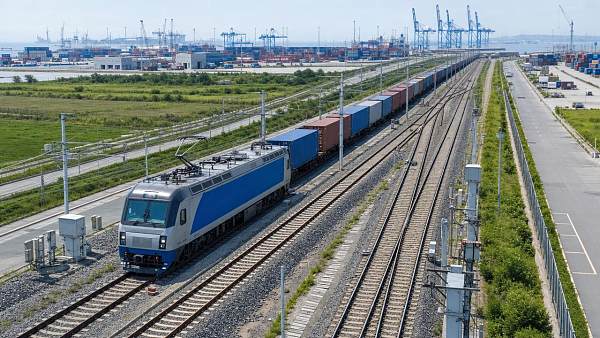
That shift is especially visible in land-sea transportation. Railway signal control, traction components, smart container ships, and LNG carriers are being evaluated as connected assets, not isolated machines.
The result is a more selective investment environment. Projects that improve safety integrity, energy performance, remote visibility, and resilience under volatile trade conditions are moving to the front of the queue.
Why heavy industry tech matters more in 2026
Heavy industry tech sits at the intersection of capital planning and operational continuity. It covers the control systems, power interfaces, braking architectures, vessel intelligence, and cryogenic engineering that keep transport networks moving.
What makes 2026 different is the pressure to justify every upgrade against multiple targets at once. Safety, automation, decarbonization, and supply chain responsiveness now have to be addressed in a single investment decision.
For this reason, the market is rewarding equipment with measurable technical depth. SIL4-capable signalling, stable high-speed current collection, precision braking control, AI-assisted routing, and dual-fuel propulsion are no longer niche differentiators.
They are becoming baseline indicators of whether an asset can stay competitive through its useful life.
The investment lens is moving from hardware to system performance
A notable change in heavy industry tech is the move away from component-only comparisons. Buyers still examine unit specifications, but the stronger question is how a component performs inside a larger operational chain.
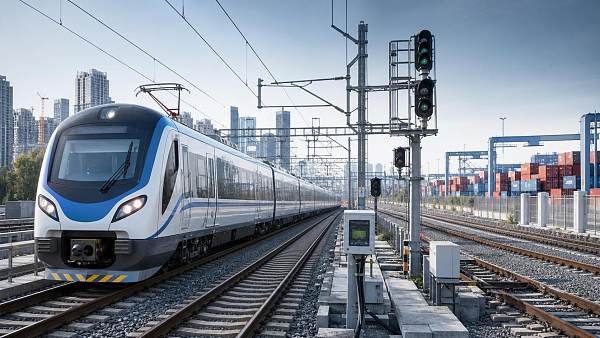
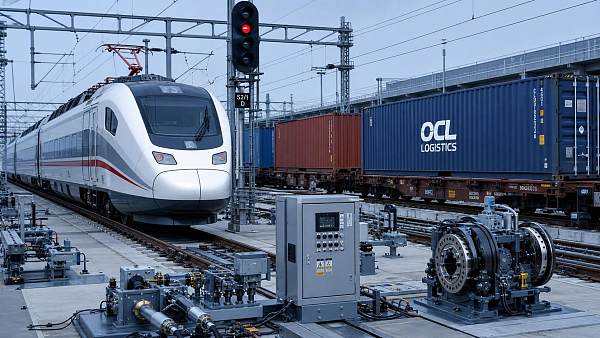
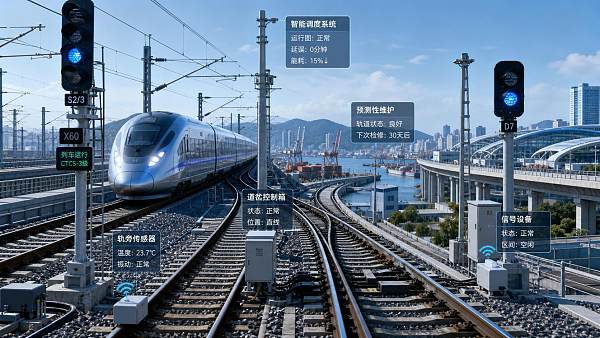
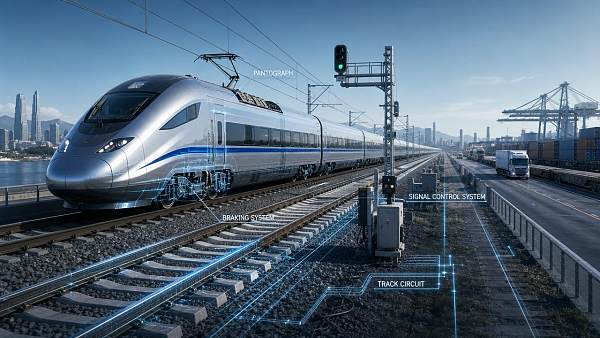
In rail, a signal control system is not only a safety device. It is the central nervous system of dense traffic, automation, recovery logic, and maintenance predictability.
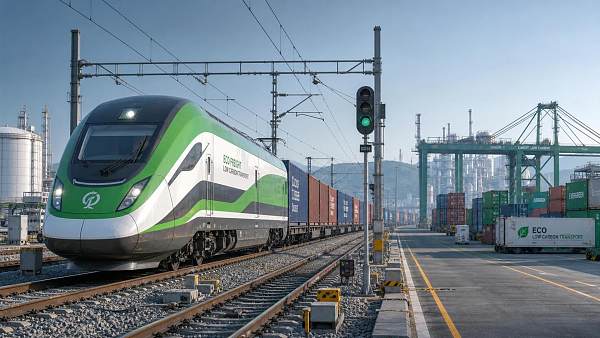
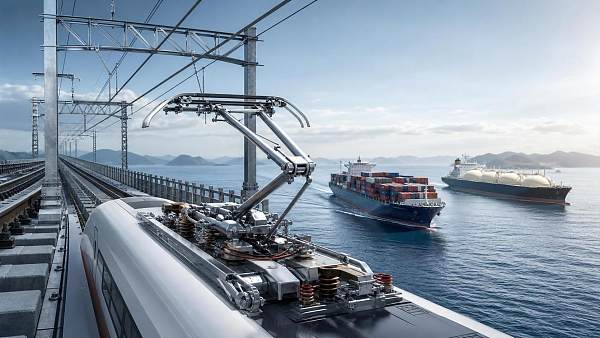
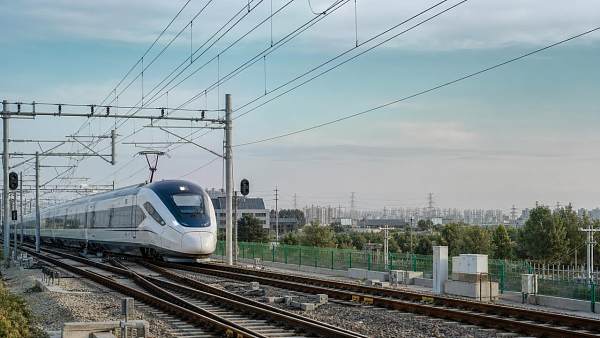
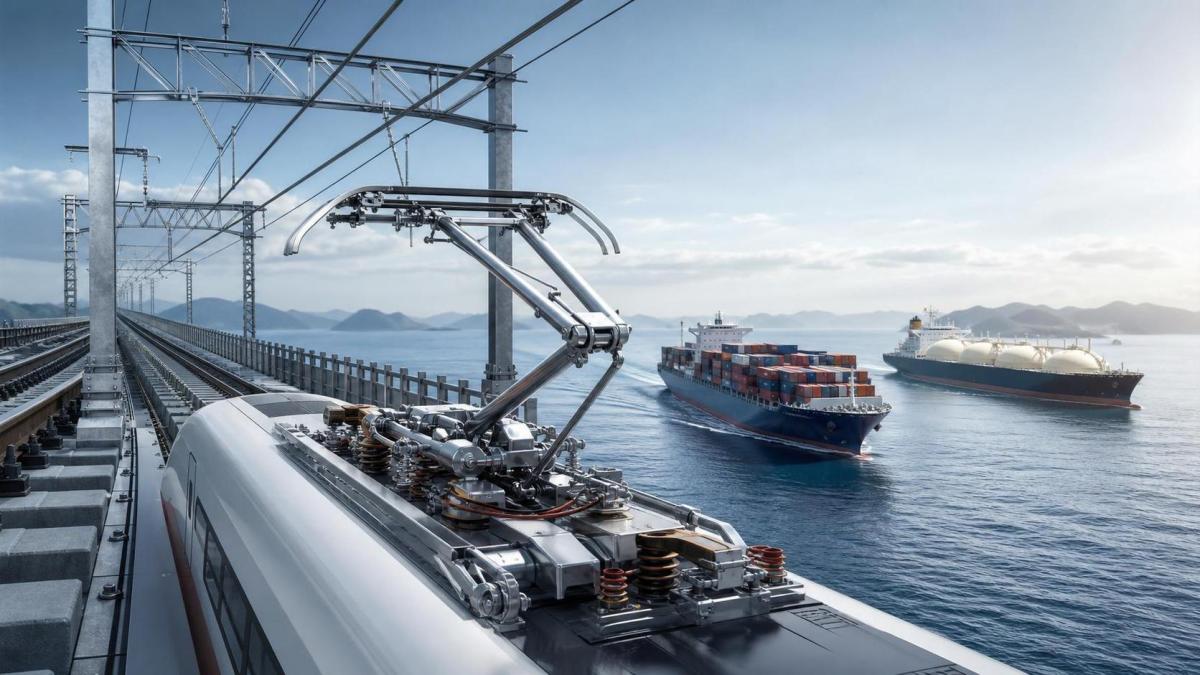
A pantograph is no longer judged only by mechanical robustness. It must deliver stable power capture above 350 km/h under vibration, crosswinds, and changing contact conditions.
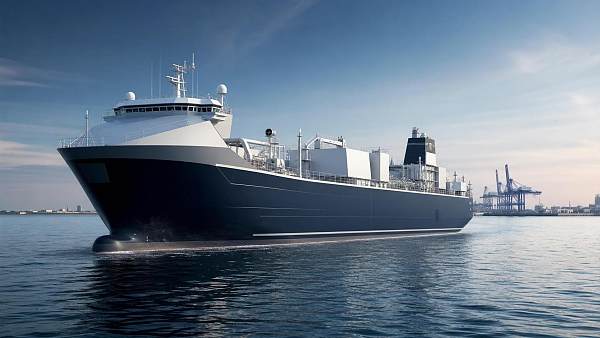
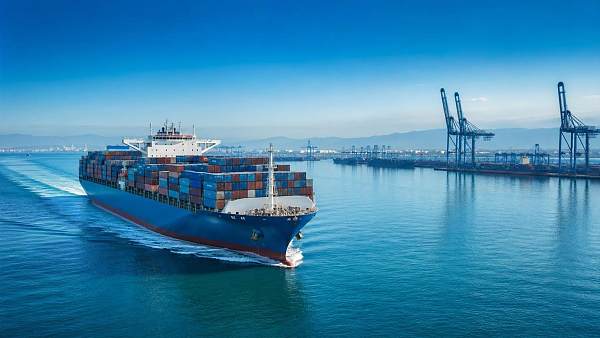
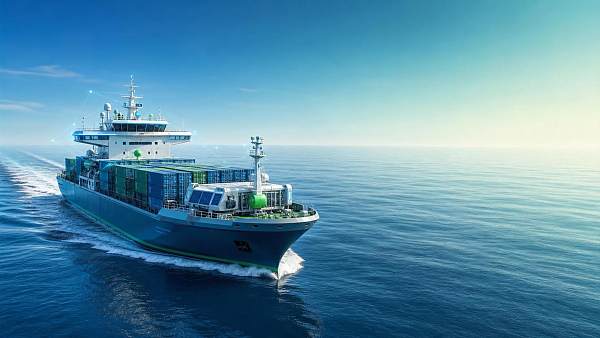
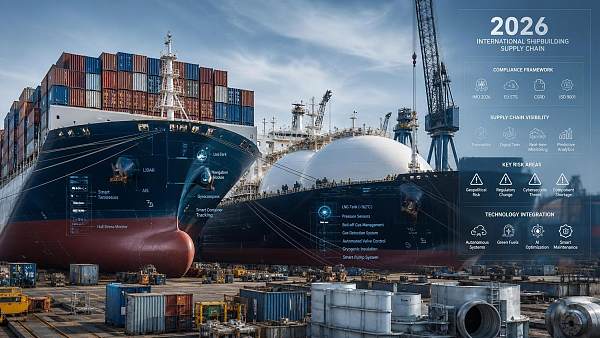
The same logic applies at sea. Smart container ships are being valued for ship-to-shore data continuity, route optimization, and cargo flow visibility, not simply for size or engine output.
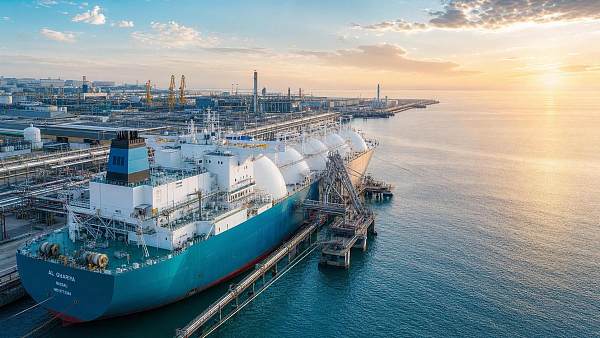
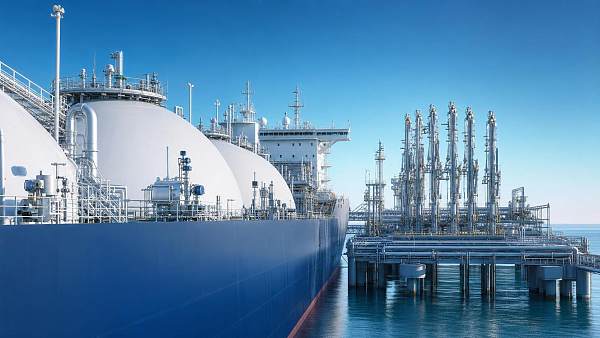
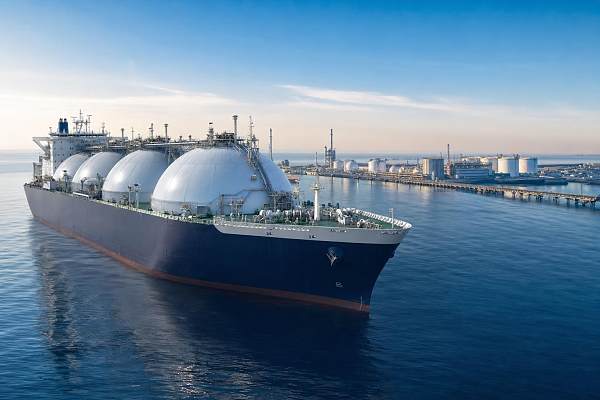
LNG carriers face an even tighter test. Deep-cryogenic containment, insulation performance, boil-off management, and propulsion flexibility all affect long-term commercial viability.
What this means for capital allocation
Capital is increasingly directed toward assets that reduce uncertainty over time. In practice, that means fewer decisions based on sticker price and more emphasis on interoperability, diagnostics, and risk-adjusted returns.
Five trends reshaping heavy industry tech decisions
Several trends now define which assets are treated as strategic and which are viewed as short-term fixes.
1. Safety is becoming a commercial variable
Safety compliance has always mattered, but in 2026 it directly influences project bankability and tender competitiveness. High-integrity control systems and braking performance are now tied to insurance, financing, and public acceptance.
2. Digital visibility is expected from day one
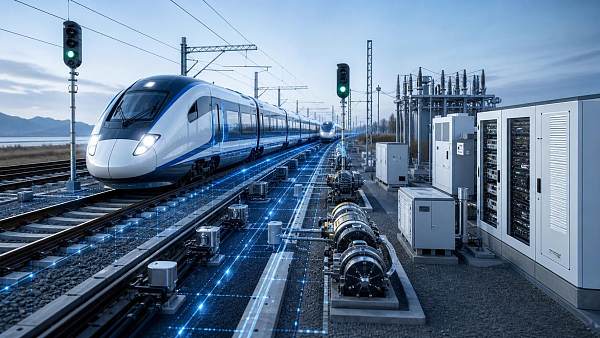
Heavy industry tech is being selected for its ability to generate usable operating data. LTE-M rail applications, remote diagnostics, and vessel intelligence platforms make maintenance and dispatch decisions faster and more defensible.
3. Decarbonization is changing technical priorities
Energy efficiency is not an abstract sustainability goal. It affects route economics, fleet renewal logic, and contract eligibility. That is pushing attention toward lighter systems, cleaner propulsion, and smarter energy management.
4. Resilience now includes geopolitical and trade exposure
Equipment choices are being tested against sanctions risk, route disruption, commodity volatility, and spare-parts concentration. This favors platforms with broader service ecosystems and stronger technical documentation.
5. Specialized performance is gaining board-level attention
Details once left to engineering review now influence investment timing. Composite brake pad thermal fade, membrane containment stress behavior, and power collection stability are being pulled into strategic discussions.
Where the strongest signals are appearing
The most visible opportunities are not spread evenly. They are concentrated in systems where performance failures create cascading operational losses.
Railway signal control systems remain central because network density keeps rising. More trains, tighter headways, and higher automation levels make robust control logic a prerequisite for expansion.
Pantographs and rail braking systems also deserve close attention. They directly affect speed, wear, energy transfer, stopping accuracy, and maintenance intervals, especially on demanding high-speed corridors.
At sea, smart container ships are setting the pace for digital operational models. Better route decisions and real-time coordination can produce value long before the hull reaches the end of its financial life.
LNG carriers remain a strategic category because energy security still depends on technically reliable maritime transport. Their design envelope leaves little room for weak engineering assumptions.
How to assess heavy industry tech in practical terms
The most useful approach is to compare technologies by operational consequence, not by marketing language. A strong review process usually asks how a system behaves under stress, not only under nominal conditions.
- Check whether performance claims are backed by recognized standards, certification paths, and field references.
- Measure integration difficulty across existing control, maintenance, and reporting systems.
- Look for lifecycle indicators such as wear behavior, thermal stability, inspection frequency, and retrofit compatibility.
- Evaluate the data model, including alarm logic, remote access, and decision support usefulness.
- Map technical concentration risk across critical components, service partners, and regional compliance requirements.
This is where industry intelligence becomes valuable. A platform such as GTOT is useful not because it repeats headlines, but because it connects rail infrastructure cycles, shipbuilding momentum, and technical trend evidence.
That broader view helps separate temporary enthusiasm from durable heavy industry tech signals.
Using market intelligence without turning it into promotion
Good market intelligence should sharpen technical judgment. It should not replace it. The best use of sector reporting is to frame better questions around equipment fit, timing, and competitive positioning.
For example, GTOT’s focus areas reflect where heavy industry tech is becoming structurally important: signalling architecture, traction interfaces, braking performance, smart maritime systems, and LNG transport engineering.
Those areas matter because they sit inside critical transport bottlenecks. Improvements there can influence network throughput, energy flows, safety cases, and procurement credibility in tightly regulated tenders.
That is more useful than generic trend watching. It grounds equipment decisions in technical realities that affect long-term asset value.
What to do next before committing capital
A sensible next step is to build an internal shortlist around failure exposure, integration complexity, and replacement urgency. That creates a more disciplined starting point than budget-first planning.
Then compare options against a small set of hard indicators: safety level, digital interoperability, maintainability, energy impact, and evidence of stable performance in comparable operating environments.
In 2026, heavy industry tech should be read as an investment framework, not just a product category. The strongest decisions will come from linking equipment specifications to operating reality across both land and sea networks.
That is the point where market intelligence, technical review, and capital discipline begin to reinforce each other.
Recommended News
 Jul 19, 2026Transportation Infrastructure Trends Shaping Capital Planning in 2026Transportation infrastructure trends in 2026 are reshaping capital planning across rail, ports, and shipping. Discover how resilience, automation, and digital control are driving smarter investment decisions.
 Jul 12, 2026Gas Carrier Technology in the Middle East: 2026 OutlookGas carrier technology Middle East trends for 2026: explore LNG vessel innovation, propulsion, containment, and regional yard upgrades shaping smarter energy trade decisions.
 Jul 10, 2026Commercial Shipbuilding Technology Trends Shaping Newbuild Projects in 2026Commercial shipbuilding technology is reshaping 2026 newbuild projects with smarter vessels, fuel flexibility, digital twins, and earlier compliance planning. Explore the trends driving stronger ROI.
 Jul 08, 2026Rail Transit Systems Upgrade Trends Shaping 2026 Investment PlansRail transit systems in 2026 are shifting from expansion to smarter upgrades. Explore safety, automation, energy, and digital trends shaping resilient, high-value investment plans.
 Jul 06, 2026Cryogenic Shipping Systems Manufacturer Trends Shaping 2026 Fleet UpgradesCryogenic shipping systems manufacturer trends are reshaping 2026 fleet upgrades. Explore how digital monitoring, emissions control, and safer containment can improve vessel performance.
 Jul 05, 2026Smart Shipping Solutions for Fleet Management: 2026 Trends Shaping Vessel OperationsSmart shipping solutions for fleet management are redefining vessel operations in 2026. Explore trends in integration, compliance, fuel efficiency, and resilient fleet performance.
 Jul 04, 2026Digital Marine Decarbonization Technology: What Delivers Measurable GainsDigital marine decarbonization technology helps fleets cut fuel use, improve compliance, and boost vessel efficiency with measurable, data-driven gains. Learn what truly delivers value.
 Jul 03, 2026Global Rail Infrastructure Standards: 2026 Changes to WatchGlobal rail infrastructure standards are reshaping 2026 rail projects. Discover the key compliance, interoperability, cyber, and low-carbon changes that will impact bids and investment.
 Jul 02, 2026Global Trade Logistics North America Trends to Watch in 2026Global trade logistics North America in 2026 will be shaped by rail-ocean integration, smart routing, LNG demand, and measurable resilience. Discover the trends redefining reliability and trade advantage.
 Jun 30, 2026International Shipbuilding Suppliers: 2026 Sourcing Trends and Supply Chain RisksInternational shipbuilding suppliers face new 2026 sourcing risks, from compliance and digital integration to sub-tier bottlenecks. Explore key trends shaping cost, delivery, and resilience.
 Jun 27, 2026Heavy Industry Tech Trends Reshaping Equipment Investment in 2026Heavy industry tech is reshaping 2026 equipment investment across rail and maritime systems. Explore the five trends driving safer, smarter, higher-value capital decisions.
 Jun 25, 2026Decarbonization Trends Reshaping Rail and Marine Investment in 2026Decarbonization is reshaping rail and marine investment in 2026. Discover where capital is moving, which assets gain value, and how smarter transport upgrades improve resilience.
 Jun 23, 2026Global Rail Infrastructure Trends Shaping Capacity, Funding, and Delivery TimelinesGlobal rail infrastructure trends are redefining capacity, funding, and delivery timelines. Explore how data-driven planning and system readiness shape resilient, investable rail projects.
 Jun 22, 2026Maritime Logistics Trends in 2026: Capacity Shifts, Delays, and Margin PressureMaritime logistics in 2026 faces shifting capacity, persistent delays, and rising margin pressure. Explore key risks, lane-level signals, and smarter planning strategies.
 Jun 21, 2026LNG Carriers Technology Advancements: 5 Upgrades Reshaping Fleet PerformanceLNG carriers technology advancements are reshaping fleet performance through smarter containment, dual-fuel propulsion, digital monitoring, boil-off control, and automation—see the 5 upgrades driving safer, cleaner, more profitable LNG shipping.
 Jun 20, 2026Global Supply Chain Challenges in Rail Infrastructure in 2026Global supply chain challenges in rail infrastructure are redefining 2026 project risk. Discover where delays, compliance, and sourcing pressure hit hardest—and how smarter evaluation protects cost, delivery, and performance.
 Jun 20, 2026Full Digitalization in Rail: 7 Risks to Address Before ScalingFull digitalization in rail can boost safety, maintenance, and control—but only if key risks are managed. Explore 7 critical challenges to address before scaling network-wide.
 Jun 18, 2026Maritime Logistics Trends in 2026: Where Shipping Efficiency Is MovingMaritime logistics in 2026 is driven by AI routing, port connectivity, decarbonization, and asset visibility. Discover the trends redefining shipping efficiency and resilience.
 Jun 17, 2026Transportation Infrastructure Development Trends That Matter for Long-Term PlanningTransportation infrastructure development trends are reshaping rail, ports, shipping, and LNG networks. Explore the key signals for smarter long-term planning, resilience, and investment value.
 Jun 17, 2026Railway Automation Trends Shaping Safer, Smarter Networks in 2026Railway automation in 2026 is driving safer, smarter rail networks with predictive maintenance, integrated signaling, and higher capacity. Explore the trends shaping resilient transport.
 Jun 15, 2026Decarbonization in Rail Transportation: What Cuts Emissions First?Decarbonization in rail transportation starts with the fastest wins: traction optimization, regenerative braking, smarter signalling, and retrofit upgrades that cut emissions, costs, and risk.
 Jun 14, 2026Rail Infrastructure Investment: Cost vs Long-Term ReturnRail infrastructure investment is more than upfront cost. Discover how lifecycle planning, smarter systems, and reliable rail design can deliver stronger long-term returns.
 Jun 13, 2026Advanced Ocean-Going Vessels: Key Design Shifts in 2026Advanced ocean-going vessels in 2026 are redefining shipping with AI routing, fuel-flexible propulsion, and smarter port integration. See which design shifts drive resilience, efficiency, and long-term fleet value.
 Jun 12, 2026High-Speed Rail Technology Trends Shaping 2026 ProjectsHigh-speed rail technology is reshaping 2026 projects through smarter signaling, resilient traction, precision braking, and digital monitoring. Explore the trends driving safer, scalable, bankable rail delivery.