



Search News
Industry Portal
Popular Tags
Railway Automation Trends Shaping Safer, Smarter Networks in 2026
Author
Time
Click Count
In 2026, railway automation is no longer viewed as a narrow engineering upgrade. It is becoming a strategic lever for safer operations, higher line capacity, better asset use, and stronger resilience across national and cross-border transport systems.
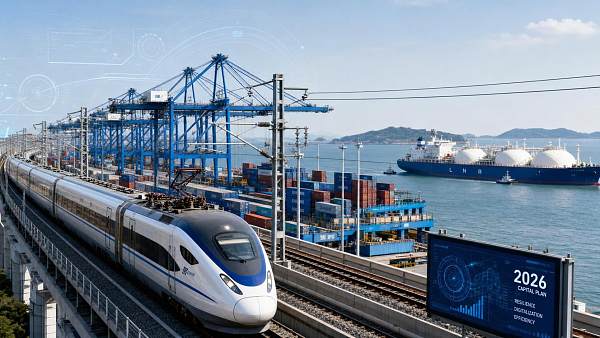
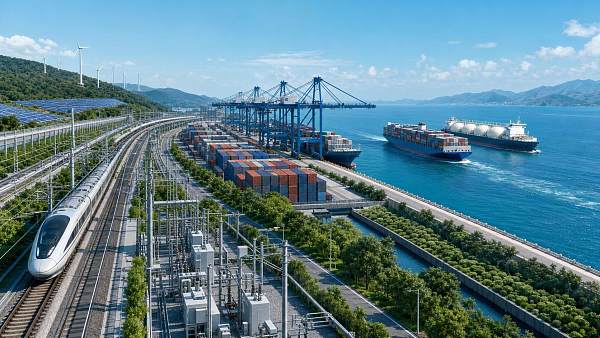
That shift matters because rail networks now sit inside a wider logistics equation. Ports, inland corridors, energy flows, and urban mobility all depend on control precision, predictable throughput, and faster recovery from disruption.
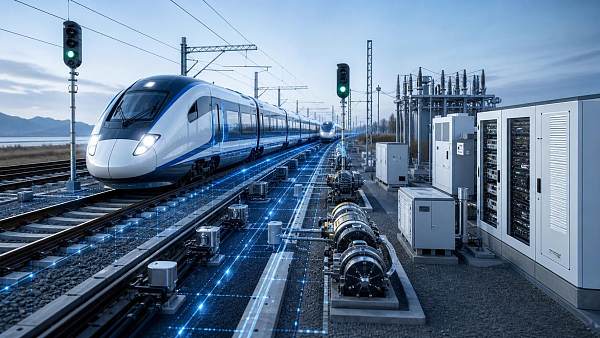
Seen from that broader lens, railway automation connects signaling, traction power, braking response, maintenance intelligence, and operational decision-making. It is not just about removing manual steps. It is about designing a network that thinks faster and fails less often.
Why railway automation has become a board-level issue
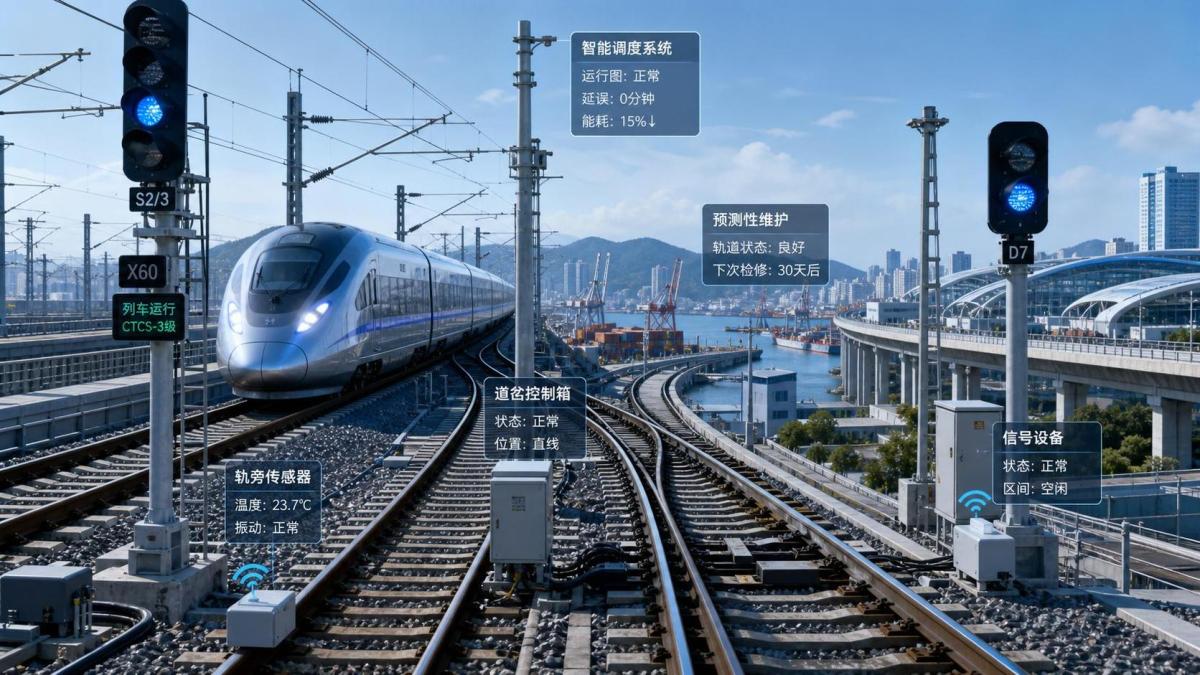
A modern rail network is expected to do three things at once: move more passengers or freight, reduce safety risk, and support decarbonized transport growth. Those goals are difficult to balance without deeper automation.
Traditional operations often depend on separated systems, delayed diagnostics, and human-intensive coordination. That model becomes fragile when traffic density rises or when mixed fleets operate across legacy and digital infrastructure.
Railway automation addresses this by linking interlocking, train control, onboard sensing, power collection behavior, and braking performance into one operational logic. The value is clearer visibility and faster intervention before small anomalies become service failures.
For organizations tracking land-sea supply chain performance, this matters beyond rail alone. GTOT’s view of interconnected transport is useful here: the same intelligence discipline that improves rail signaling can also support more reliable inland-port coordination and cargo timing.
What railway automation means in practical terms
In practice, railway automation refers to the coordinated use of digital control systems, safety-certified signaling, real-time monitoring, analytics, and assisted or unattended operations across the rail lifecycle.
Its foundation is not a single product. It is an architecture.
That architecture usually includes SIL4-oriented signaling logic, automatic train protection, automatic train operation, condition-based maintenance, communications layers, and traffic management systems able to optimize movement in real time.
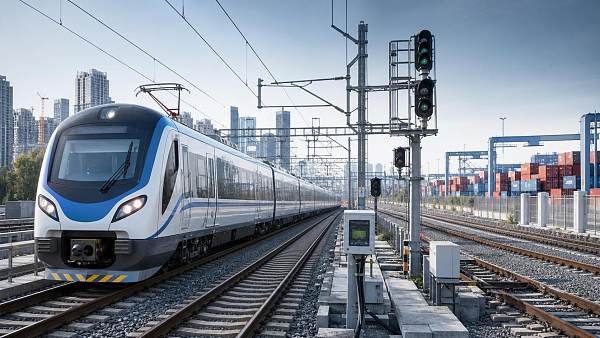
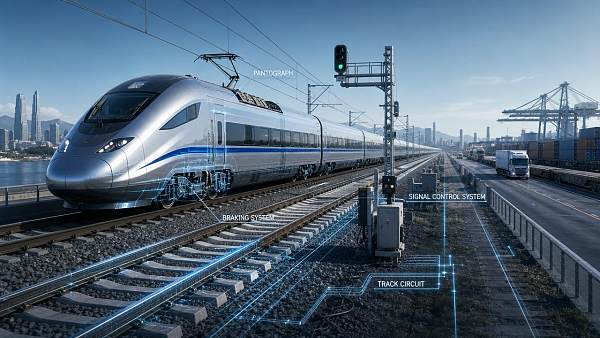
The operational effect depends on how these layers work together. A train can only run smarter when route authority, braking curves, pantograph stability, power continuity, and control center visibility all align.
This is why serious railway automation programs often begin with core control components rather than cosmetic digital features. When the central nervous system is weak, analytics alone cannot create a safer network.
The trends shaping safer, smarter networks in 2026
Several trends are defining how railway automation is evolving in 2026. They are technological, but they are also commercial and operational.
Integrated signaling is replacing isolated control logic
Rail operators are moving away from disconnected field systems and toward integrated signaling environments. Interlocking, train detection, route setting, and traffic management are increasingly treated as one coordinated safety and capacity engine.
This improves headway control, reduces dispatch conflict, and gives a stronger base for automated operations on dense corridors.
Predictive maintenance is becoming operational, not experimental
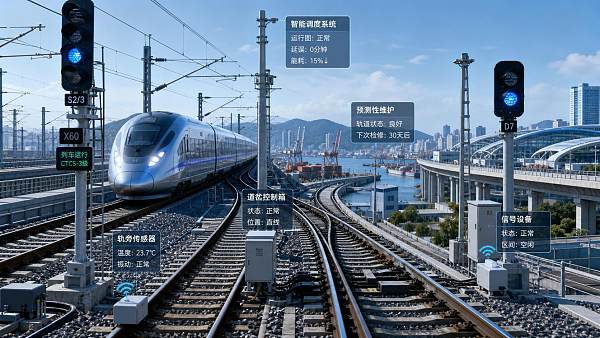
Sensors on braking systems, switch machines, pantographs, and onboard electronics now generate usable maintenance signals. The real change is that operators are starting to act on those signals within scheduling and asset planning workflows.
That reduces emergency repair windows and protects service regularity, especially where train frequency leaves little room for unplanned downtime.
Automation is expanding beyond metros
Urban rail remains the most visible automation arena, but freight corridors, regional passenger lines, and high-speed routes are also moving toward higher automation maturity.
The priorities differ. Urban systems focus on throughput and consistency. Freight emphasizes network fluidity and terminal coordination. High-speed lines place more weight on speed integrity, power stability, and fail-safe control margins.
Data quality is overtaking data volume
Many networks already collect large amounts of operational data. The stronger performers in railway automation are now concentrating on trusted data models, decision thresholds, and interoperable interfaces.
In other words, smarter networks are built on usable intelligence, not dashboard clutter.
Where the business value actually appears
Railway automation often gets discussed in technical language, yet its business case is usually visible in a few measurable areas.
This is also where GTOT’s specialized intelligence on signal control systems, pantographs, and rail braking systems becomes relevant. These are not marginal components. They sit inside the chain that determines whether automation performs safely at real operating speed.
Key scenarios to evaluate before investing further
Not every network needs the same railway automation pathway. The right model depends on traffic density, fleet diversity, corridor function, and existing control maturity.
- High-density commuter corridors benefit from automated traffic regulation and platform-to-control-center visibility.
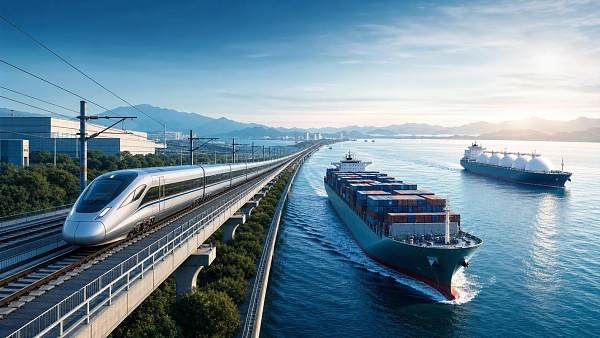
- High-speed routes require precise integration of signaling, braking curves, and stable current collection under demanding wind and vibration conditions.
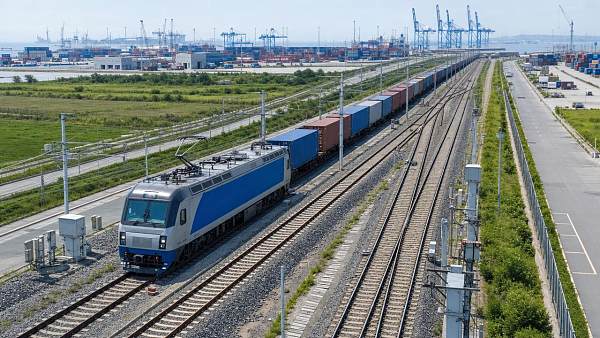
- Freight lines gain value when railway automation connects dispatching with ports, logistics nodes, and timetable recovery tools.
- Mixed legacy networks need phased automation that respects interoperability and avoids creating new digital bottlenecks.
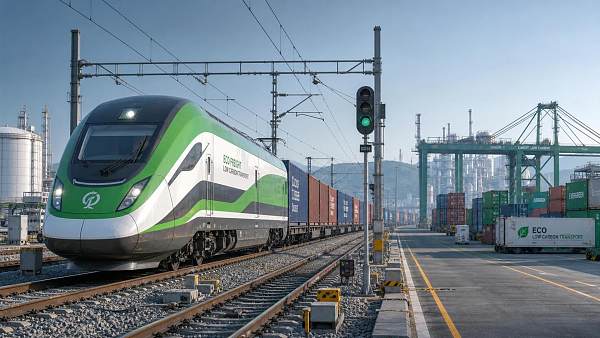
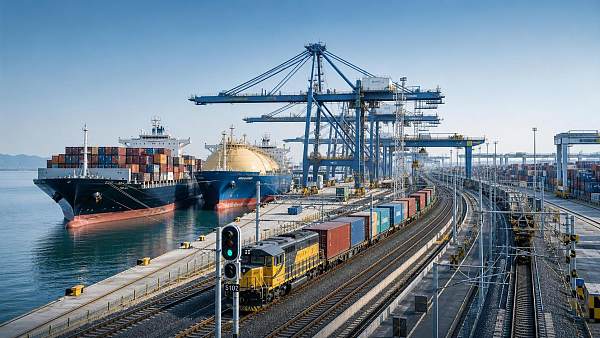
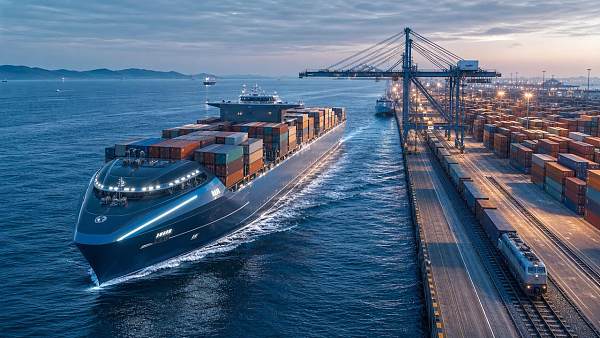
The wider transport picture matters as well. Where rail links feed container terminals or energy corridors, automation choices should be assessed against whole-chain performance, not rail metrics alone.
What deserves closer scrutiny in deployment decisions
A common mistake is to judge railway automation by software features only. Reliable deployment usually depends on deeper technical and organizational questions.
Safety integrity and fallback design
Automation must fail safely, not simply fail visibly. SIL4-oriented design, degraded-mode operation, and response logic during communications loss deserve close review.
Component-level readiness
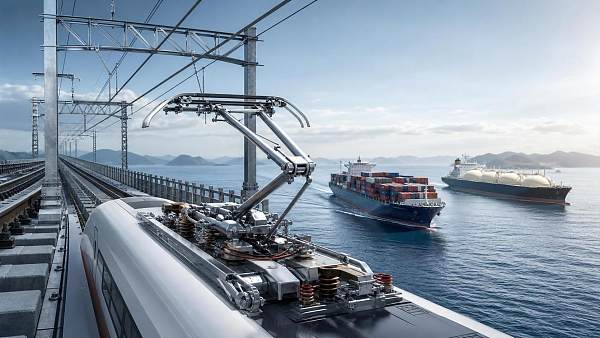
Advanced control cannot compensate for unstable power collection or inconsistent braking behavior. Pantographs, braking subsystems, and onboard electronics should be evaluated as part of the automation case.
Data governance and interoperability
If data cannot move cleanly between onboard systems, wayside equipment, and traffic management platforms, railway automation will create complexity instead of clarity.
Commercial timing
Investment should align with infrastructure renewal cycles, regulatory expectations, and tender requirements. Waiting too long can raise integration cost, but rushing can lock in poorly matched architectures.
A practical way to move from interest to action
The strongest next step is rarely a full-network leap. It is usually a structured assessment of where railway automation can produce the clearest operational gain with the lowest integration friction.
Start by mapping critical corridors, control bottlenecks, maintenance pain points, and component failure patterns. Then compare those findings with signaling maturity, data availability, and safety requirements.
That process creates a better basis for judging whether the priority is interlocking renewal, predictive maintenance, higher-grade train control, or stronger coordination between rail and wider logistics flows.
In 2026, railway automation is best understood as a network intelligence strategy. The more clearly its technical layers are linked to safety, throughput, and asset value, the easier it becomes to choose the right path and avoid expensive digital noise.
Recommended News
 Jul 19, 2026Transportation Infrastructure Trends Shaping Capital Planning in 2026Transportation infrastructure trends in 2026 are reshaping capital planning across rail, ports, and shipping. Discover how resilience, automation, and digital control are driving smarter investment decisions.
 Jul 12, 2026Gas Carrier Technology in the Middle East: 2026 OutlookGas carrier technology Middle East trends for 2026: explore LNG vessel innovation, propulsion, containment, and regional yard upgrades shaping smarter energy trade decisions.
 Jul 10, 2026Commercial Shipbuilding Technology Trends Shaping Newbuild Projects in 2026Commercial shipbuilding technology is reshaping 2026 newbuild projects with smarter vessels, fuel flexibility, digital twins, and earlier compliance planning. Explore the trends driving stronger ROI.
 Jul 08, 2026Rail Transit Systems Upgrade Trends Shaping 2026 Investment PlansRail transit systems in 2026 are shifting from expansion to smarter upgrades. Explore safety, automation, energy, and digital trends shaping resilient, high-value investment plans.
 Jul 06, 2026Cryogenic Shipping Systems Manufacturer Trends Shaping 2026 Fleet UpgradesCryogenic shipping systems manufacturer trends are reshaping 2026 fleet upgrades. Explore how digital monitoring, emissions control, and safer containment can improve vessel performance.
 Jul 05, 2026Smart Shipping Solutions for Fleet Management: 2026 Trends Shaping Vessel OperationsSmart shipping solutions for fleet management are redefining vessel operations in 2026. Explore trends in integration, compliance, fuel efficiency, and resilient fleet performance.
 Jul 04, 2026Digital Marine Decarbonization Technology: What Delivers Measurable GainsDigital marine decarbonization technology helps fleets cut fuel use, improve compliance, and boost vessel efficiency with measurable, data-driven gains. Learn what truly delivers value.
 Jul 03, 2026Global Rail Infrastructure Standards: 2026 Changes to WatchGlobal rail infrastructure standards are reshaping 2026 rail projects. Discover the key compliance, interoperability, cyber, and low-carbon changes that will impact bids and investment.
 Jul 02, 2026Global Trade Logistics North America Trends to Watch in 2026Global trade logistics North America in 2026 will be shaped by rail-ocean integration, smart routing, LNG demand, and measurable resilience. Discover the trends redefining reliability and trade advantage.
 Jun 30, 2026International Shipbuilding Suppliers: 2026 Sourcing Trends and Supply Chain RisksInternational shipbuilding suppliers face new 2026 sourcing risks, from compliance and digital integration to sub-tier bottlenecks. Explore key trends shaping cost, delivery, and resilience.
 Jun 27, 2026Heavy Industry Tech Trends Reshaping Equipment Investment in 2026Heavy industry tech is reshaping 2026 equipment investment across rail and maritime systems. Explore the five trends driving safer, smarter, higher-value capital decisions.
 Jun 25, 2026Decarbonization Trends Reshaping Rail and Marine Investment in 2026Decarbonization is reshaping rail and marine investment in 2026. Discover where capital is moving, which assets gain value, and how smarter transport upgrades improve resilience.
 Jun 23, 2026Global Rail Infrastructure Trends Shaping Capacity, Funding, and Delivery TimelinesGlobal rail infrastructure trends are redefining capacity, funding, and delivery timelines. Explore how data-driven planning and system readiness shape resilient, investable rail projects.
 Jun 22, 2026Maritime Logistics Trends in 2026: Capacity Shifts, Delays, and Margin PressureMaritime logistics in 2026 faces shifting capacity, persistent delays, and rising margin pressure. Explore key risks, lane-level signals, and smarter planning strategies.
 Jun 21, 2026LNG Carriers Technology Advancements: 5 Upgrades Reshaping Fleet PerformanceLNG carriers technology advancements are reshaping fleet performance through smarter containment, dual-fuel propulsion, digital monitoring, boil-off control, and automation—see the 5 upgrades driving safer, cleaner, more profitable LNG shipping.
 Jun 20, 2026Global Supply Chain Challenges in Rail Infrastructure in 2026Global supply chain challenges in rail infrastructure are redefining 2026 project risk. Discover where delays, compliance, and sourcing pressure hit hardest—and how smarter evaluation protects cost, delivery, and performance.
 Jun 20, 2026Full Digitalization in Rail: 7 Risks to Address Before ScalingFull digitalization in rail can boost safety, maintenance, and control—but only if key risks are managed. Explore 7 critical challenges to address before scaling network-wide.
 Jun 18, 2026Maritime Logistics Trends in 2026: Where Shipping Efficiency Is MovingMaritime logistics in 2026 is driven by AI routing, port connectivity, decarbonization, and asset visibility. Discover the trends redefining shipping efficiency and resilience.
 Jun 17, 2026Transportation Infrastructure Development Trends That Matter for Long-Term PlanningTransportation infrastructure development trends are reshaping rail, ports, shipping, and LNG networks. Explore the key signals for smarter long-term planning, resilience, and investment value.
 Jun 17, 2026Railway Automation Trends Shaping Safer, Smarter Networks in 2026Railway automation in 2026 is driving safer, smarter rail networks with predictive maintenance, integrated signaling, and higher capacity. Explore the trends shaping resilient transport.
 Jun 15, 2026Decarbonization in Rail Transportation: What Cuts Emissions First?Decarbonization in rail transportation starts with the fastest wins: traction optimization, regenerative braking, smarter signalling, and retrofit upgrades that cut emissions, costs, and risk.
 Jun 14, 2026Rail Infrastructure Investment: Cost vs Long-Term ReturnRail infrastructure investment is more than upfront cost. Discover how lifecycle planning, smarter systems, and reliable rail design can deliver stronger long-term returns.
 Jun 13, 2026Advanced Ocean-Going Vessels: Key Design Shifts in 2026Advanced ocean-going vessels in 2026 are redefining shipping with AI routing, fuel-flexible propulsion, and smarter port integration. See which design shifts drive resilience, efficiency, and long-term fleet value.
 Jun 12, 2026High-Speed Rail Technology Trends Shaping 2026 ProjectsHigh-speed rail technology is reshaping 2026 projects through smarter signaling, resilient traction, precision braking, and digital monitoring. Explore the trends driving safer, scalable, bankable rail delivery.