



Search News
Industry Portal
Popular Tags
Transportation Infrastructure Trends Shaping Capital Planning in 2026
Author
Time
Click Count
Transportation Infrastructure Is Moving to the Center of Capital Planning
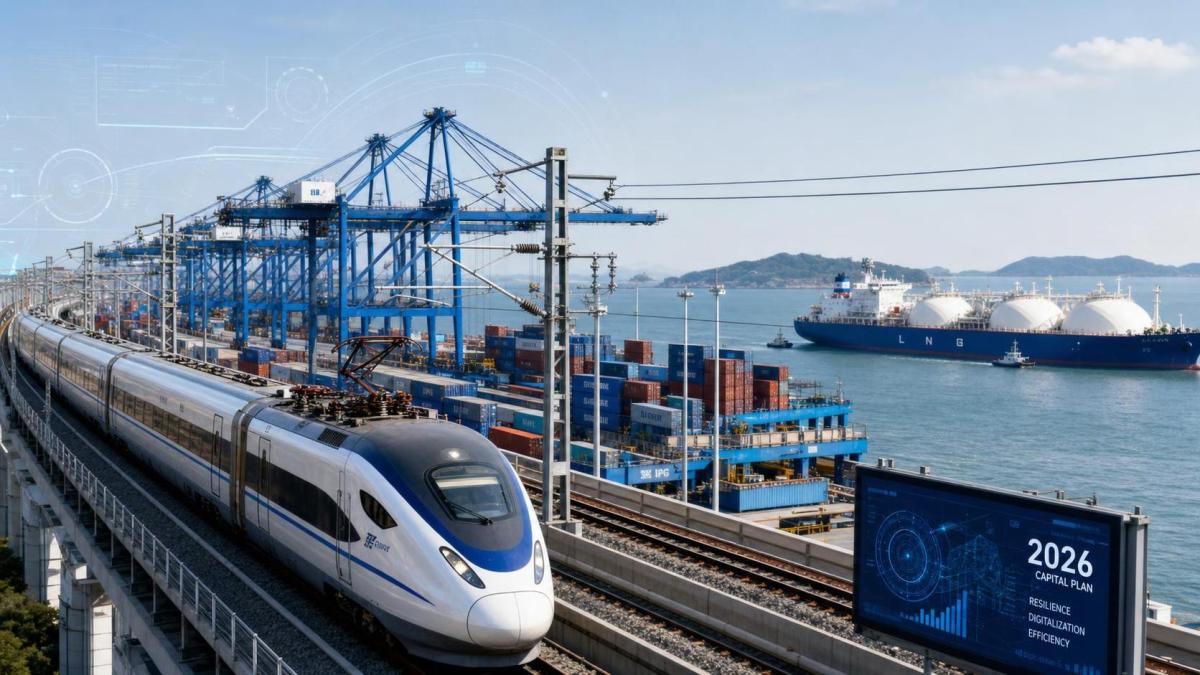
Transportation infrastructure is no longer treated as a distant public backdrop in 2026. It is becoming a direct capital variable for asset performance, supply continuity, and long-cycle competitiveness.
That shift is visible across rail corridors, ports, shipyards, inland logistics nodes, and energy shipping routes. Investment decisions now depend on whether infrastructure can absorb automation, volatility, and decarbonization pressure.
The stronger signal is that transportation infrastructure spending is becoming more selective. Capital is moving toward systems that improve reliability under stress, not just projects that add nominal capacity.
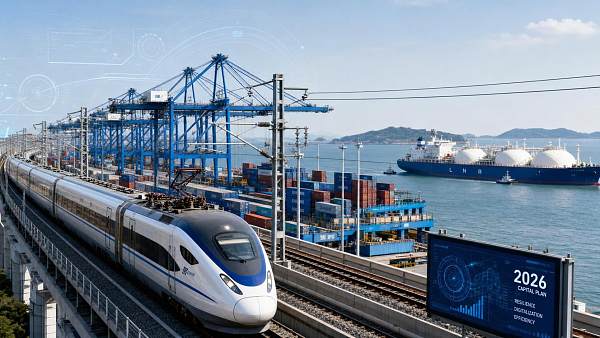
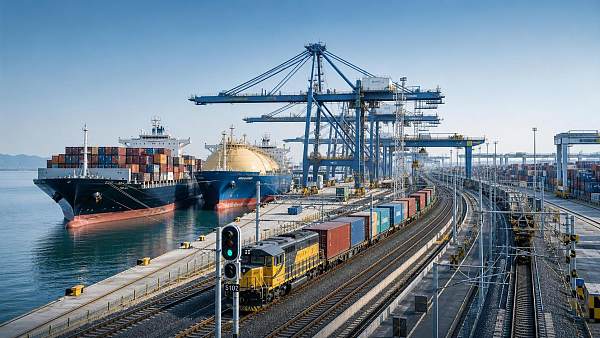
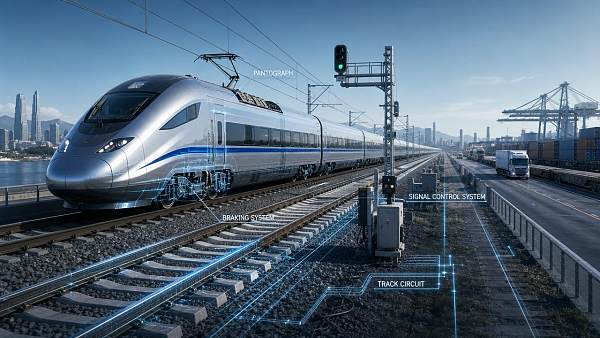
This matters across land and sea. Railway signal control systems, pantographs, braking systems, smart container ships, and LNG carriers are now evaluated within one strategic frame: resilience with measurable operating intelligence.
For organizations tracking these moves through GTOT’s land-sea lens, the issue is not simply where money is being spent. The real question is why certain transport assets are gaining priority faster than others.
Why the Investment Pattern Looks Different This Time
Recent transportation infrastructure decisions are being shaped by overlapping pressures rather than one dominant policy cycle. Trade volatility, safety demands, energy security, and digital control requirements are arriving at the same time.
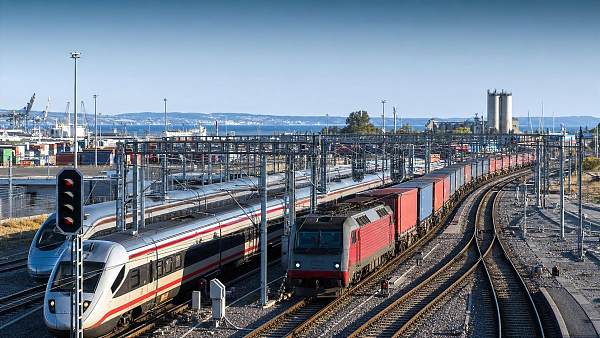
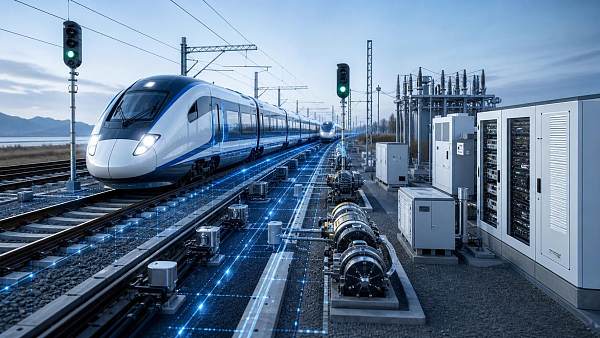
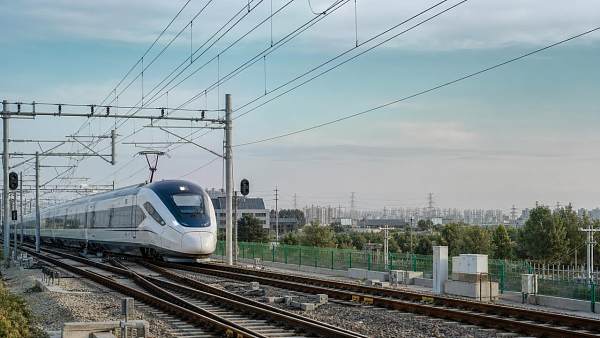
Rail networks illustrate this clearly. Capacity expansion still matters, yet the larger budget share is increasingly tied to signaling modernization, automated operation, and braking precision in dense traffic environments.
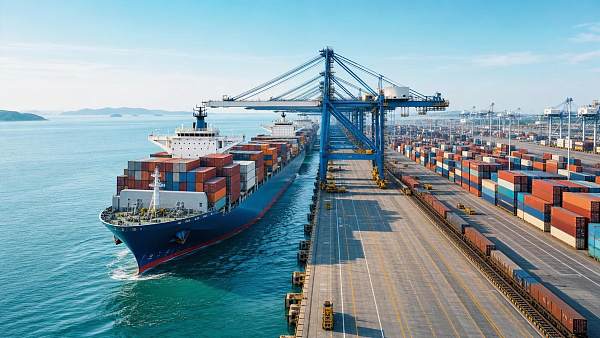
On the maritime side, vessel orders are no longer judged only by tonnage and route economics. Port integration, route optimization, containment integrity, and fuel flexibility are influencing capital planning much earlier.
A concise view of the current drivers helps explain why transportation infrastructure priorities are being redrawn.
What makes 2026 notable is the convergence. Transportation infrastructure is being assessed less as static physical stock and more as a managed operating system.
Rail Is Shifting from Expansion Logic to Precision Logic
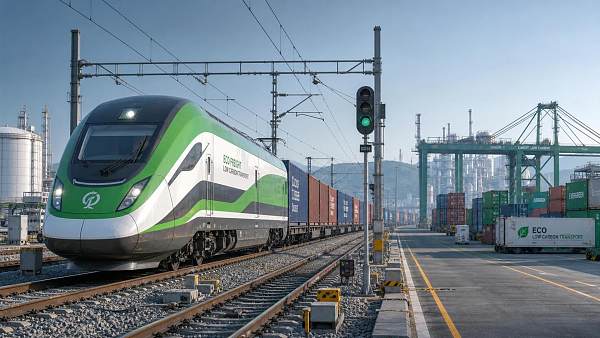
In rail, transportation infrastructure priorities are becoming more surgical. The market is rewarding networks that improve throughput, safety, and service consistency without relying only on large linear expansion.
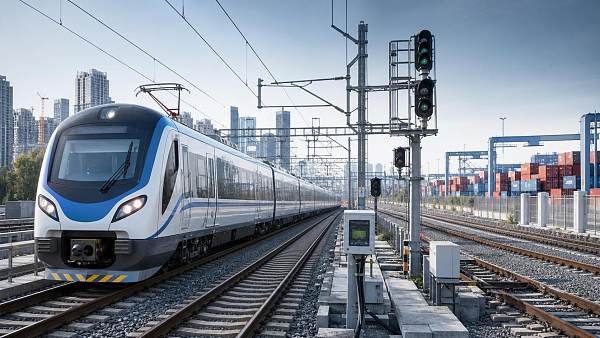
That is why railway signal control systems are moving to the front of planning discussions. In high-density corridors, signaling is increasingly the true capacity multiplier.
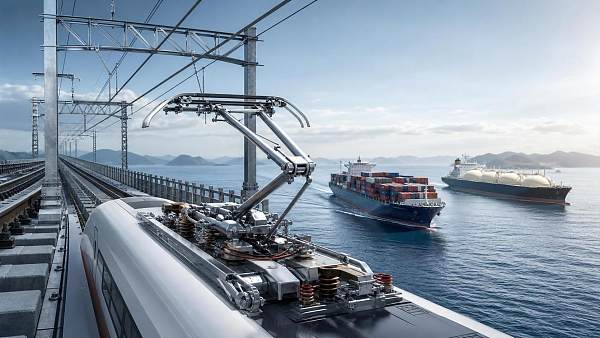
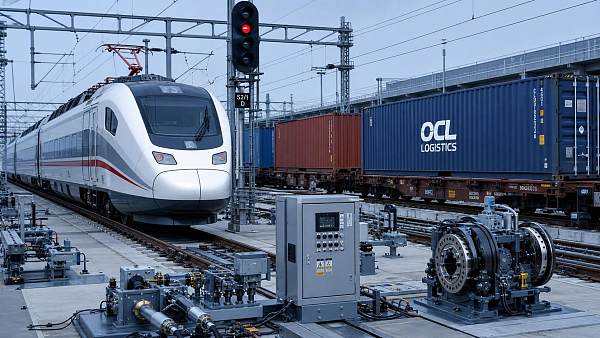
The same reordering applies to pantographs and braking systems. They were once treated as technical subsystems inside rolling stock programs. Now they are part of transportation infrastructure risk logic.
A pantograph that performs under high wind resistance and vibration protects service reliability on electrified lines. A braking system with better thermal fade behavior supports tighter scheduling and safer automation envelopes.
More operators are also linking communications layers with control architecture. LTE-M and related connectivity upgrades are no longer side projects when they affect maintenance visibility and response speed.
This is where GTOT’s focus on control components becomes commercially relevant. Transportation infrastructure value increasingly depends on how well invisible technical layers support visible network output.
What deserves closer attention in rail programs
- Whether signaling upgrades genuinely raise line density or only refresh legacy hardware.
- How pantograph stability performs under higher speed, weather stress, and urban stop-start duty cycles.
- Whether braking systems are evaluated through lifecycle heat behavior, not only nominal stopping distance.
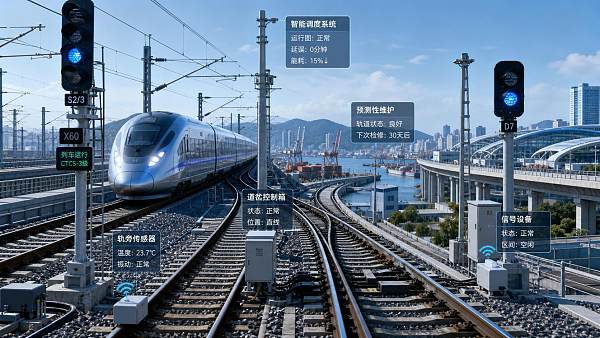
- How digital monitoring can shorten fault isolation across interlocking and traction interfaces.
At Sea, Capacity Alone Is No Longer the Main Story
Maritime transportation infrastructure is also being redefined. Larger vessels still matter, but the real premium is shifting toward smarter integration between ship systems, ports, cargo timing, and energy routes.
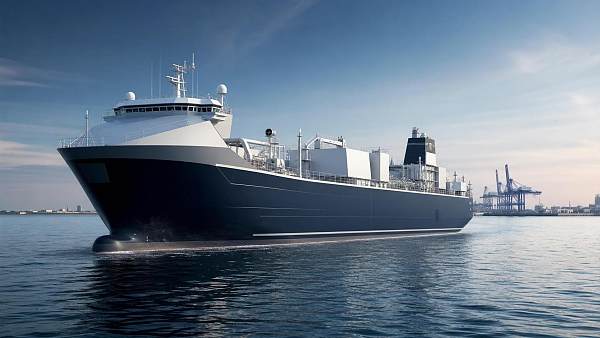
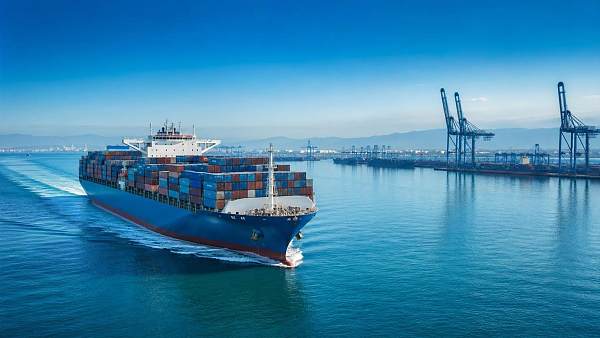
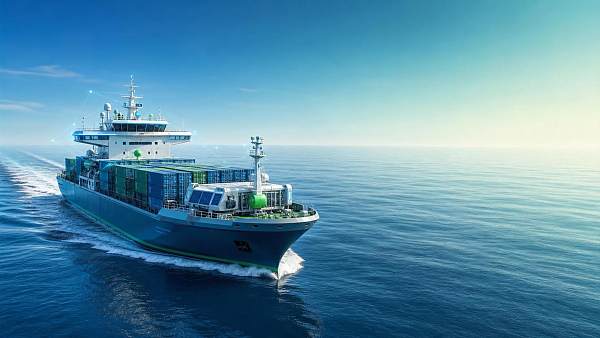
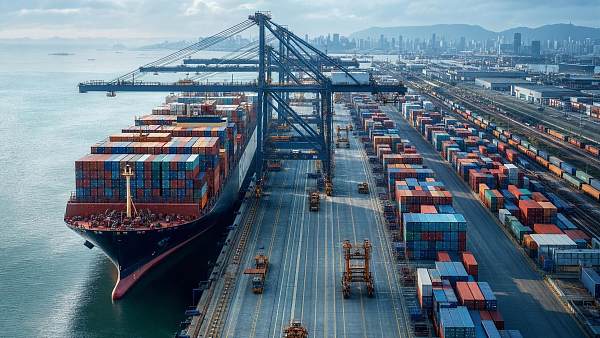
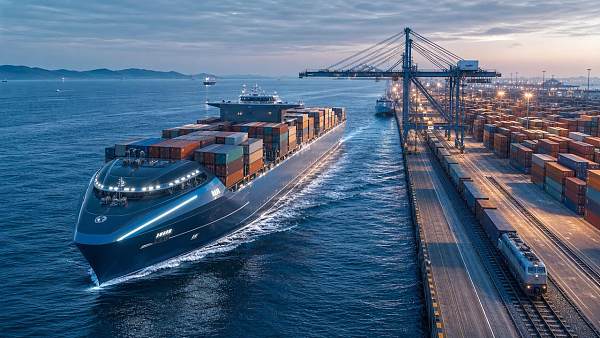
Smart container ships sit at the center of this shift. Their value comes from route intelligence, ship-to-shore synchronization, and better operational awareness across congested or disrupted corridors.
That makes maritime transportation infrastructure less about physical expansion in isolation. It becomes a question of whether fleets and ports can work as coordinated digital assets.
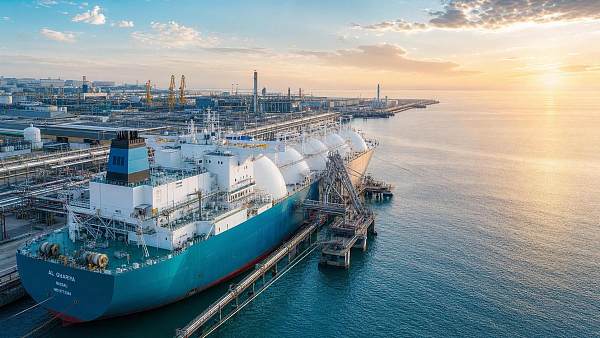
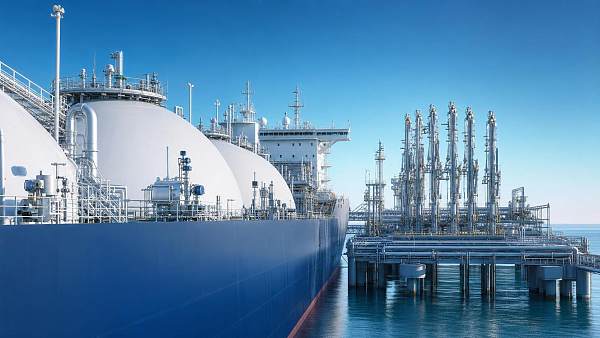
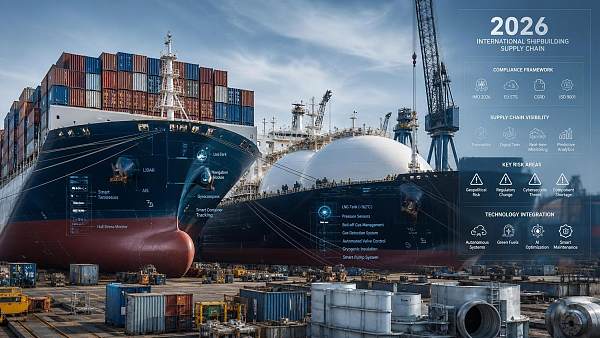
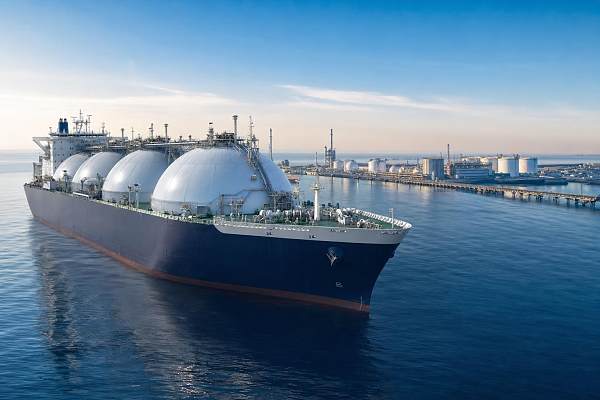
LNG carriers reveal a parallel trend. Energy security concerns have kept them central to capital planning, yet technical scrutiny is deepening around containment stress, cryogenic endurance, and dual-fuel propulsion resilience.
In practical terms, transportation infrastructure decisions in shipping now require stronger technical due diligence. A vessel may look attractive on paper while still carrying hidden interface risk with terminals, routes, or fuel strategies.
This is one reason specialized intelligence is gaining importance. The market is rewarding decision quality, not just access to basic shipping headlines or orderbook summaries.
The Impact Is Spreading Beyond Engineering Teams
One of the most important developments in transportation infrastructure is organizational. Decisions that once sat mainly inside engineering or project functions are now influencing finance, compliance, commercial strategy, and geopolitical exposure.
That broadening effect changes how capital is screened. It is no longer enough to ask whether an asset works technically. The sharper question is whether it remains viable across changing regulation, supply risk, and utilization patterns.
Several business impacts are appearing repeatedly across sectors:
- Longer approval cycles for projects lacking clear digital monitoring and safety justification.
- Higher value placed on components that support tender credibility in restricted rail and maritime programs.
- Greater pressure to prove lifecycle economics under variable traffic and fuel assumptions.
- More attention to interoperability between infrastructure, vehicles, ports, and remote decision systems.
This is why transportation infrastructure now affects strategic positioning, not just asset deployment. The strongest projects are the ones that can show both operational depth and future adaptability.
The Better Question for 2026 Is Not “Where to Spend,” but “What Must Stay Resilient”
Many capital plans still begin with geography or headline capacity targets. That approach is becoming less reliable. Transportation infrastructure choices need to start with resilience under technical, commercial, and regulatory stress.
From recent market behavior, several filters stand out as more useful than broad spending narratives.
Filters that improve transportation infrastructure judgment
- Check whether control architecture can scale with denser operations or autonomous functions.
- Evaluate subsystem performance under extreme conditions, not only under standard design assumptions.
- Map physical assets against data visibility, because blind assets age faster in uncertain networks.
- Track standards, certification thresholds, and tender language as early indicators of market direction.
- Compare asset value across connected corridors, not within a single mode in isolation.
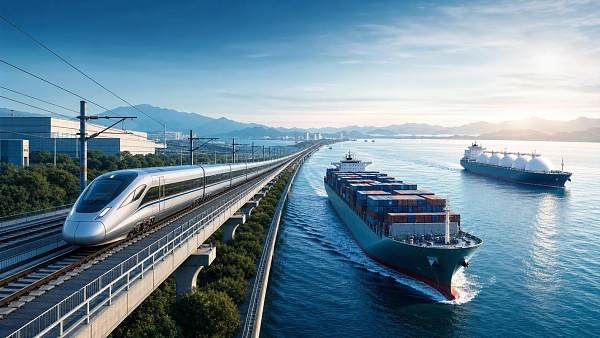
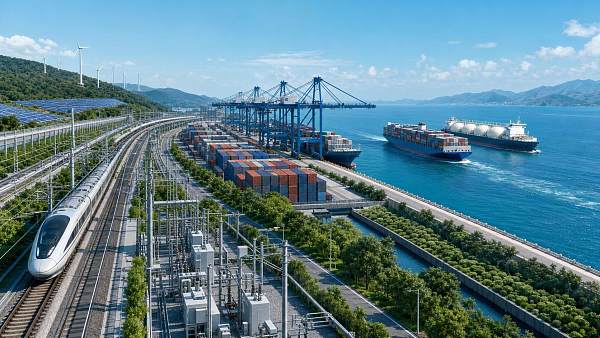
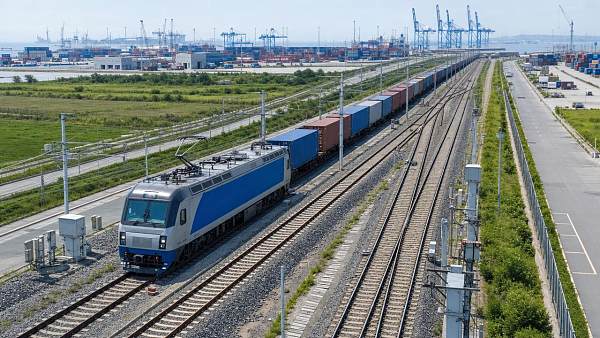
That last point matters more than it did a few years ago. Rail and maritime transportation infrastructure are increasingly linked by logistics continuity, energy flows, and digital coordination requirements.
Where the Next Round of Decisions Is Likely to Focus
Looking ahead, transportation infrastructure planning in 2026 is likely to favor systems that compress uncertainty rather than merely chase volume. This applies equally to interlocking systems and ocean-going assets.
The next decision cycle will probably concentrate on several areas: automated safety layers, traction power stability, braking intelligence, smarter vessel routing, and cryogenic reliability in energy shipping.
That does not mean every project needs a complete redesign. In many cases, the more effective move is phased reinforcement around the technical points that most strongly affect asset confidence.
A sensible next step is to review transportation infrastructure assumptions against actual operating stress. Recheck control parameters, route dependencies, thermal behavior, containment risks, and data blind spots.
Then compare those findings with evolving market signals, especially where rail modernization and shipbuilding cycles intersect. That is often where hidden capital asymmetries become visible first.
The organizations best positioned in 2026 will be the ones that treat transportation infrastructure as an intelligent asset base. In this cycle, sharper judgment is becoming a stronger advantage than broader spending.
Recommended News
 Jul 19, 2026Transportation Infrastructure Trends Shaping Capital Planning in 2026Transportation infrastructure trends in 2026 are reshaping capital planning across rail, ports, and shipping. Discover how resilience, automation, and digital control are driving smarter investment decisions.
 Jul 12, 2026Gas Carrier Technology in the Middle East: 2026 OutlookGas carrier technology Middle East trends for 2026: explore LNG vessel innovation, propulsion, containment, and regional yard upgrades shaping smarter energy trade decisions.
 Jul 10, 2026Commercial Shipbuilding Technology Trends Shaping Newbuild Projects in 2026Commercial shipbuilding technology is reshaping 2026 newbuild projects with smarter vessels, fuel flexibility, digital twins, and earlier compliance planning. Explore the trends driving stronger ROI.
 Jul 08, 2026Rail Transit Systems Upgrade Trends Shaping 2026 Investment PlansRail transit systems in 2026 are shifting from expansion to smarter upgrades. Explore safety, automation, energy, and digital trends shaping resilient, high-value investment plans.
 Jul 06, 2026Cryogenic Shipping Systems Manufacturer Trends Shaping 2026 Fleet UpgradesCryogenic shipping systems manufacturer trends are reshaping 2026 fleet upgrades. Explore how digital monitoring, emissions control, and safer containment can improve vessel performance.
 Jul 05, 2026Smart Shipping Solutions for Fleet Management: 2026 Trends Shaping Vessel OperationsSmart shipping solutions for fleet management are redefining vessel operations in 2026. Explore trends in integration, compliance, fuel efficiency, and resilient fleet performance.
 Jul 04, 2026Digital Marine Decarbonization Technology: What Delivers Measurable GainsDigital marine decarbonization technology helps fleets cut fuel use, improve compliance, and boost vessel efficiency with measurable, data-driven gains. Learn what truly delivers value.
 Jul 03, 2026Global Rail Infrastructure Standards: 2026 Changes to WatchGlobal rail infrastructure standards are reshaping 2026 rail projects. Discover the key compliance, interoperability, cyber, and low-carbon changes that will impact bids and investment.
 Jul 02, 2026Global Trade Logistics North America Trends to Watch in 2026Global trade logistics North America in 2026 will be shaped by rail-ocean integration, smart routing, LNG demand, and measurable resilience. Discover the trends redefining reliability and trade advantage.
 Jun 30, 2026International Shipbuilding Suppliers: 2026 Sourcing Trends and Supply Chain RisksInternational shipbuilding suppliers face new 2026 sourcing risks, from compliance and digital integration to sub-tier bottlenecks. Explore key trends shaping cost, delivery, and resilience.
 Jun 27, 2026Heavy Industry Tech Trends Reshaping Equipment Investment in 2026Heavy industry tech is reshaping 2026 equipment investment across rail and maritime systems. Explore the five trends driving safer, smarter, higher-value capital decisions.
 Jun 25, 2026Decarbonization Trends Reshaping Rail and Marine Investment in 2026Decarbonization is reshaping rail and marine investment in 2026. Discover where capital is moving, which assets gain value, and how smarter transport upgrades improve resilience.
 Jun 23, 2026Global Rail Infrastructure Trends Shaping Capacity, Funding, and Delivery TimelinesGlobal rail infrastructure trends are redefining capacity, funding, and delivery timelines. Explore how data-driven planning and system readiness shape resilient, investable rail projects.
 Jun 22, 2026Maritime Logistics Trends in 2026: Capacity Shifts, Delays, and Margin PressureMaritime logistics in 2026 faces shifting capacity, persistent delays, and rising margin pressure. Explore key risks, lane-level signals, and smarter planning strategies.
 Jun 21, 2026LNG Carriers Technology Advancements: 5 Upgrades Reshaping Fleet PerformanceLNG carriers technology advancements are reshaping fleet performance through smarter containment, dual-fuel propulsion, digital monitoring, boil-off control, and automation—see the 5 upgrades driving safer, cleaner, more profitable LNG shipping.
 Jun 20, 2026Global Supply Chain Challenges in Rail Infrastructure in 2026Global supply chain challenges in rail infrastructure are redefining 2026 project risk. Discover where delays, compliance, and sourcing pressure hit hardest—and how smarter evaluation protects cost, delivery, and performance.
 Jun 20, 2026Full Digitalization in Rail: 7 Risks to Address Before ScalingFull digitalization in rail can boost safety, maintenance, and control—but only if key risks are managed. Explore 7 critical challenges to address before scaling network-wide.
 Jun 18, 2026Maritime Logistics Trends in 2026: Where Shipping Efficiency Is MovingMaritime logistics in 2026 is driven by AI routing, port connectivity, decarbonization, and asset visibility. Discover the trends redefining shipping efficiency and resilience.
 Jun 17, 2026Transportation Infrastructure Development Trends That Matter for Long-Term PlanningTransportation infrastructure development trends are reshaping rail, ports, shipping, and LNG networks. Explore the key signals for smarter long-term planning, resilience, and investment value.
 Jun 17, 2026Railway Automation Trends Shaping Safer, Smarter Networks in 2026Railway automation in 2026 is driving safer, smarter rail networks with predictive maintenance, integrated signaling, and higher capacity. Explore the trends shaping resilient transport.
 Jun 15, 2026Decarbonization in Rail Transportation: What Cuts Emissions First?Decarbonization in rail transportation starts with the fastest wins: traction optimization, regenerative braking, smarter signalling, and retrofit upgrades that cut emissions, costs, and risk.
 Jun 14, 2026Rail Infrastructure Investment: Cost vs Long-Term ReturnRail infrastructure investment is more than upfront cost. Discover how lifecycle planning, smarter systems, and reliable rail design can deliver stronger long-term returns.
 Jun 13, 2026Advanced Ocean-Going Vessels: Key Design Shifts in 2026Advanced ocean-going vessels in 2026 are redefining shipping with AI routing, fuel-flexible propulsion, and smarter port integration. See which design shifts drive resilience, efficiency, and long-term fleet value.
 Jun 12, 2026High-Speed Rail Technology Trends Shaping 2026 ProjectsHigh-speed rail technology is reshaping 2026 projects through smarter signaling, resilient traction, precision braking, and digital monitoring. Explore the trends driving safer, scalable, bankable rail delivery.