



Search News
Industry Portal
Popular Tags
Digital Marine Decarbonization Technology: What Delivers Measurable Gains
Author
Time
Click Count
Digital marine decarbonization technology has moved from pilot discussion to operating reality. For fleets facing tighter carbon rules, volatile fuel costs, and higher reliability expectations, the real question is no longer whether to digitize, but which tools produce measurable gains.
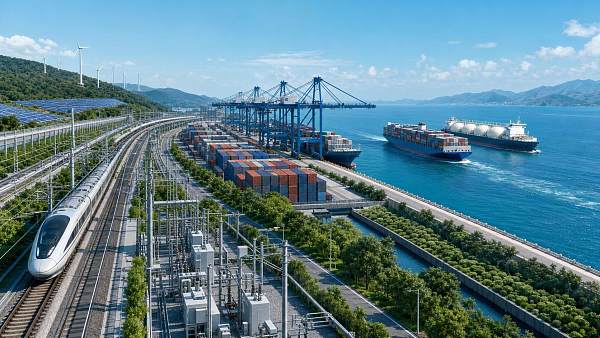
That matters especially in global transport, where vessel efficiency now affects supply chain timing, asset value, and compliance exposure at the same time. In the GTOT view of land-sea interconnection, smart ships are not isolated assets. They are part of a broader intelligence system linking energy use, route logic, equipment health, and commercial resilience.
What Digital Marine Decarbonization Technology Actually Covers
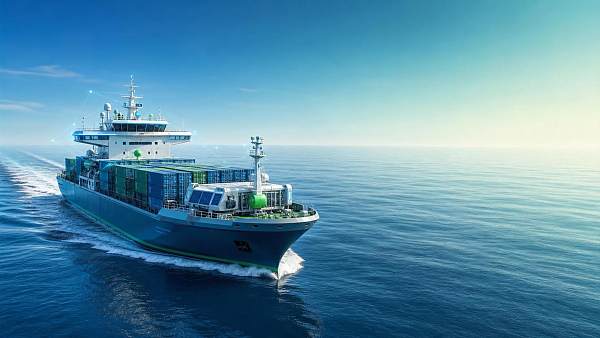
At its core, digital marine decarbonization technology is the use of software, sensors, connectivity, and analytics to reduce a vessel’s carbon intensity without compromising operational control.
It usually combines onboard data capture, shore-based analysis, and decision support. The goal is practical: burn less fuel, avoid waste, improve voyage execution, and document performance with confidence.
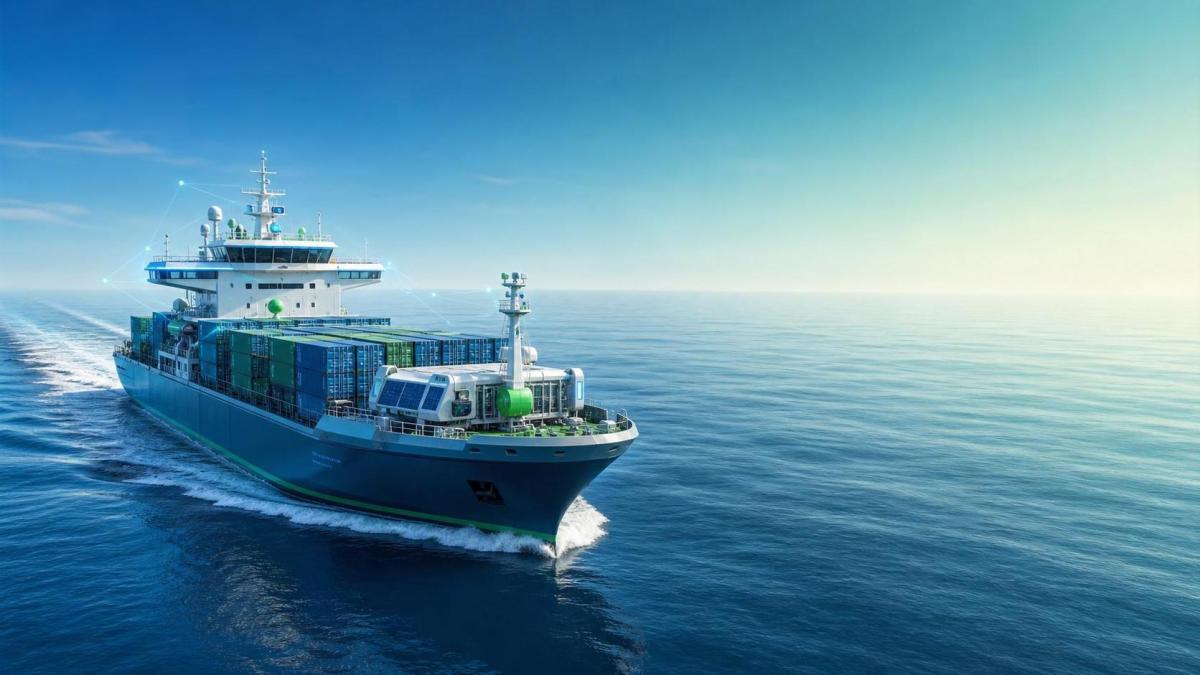
In most deployments, the stack includes several connected layers rather than a single application.
- Voyage optimization tools that recommend speed, route, and arrival timing.
- Fuel and engine analytics that identify inefficient operating windows.
- Energy management systems that track loads across propulsion and auxiliary equipment.
- Condition monitoring platforms that reduce hidden performance losses.
- Reporting systems aligned with emissions regulations and charter requirements.
Simple fuel dashboards are no longer enough. Measurable gains depend on whether data is timely, trusted, and tied to operational decisions.
Why the Topic Now Demands Attention
The pressure is coming from several directions at once. Emissions regulation is tightening, charterers are asking harder questions, and lenders increasingly look at efficiency and transition readiness when assessing maritime assets.
At the same time, fuel remains one of the largest controllable operating costs. Even modest efficiency gains can create meaningful savings across a year of sailings.
This is why digital marine decarbonization technology matters beyond sustainability narratives. It is becoming part of commercial discipline.
For advanced container ships and LNG carriers, the stakes are even higher. These vessels operate in capital-intensive, schedule-sensitive environments where small performance deviations scale quickly across routes, terminals, and cargo commitments.
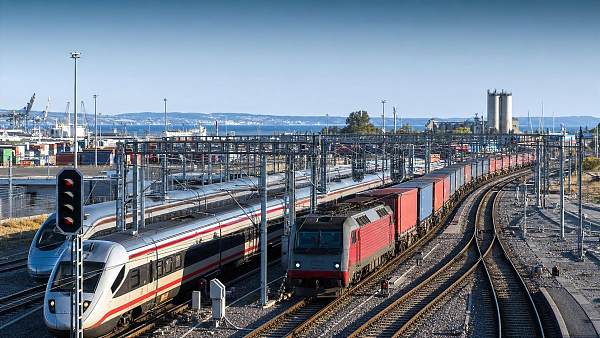
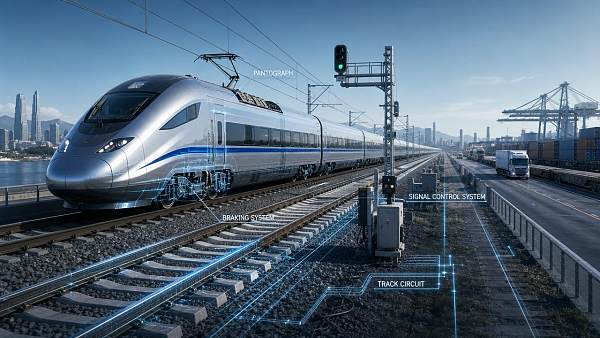
From GTOT’s perspective, the same industrial logic seen in railway signaling or traction control also applies at sea. Better control systems do not merely automate activity. They narrow variance, improve predictability, and unlock better use of expensive assets.
Where Measurable Gains Usually Come From
Not every digital initiative delivers equal value. The strongest returns usually come from use cases tied directly to fuel burn, speed discipline, arrival planning, and equipment performance.
Voyage and Speed Optimization
Weather routing alone is not the full story. The better systems combine weather, currents, draft, schedule constraints, port congestion, and hull condition to produce recommendations that crews can actually use.
A well-timed speed reduction often lowers fuel use more effectively than isolated technical tweaks. When arrival windows are coordinated with ports, operators can avoid rush sailing followed by idle waiting.
Fuel and Power Performance Analytics
Digital marine decarbonization technology also creates value by exposing where energy is being lost. Engine load imbalance, auxiliary overuse, suboptimal trim, and recurring operating patterns often stay hidden in manual reporting.
When these losses are quantified, corrective action becomes easier to justify and track.
Equipment Health and Performance Retention
Decarbonization is not only about new fuels. It is also about keeping existing systems performing close to design conditions.
Hull fouling, propeller deterioration, sensor drift, cargo handling inefficiencies, and poor maintenance timing can steadily erode efficiency. Connected monitoring reduces the lag between degradation and response.
How Different Vessel Segments Use It
Digital marine decarbonization technology is not applied in exactly the same way across fleets. The value model changes with vessel type, route structure, cargo sensitivity, and fuel strategy.
Smart Container Ships
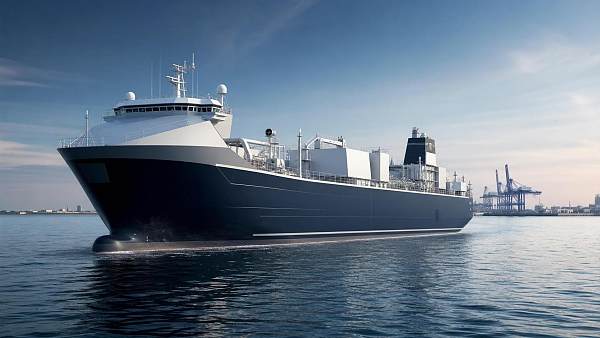
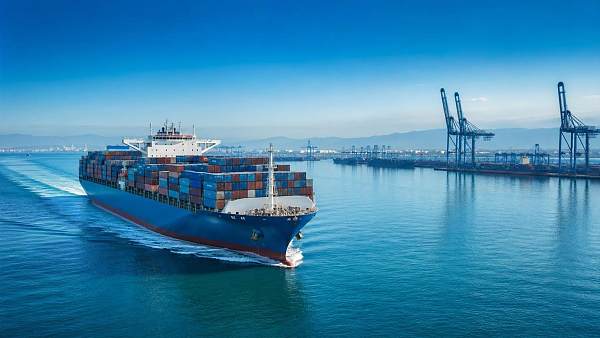
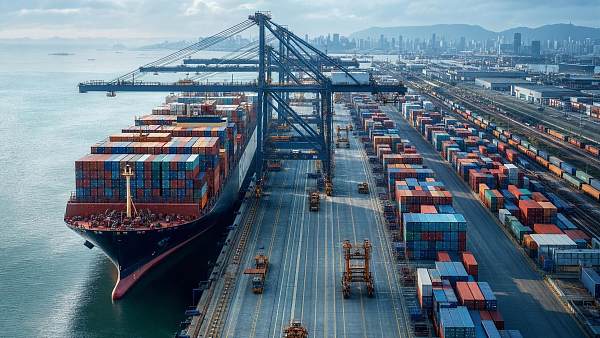
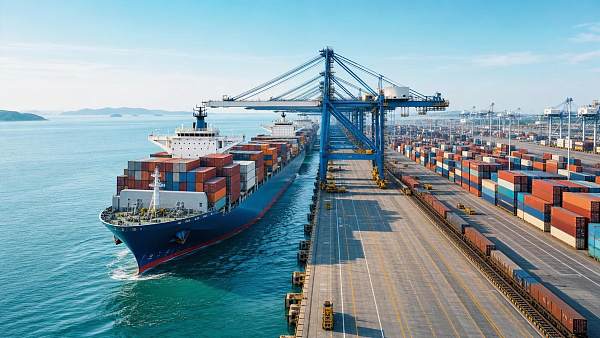
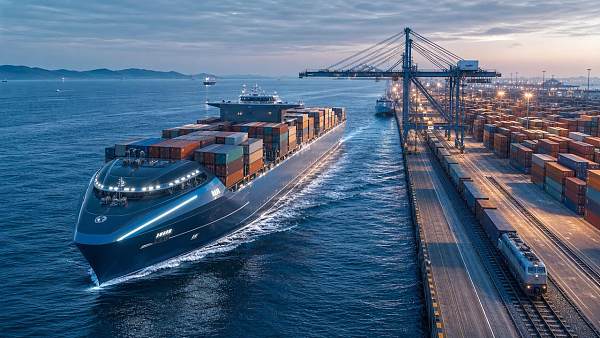
Container operations benefit from synchronized planning between ship and shore. Route optimization, berth coordination, and AI-supported arrival timing can cut both fuel waste and schedule disruption.
Because these vessels sit inside larger logistics chains, efficiency gains often extend beyond the ship itself.
LNG Carriers
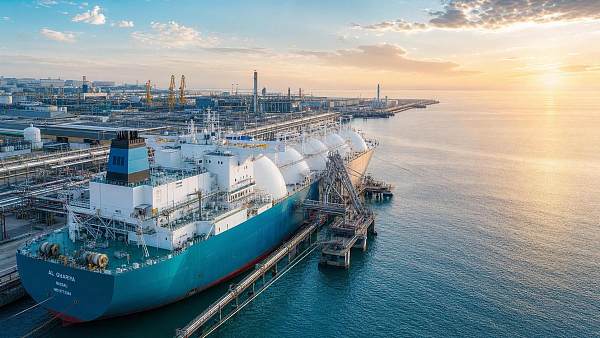
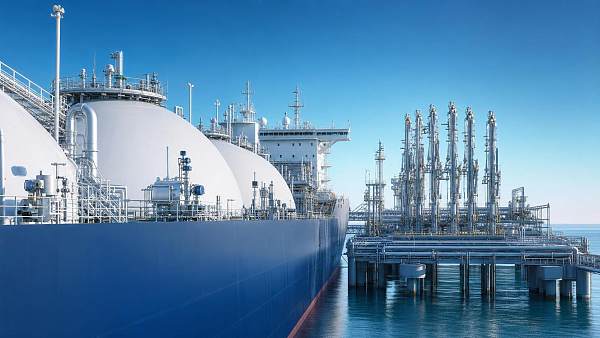
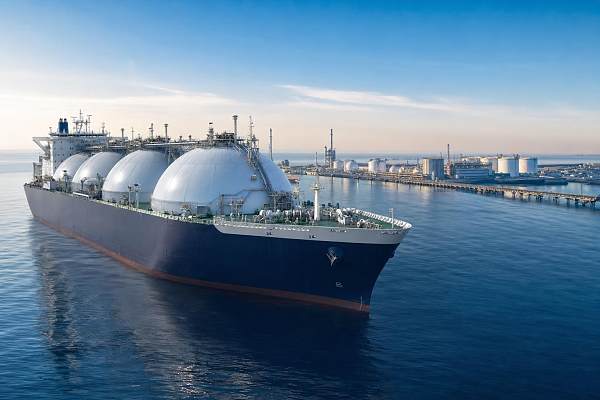
For LNG carriers, the picture is more complex. Operators must consider boil-off gas management, dual-fuel propulsion behavior, cargo containment conditions, and weather-driven performance variation.
Here, digital marine decarbonization technology supports efficiency and safety together. Better data integration improves not only fuel performance, but also operational confidence under cryogenic transport conditions.
Mixed or Transitional Fleets
Many fleets are operating with different ages, engine types, and retrofit histories. In these cases, the best digital programs start with standardized visibility rather than complex automation.
A common baseline makes later comparison, investment prioritization, and retrofit sequencing much easier.
What to Evaluate Before Investing
A frequent mistake is to buy a platform before defining the decision problem. Good procurement starts with the operating questions that need better answers.
That evaluation should go beyond feature lists.
- Check whether sensor data quality is consistent enough for reliable analytics.
- Confirm integration with existing onboard systems and shore reporting workflows.
- Separate informative dashboards from tools that influence actual operating choices.
- Ask how gains are measured, verified, and attributed over time.
- Review cybersecurity, data ownership, and vendor support models carefully.
The strongest business case often comes from a narrow, high-value use case first. Examples include trim optimization on selected routes, auxiliary load monitoring, or performance tracking on fuel-intensive vessels.
Once results are visible, scale becomes easier and internal alignment improves.
Why Data Credibility Matters More Than Ambition
The market is full of broad claims about digital marine decarbonization technology. The hard part is turning data into evidence that supports operational, financial, and compliance decisions.
That requires common definitions, stable baselines, and clean comparisons across voyages and vessels. Without that discipline, performance claims become difficult to trust.
This is where intelligence-led industry analysis becomes useful. GTOT’s broader focus on control systems, traction performance, and advanced ocean-going vessels reflects the same principle across sectors: measurable improvement depends on accurate signals, not just digital visibility.
A Practical Next Step
A sensible starting point is to map carbon exposure against operational variance. Identify which routes, vessels, and equipment conditions create the largest gap between expected and actual efficiency.
Then assess which layer of digital marine decarbonization technology addresses that gap most directly. In some fleets, the answer will be voyage optimization. In others, it will be energy analytics, performance retention, or more credible emissions reporting.
The next round of competitive advantage is likely to come from disciplined integration rather than isolated tools. Better decisions will belong to operators that can connect ship data, engineering reality, and commercial timing into one measurable operating model.
Recommended News
 Jul 19, 2026Transportation Infrastructure Trends Shaping Capital Planning in 2026Transportation infrastructure trends in 2026 are reshaping capital planning across rail, ports, and shipping. Discover how resilience, automation, and digital control are driving smarter investment decisions.
 Jul 12, 2026Gas Carrier Technology in the Middle East: 2026 OutlookGas carrier technology Middle East trends for 2026: explore LNG vessel innovation, propulsion, containment, and regional yard upgrades shaping smarter energy trade decisions.
 Jul 10, 2026Commercial Shipbuilding Technology Trends Shaping Newbuild Projects in 2026Commercial shipbuilding technology is reshaping 2026 newbuild projects with smarter vessels, fuel flexibility, digital twins, and earlier compliance planning. Explore the trends driving stronger ROI.
 Jul 08, 2026Rail Transit Systems Upgrade Trends Shaping 2026 Investment PlansRail transit systems in 2026 are shifting from expansion to smarter upgrades. Explore safety, automation, energy, and digital trends shaping resilient, high-value investment plans.
 Jul 06, 2026Cryogenic Shipping Systems Manufacturer Trends Shaping 2026 Fleet UpgradesCryogenic shipping systems manufacturer trends are reshaping 2026 fleet upgrades. Explore how digital monitoring, emissions control, and safer containment can improve vessel performance.
 Jul 05, 2026Smart Shipping Solutions for Fleet Management: 2026 Trends Shaping Vessel OperationsSmart shipping solutions for fleet management are redefining vessel operations in 2026. Explore trends in integration, compliance, fuel efficiency, and resilient fleet performance.
 Jul 04, 2026Digital Marine Decarbonization Technology: What Delivers Measurable GainsDigital marine decarbonization technology helps fleets cut fuel use, improve compliance, and boost vessel efficiency with measurable, data-driven gains. Learn what truly delivers value.
 Jul 03, 2026Global Rail Infrastructure Standards: 2026 Changes to WatchGlobal rail infrastructure standards are reshaping 2026 rail projects. Discover the key compliance, interoperability, cyber, and low-carbon changes that will impact bids and investment.
 Jul 02, 2026Global Trade Logistics North America Trends to Watch in 2026Global trade logistics North America in 2026 will be shaped by rail-ocean integration, smart routing, LNG demand, and measurable resilience. Discover the trends redefining reliability and trade advantage.
 Jun 30, 2026International Shipbuilding Suppliers: 2026 Sourcing Trends and Supply Chain RisksInternational shipbuilding suppliers face new 2026 sourcing risks, from compliance and digital integration to sub-tier bottlenecks. Explore key trends shaping cost, delivery, and resilience.
 Jun 27, 2026Heavy Industry Tech Trends Reshaping Equipment Investment in 2026Heavy industry tech is reshaping 2026 equipment investment across rail and maritime systems. Explore the five trends driving safer, smarter, higher-value capital decisions.
 Jun 25, 2026Decarbonization Trends Reshaping Rail and Marine Investment in 2026Decarbonization is reshaping rail and marine investment in 2026. Discover where capital is moving, which assets gain value, and how smarter transport upgrades improve resilience.
 Jun 23, 2026Global Rail Infrastructure Trends Shaping Capacity, Funding, and Delivery TimelinesGlobal rail infrastructure trends are redefining capacity, funding, and delivery timelines. Explore how data-driven planning and system readiness shape resilient, investable rail projects.
 Jun 22, 2026Maritime Logistics Trends in 2026: Capacity Shifts, Delays, and Margin PressureMaritime logistics in 2026 faces shifting capacity, persistent delays, and rising margin pressure. Explore key risks, lane-level signals, and smarter planning strategies.
 Jun 21, 2026LNG Carriers Technology Advancements: 5 Upgrades Reshaping Fleet PerformanceLNG carriers technology advancements are reshaping fleet performance through smarter containment, dual-fuel propulsion, digital monitoring, boil-off control, and automation—see the 5 upgrades driving safer, cleaner, more profitable LNG shipping.
 Jun 20, 2026Global Supply Chain Challenges in Rail Infrastructure in 2026Global supply chain challenges in rail infrastructure are redefining 2026 project risk. Discover where delays, compliance, and sourcing pressure hit hardest—and how smarter evaluation protects cost, delivery, and performance.
 Jun 20, 2026Full Digitalization in Rail: 7 Risks to Address Before ScalingFull digitalization in rail can boost safety, maintenance, and control—but only if key risks are managed. Explore 7 critical challenges to address before scaling network-wide.
 Jun 18, 2026Maritime Logistics Trends in 2026: Where Shipping Efficiency Is MovingMaritime logistics in 2026 is driven by AI routing, port connectivity, decarbonization, and asset visibility. Discover the trends redefining shipping efficiency and resilience.
 Jun 17, 2026Transportation Infrastructure Development Trends That Matter for Long-Term PlanningTransportation infrastructure development trends are reshaping rail, ports, shipping, and LNG networks. Explore the key signals for smarter long-term planning, resilience, and investment value.
 Jun 17, 2026Railway Automation Trends Shaping Safer, Smarter Networks in 2026Railway automation in 2026 is driving safer, smarter rail networks with predictive maintenance, integrated signaling, and higher capacity. Explore the trends shaping resilient transport.
 Jun 15, 2026Decarbonization in Rail Transportation: What Cuts Emissions First?Decarbonization in rail transportation starts with the fastest wins: traction optimization, regenerative braking, smarter signalling, and retrofit upgrades that cut emissions, costs, and risk.
 Jun 14, 2026Rail Infrastructure Investment: Cost vs Long-Term ReturnRail infrastructure investment is more than upfront cost. Discover how lifecycle planning, smarter systems, and reliable rail design can deliver stronger long-term returns.
 Jun 13, 2026Advanced Ocean-Going Vessels: Key Design Shifts in 2026Advanced ocean-going vessels in 2026 are redefining shipping with AI routing, fuel-flexible propulsion, and smarter port integration. See which design shifts drive resilience, efficiency, and long-term fleet value.
 Jun 12, 2026High-Speed Rail Technology Trends Shaping 2026 ProjectsHigh-speed rail technology is reshaping 2026 projects through smarter signaling, resilient traction, precision braking, and digital monitoring. Explore the trends driving safer, scalable, bankable rail delivery.