



Search News
Industry Portal
Popular Tags
Global Rail Infrastructure Standards: 2026 Changes to Watch
Author
Time
Click Count
Global rail infrastructure standards are moving from guidance to hard market filters
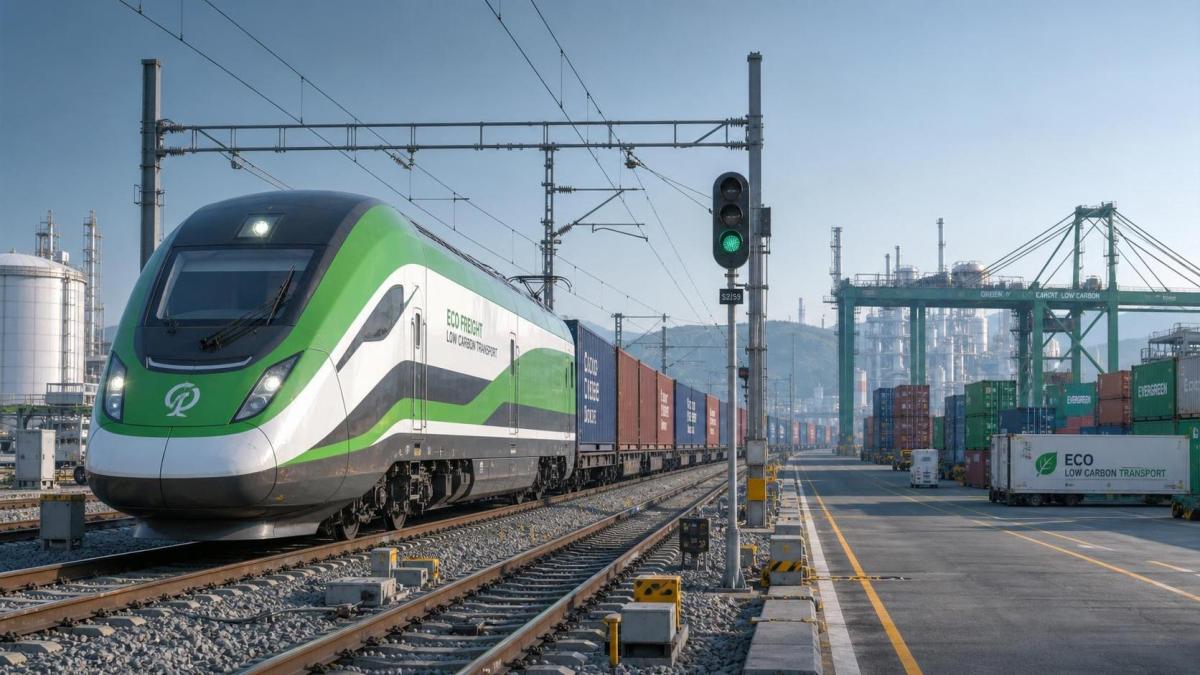
By 2026, global rail infrastructure standards will shape project viability more directly than many cost assumptions.
The shift is not only regulatory. It is commercial, technical, and increasingly geopolitical.
Across intercity rail, metro upgrades, freight corridors, and port-linked networks, buyers are asking a harder question.
Can a system remain compliant, interoperable, cyber-resilient, and low-carbon over its full operating life?
That question matters well beyond track and civil works.
It reaches signaling logic, traction interfaces, pantograph performance, braking reliability, digital communications, and maintenance traceability.
For GTOT, this is a familiar pattern.
Land and sea infrastructure are both moving toward stricter performance evidence, deeper digital integration, and wider lifecycle accountability.
In that context, global rail infrastructure standards are becoming a shared language between engineering teams, investors, EPC participants, and cross-border operators.
The practical implication is clear.
Standards are no longer a late-stage compliance checklist. They are now an early indicator of commercial readiness.
Why the pressure is rising now
Several forces are converging at once, and that is why the 2026 window looks unusually decisive.
First, public funding is becoming more conditional.
Many rail programs now tie financing to measurable safety, emissions, resilience, and interoperability outcomes.
Second, network complexity is rising.
Mixed fleets, automated operations, and data-driven maintenance need common technical baselines across multiple suppliers.
Third, cross-border transport is being redesigned around supply chain continuity.
That makes interface discipline more valuable than isolated component excellence.
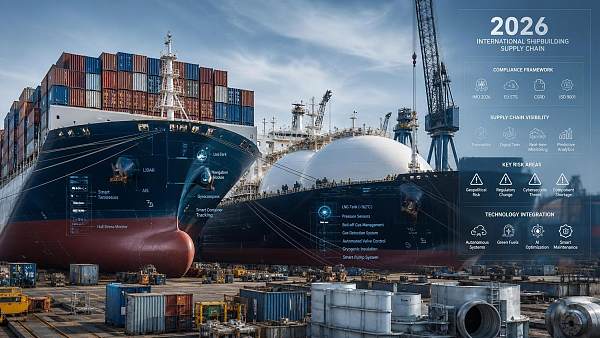
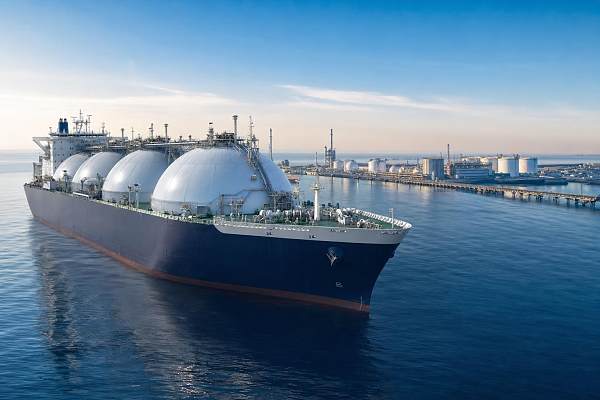
A similar logic is visible in smart shipping and LNG vessel design.
When system reliability affects global trade flow, standards move closer to strategic infrastructure policy.
These shifts explain why global rail infrastructure standards are gaining board-level attention rather than staying inside engineering departments.
The biggest changes are happening at the system interface level
More visible standards updates often look incremental on paper.
In practice, the larger impact appears where systems must communicate, synchronize, and prove performance under stress.
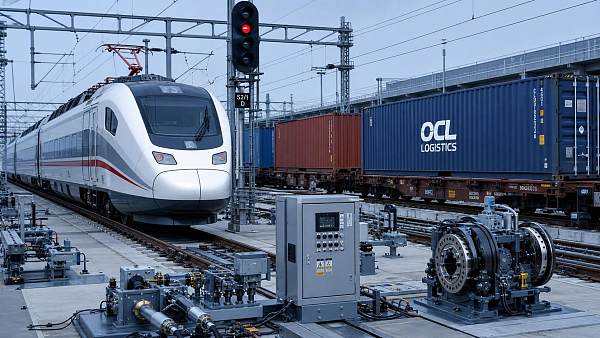
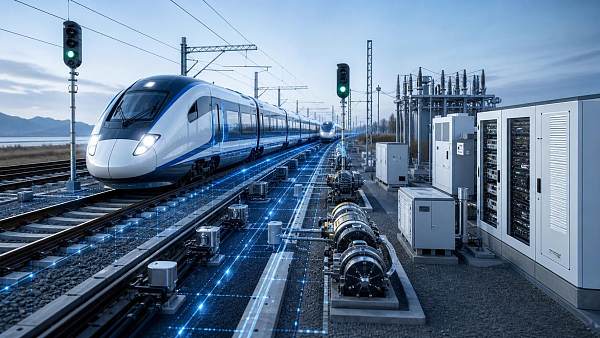
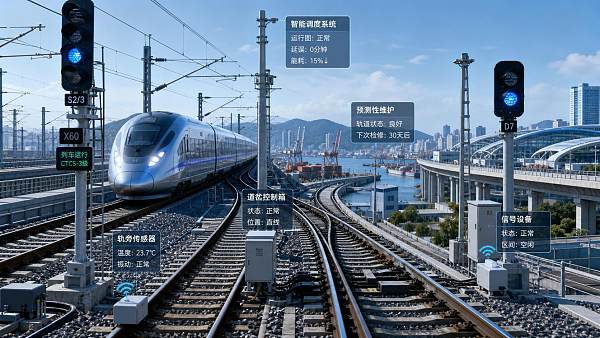
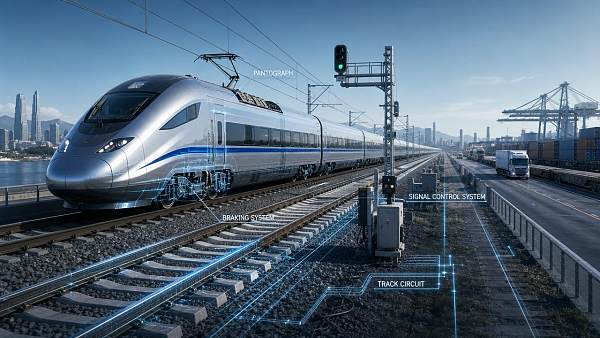
Railway signal control systems are a central example.
As automation deepens, operators want clearer proof that signaling architecture remains safe during software revisions, communication loss, and mixed-traffic conditions.
That raises the bar for verification discipline, not just design intent.
Pantographs and braking systems face a parallel test.
Higher speeds, weather variability, and denser timetables require more stable current collection and more predictable stopping behavior.
Standards attention is therefore moving toward dynamic performance windows, wear monitoring, and digital maintenance records.
This is where GTOT’s cross-domain lens becomes useful.
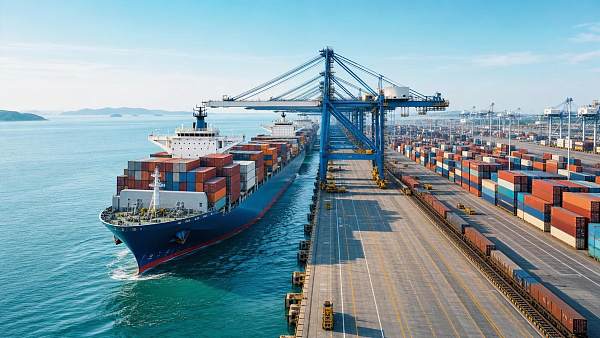
Just as smart container ships rely on connected navigation, route logic, and vessel-shore coordination, rail networks now depend on clean interaction between control layers and mechanical assets.
The market is rewarding integrated evidence, not isolated claims.
Demand signals are shifting from lowest price to lowest uncertainty
This does not mean cost pressure has faded.
It means evaluation models are widening.
Projects increasingly compare options through operational certainty, migration complexity, and future standards exposure.
That changes how global rail infrastructure standards affect market positioning.
- Legacy-compatible systems gain value when upgrade paths are documented and testable.
- Components with traceable field data stand out more than products with only laboratory claims.
- Suppliers able to map standards changes to asset life assumptions can defend pricing more effectively.
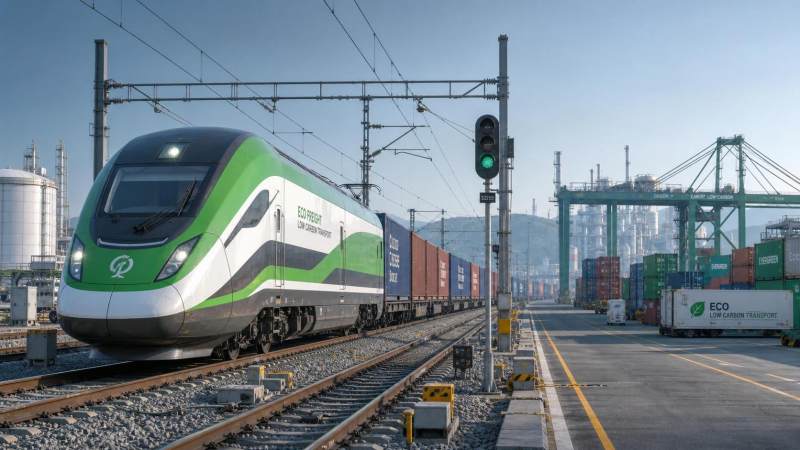
- Projects linked to ports, industrial corridors, and intermodal hubs face stronger pressure for harmonized standards.
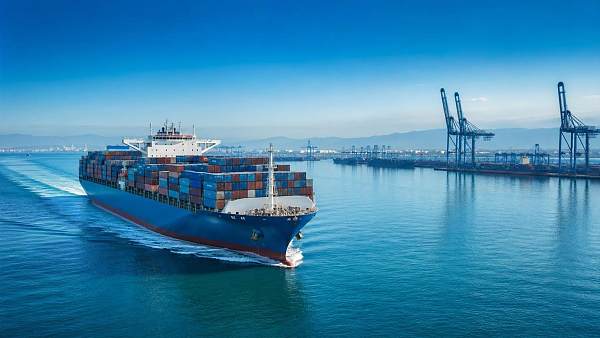
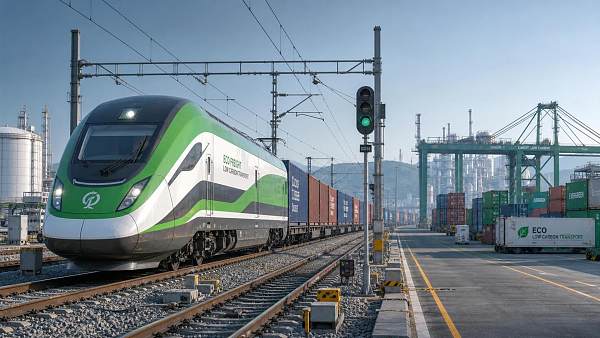
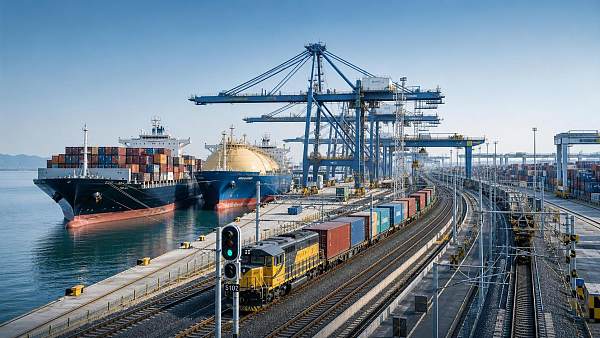
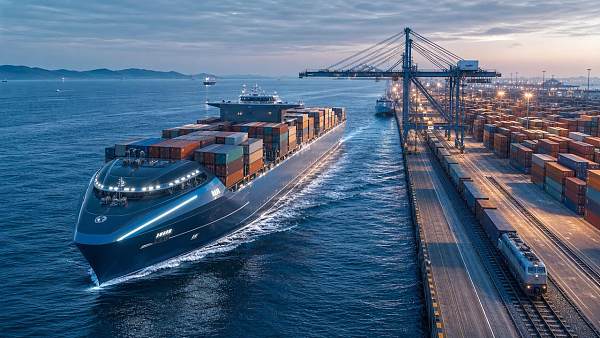
More worth noting is the link between rail and maritime logistics.
Port rail links, inland freight corridors, and energy transport chains are being assessed as one continuity problem.
That favors organizations that can interpret technical signals across land-sea infrastructure instead of treating them as separate worlds.
Where business risk is likely to concentrate in 2026
The next phase of global rail infrastructure standards will not create equal pressure everywhere.
Risk is likely to cluster in a few predictable areas.
Documentation quality will become a competitive separator
Technical capability without validation depth will increasingly struggle in restricted tenders and public audits.
Custom integration may become more expensive than expected
Short-term adaptation can look affordable, yet later software updates, safety recertification, and interface debugging often change the cost picture.
Carbon accounting will move closer to equipment decisions
This is especially relevant where electrification, energy recovery, and material durability influence funding narratives.
Cyber and operational resilience will merge
A disconnected view is harder to defend when digital failure can trigger physical disruption across a network.
Taken together, these points show that global rail infrastructure standards are now a forward risk map, not just a technical reference set.
What deserves closer attention before commitments are made
A useful response starts with sharper filtering, not broader speculation.
The strongest evaluations usually test whether standards alignment is structural or merely presentational.
- Check whether signaling, traction, braking, and communications assumptions remain consistent across the full architecture.
- Review evidence for high-speed current collection stability and braking performance under real operating variability.
- Compare lifecycle compliance exposure, not only initial certification status.
- Track how standards updates may affect maintenance software, spare parts qualification, and retrofit timing.
- Watch rail projects tied to ports, smart shipping corridors, and energy infrastructure for earlier shifts in specification language.
This is also where specialized intelligence platforms add practical value.
GTOT’s focus on signaling, pantographs, braking systems, smart vessels, and LNG carriers reflects a broader industrial reality.
Infrastructure decisions increasingly depend on understanding how safety, digitalization, and asset efficiency interact across connected transport chains.
The organizations best prepared for 2026 will treat global rail infrastructure standards as a live strategic input.
The next step is straightforward.
Map current projects against likely standards exposure, identify interface-heavy weak points, and build a phased review plan before bid or upgrade timing becomes fixed.
Recommended News
 Jul 19, 2026Transportation Infrastructure Trends Shaping Capital Planning in 2026Transportation infrastructure trends in 2026 are reshaping capital planning across rail, ports, and shipping. Discover how resilience, automation, and digital control are driving smarter investment decisions.
 Jul 12, 2026Gas Carrier Technology in the Middle East: 2026 OutlookGas carrier technology Middle East trends for 2026: explore LNG vessel innovation, propulsion, containment, and regional yard upgrades shaping smarter energy trade decisions.
 Jul 10, 2026Commercial Shipbuilding Technology Trends Shaping Newbuild Projects in 2026Commercial shipbuilding technology is reshaping 2026 newbuild projects with smarter vessels, fuel flexibility, digital twins, and earlier compliance planning. Explore the trends driving stronger ROI.
 Jul 08, 2026Rail Transit Systems Upgrade Trends Shaping 2026 Investment PlansRail transit systems in 2026 are shifting from expansion to smarter upgrades. Explore safety, automation, energy, and digital trends shaping resilient, high-value investment plans.
 Jul 06, 2026Cryogenic Shipping Systems Manufacturer Trends Shaping 2026 Fleet UpgradesCryogenic shipping systems manufacturer trends are reshaping 2026 fleet upgrades. Explore how digital monitoring, emissions control, and safer containment can improve vessel performance.
 Jul 05, 2026Smart Shipping Solutions for Fleet Management: 2026 Trends Shaping Vessel OperationsSmart shipping solutions for fleet management are redefining vessel operations in 2026. Explore trends in integration, compliance, fuel efficiency, and resilient fleet performance.
 Jul 04, 2026Digital Marine Decarbonization Technology: What Delivers Measurable GainsDigital marine decarbonization technology helps fleets cut fuel use, improve compliance, and boost vessel efficiency with measurable, data-driven gains. Learn what truly delivers value.
 Jul 03, 2026Global Rail Infrastructure Standards: 2026 Changes to WatchGlobal rail infrastructure standards are reshaping 2026 rail projects. Discover the key compliance, interoperability, cyber, and low-carbon changes that will impact bids and investment.
 Jul 02, 2026Global Trade Logistics North America Trends to Watch in 2026Global trade logistics North America in 2026 will be shaped by rail-ocean integration, smart routing, LNG demand, and measurable resilience. Discover the trends redefining reliability and trade advantage.
 Jun 30, 2026International Shipbuilding Suppliers: 2026 Sourcing Trends and Supply Chain RisksInternational shipbuilding suppliers face new 2026 sourcing risks, from compliance and digital integration to sub-tier bottlenecks. Explore key trends shaping cost, delivery, and resilience.
 Jun 27, 2026Heavy Industry Tech Trends Reshaping Equipment Investment in 2026Heavy industry tech is reshaping 2026 equipment investment across rail and maritime systems. Explore the five trends driving safer, smarter, higher-value capital decisions.
 Jun 25, 2026Decarbonization Trends Reshaping Rail and Marine Investment in 2026Decarbonization is reshaping rail and marine investment in 2026. Discover where capital is moving, which assets gain value, and how smarter transport upgrades improve resilience.
 Jun 23, 2026Global Rail Infrastructure Trends Shaping Capacity, Funding, and Delivery TimelinesGlobal rail infrastructure trends are redefining capacity, funding, and delivery timelines. Explore how data-driven planning and system readiness shape resilient, investable rail projects.
 Jun 22, 2026Maritime Logistics Trends in 2026: Capacity Shifts, Delays, and Margin PressureMaritime logistics in 2026 faces shifting capacity, persistent delays, and rising margin pressure. Explore key risks, lane-level signals, and smarter planning strategies.
 Jun 21, 2026LNG Carriers Technology Advancements: 5 Upgrades Reshaping Fleet PerformanceLNG carriers technology advancements are reshaping fleet performance through smarter containment, dual-fuel propulsion, digital monitoring, boil-off control, and automation—see the 5 upgrades driving safer, cleaner, more profitable LNG shipping.
 Jun 20, 2026Global Supply Chain Challenges in Rail Infrastructure in 2026Global supply chain challenges in rail infrastructure are redefining 2026 project risk. Discover where delays, compliance, and sourcing pressure hit hardest—and how smarter evaluation protects cost, delivery, and performance.
 Jun 20, 2026Full Digitalization in Rail: 7 Risks to Address Before ScalingFull digitalization in rail can boost safety, maintenance, and control—but only if key risks are managed. Explore 7 critical challenges to address before scaling network-wide.
 Jun 18, 2026Maritime Logistics Trends in 2026: Where Shipping Efficiency Is MovingMaritime logistics in 2026 is driven by AI routing, port connectivity, decarbonization, and asset visibility. Discover the trends redefining shipping efficiency and resilience.
 Jun 17, 2026Transportation Infrastructure Development Trends That Matter for Long-Term PlanningTransportation infrastructure development trends are reshaping rail, ports, shipping, and LNG networks. Explore the key signals for smarter long-term planning, resilience, and investment value.
 Jun 17, 2026Railway Automation Trends Shaping Safer, Smarter Networks in 2026Railway automation in 2026 is driving safer, smarter rail networks with predictive maintenance, integrated signaling, and higher capacity. Explore the trends shaping resilient transport.
 Jun 15, 2026Decarbonization in Rail Transportation: What Cuts Emissions First?Decarbonization in rail transportation starts with the fastest wins: traction optimization, regenerative braking, smarter signalling, and retrofit upgrades that cut emissions, costs, and risk.
 Jun 14, 2026Rail Infrastructure Investment: Cost vs Long-Term ReturnRail infrastructure investment is more than upfront cost. Discover how lifecycle planning, smarter systems, and reliable rail design can deliver stronger long-term returns.
 Jun 13, 2026Advanced Ocean-Going Vessels: Key Design Shifts in 2026Advanced ocean-going vessels in 2026 are redefining shipping with AI routing, fuel-flexible propulsion, and smarter port integration. See which design shifts drive resilience, efficiency, and long-term fleet value.
 Jun 12, 2026High-Speed Rail Technology Trends Shaping 2026 ProjectsHigh-speed rail technology is reshaping 2026 projects through smarter signaling, resilient traction, precision braking, and digital monitoring. Explore the trends driving safer, scalable, bankable rail delivery.