



Search News
Industry Portal
Popular Tags
Transportation Infrastructure Development Trends and Project Risk Signals
Author
Time
Click Count
As global rail networks, smart vessels, and energy shipping corridors expand under tighter safety, cost, and decarbonization pressures, project leaders need sharper visibility into transportation infrastructure development trends and early risk signals. From SIL4 railway control upgrades to LNG carrier engineering constraints and AI-enabled maritime logistics, today’s decisions must balance speed, compliance, resilience, and asset value. This article highlights the key development patterns and warning indicators project managers should monitor before schedules, budgets, or technical credibility come under pressure.
Why Transportation Infrastructure Development Trends Now Demand Earlier Project Decisions
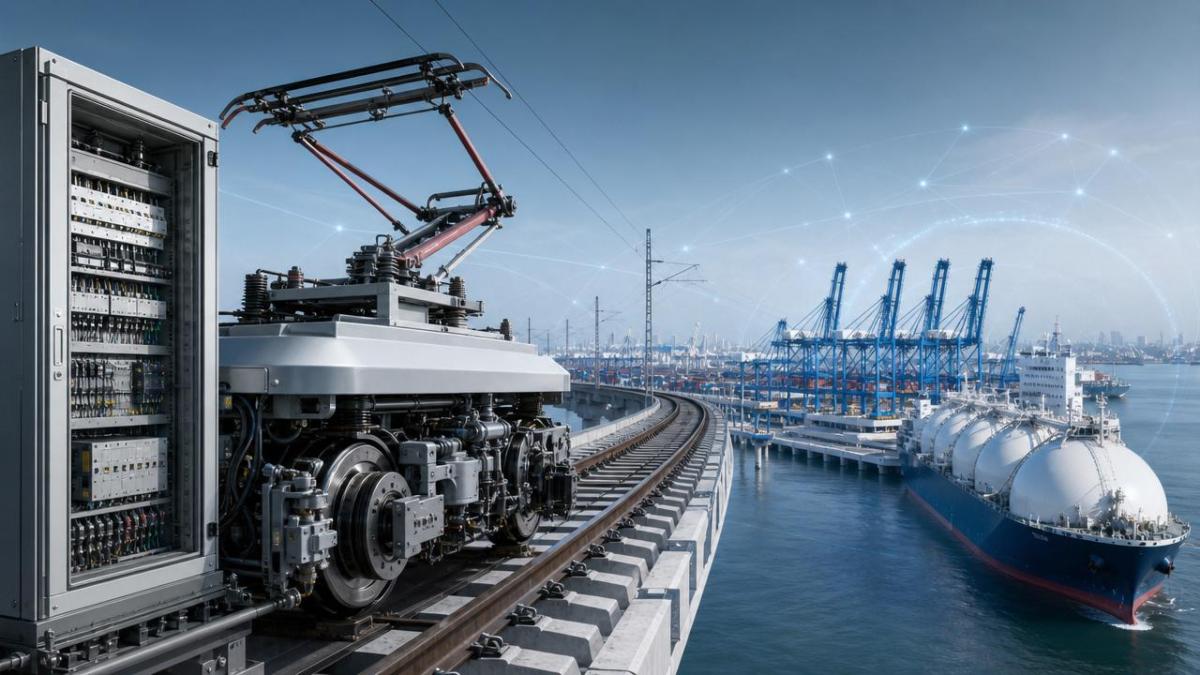
Transportation infrastructure development trends are no longer limited to civil works, route expansion, or port capacity. They now include digital control, predictive maintenance, energy transition, and system-level integration.
For project managers, this shift changes the risk map. A railway signaling delay can affect rolling stock acceptance. A pantograph specification gap can reduce high-speed operating stability. A vessel automation interface issue can delay port-side synchronization.
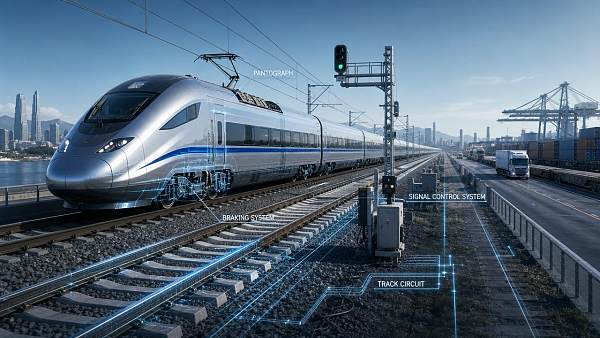
GTOT observes these land-and-sea connections through five technical pillars: railway signal control systems, pantographs, rail transit braking systems, smart container ships, and LNG carriers. This perspective helps EPC teams, distributors, and engineering leaders read market direction before procurement locks become expensive.
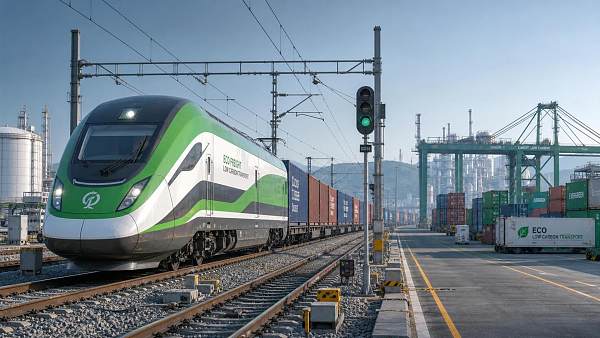
- Rail projects are moving toward higher automation levels, stricter safety integrity, and continuous data exchange between signaling, traction, and braking subsystems.
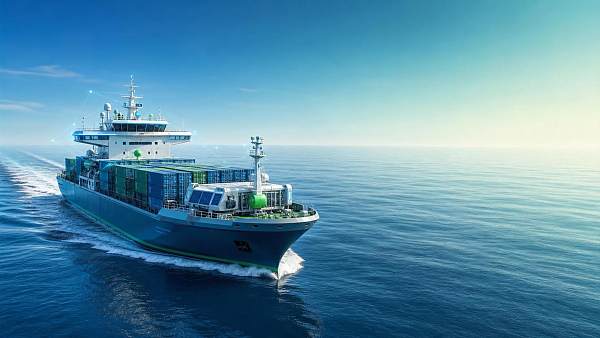
- Marine projects are shifting from vessel procurement toward ship-to-shore digital coordination, route optimization, fuel efficiency, and lifecycle compliance.
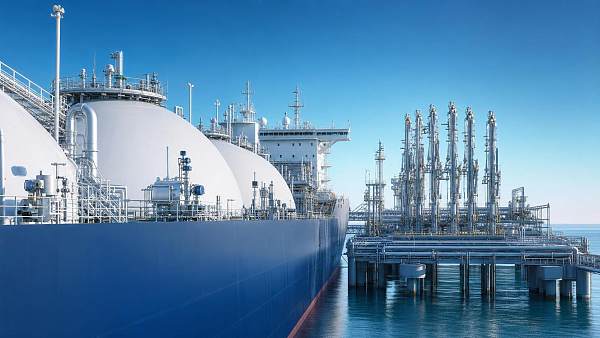
- Energy logistics projects increasingly depend on LNG carrier insulation reliability, dual-fuel propulsion planning, and cryogenic containment verification.
The practical question is not whether transportation infrastructure development trends are changing. The question is whether project teams can translate those trends into specification control, supplier evaluation, and early warning governance.
Which Risk Signals Should Project Leaders Track First?
In large transportation programs, risk rarely appears first as a formal failure. It begins as unclear interfaces, missing test evidence, late design freezes, and inconsistent assumptions between technical teams.
The following table connects transportation infrastructure development trends with early risk indicators that project managers can monitor before cost and schedule pressure becomes visible.
This table shows why transportation infrastructure development trends must be translated into evidence requirements. A trend becomes useful only when it changes how teams check designs, suppliers, schedules, and acceptance criteria.
The most underestimated signal: interface ambiguity
Many projects do not fail because one component is weak. They fail because components are technically sound but poorly synchronized. Signaling, braking, traction, vessel automation, and shore systems must share timing, logic, and responsibility.
How Should Procurement Teams Compare Rail and Maritime Technology Choices?
Procurement under modern transportation infrastructure development trends is not a price exercise. It is a controlled decision between compliance burden, integration difficulty, lifecycle cost, and operational resilience.
Project leaders should compare solutions using technical evidence, not only supplier presentations. The following decision table supports early-stage screening for rail and maritime infrastructure programs.
A disciplined comparison prevents specification drift. It also helps procurement teams explain why one solution may be more suitable even when another appears cheaper in the initial quotation.
Selection logic for constrained budgets
- Protect safety-critical performance first, especially signaling, braking, containment, and propulsion functions that affect approval and asset availability.
- Separate essential digital interfaces from optional dashboards, because integration quality matters more than visual reporting in early deployment.
- Use lifecycle cost models when choosing between suppliers, including spares, inspection intervals, training, and future retrofit difficulty.
Technical Parameters That Reveal Hidden Delivery Pressure
Technical parameters are not only engineering details. Under current transportation infrastructure development trends, they become schedule signals, contract risk signals, and tender credibility signals.
When specifications are vague, suppliers interpret them differently. That creates late clarification rounds, rework, and disputes during testing. GTOT’s intelligence approach encourages teams to connect parameters with approval consequences.
Rail control and high-speed equipment parameters
For rail programs, parameter discipline should include braking distance assumptions, train detection logic, headway targets, pantograph-catenary interaction, electromagnetic compatibility, and diagnostic data requirements.
If a tender mentions automation but omits fallback operating modes, the project may face safety assessment delays. If it specifies high speed without contact force conditions, pantograph acceptance becomes uncertain.
Ocean-going vessel and LNG carrier parameters
For maritime programs, critical parameters include hull automation interfaces, route optimization data sources, cargo containment stress limits, insulation performance, boil-off gas management, and dual-fuel propulsion modes.
A smart vessel strategy is weak if it ignores port data readiness. An LNG carrier specification is incomplete if cryogenic assumptions are not linked to inspection, maintenance, and class requirements.
- Confirm which parameters affect regulatory approval and which affect operational optimization only.
- Map each critical parameter to a test method, responsible party, and acceptance document.
- Identify parameters that require early supplier input because they depend on proprietary design boundaries.
- Track parameter changes through configuration control, especially after value engineering or route design updates.
Compliance, Certification, and Approval: Where Delays Usually Begin
Transportation infrastructure development trends place greater pressure on certification planning. Safety, automation, decarbonization, and digital connectivity all increase the amount of evidence required before commissioning.
The standards below are not a replacement for project-specific legal review, but they show the common compliance language that project managers should expect during planning and procurement.
The approval pathway should be built into the schedule from the start. When certification appears only near delivery, even strong engineering teams lose time to document reconstruction.
A practical compliance checklist
- Define the approving authority, assessment body, or class society before issuing the final technical specification.
- Require suppliers to identify mandatory evidence, optional evidence, and documents that depend on final operating conditions.
- Reserve schedule time for review cycles, witness testing, nonconformity correction, and translated technical documentation when needed.
Cost and Schedule Signals Hidden Inside “Value Engineering”
Value engineering is useful when it removes waste. It becomes dangerous when it removes verification, redundancy, maintainability, or interface clarity from safety-critical transportation systems.
Transportation infrastructure development trends often create pressure to add digital features while reducing capital cost. This can push teams toward short-term savings that increase commissioning and lifecycle risk.
Warning signs during cost optimization
- A proposed alternative reduces hardware cost but changes software interfaces, safety evidence, or maintenance procedures without a schedule impact assessment.
- A supplier offers shorter delivery but cannot confirm test slots, imported component lead times, or approval document readiness.
- A digital module is bundled into the proposal, yet data ownership, cybersecurity responsibilities, and future upgrade costs are not defined.
- A maritime equipment substitution appears equivalent, but class acceptance, spare support, and crew training requirements remain uncertain.
The right question is not “Can we reduce cost?” It is “Which cost reduction preserves operational safety, approval certainty, and long-term asset value?”
Implementation Roadmap for Project Managers
A practical roadmap turns transportation infrastructure development trends into project controls. It prevents teams from reacting late to technology, compliance, and procurement risks.
Step 1: Build a trend-to-risk register
Start with the major trends affecting the project: automation, high-speed operation, smart vessel coordination, LNG fuel strategy, decarbonization requirements, and supply chain volatility.
For each trend, assign a technical owner, commercial owner, approval owner, and schedule owner. This avoids the common gap where everyone sees the risk but no one controls it.
Step 2: Freeze interface assumptions before price negotiation
Price comparison is unreliable when interfaces are still unstable. Project teams should clarify operating modes, data exchange, physical installation limits, test responsibilities, and fallback procedures first.
Step 3: Create evidence-based supplier shortlists
Supplier evaluation should include technical documentation maturity, relevant application history, approval familiarity, configuration control, spare support, and engineering response speed during clarification.
GTOT’s Strategic Intelligence Center supports this type of decision logic by connecting sector news, evolutionary trend analysis, and commercial insight across rail and ocean technology ecosystems.
FAQ: Common Questions About Transportation Infrastructure Development Trends
How can project managers identify the most important transportation infrastructure development trends for a specific project?
Start with the asset’s operating mission. A high-speed rail corridor should prioritize signaling, pantograph stability, braking performance, and trial operation readiness. An LNG carrier project should prioritize containment, propulsion, class approval, and port compatibility.
What should procurement teams check before selecting railway control or braking suppliers?
They should review safety evidence, interface experience, test method clarity, maintenance documentation, and configuration management. For SIL-related systems, documentation maturity can be as important as hardware performance.
Are smart container ships mainly a software investment?
No. Smart vessels involve software, sensors, ship automation, shore integration, operational procedures, and cybersecurity governance. If port-side data readiness is weak, onboard intelligence may not deliver the expected turnaround benefit.
Why do LNG carrier projects require early engineering discipline?
LNG carriers operate around deep cryogenic conditions, so containment stress, insulation behavior, boil-off management, and dual-fuel operation must be planned early. Late changes can affect approval, shipyard sequence, and lifecycle reliability.
Why Choose GTOT for Land-Sea Infrastructure Intelligence?
Transportation infrastructure development trends affect procurement, design approval, commissioning, and asset performance. GTOT helps project leaders read those trends through technical intelligence rather than fragmented market noise.
Our focus spans railway signal control systems, pantographs, rail transit braking systems, smart container ships, and LNG carriers. This cross-domain view is valuable when projects combine speed, safety, logistics efficiency, and energy security.
Project managers and engineering leaders can consult GTOT for parameter confirmation, product selection logic, delivery cycle assessment, certification requirement review, tender credibility analysis, and customized land-sea technology intelligence.
If your team is preparing a railway upgrade, vessel procurement, LNG logistics project, or high-end equipment tender, use GTOT to clarify risk signals before commercial decisions become difficult to reverse.
- railway signal control systems
- pantographs
- LNG carriers
- traction power
- smart vessels
- AI route optimization
- decarbonization
- rail transit braking
- smart container ships
- dual-fuel propulsion
- rail infrastructure
- transportation infrastructure
- maritime logistics
- transportation infrastructure development trends
Recommended News
 Jul 19, 2026Transportation Infrastructure Trends Shaping Capital Planning in 2026Transportation infrastructure trends in 2026 are reshaping capital planning across rail, ports, and shipping. Discover how resilience, automation, and digital control are driving smarter investment decisions.
 Jul 12, 2026Gas Carrier Technology in the Middle East: 2026 OutlookGas carrier technology Middle East trends for 2026: explore LNG vessel innovation, propulsion, containment, and regional yard upgrades shaping smarter energy trade decisions.
 Jul 10, 2026Commercial Shipbuilding Technology Trends Shaping Newbuild Projects in 2026Commercial shipbuilding technology is reshaping 2026 newbuild projects with smarter vessels, fuel flexibility, digital twins, and earlier compliance planning. Explore the trends driving stronger ROI.
 Jul 08, 2026Rail Transit Systems Upgrade Trends Shaping 2026 Investment PlansRail transit systems in 2026 are shifting from expansion to smarter upgrades. Explore safety, automation, energy, and digital trends shaping resilient, high-value investment plans.
 Jul 06, 2026Cryogenic Shipping Systems Manufacturer Trends Shaping 2026 Fleet UpgradesCryogenic shipping systems manufacturer trends are reshaping 2026 fleet upgrades. Explore how digital monitoring, emissions control, and safer containment can improve vessel performance.
 Jul 05, 2026Smart Shipping Solutions for Fleet Management: 2026 Trends Shaping Vessel OperationsSmart shipping solutions for fleet management are redefining vessel operations in 2026. Explore trends in integration, compliance, fuel efficiency, and resilient fleet performance.
 Jul 04, 2026Digital Marine Decarbonization Technology: What Delivers Measurable GainsDigital marine decarbonization technology helps fleets cut fuel use, improve compliance, and boost vessel efficiency with measurable, data-driven gains. Learn what truly delivers value.
 Jul 03, 2026Global Rail Infrastructure Standards: 2026 Changes to WatchGlobal rail infrastructure standards are reshaping 2026 rail projects. Discover the key compliance, interoperability, cyber, and low-carbon changes that will impact bids and investment.
 Jul 02, 2026Global Trade Logistics North America Trends to Watch in 2026Global trade logistics North America in 2026 will be shaped by rail-ocean integration, smart routing, LNG demand, and measurable resilience. Discover the trends redefining reliability and trade advantage.
 Jun 30, 2026International Shipbuilding Suppliers: 2026 Sourcing Trends and Supply Chain RisksInternational shipbuilding suppliers face new 2026 sourcing risks, from compliance and digital integration to sub-tier bottlenecks. Explore key trends shaping cost, delivery, and resilience.
 Jun 27, 2026Heavy Industry Tech Trends Reshaping Equipment Investment in 2026Heavy industry tech is reshaping 2026 equipment investment across rail and maritime systems. Explore the five trends driving safer, smarter, higher-value capital decisions.
 Jun 25, 2026Decarbonization Trends Reshaping Rail and Marine Investment in 2026Decarbonization is reshaping rail and marine investment in 2026. Discover where capital is moving, which assets gain value, and how smarter transport upgrades improve resilience.
 Jun 23, 2026Global Rail Infrastructure Trends Shaping Capacity, Funding, and Delivery TimelinesGlobal rail infrastructure trends are redefining capacity, funding, and delivery timelines. Explore how data-driven planning and system readiness shape resilient, investable rail projects.
 Jun 22, 2026Maritime Logistics Trends in 2026: Capacity Shifts, Delays, and Margin PressureMaritime logistics in 2026 faces shifting capacity, persistent delays, and rising margin pressure. Explore key risks, lane-level signals, and smarter planning strategies.
 Jun 21, 2026LNG Carriers Technology Advancements: 5 Upgrades Reshaping Fleet PerformanceLNG carriers technology advancements are reshaping fleet performance through smarter containment, dual-fuel propulsion, digital monitoring, boil-off control, and automation—see the 5 upgrades driving safer, cleaner, more profitable LNG shipping.
 Jun 20, 2026Global Supply Chain Challenges in Rail Infrastructure in 2026Global supply chain challenges in rail infrastructure are redefining 2026 project risk. Discover where delays, compliance, and sourcing pressure hit hardest—and how smarter evaluation protects cost, delivery, and performance.
 Jun 20, 2026Full Digitalization in Rail: 7 Risks to Address Before ScalingFull digitalization in rail can boost safety, maintenance, and control—but only if key risks are managed. Explore 7 critical challenges to address before scaling network-wide.
 Jun 18, 2026Maritime Logistics Trends in 2026: Where Shipping Efficiency Is MovingMaritime logistics in 2026 is driven by AI routing, port connectivity, decarbonization, and asset visibility. Discover the trends redefining shipping efficiency and resilience.
 Jun 17, 2026Transportation Infrastructure Development Trends That Matter for Long-Term PlanningTransportation infrastructure development trends are reshaping rail, ports, shipping, and LNG networks. Explore the key signals for smarter long-term planning, resilience, and investment value.
 Jun 17, 2026Railway Automation Trends Shaping Safer, Smarter Networks in 2026Railway automation in 2026 is driving safer, smarter rail networks with predictive maintenance, integrated signaling, and higher capacity. Explore the trends shaping resilient transport.
 Jun 15, 2026Decarbonization in Rail Transportation: What Cuts Emissions First?Decarbonization in rail transportation starts with the fastest wins: traction optimization, regenerative braking, smarter signalling, and retrofit upgrades that cut emissions, costs, and risk.
 Jun 14, 2026Rail Infrastructure Investment: Cost vs Long-Term ReturnRail infrastructure investment is more than upfront cost. Discover how lifecycle planning, smarter systems, and reliable rail design can deliver stronger long-term returns.
 Jun 13, 2026Advanced Ocean-Going Vessels: Key Design Shifts in 2026Advanced ocean-going vessels in 2026 are redefining shipping with AI routing, fuel-flexible propulsion, and smarter port integration. See which design shifts drive resilience, efficiency, and long-term fleet value.
 Jun 12, 2026High-Speed Rail Technology Trends Shaping 2026 ProjectsHigh-speed rail technology is reshaping 2026 projects through smarter signaling, resilient traction, precision braking, and digital monitoring. Explore the trends driving safer, scalable, bankable rail delivery.