



Search News
Industry Portal
Popular Tags
Commercial Shipbuilding Technology Trends Shaping Newbuild Projects in 2026
Author
Time
Click Count
Why 2026 Newbuild Planning Looks Different
Commercial shipbuilding technology is moving from a supporting role to a board-level decision factor in 2026 newbuild planning.
That shift is driven by tighter emissions rules, more volatile trade lanes, fuel uncertainty, and the growing value of data-led vessel operation.
A new ship is no longer judged only by deadweight, speed, and yard price.
It is judged by how well its propulsion, automation, connectivity, and compliance architecture will perform over the next fifteen to twenty years.
For companies operating across global transport chains, this matters beyond shipyards.
Vessel technology now affects port coordination, cargo timing, fuel strategy, maintenance cycles, and financing assumptions.
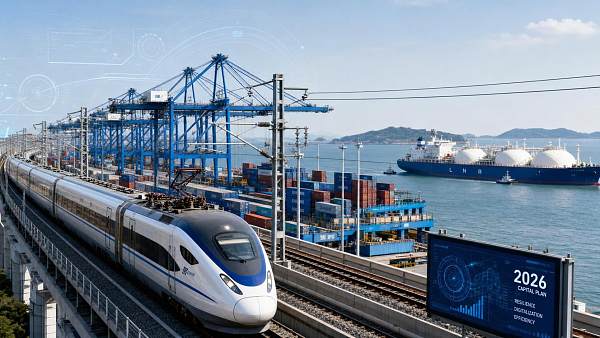
That wider systems view is increasingly important for intelligence platforms such as GTOT, which tracks both advanced vessels and critical land-sea transport equipment.
Seen in that context, commercial shipbuilding technology is part of a broader infrastructure logic: speed, safety, digital visibility, and asset resilience.
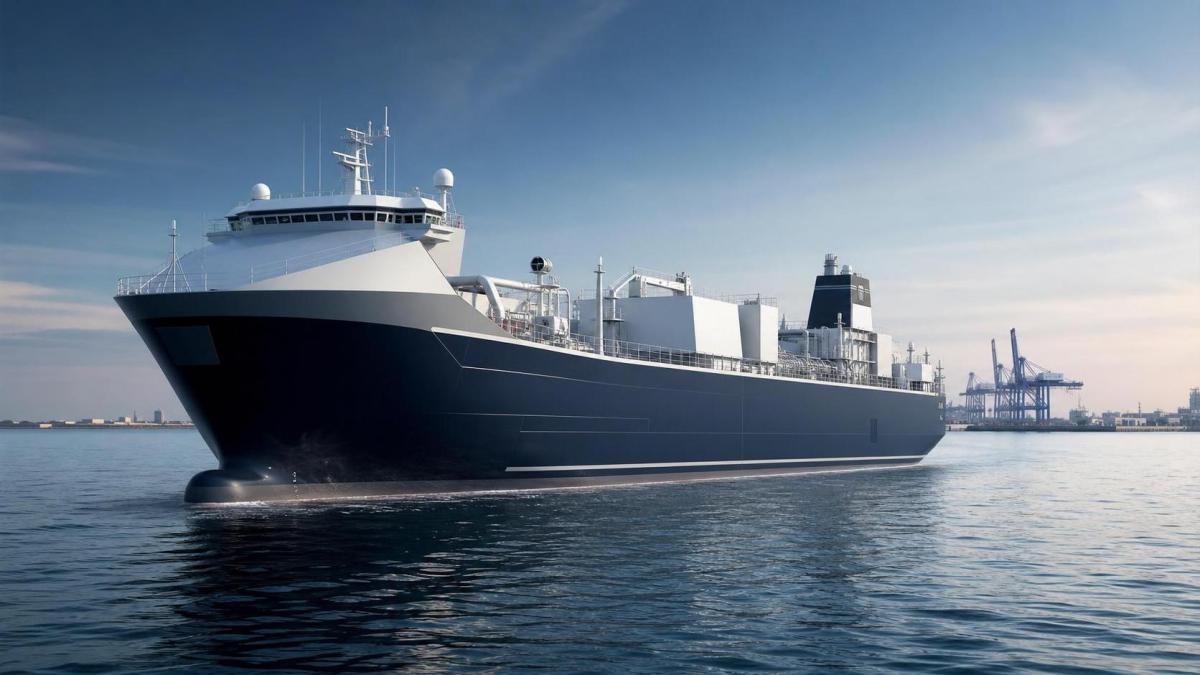
The practical question is not whether technology matters, but which technical choices will still make sense when market conditions change again.
What Commercial Shipbuilding Technology Now Includes
In current use, commercial shipbuilding technology covers more than hull construction or engine selection.
It includes the integrated engineering stack that determines operational efficiency, compliance readiness, and lifecycle economics.
Core technical layers
- Propulsion systems, including dual-fuel, LNG, methanol-ready, and hybrid arrangements.
- Digital navigation and automation, from AI-assisted route planning to onboard decision support.
- Energy management systems covering power distribution, load balancing, and fuel consumption optimization.
- Hull, coating, and hydrodynamic design features that affect resistance and emissions intensity.
- Condition monitoring, predictive maintenance, and digital twin environments.
- Safety, cybersecurity, and regulatory reporting systems tied to class and flag requirements.
Simple specifications rarely show how these layers interact.
A vessel may look efficient on paper, yet underperform if software, propulsion logic, and crew workflow are poorly aligned.
That is why commercial shipbuilding technology should be evaluated as an operating architecture, not a parts list.
The Trends Reshaping Newbuild Decisions
Several trends are converging at once, and each one changes how newbuild projects are specified and approved.
1. Smarter vessels are becoming standard
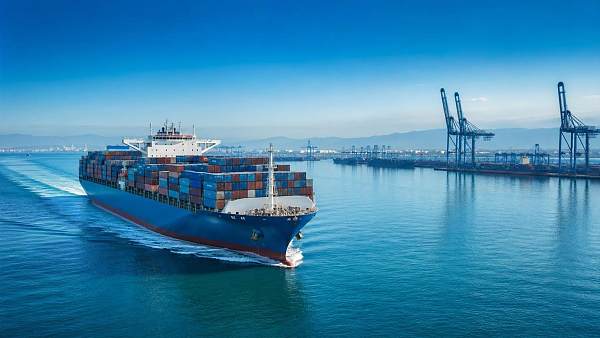
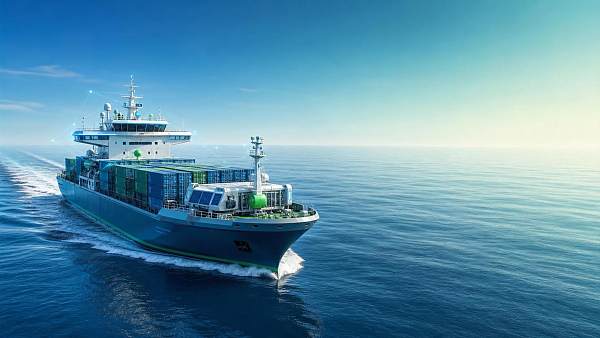
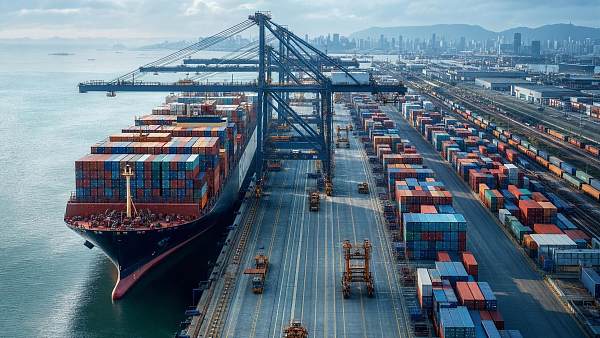
Smart container ships already point to the direction of travel.
Ship-to-shore connectivity, sensor-rich equipment, and AI-supported voyage optimization are moving from premium options toward baseline expectations.
The value is not only fuel saving.
Better visibility improves schedule reliability, port turnaround, maintenance planning, and cargo risk management.
2. Fuel flexibility is now a strategic hedge
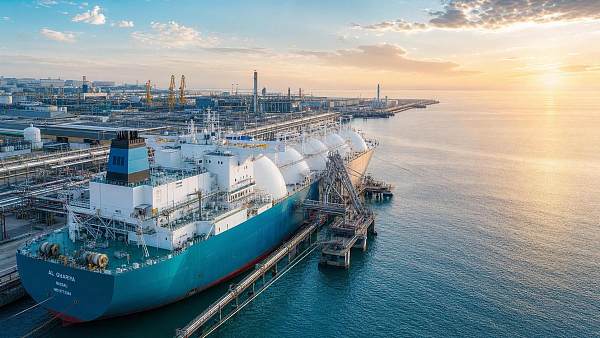
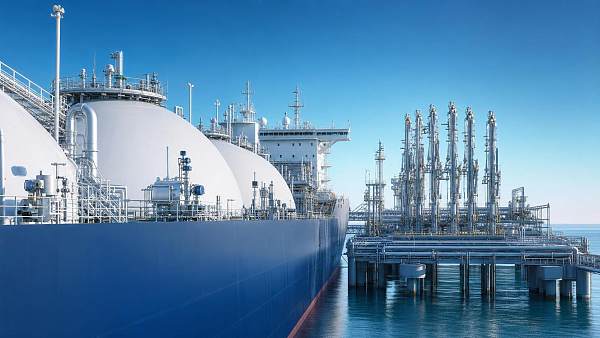
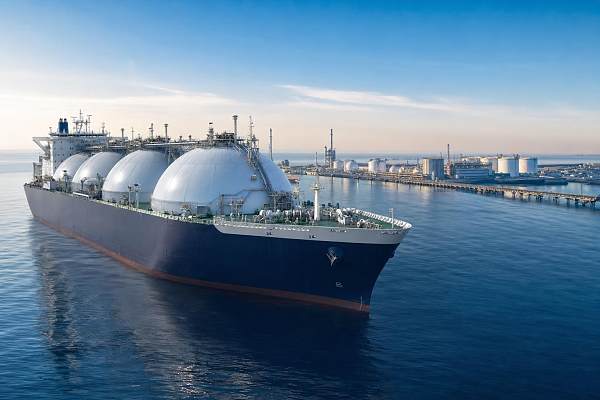
LNG carriers and dual-fuel vessels remain central to many 2026 project discussions.
At the same time, methanol-ready and ammonia-ready concepts are shaping early design assumptions.
The issue is less about picking a perfect fuel today.
It is about preserving commercial flexibility while infrastructure, regulation, and fuel pricing continue to evolve.
3. Digital twins are entering commercial use
Digital twins are no longer limited to experimental programs.
In practical terms, they support design validation, stress analysis, maintenance forecasting, and scenario modeling before costly failures occur.
For complex assets such as LNG ships, this matters greatly.
Containment systems, cryogenic behavior, and structural loads benefit from continuous digital comparison between model and reality.
4. Compliance engineering starts earlier
EEXI, CII, regional carbon rules, and reporting demands are pushing compliance work upstream.
That means commercial shipbuilding technology decisions are being made earlier in concept design, not left for retrofit discussions later.
Where the Business Value Actually Appears
Technology value in shipbuilding becomes real only when it improves commercial outcomes.
Usually, those outcomes appear in five places.
This is where many evaluations go wrong.
A lower contract price can hide higher lifecycle costs if the vessel enters service with weak digital integration or narrow fuel pathways.
For that reason, commercial shipbuilding technology should be measured against asset earnings quality, not procurement optics alone.
Different Vessel Types, Different Technical Priorities
Not every project should chase the same innovation mix.
The right commercial shipbuilding technology package depends on route profile, cargo type, energy exposure, and operational density.
Container vessels
These projects benefit most from voyage optimization, port data exchange, and integrated fleet visibility.
Reliability often matters as much as raw speed.
LNG carriers
Here, attention shifts toward containment integrity, boil-off gas management, cryogenic safety, and dual-fuel propulsion performance.
Stress analysis and thermal behavior deserve early scrutiny.
Bulk and multipurpose vessels
These ships often need robust efficiency gains without excessive system complexity.
Hull optimization, energy management, and maintenance visibility can outperform more fashionable additions.
That discipline matters in a mixed transport environment.
GTOT’s broader land-sea perspective is useful here because operational value increasingly depends on interconnection, not isolated equipment selection.
What to Examine Before Locking a Specification
A solid technology review should stay technical, commercial, and operational at the same time.
- Check whether software systems can exchange usable data across bridge, engine, cargo, and shore platforms.
- Test fuel assumptions against realistic bunkering access, route patterns, and charter expectations.
- Review class approval status for novel systems rather than relying on conceptual claims.
- Model maintenance burdens, spare parts exposure, and crew training requirements.
- Ask how cybersecurity protections are handled in connected vessel architectures.
- Compare lifecycle economics under multiple market scenarios, not one base-case forecast.
In practice, the strongest newbuild programs create a decision matrix before supplier negotiations become fixed.
That matrix should tie commercial shipbuilding technology choices to measurable operating targets.
Examples include fuel per nautical mile, emissions intensity, planned maintenance hours, and digital reporting quality.
A More Useful Way to Read the 2026 Market
The 2026 market will reward projects that connect technical depth with commercial discipline.
That does not always mean selecting the newest system.
It means understanding which elements of commercial shipbuilding technology create durable advantage under changing regulations and trade patterns.
The next step is usually straightforward.
Map the vessel concept against fuel pathways, digital architecture, compliance exposure, and expected operating profile.
Then compare yard proposals with the same framework, using technical evidence rather than headline claims.
For teams following both maritime and wider transport infrastructure signals, that broader intelligence view can sharpen decisions well before steel is cut.
Recommended News
 Jul 19, 2026Transportation Infrastructure Trends Shaping Capital Planning in 2026Transportation infrastructure trends in 2026 are reshaping capital planning across rail, ports, and shipping. Discover how resilience, automation, and digital control are driving smarter investment decisions.
 Jul 12, 2026Gas Carrier Technology in the Middle East: 2026 OutlookGas carrier technology Middle East trends for 2026: explore LNG vessel innovation, propulsion, containment, and regional yard upgrades shaping smarter energy trade decisions.
 Jul 10, 2026Commercial Shipbuilding Technology Trends Shaping Newbuild Projects in 2026Commercial shipbuilding technology is reshaping 2026 newbuild projects with smarter vessels, fuel flexibility, digital twins, and earlier compliance planning. Explore the trends driving stronger ROI.
 Jul 08, 2026Rail Transit Systems Upgrade Trends Shaping 2026 Investment PlansRail transit systems in 2026 are shifting from expansion to smarter upgrades. Explore safety, automation, energy, and digital trends shaping resilient, high-value investment plans.
 Jul 06, 2026Cryogenic Shipping Systems Manufacturer Trends Shaping 2026 Fleet UpgradesCryogenic shipping systems manufacturer trends are reshaping 2026 fleet upgrades. Explore how digital monitoring, emissions control, and safer containment can improve vessel performance.
 Jul 05, 2026Smart Shipping Solutions for Fleet Management: 2026 Trends Shaping Vessel OperationsSmart shipping solutions for fleet management are redefining vessel operations in 2026. Explore trends in integration, compliance, fuel efficiency, and resilient fleet performance.
 Jul 04, 2026Digital Marine Decarbonization Technology: What Delivers Measurable GainsDigital marine decarbonization technology helps fleets cut fuel use, improve compliance, and boost vessel efficiency with measurable, data-driven gains. Learn what truly delivers value.
 Jul 03, 2026Global Rail Infrastructure Standards: 2026 Changes to WatchGlobal rail infrastructure standards are reshaping 2026 rail projects. Discover the key compliance, interoperability, cyber, and low-carbon changes that will impact bids and investment.
 Jul 02, 2026Global Trade Logistics North America Trends to Watch in 2026Global trade logistics North America in 2026 will be shaped by rail-ocean integration, smart routing, LNG demand, and measurable resilience. Discover the trends redefining reliability and trade advantage.
 Jun 30, 2026International Shipbuilding Suppliers: 2026 Sourcing Trends and Supply Chain RisksInternational shipbuilding suppliers face new 2026 sourcing risks, from compliance and digital integration to sub-tier bottlenecks. Explore key trends shaping cost, delivery, and resilience.
 Jun 27, 2026Heavy Industry Tech Trends Reshaping Equipment Investment in 2026Heavy industry tech is reshaping 2026 equipment investment across rail and maritime systems. Explore the five trends driving safer, smarter, higher-value capital decisions.
 Jun 25, 2026Decarbonization Trends Reshaping Rail and Marine Investment in 2026Decarbonization is reshaping rail and marine investment in 2026. Discover where capital is moving, which assets gain value, and how smarter transport upgrades improve resilience.
 Jun 23, 2026Global Rail Infrastructure Trends Shaping Capacity, Funding, and Delivery TimelinesGlobal rail infrastructure trends are redefining capacity, funding, and delivery timelines. Explore how data-driven planning and system readiness shape resilient, investable rail projects.
 Jun 22, 2026Maritime Logistics Trends in 2026: Capacity Shifts, Delays, and Margin PressureMaritime logistics in 2026 faces shifting capacity, persistent delays, and rising margin pressure. Explore key risks, lane-level signals, and smarter planning strategies.
 Jun 21, 2026LNG Carriers Technology Advancements: 5 Upgrades Reshaping Fleet PerformanceLNG carriers technology advancements are reshaping fleet performance through smarter containment, dual-fuel propulsion, digital monitoring, boil-off control, and automation—see the 5 upgrades driving safer, cleaner, more profitable LNG shipping.
 Jun 20, 2026Global Supply Chain Challenges in Rail Infrastructure in 2026Global supply chain challenges in rail infrastructure are redefining 2026 project risk. Discover where delays, compliance, and sourcing pressure hit hardest—and how smarter evaluation protects cost, delivery, and performance.
 Jun 20, 2026Full Digitalization in Rail: 7 Risks to Address Before ScalingFull digitalization in rail can boost safety, maintenance, and control—but only if key risks are managed. Explore 7 critical challenges to address before scaling network-wide.
 Jun 18, 2026Maritime Logistics Trends in 2026: Where Shipping Efficiency Is MovingMaritime logistics in 2026 is driven by AI routing, port connectivity, decarbonization, and asset visibility. Discover the trends redefining shipping efficiency and resilience.
 Jun 17, 2026Transportation Infrastructure Development Trends That Matter for Long-Term PlanningTransportation infrastructure development trends are reshaping rail, ports, shipping, and LNG networks. Explore the key signals for smarter long-term planning, resilience, and investment value.
 Jun 17, 2026Railway Automation Trends Shaping Safer, Smarter Networks in 2026Railway automation in 2026 is driving safer, smarter rail networks with predictive maintenance, integrated signaling, and higher capacity. Explore the trends shaping resilient transport.
 Jun 15, 2026Decarbonization in Rail Transportation: What Cuts Emissions First?Decarbonization in rail transportation starts with the fastest wins: traction optimization, regenerative braking, smarter signalling, and retrofit upgrades that cut emissions, costs, and risk.
 Jun 14, 2026Rail Infrastructure Investment: Cost vs Long-Term ReturnRail infrastructure investment is more than upfront cost. Discover how lifecycle planning, smarter systems, and reliable rail design can deliver stronger long-term returns.
 Jun 13, 2026Advanced Ocean-Going Vessels: Key Design Shifts in 2026Advanced ocean-going vessels in 2026 are redefining shipping with AI routing, fuel-flexible propulsion, and smarter port integration. See which design shifts drive resilience, efficiency, and long-term fleet value.
 Jun 12, 2026High-Speed Rail Technology Trends Shaping 2026 ProjectsHigh-speed rail technology is reshaping 2026 projects through smarter signaling, resilient traction, precision braking, and digital monitoring. Explore the trends driving safer, scalable, bankable rail delivery.