



Search News
Industry Portal
Popular Tags
Global Supply Chain Challenges in Rail Infrastructure in 2026
Author
Time
Click Count
In 2026, global supply chain challenges in rail infrastructure have moved from an operational concern to a board-level variable. Delivery risk now affects not only schedules, but also financing assumptions, asset reliability, and bid competitiveness across large transport programs.
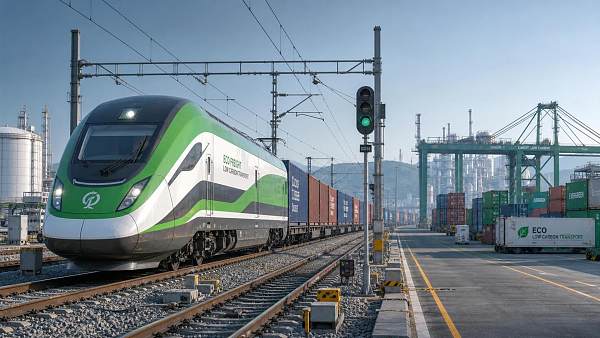
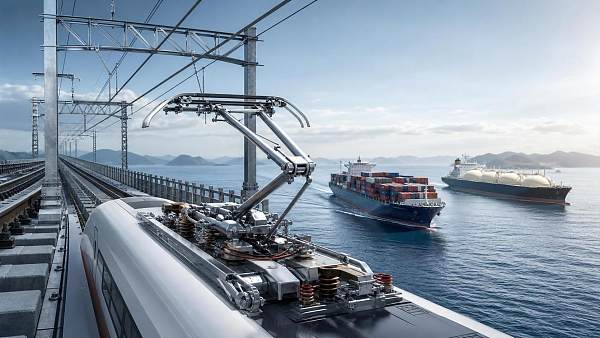
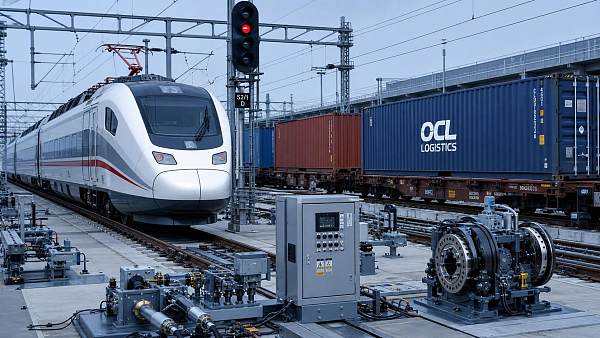
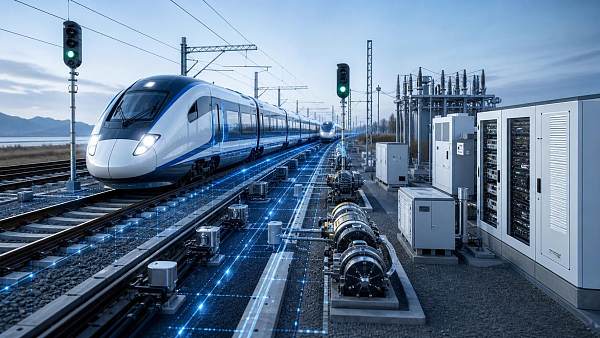
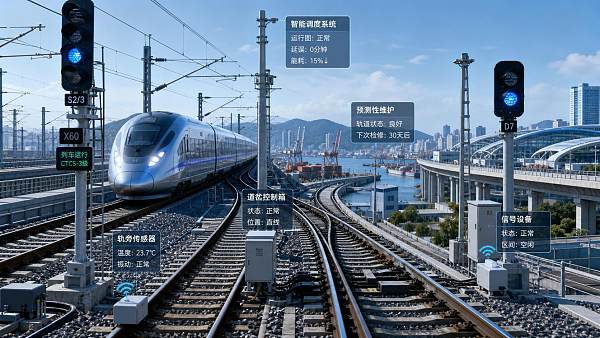
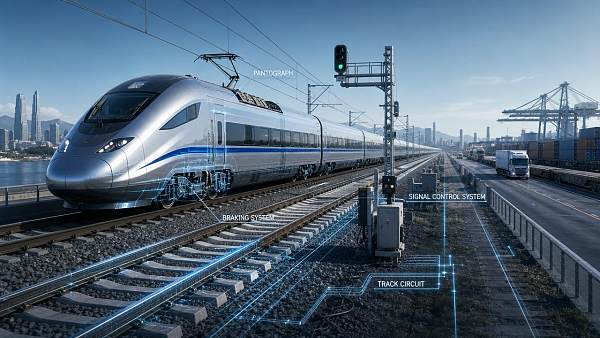
What makes this shift more serious is the nature of rail systems themselves. Signalling, pantographs, traction interfaces, and braking assemblies depend on tightly specified parts, certified suppliers, and long validation cycles. When one tier fails, the whole project can slow down.
For organizations assessing investment, procurement, or market entry, the topic is no longer abstract. Global supply chain challenges in rail infrastructure now shape contract structure, sourcing strategy, lifecycle cost, and the credibility of technical delivery plans.
Why 2026 feels different
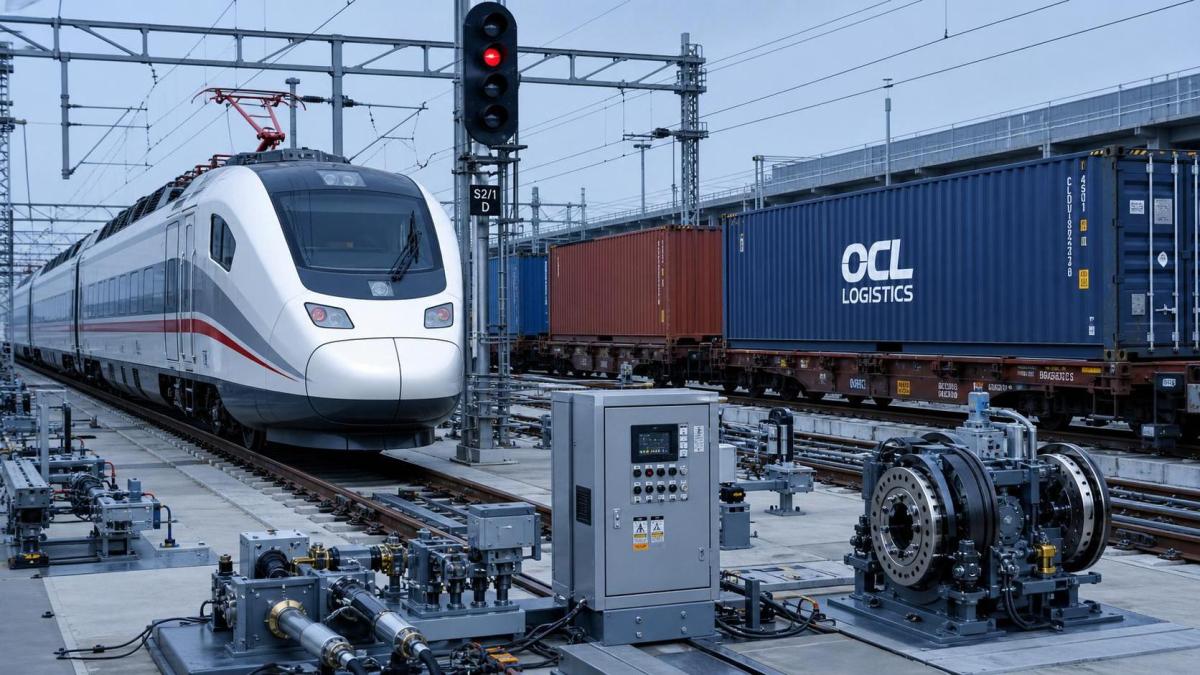
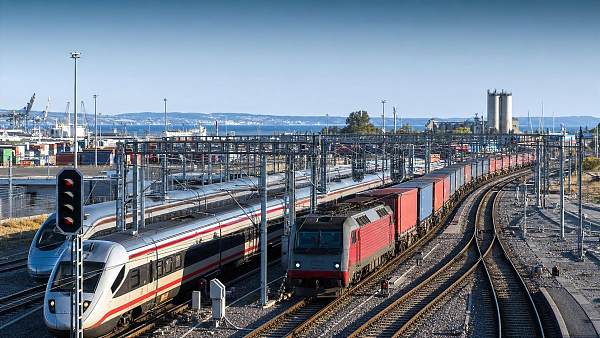
Rail demand remains strong, yet supply conditions are more fragmented. Major public transport programs continue, but components often travel through politically sensitive trade lanes, energy-cost swings, and stricter compliance environments before reaching final integration sites.
The most important change is that disruption is no longer limited to raw materials. It now appears in software-certified electronics, specialized alloys, semiconductors, insulation materials, logistics slots, and even approval documentation.
That combination makes global supply chain challenges in rail infrastructure harder to solve with simple buffer stock. Many critical components require exact compatibility, repeatable quality, and formal testing under recognized rail standards.
Where pressure concentrates in rail systems
Not every subsystem faces the same risk profile. In practice, exposure is usually highest where safety certification, material precision, and cross-border logistics meet.
This is why global supply chain challenges in rail infrastructure should be examined at subsystem level, not only at project level. A contract may appear balanced overall while hiding severe exposure inside a single critical package.
The wider logistics context behind rail bottlenecks
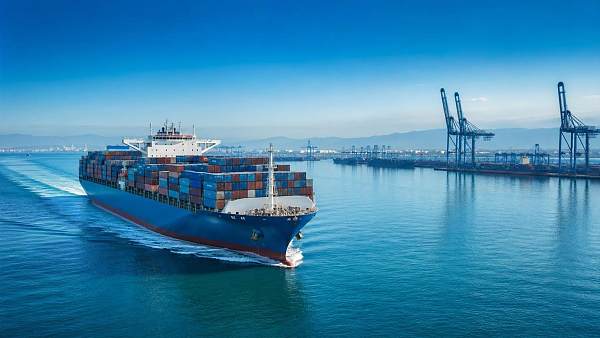
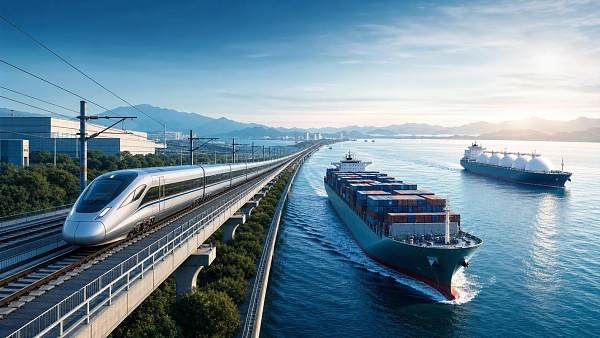
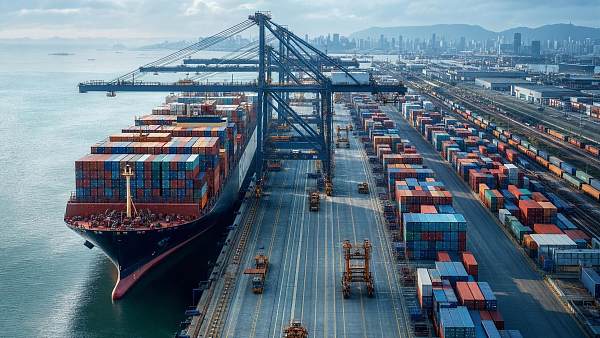
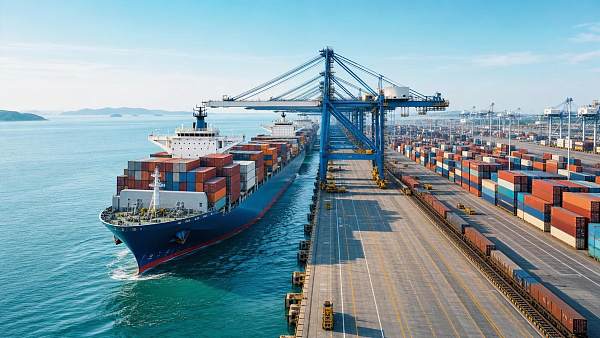
Rail projects do not operate in isolation. Their supply chains increasingly intersect with maritime shipping cycles, energy routing, and industrial competition for the same advanced manufacturing capacity.
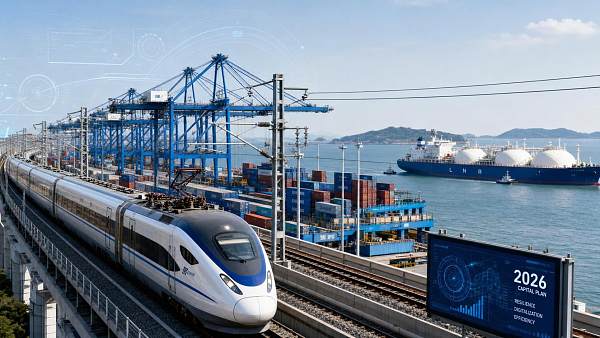
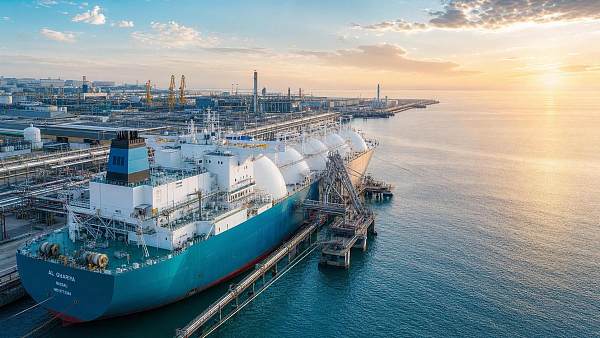
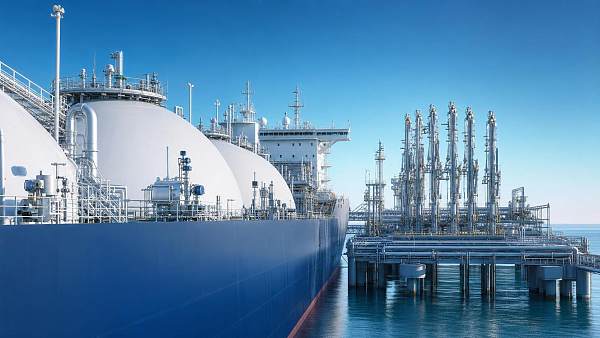
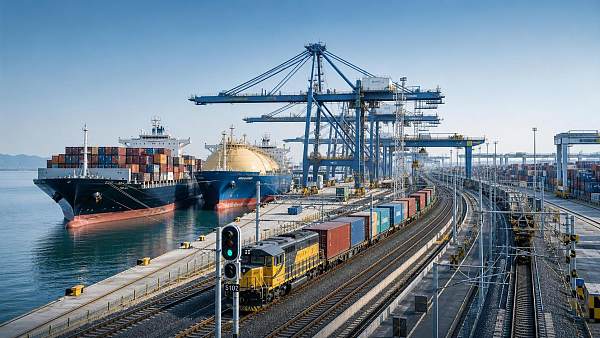
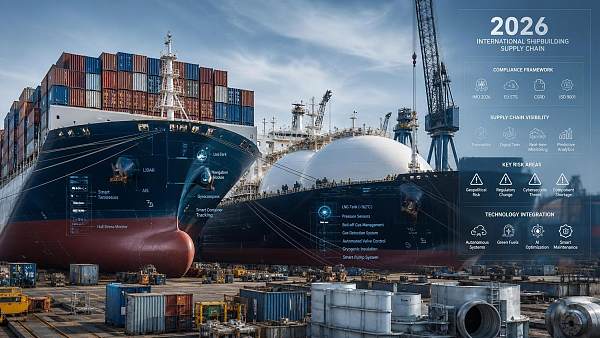
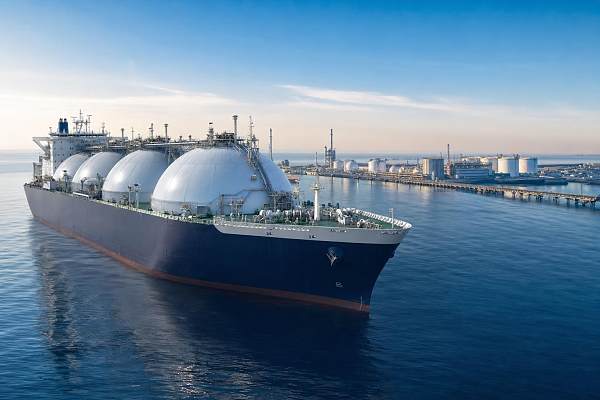
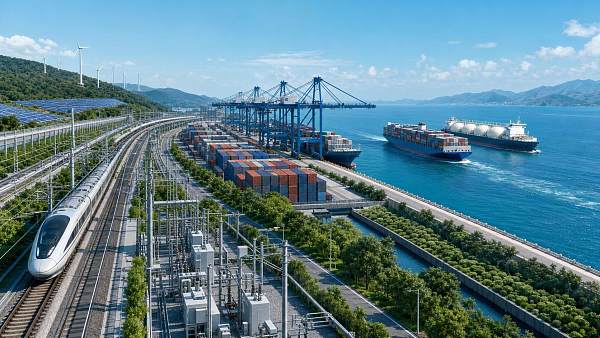
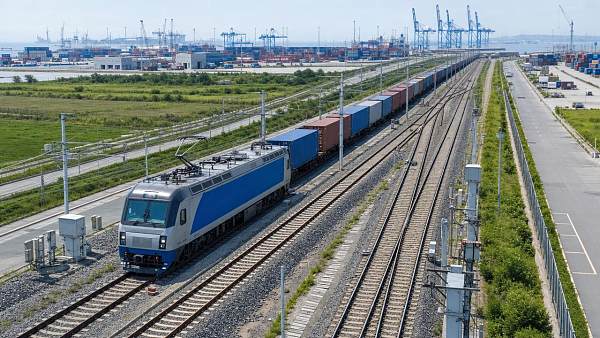
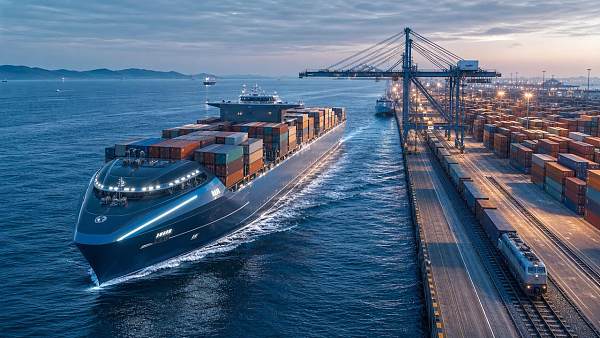
This is where a land-sea view becomes useful. GTOT’s market focus on railway signal control systems, pantographs, braking systems, smart container ships, and LNG carriers reflects a practical reality: port congestion, fuel economics, and vessel availability can influence rail component lead times.
For example, the same global logistics network moving cryogenic equipment, electronics, and marine control modules also carries rail subsystems. When shipping schedules tighten or insurance costs rise, rail infrastructure projects absorb those effects through delayed arrivals and higher landed cost.
Global supply chain challenges in rail infrastructure are therefore not only a rail story. They are part of a broader transport intelligence problem involving sourcing geography, freight reliability, customs friction, and strategic inventory positioning.
What deserves closer scrutiny in project evaluation
A useful evaluation framework starts by separating visible delays from structural weakness. A late shipment is inconvenient. A narrow supplier base with irreplaceable approvals is a deeper risk.
Supplier concentration and approval dependency
Many rail packages still rely on a small number of approved vendors. That is especially true for interlocking components, onboard control electronics, and precision braking subsystems.
If alternates exist only on paper, commercial resilience is overstated. The real question is whether substitute suppliers can pass performance, compatibility, and regulatory checks within the project timeline.
Lead-time inflation hidden in integration work
Lead time is not only factory time. It includes testing, documentation, software validation, interface checks, transport, and site acceptance. In 2026, these hidden layers often determine actual delivery readiness.
Compliance and traceability burdens
Trade controls, cybersecurity requirements, ESG disclosures, and origin verification now affect rail sourcing decisions. A cheaper source can become expensive if traceability records are weak or export conditions shift mid-project.
- Check whether critical parts have dual-source approval, not just dual-source intention.
- Review which components require revalidation after any material or software change.
- Map logistics routes, including transshipment risk and customs sensitivity.
- Test the schedule against realistic commissioning and documentation durations.
Business consequences beyond delivery dates
The immediate impact of global supply chain challenges in rail infrastructure is schedule slippage. The more lasting impact appears in asset performance, warranty exposure, and capital efficiency.
When sourcing becomes unstable, projects may accept partial substitutions, revised maintenance assumptions, or staggered integration. Those adjustments can raise lifecycle cost even if the headline procurement budget remains close to plan.
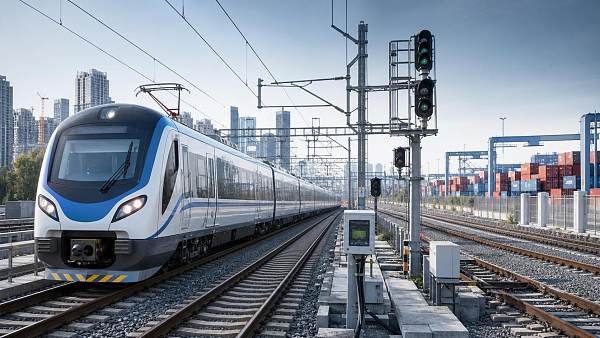
This matters particularly for high-speed and urban rail. A signalling delay can defer line opening. A pantograph quality issue can affect power collection consistency. A braking component shortage can postpone acceptance testing or reduce operational confidence.
In that sense, global supply chain challenges in rail infrastructure are also a performance-risk story. Procurement resilience and technical resilience increasingly need to be judged together.
How stronger decisions are being made
The better responses in 2026 are not based on stockpiling everything. They rely on sharper intelligence, earlier risk segmentation, and closer coordination between technical and commercial review.
That is why integrated market observation has become valuable. Platforms such as GTOT are relevant not because they promote equipment, but because they connect component-level rail knowledge with macro logistics signals, shipbuilding cycles, and international transport patterns.
A strong review process usually compares suppliers on four dimensions at once: compliance depth, manufacturing stability, logistics exposure, and substitution feasibility. Looking at price alone now produces a distorted picture.
A practical reading of the market ahead
The market is unlikely to return to the old assumption of effortless global sourcing. Some constraints will ease, but the structure of risk has changed permanently.
That means the most reliable opportunities in rail infrastructure may come from projects with disciplined technical specifications, transparent supplier ecosystems, and realistic logistics planning from the start.
Global supply chain challenges in rail infrastructure should therefore be treated as a filter for judgment. The key question is not whether disruption exists, but whether a project team has translated that reality into measurable sourcing and delivery logic.
A sensible next step is to review critical rail packages one by one, compare their approval and logistics exposure, and test cost assumptions against probable delay scenarios. That approach turns uncertainty into a clearer basis for action.
Recommended News
 Jul 19, 2026Transportation Infrastructure Trends Shaping Capital Planning in 2026Transportation infrastructure trends in 2026 are reshaping capital planning across rail, ports, and shipping. Discover how resilience, automation, and digital control are driving smarter investment decisions.
 Jul 12, 2026Gas Carrier Technology in the Middle East: 2026 OutlookGas carrier technology Middle East trends for 2026: explore LNG vessel innovation, propulsion, containment, and regional yard upgrades shaping smarter energy trade decisions.
 Jul 10, 2026Commercial Shipbuilding Technology Trends Shaping Newbuild Projects in 2026Commercial shipbuilding technology is reshaping 2026 newbuild projects with smarter vessels, fuel flexibility, digital twins, and earlier compliance planning. Explore the trends driving stronger ROI.
 Jul 08, 2026Rail Transit Systems Upgrade Trends Shaping 2026 Investment PlansRail transit systems in 2026 are shifting from expansion to smarter upgrades. Explore safety, automation, energy, and digital trends shaping resilient, high-value investment plans.
 Jul 06, 2026Cryogenic Shipping Systems Manufacturer Trends Shaping 2026 Fleet UpgradesCryogenic shipping systems manufacturer trends are reshaping 2026 fleet upgrades. Explore how digital monitoring, emissions control, and safer containment can improve vessel performance.
 Jul 05, 2026Smart Shipping Solutions for Fleet Management: 2026 Trends Shaping Vessel OperationsSmart shipping solutions for fleet management are redefining vessel operations in 2026. Explore trends in integration, compliance, fuel efficiency, and resilient fleet performance.
 Jul 04, 2026Digital Marine Decarbonization Technology: What Delivers Measurable GainsDigital marine decarbonization technology helps fleets cut fuel use, improve compliance, and boost vessel efficiency with measurable, data-driven gains. Learn what truly delivers value.
 Jul 03, 2026Global Rail Infrastructure Standards: 2026 Changes to WatchGlobal rail infrastructure standards are reshaping 2026 rail projects. Discover the key compliance, interoperability, cyber, and low-carbon changes that will impact bids and investment.
 Jul 02, 2026Global Trade Logistics North America Trends to Watch in 2026Global trade logistics North America in 2026 will be shaped by rail-ocean integration, smart routing, LNG demand, and measurable resilience. Discover the trends redefining reliability and trade advantage.
 Jun 30, 2026International Shipbuilding Suppliers: 2026 Sourcing Trends and Supply Chain RisksInternational shipbuilding suppliers face new 2026 sourcing risks, from compliance and digital integration to sub-tier bottlenecks. Explore key trends shaping cost, delivery, and resilience.
 Jun 27, 2026Heavy Industry Tech Trends Reshaping Equipment Investment in 2026Heavy industry tech is reshaping 2026 equipment investment across rail and maritime systems. Explore the five trends driving safer, smarter, higher-value capital decisions.
 Jun 25, 2026Decarbonization Trends Reshaping Rail and Marine Investment in 2026Decarbonization is reshaping rail and marine investment in 2026. Discover where capital is moving, which assets gain value, and how smarter transport upgrades improve resilience.
 Jun 23, 2026Global Rail Infrastructure Trends Shaping Capacity, Funding, and Delivery TimelinesGlobal rail infrastructure trends are redefining capacity, funding, and delivery timelines. Explore how data-driven planning and system readiness shape resilient, investable rail projects.
 Jun 22, 2026Maritime Logistics Trends in 2026: Capacity Shifts, Delays, and Margin PressureMaritime logistics in 2026 faces shifting capacity, persistent delays, and rising margin pressure. Explore key risks, lane-level signals, and smarter planning strategies.
 Jun 21, 2026LNG Carriers Technology Advancements: 5 Upgrades Reshaping Fleet PerformanceLNG carriers technology advancements are reshaping fleet performance through smarter containment, dual-fuel propulsion, digital monitoring, boil-off control, and automation—see the 5 upgrades driving safer, cleaner, more profitable LNG shipping.
 Jun 20, 2026Global Supply Chain Challenges in Rail Infrastructure in 2026Global supply chain challenges in rail infrastructure are redefining 2026 project risk. Discover where delays, compliance, and sourcing pressure hit hardest—and how smarter evaluation protects cost, delivery, and performance.
 Jun 20, 2026Full Digitalization in Rail: 7 Risks to Address Before ScalingFull digitalization in rail can boost safety, maintenance, and control—but only if key risks are managed. Explore 7 critical challenges to address before scaling network-wide.
 Jun 18, 2026Maritime Logistics Trends in 2026: Where Shipping Efficiency Is MovingMaritime logistics in 2026 is driven by AI routing, port connectivity, decarbonization, and asset visibility. Discover the trends redefining shipping efficiency and resilience.
 Jun 17, 2026Transportation Infrastructure Development Trends That Matter for Long-Term PlanningTransportation infrastructure development trends are reshaping rail, ports, shipping, and LNG networks. Explore the key signals for smarter long-term planning, resilience, and investment value.
 Jun 17, 2026Railway Automation Trends Shaping Safer, Smarter Networks in 2026Railway automation in 2026 is driving safer, smarter rail networks with predictive maintenance, integrated signaling, and higher capacity. Explore the trends shaping resilient transport.
 Jun 15, 2026Decarbonization in Rail Transportation: What Cuts Emissions First?Decarbonization in rail transportation starts with the fastest wins: traction optimization, regenerative braking, smarter signalling, and retrofit upgrades that cut emissions, costs, and risk.
 Jun 14, 2026Rail Infrastructure Investment: Cost vs Long-Term ReturnRail infrastructure investment is more than upfront cost. Discover how lifecycle planning, smarter systems, and reliable rail design can deliver stronger long-term returns.
 Jun 13, 2026Advanced Ocean-Going Vessels: Key Design Shifts in 2026Advanced ocean-going vessels in 2026 are redefining shipping with AI routing, fuel-flexible propulsion, and smarter port integration. See which design shifts drive resilience, efficiency, and long-term fleet value.
 Jun 12, 2026High-Speed Rail Technology Trends Shaping 2026 ProjectsHigh-speed rail technology is reshaping 2026 projects through smarter signaling, resilient traction, precision braking, and digital monitoring. Explore the trends driving safer, scalable, bankable rail delivery.