



Search News
Industry Portal
Popular Tags
Decarbonization in Rail Transportation: What Cuts Emissions First?
Author
Time
Click Count
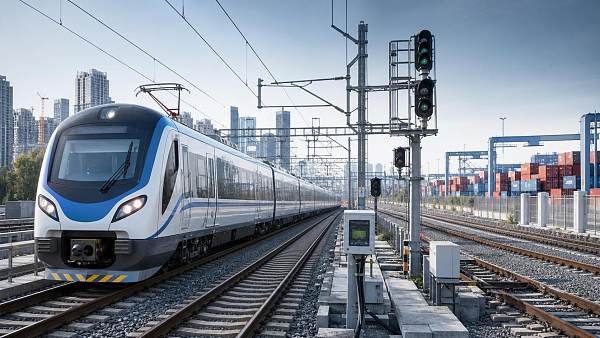
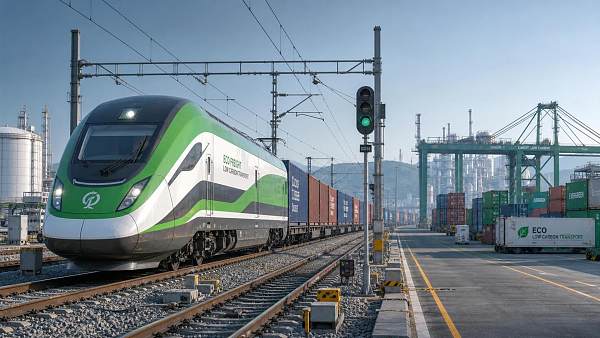
Decarbonization in rail transportation has moved from long-range ambition to near-term operating discipline. The biggest early emission cuts rarely come from futuristic breakthroughs alone. They often start with better use of traction power, smarter train control, lower losses at the current collection interface, and more disciplined asset renewal. For transport networks under pressure to improve reliability, safety, and carbon performance at the same time, the first question is not whether to decarbonize, but where the first practical gains appear.
Why the first cuts matter now
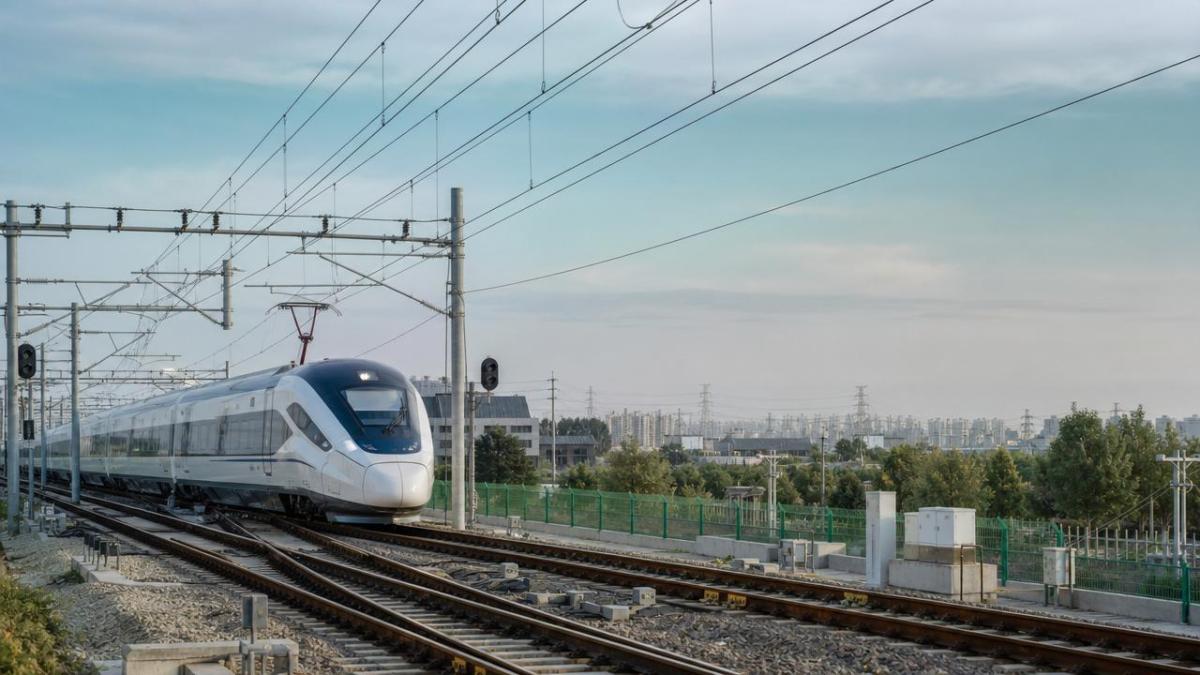
The rail sector already enjoys an efficiency advantage over many road and air alternatives. That advantage, however, does not guarantee low-carbon performance by itself.
Energy mix, traffic density, maintenance quality, and operating discipline all shape the real carbon outcome. A modern electric line can still waste significant power through avoidable losses.
This is why decarbonization in rail transportation attracts board-level attention. It touches energy cost, tender competitiveness, compliance exposure, and the credibility of infrastructure investment.
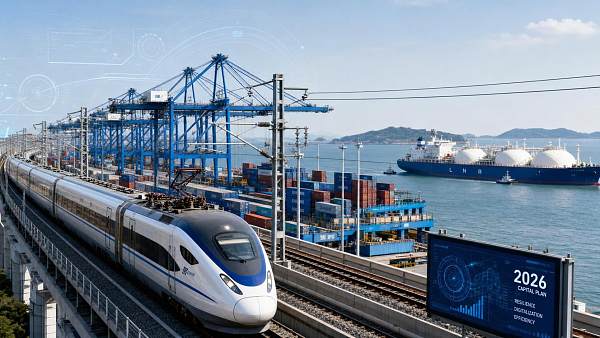
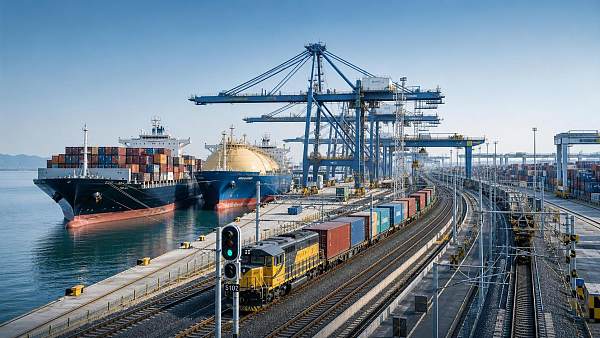
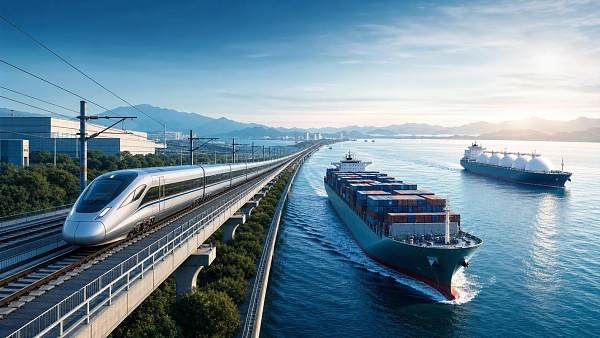
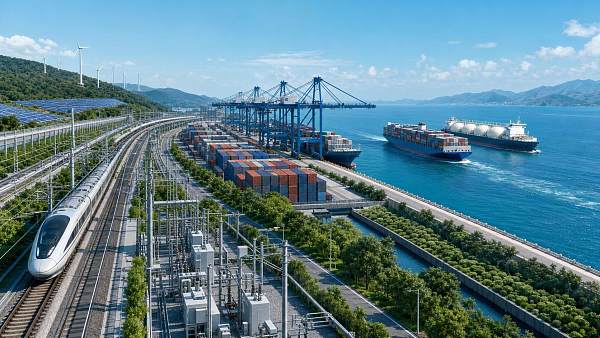
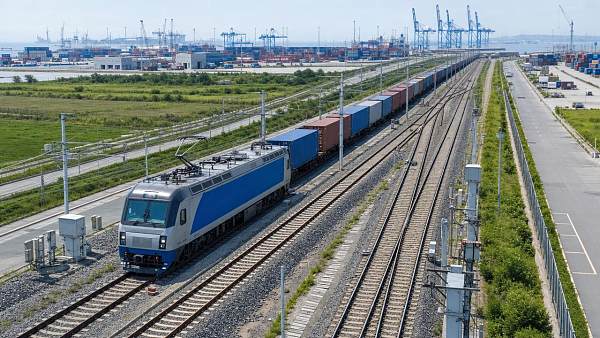
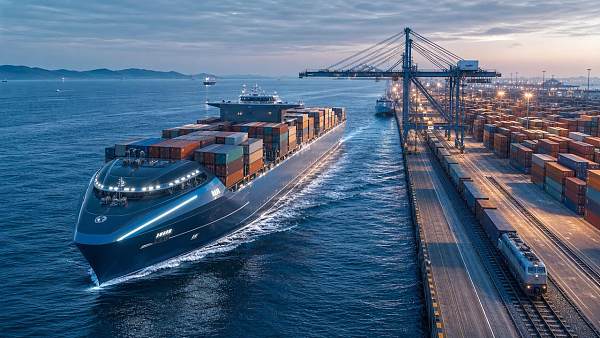
It also connects rail to a wider logistics story. Freight corridors, ports, smart vessels, and inland terminals increasingly share the same decarbonization expectations.
From that broader perspective, GTOT’s land-and-sea intelligence lens is useful. Rail emissions cannot be assessed in isolation when supply chains now depend on synchronized infrastructure, digital control, and energy efficiency across modes.
What decarbonization in rail transportation really includes
In practice, decarbonization in rail transportation is not limited to changing the power source. It covers the full operating chain that determines how much energy a train actually consumes.
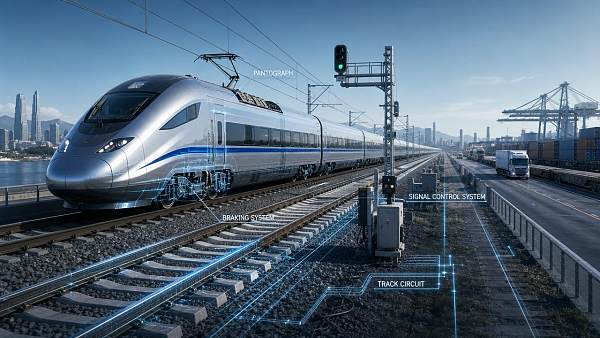
That chain starts with timetable design and train handling. It extends through signalling, traction systems, pantographs, braking, onboard electronics, and maintenance cycles.
It also includes embedded carbon in major equipment renewal. Replacing assets too early can erase operational gains, while replacing them too late may lock in avoidable losses.
A useful way to think about the topic is simple: first reduce energy waste, then optimize energy use, then decarbonize the remaining energy supply as deeply as possible.
Where emissions usually fall first
The earliest reductions often come from technologies and practices that are already proven. They do not always look dramatic, but they scale quickly.
1. Smarter traction power management
Traction power is typically the largest operating energy load. Small improvements here create system-wide carbon benefits.
Driver advisory systems, automated speed profiles, and more stable power demand can cut unnecessary acceleration peaks. They also reduce stress on substations and overhead infrastructure.
2. Regenerative braking that is actually captured
Braking systems matter twice. They protect safety, and they influence how much kinetic energy is recovered instead of wasted as heat.
The key issue is not whether regenerative braking exists, but whether the network can absorb and reuse that energy in real operation.
3. Signalling that supports efficient flow
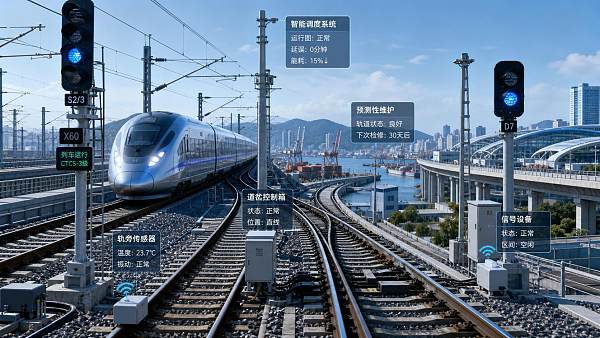
Railway signal control systems are often treated as safety assets only. In reality, they are also energy assets.
When signalling reduces stop-start movement, improves headways, and supports more predictable train paths, carbon intensity per trip can fall without changing rolling stock.
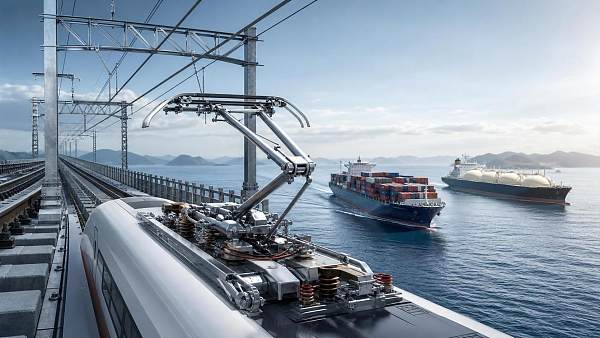
4. Lower losses at the pantograph-catenary interface
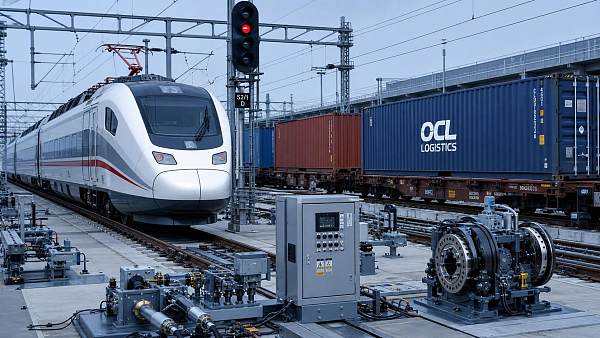
At high speed, current collection stability is not just a reliability issue. Poor contact quality raises losses, wear, and maintenance demand.
Advanced pantograph design, better aerodynamic performance, and tighter monitoring help preserve efficiency where power meets motion.
5. Lifecycle upgrades before full fleet replacement
Complete fleet renewal may deliver strong results, but it demands capital and time. Interim retrofits often reduce emissions faster.
Examples include converter upgrades, lightweight component substitution, improved thermal management, and digital energy monitoring.
A practical view of priority areas
Not every measure delivers the same speed, cost profile, or organizational burden. A simple comparison helps frame early decisions.
Why control systems deserve more attention
In many rail strategies, rolling stock receives most of the visibility. Yet signalling and control frequently shape the quality of energy use more than expected.
A SIL4-grade signalling environment is designed for safe high-density operation. When combined with automation and better traffic management, it also supports lower-energy movement.
This matters on congested passenger corridors and mixed-use freight routes alike. Fewer unnecessary braking events mean less wasted momentum and less network friction.
For organizations assessing decarbonization in rail transportation, control architecture should be treated as part of the emissions conversation, not a separate engineering topic.
The business case extends beyond carbon reporting
The strongest decarbonization programs usually succeed because they solve more than one problem at once.
A better pantograph can improve power stability, extend maintenance intervals, and support speed consistency. An upgraded braking package can improve energy recovery and stopping precision together.
That is why decarbonization in rail transportation now intersects with procurement, financing, and long-term infrastructure planning. Carbon reduction is more persuasive when tied to uptime, asset value, and network capacity.
This is also where GTOT’s intelligence model fits naturally. Cross-reading rail components, transport investment cycles, and wider logistics trends helps identify which low-carbon upgrades are technically credible and commercially resilient.
How to judge where to act first
A strong starting point is not the most visible technology. It is the measure that combines measurable carbon impact with manageable operational disruption.
- Map energy use by route, train type, and dwell pattern before setting investment priorities.
- Separate direct traction savings from network-level savings created by better signalling and traffic flow.
- Check whether regenerative braking energy is reused, exported, stored, or simply dissipated.
- Evaluate pantograph, braking, and control upgrades as an operating system, not as isolated parts.
- Include maintenance burden, spare parts exposure, and retrofit downtime in the carbon decision.
- Use lifecycle logic so that emission cuts are not achieved by creating hidden replacement inefficiencies.
Usually, the winning sequence is clear after that review. Quick operational gains come first, then targeted equipment upgrades, then larger infrastructure or energy supply transitions.
What comes next for decision frameworks
The next phase of decarbonization in rail transportation will be less about broad pledges and more about proof. Which interventions cut emissions per train-kilometer fastest? Which upgrades protect reliability under heavier traffic?
The most useful answers will come from integrated data, not isolated claims. Energy draw, braking recovery, traffic smoothness, component wear, and carbon intensity should be read together.
That approach also strengthens comparisons across transport chains. Rail corridors linked to ports, smart container flows, and energy shipping increasingly compete on total logistics efficiency, not single-asset performance.
A practical next step is to build a ranked list of emission levers by speed of impact, capital intensity, and system dependency. That creates a clearer basis for screening suppliers, timing retrofits, and setting measurable decarbonization milestones.
Recommended News
 Jul 19, 2026Transportation Infrastructure Trends Shaping Capital Planning in 2026Transportation infrastructure trends in 2026 are reshaping capital planning across rail, ports, and shipping. Discover how resilience, automation, and digital control are driving smarter investment decisions.
 Jul 12, 2026Gas Carrier Technology in the Middle East: 2026 OutlookGas carrier technology Middle East trends for 2026: explore LNG vessel innovation, propulsion, containment, and regional yard upgrades shaping smarter energy trade decisions.
 Jul 10, 2026Commercial Shipbuilding Technology Trends Shaping Newbuild Projects in 2026Commercial shipbuilding technology is reshaping 2026 newbuild projects with smarter vessels, fuel flexibility, digital twins, and earlier compliance planning. Explore the trends driving stronger ROI.
 Jul 08, 2026Rail Transit Systems Upgrade Trends Shaping 2026 Investment PlansRail transit systems in 2026 are shifting from expansion to smarter upgrades. Explore safety, automation, energy, and digital trends shaping resilient, high-value investment plans.
 Jul 06, 2026Cryogenic Shipping Systems Manufacturer Trends Shaping 2026 Fleet UpgradesCryogenic shipping systems manufacturer trends are reshaping 2026 fleet upgrades. Explore how digital monitoring, emissions control, and safer containment can improve vessel performance.
 Jul 05, 2026Smart Shipping Solutions for Fleet Management: 2026 Trends Shaping Vessel OperationsSmart shipping solutions for fleet management are redefining vessel operations in 2026. Explore trends in integration, compliance, fuel efficiency, and resilient fleet performance.
 Jul 04, 2026Digital Marine Decarbonization Technology: What Delivers Measurable GainsDigital marine decarbonization technology helps fleets cut fuel use, improve compliance, and boost vessel efficiency with measurable, data-driven gains. Learn what truly delivers value.
 Jul 03, 2026Global Rail Infrastructure Standards: 2026 Changes to WatchGlobal rail infrastructure standards are reshaping 2026 rail projects. Discover the key compliance, interoperability, cyber, and low-carbon changes that will impact bids and investment.
 Jul 02, 2026Global Trade Logistics North America Trends to Watch in 2026Global trade logistics North America in 2026 will be shaped by rail-ocean integration, smart routing, LNG demand, and measurable resilience. Discover the trends redefining reliability and trade advantage.
 Jun 30, 2026International Shipbuilding Suppliers: 2026 Sourcing Trends and Supply Chain RisksInternational shipbuilding suppliers face new 2026 sourcing risks, from compliance and digital integration to sub-tier bottlenecks. Explore key trends shaping cost, delivery, and resilience.
 Jun 27, 2026Heavy Industry Tech Trends Reshaping Equipment Investment in 2026Heavy industry tech is reshaping 2026 equipment investment across rail and maritime systems. Explore the five trends driving safer, smarter, higher-value capital decisions.
 Jun 25, 2026Decarbonization Trends Reshaping Rail and Marine Investment in 2026Decarbonization is reshaping rail and marine investment in 2026. Discover where capital is moving, which assets gain value, and how smarter transport upgrades improve resilience.
 Jun 23, 2026Global Rail Infrastructure Trends Shaping Capacity, Funding, and Delivery TimelinesGlobal rail infrastructure trends are redefining capacity, funding, and delivery timelines. Explore how data-driven planning and system readiness shape resilient, investable rail projects.
 Jun 22, 2026Maritime Logistics Trends in 2026: Capacity Shifts, Delays, and Margin PressureMaritime logistics in 2026 faces shifting capacity, persistent delays, and rising margin pressure. Explore key risks, lane-level signals, and smarter planning strategies.
 Jun 21, 2026LNG Carriers Technology Advancements: 5 Upgrades Reshaping Fleet PerformanceLNG carriers technology advancements are reshaping fleet performance through smarter containment, dual-fuel propulsion, digital monitoring, boil-off control, and automation—see the 5 upgrades driving safer, cleaner, more profitable LNG shipping.
 Jun 20, 2026Global Supply Chain Challenges in Rail Infrastructure in 2026Global supply chain challenges in rail infrastructure are redefining 2026 project risk. Discover where delays, compliance, and sourcing pressure hit hardest—and how smarter evaluation protects cost, delivery, and performance.
 Jun 20, 2026Full Digitalization in Rail: 7 Risks to Address Before ScalingFull digitalization in rail can boost safety, maintenance, and control—but only if key risks are managed. Explore 7 critical challenges to address before scaling network-wide.
 Jun 18, 2026Maritime Logistics Trends in 2026: Where Shipping Efficiency Is MovingMaritime logistics in 2026 is driven by AI routing, port connectivity, decarbonization, and asset visibility. Discover the trends redefining shipping efficiency and resilience.
 Jun 17, 2026Transportation Infrastructure Development Trends That Matter for Long-Term PlanningTransportation infrastructure development trends are reshaping rail, ports, shipping, and LNG networks. Explore the key signals for smarter long-term planning, resilience, and investment value.
 Jun 17, 2026Railway Automation Trends Shaping Safer, Smarter Networks in 2026Railway automation in 2026 is driving safer, smarter rail networks with predictive maintenance, integrated signaling, and higher capacity. Explore the trends shaping resilient transport.
 Jun 15, 2026Decarbonization in Rail Transportation: What Cuts Emissions First?Decarbonization in rail transportation starts with the fastest wins: traction optimization, regenerative braking, smarter signalling, and retrofit upgrades that cut emissions, costs, and risk.
 Jun 14, 2026Rail Infrastructure Investment: Cost vs Long-Term ReturnRail infrastructure investment is more than upfront cost. Discover how lifecycle planning, smarter systems, and reliable rail design can deliver stronger long-term returns.
 Jun 13, 2026Advanced Ocean-Going Vessels: Key Design Shifts in 2026Advanced ocean-going vessels in 2026 are redefining shipping with AI routing, fuel-flexible propulsion, and smarter port integration. See which design shifts drive resilience, efficiency, and long-term fleet value.
 Jun 12, 2026High-Speed Rail Technology Trends Shaping 2026 ProjectsHigh-speed rail technology is reshaping 2026 projects through smarter signaling, resilient traction, precision braking, and digital monitoring. Explore the trends driving safer, scalable, bankable rail delivery.