



Search News
Industry Portal
Popular Tags
International Shipbuilding Suppliers: 2026 Sourcing Trends and Supply Chain Risks
Author
Time
Click Count
Why 2026 Looks Different for International Shipbuilding Suppliers
International shipbuilding suppliers are entering 2026 with less room for routine sourcing decisions and more pressure to read weak signals early.
Trade lanes are shifting, vessel specifications are tightening, and delivery promises now depend on engineering depth as much as price discipline.
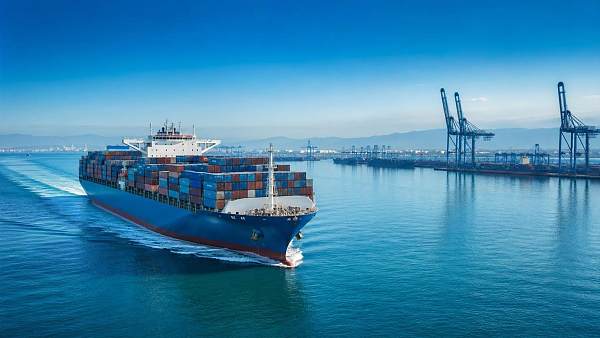
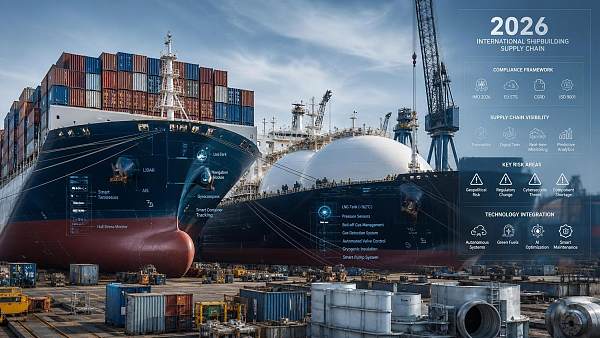
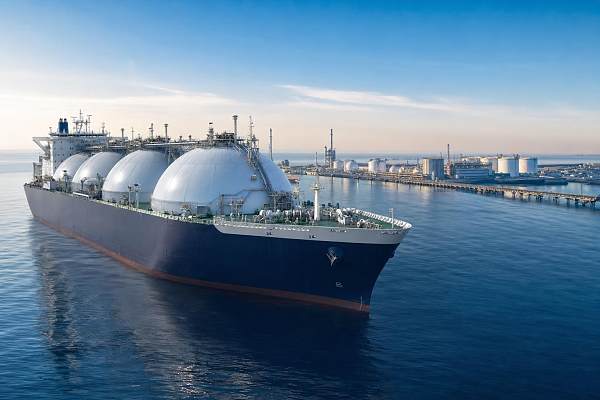
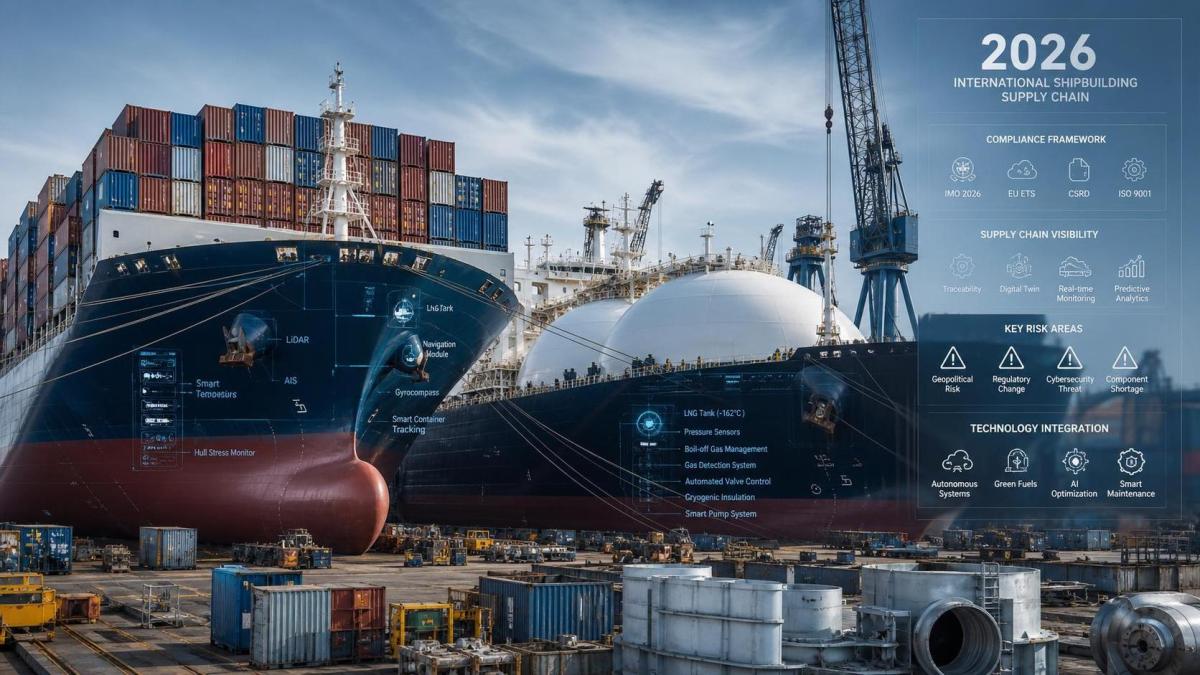
That change is especially visible in smart container ships, LNG carriers, and connected onboard systems, where component risk can quickly become schedule risk.
The larger point is not only maritime. Across global transport, resilience is being judged at system level.
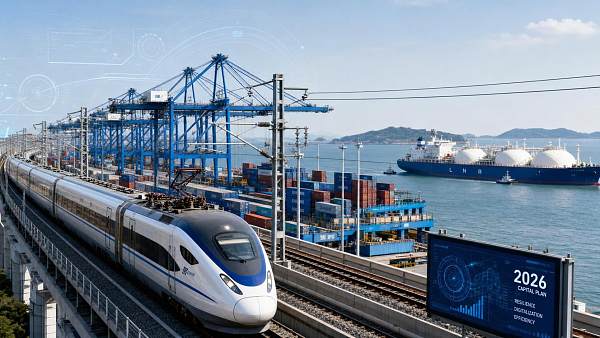
GTOT has long framed land and sea infrastructure as one strategic network, linking rail control logic, traction reliability, and ocean vessel intelligence.
That perspective matters now because the same forces shaping advanced rail equipment also affect international shipbuilding suppliers: automation, safety, compliance, and decarbonization.
In practical terms, 2026 sourcing will reward those who can connect technical qualification, regional supply visibility, and lifecycle support before contract execution begins.
The New Signals Are Coming from Specification Sheets, Not Headlines
From recent project activity, the strongest signal is specification drift.
Buyers are no longer reviewing international shipbuilding suppliers only on manufacturing capacity or shipment history.
They are asking whether suppliers can support digital vessel architecture, emissions reporting, cybersecurity interfaces, and class-driven retrofit pathways.
This is why supplier qualification is becoming narrower even while global demand remains broad.
A valve, navigation module, insulation material, propulsion subassembly, or cargo monitoring component may look substitutable on paper.
In live projects, that assumption often fails once software compatibility, certification records, or thermal performance data are examined.
For international shipbuilding suppliers, the market is moving away from simple part fulfillment toward evidence-backed systems participation.
What is pushing this shift
- Decarbonization targets are changing equipment choices earlier in vessel design.
- Smart ship functions require tighter integration between hardware, sensors, and control platforms.
- Compliance reviews now reach deeper into source materials, testing records, and traceability.
- Geopolitical fragmentation is raising the cost of overdependence on a small regional supplier base.
- Shipyards want fewer late-stage substitutions because reapproval cycles are slowing delivery.
More noticeably, these pressures are reinforcing each other.
Once a project includes dual-fuel propulsion, smart routing, or advanced containment demands, sourcing complexity rises across the full vessel package.
Supplier Concentration Is Becoming a Strategic Risk
One of the least discussed issues in the international shipbuilding suppliers market is concentration hidden behind broad supplier lists.
A project may appear diversified at vendor level while relying on a narrow set of sub-tier producers for castings, cryogenic materials, power electronics, or marine automation boards.
That creates a fragile sourcing structure.
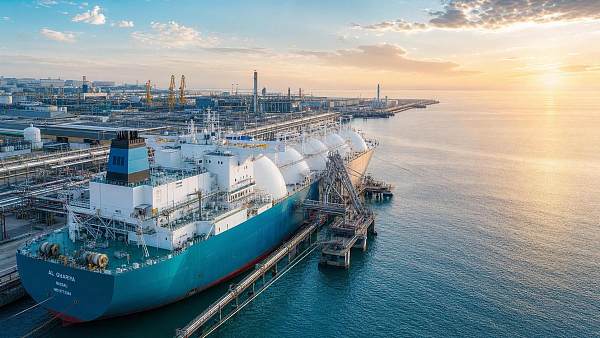
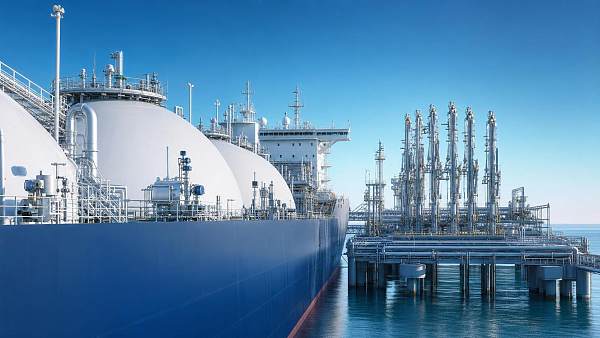
LNG carriers show this clearly. Membrane containment systems, insulation performance, cargo handling reliability, and dual-fuel propulsion all depend on specialized technical ecosystems.
A delay at one certified node can disrupt commissioning across the vessel.
The same pattern is appearing in smart container ships, where software-linked hardware cannot always be replaced with generic alternatives.
For international shipbuilding suppliers, visibility into sub-tier exposure is becoming commercially valuable, not just operationally useful.
Compliance Pressure Now Reaches Deeper into the Supply Chain
Another important shift is that compliance is no longer confined to final vessel certification.
International shipbuilding suppliers are increasingly assessed on documentation quality, emissions relevance, cyber readiness, and traceability discipline.
This changes competitive positioning.
A supplier with moderate pricing but strong verification records may now outperform a lower-cost competitor with unclear material lineage or weak interface control.
That logic is familiar in advanced rail systems.
GTOT’s coverage of SIL4 signaling, braking precision, and high-speed traction reliability reflects the same principle: technical credibility depends on proof, not claims.
In shipbuilding, the proof set now extends from factory acceptance to data architecture and lifecycle reporting.
Where compliance pressure is tightening fastest
- Alternative fuel systems and associated safety documentation.
- Digital navigation, monitoring, and remote diagnostic interfaces.
- Critical materials with origin, testing, and environmental reporting requirements.
- Retrofit packages where old and new subsystems must coexist reliably.
This also means international shipbuilding suppliers need stronger internal coordination between engineering, quality, and commercial teams.
Without that alignment, bid responsiveness may look strong while execution risk remains hidden.
Impact Is Spreading Across Cost, Delivery, and Asset Strategy
The effects of these sourcing shifts do not stay inside procurement files.
They shape vessel design flexibility, financing confidence, operational uptime, and even future resale positioning.
A cheaper package from international shipbuilding suppliers can become expensive if it narrows upgrade pathways or creates recurring approval friction.
In actual deployment, four impacts are becoming easier to see.
- Lead times are less predictable because approval cycles now matter as much as factory output.
- Cost comparisons are shifting from unit price toward total integration and support expense.
- Digital vessel ambitions can stall if suppliers lack stable interface governance.
- Long-life assets need sourcing choices that remain defensible through retrofit cycles.
That last point deserves attention.
International shipbuilding suppliers are increasingly being judged on whether their components fit a future operating model, not just the current build plan.
This is one reason intelligence platforms with cross-sector visibility are gaining value.
When maritime and rail sectors both move toward higher automation, electrification logic, and safety documentation, useful patterns emerge earlier.
What to Watch Before the Market Tightens Further
The next phase will probably not be defined by a single disruption.
It will be defined by overlapping frictions that make late decisions harder to recover from.
For that reason, the most useful question is not which international shipbuilding suppliers are cheapest today.
It is which ones remain technically viable under changing route economics, regulatory scrutiny, and digital operating expectations.
Priority checks for 2026 planning
- Map critical components to sub-tier dependency, not only direct supplier names.
- Test whether certification evidence can support substitutions without major delay.
- Review software and data interface obligations early in technical evaluation.
- Separate low-risk commodity sourcing from high-consequence engineered packages.
- Track regional policy signals that could affect marine electronics or fuel-system equipment.
This is also where GTOT’s broader transport intelligence model becomes relevant.
The same discipline used to evaluate railway signal control, pantograph stability, and braking reliability can sharpen supplier judgment in advanced shipbuilding.
The objective is not to add complexity. It is to reduce blind spots before capital is committed.
A Practical Direction for the Next Sourcing Cycle
By 2026, international shipbuilding suppliers will compete on resilience, documentation strength, integration readiness, and long-horizon serviceability.
Price will still matter, but it will matter inside a narrower band of technically trusted options.
That is the deeper market shift.
The immediate task is to build a clearer view of supplier concentration, compliance depth, and future upgrade compatibility across vessel programs.
Those who act early can compare international shipbuilding suppliers on the factors that truly affect delivery certainty and asset value.
Those who wait may find that available options look broad, yet practical choices have already narrowed.
A sensible next step is to establish a staged review of critical equipment categories, trace key standards changes, and test sourcing assumptions against likely disruption scenarios.
That kind of disciplined review is now less about caution and more about staying competitive in a faster, stricter maritime market.
Recommended News
 Jul 19, 2026Transportation Infrastructure Trends Shaping Capital Planning in 2026Transportation infrastructure trends in 2026 are reshaping capital planning across rail, ports, and shipping. Discover how resilience, automation, and digital control are driving smarter investment decisions.
 Jul 12, 2026Gas Carrier Technology in the Middle East: 2026 OutlookGas carrier technology Middle East trends for 2026: explore LNG vessel innovation, propulsion, containment, and regional yard upgrades shaping smarter energy trade decisions.
 Jul 10, 2026Commercial Shipbuilding Technology Trends Shaping Newbuild Projects in 2026Commercial shipbuilding technology is reshaping 2026 newbuild projects with smarter vessels, fuel flexibility, digital twins, and earlier compliance planning. Explore the trends driving stronger ROI.
 Jul 08, 2026Rail Transit Systems Upgrade Trends Shaping 2026 Investment PlansRail transit systems in 2026 are shifting from expansion to smarter upgrades. Explore safety, automation, energy, and digital trends shaping resilient, high-value investment plans.
 Jul 06, 2026Cryogenic Shipping Systems Manufacturer Trends Shaping 2026 Fleet UpgradesCryogenic shipping systems manufacturer trends are reshaping 2026 fleet upgrades. Explore how digital monitoring, emissions control, and safer containment can improve vessel performance.
 Jul 05, 2026Smart Shipping Solutions for Fleet Management: 2026 Trends Shaping Vessel OperationsSmart shipping solutions for fleet management are redefining vessel operations in 2026. Explore trends in integration, compliance, fuel efficiency, and resilient fleet performance.
 Jul 04, 2026Digital Marine Decarbonization Technology: What Delivers Measurable GainsDigital marine decarbonization technology helps fleets cut fuel use, improve compliance, and boost vessel efficiency with measurable, data-driven gains. Learn what truly delivers value.
 Jul 03, 2026Global Rail Infrastructure Standards: 2026 Changes to WatchGlobal rail infrastructure standards are reshaping 2026 rail projects. Discover the key compliance, interoperability, cyber, and low-carbon changes that will impact bids and investment.
 Jul 02, 2026Global Trade Logistics North America Trends to Watch in 2026Global trade logistics North America in 2026 will be shaped by rail-ocean integration, smart routing, LNG demand, and measurable resilience. Discover the trends redefining reliability and trade advantage.
 Jun 30, 2026International Shipbuilding Suppliers: 2026 Sourcing Trends and Supply Chain RisksInternational shipbuilding suppliers face new 2026 sourcing risks, from compliance and digital integration to sub-tier bottlenecks. Explore key trends shaping cost, delivery, and resilience.
 Jun 27, 2026Heavy Industry Tech Trends Reshaping Equipment Investment in 2026Heavy industry tech is reshaping 2026 equipment investment across rail and maritime systems. Explore the five trends driving safer, smarter, higher-value capital decisions.
 Jun 25, 2026Decarbonization Trends Reshaping Rail and Marine Investment in 2026Decarbonization is reshaping rail and marine investment in 2026. Discover where capital is moving, which assets gain value, and how smarter transport upgrades improve resilience.
 Jun 23, 2026Global Rail Infrastructure Trends Shaping Capacity, Funding, and Delivery TimelinesGlobal rail infrastructure trends are redefining capacity, funding, and delivery timelines. Explore how data-driven planning and system readiness shape resilient, investable rail projects.
 Jun 22, 2026Maritime Logistics Trends in 2026: Capacity Shifts, Delays, and Margin PressureMaritime logistics in 2026 faces shifting capacity, persistent delays, and rising margin pressure. Explore key risks, lane-level signals, and smarter planning strategies.
 Jun 21, 2026LNG Carriers Technology Advancements: 5 Upgrades Reshaping Fleet PerformanceLNG carriers technology advancements are reshaping fleet performance through smarter containment, dual-fuel propulsion, digital monitoring, boil-off control, and automation—see the 5 upgrades driving safer, cleaner, more profitable LNG shipping.
 Jun 20, 2026Global Supply Chain Challenges in Rail Infrastructure in 2026Global supply chain challenges in rail infrastructure are redefining 2026 project risk. Discover where delays, compliance, and sourcing pressure hit hardest—and how smarter evaluation protects cost, delivery, and performance.
 Jun 20, 2026Full Digitalization in Rail: 7 Risks to Address Before ScalingFull digitalization in rail can boost safety, maintenance, and control—but only if key risks are managed. Explore 7 critical challenges to address before scaling network-wide.
 Jun 18, 2026Maritime Logistics Trends in 2026: Where Shipping Efficiency Is MovingMaritime logistics in 2026 is driven by AI routing, port connectivity, decarbonization, and asset visibility. Discover the trends redefining shipping efficiency and resilience.
 Jun 17, 2026Transportation Infrastructure Development Trends That Matter for Long-Term PlanningTransportation infrastructure development trends are reshaping rail, ports, shipping, and LNG networks. Explore the key signals for smarter long-term planning, resilience, and investment value.
 Jun 17, 2026Railway Automation Trends Shaping Safer, Smarter Networks in 2026Railway automation in 2026 is driving safer, smarter rail networks with predictive maintenance, integrated signaling, and higher capacity. Explore the trends shaping resilient transport.
 Jun 15, 2026Decarbonization in Rail Transportation: What Cuts Emissions First?Decarbonization in rail transportation starts with the fastest wins: traction optimization, regenerative braking, smarter signalling, and retrofit upgrades that cut emissions, costs, and risk.
 Jun 14, 2026Rail Infrastructure Investment: Cost vs Long-Term ReturnRail infrastructure investment is more than upfront cost. Discover how lifecycle planning, smarter systems, and reliable rail design can deliver stronger long-term returns.
 Jun 13, 2026Advanced Ocean-Going Vessels: Key Design Shifts in 2026Advanced ocean-going vessels in 2026 are redefining shipping with AI routing, fuel-flexible propulsion, and smarter port integration. See which design shifts drive resilience, efficiency, and long-term fleet value.
 Jun 12, 2026High-Speed Rail Technology Trends Shaping 2026 ProjectsHigh-speed rail technology is reshaping 2026 projects through smarter signaling, resilient traction, precision braking, and digital monitoring. Explore the trends driving safer, scalable, bankable rail delivery.