



Search News
Industry Portal
Popular Tags
Decarbonization in Rail Transportation: Practical Upgrade Paths
Author
Time
Click Count
Decarbonization in Rail Transportation: Practical Upgrade Paths
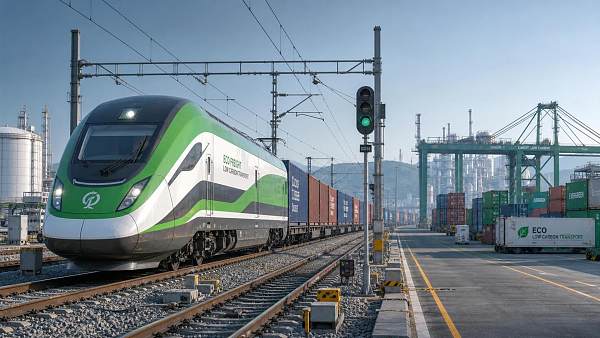
Decarbonization in rail transportation is no longer a distant policy ambition. It is now an engineering, financing, and asset-management challenge.
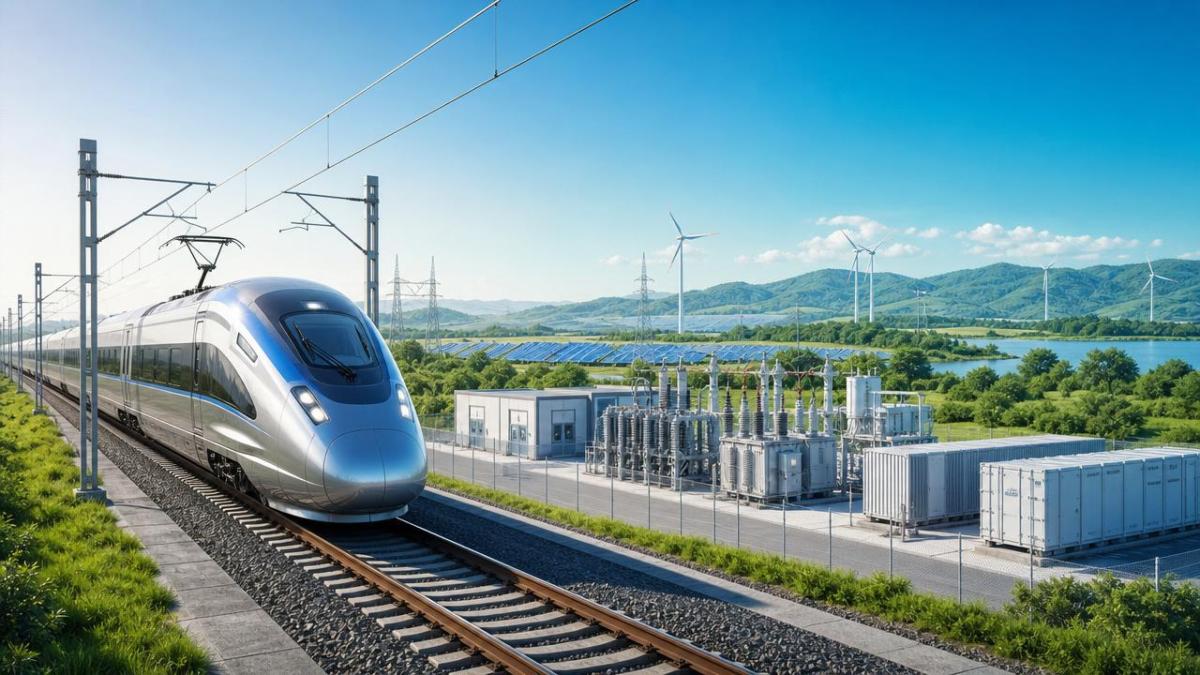
Rail networks must cut emissions while protecting safety, capacity, punctuality, and lifecycle value across demanding operating conditions.
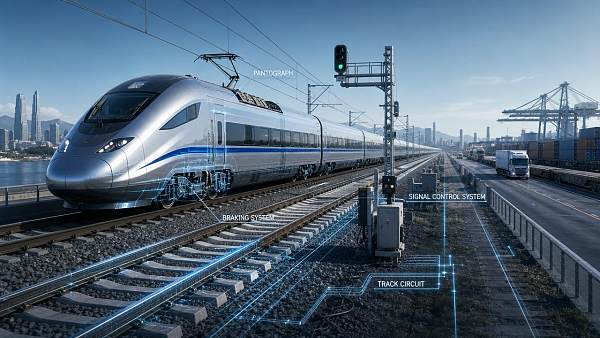
Practical progress depends on coordinated upgrades in traction power, braking, signaling, maintenance, and data-led operational control.
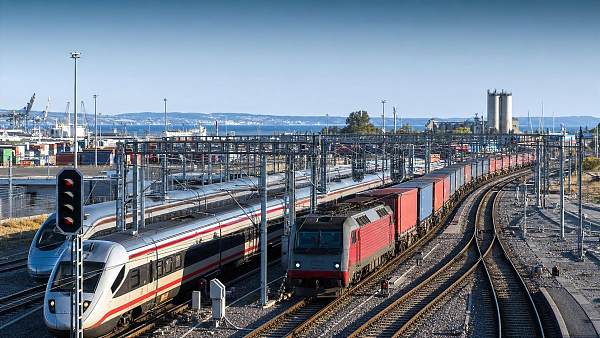
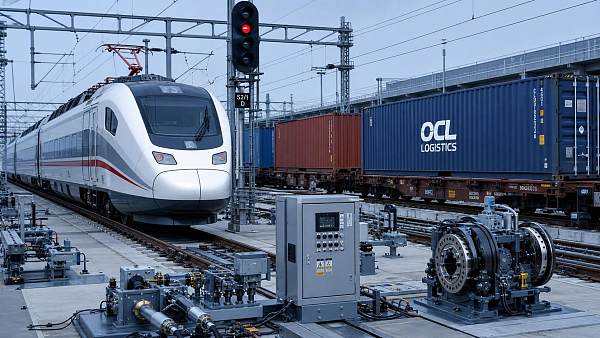
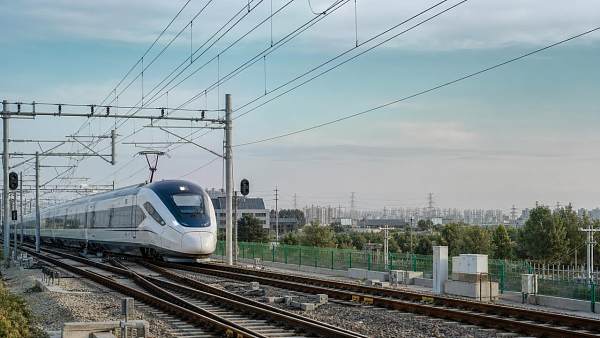
For GTOT, decarbonization in rail transportation connects directly with high-speed traction systems, SIL4 signaling, braking intelligence, and resilient supply-chain corridors.
Foundational Meaning of Rail Decarbonization
Decarbonization in rail transportation means reducing greenhouse gas emissions from rail assets, energy supply, operations, and supporting maintenance activities.
It is broader than replacing diesel locomotives. It includes electricity sourcing, train control, braking energy recovery, depot equipment, and component lifecycle design.
The technical goal is simple: move more passengers and freight with less carbon per ton-kilometer or passenger-kilometer.
The operational goal is harder: achieve that reduction without sacrificing safety margins, timetable robustness, or network availability.
A credible roadmap usually combines quick operational gains with phased capital upgrades that match route density and asset age.
Core Carbon Sources in Rail Systems
- Diesel traction on non-electrified or partially electrified corridors.
- Carbon-intensive grid electricity used by electric rail networks.
- Inefficient acceleration, braking, and dwell-time management.
- Energy loss in traction substations, overhead lines, and onboard systems.
- Embodied carbon in rolling stock, signaling assets, depots, and spare parts.
Because these sources interact, decarbonization in rail transportation requires systems thinking rather than isolated technology procurement.
Industry Signals Shaping Upgrade Priorities
Current investment signals show that rail decarbonization is moving from vision statements into measurable infrastructure programs.
Electrification remains central, but energy storage, advanced control, and renewable power contracts are gaining strategic importance.
These signals indicate that the strongest programs will combine energy transition with operational intelligence.
GTOT’s focus on traction, pantographs, braking, and signaling reflects the equipment layers where emissions and reliability intersect.
High-Impact Upgrade Paths for Cleaner Rail Networks
Practical decarbonization in rail transportation starts with choosing upgrades according to route type, traffic density, grid access, and asset condition.
The most effective paths are not always the most visible. Control software can sometimes save energy faster than heavy civil work.
1. Electrification and Power Supply Modernization
Electrification reduces direct tailpipe emissions and enables energy recovery, especially on busy passenger and freight corridors.
However, electrification delivers its full benefit only when paired with low-carbon electricity and efficient traction power distribution.
Key measures include substation upgrades, grid-interconnection studies, overhead-line optimization, and renewable power procurement.
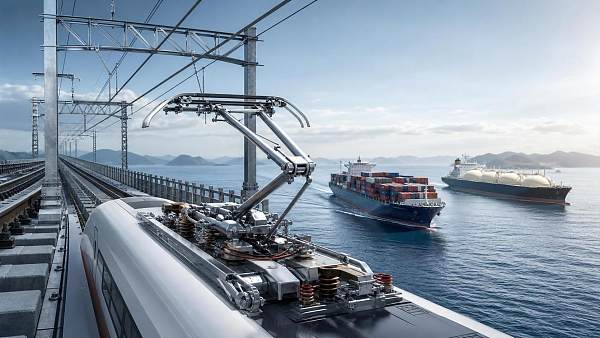
Pantograph performance is critical. Stable current collection reduces arcing, equipment wear, and energy loss at high speed.
2. Regenerative Braking and Energy Recovery
Regenerative braking converts kinetic energy into reusable electricity instead of dissipating it as heat.
This is a core lever for decarbonization in rail transportation, especially on metro, commuter, and mountainous routes.
Recovered energy can feed nearby trains, station systems, onboard batteries, or wayside storage units.
Advanced braking control also reduces thermal stress, pad wear, and maintenance-related emissions.
3. Digital Signaling and Energy-Aware Operations
Modern signaling improves capacity, but it also supports lower-carbon driving profiles and timetable coordination.
Automatic train operation, communications-based train control, and LTE-M connectivity can reduce unnecessary acceleration and braking.
For decarbonization in rail transportation, the “central nervous system” must process safety and energy data together.
SIL4 safety principles remain non-negotiable. Energy optimization must never compromise fail-safe train protection.
4. Battery, Hybrid, and Hydrogen Solutions
Not every route justifies immediate full electrification. Lower-density lines need flexible alternatives.
Battery trains suit short gaps, branch lines, and terminal areas where charging infrastructure can be planned carefully.
Hydrogen may fit longer non-electrified routes, provided fuel sourcing, storage safety, and refueling logistics are robust.
Hybrid traction can act as a bridge while network electrification and grid decarbonization mature.
Business Value Beyond Emissions Reduction
Decarbonization in rail transportation creates value beyond carbon accounting. It improves asset performance and operational resilience.
Energy-efficient operations reduce exposure to fuel-price shocks and grid-demand peaks.
Digital control improves punctuality, infrastructure utilization, and incident recovery.
Better braking and traction systems can lower lifecycle maintenance cost through reduced wear and predictive inspection.
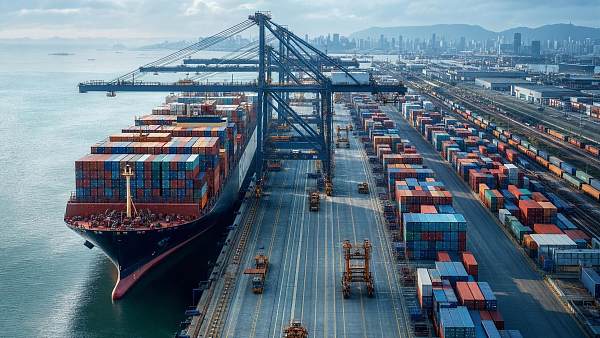
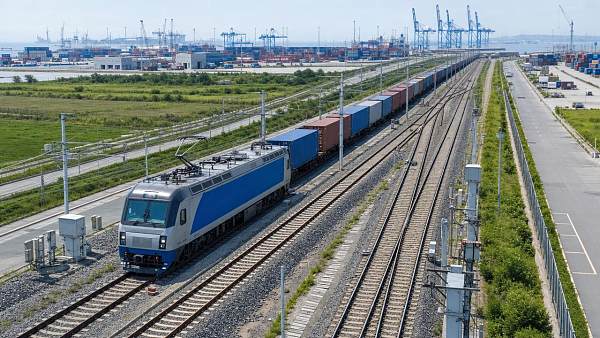
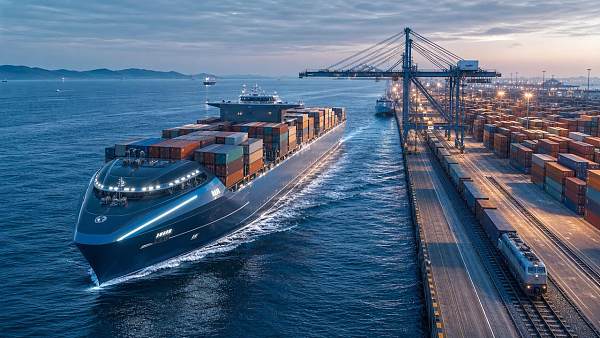
For intercontinental freight, cleaner rail corridors also strengthen the carbon performance of wider supply-chain arteries.
- Lower energy cost per service kilometer.
- Improved availability of rolling stock and infrastructure.
- Stronger compliance with climate-related disclosure requirements.
- Greater credibility in green financing and public infrastructure programs.
- Higher integration potential with ports, logistics hubs, and multimodal corridors.
This value case helps decarbonization in rail transportation compete for capital against other infrastructure priorities.
Typical Application Scenarios and Technical Focus
Different rail environments require different upgrade sequences. A single blueprint can create cost, safety, or reliability risks.
This classification supports staged decarbonization in rail transportation without forcing every corridor into the same investment model.
Implementation Principles for Reliable Progress
A successful roadmap starts with a baseline. Energy consumption, emissions factors, maintenance records, and service patterns must be measured consistently.
The next step is prioritization. Projects should be ranked by carbon impact, safety implications, payback period, and delivery complexity.
- Map emissions by route, asset class, and operational activity.
- Identify quick wins in driving strategy, timetable design, and maintenance planning.
- Assess grid capacity before committing to heavy electrification.
- Integrate regenerative braking with storage or receptive load planning.
- Specify interoperable data interfaces for signaling, traction, and energy systems.
- Use lifecycle cost and lifecycle carbon in technical evaluation.
Decarbonization in rail transportation should be managed as a portfolio, not a sequence of disconnected equipment replacements.
Safety certification, cybersecurity, spare-parts continuity, and workforce capability must be planned from the beginning.
Common Risks to Avoid
- Overestimating carbon savings without verified energy data.
- Selecting traction technology before confirming route duty cycles.
- Ignoring grid constraints, charging windows, or depot-space limitations.
- Treating digital signaling as separate from energy optimization.
- Underestimating maintenance changes caused by new power systems.
Avoiding these risks keeps decarbonization in rail transportation technically credible and financially defensible.
Building a Practical Next-Step Roadmap
The most practical next step is a corridor-level assessment that connects emissions, operations, and asset condition.
This assessment should produce a ranked upgrade plan, not only a technology wish list.
For dense corridors, electrification, regenerative braking, and digital signaling may form the primary package.
For regional lines, battery operation, selective charging, and partial electrification may provide a better starting point.
For freight arteries, locomotive strategy, train planning, and energy-aware dispatching can deliver meaningful early reductions.
GTOT supports this decision logic through intelligence on rail control systems, traction power, braking technologies, and land-sea logistics trends.
Its strategic view links decarbonization in rail transportation with wider infrastructure reliability, component performance, and global supply-chain efficiency.
Cleaner rail systems will not be built by one technology alone. They require disciplined engineering choices and verified operational data.
By starting with measurable baselines and staged upgrades, decarbonization in rail transportation becomes achievable, bankable, and operationally safe.
The immediate action is clear: measure the network, prioritize the corridors, align safety and energy objectives, and build a roadmap that can scale.
Recommended News
 Jul 19, 2026Transportation Infrastructure Trends Shaping Capital Planning in 2026Transportation infrastructure trends in 2026 are reshaping capital planning across rail, ports, and shipping. Discover how resilience, automation, and digital control are driving smarter investment decisions.
 Jul 12, 2026Gas Carrier Technology in the Middle East: 2026 OutlookGas carrier technology Middle East trends for 2026: explore LNG vessel innovation, propulsion, containment, and regional yard upgrades shaping smarter energy trade decisions.
 Jul 10, 2026Commercial Shipbuilding Technology Trends Shaping Newbuild Projects in 2026Commercial shipbuilding technology is reshaping 2026 newbuild projects with smarter vessels, fuel flexibility, digital twins, and earlier compliance planning. Explore the trends driving stronger ROI.
 Jul 08, 2026Rail Transit Systems Upgrade Trends Shaping 2026 Investment PlansRail transit systems in 2026 are shifting from expansion to smarter upgrades. Explore safety, automation, energy, and digital trends shaping resilient, high-value investment plans.
 Jul 06, 2026Cryogenic Shipping Systems Manufacturer Trends Shaping 2026 Fleet UpgradesCryogenic shipping systems manufacturer trends are reshaping 2026 fleet upgrades. Explore how digital monitoring, emissions control, and safer containment can improve vessel performance.
 Jul 05, 2026Smart Shipping Solutions for Fleet Management: 2026 Trends Shaping Vessel OperationsSmart shipping solutions for fleet management are redefining vessel operations in 2026. Explore trends in integration, compliance, fuel efficiency, and resilient fleet performance.
 Jul 04, 2026Digital Marine Decarbonization Technology: What Delivers Measurable GainsDigital marine decarbonization technology helps fleets cut fuel use, improve compliance, and boost vessel efficiency with measurable, data-driven gains. Learn what truly delivers value.
 Jul 03, 2026Global Rail Infrastructure Standards: 2026 Changes to WatchGlobal rail infrastructure standards are reshaping 2026 rail projects. Discover the key compliance, interoperability, cyber, and low-carbon changes that will impact bids and investment.
 Jul 02, 2026Global Trade Logistics North America Trends to Watch in 2026Global trade logistics North America in 2026 will be shaped by rail-ocean integration, smart routing, LNG demand, and measurable resilience. Discover the trends redefining reliability and trade advantage.
 Jun 30, 2026International Shipbuilding Suppliers: 2026 Sourcing Trends and Supply Chain RisksInternational shipbuilding suppliers face new 2026 sourcing risks, from compliance and digital integration to sub-tier bottlenecks. Explore key trends shaping cost, delivery, and resilience.
 Jun 27, 2026Heavy Industry Tech Trends Reshaping Equipment Investment in 2026Heavy industry tech is reshaping 2026 equipment investment across rail and maritime systems. Explore the five trends driving safer, smarter, higher-value capital decisions.
 Jun 25, 2026Decarbonization Trends Reshaping Rail and Marine Investment in 2026Decarbonization is reshaping rail and marine investment in 2026. Discover where capital is moving, which assets gain value, and how smarter transport upgrades improve resilience.
 Jun 23, 2026Global Rail Infrastructure Trends Shaping Capacity, Funding, and Delivery TimelinesGlobal rail infrastructure trends are redefining capacity, funding, and delivery timelines. Explore how data-driven planning and system readiness shape resilient, investable rail projects.
 Jun 22, 2026Maritime Logistics Trends in 2026: Capacity Shifts, Delays, and Margin PressureMaritime logistics in 2026 faces shifting capacity, persistent delays, and rising margin pressure. Explore key risks, lane-level signals, and smarter planning strategies.
 Jun 21, 2026LNG Carriers Technology Advancements: 5 Upgrades Reshaping Fleet PerformanceLNG carriers technology advancements are reshaping fleet performance through smarter containment, dual-fuel propulsion, digital monitoring, boil-off control, and automation—see the 5 upgrades driving safer, cleaner, more profitable LNG shipping.
 Jun 20, 2026Global Supply Chain Challenges in Rail Infrastructure in 2026Global supply chain challenges in rail infrastructure are redefining 2026 project risk. Discover where delays, compliance, and sourcing pressure hit hardest—and how smarter evaluation protects cost, delivery, and performance.
 Jun 20, 2026Full Digitalization in Rail: 7 Risks to Address Before ScalingFull digitalization in rail can boost safety, maintenance, and control—but only if key risks are managed. Explore 7 critical challenges to address before scaling network-wide.
 Jun 18, 2026Maritime Logistics Trends in 2026: Where Shipping Efficiency Is MovingMaritime logistics in 2026 is driven by AI routing, port connectivity, decarbonization, and asset visibility. Discover the trends redefining shipping efficiency and resilience.
 Jun 17, 2026Transportation Infrastructure Development Trends That Matter for Long-Term PlanningTransportation infrastructure development trends are reshaping rail, ports, shipping, and LNG networks. Explore the key signals for smarter long-term planning, resilience, and investment value.
 Jun 17, 2026Railway Automation Trends Shaping Safer, Smarter Networks in 2026Railway automation in 2026 is driving safer, smarter rail networks with predictive maintenance, integrated signaling, and higher capacity. Explore the trends shaping resilient transport.
 Jun 15, 2026Decarbonization in Rail Transportation: What Cuts Emissions First?Decarbonization in rail transportation starts with the fastest wins: traction optimization, regenerative braking, smarter signalling, and retrofit upgrades that cut emissions, costs, and risk.
 Jun 14, 2026Rail Infrastructure Investment: Cost vs Long-Term ReturnRail infrastructure investment is more than upfront cost. Discover how lifecycle planning, smarter systems, and reliable rail design can deliver stronger long-term returns.
 Jun 13, 2026Advanced Ocean-Going Vessels: Key Design Shifts in 2026Advanced ocean-going vessels in 2026 are redefining shipping with AI routing, fuel-flexible propulsion, and smarter port integration. See which design shifts drive resilience, efficiency, and long-term fleet value.
 Jun 12, 2026High-Speed Rail Technology Trends Shaping 2026 ProjectsHigh-speed rail technology is reshaping 2026 projects through smarter signaling, resilient traction, precision braking, and digital monitoring. Explore the trends driving safer, scalable, bankable rail delivery.